种植业

Search documents
从“一身泥”到“一机控” 智慧农业助力秋粮稳产
Xin Hua She· 2025-09-19 14:56
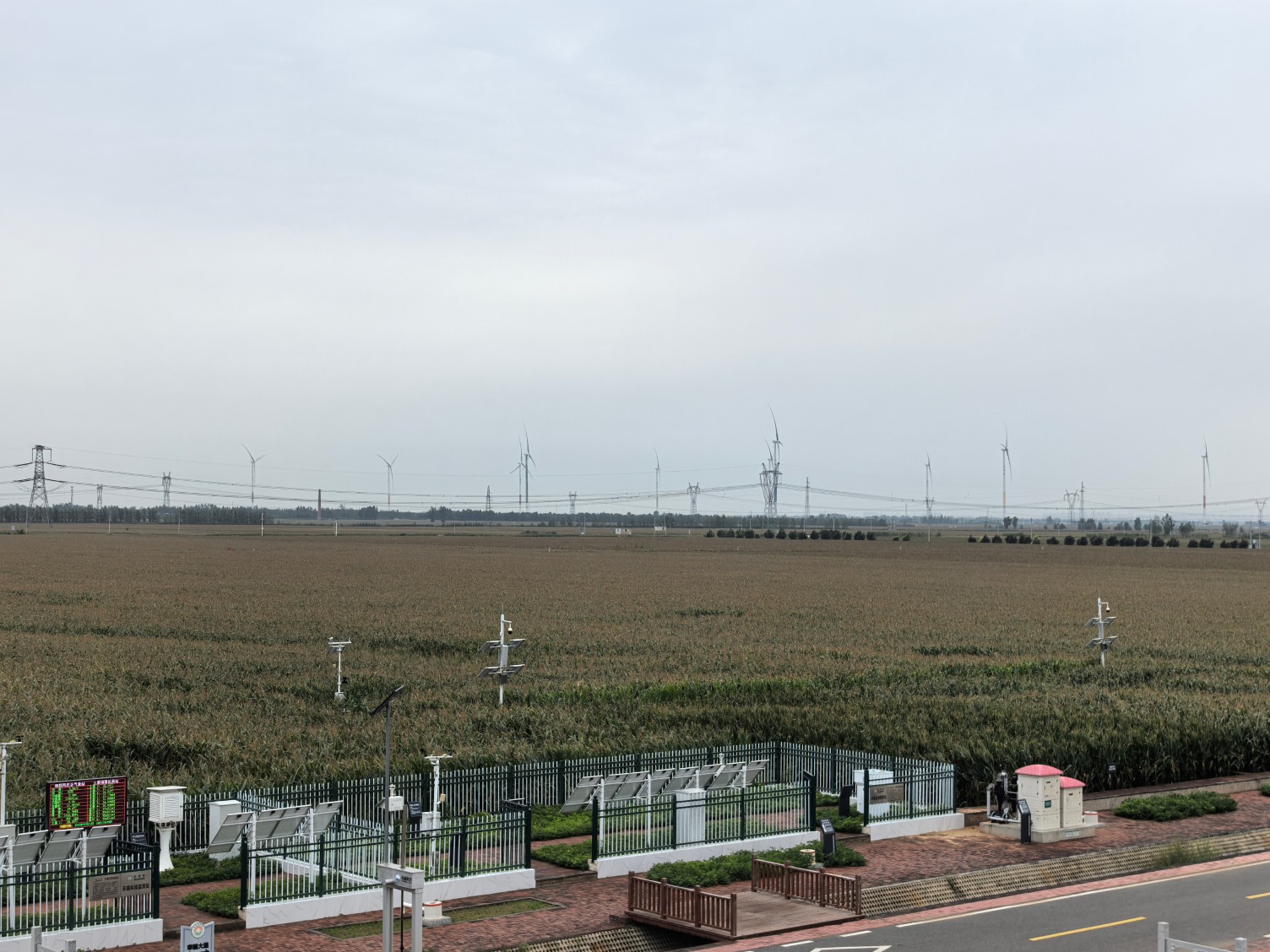
Core Viewpoint - The article highlights the advancements in smart agriculture in Anyang County, Henan, showcasing how technology is transforming traditional farming practices and leading to increased efficiency and productivity in corn cultivation [1][3][9]. Group 1: Smart Agriculture Implementation - The Anyang Xiaosong Planting Cooperative has adopted various smart agricultural devices, allowing for customized nutrient delivery to crops, which has contributed to a bountiful corn harvest this year [1][3]. - The cooperative has utilized 2,800 acres of land, with 400 acres equipped with drip irrigation and integrated water-fertilizer systems, improving water and fertilizer utilization by over 30% compared to traditional methods [3][5]. - The use of drones for crop protection has enabled the cooperative to cover 800 to 1,000 acres in a single day, significantly enhancing operational efficiency [7][9]. Group 2: Technological Advancements - The cooperative has invested in various agricultural machinery, including harvesters, sprayers, and unmanned tractors, which have drastically reduced the time required for harvesting [7]. - The introduction of unmanned tractors equipped with Beidou navigation systems has improved planting accuracy to within 2 centimeters, showcasing the precision of modern agricultural practices [7][9]. - The overall transformation from traditional farming methods to data-driven and machine-controlled operations has solidified the foundation for stable and abundant grain production [9]. Group 3: Supportive Infrastructure - Recent upgrades in electricity supply in Anyang County have provided a strong foundation for the implementation of smart agriculture projects [7]. - The establishment of high-standard farmland demonstration areas has facilitated the integration of various smart devices, creating a modern agricultural landscape characterized by efficient irrigation and monitoring systems [9]. - The local agricultural authorities are committed to enhancing communication and coordination among departments to ensure effective monitoring and disaster prevention measures, further supporting the goal of increased crop yields [9].


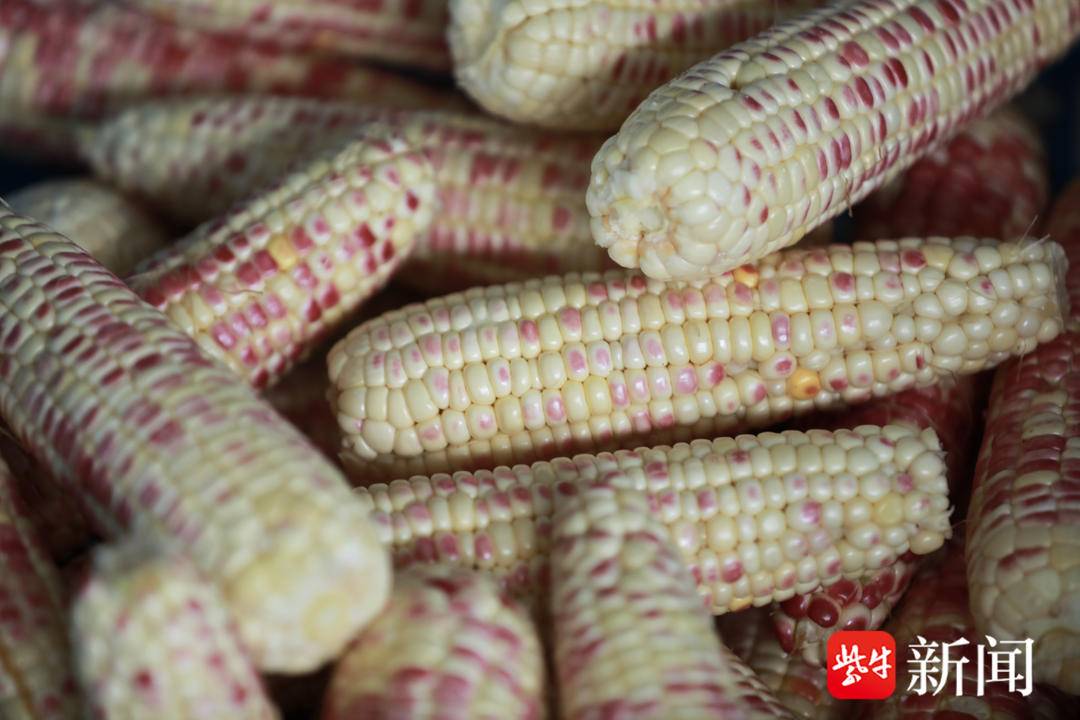
丰收节前话丰收!句容秋茬玉米抢鲜上市 ,20 万穗预计创收百万
Yang Zi Wan Bao Wang· 2025-09-19 08:57
Core Insights - The article highlights the successful harvest of fresh sweet corn in Jiangsu's Jurong, benefiting from agricultural technology and ecological practices, leading to increased income for farmers and environmental benefits [1][3]. Group 1: Harvest and Economic Impact - The fresh sweet corn harvest in Jiangsu's Jurong is officially starting, with the main variety being "Little Red Corn," and the harvest is expected to last until mid-November, occurring 10 days earlier than previous years [3]. - The total yield for this season is projected to be around 200,000 ears of corn, with sales expected to exceed 1 million yuan [3]. Group 2: Agricultural Practices and Collaboration - The corn is sold through online platforms, offline channels, and partnerships with large chain supermarkets, showcasing a diversified sales strategy [5]. - An "ecological circular co-construction agreement" has been signed with a neighboring village, promoting both economic and ecological development through organic farming practices [5]. - The region's ecological advantages and expert guidance from the provincial agricultural science institute have led to the introduction of multiple new corn varieties, enhancing both yield and quality [5].
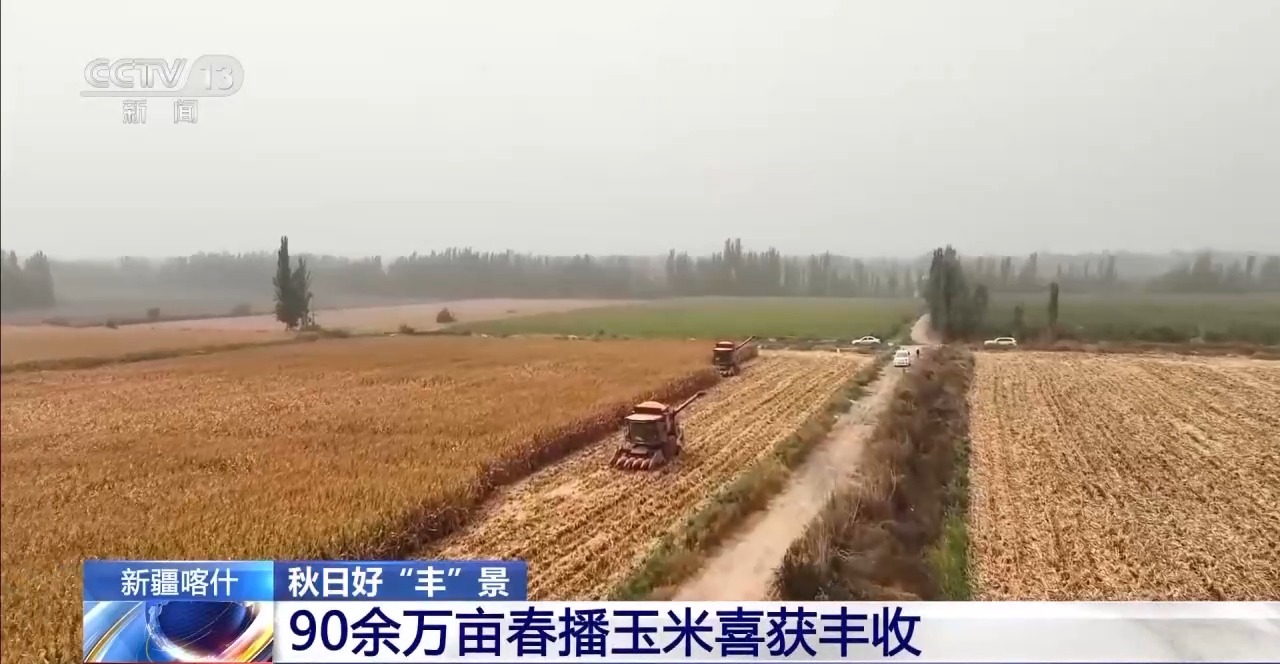
秋日好“丰”景 科技赋能+政策扶持让农户增产增效
Yang Shi Xin Wen Ke Hu Duan· 2025-09-19 08:56
Group 1: Corn Production in Xinjiang - Xinjiang's Kashgar region has over 900,000 acres of spring corn entering the harvest period, benefiting from improved seed promotion, technology empowerment, and policy support, leading to increased yield and farmer income [1][5] - The corn yield in Shufu County reached 722 kg per acre this year, attributed to scientific seed selection, timely planting, and strong technical support from agricultural departments [3] - Farmers in Shufu County report an income of around 2,000 yuan per acre due to the introduction of new corn varieties and adherence to agricultural guidance [5] Group 2: Sweet Potato Industry in Henan - In Puyang, Henan, over 30,000 acres of sweet potatoes are being harvested, with local efforts focused on brand development and extending the sweet potato industry chain to boost farmer income [6][8] - The sweet potato production process includes multiple steps such as harvesting, sorting, and transportation, which not only promotes local industrial development but also provides job opportunities for nearby residents [8] Group 3: Walnut Harvest in Zhejiang - In Lin'an, Zhejiang, 570,000 acres of mountain walnuts are in the harvest season, with local processing capabilities enhanced to ensure smooth market access [11] - The walnut production is expected to increase by over 50% compared to last year, with daily production capabilities reaching 5 tons of walnut kernels and 10 tons of hand-peeled walnuts [11][13] - The estimated output value of mountain walnuts in Lin'an is projected to exceed 4.9 billion yuan, contributing significantly to local farmers' income [13] Group 4: Pomelo Production in Guangdong - In Meizhou, Guangdong, 650,000 acres of pomelos are reaching peak harvest, with expected production exceeding 1 million tons due to favorable climate and scientific planting techniques [14][18] - Local farmers report improved pomelo quality and strong sales, with some securing contracts for significant quantities, indicating a robust market demand [14][16]
种植业板块9月19日跌0%,康农种业领跌,主力资金净流入4109.73万元
Zheng Xing Xing Ye Ri Bao· 2025-09-19 08:41
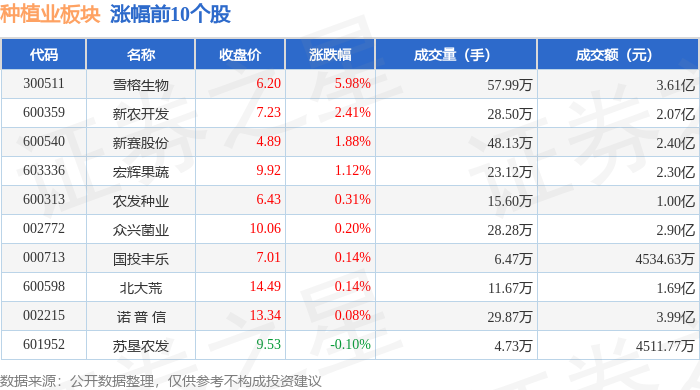
Market Overview - The planting industry sector experienced a slight decline of 0.0% on September 19, with Kangnong Seed Industry leading the drop [1] - The Shanghai Composite Index closed at 3820.09, down 0.3%, while the Shenzhen Component Index closed at 13070.86, down 0.04% [1] Stock Performance - Notable gainers in the planting industry included: - Xuecheng Biological (300511) with a closing price of 6.20, up 5.98% and a trading volume of 579,900 shares [1] - Xinong Development (600359) closed at 7.23, up 2.41% with a trading volume of 285,000 shares [1] - New Sai Co. (600540) closed at 4.89, up 1.88% with a trading volume of 481,300 shares [1] - Conversely, Kangnong Seed Industry (837403) saw a significant decline of 3.77%, closing at 24.78 with a trading volume of 33,900 shares [2] Capital Flow - The planting industry sector saw a net inflow of main funds amounting to 41.1 million yuan, while retail investors experienced a net outflow of 49.3 million yuan [2] - The main funds' net inflow for Xuecheng Biological was 49.99 million yuan, representing 13.84% of the total, while retail investors had a net outflow of 36.69 million yuan [3] - Notable stocks with significant capital flow included: - Nuofushin (002215) with a main fund net inflow of 40.82 million yuan and a retail net outflow of 24.92 million yuan [3] - Xin Sai Co. (600540) with a main fund net inflow of 32.42 million yuan and a retail net outflow of 39.81 million yuan [3]


山东沂南:特色农业片区化发展奏响乡村振兴“丰收曲”
Zhong Guo Jin Rong Xin Xi Wang· 2025-09-19 07:48
Core Viewpoint - The article highlights the successful transformation of traditional agriculture in Yinan County, Shandong Province, into modern agriculture through the development of specialized agricultural zones and the integration of technology and industry [1][4]. Group 1: Agricultural Development Strategies - Yinan County has established a development pattern characterized by "technology-driven, regional collaboration, industrial enhancement, and open win-win" to promote local specialty agricultural products [1]. - The county aims to create six specialized agricultural zones focusing on various products such as Yinan cucumber, Sunzu millet, and Fulaired apple by 2025, fostering technological innovation and collaboration [1]. Group 2: Cooperative Models and Standardization - The "Party branch + cooperative + farmer" model has enabled a transition from traditional planting to standardized production in the Sunzu millet agricultural zone [2]. - The cooperative has implemented unified seed selection, field management, harvesting, processing, and packaging, leading to a shift from a fragmented to a standardized and branded millet industry [2]. Group 3: Education and Technology Promotion - The establishment of field schools in the apple orchards aims to enhance the skills of local farmers, helping them integrate into the specialty industry [3]. - The county focuses on the new development of old industries by promoting a comprehensive approach to production, storage, and sales, thereby strengthening the apple industry's growth [3]. Group 4: Policy and Resource Utilization - A three-tiered service model has been created to connect industry leaders with resources, policies, and technical support to address challenges in agricultural development [4]. - The county is leveraging the brand effect of "national geographical indication agricultural products" to shift from selling raw materials to selling branded products, enhancing the overall agricultural value chain [4].
新思想引领新征程|全方位夯实粮食安全根基 14亿中国人的饭碗端得更牢
Yang Guang Wang· 2025-09-19 03:43
Group 1 - The core message emphasizes the importance of food security in China, highlighting that it must be ensured domestically, with a focus on self-sufficiency in grain production [1][4] - The summer grain procurement has exceeded 100 million tons this year, and there are expectations for a bountiful autumn harvest [1] - The integration of advanced agricultural technologies, such as drones for monitoring crop maturity, is enhancing harvesting efficiency and grain quality [1] Group 2 - The promotion of the "strip intercropping" model for soybean and corn in Guizhou has shown significant results, achieving record yields and increased farmer income [2] - China has built over 100 million acres of high-standard farmland, with agricultural technology contributing 63.2% to productivity, and the mechanization rate exceeding 75% [2] - The development of major crop varieties has reached over 95% self-breeding, ensuring that "Chinese grain" primarily uses "Chinese seeds" [2] Group 3 - In Henan, the establishment of a large model integrating artificial intelligence and agricultural seed industry has led to a coverage rate of over 97% for major crop varieties [3] - Ningxia has incorporated seed industry revitalization into its land protection and food security assessments, establishing a coordinated work mechanism [3] - The food security situation in China has improved significantly, with per capita grain availability reaching 500 kg, ensuring basic self-sufficiency in grains [3] Group 4 - The government stresses the need for vigilance regarding food security, advocating for a self-reliant approach while ensuring production capacity and appropriate imports [4]
南农晨读 | 低空经济飞起来
Nan Fang Nong Cun Bao· 2025-09-19 01:34
Group 1 - The rise of "play corn" has led to some corn selling for thousands of yuan each, attracting both young consumers and rural farmers [3][4][5] - The fresh corn industry in Guangdong has seen rapid growth, with the annual planting area reaching approximately 700,000 acres and the national planting area exceeding 25 million acres [17][18] - The fresh corn industry faces challenges such as insufficient genetic resource exploration, tightening production resources, and increased natural disasters and pests [19] Group 2 - The national agricultural technology promotion center has released scientific fertilization guidelines for tea trees to enhance production quality and efficiency [11][12][13] - Yunfu City has made significant progress in its "zero waste city" initiative, completing 28 construction indicators and 54 system construction tasks ahead of schedule [30][32]

715.6公斤!河套小麦再次刷新内蒙古春小麦亩产纪录
Nei Meng Gu Ri Bao· 2025-09-19 01:30
Core Insights - The wheat yield in Hangjin Rear Banner reached 715.6 kg per mu, surpassing last year's highest yield of 705.8 kg per mu by 9.8 kg, setting a new record for spring wheat in Inner Mongolia [1][2] - The high-yield demonstration field, covering 155 mu, utilized advanced agricultural techniques and organic fertilization to enhance soil fertility and maximize wheat production potential [1] - The expert group also measured yields in large demonstration areas, with a 1,203 mu site averaging 687.58 kg per mu and a 13,006 mu site averaging 561.46 kg per mu, indicating significant breakthroughs in large-scale wheat production [2] Agricultural Techniques and Practices - The high-yield demonstration field is managed by a cooperative that has transferred over 2,000 mu of land, with 300 mu dedicated to wheat cultivation, leveraging the advantages of raising over 1,000 dairy cows [1] - Key agricultural practices include crop rotation, selection of high-quality seeds, the use of large-scale machinery, and integrated water and fertilizer management, along with green pest control technologies [1][2] - The collaboration of "good land, good seeds, good opportunities, and good techniques" has been validated as a scientific approach to enhancing wheat yields [2] Future Outlook - The Inner Mongolia Autonomous Region plans to systematically analyze high-yield wheat models and increase the promotion of integrated technologies to expand the reach of high-yield experiences [2] - This initiative aims to inject continuous momentum into the overall improvement of wheat yield levels in Inner Mongolia [2]
高标准农田怎么建怎么管——来自黑龙江北大荒集团的调查
Xin Lang Cai Jing· 2025-09-19 00:03
Core Viewpoint - The construction of high-standard farmland in Heilongjiang Province has transformed traditional farming practices and is crucial for ensuring national food security, with the province leading the nation in both the area of high-standard farmland built and total grain production [1][5]. Group 1: High-Standard Farmland Construction - By the end of 2024, Heilongjiang Province has built nearly 120 million acres of high-standard farmland, accounting for 11.3% of the national grain output, with a total grain production of 1,600.34 billion jin [1]. - The Beidahuang Agricultural Reclamation Group has established 31.38 million acres of high-standard farmland, making it a key player in China's agricultural landscape [1]. - The construction of high-standard farmland is prioritized as a "number one project" by the Beidahuang Group, which has implemented a series of regulatory documents to ensure project execution [1][2]. Group 2: Benefits of High-Standard Farmland - Farmers have reported significant improvements in efficiency and productivity due to the transformation from small plots to larger, standardized fields, resulting in reduced costs and increased yields [3]. - The effective planting area has expanded due to improved infrastructure, such as irrigation systems and access roads, leading to higher crop yields and better land utilization [3][4]. - The integration of smart agricultural technologies, including IoT devices for precise irrigation and monitoring, has revolutionized farming practices, allowing for more efficient resource management [3][4]. Group 3: Management and Maintenance - The Beidahuang Group has established clear management and maintenance protocols to ensure the sustainability and effectiveness of high-standard farmland, emphasizing the importance of ongoing care after construction [4][5]. - Regular inspections and maintenance schedules have been implemented to address issues promptly, ensuring that farmland remains productive and well-maintained [4][5]. - The establishment of a comprehensive management system has allowed for better oversight and accountability in farmland maintenance, enhancing overall agricultural productivity [5].

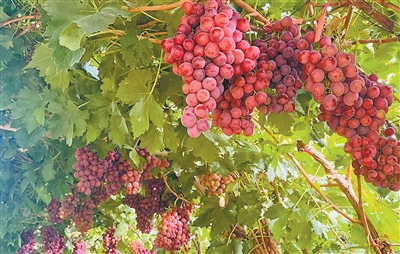
改良盐碱地 葡萄大丰收
Ren Min Ri Bao· 2025-09-18 22:32
Core Insights - The article highlights the successful harvest of the grape variety "Red Earth" after the improvement of saline-alkali land in Dunhuang City, Gansu Province [3]. Group 1: Agricultural Innovation - A team from China Agricultural University, led by Professor Hu Shuwen, has been working on the improvement and utilization of saline-alkali land [3]. - The team established a high-quality grape demonstration area in Qili Town, Dunhuang City, focusing on enhancing grape quality [3]. Group 2: Techniques and Results - The team employed a dual-path technology approach, combining "soil base application improvement" and "foliar nutrient spraying" to enhance soil quality and grape quality [3]. - The improved soil conditions resulted in the "Red Earth" grape variety maturing 7 to 10 days earlier than grapes from control planting areas, with a sugar content increase of over 15% [3].