证券

Search documents
A股大举提升再融资吸引力,哪些公司受益?划定哪些红线?
Feng Huang Wang· 2026-02-09 13:32
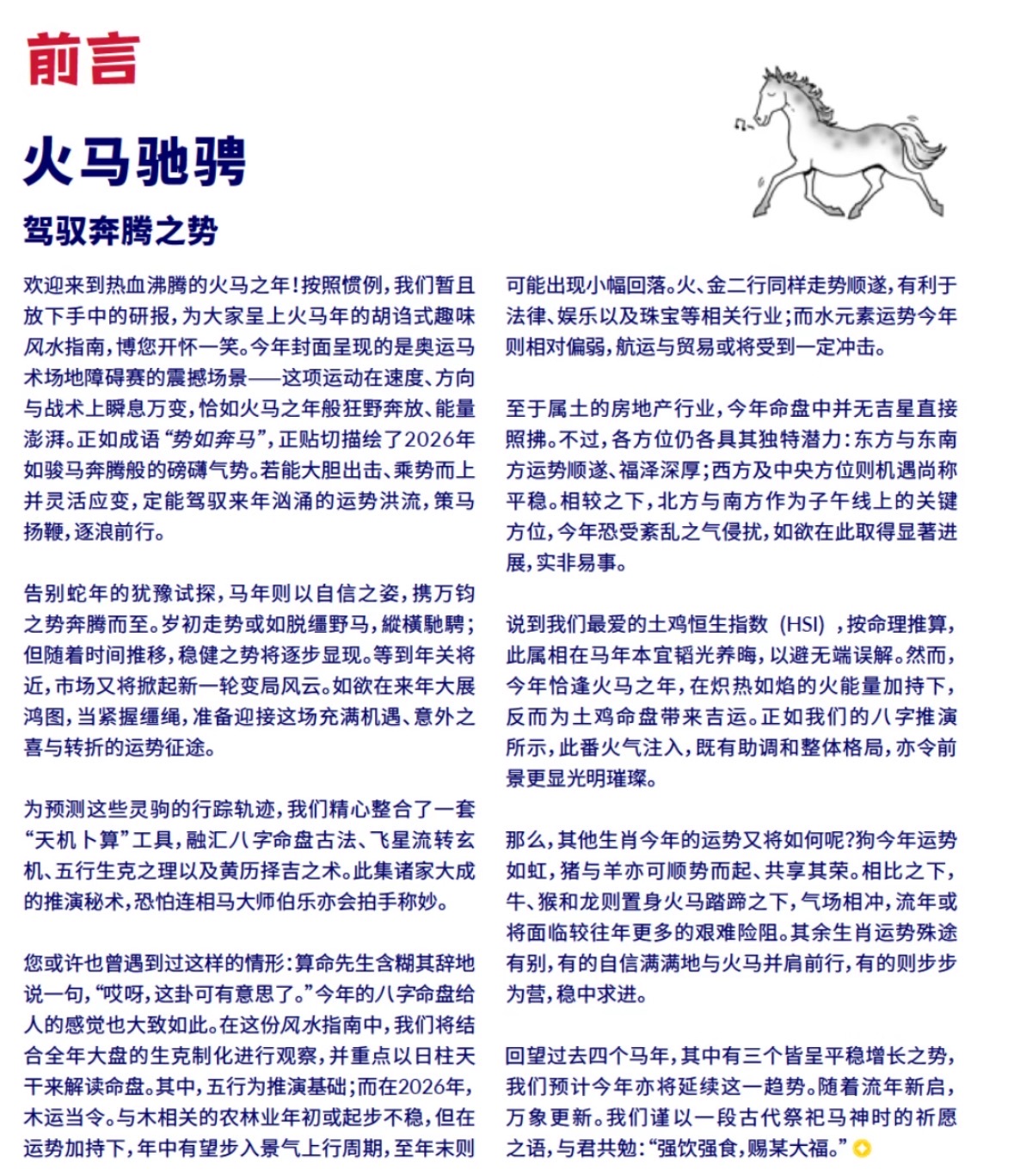
春节前,沪深北交易所集中发布重大政策,提出优化再融资的一揽子措施,一时之间,A股再融资吸引 力大提升。 三是提高再融资机制灵活性与便利性,预案披露需说明前次募资使用及后续计划,申报时前次募资需基 本使用完毕,申报材料可直接引用已公告内容,同时优化简易程序负面清单/情形。 四是强化再融资全链条监管,压实上市公司信披责任和中介"看门人"职责,严防"带病"申报;锁价定增 获控制权的需承诺批文有效期内完成发行,违诺严肃追责;加强募集资金监管,加大事中事后监管及违 法违规惩处力度。 哪些内容最受市场关注?综合智通财经调研来看,目前有三大方面的细节尚待明确,也成为市场热议的 核心焦点。 其一,破发企业再融资相关政策成为市场关注度最高的举措。沪深北三大交易所均明确,存在破发情形 的上市公司可通过定增、发行可转债等方式开展合理融资,且募集资金须全部投向主营业务。 统计显示,当前A股破发上市公司合计537家,其中深市291家、沪市236家、北交所10家。 文件出台后,破发企业再融资落地的具体标准成为上市公司的重要重点关注。 这次核心举措主要有四个方面: 一是加大优质上市公司支持力度,优化其再融资审核、提升审核效率,允许将募资投 ...
香港“唱高散货”证券欺诈案两主谋被判监禁最长24个月
Zhi Tong Cai Jing· 2026-02-09 13:29
案情指,于2020年6月至9月期间,作为前香港证监会持牌代表的李与林以主脑身分行事,九度指示他们 各自的妻子陈及许欺骗星火证券有限公司(星火)的一名客户主任。陈、林及许意图欺诈而讹称拥有四家 香港上市公司的股份,诱使星火就该等股份发出卖盘。三人于并无持有有关股份的情况下,以被推高的 价格沽出股份,随后在股价回落时以较低价格回购该等股份,借以将其短仓平仓,从而获取非法利润。 被告被裁定曾进行无抵押卖空活动,合共获利330万港元,令星火蒙受重大的亏损风险,并损害了证券 市场的廉洁稳健。 香港证监会法规执行部执行董事戴霖先生(Mr Michael Duignan)表示:"香港证监会欢迎法院的裁决。本 案成功落幕,充分体现我们与警方紧密合作,共同打击金融罪行的成效,有助维护本港证券市场的廉洁 稳健。" 经香港证监会调查发现,该两对在关键时间是朋友的已婚夫妇曾参与在社交媒体上推广的"唱高散货"计 划后,香港律政司遂对他们提出检控。被告根据"微信老师"提供的信息,进行无抵押卖空活动谋利。香 港证监会发现涉及欺诈活动的证据,并将案件转介警方以采取联合行动。 李景康(男)及林显辉(男)分别被判处监禁24及22个月,而他们各自 ...
光大证券:合并是重大信息,公司不存在应披露而未披露的信息
Zheng Quan Ri Bao· 2026-02-09 13:29
证券日报网讯 2月9日,光大证券在互动平台回答投资者提问时表示,合并是重大信息,公司不存在应 披露而未披露的信息。 (文章来源:证券日报) ...

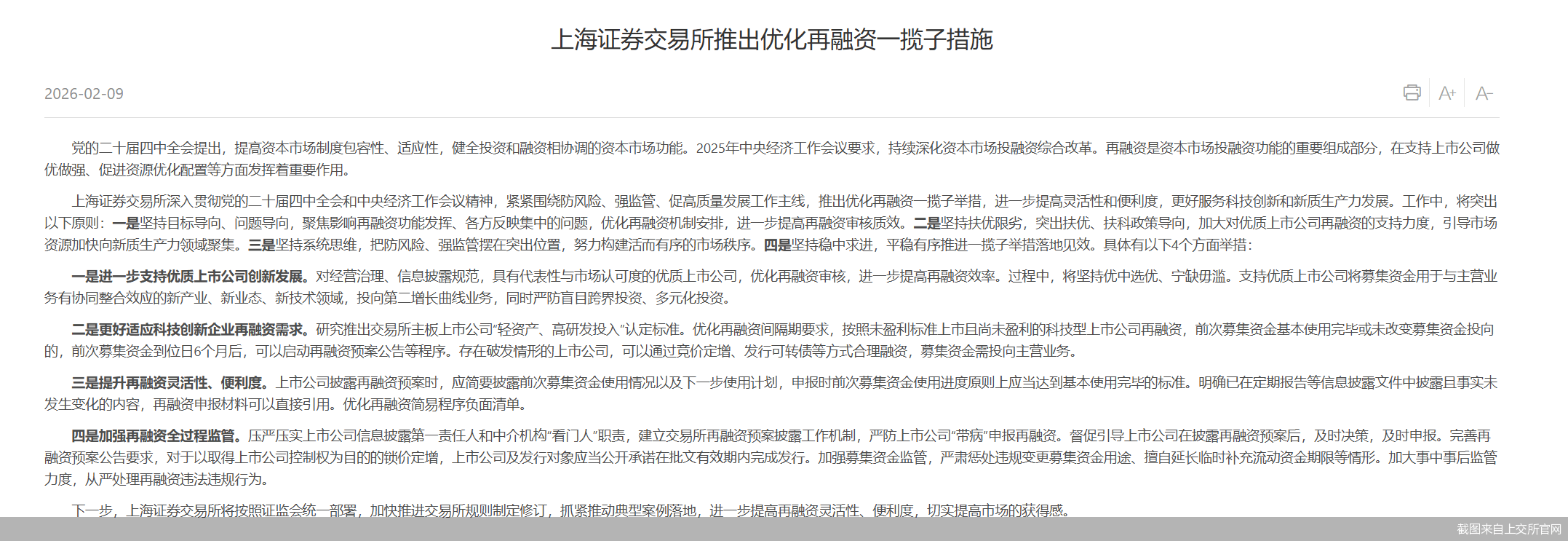
中信里昂2026恒生指数风水指南:3月迎小幅上扬
Guo Ji Jin Rong Bao· 2026-02-09 13:25
指南指出,2025年年初恒生指数意外下挫,未料其后迅猛反弹,涨幅远超年初运势预测。更令人意外的是,市场上令人闻之色变的'T字杀'骤然降临, 抹去此前大部分涨幅,令全球投资者惊惶失措。然而夏秋之交,指数再度攀新高,恰好印证了指南2025年年初对盛夏至深秋上涨行情的预判;而随着秋去冬 来,指数再度回落,走势与运势推演形成呼应。 近日,中信里昂一年一度的股市风水指南出炉。 回顾2025年,这份风水指南的预测可谓"有失有得",喜忧参半。指南复盘称,"2025年走势真可谓跌宕起伏,宛如蜿蜒蛇行,难以预料。" 马年市场又将走出怎样的行情? 中信里昂2026年《恒生指数年度风水指南》封面选用了奥运马术场地障碍赛的场景。指南解读称,正如成语"势如奔马",封面正贴切描绘了2026年如骏 马奔腾般的磅礴气势。若能大胆出击、乘势而上并灵活应变,定能驾驭来年汹涌的运势洪流,策马扬鞭,逐浪前行。 与往年一样,中信里昂也为2026年每个月的恒生指数走势给出了较为明确的风水预判。 具体来看,2月,恒生指数开局表现不尽如人意,以下跌之势拉开全年序幕;3月,市场将迎来一轮小幅上扬;4月,市场将显著攀升;5月,指数再迎一 波不俗上涨;6月,指数 ...

沪深北交易所大动作!推出优化再融资一揽子措施,三大核心亮点来了
Sou Hu Cai Jing· 2026-02-09 13:25
资本市场再融资规则迎来重要优化。2月9日,沪深北交易所宣布推出优化再融资一揽子措施,围绕优质公司支持、科创企业适配、机制便利化三大核心方 向,优化审核节奏。在业内人士看来,优化再融资一揽子措施既提升了再融资效率,也严守投向主业与规范运作底线,释放了鲜明的"扶优、扶科、稳预 期"政策信号。 加大对优质上市公司支持力度 此次优化再融资一揽子措施,第一大亮点是加大了对优质上市公司的支持力度。 具体来看,在进一步支持优质上市公司创新发展方面,沪深北交易所明确,对经营治理与信息披露规范,具有代表性与市场认可度的优质上市公司,优化再 融资审核,进一步提高再融资效率。过程中,将坚持优中选优、宁缺毋滥。 从本次优化再融资一揽子措施来看,破发公司再融资迎来"松绑"也是一大亮点。 沪深北交易所均提到,存在破发情形的上市公司,可以通过定增、发行可转债等方式合理融资,募集资金需投向主营业务。 具体来看,上交所明确更好适应科技创新企业再融资需求;深交所指出,提高对科技创新企业的包容性适应性;北交所则提到了提高对创新型中小企业再融 资的制度包容性。 此外,沪深北交易所也明确提升再融资灵活性、便利度,加强再融资全过程监管。压严压实上市公司 ...
国信证券:景气回升难掩财政忧虑 美债曲线陡峭化博弈加剧
智通财经网· 2026-02-09 13:23
智通财经APP获悉,国信证券发布研究报告称,当前美债市场处于数据韧性、财政忧虑与地缘风险的多 重博弈中,建议采取"短久期核心+陡峭化卫星"配置,核心持仓聚焦3-5年期投资级债券,获取相对稳健 票息收益抵御短期波动,同时严控10年期以上美债敞口,规避财政扩张引致的长端利率上行风险。 从近期走势来看美元指数(DXY)本周基本持平,从上周低点反弹了约1.6%,但在过去12个月中仍下跌了 近10%,整体弱势格局未变。在公司债市场,衡量风险的信用利差已从近期的低点有所上升,表明风险 定价更为谨慎,但相比一年来的高点仍处于更健康水平,反映出市场情绪虽有所降温,却远未到恐慌的 程度。 市场焦点转向本周即将公布的CPI与非农就业数据 美国1月ISM数据显示,制造业与服务业景气度同步回升,经济动能明显改善 本周金融市场聚焦推迟发布的1月非农和CPI数据。非农就业市场预计新增6万人(前值5万),失业率预计 将持稳4.4%,但上周公布的ADP就业数据仅新增2.2万个岗位,远低于预期,显示劳动力市场仍处"低招 聘、低裁员"的停滞状态。此外,本次非农报告将包含年度就业数据修正,若历史数据下修,可能进一 步影响市场对美联储政策的预期。C ...
证券公司学习宣传贯彻党的二十届四中全会精神丨财达证券党委书记、董事长张明:谱写金融报国新篇章,开创高质量发展新局面
Zhong Guo Zheng Quan Bao· 2026-02-09 13:21
Core Viewpoint - The article highlights the strategic opportunities for the securities industry in China, emphasizing the importance of aligning with the spirit of the 20th National Congress of the Communist Party and the role of financial institutions like Caida Securities in supporting regional economic development and enhancing financial services [1][2]. Group 1: Company Overview - Caida Securities has maintained its position as the leading company in bond underwriting in Hebei Province for six consecutive years, contributing to the improvement of local financial structures and the smooth operation of the real economy [1]. - The company has evolved from a registered capital of 230 million yuan to 3.245 billion yuan, becoming Hebei's first listed local financial institution [3]. Group 2: Strategic Focus - The company emphasizes its mission to serve the national development strategy and the real economy, integrating its growth with local economic development [6][7]. - Caida Securities aims to enhance its service efficiency to the real economy by leveraging its expertise in bond underwriting, asset management, and wealth management [2][5]. Group 3: Party Leadership and Corporate Culture - The company prioritizes the leadership of the Communist Party, integrating its political advantages into the entire process of corporate reform and development [3][4]. - Following the 20th National Congress, the company has initiated internal education to ensure that all employees understand and implement the Congress's significant decisions [3][4]. Group 4: Financial Services and Innovations - Caida Securities has actively participated in the issuance of innovative bonds, such as technology innovation bonds for local enterprises, thereby supporting their transformation and development [7]. - The company has invested over 11 billion yuan in local bonds and 8.511 billion yuan in technology innovation bonds over the past three years, contributing to the reduction of regional financing costs [7]. Group 5: Asset Management and Wealth Management - The company has adopted a customer-oriented approach in its asset management services, launching various products to meet the growing wealth management needs of the public [8]. - Caida Securities has enhanced its operational efficiency and risk control through digital tools, marking a new phase of high-quality development in its asset management business [8]. Group 6: Competitive Strategy - The company recognizes the importance of differentiation in a competitive market, focusing on niche areas where it can establish a competitive advantage [9][10]. - By integrating various business lines, Caida Securities aims to provide comprehensive solutions to local governments and enterprises, enhancing its service delivery [10]. Group 7: Future Outlook - Looking ahead, Caida Securities is committed to high-quality development, driven by its mission to serve the nation and its focus on reform and innovation [11].

北交所推出优化再融资一揽子措施
Zheng Quan Ri Bao Wang· 2026-02-09 13:10
二是提高对创新型中小企业再融资的制度包容性。存在破发情形的上市公司,可以通过竞价定增、发行 可转债等方式合理融资,募集资金需投向主营业务。支持按照未盈利标准上市且尚未盈利的科创企业按 需、合理实施再融资。 三是提高再融资制度便利性。上市公司披露再融资预案时,应当同时简要披露前次募集资金使用情况以 及下一步使用进度考虑,申报时前次募集资金使用进度原则上应当达到基本使用完毕的标准。上市公司 提交的再融资申报材料,可以引用已公告内容。在审期间如年报、半年报对财务数据有更新的,可以直 接援引更新后的内容。优化简易程序负面清单。 四是强化再融资全链条监管。建立交易所再融资预案披露工作机制,严防上市公司"带病"申报再融资。 完善再融资预案公告要求,对于通过锁价定增取得上市公司控制权的,上市公司及发行对象应在公告中 公开承诺在批文有效期内完成发行,未履行承诺交易所可以予以自律监管措施或纪律处分。上市公司披 露再融资预案后,应当及时决策、及时申报。加强募集资金监管,严格做好定期报告募投项目信息披露 的把关。加大事中事后监管力度,严惩再融资违法违规行为。 北交所表示,下一步,将按照证监会统一部署,加快推进交易所规则制定修订,抓 ...
西南证券:目前在公司财务部门下设了财务共享中心
Zheng Quan Ri Bao Zhi Sheng· 2026-02-09 13:07
Core Viewpoint - The company is centralizing its financial management functions at its headquarters to enhance operational efficiency and support business development [1] Group 1: Financial Management Strategy - The company has established a financial shared service center under its finance department to streamline financial operations [1] - The company is implementing technologies such as OCR intelligent recognition, one-click tax reporting, bank-enterprise direct connection, and imaging systems to improve the standardization and automation of financial processes [1] Group 2: Digital Transformation - The company aims to continuously optimize its financial management system in response to external environmental changes and internal management needs [1] - The focus is on accelerating the digital transformation of finance to enhance automation and intelligence, thereby promoting high-quality development [1]

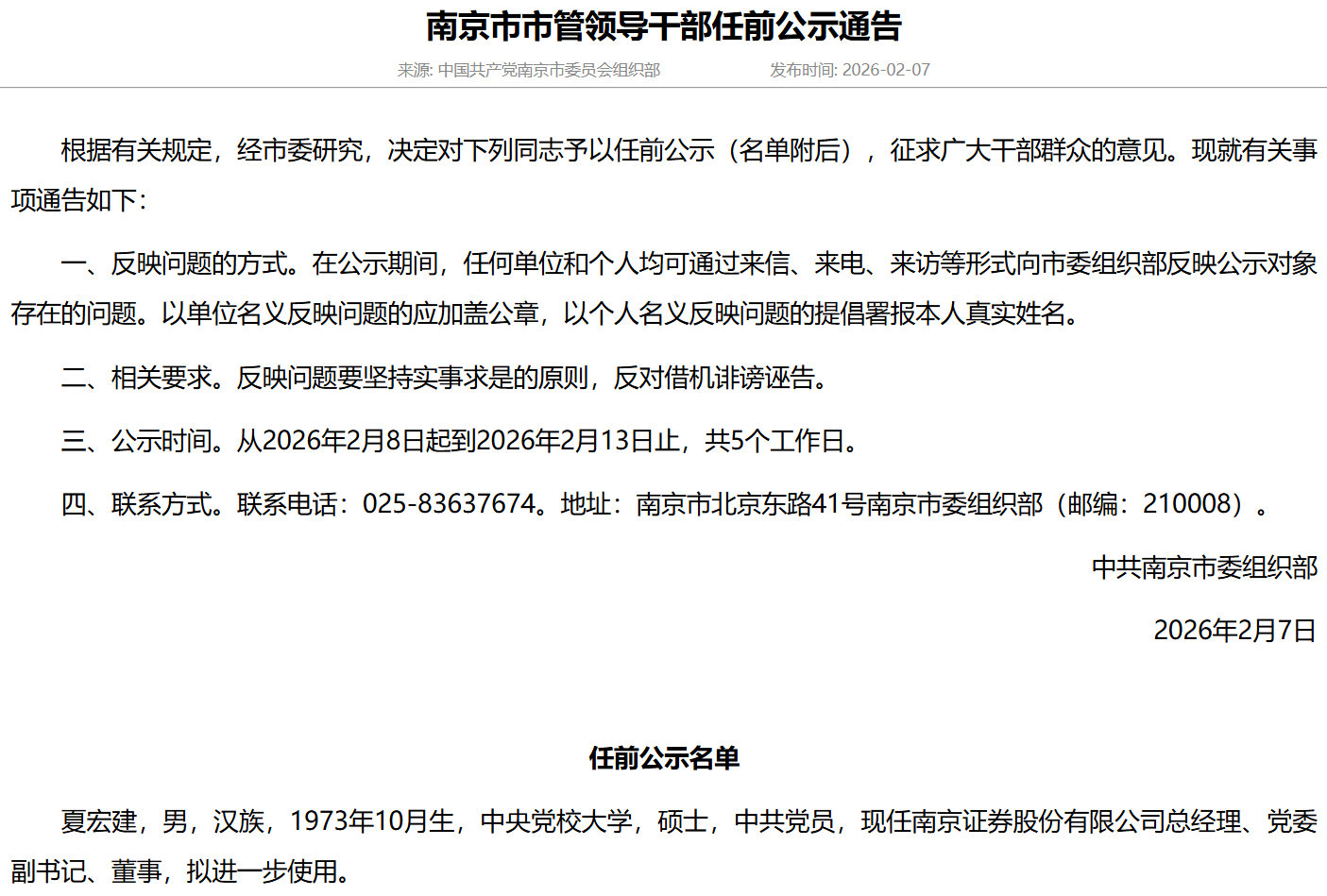
南京证券核心管理层将调整:总经理拟任新职,董事长已超龄服役
2 1 Shi Ji Jing Ji Bao Dao· 2026-02-09 13:05
Management Changes - Nanjing Securities is undergoing a management adjustment, with a focus on the core leadership roles, particularly the positions of General Manager and Chairman [1][4] - Xia Hongjian, the current General Manager, is expected to be promoted to a more central role, potentially as Chairman, following the retirement of current Chairman Li Jianfeng [1][4] Historical Context - Both Li Jianfeng and Xia Hongjian have been with Nanjing Securities since 1992, with Xia serving as Vice President since 2012 and Li as General Manager since 2014 [4] - The management structure has remained stable since 2020, when Li Jianfeng took over as Chairman after the previous Chairman retired due to age [4] Financial Performance - Nanjing Securities has experienced significant fluctuations in its financial performance over the years, with revenues peaking in 2021 at 27.42 billion yuan and net profits at 9.77 billion yuan [8] - In 2022, the company faced a decline, with revenues dropping by 26.75% to 20.08 billion yuan and net profits decreasing by 33.93% to 6.46 billion yuan [8] - The company has shown signs of recovery in 2023, with revenues increasing by 23.3% to 24.76 billion yuan, although net profits only slightly increased by 4.85% to 6.77 billion yuan [8] Capital Increase - Nanjing Securities successfully completed a 5 billion yuan capital increase to alleviate financial pressure, with the issuance of approximately 713 million A-shares [9][10] - The capital raised will be allocated to various business segments, including investment banking, wealth management, and asset management, as well as debt repayment and operational funding [10][11] Regulatory Context - The company has a history of leadership changes, with the former Chairman Bu Guoxun being investigated for serious violations of discipline and law, although this has not impacted the company's operations [15][17]