
脑机接口

Search documents
镇江“四群八链”主导产业前8月开票销售同比增4.5%以上
Xin Hua Ri Bao· 2025-09-14 23:51
Group 1: Industry Developments - The establishment of the Brain-Computer Interface Standardization Technical Committee by the Ministry of Industry and Information Technology aims to promote the rapid transformation of research achievements into clinical and industrial applications [1] - Jiangsu Lianbo Precision Technology Co., Ltd. has developed several electric motor rotor and stator core products for new energy vehicles, with orders scheduled until 2033 [2] - The smart agricultural machinery industry chain in Zhenjiang has seen a sales growth of 32.2% from January to August this year [3] Group 2: Traditional Industry Transformation - Jiangsu Sop Group is investing 3.2 billion yuan in an integrated project to process acetic acid into high-purity vinyl acetate, targeting high-end new materials [4] - Zhenjiang is focusing on six traditional industries, implementing actions for green transformation and product upgrades, with 60 projects planned for traditional industry renewal [4] - Zhenjiang Qimei Chemical has achieved breakthroughs in high-performance materials, producing over 80 tons of photoresist monthly [4] Group 3: Digital Transformation and Innovation - A digital transformation event for the steel industry was held in Danyang, discussing solutions for intelligent transformation [5] - Zhenjiang has launched a three-year action plan for intelligent manufacturing and digital transformation, resulting in the establishment of 4 national-level intelligent factories and 6 national 5G factories this year [5] - The Jiangsu New Electric Power Equipment Manufacturing Innovation Alliance has been formed, consisting of 129 key enterprises and institutions to promote technological innovation [5] Group 4: Resource Integration and Industry Upgrading - Zhenjiang is concentrating innovation resources on key nodes of the "Four Groups and Eight Chains" to address weak links in the industrial chain and promote breakthroughs in common technologies [6]
直挂云帆济沧海 ——香港第十届“一带一路”高峰论坛综述
Jing Ji Ri Bao· 2025-09-13 22:13
Core Insights - The 10th "Belt and Road" Summit in Hong Kong took place from September 10 to 11, attracting over 6,000 participants and more than 100 delegations to explore trade, investment, innovation, and green development opportunities [1] - The summit facilitated a record 50 government and corporate cooperation memorandums, highlighting Hong Kong's role as a functional platform for the "Belt and Road" initiative [1] Group 1: Investment and Trade - Hong Kong's direct investment in "Belt and Road" countries reached $133 billion in 2023, 3.6 times that of 2013, with an investment growth rate four times that of Hong Kong's overall foreign investment growth [3] - The merchandise trade volume between Hong Kong and "Belt and Road" countries is projected to exceed $276 billion in 2024, an approximately 80% increase since 2013, which is three times the growth rate of Hong Kong's overall merchandise trade [3] - As of the end of 2024, there are 1,400 companies from "Belt and Road" countries operating in Hong Kong, with 100 of them listed [3] Group 2: Government Initiatives and Collaborations - The Hong Kong government has signed free trade agreements with 14 "Belt and Road" countries and investment agreements with about 20 such economies [2] - The Ministry of Commerce plans to expand access for Hong Kong in finance, telecommunications, construction, and tourism sectors, and support Hong Kong in signing more free trade and investment agreements [4] - Central enterprises have established over 10,000 projects and institutions in more than 180 countries, with total overseas assets amounting to 9.6 trillion yuan [5] Group 3: Innovation and Technology - The "Shenzhen-Hong Kong-Guangzhou" cluster ranked first globally in the latest Global Innovation Index, reflecting the high recognition of the innovation capabilities in the Guangdong-Hong Kong-Macao Greater Bay Area [7] - Hong Kong is actively developing into an international innovation and technology center, attracting mainland enterprises to set up R&D centers [7] - High-tech companies showcased innovations at the summit, including brain-computer interface technology and advanced cooling materials [6] Group 4: Regional Economic Ties - Hong Kong has successfully issued Islamic bonds three times, demonstrating its bond market's diversity and feasibility as a financing platform for the Islamic region [8] - The summit saw participation from Southeast Asian countries, with successful collaborations established between Chinese enterprises and local industrial parks [8] - The establishment of a representative office by a Cambodian bank in Hong Kong exemplifies the deepening economic ties between Hong Kong and Southeast Asian nations [8]
果然财经|具身机器人能 “感知世界” 了吗?下一站在哪?
Qi Lu Wan Bao· 2025-09-13 10:23
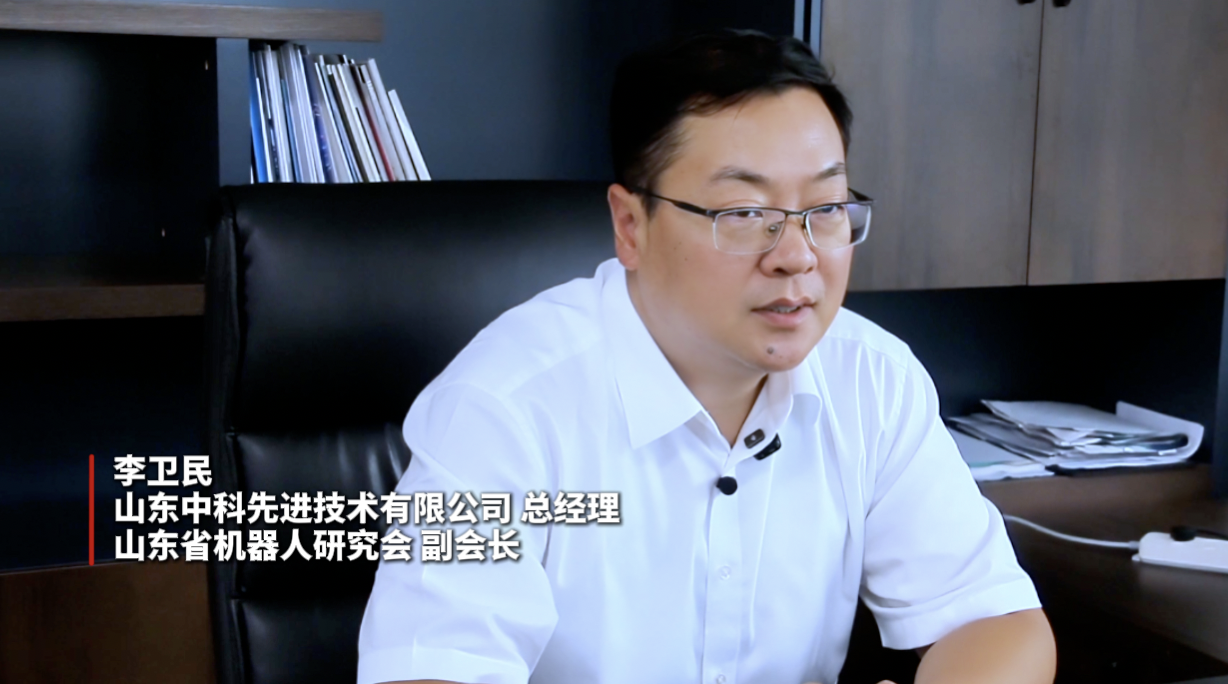
齐鲁晚报·齐鲁壹点 记者 张志恒 尹睿 在科技飞速发展的当下,具身智能机器人与脑机接口技术正成为人工智能领域的热门方向,它们不仅承载着改变生产生活方式的期待,也面临着从实验室走 向商用的诸多挑战。近日,围绕相关话题,记者专访了山东中科先进技术有限公司总经理、山东省机器人研究会副会长李卫民,深入探讨其应用场景、核心 优势、研发难点及未来前景。 具身智能机器人:从 "跳舞表演"到 "车间帮手",汽车制造与家庭服务成关键赛道 谈及具身智能机器人的应用场景,李卫民首先指出了其"终极目标"—— 汽车制造领域。"汽车总装生产线目前仍依赖大量人工,若具身智能机器人能在此领 域取代人工,意味着其智能水平已达到较高层次。"他表示,当前多家人形机器人企业均将目标锁定与整车厂合作,推动机器人落地生产线,这也是行业公 认的典型应用场景。 对于未来5年的发展,李卫民持乐观态度。他预测,随着技术迭代,具身智能机器人将逐步普及,且支持"在线升级"—— 企业开发的新功能可直接推送至已 售出的机器人,推动整体智能化水平提升。同时,人形机器人企业将逐步开放更多接口,允许用户在硬件平台上进行二次开发,就像工业机器人时代那样, 实现"基础功能+个性 ...


宏观观察2025年第32期(总第604期):我国脑科学与脑机接口行业发展现状及建议
Zhong Guo Yin Hang· 2025-09-12 06:45
Industry Overview - The brain science and brain-computer interface (BCI) industry in China is rapidly developing, with a market size projected to reach 5.58 billion yuan by 2027, growing at a compound annual growth rate (CAGR) of 26%[20] - The global BCI market is expected to grow from 1.98 billion USD in 2023 to over 6 billion USD by 2028, with a CAGR of 25%[20] Technological Development - BCI technology is categorized into three types: invasive, semi-invasive, and non-invasive, with non-invasive methods leading in application[6] - The industry is characterized by high dependence on advanced technology, requiring significant investment in research and development, with an average R&D expense ratio of 18%[37] Policy Support - The Chinese government has prioritized brain science and BCI research as a national strategic technology, with plans to establish a comprehensive technology and industry system by 2030[12] - Major cities like Beijing and Shanghai are leading in policy support and establishing research institutions to foster BCI development[14] Financial Landscape - Investment in the BCI sector has surged, with over 1,500 financing events globally, totaling nearly 10 billion USD, and China accounting for approximately 20 billion USD of that[47] - In 2024, the domestic BCI industry secured over 1.5 billion yuan in financing, with 80% directed towards invasive technology[47] Market Challenges - The industry faces challenges such as reliance on imported core components, low efficiency in technology transfer, and ethical concerns regarding safety and privacy[5] - The average gross profit margin for listed companies in the BCI sector is 33.89%, but net profit margins for downstream companies are below 10% due to market expansion pressures[37] Future Trends - The BCI industry is expected to see multi-modal integration, combining various signal acquisition methods to enhance accuracy and stability[41] - Applications in healthcare are expanding beyond existing treatments for Parkinson's and epilepsy to include conditions like Alzheimer's and ALS[42]
257.5万户!他们为何选择武汉
Chang Jiang Ri Bao· 2025-09-12 06:09
Group 1 - Wuhan's economic growth is highlighted by significant increases in high-tech enterprises, with over 2,000 new companies added annually and the private sector's annual added value surpassing 1 trillion yuan for the first time [1] - The city has implemented over 110 integrated business services, benefiting more than 2.5 million enterprises and individuals, showcasing a shift from "enterprises seeking policies" to "policies pursuing enterprises" [6][8] - The number of business entities in Wuhan has grown from 1.41 million in 2020 to 2.575 million in the first half of this year, with the new registration numbers and growth rate ranking second among sub-provincial cities [8] Group 2 - The establishment of concept verification centers and pilot platforms is facilitating the transformation of technological achievements, with 210 city-level pilot platforms and 32 concept verification centers accelerating market entry for innovations [16] - The Wuhan New Energy Research Institute's concept verification center aims to help projects identify issues early, reducing costs and risks [16] - The Hubei Youth Innovation Park has incubated 254 companies and nurtured 39 national high-tech enterprises, demonstrating the effectiveness of the local innovation ecosystem [16] Group 3 - Wuhan's investment promotion bureau has facilitated over 600 investment projects this year, with a total signed amount exceeding 330 billion yuan, achieving over 50% of the annual target [23] - The city has attracted 310 Fortune 500 companies, maintaining the highest level of foreign direct investment (FDI) among central cities [29] - The establishment of international companies like Garrett Group and Qualcomm in Wuhan reflects the city's appealing business environment, characterized by efficient services and support for foreign investors [27][29] Group 4 - Wuhan's international trade volume reached 214.27 billion yuan in the first half of this year, with a year-on-year growth of over 20%, ranking second among sub-provincial cities and first in central China [32] - The city is transforming from an "inland hinterland" to an "open gateway," attracting global capital, talent, and resources through a more inclusive business environment [32]
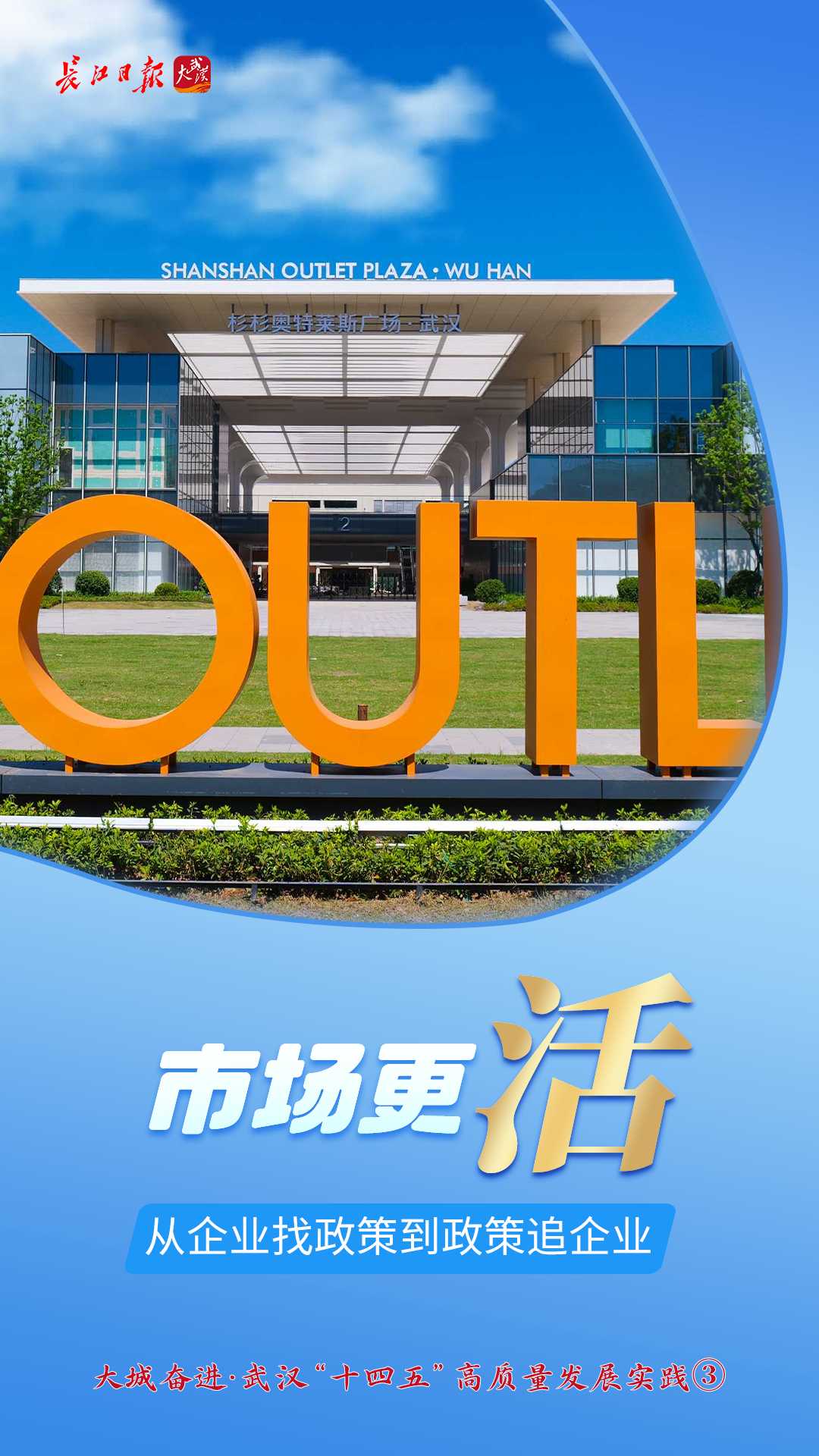
257.5万户!他们为何选择武汉 ——大城奋进·武汉“十四五”高质量发展实践③
Chang Jiang Ri Bao· 2025-09-12 00:36
Economic Growth and Business Environment - Wuhan's economic output has crossed four trillion yuan milestones, with over 2,000 high-tech enterprises added annually, and the private sector's annual added value surpassing one trillion yuan for the first time [1] - The city has implemented over 110 integrated business services, benefiting more than 2.5 million enterprises and individuals [4][5] - The number of business entities in Wuhan increased from 1.41 million in 2020 to 2.575 million in the first half of this year, with the new registration rate ranking second among sub-provincial cities [5] Innovation and Technology - Wuhan's innovation ecosystem is highlighted by the establishment of concept verification centers and pilot platforms, facilitating the transition of scientific achievements to market applications [10] - The city has seen significant advancements in brain-machine interface technology, with a company developing a chip system with 65,000 channels, indicating a robust innovation environment [8][9] Investment and International Presence - In the first half of this year, Wuhan attracted over 600 investment projects with a total signed amount exceeding 330 billion yuan, achieving over 50% of the annual target [15] - Major international companies, including Qualcomm and Garrett Group, are increasing their investments in Wuhan, drawn by its favorable business environment [19] Logistics and Trade - Wuhan's import and export trade reached 214.27 billion yuan in the first half of the year, with a year-on-year growth of over 20%, ranking second among sub-provincial cities and first in Central China [20] - The city has developed a seamless logistics hub, significantly reducing customs clearance times and enhancing its role as an open gateway for foreign investment [20]
脑机接口长期稳定植入 精准意念操控20多种设备
Jie Fang Ri Bao· 2025-09-12 00:19
Group 1 - The research published in the journal "Advanced Science" presents a significant breakthrough in brain-computer interface technology, developed by BrainTiger Technology, achieving long-term stable implantation and solving the generalizability issue [1][2] - The flexible brain-computer interface system can precisely control over 20 digital and physical devices, with an information transmission rate comparable to that of Neuralink's subjects after similar training times [1][2] - The research was a collaboration between the Shanghai Institute of Microsystem and Information Technology, BrainTiger Technology, and Huashan Hospital affiliated with Fudan University [1] Group 2 - The innovative use of semiconductor micro-nano processing technology led to the creation of a super-flexible 256-channel electrode array, with a density of 64 channels per square centimeter, enhancing traditional electrode performance by 64 times [1] - The ultra-thin recording area closely adheres to the brain cortex for high-fidelity signal acquisition, while the thicker lead area ensures mechanical stability for long-term implantation [1] - The product's electrode array is placed subdurally, adhering to the brain surface without penetrating brain tissue, significantly reducing implantation risks while achieving performance comparable to Neuralink [2]
苏州高新区脑机接口技术取得新突破
Zhong Guo Chan Ye Jing Ji Xin Xi Wang· 2025-09-11 23:17
Core Viewpoint - The Suzhou High-tech Zone is actively advancing brain-computer interface (BCI) technology research and application, addressing challenges in clinical rehabilitation and diagnosis through technological empowerment in healthcare [1][4]. Group 1: Technological Advancements - The Suzhou Research Center of China Weapon Industry Group 214 has developed a brain-controlled motor rehabilitation training system that has successfully aided a 16-year-old stroke patient in regaining some motor function after five weeks of training [2][3]. - The training system utilizes a "three-branch neural network model" to interpret brain signals and send control commands to rehabilitation devices, enhancing the efficiency of neural reorganization [2][3]. - The system can conduct eight modes of fine motor rehabilitation training and generate online analysis reports of brain states, significantly improving treatment outcomes for patients with neurological injuries [2][3]. Group 2: Clinical Trials and Applications - The brain-controlled rehabilitation training system has been tested on multiple patients at Suzhou Municipal Hospital, yielding positive results [3]. - The research center has also developed a "digital diagnosis and treatment system for cognitive impairment" targeting Alzheimer's disease, which integrates various physiological signals for early screening and intervention [3]. Group 3: Collaborative Efforts - Multiple institutions in Suzhou High-tech Zone are collaborating to advance BCI technology, including the establishment of key laboratories and joint research initiatives [4][5]. - The Long Triangle Robotics and Artificial Intelligence Research Institute has partnered with Suzhou University and the 214 Research Institute to explore intelligent sensors and brain information decoding [4]. - Suzhou Guokekangcheng Medical Technology Co., Ltd. has contributed to the first national standard for wearable BCI products, establishing technical requirements and testing methods [5]. Group 4: Future Directions - The Suzhou High-tech Zone plans to accelerate collaboration between upstream and downstream enterprises and research institutions in the BCI industry, expanding application scenarios and supporting future industrial development [6].

多家A股公司透露脑机接口技术进展和产品动态
Shang Hai Zheng Quan Bao· 2025-09-11 19:04
Core Insights - The domestic brain-computer interface (BCI) industry is entering a phase of accelerated development in 2025, with significant advancements emerging continuously [1] - Multiple A-share listed companies have disclosed recent updates on their BCI businesses, indicating a clear industry application blueprint and a push towards commercialization [2][5] Company Developments - MaiLand has focused on non-invasive BCIs, achieving technological accumulation in areas such as upper limb and hand movement robotics and non-invasive neural regulation, with clinical validation underway for key projects [2][7] - Xiangyu Medical has launched over 10 new products, including BCIs and exoskeleton robots, and has established a collaborative center for BCI rehabilitation treatment and neural regulation [3][7] - QiSheng Technology is exploring cross-industry integration with BCI technology, particularly in sleep health, and has set up a digital sleep industry fund [3] - Zhongke Information has established a laboratory for cognitive and smart medical applications, focusing on developing closed-loop BCI systems for intelligent anesthesia and rehabilitation [3][7] - Aipeng Medical is working on monitoring brain states during surgery and developing treatment systems for conditions like insomnia and ADHD [3][7] Industry Trends - The BCI industry is seeing a multi-faceted approach to commercialization, with companies accelerating investment and product rollout, supported by local policies that facilitate the commercialization process [5][6] - The Shanghai Medical Insurance Bureau has introduced new medical service pricing items for invasive and non-invasive BCI procedures, which is expected to clear obstacles for commercialization [6] - Companies like Daoshi Technology and Botuo Bio are making strategic investments in BCI-related ventures, indicating a growing interest in the sector [5][6]



通用型脑机接口系统获突破 广泛用于运动重建、语言重建等多临床场景
Xin Hua Cai Jing· 2025-09-11 07:50
Core Viewpoint - A significant research achievement has been made in developing a versatile implantable flexible brain-machine interface (BMI) system, which has demonstrated compatibility with over 20 digital and physical devices, achieving information transmission rates comparable to those of Neuralink [1][4]. Group 1: Technical Innovations - The research team has addressed the longstanding challenge of balancing high performance and safety in brain-machine interface technology by developing a highly flexible, high-density 256-channel μECoG electrode array, which has a density of 64 channels per square centimeter, enhancing the signal acquisition capabilities significantly [2][5]. - The μECoG electrode system has shown excellent long-term stability in a 203-day in vivo experiment, maintaining a signal-to-noise ratio above 20dB, which is essential for real-time decoding [3]. Group 2: Clinical Applications - The system has been clinically validated, allowing a patient to control brain activity and complete tasks such as playing games with high accuracy after only 7 minutes of model training, achieving a decoding accuracy of 90% for a one-dimensional task [4]. - In a clinical trial with a participant who completed 25,412 tasks over 19.87 hours, the participant achieved a peak bit rate of 4.15 bits per second, indicating performance on par with Neuralink subjects, showcasing the system's potential for various applications including smart homes and assistive devices [4][5]. Group 3: Future Implications - This breakthrough in high-throughput flexible brain-machine interfaces not only enhances clinical feasibility but also opens new avenues in neurorehabilitation, potentially providing home-based solutions for patients with motor function impairments [5].