Robotics

Search documents
机器人学习现状!Physical Intelligence内部员工分享(从数采到VLA再到RL)
具身智能之心· 2025-12-20 16:03
Core Insights - The article discusses the current state of robot learning as of December 2025, emphasizing that most systems rely on behavior cloning (BC) and the challenges associated with it [5][40][39] - It highlights the importance of data collection from human demonstrations and the limitations of existing methods in achieving robust performance in real-world applications [6][10][12] Group 1: Behavior Cloning and Its Challenges - As of December 2025, all robot learning systems primarily utilize behavior cloning, where human demonstrations are used to train models to mimic actions [5] - The data for behavior cloning comes from human demonstrations and various other sources, but the need for extensive data collection poses significant challenges [7][10] - The limitations of behavior cloning include the inability to generalize well to out-of-distribution (OOD) states, leading to performance degradation in real-world scenarios [16][23][40] Group 2: Data Collection Methods - Data collection methods include using human operators with smart demo gloves and video platforms to gather diverse task execution data [11][13] - The challenges in data collection include ensuring the data is representative of the tasks and the need for extensive training for operators to provide usable data [9][10] - The article emphasizes the importance of high-quality data for training models and the difficulties in achieving this at scale [10][19] Group 3: Future Directions in Robot Learning - The article predicts that within two years, video model backbones will replace current VLA methods, and within ten years, world models will effectively simulate general open-world interactions [73] - It suggests that traditional simulation and game engines will serve as data generators for world models, emphasizing the continued importance of expert demonstration data [73] - The need for robust Q/V functions that can operate effectively in OOD states is highlighted as a critical area for future research [72]


破解具身仿真瓶颈!地瓜机器人一键生成高保真3D桌面场景!
具身智能之心· 2025-12-20 16:03
编辑丨 RoboX 点击下方 卡片 ,关注" 具身智能之心 "公众号 >> 点击进入→ 具身 智能之心 技术交流群 更多干货,欢迎加入国内首个具身智能全栈学习社区: 具身智能之心知识星球(戳我) ,这里包含所有你想要的! 近年来,具身智能提出了新的仿真数据需求——既要求3D场景不仅要具有照片级的真实感,还要求场景中的每个实例都能在物理层面上进行交 互,以支持在仿真环境中训练机器人策略。 在这其中,核心的桌面场景(Tabletops)是此类环境的「最后一步」,也是大多数精细交互和复杂机器人操作任务的基础舞台。 因此,自动化、大规模地生成高保真、可交互的桌面场景,对于推进具身操作策略学习至关重要。 在此背景下,地瓜机器人联合中国科学院大学、地平线、 中科院自动化所等发布了今年的关键研发成果—— TabletopGen :一个统一的、无 需训练的桌面场景生成框架。 3D仿仍存严重不足 据介绍,现有的仿真方法仍存在严重不足: 1、文本驱动方法的局限性 : 例如Holodeck[1],它利用大语言模型(LLM)直接生成 3D 布局,或者通过生成场景图或空间约束,再进行 布局可行性的优化。 然而,这两类路径通常都只是从固 ...

马斯克看呆! 宇树机器人炸场王力宏演唱会,大秀空翻热舞,4000万海外网友围观
Sou Hu Cai Jing· 2025-12-20 14:41
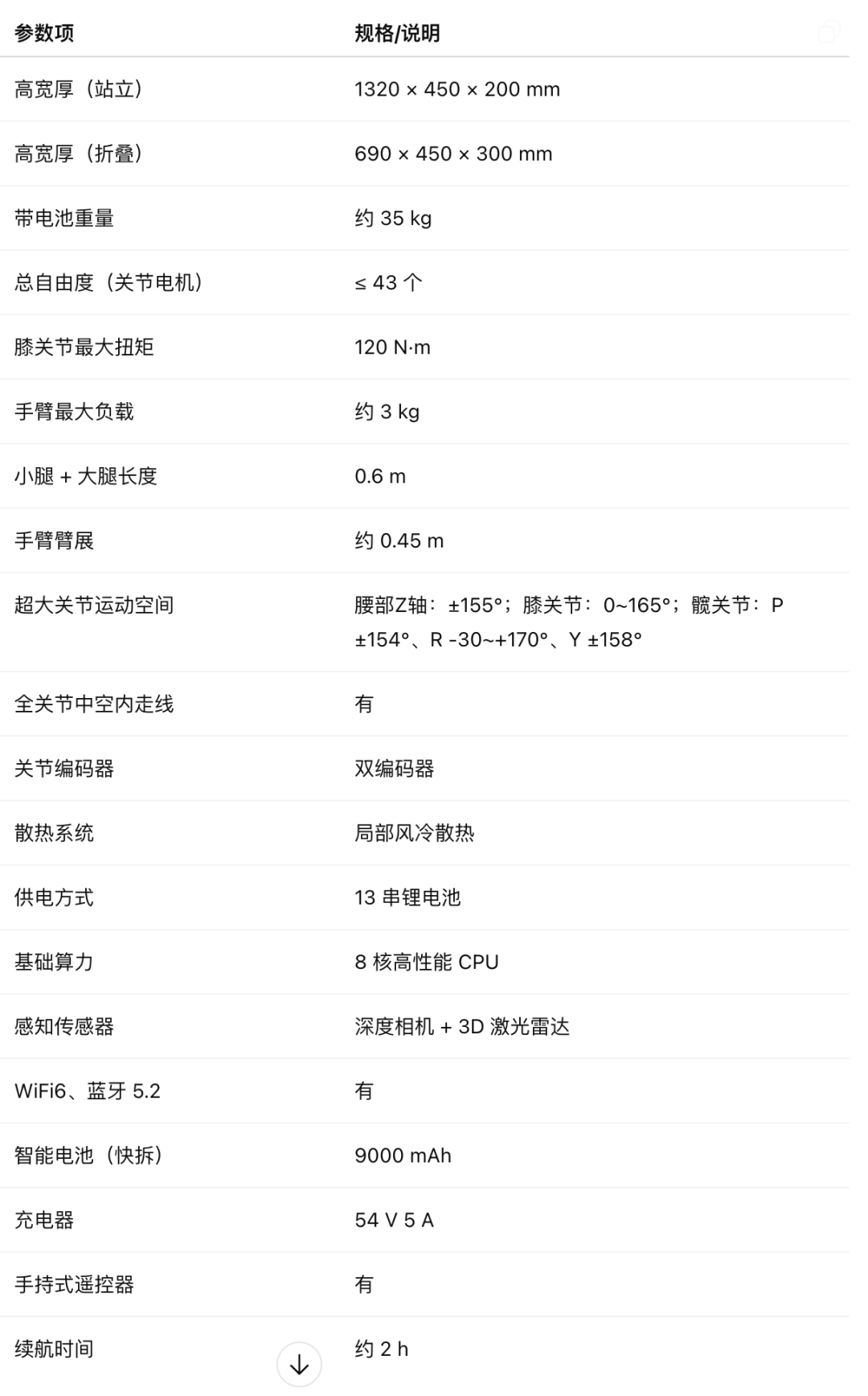
Group 1 - The performance of humanoid robots at Wang Leehom's concert in Chengdu has gained significant attention, with over 40 million views online, showcasing the potential for robots in entertainment [1][5] - The G1 robot, developed by Unitree, features advanced capabilities such as a maximum joint torque of 120 N·m and can perform complex movements, including a backflip [1][2] - The G1 robot is set to retail at 99,000 yuan and has a height of approximately 132 cm and a weight of around 35 kg, demonstrating its compact yet powerful design [1][2] Group 2 - The humanoid robot rental market is experiencing rapid growth, with a projected global rental income of approximately 11.22 billion yuan in 2024, expected to reach 17.12 billion yuan by 2031, indicating a compound annual growth rate of 6.1% [7] - The majority of the rental market is driven by commercial service robots, which account for 65% of the market, primarily used in performances, tourist attractions, and corporate events [7] - Current performances mainly consist of pre-programmed routines, highlighting the gap between existing capabilities and practical applications in real-time scenarios [7][8]

Roomba's bankruptcy may wreck a lot more than one robot vacuum maker
CNBC· 2025-12-20 14:21
Core Insights - iRobot, known for its Roomba vacuum, has filed for bankruptcy, primarily due to competition from cheaper knock-offs and failed acquisition attempts by Amazon, which was blocked by regulators [3][4][5][12] - The bankruptcy highlights the challenges faced by tech companies in the current M&A environment, where regulatory scrutiny can hinder potential rescue deals [7][8][17] Company Overview - iRobot reported assets and liabilities between $100 million and $500 million, with approximately $190 million in debt, and owed around $100 million to its largest creditor, Shenzhen Picea Robotics Co. [4][21] - The company has seen a decline in revenue due to increased competition from lower-priced Chinese rivals and tariffs that added significant costs [20][21] Regulatory Environment - The failed acquisition by Amazon, which was valued at $1.7 billion, is seen as a missed opportunity that could have provided iRobot with a competitive edge [4][5] - Experts argue that regulatory actions prioritizing hypothetical future harms over current financial realities can lead to the destruction of target companies, as seen in iRobot's case [7][9] Market Dynamics - The current M&A landscape is characterized by increased scrutiny from regulators, particularly in Europe, which may lead to more bankruptcies rather than orderly acquisitions that preserve jobs and innovation [17][19] - The situation with iRobot serves as a cautionary tale for other tech companies, indicating that reliance on a single acquisition for survival can be risky [22]


具身智能迎来政策“红利期” 灵巧手成潜力赛道
Xin Hua Cai Jing· 2025-12-20 13:43
与顶层规划相呼应,今年以来各地具身智能发展规划和支持政策密集落地。其中,《上海市具身智能产 业发展实施方案》提出到2027年具身智能核心产业规模突破500亿元,并推出"对关键技术攻关给予最高 5000万元支持"等一系列举措。 政策和市场双轮驱动下,人形机器人在2025年迎来"量产元年"。作为解决人形机器人规模化落地应 用"最后一厘米"的关键末端执行器,灵巧手也因此展现出可观的成长空间。 新华财经上海12月20日电(记者潘清)一台身形庞大的机器人,却拥有一双灵巧的"手"。它可以根据任 务指令,用五根手指灵活地拿取物品,精准避障的同时稳稳送达指定位置。 记者从浙江灵巧智能科技有限公司(以下简称"灵巧智能")上海研发中心获悉,这台昵称"大默"的机器 人不久后将以"助理"身份出现在实验室场景,承担起转运生物样本的重要职责。 前不久举行的第十五届全国运动会上,由广东电网与华中科技大学丁汉院士团队、联想研究院联合研发 的全球首台多足-多臂协同电力运维机器人"吠云协影"参与现场电力保障,执行多项高精度拟人化操 作。而"代替人手"完成开关控制、按钮按压、旋钮调节等精细操作的,正是灵巧智能研发的 DexHand021高自由度灵 ...
智能机器人锦标赛深圳揭榜 罗湖50亿基金护航颠覆性创新
Nan Fang Du Shi Bao· 2025-12-20 11:52
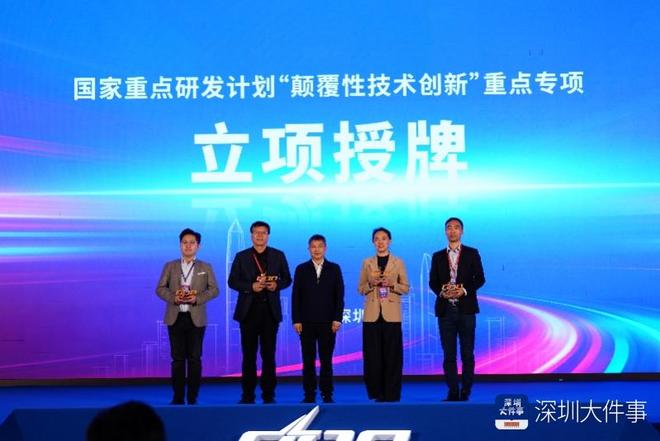
Core Insights - The 2025 Shenzhen Disruptive Technology Innovation Ecosystem Conference and Intelligent Robot Championship showcased 12 standout projects aimed at fostering a disruptive technology innovation ecosystem and accelerating the integration of technological and industrial innovation [1][3] - The event attracted over 400 representatives from government, academia, listed companies, and investment institutions, emphasizing collaboration and support for disruptive technology projects [1][3] Group 1: Event Overview - The conference was co-hosted by the Beijing-Tianjin-Hebei National Technology Innovation Center and the Shenzhen Luohu District Government, focusing on the theme "Gathering Strength for a Smart Future" [1] - The first Intelligent Robot Championship, part of a national competition, featured 253 projects covering the entire industrial chain of intelligent robotics [3] Group 2: Project Highlights - Twelve projects emerged victorious, with four receiving national key research and development project designations [3][4] - The winning projects included innovations such as high-power density electrostatic artificial muscles, showcasing significant breakthroughs in technology [3][4] Group 3: Support and Collaboration - The Shenzhen Disruptive Technology Innovation Center aims to build a comprehensive innovation ecosystem, facilitating collaboration among various stakeholders including research institutions and investment firms [7] - Strategic partnerships were established with multiple organizations to enhance research collaboration, resource linkage, and project incubation [7] Group 4: Policy and Financial Support - The Luohu District introduced a comprehensive policy framework to support disruptive technology innovation, including rental subsidies and financial services for startups [9][10] - A total of 30 billion yuan has been allocated for guiding funds, with specific financial products like the "Shenzhen Disruptive Technology Fund" and "Disruptive Technology Loan" introduced to support innovative projects [10][12] Group 5: Future Prospects - The Shenzhen Disruptive Technology Innovation Center has identified over 300 quality projects, with expectations for more to receive key project designations in the future [5] - The ongoing support and funding initiatives are expected to enhance the transformation of scientific innovations into industrial applications, creating a "Shenzhen model" for technology commercialization [12]
朝阳发布智能机器人“政策包+场景清单”:首批12大机器人应用场景亮相,创新应用基地开园
机器人大讲堂· 2025-12-20 10:14
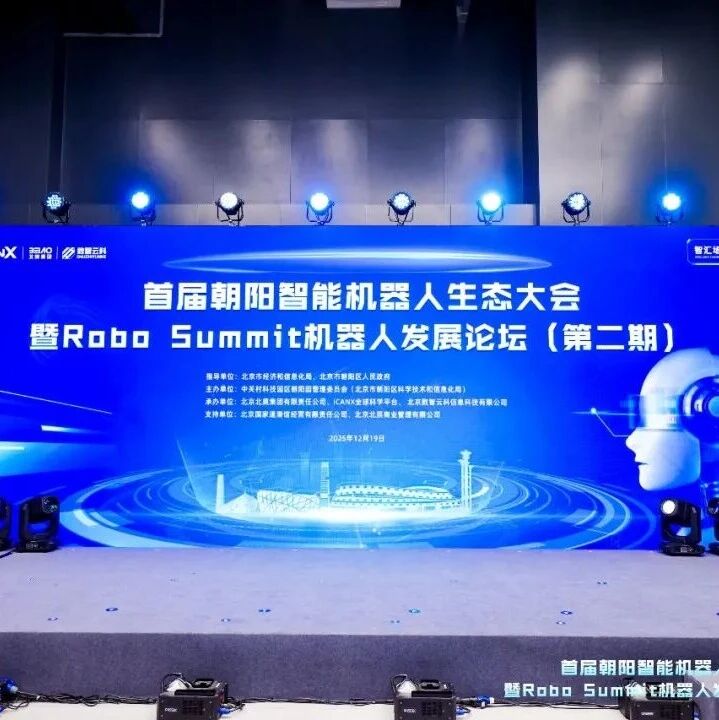
Core Viewpoint - The first Chaoyang Intelligent Robot Ecological Conference and Robo Summit aims to accelerate the construction of an intelligent robot industry ecosystem in Chaoyang District, Beijing, by releasing industry policies, application scenarios, and plans for industrial bases and ecological partnerships [1]. Policy Empowerment - The Beijing Municipal Economic and Information Bureau and Chaoyang District jointly released several support policies, including the "Beijing Olympic Center Robot Innovation Park Planning and Construction Scheme (2026-2030)" and the "Beijing Chaoyang District Intelligent Robot Industry Innovation Application Three-Year Action Plan (2026-2028)" [9][12]. - The policies focus on key technologies and core components, encouraging enterprises to build new technology innovation carriers and common technology platforms, and support high-level events in the robot field [12]. Technical Guidance - The conference gathered experts and industry representatives to discuss the key bottlenecks and breakthrough paths for scaling robot applications from laboratories to real-world use [13][14]. - Companies like Galaxy General Robotics and Zhifang announced new products showcasing advancements in high-precision operations and complex environment adaptability [15]. Application Scenarios - The first batch of 12 intelligent robot application scenarios was publicly announced, with plans for more scenarios to be introduced, supported by funding, talent, and service measures [18][19]. - The initiative aims to create a virtuous cycle of "enterprise innovation—scenario verification—industry agglomeration" [19]. Industrial Base Development - The conference highlighted the progress of the "One Park, Two Bases" construction plan, with the signing of agreements for the humanoid robot training base and the intelligent robot innovation application base [23][27]. - The humanoid robot training base will focus on hosting events, testing, training, and technical exchanges, while the innovation application base will serve as a hub for industry services, research collaboration, and innovation competitions [27]. Ecosystem Partnership - Chaoyang District announced a plan for building intelligent robot ecological partnerships, aiming to connect various resources and promote technology collaboration and resource integration [21].
2000人挤爆现场!2025第六届中国机器人行业年会干货、精华一网打尽!
机器人大讲堂· 2025-12-20 10:14
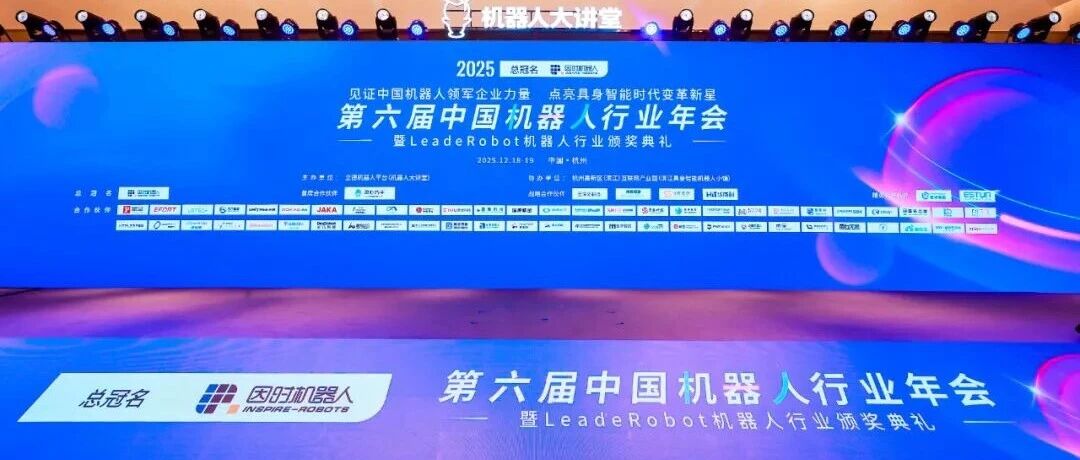
Core Insights - The article highlights the rapid advancement and commercialization of humanoid robots, emphasizing the importance of embodied intelligence and the role of domestic companies in this transformation [1][3][5]. Industry Overview - The 2025 Sixth China Robot Industry Annual Conference took place in Hangzhou, gathering over 200 industry experts and representatives from more than 100 leading companies, indicating strong interest and investment in the robotics sector [5]. - The conference served as a platform for discussing key trends such as the scaling laws of embodied intelligence, the push for domestic alternatives, and the integration of 5G-A for remote control of robots [1][3]. Technological Developments - Experts discussed the evolution of embodied intelligence as a national strategy, highlighting its potential to foster new productive forces and the current phase of both technological breakthroughs and market bubbles in the robotics industry [8]. - The global industrial robot installation volume exceeds 600,000 units annually, with China accounting for 53%, showcasing significant domestic production capabilities [8]. Market Dynamics - The number of robot companies has surged from over 300,000 five years ago to nearly 1 million, raising concerns about market saturation and investment bubbles due to blind investments and excessive government involvement [8]. - The industry is characterized by a lack of closed-loop scenarios, misjudged technical thresholds, and overvalued expectations, leading to intensified competition [8]. Key Trends and Opportunities - Three core development paths for embodied intelligence were identified: "brain-first" approaches led by companies like Tesla, "body-first" strategies from traditional robotics firms, and "vertical intelligence" models from new entrants [9]. - The demand for labor, small-batch production, and the ongoing convergence of AI with physical interactions are seen as solid foundations for long-term industry value [8]. Challenges and Solutions - The industry faces challenges such as the need for clear application scenarios, process boundaries, and targeted hardware development to enhance efficiency [10]. - Experts emphasized the importance of balancing national strategic needs with market logic, advocating for a focus on vertical scenarios and the development of scarce core technologies for sustainable growth [10]. Future Outlook - The humanoid robot market is expected to grow significantly, with industrial applications being a primary focus, while long-term potential lies in household and elderly care scenarios [12]. - The integration of AI and robotics is viewed as a core trend in industrial intelligence, with companies like Estun leading the way in creating a fully autonomous ecosystem [15][17]. Conclusion - The robotics industry is at a pivotal moment, with significant opportunities for growth and innovation, driven by advancements in technology and a strong push for domestic production capabilities [1][3][5].



人形机器人 -中国调研:人形机器人有望承担哪些工作-Humanoids_ China Survey (2)_ What work are humanoids expected to do_
2025-12-20 09:54
Summary of the Conference Call on Humanoids in China Industry Overview - The focus of the conference call is on the humanoid robotics industry in China, highlighting strong demand and adoption across various sectors [2][3][4]. Key Insights 1. **Strong Adoption Willingness**: The follow-up survey indicates a robust willingness to adopt humanoid robots, with 62% of executives planning to launch significant projects by 2027 [9]. 2. **Key Applications**: - **Manufacturing and Logistics**: Enterprises are primarily interested in using humanoids for safety and efficiency improvements, particularly in high-risk and repetitive tasks [4][12]. - **Broader Industry Demand**: There is growing interest in applications within construction and agriculture, which together account for over 30% of China's labor force [4][9]. - **Customer Service**: Humanoids are also being considered for roles in customer service and facility management [13]. 3. **Integration Needs**: Successful deployment of humanoids will require strong integration capabilities with existing systems, emphasizing the importance of interoperability among robots [4][15][24]. 4. **Market Potential**: The global humanoid robot market is projected to reach approximately US$7.5 trillion by 2050, indicating significant growth potential [5][9]. 5. **Sector-Specific Focus**: The market is expected to fragment into niche players focusing on specific verticals, as humanoid capabilities are currently limited to well-defined tasks [23][25]. Additional Considerations - **Emerging Opportunities**: Agriculture applications are seen as a long-tail opportunity, with potential uses in crop management and livestock monitoring [14]. - **Operational Pain Points**: Adoption plans are driven by specific operational challenges rather than generic automation goals, with a focus on improving safety and reducing manual labor in hazardous environments [12]. - **Software and IoT Importance**: The integration of software functionality and IoT capabilities is becoming critical for vendors, as these factors can reshape competitive dynamics in the sector [15][24]. Conclusion - The humanoid robotics industry in China is poised for significant growth, driven by strong demand across various sectors, particularly manufacturing, logistics, and customer service. The need for integration and specialized solutions will be crucial for successful adoption, while the market is expected to evolve into a fragmented landscape with niche players focusing on specific applications [5][9][23].
校地融合再提速,环南大科创圈启建国际一流科创生态
Yang Zi Wan Bao Wang· 2025-12-20 07:45
Core Insights - The Nanjing University Technology Innovation and Industry Integration Development Conference marks a new phase in the collaboration between Nanjing University and Suzhou High-tech Zone, focusing on discipline layout, school-local collaboration, and integration of innovation [1][3] Group 1: Action Plans and Initiatives - The conference officially released the "Three-Year Action Plan for the Construction of the Suzhou High-tech Zone Ring Nanjing University Science and Technology Innovation Circle (2026-2028)", aiming to create a globally influential first-class innovation ecosystem centered around Taihu Science City [3] - Five new colleges were inaugurated, including the National Excellent Engineer College and the Future Technology College, which align with the regional industrial strengths in fields such as photonics, artificial intelligence, and high-end medical devices [4] Group 2: Innovation Networks and Collaborations - The establishment of the Ring Nanjing University Innovation Alliance and the Nanjing University National University Science Park (Suzhou) signifies a shift from top-level design to practical implementation in the innovation circle [6] - The innovation alliance includes top research institutions and leading enterprises, fostering a collaborative network with 44 key enterprises in Suzhou [6] Group 3: Support Systems and Resources - Nanjing University introduced the "Innovation Interconnection Card" for over 100 key enterprises in Suzhou, facilitating resource sharing across academic, research, and cultural domains [8] - A comprehensive support system includes up to 200 million yuan for major innovation platform co-construction, 1 billion yuan for top talent team incentives, and over 4,000 billion yuan in full-cycle fund matrices [8] Group 4: Future Vision and Goals - Nanjing University aims to enhance basic research and tackle core technology challenges, contributing to national and Jiangsu's high-quality development [9] - The Suzhou High-tech Zone has gathered 1,952 national high-tech enterprises and 95 national specialized "little giant" enterprises, creating a fertile ground for collaboration with Nanjing University's research capabilities [9]