校地融合

Search documents
两会好声音|武瑞代表:“校地融合”为龙江聚智赋能
Xin Lang Cai Jing· 2026-02-02 16:59
Group 1 - The government work report emphasizes the importance of technological innovation, employment, and education, aligning with the mission of local universities and guiding their contributions to regional revitalization [2] - Suggestions include aligning talent cultivation with the "4567" modern industrial system of Heilongjiang Province, reforming educational models, and enhancing job placement mechanisms to increase local employment rates for graduates [2] - The focus on technology innovation and results transformation involves creating a collaborative model among government, universities, and enterprises, particularly in areas like smart agricultural machinery and traditional Chinese medicine [2] Group 2 - Strengthening policy support and institutional guarantees is essential for deepening cooperation between universities and local enterprises, with an emphasis on funding and policy incentives for projects that drive local development [3] - Recommendations include supporting university-affiliated hospitals to become regional medical centers and enhancing cultural services through minority research and collaboration with Russia [3] - Universities are encouraged to act as talent pools and innovation sources, providing robust support for the comprehensive revitalization of Heilongjiang Province through reforms and collaboration [3]


汇聚省外高校校友力量 助力山西高质量发展
Zhong Guo Xin Wen Wang· 2026-01-19 07:52
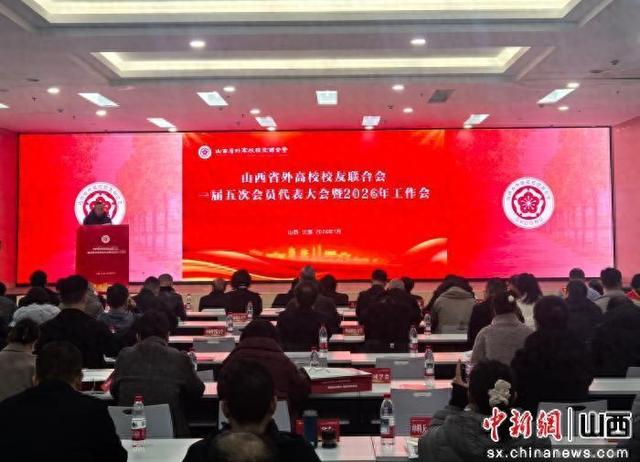
Core Viewpoint - The Shanxi Provincial Alumni Association of External Universities held its fifth member representative conference, focusing on collaboration, development, and future planning for the province's economic growth [1][3]. Group 1: Conference Highlights - The conference was hosted by Vice President Wang Qingsheng and featured messages from academicians Yue Guangxi and Xu Minggang [3]. - Shanxi Normal University President Xu Xiaohong delivered a welcome speech, emphasizing the association's role in uniting alumni and supporting local economic development [3]. - Vice President Li Xinyan presented the 2025 work report, highlighting the association's commitment to leveraging alumni resources for Shanxi's high-quality development [3][4]. Group 2: Resource Integration and Collaboration - The association established a multi-level organizational system, including 18 alumni working committees and 10 professional committees, to enhance resource integration [4]. - A national alumni association alliance was formed, creating a database of over 30,000 alumni to facilitate talent matching and project collaboration [4]. Group 3: Intellectual Empowerment and Industry Support - The association is focused on aligning alumni resources with Shanxi's development needs, establishing academic workstations to support traditional industry transformation and agricultural development [5]. - Over 3,000 technology achievements from more than 20 universities were matched with local needs, contributing to the "Shanxi Boutique" brand initiative [5]. Group 4: Investment Attraction and Industrial Upgrading - The association is responding to Shanxi's "Major Project Construction Year" initiative by creating new channels for investment and attracting alumni entrepreneurs back to the province [6]. - Successful projects include the introduction of a printing technology team from Tsinghua University, leading to the establishment of three tech companies in Taiyuan [6]. Group 5: Future Directions and Initiatives - The report outlined five key priorities for 2026, including organizational strengthening, participation in energy transition forums, expanding the alumni network, and enhancing service mechanisms [6][7]. - The conference also featured the appointment of chief experts and the launch of a series of sports events to foster alumni engagement [7].
学前教育公办率提高24个百分点
Qi Lu Wan Bao· 2025-12-26 11:06
Core Insights - Yantai City has made significant progress in education development during the 14th Five-Year Plan period, with a total of 1,372 schools and 1.133 million students enrolled [1] Group 1: Comprehensive Development of Education - The focus on moral education has been strengthened, with a complete integration of ideological and political education across all educational levels and the establishment of mental health service stations in all districts [2] - Quality improvement actions have been implemented across primary, middle, and high schools, promoting a "harmonious and efficient thinking dialogue" classroom model [2] - Physical education initiatives include the implementation of "double large breaks" and daily physical education classes in compulsory education, with the establishment of national youth campus football reform pilot zones [2] - The arts education framework has been enhanced, with the establishment of 50 municipal art characteristic schools and 100 excellent student art groups [2] - A comprehensive labor education system has been developed, promoting practical labor activities and competitions for students [2] Group 2: Quality of Educational Public Services - Investment of 5.37 billion yuan has been made for the renovation and expansion of 291 schools and kindergartens, completing 427 school construction projects [3] - The public rate of preschool education has increased by 24 percentage points, with 82.5% of kindergartens being of high quality [3] - The establishment of 129 educational groups and 18 provincial-level strong town pilot towns has improved the quality of compulsory education [3] - The budget for education has increased by 11.8%, with an annual allocation of 400 million yuan benefiting 120,000 students [3] Group 3: Strengthening Regional Development - The establishment of five municipal industry-education joint bodies and 38 industry integration communities has promoted deep integration of education and industry [4] - New educational institutions and research bases have been established, with Yantai's universities ranking among the top in the province for student enrollment [4] - A special fund of 60 million yuan per year has been set up to support local educational development projects, with over 190 projects funded [4]
校地和鸣 奏响创新发展强音
Xin Lang Cai Jing· 2025-12-23 23:14
Core Insights - The article highlights the collaborative efforts between universities and local enterprises in Suifenhe City, aiming to enhance productivity and innovation in various sectors through technology transfer and research partnerships [5][6][7] Group 1: Collaborative Projects - The project on "Amino Nucleoside Industry System Upgrade" led by Professor Xu Meijuan's team in collaboration with Xinghu Biotechnology is expected to increase product efficiency by over 40% [5] - The partnership between Anda Jidi Oilfield Company and Professor Zheng Renzhao's team from Zhejiang University focuses on developing a green oil displacement agent, projected to generate an additional output value of 40 million yuan [5] - The collaboration with Harbin Institute of Technology aims to integrate AI and Beidou navigation into a 20,000-acre unmanned smart farm, improving operational efficiency by over 30% [5] Group 2: Talent and Innovation - In 2025, Suifenhe City plans to introduce 74 university experts to serve in various advisory roles, facilitating 47 industry-university-research collaborations and transitioning 13 technological achievements from research to market [6] - Over the past year, the talent attraction initiative has successfully brought in over 8,000 individuals, marking a historical breakthrough for the city [6] - Five technology small courtyards developed in collaboration with China Agricultural University have been recognized nationally, with the highest new additions in the province [6] Group 3: Future Directions - The city aims to focus on new sectors such as corn bio-economy, digital economy, and cultural tourism by 2026, further deepening the collaboration between academia and local industries [7] - This strategy is expected to generate new productive forces and contribute to the sustainable revitalization of the region [7]
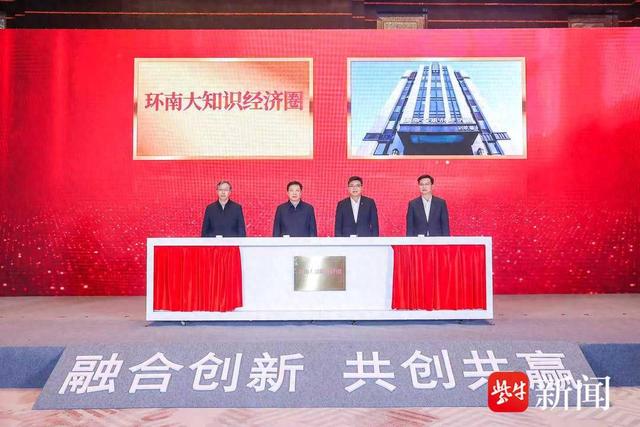
校地融合再提速,环南大科创圈启建国际一流科创生态
Yang Zi Wan Bao Wang· 2025-12-20 07:45
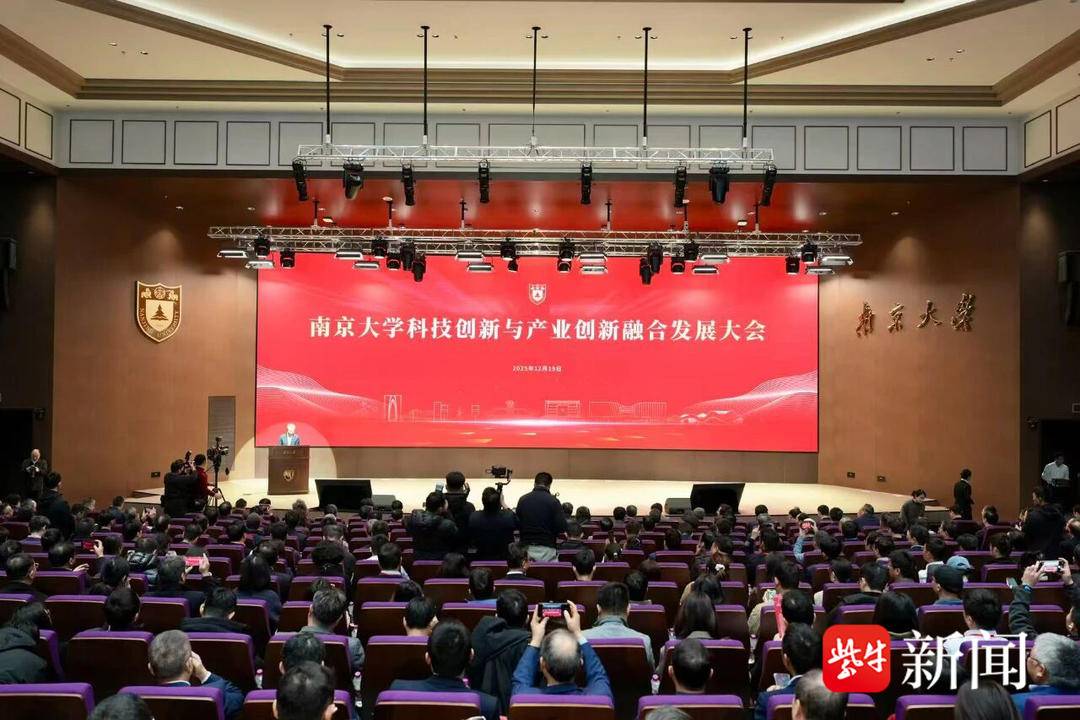
Core Insights - The Nanjing University Technology Innovation and Industry Integration Development Conference marks a new phase in the collaboration between Nanjing University and Suzhou High-tech Zone, focusing on discipline layout, school-local collaboration, and integration of innovation [1][3] Group 1: Action Plans and Initiatives - The conference officially released the "Three-Year Action Plan for the Construction of the Suzhou High-tech Zone Ring Nanjing University Science and Technology Innovation Circle (2026-2028)", aiming to create a globally influential first-class innovation ecosystem centered around Taihu Science City [3] - Five new colleges were inaugurated, including the National Excellent Engineer College and the Future Technology College, which align with the regional industrial strengths in fields such as photonics, artificial intelligence, and high-end medical devices [4] Group 2: Innovation Networks and Collaborations - The establishment of the Ring Nanjing University Innovation Alliance and the Nanjing University National University Science Park (Suzhou) signifies a shift from top-level design to practical implementation in the innovation circle [6] - The innovation alliance includes top research institutions and leading enterprises, fostering a collaborative network with 44 key enterprises in Suzhou [6] Group 3: Support Systems and Resources - Nanjing University introduced the "Innovation Interconnection Card" for over 100 key enterprises in Suzhou, facilitating resource sharing across academic, research, and cultural domains [8] - A comprehensive support system includes up to 200 million yuan for major innovation platform co-construction, 1 billion yuan for top talent team incentives, and over 4,000 billion yuan in full-cycle fund matrices [8] Group 4: Future Vision and Goals - Nanjing University aims to enhance basic research and tackle core technology challenges, contributing to national and Jiangsu's high-quality development [9] - The Suzhou High-tech Zone has gathered 1,952 national high-tech enterprises and 95 national specialized "little giant" enterprises, creating a fertile ground for collaboration with Nanjing University's research capabilities [9]
南京市鼓楼区:党建引领聚合力 校地融合启新程
Xin Lang Cai Jing· 2025-12-19 12:14
Core Viewpoint - The integration of universities and local industries is prioritized for the development of Gulou District in Nanjing, with a focus on collaborative innovation and resource sharing [1][4]. Group 1: Collaborative Innovation - The Gulou District has achieved significant results in collaborative innovation over the past year, establishing multiple research centers in partnership with local universities, including a "Pharmacy + Synthetic Biology" research center with China Pharmaceutical University and Nanjing Normal University [1][4]. - The establishment of the "Ring Nanda Knowledge Economy Circle" showcases the effectiveness of the "One School, One Product, One Feature, One Park" integration mechanism, highlighting the collaboration between technology development and industrialization [3]. Group 2: Policy Initiatives - Gulou District has introduced three key policy measures to enhance collaboration between universities and local industries, including the "Implementation Opinions on Promoting 'Double High Collaborative' Innovation Development" [4][6]. - The "Leave Nanjing" policy for young university graduates aims to provide comprehensive support for employment and entrepreneurship in the district, creating a policy loop that integrates innovation, talent, and industry [6]. Group 3: Project Development - The district is focusing on four key sectors: artificial intelligence, biomedicine, green low-carbon technologies, and brain-computer interfaces, establishing a benchmark platform for collaborative innovation [7][14]. - A total of 17 projects were signed at the event, demonstrating the integration of industry and technology through collaborative efforts among universities, enterprises, and local governments [9][10]. Group 4: Future Directions - The district aims to fully implement the collaborative innovation development model by 2027, creating a tightly linked ecosystem between the district and universities [4][14]. - The meeting served as a platform for university leaders to propose further collaborations in various fields, including digital economy, education, and artificial intelligence [12][14].
淄博“校地融合”再落子
Qi Lu Wan Bao· 2025-12-15 13:03
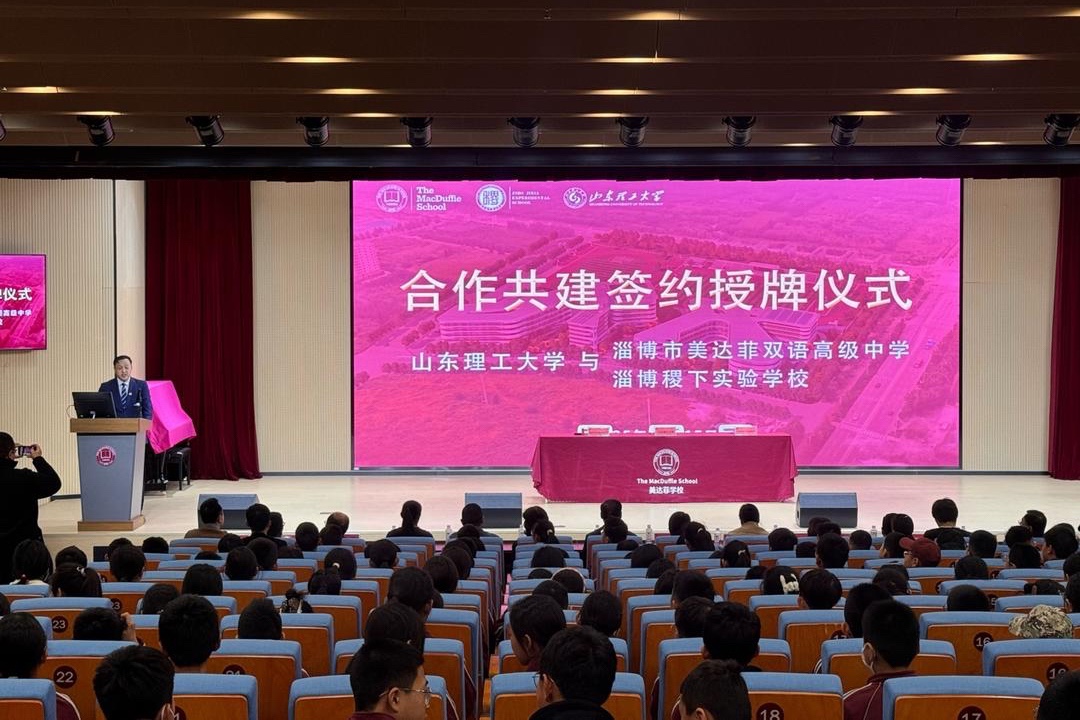
Core Viewpoint - The collaboration between Shandong University of Technology and two local schools marks a new phase in the integration of higher education and primary education in Zibo, aiming to enhance educational quality and bridge the gap between different educational levels [3][8]. Group 1: Collaboration Framework - A systematic framework for cooperation has been established, moving beyond traditional one-way support from universities to schools [3]. - A cooperation framework agreement was signed by representatives from Shandong University of Technology, Zibo Jixia Experimental School, and Zibo Meida Fei Bilingual High School [3][6]. - The partnership includes the appointment of university faculty as "Cultural Vice Principals" and "Technology Vice Principals" to ensure active involvement in school activities [5][6]. Group 2: Educational Goals and Resources - The collaboration aims to integrate university academic resources directly into the teaching environment of the schools, ensuring sustained intellectual support [6]. - A "negative list" system for resource sharing has been established, allowing access to university laboratories, libraries, and expert resources for the schools, except in areas related to national security [6]. - The core objective is to design a "course package" that focuses on developing scientific thinking, research methods, and self-learning abilities, rather than merely transferring university knowledge [6][8]. Group 3: Broader Impact - The partnership is expected to enhance technology education, cultural education, teacher training, and curriculum development, benefiting students from various backgrounds, including those of university faculty [7][10]. - The collaboration is seen as a two-way relationship where higher education can deepen its theoretical foundations while primary education benefits from university resources [8]. - A regular consultation mechanism and a dedicated coordination office will be established to monitor progress and adjust strategies, indicating a long-term commitment to educational improvement [10].
江南大学校长陈卫:深化校地融合,共推浦北陈皮产业高质量发展
Nan Fang Nong Cun Bao· 2025-12-03 10:31
Core Viewpoint - The event held in Guangxi Pubei focuses on the high-quality development of the Pubei Chenpi industry, emphasizing the integration of local resources and academic support to enhance the industry’s growth and innovation [2][4]. Group 1: Event Overview - The 2025 Pubei Chenpi Cultural Tourism Promotion Week and the Second Pubei Chenpi Industry High-Quality Development Exchange Conference took place in Guangxi Pubei [2]. - The event aims to deepen the understanding of the spirit of the 20th Central Committee of the Communist Party and serves as a platform for industry upgrades and cross-sector integration [3][4]. Group 2: Achievements and Development - The Pubei Chenpi industry has achieved significant development by leveraging natural endowments and cultural heritage, supported by technological empowerment and brand leadership [9]. - The industry has explored various avenues for comprehensive development, including smart public warehouses, industry service platforms, and cross-industry innovation [10][12]. Group 3: Collaboration and Support - Jiangnan University has a long-standing partnership with the Guangxi Zhuang Autonomous Region, signing 67 technical contracts in the past five years, covering all 14 prefecture-level cities in Guangxi [15][16]. - The establishment of the Jiangnan University National Technology Transfer Center in Qinzhou aims to promote precise landing of technological innovation resources for regional industrial upgrades [17][20]. Group 4: Future Directions - Jiangnan University plans to leverage its strengths in food science and biotechnology to collaborate deeply with the Pubei Chenpi industry, addressing key technological challenges and promoting high-end, intelligent, and green development [24][25]. - The university will also focus on cultivating high-quality talent and providing intellectual support to assist the Pubei Chenpi industry in achieving high-quality development [26][28].

“十四五”期间济南开工新建改扩建中小学幼儿园316所 新增学位23万余个
Feng Huang Wang Cai Jing· 2025-11-13 00:23
Core Points - The Jinan government is focused on high-quality education development during the 14th Five-Year Plan, with plans to construct and expand 316 primary and secondary schools and kindergartens, adding over 230,000 new student places [1][3] - The city aims to enhance educational quality and equity, promoting a high-quality education system that supports both early childhood and basic education [1][3] Group 1: Educational Infrastructure Development - Jinan will start the construction and expansion of 316 schools and kindergartens during the 14th Five-Year Plan, resulting in over 230,000 new student places [1][3] - The coverage rates for inclusive kindergartens and public kindergartens have increased by 6 percentage points and 8 percentage points, respectively [3] - The city has established 181 urban-rural education communities and education groups to ensure comprehensive coverage of compulsory education schools [3] Group 2: Holistic Child Development - Jinan is implementing a five-dimensional education approach to foster well-rounded development in children, focusing on physical, mental, and artistic growth [2] - The city has created 100 "one school, one feature" party-building brands and 100 ideological and political education practice bases [2] - The student health monitoring shows a continuous decline in myopia rates over three years, while physical health levels have improved for five consecutive years [2] Group 3: Integration with Economic Development - Education is positioned as a core driver of urban development, with initiatives to integrate education, technology, and talent [4] - Jinan has been selected as a national pilot city for industry-education integration, supporting over 300 projects with a total investment of 300 million yuan [4] - The city has established international educational partnerships, promoting over 20 international course standards in Belt and Road countries [4] Group 4: Teacher Development and Support - The city is reforming the principal responsibility system and implementing a teacher incentive mechanism to enhance educational leadership [5] - Jinan has initiated four major projects to support the development of teachers, including the cultivation of rural backbone teachers [5] - The city has introduced a dual-choice system for teacher recruitment and evaluation, aiming to invigorate the teaching workforce [5] Group 5: Educational Reform Initiatives - Jinan is advancing educational reforms from a passive to an active approach, focusing on internal motivation and continuous improvement [6][7] - The city is a pioneer in various educational reform initiatives, including local standards for kindergarten education and family education guidelines [7] - Jinan is developing a series of regional educational brands to enhance community engagement and educational quality [7]
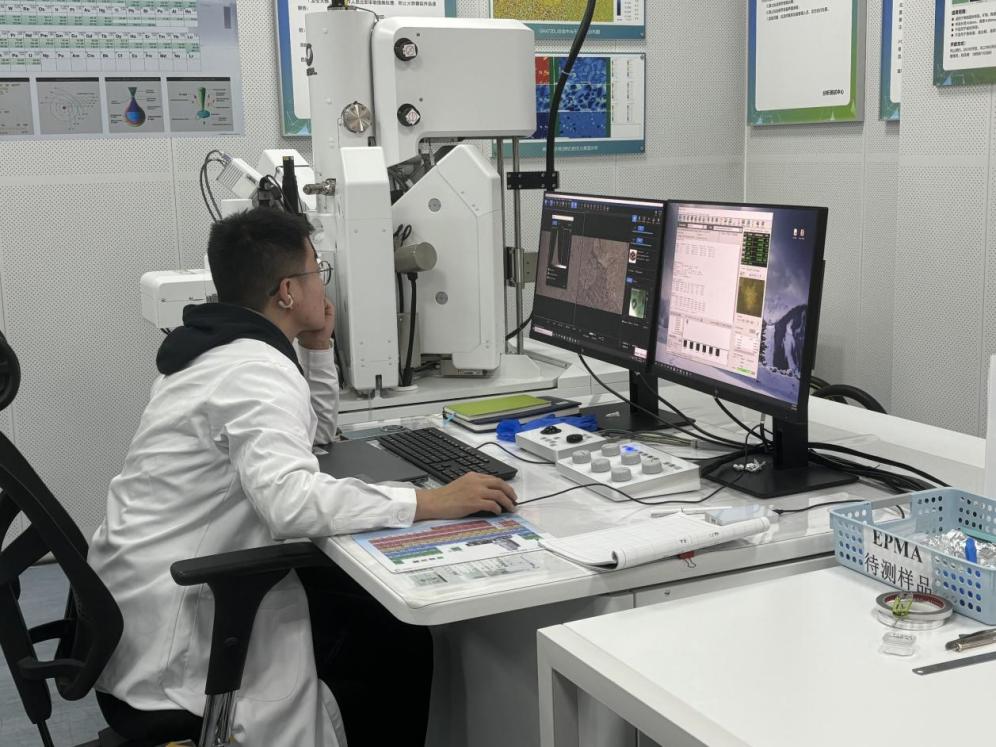
从无人机列阵到给火箭做“体检” 西安以校地融合激活创新动能
Zhong Guo Jing Ji Wang· 2025-11-05 07:49
Group 1 - The article highlights the collaboration between Xi'an Jiaotong University and local enterprises to promote innovation and address research and development challenges through shared high-end scientific equipment [2][4] - The large scientific instrument sharing center at Xi'an Jiaotong University, valued at 265 million yuan, has transformed 101 advanced devices into a shared resource for universities and enterprises, significantly reducing innovation costs for small and medium-sized tech companies [2][4] - Since its establishment in 2017, the center has operated over 2,000 hours annually, serving more than 20,000 users and conducting over 100,000 tests each year, thus enhancing collaboration between academia and industry [4] Group 2 - Professor Xu Dehui, a key figure in the article, founded Xi'an Cold Plasma Technology Co., focusing on atmospheric pressure low-temperature plasma technology for medical applications, leveraging over a decade of research experience [5][7] - The company aims to expand the application of plasma technology in various medical fields, including disinfection, skin disease treatment, wound healing, and even tumor therapy [7] - Xi'an's innovation strategy has positioned it as a leading city in technology innovation, ranking seventh nationally and first in the western region according to the Ministry of Science and Technology's evaluation report [9] Group 3 - Xi'an's Tian Shu Aviation Technology Co. is developing drones for various applications, including agricultural protection and environmental monitoring, supported by high-level research teams from Northwestern Polytechnical University [8] - Xi'an Shuhua Information Technology Co. applies AI machine vision technology in industrial non-destructive testing, having developed a scanning imaging system recognized by the Ministry of Industry and Information Technology [8][9] - The city is fostering a collaborative ecosystem among universities, enterprises, and local governments, enhancing the integration of innovation, industry, and talent [9]