染料

Search documents
2025年11月中国合成有机染料出口数量和出口金额分别为2.55万吨和1.05亿美元
Chan Ye Xin Xi Wang· 2026-01-18 00:11
近一年中国合成有机染料出口情况统计图 数据来源:中国海关,智研咨询整理 知前沿,问智研。智研咨询是中国一流产业咨询机构,十数年持续深耕产业研究领域,提供深度产业研 究报告、商业计划书、可行性研究报告及定制服务等一站式产业咨询服务。专业的角度、品质化的服 务、敏锐的市场洞察力,专注于提供完善的产业解决方案,为您的投资决策赋能。 相关报告:智研咨询发布的《2026-2032年中国染料行业市场竞争态势及投资方向分析报告》 根据中国海关数据显示:2025年11月中国合成有机染料出口数量为2.55万吨,同比增长6.8%,出口金额 为1.05亿美元,同比下降1.3%。 ...


闰土股份:目前公司已布局还原物等关键中间体产能
Zheng Quan Ri Bao· 2026-01-15 10:17
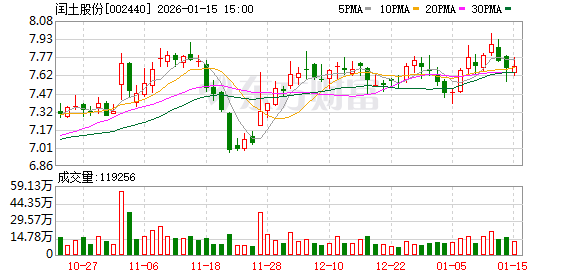
证券日报网1月15日讯 ,闰土股份在接受调研者提问时表示,公司通过实施"后向一体化"策略,向上延 伸产业链,产业链配套布局成果显著。目前公司已布局还原物等关键中间体产能,有力地保障了原材料 供给;同时公司也将继续加大对关键中间体的规划、研究、开发工作,确保公司产业链的完整性。目前 公司染料产业体系已形成了从热电、蒸汽、氯气、烧碱,到中间体、滤饼、染料等完善的产业链。 (文章来源:证券日报) ...

闰土股份:目前国内H酸的有效产能不足6万吨
Zheng Quan Ri Bao Wang· 2026-01-15 10:11
证券日报网1月15日讯,闰土股份(002440)在接受调研者提问时表示,目前国内H酸的有效产能不足6 万吨,市场有效供应存在10%以上的缺口;历史上,H酸价格曾到达过10万元/吨以上。目前H酸市场报 价保持在39,000元/吨左右。 ...
闰土股份:公司染料产品价格随行就市,采取价格跟随策略
Zheng Quan Ri Bao Wang· 2026-01-15 09:43
证券日报网1月15日讯,闰土股份(002440)在接受调研者提问时表示,染料产品价格由市场供需及原 料价格等因素决定。公司染料产品价格随行就市,采取价格跟随策略。 ...
闰土股份:染料产业体系已形成已形成从热电、蒸汽、氯气、烧碱到中间体、滤饼、染料等完善的产业链
2 1 Shi Ji Jing Ji Bao Dao· 2026-01-15 08:25
21智讯1月15日电,闰土股份在投资者关系活动中表示,公司通过实施"后向一体化"策略,向上延伸产 业链,目前已布局还原物等关键中间体产能,保障原材料供给。公司染料产业体系已形成从热电、蒸 汽、氯气、烧碱到中间体、滤饼、染料等完善的产业链。 ...
闰土股份(002440) - 2026年1月14日投资者关系活动记录表
2026-01-15 08:06
编号:RTIR-2026-001 投资者关系活动 类别 √特定对象调研 □分析师会议 □媒体采访 □业绩说明会 □新闻发布会 □路演活动 □现场参观 □其他 参与单位名称及 人员姓名 华泰证券(胡博 张雄) 南方基金(李心宓) 时间 2026 年 1 月 14 日 上午 10:30-12:00 地点 闰土大厦 2511 会议室 上市公司接待人 员姓名 副总经理、董事会秘书刘波平 证券事务代表焦大伟 投资者关系活动 主要内容介绍 交流的主要内容: 公司副总经理、董事会秘书刘波平先生就染料行业发展概况、染料市场 行情及公司经营方面的相关问题与投资者进行了交流。 1、染料行业竞争格局情况 答:我国已成为世界染料生产数量、贸易数量和消费数量的第一大国, 染料产量约占世界染料总产量的 70%-75%。国内染料主要产区在浙江省、江苏 省和山东省,行业集中度较高。 分散染料主要生产企业为浙江龙盛、闰土股份、吉华集团、安诺其等; 活性染料主要生产企业有闰土股份、浙江龙盛、锦鸡股份等,印度活性染料 产能也已有相当规模。 染料行业属于充分竞争行业,近几年来,境内外染料产能增加,市场竞 证券代码:002440 证券简称:闰土股份 ...
7.02亿美元收购剩余股权 浙江龙盛全资控股德司达
Zhong Guo Jing Ying Bao· 2026-01-10 09:37
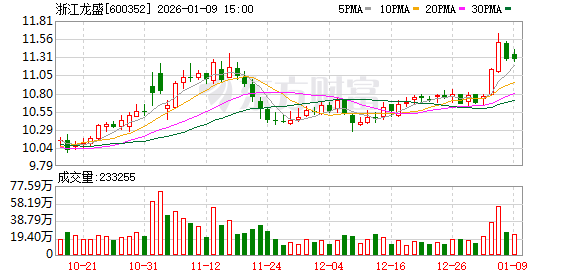
Core Viewpoint - Zhejiang Longsheng has completed the acquisition of minority shareholder rights in its subsidiary, Desida Global Holdings (Singapore) Pte Ltd, for a total transaction amount of $702 million, making Desida a wholly-owned subsidiary and integrating its net profit into the consolidated financial statements starting from 2026 [2][3]. Group 1: Acquisition Details - The acquisition involved a combination of directed repurchase and direct acquisition, allowing Zhejiang Longsheng to acquire the remaining 37.57% of Desida's minority shares [3]. - The transaction amount of $702 million (approximately RMB 4.928 billion) was aimed at resolving a long-standing equity litigation that lasted for 10 years [2][3]. - Following the acquisition, Zhejiang Longsheng will hold 100% of Desida through three wholly-owned subsidiaries, and the two directors appointed by KIRI have resigned [3]. Group 2: Financial Performance - In 2024, Desida achieved a revenue of $753 million and a net profit of $116 million, with a net asset value of $1.013 billion [6]. - For the first three quarters of 2025, Desida reported a revenue of approximately $535 million and a net profit of about $62.96 million [6]. - Desida's revenue accounted for approximately 33.33% of Zhejiang Longsheng's total revenue in 2024, which was RMB 15.884 billion [6]. Group 3: Strategic Implications - The acquisition is expected to optimize the equity structure of Zhejiang Longsheng and eliminate litigation interference, enhancing decision-making efficiency [4]. - Desida has been a key player in the high-end dye and chemical solutions market, being one of the largest textile dye suppliers globally [5].

浙江龙盛超49亿收购化解海外纠纷 九个月盈利14亿手握资金超200亿
Chang Jiang Shang Bao· 2026-01-05 23:53
Core Viewpoint - Zhejiang Longsheng has successfully completed an overseas acquisition to resolve a dispute, spending approximately $702 million (over 4.9 billion RMB) to acquire the remaining 37.57% stake in Dystar Global Holdings, a global leader in dye production [1][4]. Group 1: Acquisition Details - The acquisition was prompted by a court ruling requiring the overall sale of Dystar's shares, leading Zhejiang Longsheng to act as the controlling shareholder [1][3]. - Dystar is a profitable company, with projected earnings of approximately $116 million and $62.96 million for 2024 and the first three quarters of 2025, respectively [4]. - The acquisition is expected to enhance Zhejiang Longsheng's net profit attributable to shareholders [2][5]. Group 2: Financial Impact - The acquisition will not significantly impact Zhejiang Longsheng's cash flow, as the company had cash reserves of 20.72 billion RMB and interest-bearing liabilities of around 18 billion RMB as of September 2025 [2]. - Zhejiang Longsheng's net profit attributable to shareholders for the first three quarters of 2025 was approximately 1.4 billion RMB, indicating a 3.23% year-on-year increase [10]. - The company has maintained a strong financial position, with a debt-to-asset ratio of 51.18% and negative financial expenses of 147 million RMB for the first three quarters of 2025 [10]. Group 3: Historical Performance - Zhejiang Longsheng has demonstrated strong profitability, with annual net profits exceeding 1 billion RMB for 12 consecutive years from 2013 to 2024 [9]. - Despite fluctuations in performance, the company achieved a net profit of 2.03 billion RMB in 2024, marking a 32.36% year-on-year increase [8]. - The company has consistently generated positive operating cash flow, with a net cash flow of 5.56 billion RMB for the first three quarters of 2025, reflecting a 46.71% year-on-year growth [10].
浙江龙盛7亿美元“扫尾”跨国诉讼,染料巨头全资控股德司达
Xin Lang Cai Jing· 2026-01-05 10:32
Core Viewpoint - Zhejiang Longsheng Group has successfully completed a $702 million acquisition of the remaining shares of its subsidiary, Dystar Global Holdings (Singapore) Pte Ltd, marking the end of a prolonged international legal dispute and capital maneuvering [2][19][10]. Group 1: Transaction Details - The acquisition involved two parts: Dystar repurchased and canceled 20% of its shares, while Zhejiang Longsheng acquired the remaining 17.57% through its wholly-owned subsidiary, Shengde International Capital [6][20]. - The total payment for the transaction was $702,474,406.69, with the legal transfer of shares completed on December 30, 2025 [8][17]. - Following the transaction, Dystar's shareholder structure changed to three wholly-owned subsidiaries of Zhejiang Longsheng, achieving full control [21][20]. Group 2: Strategic Implications - This acquisition not only resolves a long-standing legal dispute with KIRI Industries Limited but also aligns with Zhejiang Longsheng's strategic goal of becoming a leading global specialty chemicals producer [5][19]. - From 2026 onwards, all net profits from Dystar will be attributed to Zhejiang Longsheng, enhancing the company's financial performance [12][27]. - The full control over Dystar is expected to facilitate comprehensive integration and strategic collaboration, significantly strengthening Zhejiang Longsheng's global research, production, and sales network in the specialty chemicals market [28][26]. Group 3: Background of the Dispute - The acquisition was driven by a decade-long legal battle initiated by KIRI Industries in 2015, which accused Zhejiang Longsheng of oppressing minority shareholders [24][9]. - The dispute began after Zhejiang Longsheng acquired a controlling stake in Dystar in 2012, following Dystar's bankruptcy during the financial crisis [24][11]. - The resolution of this dispute through the acquisition is seen as the optimal solution to eliminate uncertainties surrounding Dystar's ownership [10][25].

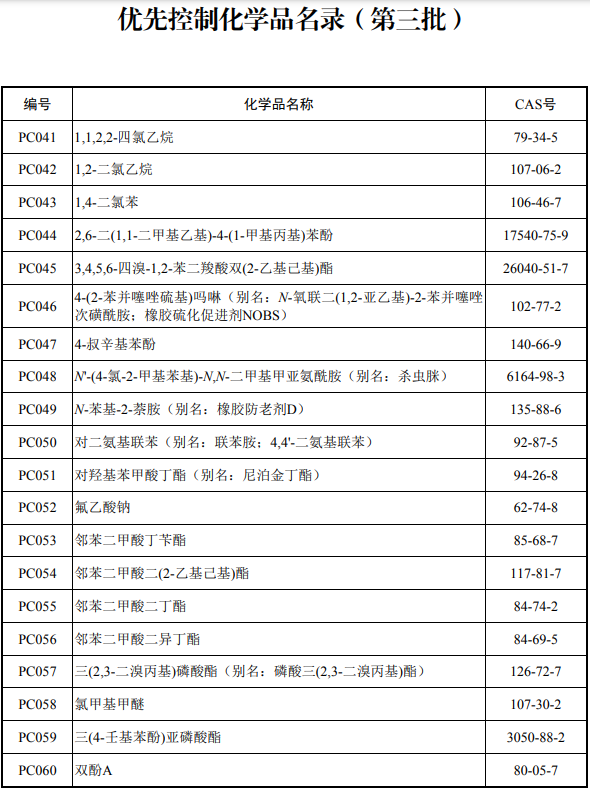
注意!双酚A等23种类化学品,被列入优先控制化学品名录!
Zhong Guo Hua Gong Bao· 2026-01-04 09:14
Core Viewpoint - The Ministry of Ecology and Environment and the National Health Commission have jointly issued the "Priority Control Chemical List (Third Batch)," which includes 23 chemical substances such as 1,1,2,2-tetrachloroethane and bisphenol A, focusing on high-risk chemicals with significant environmental and health impacts [1][2]. Group 1: Chemical Substances and Their Risks - The list includes 23 chemical substances, particularly those with persistent, bioaccumulative, and aquatic chronic toxicity properties, as well as carcinogenic, mutagenic, reproductive toxicity, and endocrine-disrupting characteristics [1][2]. - Notable substances in the list include 1,1,2,2-tetrachloroethane, bisphenol A, and various perfluoroalkyl and polyfluoroalkyl substances, which are linked to industries such as petrochemicals, plastics, pharmaceuticals, textiles, and pesticides [1][2]. Group 2: Regulatory Measures and Industry Response - The management of the chemicals listed is primarily based on environmental impact assessments for construction projects, pollution discharge permits, and soil and groundwater pollution prevention measures [1]. - Companies are encouraged to recognize the potential environmental and health risks associated with these chemicals and to proactively upgrade processes, enhance waste treatment, and develop environmentally friendly alternatives to minimize risks [2].