
电镀

Search documents
唱响新时代太湖美,常州持续贡献“上游担当”
Xin Lang Cai Jing· 2026-01-17 13:35
Core Viewpoint - The comprehensive governance of Taihu Lake in Changzhou has shown significant improvements in water quality, with total phosphorus levels improving by 4.7% year-on-year, and multiple indicators reaching their best levels since 2007 [1][4]. Group 1: Water Quality Improvement - In 2025, Taihu Lake's water quality has stabilized at Class III for two consecutive years, marking a historic breakthrough in water governance [1]. - The total phosphorus in Changzhou's water area has improved, with a 5.1% year-on-year reduction in Duhu Lake and a historic achievement of Class III water quality in Changzhou's Changdang Lake [4]. - The overall quality of the water environment in the Changzhou basin has seen multiple breakthroughs, contributing to the narrative of "New Era Taihu Beauty" [4]. Group 2: Pollution Control Measures - Since the start of a new round of comprehensive governance in 2023, Changzhou has prioritized sediment dredging to reduce internal pollution sources, completing 500 million cubic meters of dredging by the end of 2025 [4]. - The city has implemented 195 key projects focused on controlling pollution from domestic, industrial, and agricultural sources, significantly enhancing the overall water quality [7]. - The total phosphorus levels in three main rivers flowing into Taihu Lake improved by 25% year-on-year, with some rivers achieving Class III water quality for the first time [7]. Group 3: Industrial Transformation - Changzhou has established a surface treatment industrial park to centralize management and pollution control, leading to a 20% reduction in ammonia nitrogen and a 5% reduction in heavy metals in wastewater [10]. - The city is promoting green transformation in traditional industries, with 2,192 problematic enterprises undergoing remediation, resulting in a reduction of 1,193 tons of major pollutants [10]. - The "Hazardous Waste, Dispersed, Low Efficiency" comprehensive governance project has been recognized as a national model for green and low-carbon initiatives [10]. Group 4: Future Plans - Changzhou aims to continue its efforts in pollution prevention and ecological system optimization, promoting a vision of a beautiful Taihu Lake with both ecological restoration and vibrant economic development [11].

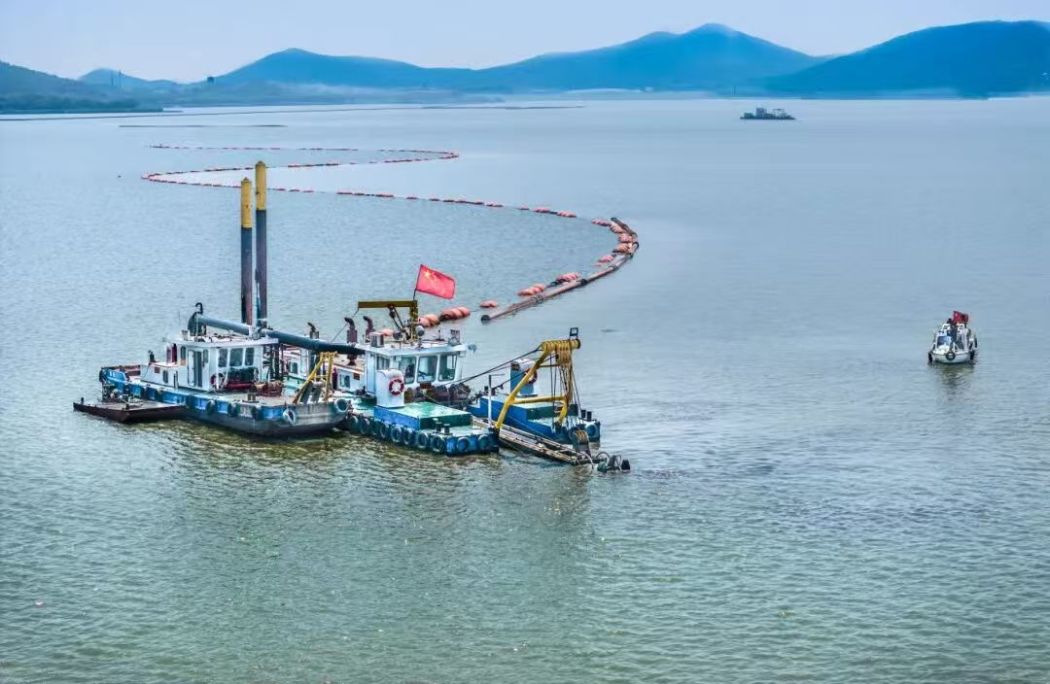
良莠不齐的清洁生产审核服务市场,谁来“审核”?
Zhong Guo Huan Jing Bao· 2026-01-06 23:30
Group 1 - A plating company in the Yangtze River Delta has failed to pass the clean production audit three times due to various reasons, including high energy consumption and inadequate management systems [1][2] - The company has spent hundreds of thousands of yuan on changing technical service providers to pass the audit, but this has negatively impacted its motivation to implement clean production [1] - In Guangzhou, out of 205 companies participating in the clean production audit in 2025, only two conducted the audit independently, while the majority relied on technical service providers [1] Group 2 - The rapid increase in the number of clean production technical service institutions has led to significant disparities in service quality, affecting the overall emission reduction effectiveness for companies [2] - Many service providers are engaged in unfair competition, with 42 out of 73 institutions serving only one company, indicating a lack of comprehensive service capabilities [2] - Some companies have a low understanding of the importance of clean production, leading to minimal involvement in the audit process and reliance on service providers [2] Group 3 - To improve the service quality of clean production institutions, local authorities should enhance management and supervision, including regular audits of submitted materials [3] - Encouraging companies to take an active role in the clean production audit process can significantly enhance service quality, such as involving key personnel in the preparation of clean production plans [3] - Establishing a support mechanism involving experts to provide free technical consultation and policy guidance can help improve the quality of services provided by technical institutions [4]
注意!双酚A等23种类化学品,被列入优先控制化学品名录!
Zhong Guo Hua Gong Bao· 2026-01-04 09:14
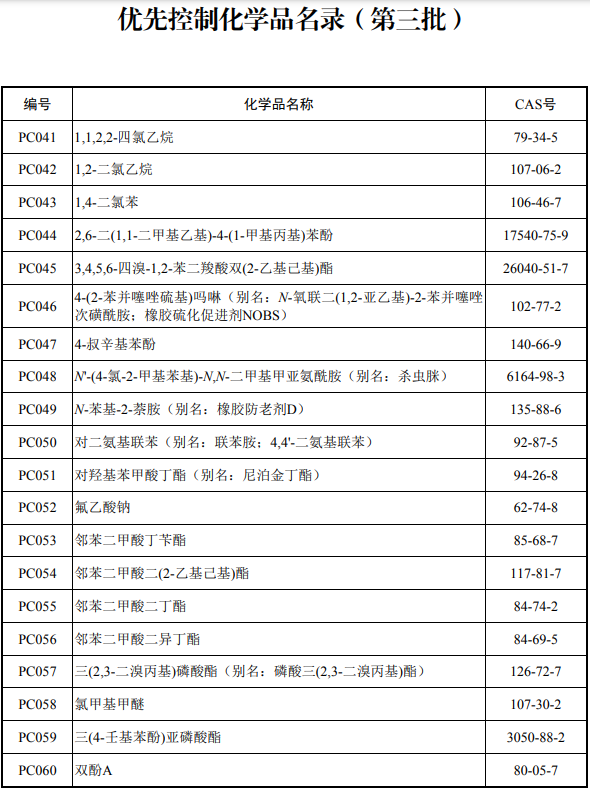
Core Viewpoint - The Ministry of Ecology and Environment and the National Health Commission have jointly issued the "Priority Control Chemical List (Third Batch)," which includes 23 chemical substances such as 1,1,2,2-tetrachloroethane and bisphenol A, focusing on high-risk chemicals with significant environmental and health impacts [1][2]. Group 1: Chemical Substances and Their Risks - The list includes 23 chemical substances, particularly those with persistent, bioaccumulative, and aquatic chronic toxicity properties, as well as carcinogenic, mutagenic, reproductive toxicity, and endocrine-disrupting characteristics [1][2]. - Notable substances in the list include 1,1,2,2-tetrachloroethane, bisphenol A, and various perfluoroalkyl and polyfluoroalkyl substances, which are linked to industries such as petrochemicals, plastics, pharmaceuticals, textiles, and pesticides [1][2]. Group 2: Regulatory Measures and Industry Response - The management of the chemicals listed is primarily based on environmental impact assessments for construction projects, pollution discharge permits, and soil and groundwater pollution prevention measures [1]. - Companies are encouraged to recognize the potential environmental and health risks associated with these chemicals and to proactively upgrade processes, enhance waste treatment, and develop environmentally friendly alternatives to minimize risks [2].
《优先控制化学品名录(第三批)》公布,生态环境部答记者问
Xin Lang Cai Jing· 2026-01-02 07:09
Group 1 - The core viewpoint of the article is the issuance of the "Priority Control Chemical List (Third Batch)" by the Ministry of Ecology and Environment and the National Health Commission, emphasizing the importance of managing new pollutants to protect ecological and public health [1][2] - The list aims to prioritize the management of chemical substances that pose significant environmental and health risks, serving as a foundational support for managing toxic pollutants in water, air, and soil [2][3] - The compilation of the list involved a comprehensive assessment of chemical substances based on their inherent hazards, potential exposure levels, and international control measures, focusing on high-risk chemicals such as persistent, bioaccumulative, and toxic substances [2][3] Group 2 - The list includes 23 categories of chemical substances, such as 1,1,2,2-tetrachloroethane and bisphenol A, which are recognized as carcinogens and endocrine disruptors, affecting various industries including petrochemicals, plastics, and pharmaceuticals [3][4] - Companies producing or using the listed chemicals are encouraged to enhance their environmental risk management practices, including upgrading processes and controlling emissions, to mitigate potential risks [4][5] - Current management of the chemicals in the list is based on existing regulations regarding environmental impact assessments, pollution permits, and soil and groundwater pollution prevention [5]
生态环境部固体废物与化学品司有关负责人就《优先控制化学品名录(第三批)》答记者问
Yang Shi Wang· 2026-01-02 06:42
Core Viewpoint - The Ministry of Ecology and Environment and the National Health Commission have jointly issued the "Priority Control Chemical List (Third Batch)" to enhance the management of new pollutants and protect ecological and public health [2][5]. Group 1: Background and Purpose - The issuance of the list is part of a broader initiative by the Chinese government to address new pollutant management, as emphasized in various party meetings and documents, aiming for effective environmental risk control by 2035 [2]. - The list aims to provide foundational support for managing environmental risks associated with toxic pollutants in water, air, and soil, while also raising awareness among the public and enterprises regarding the environmental and health hazards of chemical substances [3]. Group 2: Compilation Process - The compilation of the list involved a comprehensive assessment of chemical substances based on their inherent hazards, potential exposure levels, and international control measures, focusing on high-risk chemicals such as persistent, bioaccumulative, and toxic substances [3][4]. - The process adhered to an "openness" principle, soliciting public opinions and conducting expert consultations to ensure a wide range of inputs were considered [4]. Group 3: Included Chemicals - The list includes 23 categories of chemical substances, such as carcinogens and endocrine disruptors, affecting various industries including petrochemicals, plastics, pharmaceuticals, and textiles [5]. - Notably, some high-concern persistent organic pollutants were not included in the list, indicating a need for compliance with existing environmental management regulations for new chemical substances [5]. Group 4: Management Requirements - The issuance of the list provides a framework for companies to proactively manage environmental risks associated with the listed chemicals, encouraging practices such as process upgrades and the development of environmentally friendly alternatives [6]. - Current management of the listed chemicals is guided by various regulations, including environmental impact assessments and pollution discharge permits [6][7].
生态环境部:分区管控,对于污染较轻的行业尝试取消环评审批
Nan Fang Du Shi Bao· 2025-09-19 06:57
Core Viewpoint - The Chinese government is enhancing ecological environment management through a comprehensive zoning control system, which aims to promote high-quality development while ensuring environmental protection [1][2][3]. Group 1: Ecological Environment Zoning Control System - The "two-level, three-category, one-list" ecological environment zoning control system has been established, achieving full regional coverage and differentiated access [1]. - Over 40,000 control units have been delineated across provinces and cities, categorized into "priority protection, key control, and general control" [1]. - A system has been developed to automatically assess environmental compliance based on project location and industry type, facilitating government management, corporate investment, and public oversight [1]. Group 2: Relationship Between Zoning Control, Environmental Impact Assessment, and Emission Permits - Zoning control, environmental impact assessment (EIA), and emission permits form an interconnected environmental management chain, clarifying access requirements for high-quality development [2]. - Zoning control encourages polluting industries to cluster in designated parks with adequate pollution control facilities, simplifying EIA processes for new projects [2]. - For less polluting industries, EIA approvals are being eliminated in favor of direct management through emission permits, with 31 industries currently piloting this approach [2]. Group 3: Future Plans for Ecological Environment Management - Future efforts will focus on optimizing the zoning control system to enhance precision, integration, and practicality [3]. - A five-year periodic adjustment of zoning control plans will be implemented, along with improved coordination with land spatial planning policies [3]. - The application of artificial intelligence will be promoted to enhance grassroots environmental management capabilities, supporting high-quality development and the construction of a beautiful China [3].
苏州,让我爱上中国的N个理由
Ren Min Ri Bao Hai Wai Ban· 2025-09-15 22:49
Core Viewpoint - The article highlights the advantages of Suzhou as an attractive destination for foreign talent, emphasizing its supportive policies, innovative environment, and collaborative opportunities in various industries, particularly in technology and education [9][10][11][13][17]. Group 1: Innovation and Research Environment - Suzhou's research environment is characterized by its ability to break down barriers between academia and industry, facilitating collaboration and practical application of research [10][12]. - The city supports high-level talent with significant project funding, including up to 100 million yuan for projects and 10 million yuan for housing subsidies [14]. - The collaborative model in Suzhou allows for shared resources between universities and companies, enhancing the development of advanced technologies [12][22]. Group 2: Entrepreneurial Support - Suzhou's policies provide comprehensive support for talent innovation and entrepreneurship, including funding, office space, and policy guidance [15][24]. - The city has implemented a talent-friendly policy framework that encourages the establishment and growth of startups, particularly in the technology sector [13][24]. - The government actively engages with foreign entrepreneurs, offering personalized services to address their specific needs [11][20]. Group 3: Education and Cultural Integration - Suzhou is recognized as a fertile ground for educational ideals, fostering a diverse and inclusive environment for students from various backgrounds [17][19]. - The collaboration between educational institutions and local governments creates platforms for students to engage in entrepreneurship and innovation [18][19]. - The cultural richness of Suzhou enhances the educational experience, promoting respect and cooperation among students from different cultures [19]. Group 4: Industry Growth and Market Potential - Companies in Suzhou, particularly in the biotech and technology sectors, have experienced significant growth, with some reporting sales increases of up to 70% year-on-year [25]. - The local government’s efficient support during crises, such as the COVID-19 pandemic, has been crucial for businesses to maintain operations and continue their growth trajectory [24][25]. - Suzhou's strategic location and robust industrial ecosystem position it as a key player in the global innovation landscape, attracting international talent and investment [12][15].
中国无氰镀金市场现状研究分析与发展前景预测报告
QYResearch· 2025-09-03 09:34
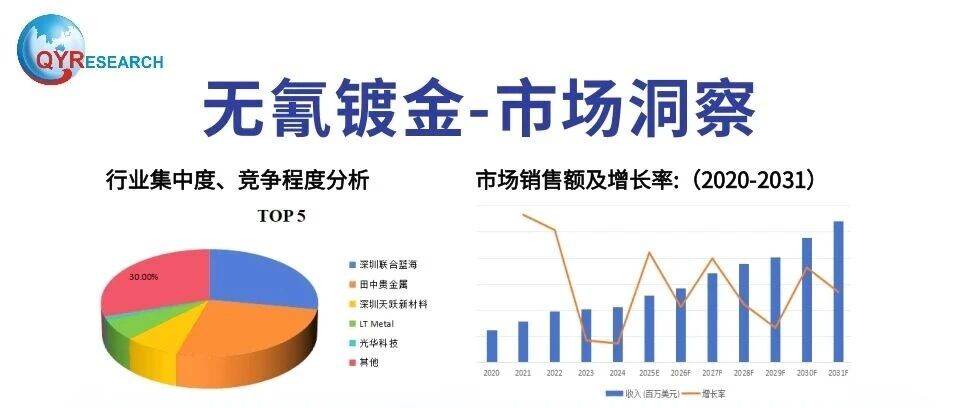
Core Viewpoint - The article discusses the definition, advantages, market trends, and applications of cyanide-free gold plating technology, highlighting its growing importance in various industries due to environmental and safety concerns [2][3][20]. Group 1: Definition and Scope - Cyanide-free gold plating is a metal plating process that does not use cyanide compounds, offering a safer and more environmentally friendly alternative to traditional cyanide-based methods [2]. - This technology is increasingly adopted in high-end manufacturing sectors, particularly in electronics and semiconductors, where it is expected to replace traditional cyanide plating due to its lower environmental impact [2][3]. Group 2: Market Size and Growth Trends - The cyanide-free gold plating market in China is projected to reach USD 106.34 million in 2024 and is expected to grow to USD 270.76 million by 2031, with a compound annual growth rate (CAGR) of 13.20% from 2025 to 2031 [3]. - The market volume is anticipated to increase from 69.65 tons in 2024 to 174.57 tons by 2031, with a CAGR of 13.57% during the same period [3]. Group 3: Product Types and Applications - The market is segmented into two main product types based on gold content: above 15g/L and below 15g/L, with the former accounting for 67.15% of the market share in 2024 [7]. - Applications of cyanide-free gold plating include electronics and semiconductors (40.70% market share in 2024), jewelry, precision instruments, and watches, among others [10][12][13][15]. Group 4: Industry Drivers - The shift towards cyanide-free gold plating is driven by environmental regulations and the need for safer manufacturing processes, particularly in the electronics sector [20][21]. - The technology offers economic advantages, such as lower cleaning and wastewater treatment costs, while maintaining production efficiency and product quality [3][20]. Group 5: Industry Challenges - The maturity of cyanide-free plating technology is still developing, with challenges in adhesion, corrosion resistance, and consistency compared to traditional methods [21]. - High research and development barriers, along with the high switching costs for downstream customers, pose significant challenges for widespread adoption [21][22]. Group 6: Key Policies - Various policies are in place to promote cleaner production and environmental protection in the plating industry, emphasizing the need for compliance with environmental standards [23][24]. Group 7: Competitive Landscape - The market is characterized by high concentration, with the top five manufacturers holding a 70% market share in 2024, indicating intense competition in the industry [20].
无锡振华 | 25Q2:业绩符合预期 电镀半导体双轮驱动【民生汽车 崔琰团队】
汽车琰究· 2025-08-26 16:18
Core Viewpoint - The company reported strong financial performance for the first half of 2025, driven by strategic transformation and new customer acquisitions in the electric vehicle sector [2][3]. Group 1: Financial Performance - In H1 2025, the company achieved revenue of 1.29 billion yuan, a year-on-year increase of 15.2%, and a net profit attributable to shareholders of 200 million yuan, up 27.2% year-on-year [2]. - For Q2 2025, revenue reached 690 million yuan, reflecting a year-on-year growth of 9.6% and a quarter-on-quarter increase of 14.5%. Net profit for the same period was 110 million yuan, marking a year-on-year rise of 32.1% [3]. - The gross margin for Q2 2025 was 29.8%, an increase of 6.2 percentage points year-on-year, attributed to product and customer structure optimization [3]. Group 2: Strategic Initiatives - The company is undergoing a strategic transformation focusing on "intelligent traditional business + large-scale new energy business," benefiting from the growth in electric vehicle sales [3]. - The company has deepened its partnership with SAIC Motor and expanded its customer base to include leading new energy manufacturers such as Tesla, Li Auto, and Xiaomi, which contributed to new growth trajectories [4]. Group 3: Operational Efficiency - The company has demonstrated superior operational management and cost control compared to industry peers, achieving leading gross and net profit margins despite high depreciation and amortization costs [4]. - The company’s production bases across multiple locations in China support its nationwide layout and customer structure, enhancing its competitive edge [4]. Group 4: Growth Opportunities - The acquisition of Wuxi Kaixiang to expand into precision electroplating has established a second growth curve, with the company becoming the only qualified supplier in China for Bosch's precision chrome plating process [5]. - The company is actively engaging in self-research to expand its technology and customer boundaries, successfully entering the $32.3 billion power semiconductor market and securing partnerships with industry leaders like Infineon [5]. Group 5: Future Projections - Revenue projections for 2025-2027 are estimated at 3.52 billion yuan, 4.45 billion yuan, and 5.28 billion yuan, respectively, with net profits expected to be 500 million yuan, 640 million yuan, and 790 million yuan [6][7]. - The earnings per share (EPS) are projected to grow from 1.99 yuan in 2025 to 3.17 yuan in 2027, with corresponding price-to-earnings (PE) ratios decreasing from 18 to 11 [6][7].

无锡振华(605319):系列点评一:2025Q2业绩符合预期,电镀半导体双轮驱动
Minsheng Securities· 2025-08-26 14:47
Investment Rating - The report maintains a "Recommended" rating for the company [6]. Core Views - The company reported a revenue of 1.29 billion yuan for H1 2025, representing a year-on-year increase of 15.2%, and a net profit of 200 million yuan, up 27.2% year-on-year [1]. - The Q2 2025 performance met expectations, with revenue of 690 million yuan, a year-on-year increase of 9.6%, and a net profit of 110 million yuan, up 32.1% year-on-year [1]. - The company's strategic transformation focuses on "intelligent traditional business + large-scale new energy business," benefiting from the continuous growth in new energy vehicle sales [1][2]. - The company has deepened its partnership with SAIC Motor and expanded its customer base to include Tesla, Li Auto, and Xiaomi, contributing to new growth curves [1][2]. Financial Performance Summary - In Q2 2025, the gross margin reached 29.8%, an increase of 6.2 percentage points year-on-year, driven by product and customer structure optimization [2]. - The company has shown superior management and cost control capabilities compared to industry peers, achieving leading gross and net profit margins [2]. - The acquisition of the electroplating business has established a second growth curve, with a net profit margin of approximately 60% [3]. - Revenue projections for 2025-2027 are estimated at 3.52 billion, 4.45 billion, and 5.28 billion yuan, with net profits of 500 million, 640 million, and 790 million yuan respectively [3][5]. Forecast and Valuation - The report forecasts earnings per share (EPS) of 1.99, 2.58, and 3.17 yuan for 2025, 2026, and 2027 respectively, with corresponding price-to-earnings (PE) ratios of 18, 14, and 11 [3][5]. - The company is expected to maintain a strong growth trajectory, with revenue growth rates of 39.0%, 26.5%, and 18.7% for the years 2025, 2026, and 2027 respectively [5][11].