水产养殖

Search documents
广东鳗鱼文化节启幕,百组亲子家庭共品“水中人参”
Nan Fang Nong Cun Bao· 2026-01-13 09:05
Core Viewpoint - The Guangdong Eel Cultural Festival aims to promote eel as a healthy and delicious food option for families, encouraging its integration into daily meals and expanding its market presence [4][9][40]. Group 1: Event Overview - The Guangdong Eel Cultural Festival and the first "Eel Journey: Enjoying Flavors" tasting event were launched at Shunde Shunfeng Mountain Park, focusing on family participation [4][3]. - The event features eel tasting, nutritional education, and interactive experiences, allowing parents and children to appreciate the health benefits and flavors of eel [5][12]. Group 2: Industry Development - Shunde has a 40-year history of eel farming and is a core area for the Guangdong eel industry, which is advancing in standardization and branding [8][9]. - The festival serves as a showcase of industry achievements and a proactive effort to tap into the family consumer market [9][40]. Group 3: Nutritional Benefits - Eel is rich in DHA and EPA, beneficial for children's cognitive development and cardiovascular health in middle-aged and elderly individuals, earning it the titles of "water ginseng" and "soft gold on the table" [12][13]. - The improvement in farming technology and the maturity of the industry chain have made eel more accessible to consumers, breaking down barriers to its consumption as a high-end ingredient [14][40]. Group 4: Marketing and Promotion - The festival invited Hong Kong celebrity Lin Weichen to promote the event through live streaming and interactive tasting, enhancing the visibility and appeal of Shunde eel products [20][23]. - The promotional model combining celebrity influence with industry efforts has effectively increased the event's reach and impact, revitalizing the market for eel [24][23]. Group 5: Economic Impact - The eel industry in Shunde maintains over 30,000 acres of farming area, with an annual output exceeding 30,000 tons and an export value of 3.5 billion yuan, accounting for over 20% of the national total [45][46]. - The push for eel to enter daily consumption is seen as a means to sustain industry growth and enhance farmers' income, with future efforts focusing on brand building and community engagement [51][54].


对虾的故事
Xin Lang Cai Jing· 2026-01-13 07:26
王坚忍 资源丰饶的渤海湾野生对虾,身子如玉石般玲珑剔透,能隐约看到体内的脏腑,故又称"明虾",是中国 独有的海鲜瑰宝。 到了20世纪80年代末至90年代初,渤海野生对虾因过度捕捞,几近资源枯竭。好在这期间国内人工养殖 对虾的育苗技术已渐趋成熟,沿海地区从北到南,有条件的都投资建立起对虾海水养殖场。上海国有养 殖公司当然也不例外,在奉贤海滩边开挖了规模较大的一口口养殖池塘。据《上海渔业志》记载,从 1988年至1992年,对虾平均亩产量从80多公斤上升到240多公斤,足足增长了两倍。产品一部分出口, 一部分供应市场,企业利润惊人。 1993年开始,"对虾白斑综合征"病毒肆虐全国,对虾养殖业近乎全军覆没。次要原因是如养殖密度高、 池塘淤泥多、抽进池塘的海水把病毒带入等,但主要原因还是养殖对虾产下的虾苗"近亲繁殖",抗病能 力退化。痛定思痛。海水养殖业把目光转向了另外两种对虾——引进、改养南美白对虾(学名凡纳滨对 虾),扩大原局限于华南本土传统的基围虾(学名刀额新对虾)养殖范围。上海奉贤、金山、崇明等沿 海郊区,在两种对虾的养殖上已经采用现代化的生态养殖,技术新颖,产量稳定。 南美白对虾和基围虾均属对虾科,样子差不 ...
南农晨读 | 冬日至 菜心甜
Nan Fang Nong Cun Bao· 2026-01-13 00:36
Group 1 - The article discusses the focus on rural revitalization and the "Hundred Thousand Project" in Guangdong from January 5 to January 11, 2026, highlighting various initiatives across multiple cities [4][5][6][7] - Guangzhou is implementing a "retain, modify, and demolish" approach to promote urban village transformation [4] - Foshan aims to integrate agricultural and cultural tourism by establishing a provincial-level experimental zone for coordinated development [5] - Other cities like Heyuan, Meizhou, and Dongguan are also pursuing specific strategies to enhance modern agriculture and improve rural living environments [6][7] Group 2 - Guangdong has four locations selected for the eighth batch of China's important agricultural cultural heritage candidate projects, as announced by the Ministry of Agriculture and Rural Affairs [8][9][10] - A total of 90 traditional agricultural systems, including the "Beijing Daxing Sandy Watermelon Cultivation System," are proposed for inclusion in this heritage list [10][11]
汕尾晨洲蚝养殖系统拟入选第八批中国重要农遗候选项目
Nan Fang Nong Cun Bao· 2026-01-12 12:01
1月12日,农业 农村部公示第八 批中国重要农业 文化遗产候选项 目名单,广东汕 尾晨洲蚝养殖系 统成功入选,标 志着这一延续数 百年的特色养殖 系统在农业文化 遗产保护和传承 方面迈出了重要 一步。 汕尾晨洲蚝养殖 系统拟入选第八 批中国重要农遗 候选项目_南方 +_南方plus 持"顺天应时"的 农耕智慧,实现 人与海洋的和谐 共生。 近年来,晨洲村 成立了汕尾晨洲 蚝业协会,创 建"公司+基地 +股民"的产业联 盟模式,实现从 种苗、养殖到销 售的全程统一标 准管理。目前, 全村拥有100多 晨洲村地处汕尾 市城区红草镇, 素有"中国蚝 乡"之称。这里 地理环境得天独 厚:北接海丰县 城出水口,三江 淡水在此汇聚; 南临长沙湾海 口,形成天然的 咸淡水交汇水 域,为蚝类生长 提供了绝佳环 境。出产于此的 晨洲蚝,素 以"肥、嫩、 鲜、美"闻名遐 迩 晨洲村万亩蚝田。 晨洲蚝养殖始于 清初,至今已有 三百余年。从早 期以石头为附着 物的传统养殖, 到逐步探索出水 泥柱立体投放、 浮排吊养等生态 养殖技术,晨洲 蚝农始终秉 家养殖场和12家 深加工企业,产 品销往全国,年 产值达6.3亿 元。 与此同时,依 ...
广西与泰国“农”脉相连 热带佳果与智慧农技双向奔赴
Xin Lang Cai Jing· 2026-01-12 10:44
Group 1 - The core viewpoint of the articles highlights the deepening agricultural cooperation between Guangxi and Thailand, leveraging geographical advantages and cultural ties, with a significant increase in agricultural trade [1][2] - From January to November 2025, the trade volume of agricultural products between Guangxi and Thailand reached 4.47 billion yuan, with exports amounting to 410 million yuan, marking an 18.2% year-on-year increase [1] - Key agricultural exports from Guangxi to Thailand include meat, citrus fruits, and seafood, while Thailand exports durian, cassava, mangosteen, nuts, feathers, and longan to Guangxi, with durian being a standout product in their trade collaboration [1] Group 2 - In 2024, Thailand's durian exports to China are projected to reach 3 billion USD, primarily entering through Guangxi's border trade "green channels" [1] - The annual "Thai Durian Festival" in Nanning enhances cultural exchange and recognition between the two regions, promoting Thai fruit culture in China [1] - Guangxi's agricultural technology cooperation with Thailand is gaining momentum, with a memorandum signed between Guangxi Academy of Fisheries and Thailand's Thai-Chinese Technology Association to provide technical support for aquaculture [1][2] - Guangxi JieJiaRun Technology Group is implementing smart agriculture projects in Thailand's durian production area, achieving a 50% reduction in water usage and a 30% reduction in fertilizer [2] - There have been numerous mutual investments in agriculture between Guangxi and Thailand, covering key areas such as product cultivation, deep processing, and logistics [2] - Frequent exchanges of agricultural technology personnel between Guangxi and Thai institutions foster collaboration and the implementation of agricultural technology achievements [2]
上犹县江头村深耕稻虾种养生意经
Jing Ji Ri Bao· 2026-01-12 03:12
Core Insights - The agricultural model in Jiangtou Village, which combines rice and shrimp farming, is yielding significant economic benefits, with a projected income of over 800,000 yuan by 2025 [1] - The integration of tourism and agriculture is enhancing local economic development, with a focus on creating a sustainable rural revitalization path [1][2] Group 1: Agricultural Production - Jiangtou Village's rice-shrimp rotation base produces 100,000 pounds of shrimp and 310,000 pounds of rice annually, showcasing an effective dual-use agricultural model [1] - The base's owner, Huang Qunming, utilizes scientific farming methods, resulting in a production of 45,000 pounds of shrimp per year [1] Group 2: Tourism Development - The establishment of projects like Jiangtou Muge has led to infrastructure upgrades and the emergence of diverse businesses such as cafes and amusement parks [2] - The village's tourism strategy includes event-based packages, achieving an 80% occupancy rate during events and a threefold increase in online bookings [2] Group 3: Economic Impact - The local homestay industry contributes 40% of its revenue back to the village collective, supporting over 100 households and increasing average household income by approximately 6,000 yuan annually [2] - By 2025, the village anticipates receiving 310,000 tourists, generating over 2 million yuan in tourism revenue and boosting collective income by more than 500,000 yuan [2] Group 4: Future Plans - Future initiatives will focus on expanding the rice-shrimp farming model and enhancing product quality, aiming to create a comprehensive industry chain that includes ecological farming, dining logistics, and cultural festivals [3]
当“一粒鲍”加速跑起来
Xin Lang Cai Jing· 2026-01-11 23:23
Core Viewpoint - The collaboration between Lianjiang County and retail e-commerce company Pupu Technology aims to enhance the traditional abalone industry through modern supply chain innovations, improving efficiency and profitability for local farmers [1][2]. Group 1: Industry Overview - Lianjiang County produces approximately one-third of China's total abalone output, with a projected production of 61,800 tons and a value of 5.19 billion yuan by 2025, contributing to a total industry chain value nearing 10 billion yuan [2]. - The largest standardized abalone farming demonstration area in Lianjiang is located in Xiagong Town, accounting for about 60% of the county's total production [2]. Group 2: Supply Chain Innovations - The new supply chain model involves a systematic reconstruction of traditional distribution channels, introducing modern retail supply chain practices to enhance efficiency and control throughout the entire process [2][3]. - Abalone is sorted and packaged immediately after being harvested, reducing logistics time and improving freshness by minimizing intermediate steps [4]. Group 3: Pricing and Quality Control - The new grading system allows for differentiated pricing based on size, with larger abalones priced around 60 yuan per pound compared to an average of over 40 yuan previously [3]. - A traceability system is being implemented, allowing consumers to access information about the abalone's growth environment and supply chain journey through a digital ID [3]. Group 4: Digital Empowerment and Brand Development - The collaboration leverages retail e-commerce consumer data to provide market trend forecasts, enabling farmers to better match supply with demand [6]. - The initiative aims to establish "Hailianjiang" as a recognized public brand, enhancing the credibility and value of Lianjiang abalone [6]. Group 5: Future Expansion Plans - Lianjiang County plans to extend this supply chain cooperation into deep-sea farming, seafood processing, and marine prepared dishes, while focusing on enhancing technology support, brand marketing, and industry integration [7].
情系“长江三鲜”
Xin Lang Cai Jing· 2026-01-11 23:23
Core Viewpoint - The article highlights the efforts of Zheng Bingqing and her company, Shengan Sanxian Aquaculture Co., Ltd., in protecting rare fish species in the Yangtze River while promoting rural revitalization through innovative aquaculture practices and community engagement [1][2][5]. Group 1: Company Background and Achievements - Shengan Sanxian Aquaculture Co., Ltd. is known for its focus on the cultivation of rare fish species such as pufferfish, knife fish, and shad, contributing to the ecological balance of the Yangtze River [1][2]. - The company has released a total of 190 million fish fry into the Yangtze River, significantly enhancing the river's biodiversity [2]. - Zheng Bingqing has led the company to achieve a survival rate increase of 2.5 times for delicate fish species through innovative breeding and water quality management techniques [3]. Group 2: Technological Innovations - The company has developed 23 patents related to aquaculture technology, including advancements in artificial breeding and ecological farming practices [3][4]. - Zheng Bingqing's team has successfully bred the world's first freshwater large yellow croaker, contributing valuable experience to the conservation of rare fish species [2]. Group 3: Community Engagement and Impact - The company has conducted over 2,500 training sessions, directly benefiting more than 60 fishing households, with an average annual income increase of 106,000 yuan per household [4]. - Zheng Bingqing has established a support network for local fishermen, facilitating their transition from traditional fishing to aquaculture, thereby promoting sustainable livelihoods [3][5]. Group 4: Ecological Protection Initiatives - The company actively collaborates with local authorities and organizations to promote ecological protection and legal awareness regarding the conservation of aquatic resources [5][6]. - Zheng Bingqing emphasizes the importance of integrating ecological protection with business practices, advocating for more platforms for enterprises to engage in ecological restoration and public awareness campaigns [6].
【丰收澜湄】泰国篇丨厚植澜湄沃土 桂泰农业合作跑出加速度
Xin Lang Cai Jing· 2026-01-11 11:00
Core Viewpoint - The agricultural cooperation between Guangxi and Thailand is thriving, with significant growth in trade and collaborative projects, enhancing both regions' economic and cultural ties [3][12]. Trade Growth - In 2024, the agricultural trade volume between Guangxi and Thailand reached 5.59 billion yuan, an 18.2% increase from 4.73 billion yuan in 2018 [3]. - Guangxi's agricultural exports to Thailand surged by 176.2%, while imports grew by 13.2%, indicating a robust growth trend in both directions [3]. Key Agricultural Products - Major agricultural exports from Guangxi to Thailand include meat, citrus fruits, and seafood, while Thailand exports durian, cassava, rambutan, nuts, feathers, and longan to Guangxi [7]. - Durian trade has become a highlight, with Thailand's durian exports to China reaching 3 billion USD in 2024, primarily through Guangxi's ports [7]. Technological Collaboration - Guangxi and Thailand are enhancing agricultural technology cooperation, focusing on aquaculture and smart agriculture, which includes significant projects like the smart agriculture initiative in Thailand's durian-producing region [9][10]. - The collaboration aims to improve efficiency in water and fertilizer use, achieving a 50% reduction in water and 30% in fertilizer usage [10]. Investment Cooperation - There have been numerous investment projects in agriculture between Guangxi and Thailand, covering areas such as product cultivation, processing, and logistics, which are crucial for high-quality agricultural development [12]. Cultural and Educational Exchange - Continuous cultural exchanges and educational programs, such as student exchange initiatives between Guangxi Agricultural Vocational Technical University and Thailand's universities, are strengthening mutual understanding and professional training [14]. - Events like the "Thai Durian Festival" in Nanning are enhancing cultural ties and promoting Thai fruit culture in China [16]. Regional Agricultural Cooperation - The collaboration extends to showcasing regional agricultural products through online and offline exhibitions, focusing on smart agriculture and cross-border industrial chain cooperation [18].

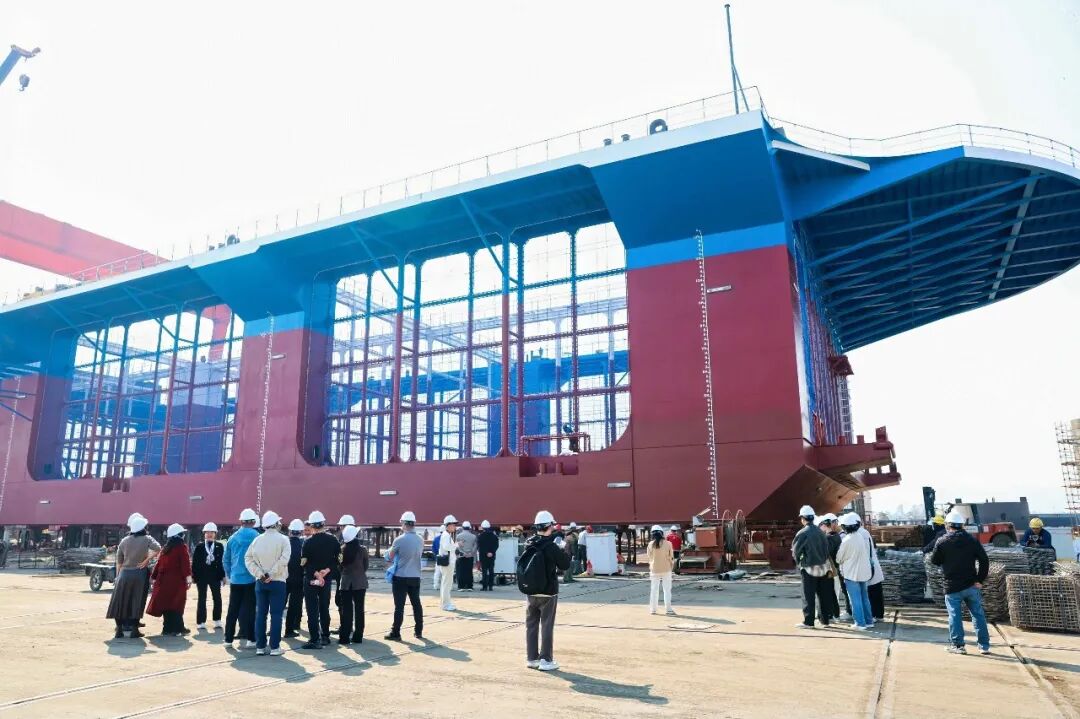
可抵御15级台风!实现核心技术国产化突破
Xin Lang Cai Jing· 2026-01-11 08:59
本文转自【科技日报】; 平台总长110米、宽40米、吃水深15米,包围水体超6万立方米,由6个独立网箱组成。平台采用半潜架式结构,可抵御15级台风,适配南海复杂海况;集 成光伏发电、无人机自动投喂、5G智慧管控系统,实现饲料存储、环境监测等全流程现代化养殖功能,达成"养殖无人化、管理智能化"。 科技日报记者 龙跃梅 图片来源:南方海洋科学与工程广东省实验室(珠海) 1月10日,由南方海洋科学与工程广东省实验室(珠海)联合中山大学研制的新型智能化桁架养殖平台"珠海琴"在威立雅船厂正式下水,标志着我国深远 海养殖装备向数字化、智能化、绿色化转型取得关键突破。 "珠海琴"聚焦传统养殖痛点,实现核心技术国产化突破,以绿色能源模式推动零碳运营。 ...