
产业链融合

Search documents
巴斯夫(广东)一体化基地全面投产,不只是上个大项目
Nan Fang Du Shi Bao· 2026-03-26 08:36
Core Viewpoint - The BASF (Guangdong) integrated base has officially commenced operations, marking a significant milestone as China's first wholly foreign-owned large-scale petrochemical project with an investment of approximately €8.7 billion, the largest single investment by BASF and any German company in China [1][2]. Group 1: Project Significance - The project is a testament to China's improving business environment and its commitment to attracting global quality resources through legal, international, and convenient business practices [1]. - The successful completion of the project amidst global challenges such as the pandemic and supply chain disruptions highlights the resilience of foreign investment in China [1][3]. Group 2: Economic Impact - The BASF (Guangdong) integrated base is expected to serve as a key engine for Guangdong's development of a world-class green petrochemical industry cluster, utilizing advanced production processes and environmental technologies [2][3]. - The project will create a "chain effect," attracting numerous upstream and downstream enterprises to gather in Zhanjiang, thus forming a complete industrial ecosystem from basic chemicals to high-end new materials [3]. Group 3: Environmental Commitment - The base plans to use 100% renewable energy and aims to minimize carbon emissions during production, promoting a green transformation in the petrochemical industry [3]. - The production of green low-carbon products will support strategic emerging industries in Guangdong, such as new energy vehicles and offshore wind power [3]. Group 4: Bilateral Relations - The investment signifies a new height in the deep integration of the Sino-German industrial chain, reinforcing supply security in the Chinese market and providing predictable capacity support for the global chemical industry [3]. - The project exemplifies the ongoing economic cooperation between China and Germany, serving as a counter-narrative to calls for "decoupling" in certain countries [3][4].

评论丨从“两业协同”感悟广东乡村振兴的三重境界
Nan Fang Nong Cun Bao· 2026-02-24 07:35
Core Viewpoint - The article discusses the integration of manufacturing and service industries in Guangdong as a key strategy for rural revitalization, highlighting the transformation of agriculture and the emergence of new talent and urban-rural connections. Group 1: Industry Integration - The deep integration of agriculture with manufacturing and service industries is redefining the value boundaries of "three rural issues" [10][11] - The Jiangmen Xinhui Agricultural Machinery Service Center has established a service system covering the entire rice industry chain, with an annual service area exceeding 30,000 acres [12][13] - The use of advanced agricultural equipment and technologies, such as drones and robots, is becoming prevalent, with the central government's recent policy promoting AI in agriculture [17][18] Group 2: Talent Development - The concept of "investing in people" is extending from urban areas to rural regions, with training programs transforming former workers into professional managers in rural operations [27][29] - The implementation of a "rural craftsman" title evaluation system aims to recognize and standardize skills across various fields, with a target of over 10,000 skilled talents by the end of 2025 [32][33] - The demand for talent in cold chain logistics is rising due to the intelligent transformation of the seafood processing industry, linking education with industry needs [38][39] Group 3: Urban-Rural Connectivity - The "Hundred Thousand Project" has led to significant breakthroughs in county-level revitalization, with Bo Luo County projected to exceed a GDP of 100 billion yuan by 2025 [43][44] - Industrial strong counties like Huizhou and Zhaoqing are accelerating their efforts to join the "100 billion club," with notable industrial outputs [45][46] - The integration of industry and tourism is expanding income channels for farmers, moving beyond traditional agriculture to include processing and service sectors [55][56]


注入源源不断红色动能,打造苏陕协作标杆园区
Xin Lang Cai Jing· 2026-02-10 22:10
Core Viewpoint - The Danyang Economic Development Zone Party Committee has strengthened cooperation with the Fuping High-tech Zone in Weinan City, Shaanxi Province, promoting industrial development through a model of integrating party building with industry and talent cultivation, resulting in significant achievements in the "District within a Park" initiative [1][2] Group 1: Industrial Development - The Danyang Economic Development Zone Party Committee has focused on characteristic industries, promoting deep processing and cultural tourism integration of products like goat milk cheese and persimmon [2] - The establishment of three major industrial clusters in dairy products, traditional Chinese medicine, and equipment manufacturing has been prioritized, with leading enterprises like Shengtang Dairy being introduced to form a complete industrial chain from breeding to sales [2] - In 2025, the park plans to introduce six new projects and has over 20 projects in reserve [2] Group 2: Community Engagement and Support - The Danyang Economic Development Zone Party Committee has initiated a "pairing" activity among towns, villages, and communities, establishing partnerships between three community party organizations and three village party organizations in Fuping [2] - A total of 3.882 million yuan has been allocated for over 20 livelihood projects, including the renovation of a convenience service center and the repair of water-damaged roads [2] - Community party organizations have actively participated in charitable activities, with significant donations made for cultural projects and infrastructure improvements [2]
胡熠:抓住产业链融合这个“牛鼻子”
Jing Ji Ri Bao· 2026-02-10 00:07
Group 1: Core Perspectives - The focus on high-level industrial collaboration is essential for deepening the "Mountain-Sea Cooperation" in the new era, promoting high-quality regional development and advancing common prosperity in China [1] - Current challenges in Fujian's Mountain-Sea industrial collaboration include insufficient cooperation mechanisms, low integration levels, incomplete policy support, and weak driving effects [1] - To achieve the 2030 goals of more efficient resource utilization and balanced socio-economic development, there is a need for a systematic approach, problem orientation, and effective collaboration [1] Group 2: Industry Chain and Market Integration - Strengthening market connections around the industrial commodity chain is crucial, emphasizing ecological priority and green leadership to create a green low-carbon industrial chain and high-quality product supply chain [1] - The establishment of a comprehensive transportation network and precise matching of local specialty products is necessary to build a diversified food supply system [1] - Promoting the development of a regional public brand, geographical indication brand, and enterprise brand can enhance the value realization path of high-quality ecological products [1] Group 3: Technological Innovation and Collaboration - The role of technology special commissioners is highlighted to promote cross-regional collaboration in technological and industrial innovation [2] - Accelerating the extension of new infrastructure like industrial internet to mountainous areas is essential for digital, green, and integrated development [2] - Focusing on key common technologies and establishing a new division of labor pattern between coastal and mountainous areas can enhance innovation capabilities [2] Group 4: Policy Support and Spatial Development - Policies should guide coastal leading enterprises to extend their operations into mountainous areas, creating more industrial division chains [3] - Revitalizing inefficient land in mountainous areas through capacity expansion and technological transformation is necessary for industrial park development [3] - Establishing new collaborative models like "government + leading enterprises + industrial parks" can enhance resource allocation and operational capabilities in industrial parks [3]
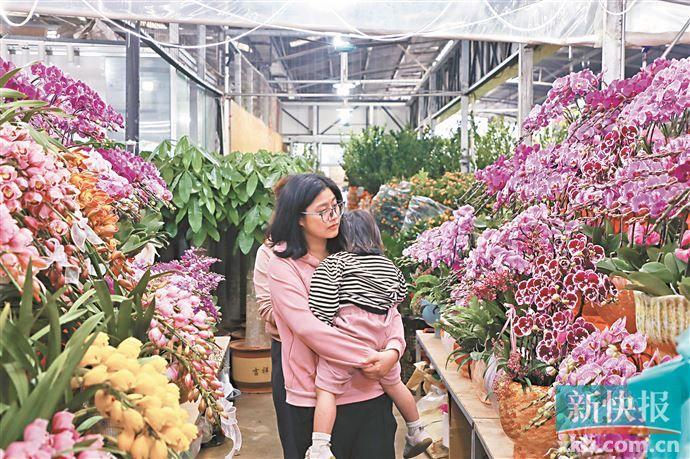
年味渐浓广州年花市场供销两旺 蝴蝶兰稳居“C位” 佛手成抢手货
Xin Lang Cai Jing· 2026-02-07 01:10
Core Viewpoint - The flower market in Guangzhou is experiencing a peak sales season as the Spring Festival approaches, with a variety of traditional New Year flowers being popular among consumers, particularly the Phalaenopsis orchid, which remains a top choice [1][6]. Pricing Trends - Overall prices for various New Year flowers are stable, with slight decreases in common Phalaenopsis prices and a small increase of about 10% in fresh-cut flower prices [2][7]. - The price of Buddha's hand has significantly increased, with a four-fruit bonsai selling for around 600 to 700 yuan, while cut flower prices have risen from 5-6 yuan per pound to over 20 yuan [2]. - The price of seasonal kumquats has decreased by approximately 20%, with 8-inch pots priced around 50 to 60 yuan [7]. Consumer Preferences - Despite the convenience of online shopping, many consumers prefer visiting physical stores to select their flowers, ensuring quality and avoiding discrepancies [3]. - Young consumers are particularly drawn to unique and trendy varieties, such as the "macaron" colored Phalaenopsis, which has seen high demand and is often sold out before reaching wholesale markets [6][11]. Market Dynamics - The Lingnan Flower Market serves as a major distribution hub, with flowers being shipped nationwide and even exported to countries like Vietnam and Thailand [3][11]. - The flower industry in Guangzhou is characterized by a diverse range of products and a mature consumption system, integrating various sales channels including online and offline platforms [12]. Production and Export - Guangzhou is a leading producer of Phalaenopsis orchids, with an annual output exceeding 100 million plants, accounting for over 50% of the national production [12]. - Local flower merchants are increasingly seeking international markets, with plans to expand into Europe following successful sales in Southeast Asia [11].
中国电影正在告别“一张电影票” 解读中国电影的“经济账”
Yang Shi Xin Wen· 2026-02-05 02:40
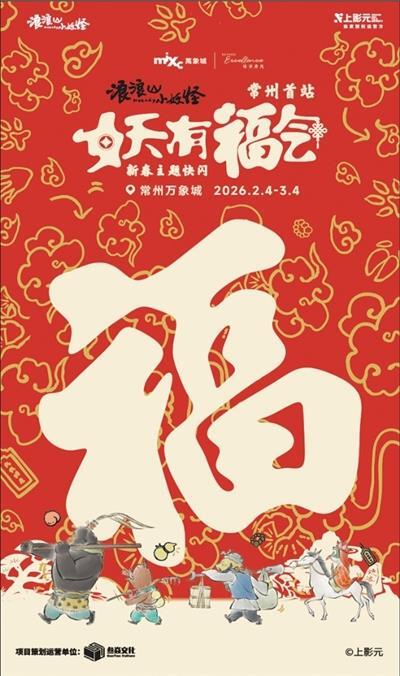
Core Insights - The Chinese film industry is projected to reach a total industry chain output value of 817.26 billion yuan by 2025, with a box office revenue of 51.83 billion yuan, indicating a box office multiplier effect of approximately 1:15.77 [1][3][6] Industry Overview - The film industry's economic activities are categorized into three levels: core industry (2.27 billion yuan), indirect industry (2.52 billion yuan), and spillover industry (3.39 billion yuan), highlighting the extensive economic impact of films beyond just ticket sales [4] - The core industry includes film production, distribution, and screening, while the indirect industry encompasses equipment procurement, technical services, advertising, and logistics [4] Economic Impact - The film industry has significant spillover effects on various sectors, including dining, transportation, retail, and tourism, driven by the popularity of film IPs and related merchandise [4][9] - The film investment and production should focus on long-term economic benefits rather than just immediate financial returns, emphasizing the importance of integrating the film industry with other sectors [6][11] New Business Models - The concept of "Film+" is emerging, where films are linked with various industries such as tourism and food, creating new business opportunities and enhancing consumer experiences [8][9] - Successful films can lead to the development of diverse derivative products and experiences, as seen with the example of "浪浪山小妖怪," which generated over 2.5 billion yuan in terminal sales through extensive IP development [7][13] Cultural and Economic Synergy - The relationship between cultural creation and economic creation is crucial, with high-quality content serving as the foundation for economic growth in the film industry [11][14] - The film industry is increasingly integrating with advanced manufacturing and modern service industries, showcasing a trend towards digitalization and collaborative development [12] Future Directions - The focus on quality content and the integration of film with other economic sectors is essential for sustainable growth in the film industry, aligning with national development goals [14] - The film economy's core lies in its ability to create value through content, meeting cultural needs while driving economic development [14]


地方两会丨河南省政协委员连建伟:粮油产业存在“产加销”脱节 需构建全链条服务体系
Zhong Guo Jing Ying Bao· 2026-01-27 05:23
Core Viewpoint - The oilseed industry is crucial for ensuring national edible oil supply security and is a key driver for rural revitalization and the construction of strong agricultural provinces [1][2]. Group 1: Industry Development - Henan province is a major producer of oilseed crops, with significant advantages in resources such as peanuts and sesame, leading the nation in planting area and yield [2]. - The development of Henan's grain and oil industry is positive, with steady increases in the yield of major oilseed crops and the expansion of processing enterprises [2]. - The oilseed industry in Henan is transitioning from a focus on quantity to quality and industrial advantages, but faces challenges such as lagging seed breeding, insufficient industry chain integration, weak brand influence, and limitations on the development of small and medium-sized enterprises [2][5]. Group 2: Recommendations for Improvement - A focus on seed breeding is essential to strengthen the industry's foundation and ensure food security. This includes establishing a collaborative breeding system involving government, industry, academia, and research [3]. - The establishment of a provincial oilseed breeding special fund is recommended to support the research and development of high-quality varieties, encouraging collaboration between research institutions and leading enterprises [3]. - The promotion of good seed varieties and the construction of demonstration bases are suggested, utilizing a model that connects leading enterprises, cooperatives, and farmers to ensure profitability for farmers [3]. Group 3: Value Chain Integration - The creation of modern oilseed industrial parks is proposed, which would integrate planting, deep processing, storage logistics, and tourism, enhancing the entire industry chain and cluster effects [4]. - The integration of agriculture, culture, and tourism is encouraged, with the development of unique landscapes and events to boost rural tourism and increase income [4]. - A comprehensive service system for the entire value chain is necessary to address challenges such as financing difficulties for small and medium-sized enterprises and the lack of coordination among production, processing, and sales [5][6]. Group 4: Financial and Policy Support - The establishment of a special fund for high-quality development in the grain and oil industry is recommended to support promising small and medium-sized enterprises facing financial difficulties [6]. - The government should implement detailed policies to support the green food industry, ensuring that tax reductions and other benefits reach enterprises effectively [6]. - Encouragement for financial institutions to develop supply chain financial products tailored for grain and oil enterprises is suggested to enhance liquidity and asset utilization [6].
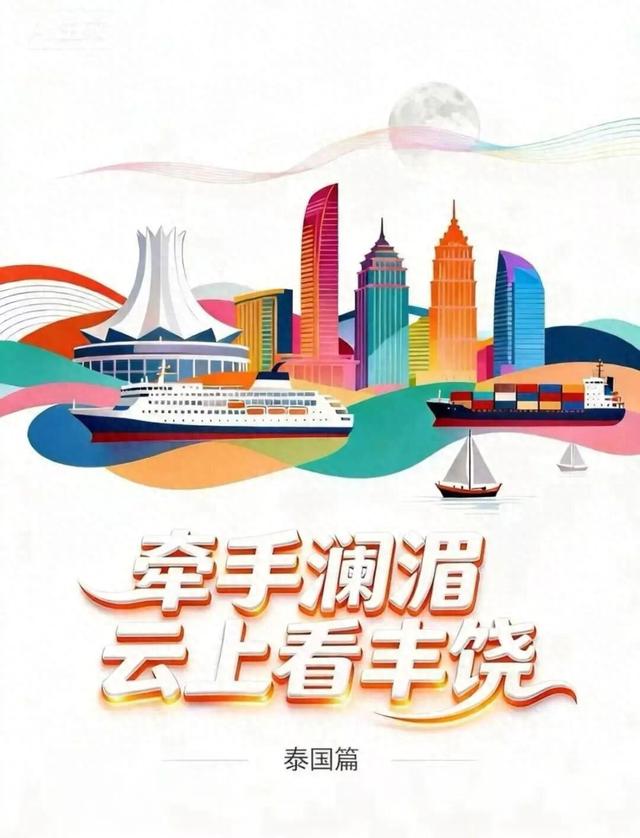
【丰收澜湄】泰国篇丨厚植澜湄沃土 桂泰农业合作跑出加速度
Xin Lang Cai Jing· 2026-01-11 11:00
Core Viewpoint - The agricultural cooperation between Guangxi and Thailand is thriving, with significant growth in trade and collaborative projects, enhancing both regions' economic and cultural ties [3][12]. Trade Growth - In 2024, the agricultural trade volume between Guangxi and Thailand reached 5.59 billion yuan, an 18.2% increase from 4.73 billion yuan in 2018 [3]. - Guangxi's agricultural exports to Thailand surged by 176.2%, while imports grew by 13.2%, indicating a robust growth trend in both directions [3]. Key Agricultural Products - Major agricultural exports from Guangxi to Thailand include meat, citrus fruits, and seafood, while Thailand exports durian, cassava, rambutan, nuts, feathers, and longan to Guangxi [7]. - Durian trade has become a highlight, with Thailand's durian exports to China reaching 3 billion USD in 2024, primarily through Guangxi's ports [7]. Technological Collaboration - Guangxi and Thailand are enhancing agricultural technology cooperation, focusing on aquaculture and smart agriculture, which includes significant projects like the smart agriculture initiative in Thailand's durian-producing region [9][10]. - The collaboration aims to improve efficiency in water and fertilizer use, achieving a 50% reduction in water and 30% in fertilizer usage [10]. Investment Cooperation - There have been numerous investment projects in agriculture between Guangxi and Thailand, covering areas such as product cultivation, processing, and logistics, which are crucial for high-quality agricultural development [12]. Cultural and Educational Exchange - Continuous cultural exchanges and educational programs, such as student exchange initiatives between Guangxi Agricultural Vocational Technical University and Thailand's universities, are strengthening mutual understanding and professional training [14]. - Events like the "Thai Durian Festival" in Nanning are enhancing cultural ties and promoting Thai fruit culture in China [16]. Regional Agricultural Cooperation - The collaboration extends to showcasing regional agricultural products through online and offline exhibitions, focusing on smart agriculture and cross-border industrial chain cooperation [18].
1.7亿文旅项目落户淄川太河,山乡文旅如何破题?
Qi Lu Wan Bao· 2025-12-30 12:06
Core Viewpoint - The announcement of the Zichuan Taihe Rural Tourism Resort Project (Phase I) marks a significant investment in the development of rural tourism in Taihe Town, aiming to enhance local cultural and ecological resources while addressing infrastructure challenges [1][4]. Project Overview - The project will cover approximately 150 acres and is set to begin construction by the end of 2025, with completion expected by the end of 2027 [1]. - Key components of the project include a comprehensive tourism service center, a rural specialty agricultural product distribution center, dining and accommodation facilities, and the renovation of traditional villages [3]. Advantages and Challenges - Taihe Town benefits from rich ecological and cultural resources, including five tourist attractions rated 3A or above and numerous traditional villages, which have led to recognition as a national scenic town [4]. - However, the town faces significant challenges, particularly in infrastructure development, with urgent needs for improvements in water, electricity, heating, and sewage systems [4][6]. Strategic Considerations - The investment of 170 million yuan is part of a broader strategy to establish a provincial-level tourism resort, with the project serving as a key initiative in this development plan [7]. - The local government aims to address land and resource integration issues by promoting policies for collective operational construction land and revitalizing idle residential land for homestay development [7]. Infrastructure and Development Plans - The project will enhance infrastructure by constructing a comprehensive tourism service center and ecological parking facilities, while ongoing road improvements will facilitate better access to the region [8]. - The development aligns with Zichuan District's strategy to integrate historical culture, ecological resources, and industrial innovation, with Taihe Town focusing on ecological aspects [8]. Future Challenges and Opportunities - The successful implementation of the 170 million yuan project is just the beginning, with the real challenge being the conversion of investment into sustainable development [9]. - Local authorities plan to collaborate with educational institutions to cultivate talent in hospitality and tourism management, while also organizing seasonal events to boost tourism [9][10]. - The Zichuan tourism market shows strong demand, with 450,000 visitors and 13 million yuan in revenue during the 2024 Golden Week, highlighting the need to convert visitor traffic into lasting engagement [10].

党建赋能聚合力 埋头实干促发展 不断开创北海经济开发区高质量发展新局面
Xin Lang Cai Jing· 2025-12-29 15:11
Group 1 - The core viewpoint of the article emphasizes the high-quality development achieved by the Beihai Economic Development Zone through a systematic approach to governance and party leadership, resulting in significant economic indicators leading the city [1][13] Group 2 - Political construction is prioritized, with 29 learning sessions on Xi Jinping's thought and multiple meetings to strengthen ideological foundations and party discipline [2] - Organizational development is enhanced by establishing community and industry-specific party organizations, achieving comprehensive coverage of the organizational system [3] - Efforts to reduce bureaucratic burdens have led to a decrease in the number of documents and meetings, allowing party members to focus on implementation [3] Group 3 - A new investment attraction mechanism integrates party leadership into the entire investment process, resulting in numerous signed projects, including several exceeding 1 billion yuan [4] - Project construction is accelerated with a new operational framework, achieving significant progress on key projects ahead of schedule [4] Group 4 - The industrial economy is supported through a service matrix that promotes high-end aluminum and green chemical industries, with several companies recognized for innovation [5] - Initiatives to optimize the business environment include regular communication with entrepreneurs and targeted support for enterprise development [6] Group 5 - The workforce is being revitalized through training programs and a merit-based promotion system, enhancing strategic thinking and practical skills among staff [7] - Safety measures have been strengthened, resulting in a significant decrease in criminal and administrative cases, contributing to a stable political environment [7] Group 6 - The integration of party leadership with industrial chains is fostering upgrades in high-end aluminum and green chemical sectors, enhancing competitiveness and resilience [8] - The marine economy is being developed with significant production increases in shrimp farming and the initiation of eco-friendly salt projects [9] Group 7 - The tourism sector is thriving, with a substantial increase in visitor numbers and related industry revenues, positioning Beihai as a popular travel destination [10] Group 8 - Community governance initiatives are enhancing local living conditions and providing essential services, contributing to overall societal well-being [12]