高等教育

Search documents
推动人才、科技、服务下沉,“百校联百县”点燃智力引擎
Nan Fang Nong Cun Bao· 2025-06-01 02:35
Core Viewpoint - The "Double Hundred Action" initiated by Guangdong aims to enhance the quality of development in rural areas by leveraging the resources and expertise of 125 universities and institutions to support 86 counties, promoting collaboration between academia and local governments [10][11][12]. Group 1: Talent and Technology Integration - The initiative involves a partnership between universities and counties, referred to as "Hundred Schools Linking Hundred Counties," which aims to ignite intellectual engines and cultivate grassroots talent [4][10]. - A total of 889 cooperation projects have been established under the "Double Hundred Action," with 180 industry-university-research platforms created, attracting 21 large enterprises and generating 7.9 billion yuan in investment [33][35]. Group 2: Agricultural Development - The South China Agricultural University has been instrumental in enhancing the quality and value of local agricultural products, such as the transformation of the "Zijin Tea" into a product with an annual output value exceeding 2 billion yuan [10][51]. - The Guangdong Academy of Agricultural Sciences has focused on the lychee industry, implementing advanced preservation techniques that extend the shelf life of lychees to one year, thus facilitating their export [52][56]. Group 3: Public Services Enhancement - Twelve normal universities have signed agreements with 15 cities in eastern and western Guangdong to upgrade educational resources, including the establishment of new schools to provide over 8,000 quality educational slots [62][66]. - Medical institutions in Guangdong are enhancing local healthcare services by establishing specialized alliances and information platforms, resulting in the creation of 22 accessible hospitals [73][75].


更利于科技工作者做自由探索 科技人才试点工作初见成效→
Yang Shi Xin Wen Ke Hu Duan· 2025-05-31 13:38
Core Viewpoint - The article highlights the ongoing reform of the evaluation system for scientific and technological talents in China, emphasizing the importance of innovation and contribution over traditional metrics like publication count [2][6]. Group 1: Evaluation Reform Implementation - The Ministry of Science and Technology and eight other departments initiated a pilot program for talent evaluation reform in September 2022, involving six regions and 21 universities and research institutions [2]. - Shanghai University is one of the pilot units, where a new evaluation mechanism focusing on innovation quality and contribution is being implemented [4]. Group 2: Research and Development Focus - At Shanghai University, interdisciplinary teams are formed to tackle complex mechanical problems, showcasing a collaborative approach to research [2]. - Young researcher Li Mengjiao from the Microelectronics Institute is engaged in advanced integrated circuit research, benefiting from a six-year evaluation period that emphasizes resource coordination rather than solely focusing on publications [8]. Group 3: Policy and Standards Development - The Ministry of Science and Technology reports that over 50 policy documents have been issued to support the pilot program, enhancing the evaluation autonomy of trial units [10]. - More than 100 institutional documents related to the evaluation reform have been published or revised by the 21 pilot universities and research institutions [11]. Group 4: Evaluation Criteria - The current evaluation framework categorizes talents based on their research focus, with specific criteria for basic research, applied research, and social welfare research [13]. - Over 90% of central pilot units are implementing long-term evaluations of 6 to 10 years for basic research and young scientific talents, aligning evaluations with national strategic needs [13]. Group 5: Future Directions - The Ministry of Science and Technology plans to develop policy documents to further refine industry talent evaluation standards and norms [15].
持续蔓延的“哈佛危机”:学术生态遭破坏,“报复”仍在升级
Nan Fang Du Shi Bao· 2025-05-31 04:34
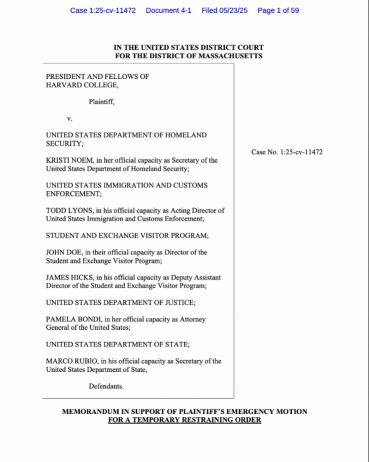
Core Viewpoint - The ongoing conflict between Harvard University and the Trump administration over the recruitment of international students has raised significant concerns about academic freedom and the future of international education in the U.S. [1][3][4] Group 1: Impact on Harvard University - The Trump administration's decision to revoke Harvard's eligibility to enroll international students has created a crisis for thousands of students, forcing them to consider transferring or facing loss of legal status [2][4] - Harvard University has responded by filing a lawsuit against the Trump administration, claiming that the actions taken are illegal and lack necessary procedures [4][6] - The university's international student population, approximately 6,800, constitutes about 27% of the total student body, highlighting the critical role these students play in the institution's financial structure [7] Group 2: Broader Implications for U.S. Education - The Trump administration's actions are not isolated to Harvard; they reflect a growing trend affecting multiple U.S. educational institutions, leading to a chilling effect on academic freedom [3][15] - The economic contribution of international students to the U.S. is substantial, with last year's international student population generating approximately $43 billion in revenue [8] - Concerns are rising about the potential decline in international student enrollment, which could have long-term negative effects on U.S. higher education and research funding [8][10] Group 3: Global Response and Talent Migration - The political climate in the U.S. is prompting many international students, particularly from China, to reconsider their future in American academia, with some opting for opportunities in Europe or returning to their home countries [12][14] - Several universities in Hong Kong and Europe are actively recruiting students affected by U.S. policies, indicating a shift in the global academic landscape [13][14] - The potential loss of top talent from the U.S. could reshape the future of higher education, as institutions abroad seek to attract those disillusioned by the current U.S. educational environment [11][15]
“没有国际学生的哈佛不是哈佛”
Xin Hua Wang· 2025-05-30 13:39
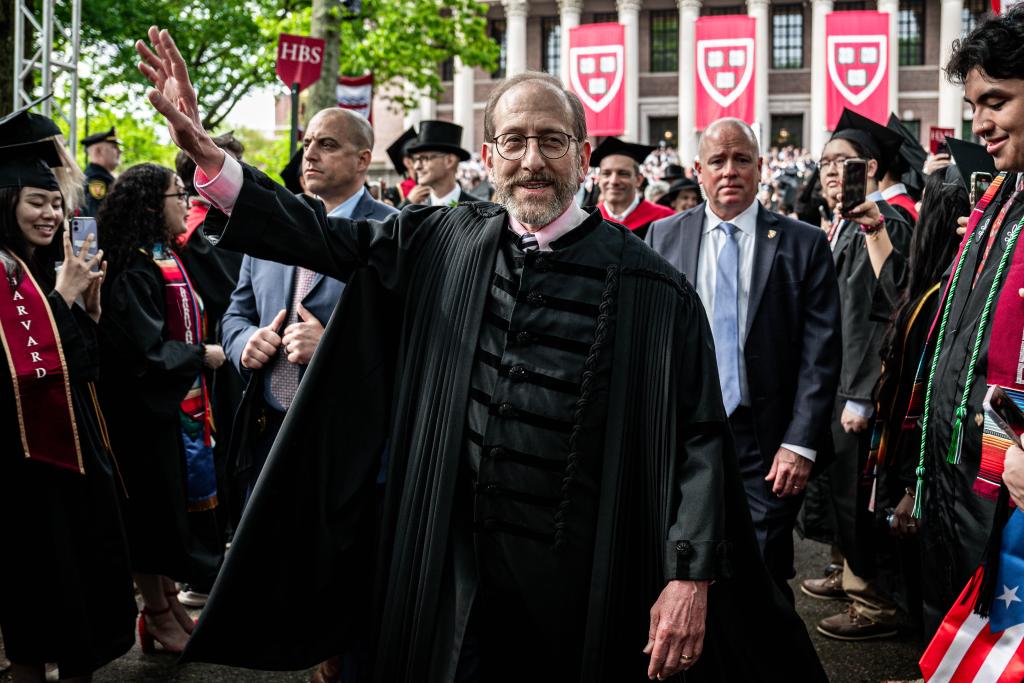
Core Viewpoint - Harvard University is facing challenges due to the Trump administration's policies against international students, which has sparked significant support for these students during the graduation ceremony [1][2][4]. Group 1: Graduation Ceremony Highlights - Approximately 9,000 graduates attended the graduation ceremony, where the president of Harvard, Alan M. Garber, emphasized the importance of international students [2]. - Graduates and professors displayed stickers stating "Harvard is not Harvard without international students" to protest against the Trump administration's restrictions [2]. - A graduate representative highlighted that Harvard is at the center of a national struggle in higher education, reflecting the changes since their enrollment [4]. Group 2: Impact of Trump Administration Policies - The Trump administration has intensified its actions against several universities, including Harvard, by targeting policies related to diversity and anti-Semitism [4]. - Harvard professor Steven Levitsky noted that a significant portion of his students are international, expressing disbelief at the idea of Harvard without them [5]. - Levitsky suggested that the administration's focus on Harvard is strategic, aiming to set a precedent for other universities [6]. Group 3: Legal Developments - A federal judge in Massachusetts temporarily halted the Trump administration's policy that would revoke Harvard's ability to enroll international students [7]. - The Department of Homeland Security had announced the cancellation of Harvard's eligibility for the Student and Exchange Visitor Program, prompting Harvard to file a lawsuit [7]. - Harvard's president condemned the "ban" as illegal and harmful to thousands of students and scholars [7]. Group 4: Visa Processing Updates - The U.S. State Department announced a temporary pause in processing international student visas while reviewing new social media scrutiny rules [10]. - The State Department spokesperson indicated that the suspension of visa processing would not last long, and applicants should check for updates [10].
韩国高丽大学决定接收哈佛受影响国际师生
Sou Hu Cai Jing· 2025-05-30 12:41
Group 1 - The U.S. government has announced a ban on Harvard University recruiting international students and requires existing international students to transfer, prompting various global institutions to express willingness to accept these students [1] - Korea's Korea University has stated it will provide support to affected international students and professors from Harvard, including hiring impacted faculty and allowing students to transfer to complete their studies [1] - Approximately 430 Korean students are currently enrolled at Harvard, making Korea the fourth-largest source of international students at the university [1] Group 2 - The tightening of U.S. study and visa policies has caused shock and anxiety within the Korean study abroad community, with a significant increase in inquiries to Korean study abroad agencies and travel agencies [2] - The Korean Ministry of Foreign Affairs is in communication with the U.S. regarding the suspension of new student visa interviews at the U.S. Embassy in Korea and is closely monitoring the situation [2] - The Korean Embassy in the U.S. has established an emergency contact network for students to maintain communication with local students [2]
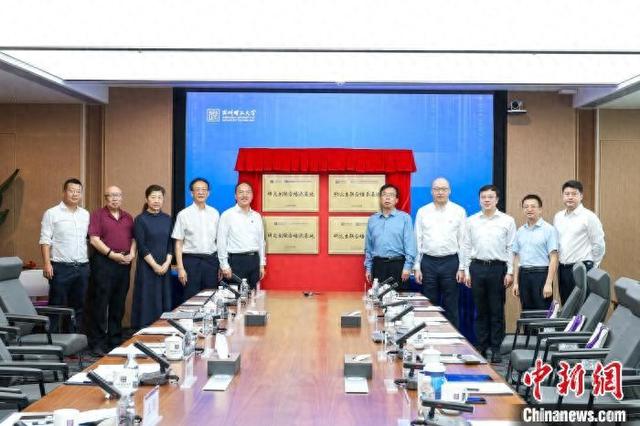
科教融汇办学 深圳理工大学新增三个研究生培养基地
Zhong Guo Xin Wen Wang· 2025-05-30 12:26
深圳理工 当天,深圳理工大学举行工程硕士联合培养签约仪式,分别与中国科学院宁波材料技术与工程研究所、 精密测量科学与技术创新研究院、武汉病毒研究所、深圳先进技术研究院签约。 中新网深圳5月30日电 (记者 索有为)作为新型研究型大学、肩负着为中国高等教育探索创新发展路径使 命的深圳理工大学,5月30日新增"海洋新材料全重班""磁共振全重班""病毒与生物安全全重班"3个工程 硕士班,进一步增强该校科教融汇办学特色。 据了解,"海洋新材料全重班""磁共振全重班""病毒与生物安全全重班"三个工程硕士班将依托国家重大 科技攻关项目,培养兼具原始创新能力和工程实践能力的高层次人才,产出高水平科研成果,服务国家 重大战略和地方社会经济发展。 大学新增三个研究生培养基地。深圳理工大学供图 签约仪 式。深圳理工大学供图 据了解,深圳理工大学依托一流科研机构优质丰厚的科教产教资源,面向深脑、深智、生命、深海、深 地、深空,不断丰富科教融汇内涵。 此前,该校已与南京大学、北京航空航天大学、南开大学、中山大学签署协议,开展博士研究生联合培 养;并与多家顶尖科研机构和科技企业携手,共同打造了一系列特色鲜明的工程硕士班,如与北京开源 ...
特朗普留学生禁令被“叫停”,这场大戏远没有结束
Xin Jing Bao· 2025-05-30 04:59
Core Points - The Trump administration has been targeting Harvard University, leading to significant legal and financial repercussions for the institution [1][2][3] - A federal judge has temporarily halted the Trump administration's policy to ban Harvard from enrolling foreign students, pending further legal proceedings [1][4] Group 1: Government Actions Against Harvard - The Trump administration initiated a review of Harvard's $9 billion contracts and funding, demanding reforms in recruitment and teaching [2] - Federal funding of $2.2 billion was frozen due to claims of non-compliance by Harvard, and an additional $450 million in federal research funding was terminated [2][3] - Trump threatened to revoke Harvard's tax-exempt status, a move unprecedented in U.S. history, which sparked widespread controversy [2][4] Group 2: Financial Implications for Harvard - Harvard's operational expenses for the fiscal year 2024 are projected to reach $6.4 billion, with federal research sponsorship accounting for 11% of total revenue [9] - The university warned that the loss of federal funding could jeopardize critical research projects, including those related to cancer and heart disease [9] - International students significantly contribute to Harvard's revenue, and restrictions on their enrollment could severely impact the university's financial stability [9][10] Group 3: Broader Impact on U.S. Higher Education - The targeting of Harvard is seen as part of a larger strategy that could affect the entire U.S. higher education system, with potential cuts to funding for research universities [3][6] - The Trump administration's actions have created uncertainty in the U.S. study abroad market, affecting both prospective and current international students [11] - Observers note that the ongoing conflict may weaken the U.S.'s ability to attract and retain global talent, which is crucial for maintaining its leadership in various fields [10][11]
特朗普“学术锁国”升级,全球顶尖科学家加速“东迁”中国
吴晓波频道· 2025-05-30 01:08
Core Viewpoint - The article discusses the implications of the Trump administration's policies on international students, particularly from China, and how these actions may lead to a talent drain from the U.S. to other countries, including China, which is positioning itself to attract top talent [1][5][23]. Group 1: U.S. Policy Changes - The U.S. government has begun to revoke visas for certain Chinese students, collaborating with the Department of Homeland Security to cancel the Student and Exchange Visitor Program (SEVP) certification, which is essential for international students to obtain visas [1][3]. - A recent ruling by the U.S. International Trade Court deemed Trump's tariffs imposed under the International Emergency Economic Powers Act illegal, potentially reducing tariffs on Chinese goods from 34% to around 12% [3][5]. - Trump's administration has targeted Harvard University, freezing $2.2 billion in research funding and threatening to limit its participation in U.S. research projects, which has led to significant backlash from educational organizations [19][20]. Group 2: Impact on Talent and Research - The policies are expected to diminish trust in the U.S. government and may deter international talent from coming to the U.S., as evidenced by a survey indicating that over 75% of U.S. researchers are considering leaving the country [5][20]. - The U.S. is experiencing a significant reduction in federal funding for science, technology, engineering, and mathematics (STEM) fields, with cuts amounting to $23 billion, which could halt many related projects [20][21]. - The article highlights that over half of the billion-dollar startups in the U.S. are founded by immigrants, with a quarter of those founders being international students [7][10]. Group 3: China's Competitive Advantages - China is leveraging its favorable research environment and policies aimed at attracting top-tier talent, including good working conditions and competitive salaries [28][32]. - China's R&D investment is rapidly increasing, projected to exceed 3.6 trillion yuan in 2024, which is double the amount from 2017, and represents 2.6% of its GDP [32][36]. - The country has become a hub for talent, with a total of 7.24 million R&D personnel, the highest in the world, and has surpassed 4 million valid invention patents [38][40]. Group 4: Global Talent Dynamics - The article suggests that the U.S. is losing its status as a talent magnet, with countries like Europe, Japan, and Singapore ready to welcome displaced U.S. students, initiating a new global talent competition [23][25]. - China's strong manufacturing base and complete industrial system provide opportunities for talent to apply their research practically, contrasting with the U.S. focus on theoretical research [41][50]. - The article concludes that the current global landscape favors countries that can attract and retain talent, with China poised to benefit significantly from the U.S.'s restrictive policies [49][52].

突发!特朗普政府给予哈佛“30天限期”提交证据,影响几何?
Di Yi Cai Jing· 2025-05-29 16:15
Core Viewpoint - The U.S. Department of Homeland Security has issued a notice to Harvard University regarding the potential withdrawal of its Student and Exchange Visitor Program (SEVP) certification, which could significantly impact the university's ability to enroll international students [1][2][3] Group 1: Government Actions - The Trump administration has temporarily suspended the immediate revocation of Harvard's international student enrollment eligibility, granting a 30-day period for the university to contest the decision [1][2] - The notice from the Department of Homeland Security requires Harvard to provide evidence within 30 days to refute the reasons for the proposed withdrawal of its SEVP certification [3][4] - If Harvard fails to respond within the stipulated time, its certification will be revoked, and the decision will be non-appealable under federal regulations [4] Group 2: Implications for Harvard University - The revocation of SEVP certification would prevent Harvard from enrolling any foreign students with F or J non-immigrant status for the 2025-2026 academic year, and current students would need to transfer to maintain their status [2][3] - Ongoing disputes between the U.S. government and Harvard have already led to the cancellation of approximately $100 million in contracts and over $2.6 billion in federal research funding [4] Group 3: Broader Impact on U.S. Higher Education - The situation poses a significant test for the U.S. higher education system, as it reflects the tension between political pressures and academic values, potentially affecting how universities navigate these challenges in the future [2] - Experts warn that tightening visa policies could lead to a talent drain in U.S. higher education, diminishing its global competitiveness and damaging its international reputation [5]
美国大学,跪,还是不跪
Sou Hu Cai Jing· 2025-05-29 08:10
作者 | 任早羽 编辑 | 阿 树 北京时间5月23日凌晨3点左右,Jackie正准备入睡,哈佛学联的群聊却炸开了锅。同学往群里丢了一则新闻,上面赫然写着,"特朗普政府暂停哈佛大学招 收国际学生"。 计划几乎被打乱。原本,已经拿到签证且租好房子的Jackie,应该会在8月底去往波士顿,作为新生入学哈佛大学。但此时,已经准备好一切的她,却不得 不重新考虑未来的去向。 无独有偶。变故一生,同为哈佛新生的陈白只能重新规划自己的暑期计划,先把从美国飞往中国的机票退掉,再把已经定好的暑期实习推掉。"假期三个 月确实可能会出现很多不可控的变动",陈白觉得,还是暂缓回国,减少一些变量比较稳妥。 不稳定因素萦绕着哈佛国际生,为此,Jackie一家还考虑过换个国家读书。"我爸妈是有点想让我去英国的,(因为)我们觉得英国短期之内的国际政策不 至于那么过激",相比起其他同学,她觉得自己还算幸运,至少手里还握着其他学校offer。 不稳定因素萦绕着哈佛国际生。图为哈佛大学 突如其来的变故,是哈佛与特朗普政府持续摩擦的一个环节。当地时间5月22日,美国国土安全部(DHS)宣布撤销哈佛大学的SEVP(学生和交流访问者 计划)认证资格。这 ...