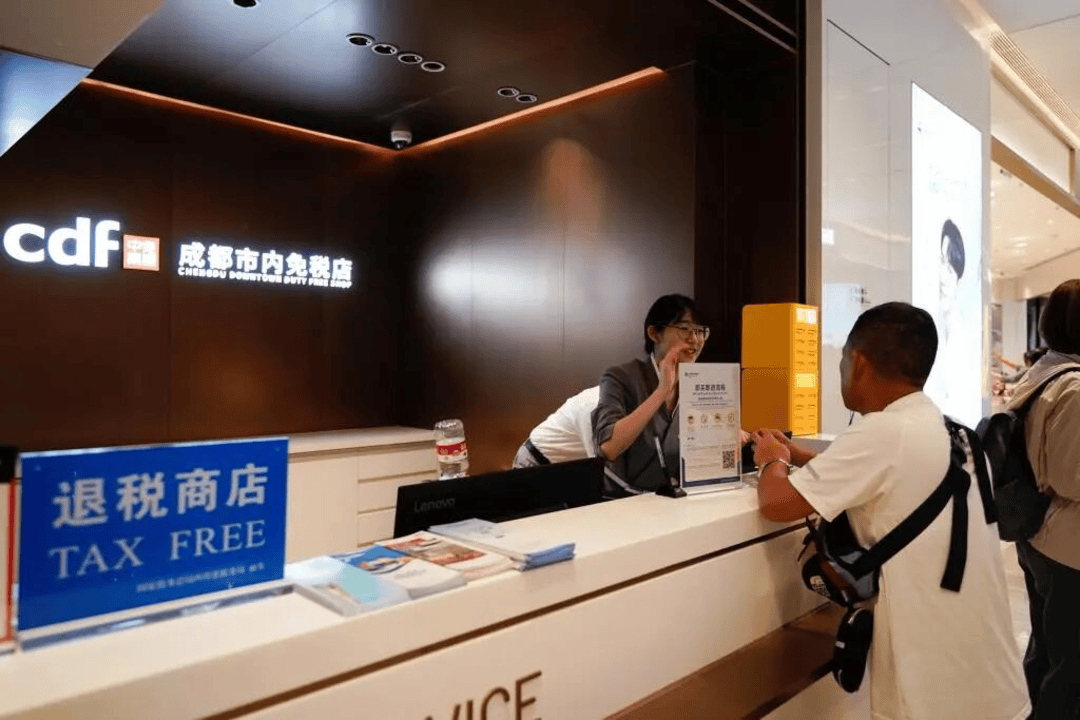
免税店

Search documents
中经评论:免税店政策打造消费新引擎
Jing Ji Ri Bao· 2025-11-03 00:07
Core Viewpoint - The recent optimization of the duty-free shop policy by the Ministry of Finance and the Ministry of Commerce aims to boost domestic consumption by enhancing the attractiveness of duty-free shops and encouraging the sale of domestic products [1][4]. Group 1: Policy Enhancements - The new duty-free shop policy includes measures to increase the sales of domestic products, expand the range of goods offered, and relax approval processes for duty-free shops, which is expected to attract foreign consumers and stimulate domestic spending [1][3]. - The policy emphasizes the importance of duty-free shops in driving consumption, aligning with the goals set out in the 15th Five-Year Plan to enhance consumer spending and develop international consumption centers [1][4]. Group 2: Product Variety and Consumer Experience - The updated regulations encourage duty-free shops to allocate at least 25% of their sales area to domestic products, promoting the visibility and sales of local brands while meeting diverse consumer needs [2]. - New product categories such as mobile phones, drones, sports goods, health foods, over-the-counter drugs, and pet foods will be added to the offerings in duty-free shops, providing travelers with more shopping options [2]. Group 3: Approval Process and Market Dynamics - The approval authority for establishing and operating duty-free shops has been decentralized to provincial authorities, which is expected to enhance efficiency and stimulate market activity [3]. - The policy changes aim to address operational bottlenecks and improve the overall market environment, thereby maximizing the potential of duty-free shops in boosting consumption [3][4].
免税店迎来“全方位升级” 扩品类强国货激发市场新活力
Chang Jiang Shang Bao· 2025-11-02 23:13
Core Viewpoint - The new duty-free shop policy, effective from November 1, aims to enhance consumer spending, attract foreign visitors, and promote the return of overseas consumption by expanding product categories and optimizing management processes [1] Group 1: Policy Overview - The policy adjustment includes four main aspects: optimizing domestic tax refund policies, expanding product categories in duty-free shops, relaxing approval permissions, and improving facilitation and regulatory measures [1] - The policy is designed to stimulate consumption and support the healthy development of the duty-free retail business, thereby unlocking domestic consumption potential and fostering new growth points [1] Group 2: Expanded Product Categories - The new policy significantly broadens the range of products available in duty-free shops, allowing for the sale of domestic goods alongside global brands [2] - New product categories include mobile phones, micro-drones, sports goods, health foods, over-the-counter drugs, and pet food, reflecting current consumer trends and preferences [2][3] - The inclusion of these products aims to meet the diverse needs of consumers and supports local high-tech industries [3] Group 3: Enhanced Consumer Experience - The relaxation of approval processes is a key measure to invigorate market activity, allowing provincial governments to approve the establishment of outbound duty-free shops [4] - The management structure has been reformed to allow for more flexible determination of operating entities, promoting local government engagement in developing the duty-free economy [4] - The policy encourages the creation of unique shopping experiences that reflect local culture and tourism, transforming duty-free shops into attractive destinations for inbound consumption [4] Group 4: Innovative Service Models - The policy introduces two new service models: online reservation services and a "city reservation, inbound pickup" model, enhancing consumer convenience [5] - These innovations address common pain points related to carrying luggage and purchasing items for international travel, allowing consumers to select products in city stores and pick them up upon arrival [6]
【财金视野】免税店政策打造消费新引擎
Sou Hu Cai Jing· 2025-11-02 23:00
Group 1 - The core viewpoint of the article emphasizes the recent policy improvements in duty-free shops aimed at boosting domestic consumption and attracting foreign visitors [2][5] - The new regulations encourage the sale of domestic products in duty-free shops, mandating that at least 25% of the sales area in certain shops be dedicated to domestic goods [3] - The policy changes include expanding the range of products available in duty-free shops, adding categories such as mobile phones, drones, sports goods, health foods, over-the-counter drugs, and pet food [3][4] Group 2 - The approval process for establishing and operating duty-free shops has been streamlined, allowing local authorities to have more control and improve efficiency [4] - The article highlights the importance of a strong domestic market as a strategic foundation for China's modernization, with duty-free shops playing an increasingly significant role in stimulating consumption [5] - The combination of policy measures aims to create a market environment that is both dynamic and well-regulated, enhancing the overall effectiveness of the duty-free shopping experience [5]


免税店政策打造消费新引擎
Jing Ji Ri Bao· 2025-11-02 21:55
Core Viewpoint - The recent upgrade of the duty-free shop policy aims to boost domestic consumption by enhancing the attractiveness of duty-free shopping and facilitating the return of overseas consumption [1][2][4] Policy Enhancements - The Ministry of Finance and the Ministry of Commerce have jointly issued a notice to improve the duty-free shop policy, which includes increasing the sales of domestic products, expanding the range of goods offered, and relaxing approval requirements for duty-free shops [1][2] - The new regulations encourage the procurement of high-quality domestic products and require that at least 25% of the operational area of duty-free shops be dedicated to domestic goods [2][4] Market Dynamics - The optimization of the duty-free shop policy is expected to stimulate international passenger flow, thereby boosting related sectors such as dining and accommodation [2] - The policy changes are part of a broader strategy to cultivate international consumption centers and expand inbound consumption [1][4] Service Improvements - New measures have been introduced to enhance the shopping experience for travelers, including online reservation services and a "reserve online, pick up offline" model [3] - Approval processes for establishing and operating duty-free shops have been streamlined, allowing local authorities to have more control and flexibility [3][4] Strategic Importance - The duty-free shop business is increasingly playing a significant role in stimulating domestic consumption, which is a strategic foundation for China's modernization efforts [4]
免税店政策“升级” 将开卖更多国货潮品|提振消费看京潮
Sou Hu Cai Jing· 2025-11-02 07:47
Core Viewpoint - The Ministry of Finance and four other departments have issued a notice to improve the duty-free shop policy starting from November 1, 2025, focusing on enhancing the shopping experience and expanding the range of products available in duty-free shops [1] Group 1: Policy Enhancements - The policy aims to optimize the management of domestic goods tax refund (exemption) policies, actively supporting the sale of domestic products in both port exit duty-free shops and city duty-free shops [1] - There will be an expansion of the categories of products available in duty-free shops, including more easily portable consumer goods [1] - The approval authority for duty-free shops will be relaxed, allowing local governments to tailor and optimize the layout of duty-free shops according to local conditions [1] - Measures for the convenience and regulation of duty-free shops will be improved, continuously enhancing the shopping experience for travelers [1] Group 2: Market Performance - In 2023, the number of inbound and outbound travelers at Beijing's two major airports has been steadily increasing, with duty-free shop sales reaching nearly 1.3 billion yuan from January to May, representing an 8% year-on-year growth and marking a five-year high [1]
海南离岛免税政策升级
Xin Hua She· 2025-11-01 13:42
Core Points - The new duty-free shopping policy in Hainan officially takes effect on November 1, expanding the range of eligible products and consumers [1] - The policy introduces two new product categories: pet supplies and portable musical instruments, bringing the total to 47 categories [1] - Domestic products such as clothing and footwear can now be sold duty-free in the stores [1] - The eligible consumer group has been expanded to include departing travelers, who can enjoy an annual duty-free limit of 100,000 yuan with no restrictions on the number of purchases [1] - Local residents with a record of leaving the island within a natural year can purchase 15 categories of "immediate purchase and pick-up" items without limit throughout the year [1] - The new policy aims to better meet the diverse shopping needs of travelers and further enhance the effects of the duty-free policy [1]
海南离岛免税“升级”政策今起实施
Yang Shi Xin Wen· 2025-11-01 00:25
Core Viewpoint - The Ministry of Finance, General Administration of Customs, and State Taxation Administration have jointly announced an upgrade to the duty-free shopping policy for travelers leaving Hainan, effective November 1, aimed at supporting the construction of the Hainan Free Trade Port [1][4]. Group 1: Policy Adjustments - The number of duty-free product categories has been increased to 47, with new additions including pet supplies and portable musical instruments [1][2]. - Domestic products such as scarves, clothing, and ceramics can now be sold in duty-free shops, treated as exports for tax purposes [2]. - The minimum age for duty-free shopping has been raised from 16 to 18 years [3]. Group 2: Traveler Eligibility and Purchase Limits - Travelers who are 18 years or older and have purchased tickets to leave Hainan can enjoy the duty-free shopping policy, with an annual limit of 100,000 RMB for purchases [3]. - Island residents with a record of leaving the island within a calendar year can make unlimited purchases under the "immediate purchase and pick-up" method [3]. Group 3: Implementation and Impact - The new policy is expected to expand the benefits of the duty-free shopping policy, increase product supply, enhance consumer shopping experiences, and improve the sense of gain for local residents [4].
支持提振消费!我国免税店政策11月“升级”
Xin Hua She· 2025-10-31 07:48
Core Viewpoint - The upgrade of China's duty-free shop policy, effective from November 1, 2025, aims to enhance the attractiveness of duty-free shopping for inbound and outbound travelers, promoting healthy and orderly development of the duty-free retail business [1][2]. Group 1: Policy Enhancements - The new policy encourages enterprises with duty-free product operating qualifications and foreign-invested enterprises approved by the State Council to increase the procurement of quality domestic products [2]. - Domestic products sold in duty-free shops will be treated as exports, allowing for the refund (or exemption) of value-added tax and consumption tax [2]. - The policy aims to eliminate previous regulatory barriers regarding the sale of domestic products in duty-free shops, making the regulatory and tax refund processes clearer and more efficient [2]. Group 2: Product Range Expansion - The range of products available in duty-free shops will be expanded to include more portable consumer goods such as mobile phones, micro drones, sports equipment, health foods, over-the-counter drugs, and pet food [2]. - The diversity and novelty of duty-free products available to both domestic and international consumers will increase, enhancing the shopping experience [2]. Group 3: Approval Process and Convenience - The approval authority for establishing and operating outbound and inbound duty-free shops will be transferred from central ministries to provincial-level departments, allowing for more localized decision-making [3]. - The policy supports online booking services for duty-free shops and allows travelers to reserve products in city duty-free shops for pickup at inbound duty-free shops [3]. - Overall, the policy aims to innovate the sales model of duty-free shops, improving the convenience of shopping for consumers [3].
11月1日起,免税店政策“上新”!
Sou Hu Cai Jing· 2025-10-31 06:43
Core Viewpoint - The recent notification from multiple Chinese government departments aims to enhance the duty-free shop policy to boost consumption, attract foreign visitors, and facilitate the return of overseas spending, effective from November 1, 2025 [1] Group 1: Support for Domestic Products - Domestic products sold in duty-free shops will be treated as exports, allowing for VAT and consumption tax exemptions [2] - Duty-free shops must allocate at least 25% of their sales area to domestic products and promote traditional cultural items [2][4] - The "sales first, tax refund later" model will be implemented for domestic products entering duty-free shops [2] Group 2: Expansion of Product Categories - The notification allows for the inclusion of high-demand consumer goods such as mobile phones, drones, sports equipment, health foods, over-the-counter drugs, and pet food in the duty-free shop offerings [5] - Efforts will be made to expedite the introduction of popular international products into Chinese duty-free shops [7] Group 3: Streamlining Approval Processes - Approval for establishing and operating duty-free shops will be decentralized to provincial authorities, enhancing local governance and efficiency [8][10] - The area of duty-free shops can be adjusted based on negotiations between operators and port owners, allowing for more flexibility [8] Group 4: Enhanced Convenience Services - Travelers will be able to pre-order duty-free products online and pick them up at designated locations, improving the shopping experience [11][13] - This online reservation system aligns with current consumer habits and aims to promote inbound tourism and spending [13]
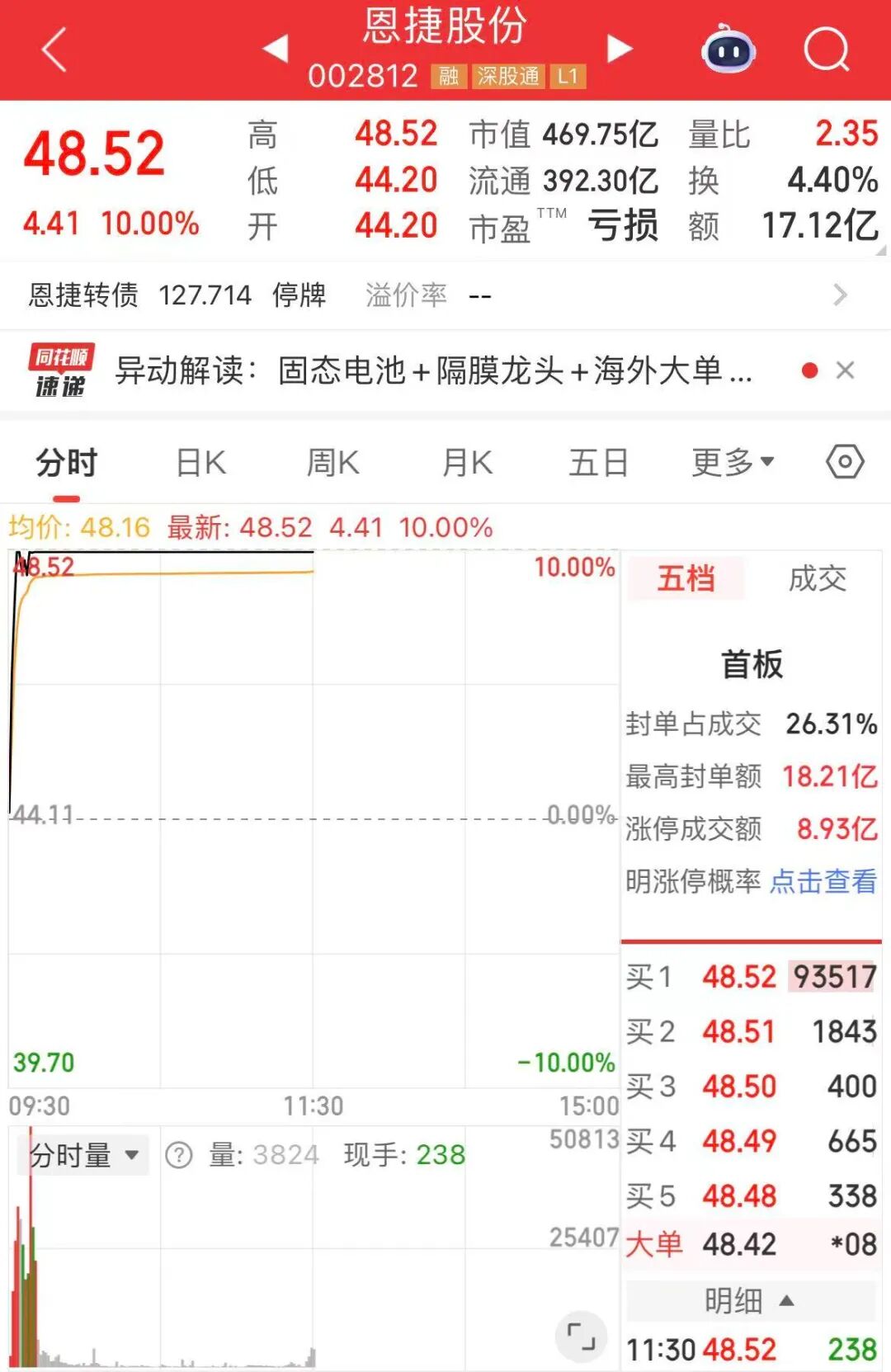
直线拉升!锂电龙头,2分钟涨停
Zhong Guo Zheng Quan Bao - Zhong Zheng Wang· 2025-10-31 04:55
Market Overview - The technology and non-technology stocks exhibited a "seesaw" effect, with significant declines in the computing and semiconductor sectors, including stocks like New Yisheng, Industrial Fulian, and Lanke Technology [1] - Conversely, sectors such as new energy, pharmaceuticals, consumer goods, and AI applications saw gains, with leading stocks like 360, WuXi AppTec, and Heng Rui Pharmaceutical rising [1] AI Applications Sector - The AI applications sector showed strong performance, with notable gains in Sora concept, AI corpus, and Zhipu AI, leading the market [4] - OpenAI's recent release of the Sora2 video generation model is expected to enhance the capabilities of AI video creation, benefiting industries like film, gaming, and IP [6][8] - The emerging "AI comic drama" sector is gaining attention, combining AI technology with original IPs to create content that retains artistic styles while being more diverse [7] Consumer Goods Sector - The consumer goods sector demonstrated active performance, with significant increases in white wine, grain economy, duty-free shops, and food processing manufacturing [8] - Duty-free shop stocks like Hainan Development and Caesar Travel saw notable increases, driven by new policies aimed at boosting consumption [9][12] - The food processing manufacturing sector also experienced gains, with stocks like Youfa Food and Richen Co. achieving substantial increases [13] Investment Opportunities - Analysts suggest that companies with advantages in manga, web literature, and animation, as well as those with AI technology and platform advantages, are likely to benefit from the AI comic drama trend [8] - The food and beverage industry is undergoing significant changes, with a shift towards rational consumption trends, leading to new investment opportunities in instant retail and membership supermarkets [15] - The competition in the supermarket channel is evolving from price and category focus to brand recognition and user relationship building, favoring companies with strong private brand capabilities and innovative product development [15]