即时零售

Search documents
叮咚买菜20251120
2025-11-24 01:46
Summary of Dingdong Maicai's Q3 2025 Earnings Call Company Overview - **Company**: Dingdong Maicai - **Quarter**: Q3 2025 - **Key Metrics**: GMV reached 7.27 billion RMB, revenue at 6.66 billion RMB, both setting historical highs [2][3] Financial Performance - **Net Profit**: - Non-GAAP: 100 million RMB, net profit margin of 1.5% - GAAP: 80 million RMB, net profit margin of 1.2% [2][3] - **Sales Conversion Rate**: Monthly average order conversion rate increased by 1.6 percentage points year-on-year to 65% [5] - **Average Order Value (AOV)**: Decreased by 2.1% year-on-year to nearly 70 RMB, but showed recovery in October [6] Product Strategy - **"Good Products" Definition**: Evaluated based on performance contribution, gross margin contribution, user reputation, quality, supply stability, and traffic contribution [4] - **SKU Contribution**: "Good Products" accounted for 37.2% of total SKUs and contributed 44.7% to GMV as of September 2025, up from 14.1% and 16.4% respectively in January 2024 [4] Market Performance - **Regional Performance**: - **Shanghai**: Stable with a net profit margin of 5%-6%, gross margin around 27%, fulfillment cost rate approximately 16% [7][8] - **Jiangsu and Zhejiang**: Average GMV per order around 69 RMB, net profit margin close to 2% [7] - **Beijing and Guangzhou-Shenzhen**: Currently in a loss state [7] Expansion Plans - **Warehouse Expansion**: Plans to add 50 new front warehouses and expand into new cities like Xuancheng and Chuzhou [7] - **Current Warehouse Count**: Over 1,000 warehouses with 40 front warehouses already established [7] Supply Chain and Product Development - **Supply Chain Efficiency**: Overall loss rate at 1.5%, with fresh produce loss rate close to 3% [14] - **Product Development**: Focus on rapid response to consumer trends, with a 30%-40% faster product turnover rate in the first three quarters [12] Competitive Landscape - **Market Competition**: Intense competition from major players like JD, Meituan, and Alibaba, but Dingdong Maicai maintains a differentiated strategy focusing on quality and direct sourcing [16] - **Impact of Competition**: Observed reduction in fresh produce price competition among peers, potentially easing competitive pressure in Q4 and 2026 [16] International Expansion - **Overseas Revenue**: Generated approximately 20 million RMB in Q2 and over 30 million RMB in Q3, a year-on-year growth of 50%-60% [20] - **Investment in Overseas Markets**: Annual investment around 100 million RMB [21] Conclusion Dingdong Maicai demonstrated strong financial performance in Q3 2025, with significant growth in GMV and revenue. The company's strategic focus on product quality and efficient supply chain management positions it well in a competitive market. Future growth is anticipated through regional expansion and international market penetration.

传媒互联网教育行业2026年度策略
2025-11-24 01:46
Summary of Key Points from Conference Call Records Industry Overview - **Industry Focus**: Media, Internet, and Education sectors are highlighted for 2026 strategies, with significant emphasis on AI-driven advancements and market dynamics [1][2]. Core Insights and Arguments Advertising Sector - **AI Impact**: AI has significantly improved advertising efficiency, with Tencent's advertising revenue growing by 20% year-over-year in Q2 and continuing to rise in Q3. Kuaishou has made notable progress in user profiling and targeted advertising, while Bilibili achieved over 20% growth through AI enhancements [6][4]. - **Competition**: Third-party programmatic advertising platforms like Huishuangzang Technology and Yidian Tianxia are gaining competitiveness, driving transformation in the advertising industry [1][5]. Gaming Industry - **Regulatory Environment**: The normalization of game license issuance ensures a steady supply of content, supported by a resilient consumer environment. Major companies like Century Huatong and Giant Network are expected to benefit from a concentrated release of new products [7][9]. - **Market Dynamics**: The gaming sector is projected to maintain a high level of activity, driven by product innovation and commercial efficiency. Key players include Tencent, Century Huatong, and Giant Network [14][9]. Instant Retail Market - **Market Growth**: The instant retail market is expected to reach 1.175 trillion yuan by 2026, with a year-on-year growth rate of 28%. Major players like Alibaba, Meituan, and JD.com are heavily investing in this space, although profitability is under pressure due to intense competition [11][8]. - **Consumer Trends**: The county-level market is emerging as a new growth point, supported by the increasing number of rural internet users and their consumption habits [11][10]. Autonomous Driving Sector - **Competitive Landscape**: The autonomous driving sector is entering a price competition phase, with companies like Xpeng and Li Auto differentiating themselves through chip technology and self-driving capabilities. This trend is expected to enhance user experience and drive further development in the electric vehicle industry [12][10]. Short Drama and AI Animation - **Market Expansion**: The short drama market is rapidly growing, with approximately 700 million users in China. The market share of Hongguo exceeds 50%, while companies like China Online and Kunlun Wanwei are performing well in overseas markets, particularly targeting the U.S. [18][1]. - **AI Animation Growth**: The supply of AI animation (dynamic comics) has surged, with a compound monthly growth rate of about 83% in the first half of the year, resulting in over 3,000 works produced and a revenue scale that has increased twelvefold [19][3]. Education Sector - **AI Integration**: AI is increasingly penetrating the education sector, with companies like Dou Shen Education expected to achieve full AI integration by 2026, with AI revenue accounting for 90% of total income. Fenbi Education's AI interview courses are projected to enhance profit margins significantly [20][21]. - **Valuation Appeal**: Dou Shen Education's valuation metrics, such as a PS ratio of around 7 and a PE ratio in the 30s, are considered attractive compared to other sectors, which often see PE ratios of 60-70 [21][20]. Additional Important Insights - **Consumer Resilience**: The macroeconomic environment is supporting consumer resilience, with trends like the "lipstick effect" maintaining consumption levels [9][8]. - **Content Supply Recovery**: The film and television sectors are experiencing a recovery in content supply, with stable growth in box office revenues and favorable policies aiding the industry [17][7]. This summary encapsulates the key points from the conference call records, providing a comprehensive overview of the current trends and future outlooks across various sectors.




品牌商、经销商,不要低估闪电仓
3 6 Ke· 2025-11-19 11:39
Core Insights - The rapid expansion of flash warehouses in the instant retail sector is a significant trend, with Meituan's flash warehouse count exceeding 5,000 in September 2023 and projected to surpass 30,000 by October 2024, ultimately aiming for over 100,000 by 2027, with a market scale exceeding 200 billion [1][9]. Group 1: Reasons for Rapid Expansion - Flash warehouses are filling a gap in consumer demand for instant retail, offering a wider SKU range (4,000-10,000) and faster delivery (30 minutes), which traditional convenience stores struggle to provide due to limitations in inventory and replenishment frequency [4][5]. - The operational efficiency of flash warehouses, characterized by a higher SKU count, more frequent replenishment, and faster fulfillment, allows them to better match consumer needs and maintain low inventory risk [6][7]. - The strategic shift of platforms towards supply competition, with significant resource investments from major players like Meituan and Taobao, has accelerated the growth of flash warehouses [8][9]. Group 2: Challenges and Market Dynamics - The rapid increase in the number of flash warehouses has led to intense competition, particularly in densely populated urban areas, resulting in price wars and reduced profit margins for operators [10][12]. - Profitability has declined significantly, with net profit levels dropping to 3%-5% from earlier figures of 10%-15% due to increased competition and price pressure [14][16]. - The industry is experiencing a consolidation phase, with a shift from quantity-based growth to efficiency-based competition, highlighting the need for better inventory management and operational capabilities among warehouse operators [17][18]. Group 3: Implications for Distributors and Brands - Distributors must adapt to the evolving landscape of flash warehouses, either by establishing their own warehouses or by supplying to existing ones, focusing on enhancing their supply chain capabilities [20][21]. - Brands face challenges in adjusting their strategies to the new retail environment, where traditional methods of product display and pricing may not be effective in flash warehouses [22][23]. - To succeed in flash warehouses, brands need to develop a deeper understanding of instant retail dynamics, including SKU management, pricing strategies, and platform algorithms [22][23].

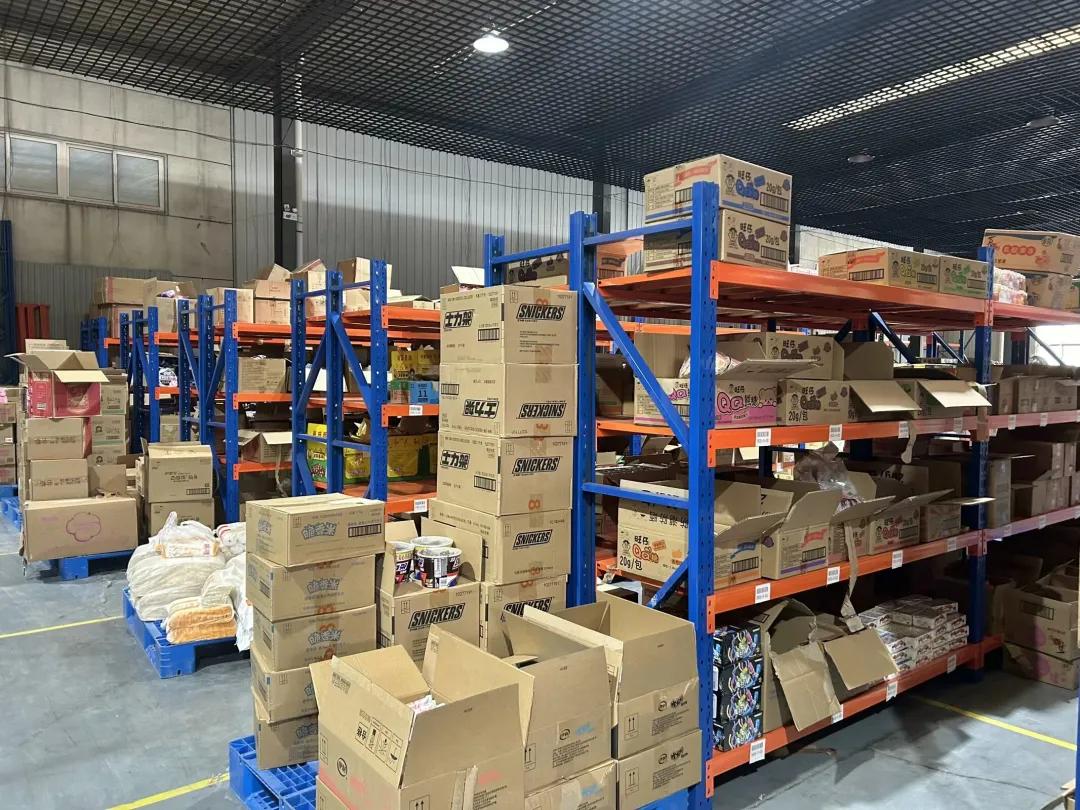
第十七个“双11”落幕,“双11”履约时效“卷”至分钟级
Yang Zi Wan Bao Wang· 2025-11-19 10:52
Core Insights - The 17th "Double 11" event concluded with a total sales volume of 1.619 trillion yuan, marking a year-on-year growth of 12.3% [1] - Instant retail emerged as the biggest surprise this year, with a total sales volume of 67 billion yuan, experiencing a staggering year-on-year increase of 138.4% [1] - The promotional period was strategically extended this year, showcasing new characteristics such as slowing growth, simplified gameplay, and deeper value cultivation [1] E-commerce Performance - The overall sales performance of e-commerce platforms during "Double 11" was robust, with instant retail becoming a core growth driver amid peak traffic [1][4] - Major platforms like Taobao, JD, and Meituan actively expanded their instant retail offerings, with Taobao linking over 37,000 brands and 400,000 stores [4] - The trend of consumers opting for high-priced items through instant delivery services is on the rise, indicating a shift in consumer behavior [4] Delivery and Logistics - SF Express's data indicated that daily order volume for same-city delivery increased by over 50% compared to last year during "Double 11" [3] - The demand for instant delivery services surged, with significant growth in food and beverage categories, particularly drinks and fast food, which saw increases of over 160% and 110% respectively [4][6] - The logistics sector faced immense pressure, with a total of 13.938 billion express deliveries recorded during the event, leading to innovative solutions like the deployment of over 800 unmanned vehicles for last-mile delivery [7][9] Technological Innovations - The use of unmanned vehicles in logistics has become a focal point for enhancing delivery efficiency, with SF Express deploying these vehicles in over 100 cities [7] - Collaboration with public transport systems, such as converting idle bus stations into delivery hubs, has improved sorting efficiency by over 30% [9] - The integration of advanced logistics infrastructure is crucial for meeting the evolving demands of instant retail and ensuring stable delivery performance [9]
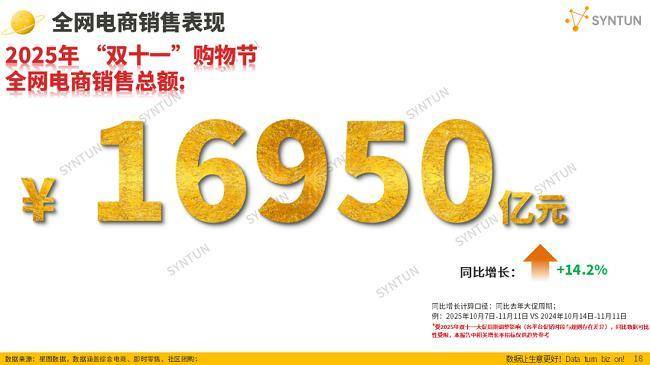
密集落子外卖与点评,京东为何加码?
Guan Cha Zhe Wang· 2025-11-18 08:11
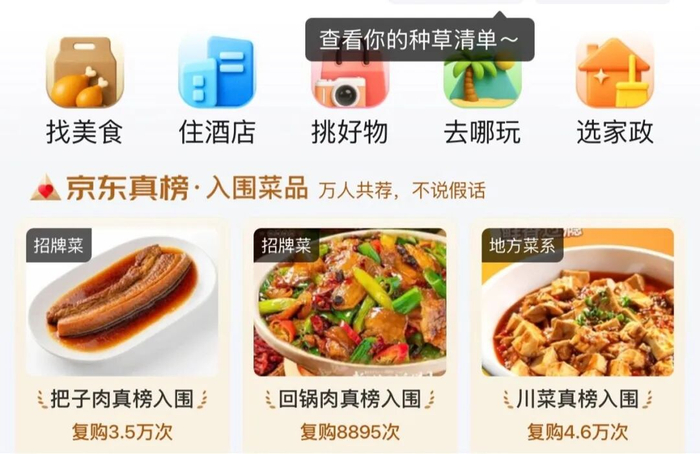
Core Insights - JD Group has launched a series of significant initiatives in the local lifestyle sector, including the introduction of an independent JD Takeout app, JD Review, and the "JD True List" [1][3] - The new JD Takeout app aims to provide a comprehensive service platform integrating takeout, instant retail, reviews, travel, and shopping, enhancing user experience and retention [3][4] - JD Review differentiates itself from existing commercial review products by promising not to commercialize and ensuring the authenticity of reviews through a three-dimensional model [4][5] Group 1: JD Takeout App - The JD Takeout app is designed as a comprehensive service platform, allowing users to switch between local lifestyle services and daily shopping within a single application [3] - The app integrates JD Review functionality and connects with the main JD platform, creating a seamless service experience [3][4] - The launch of the app is seen as a strategic move to reshape user perception and establish JD as a primary entry point for local services [3][6] Group 2: JD Review and JD True List - JD Review is positioned as a key entry point for local lifestyle traffic, emphasizing the importance of user decision-making in the consumption process [4][5] - The "JD True List" utilizes an AI model to analyze millions of online reviews, ensuring the authenticity of evaluations [4] - The focus on repeat purchases in JD Review indicates a shift towards building long-term user engagement rather than just attracting one-time traffic [5][6] Group 3: New Product Launches - The new ready-to-drink brand "Seven Fresh Coffee" emphasizes the use of fresh milk and high-quality coffee beans, with plans for rapid expansion in Beijing [8][10] - JD's travel initiative "Treasure City" has launched its second phase in Sanya, offering promotional activities for tourists [8][10] - The collaboration with Wuliangye aims to integrate alcohol delivery with takeout services, enhancing the overall service offering [10] Group 4: Market Positioning - JD's recent moves indicate a strategic shift from being a supplementary player in instant retail to becoming a main competitor in the sector [6][10] - The competitive landscape is evolving, with JD positioning itself against Meituan and Alibaba in the instant retail space, focusing on supply chain efficiency and service delivery [6][10] - The emphasis on local lifestyle services is seen as crucial for JD to capture market share and enhance user loyalty in a slowing growth environment [10]


京东发布外卖独立App,一站式满足用户本地生活服务需求
Zhong Guo Jing Ying Bao· 2025-11-18 03:10
Core Insights - JD Group launched an independent JD Takeout App to enhance user convenience and experience in food delivery services [2] - The JD Takeout App integrates various local life services, including food delivery, instant retail, reviews, travel, and shopping [2] - The launch of the app is part of JD's strategy to meet the growing demand for deep user engagement in the takeout business [2] Group 1 - JD Takeout App was introduced to address user feedback regarding the accessibility of the takeout service [2] - The app aims to provide a comprehensive local life service experience, combining multiple functionalities for users [2] - The app is fully integrated with JD Reviews, offering users reliable consumption references for dining and leisure activities [2] Group 2 - The event also saw the launch of additional products such as JD Reviews, JD True List, and Seven Fresh Coffee, enhancing local life services [4] - The introduction of these new products is expected to strengthen the synergy effects within JD's service offerings [4] - JD is leveraging its "super supply chain" capabilities to meet diverse user needs across various scenarios [4]
超大规模市场!又一万亿元风口,来了
Jing Ji Wang· 2025-11-18 00:24
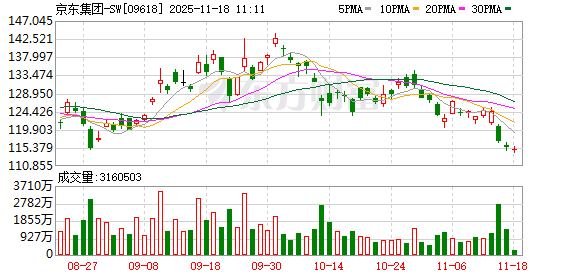
Core Viewpoint - The article emphasizes the significance of China's super-large market as a unique advantage, highlighting the need to leverage this market for economic growth and development strategies [1] Group 1: Consumption Market - China has the world's largest consumer market, supported by 1.4 billion consumers, which is crucial for high-quality economic development [2] - As of 2024, China has maintained its position as the world's largest automobile producer and seller for 16 consecutive years, with leading sales in home appliances and agricultural products [4] - The online retail market in China is the largest globally, with online retail sales reaching 12.79 trillion yuan in the first ten months of this year, a year-on-year increase of 9.6% [8] - The instant retail market in China is projected to reach 780 billion yuan in 2024, with an expected annual growth rate exceeding 25% until 2030 [15] Group 2: Service Consumption - Service consumption is rapidly rising, becoming a new engine for economic growth, with diverse offerings in cultural tourism, healthcare, and entertainment [19] - The night economy is gaining traction, with night-time consumer spending in Shanghai's key districts increasing by 15.3% during the recent holidays [24] Group 3: Innovation and Trends - The article highlights the importance of innovative consumption scenarios and environments to unlock the potential of the domestic market [25] - The rise of personalized and experiential consumption preferences among young consumers is driving new demand, with "IP + consumption" becoming a popular trend [22] - The interaction between new consumption scenarios, business models, and consumer demand is crucial for activating the potential of the super-large market [26]
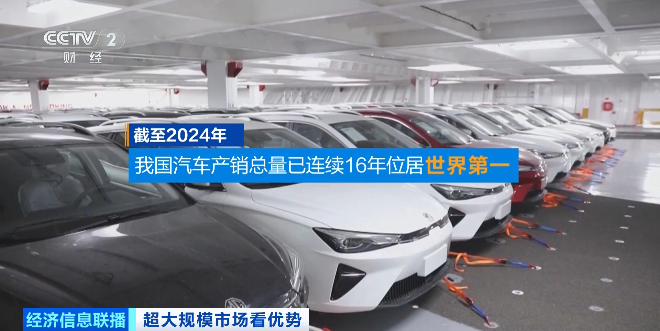
刘强东官宣
Xin Jing Bao· 2025-11-17 15:36
Core Insights - The competition in the instant retail industry has shifted from merely vying for traffic and subsidies to a new phase centered around a "review ecosystem" [1] - JD.com has launched the JD Takeout App and JD Review, aiming to create a comprehensive service app that integrates user-generated content and instant transactions [1][2] - The introduction of JD Review marks JD.com's entry into the local service review market, competing directly with Alibaba and Meituan [1][6] Group 1 - JD.com has announced the launch of JD Review, which will never be commercialized, and aims to provide a platform for users to comment and interact with content [1][2] - The JD Takeout App is fully integrated with JD Review, offering users discounts and the ability to post images and comments related to their purchases [2][6] - The competition in the local service sector is intensifying, with JD.com joining Alibaba and Meituan in the review business, indicating a shift in focus from subsidies to content and trust [6][7] Group 2 - JD Review utilizes AI technology to analyze data from various sources about restaurants, hotels, and attractions, generating objective reviews for users [2][7] - The JD True List, a key feature of JD Review, will recruit 100,000 "JD Truth Officers" for blind testing of food items, ensuring unbiased evaluations [8] - The initiative aims to enhance user engagement and loyalty by integrating local services with retail, creating a seamless consumer experience from content to purchase [7][8]
关注假期效应和需求温度对生产景气的影响:环球市场动态2025年11月17日
citic securities· 2025-11-17 05:55
Market Overview - Global stock markets faced pressure due to a significant drop in US stocks, with the Nasdaq showing a slight recovery by the end of the trading day[2][9] - European markets weakened, with the Stoxx 600 index down 1.01% and the UK FTSE 100 index down 1.11%[9] - The Hang Seng Index fell 1.85%, with major tech stocks experiencing declines[11] Economic Indicators - China's October economic data showed a decline in both supply and demand, with fixed asset investment expected to improve moderately due to new policy tools[4] - The US labor department is set to release the September non-farm payroll report, which could impact market sentiment[4] Commodity and Forex Markets - Geopolitical tensions from Ukraine and Iran led to a 2.39% increase in international oil prices, with NY crude oil reaching $60.09 per barrel[26] - Gold prices fell over 2% as expectations for a Federal Reserve rate cut diminished, with NY gold priced at $4,094.2 per ounce[26] Fixed Income Market - UK bond yields rose significantly, with increases of 7-16 basis points, reflecting concerns over fiscal health[30] - US Treasury yields also increased, with the 10-year yield rising to 4.15%[30] Company Performance - Dingdong Maicai reported a slight revenue increase of 1.9% year-on-year, but faced a 37.3% decline in non-GAAP net profit due to competitive pressures[7] - Monday.com achieved a 26% year-on-year revenue growth but provided a lower-than-expected Q4 guidance, causing stock price concerns[7]
高德杀入美团百度腹地,马云其实要和刘强东大决战?
Sou Hu Cai Jing· 2025-11-16 23:24
Core Insights - Jack Ma's return to Alibaba has sparked significant industry attention due to several strategic moves, including the rebranding of Ele.me to Taobao Flash Purchase and the enhanced focus on Gaode Map [2][3]. Group 1: Gaode Map Developments - Gaode Map has been positioned as a key player within Alibaba, launching the world's first AI-based map and entering the Robotaxi market in collaboration with XPeng, which poses a competitive threat to Baidu [2][3][11]. - As of March 2025, Gaode Map boasts 873 million monthly active users (MAU), ranking fourth among Chinese mobile internet applications, indicating a substantial user base [4]. - Gaode's "Street Ranking" feature gained over 400 million users within 23 days of its launch, showcasing its strong user engagement and growth potential [4]. Group 2: Financial Performance and Market Impact - Alibaba's stock price has seen a significant increase, rising from HKD 115 on August 21 to HKD 156.8 by November 12, marking a 36% increase [3]. - For the first quarter of 2025, Alibaba reported revenue of CNY 247.7 billion, a year-on-year growth of 1.82%, while net profit surged by 66.66% to CNY 40.65 billion [6][7]. - The company's cash flow from operations dropped by 39%, raising concerns about the sustainability of its investments in high-cost projects like Gaode and cloud services [8]. Group 3: Instant Retail Strategy - The rebranding of Ele.me to Taobao Flash Purchase reflects Alibaba's strategic pivot towards instant retail, aiming to capture a significant share of the rapidly growing market, projected to reach CNY 1.5 trillion by 2025 [13][16]. - The integration of Ele.me with Taobao Flash Purchase is expected to enhance user experience and reduce customer acquisition costs, positioning Alibaba favorably against competitors like Meituan and JD [15][17]. - Gaode's capabilities in directing users to local services complement Alibaba's instant retail strategy, creating a comprehensive ecosystem that enhances user engagement and retention [17].