储能

Search documents
派能科技:12月16日召开董事会会议
Mei Ri Jing Ji Xin Wen· 2025-12-16 10:46
每经头条(nbdtoutiao)——中标企业频频弃标 大型医疗设备采购有何难言之隐? (记者 王晓波) 截至发稿,派能科技市值为136亿元。 每经AI快讯,派能科技(SH 688063,收盘价:55.51元)12月16日晚间发布公告称,公司第四届第二次 董事会会议于2025年12月16日以现场结合通讯方式召开。会议审议了《关于2026年度与中兴新通讯有限 公司的日常关联交易预计的议案》等文件。 2024年1至12月份,派能科技的营业收入构成为:储能行业占比97.65%,其他行业占比1.37%,其他业 务占比0.99%。 ...

储能行业2026年年度策略报告:海内外协同共振,景气度有望上行-20251216
Western Securities· 2025-12-16 10:46
Group 1 - The report highlights that domestic and international policies are driving significant growth in the energy storage industry, with China's "136" document and various provincial regulations promoting independent energy storage development [1][19]. - In 2025, global energy storage installations are expected to reach 329 GWh, representing a year-on-year increase of 87%, with a compound annual growth rate of 86% projected from 2025 to 2027 [2][40]. - The report identifies two main investment themes: the first focuses on energy storage battery manufacturers like CATL and EVE Energy, while the second emphasizes energy storage system providers such as Sungrow and Canadian Solar [3][18]. Group 2 - The report outlines that various countries are implementing supportive policies for energy storage, with China introducing market-oriented reforms and capacity compensation mechanisms [19][20]. - In the U.S., states are actively promoting energy storage through subsidies and regulatory measures, with California and New York setting ambitious storage installation targets [24][25]. - European countries are also enhancing their energy storage policies, with significant subsidies being introduced to support the integration of renewable energy sources [29][31]. Group 3 - The supply-demand dynamics indicate a tightening supply of upstream battery cells, while leading companies in the energy storage system segment are expected to maintain strong performance [2][33]. - The report notes that as renewable energy installations increase, the demand for energy storage products will grow, driven by the need for energy consumption management [17][40]. - The report emphasizes that the profitability of energy storage battery manufacturers is likely to improve due to rising prices and demand exceeding supply [2][3].





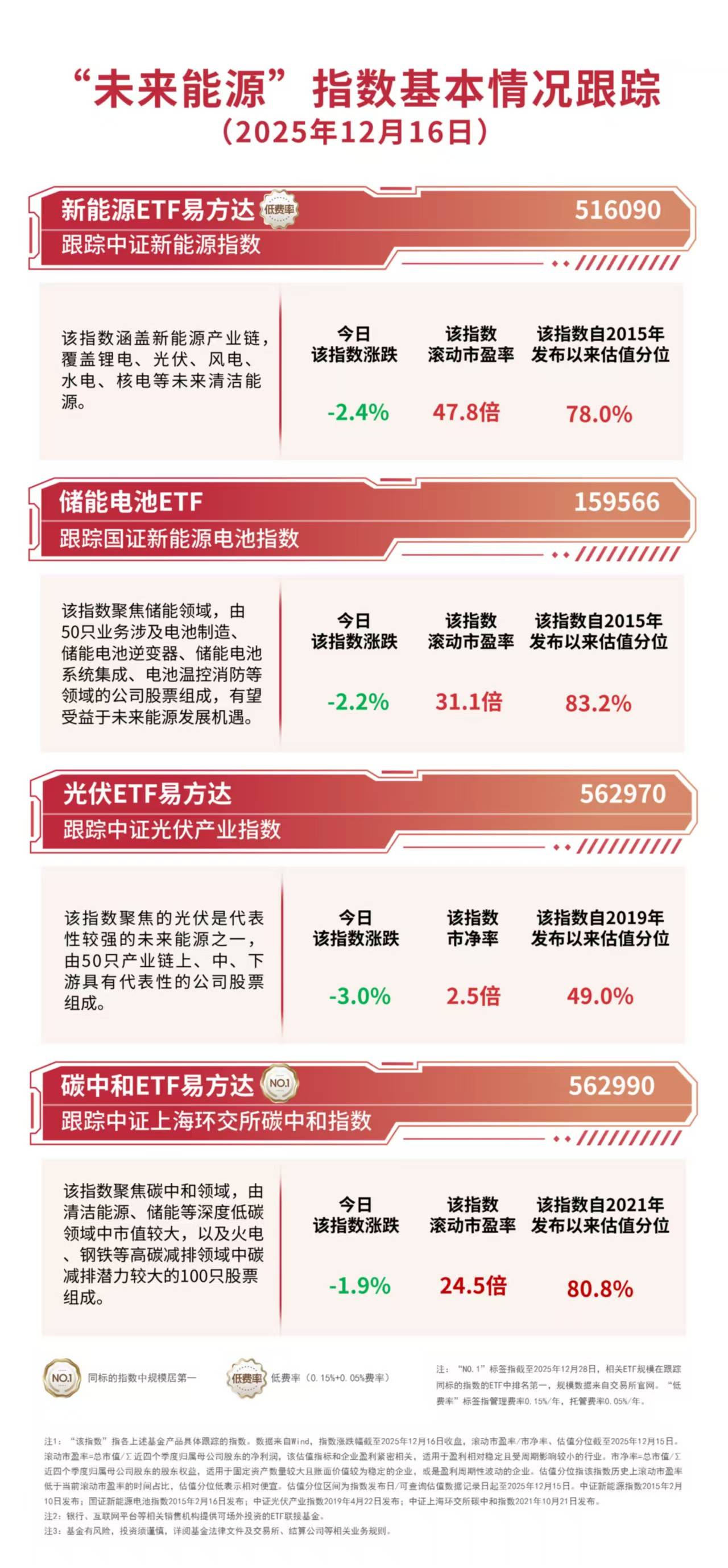
新能源板块低开低走,资金逆势加仓,储能电池ETF(159566)全天净申购约7000万份
Sou Hu Cai Jing· 2025-12-16 10:22
新能源板块今日低开低走,截至收盘,中证上海环交所碳中和指数下跌1.9%,国证新能源电池指数下跌2.2%,中证新能源指数下跌2.4%,中证光伏产业指 数下跌3.0%。资金逆势加仓,储能电池ETF(159566)全天净申购约7000万份。Wind数据显示,截至昨日,该ETF此前一周合计"吸金"超3亿元。 光大证券表示,政策端明确支持储能、氢能的发展,强调市场化调节机制和氢氨醇统筹规模化建设是后续推动储能获得合理收益的重要调节手段;工信部提 出综合整治"内卷式"竞争,产业链整体的盈利水平有望持续修复。展望2026年,国内独立储能招标预计延续2025年高景气水平。 | 令日 | 该指数 | 该指数自20 | | --- | --- | --- | | 该指数涨跌 | 市净率 | 发布以来估( | | -3.0% | 2.5倍 | 49.09 | 每日经济新闻 ...

全球首款锂电8小时长时储能系统面世,搭载1300Ah超大电芯
2 1 Shi Ji Jing Ji Bao Dao· 2025-12-16 10:07
(原标题:全球首款锂电8小时长时储能系统面世,搭载1300Ah超大电芯) 21世纪经济报道记者费心懿 厦门报道 电动汽车、数据中心等场景电力需求快速增长,全球能源结构不断转型,可再生能源渗透率不断提高。 而新能源发电的间歇性与电力系统所需的稳定灵活之间存在的矛盾仅依靠2至4小时的短时储能已难以满 足系统平衡需求。 在此背景下,能够增强电网稳定性、提升新能源消纳能力的8小时长时储能,正成为储能产业发展的新 方向。在储能技术路线多元并存,技术创新不断迭代涌现的当下,锂电储能系统开始向4小时以上的长 时场景渗透。 12月12日,在海辰储能第三届生态日上,联合创始人、总裁王鹏程在致辞中表示,让绿电从"看天供 应"转向"稳定好用",关键在于发展能够跨昼夜、跨周期的全天候长时储能。 活动期间,海辰储能发布了全球首个原生8小时长时储能解决方案——∞Power6.9MW/55.2MWh,值得 一提的是,该长时储能系统搭载了海辰储能自主研发的1300Ah储能专用电芯。海辰储能宣布,该8小时 长时储能系统将于2026年四季度实现量产交付。 据悉,作为锂电长时储能赛道的早期布局者,海辰储能长期深耕,已构建起从587Ah、1175A ...
400MWh储能电站正式并网!昱能科技组串式储能再拓新局
中关村储能产业技术联盟· 2025-12-16 09:42
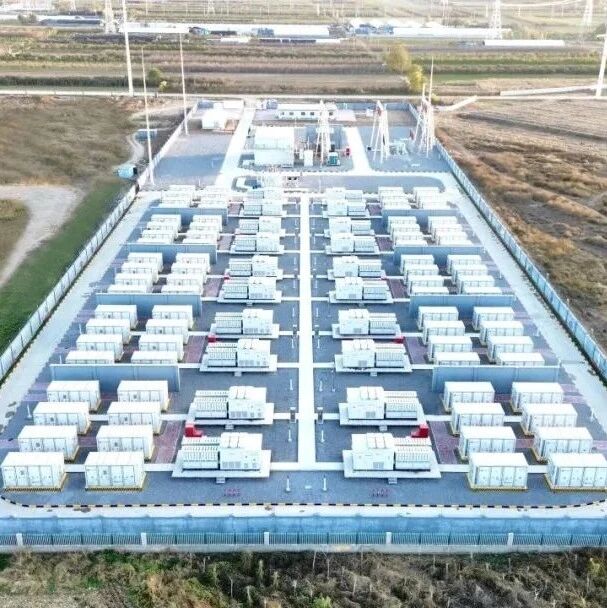
Core Viewpoint - The article highlights the successful commissioning of the 100MW/400MWh energy storage power station in Shenzhou, Hebei, constructed by Jiangsu Lingchu YN Technology Co., a subsidiary of YN Technology, showcasing the company's strength in large-scale energy storage projects and its role in promoting regional green development [2][4]. Project Overview - The Shenzhou Kunteng energy storage station has a total installed capacity of 100MW/400MWh, utilizing 80 self-developed Ocean 5000L energy storage modules and an EMS system, enhancing safety and efficiency through advanced design and management strategies [5][7]. - The project is expected to reduce coal consumption by approximately 31,000 tons annually, equivalent to a reduction of 82,000 tons of CO2 emissions, significantly contributing to low-carbon transformation and environmental protection in the region [7]. Technological Advancements - The Kunteng energy storage station employs a modular distributed energy storage system, which features adaptive temperature control strategies and a dual-driven health state estimation method to enhance reliability and safety [9]. - The project offers flexible energy storage capacity leasing services, providing a strong guarantee for power supply stability and grid safety during peak demand periods [11]. Strategic Development - The energy storage station represents a significant achievement for Lingchu YN in enhancing its capabilities in large-scale energy storage project development and operation, aligning with YN Technology's strategy to build a dual-driven development system [13][15]. - The successful delivery of this project serves as a benchmark for expanding the commercial energy storage market, enhancing the brand's credibility and competitiveness in the sector [13][15].

深化“大储+分布式”双轨战略,果下科技成功登陆港交所
中关村储能产业技术联盟· 2025-12-16 09:42
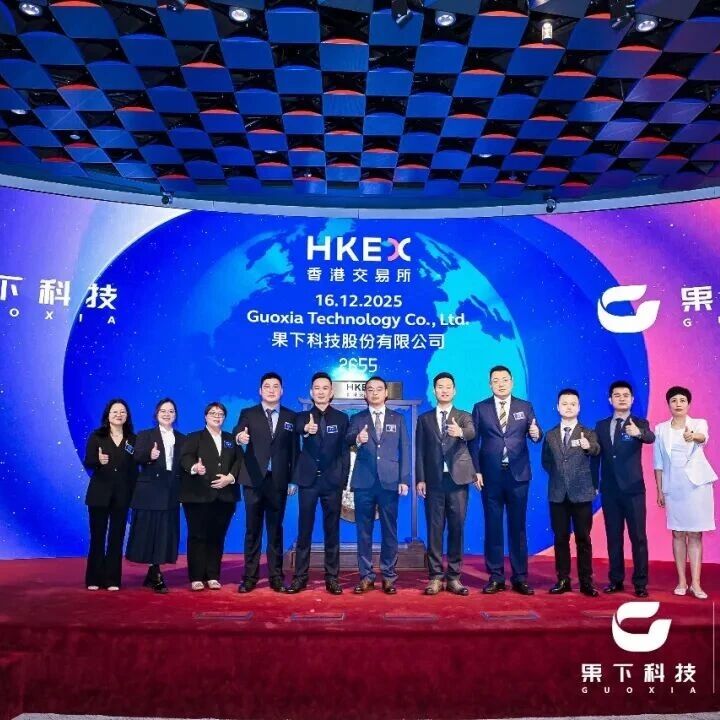
Core Viewpoint - The article highlights the successful listing of Guoxia Technology on the Hong Kong Stock Exchange, marking a significant step towards global expansion in the "AI+" energy storage and renewable energy solutions sector [3]. Summary by Sections - **Company Listing and Fundraising** Guoxia Technology officially listed 33.8529 million shares at an issue price of HKD 20.1 per share, raising approximately HKD 605.6 million in net proceeds [5]. This fundraising is seen as a testament to the capital market's confidence in the company's long-term value in the "AI+" energy storage sector [6]. - **Business Strategy and Market Positioning** The company employs a dual-track strategy that combines large-scale and distributed energy storage, leveraging both its domestic brand "Guoxia Technology" and the overseas brand "HANCHU ESS" [6]. In the domestic market, the company focuses on large-scale energy storage projects, while internationally, it has successfully entered several mature markets with its residential and commercial energy storage products [6]. - **Revenue Growth and Commitment to Value Creation** Guoxia Technology has experienced rapid revenue growth over the past three years, emphasizing its commitment to creating sustainable long-term value for customers, partners, and society through innovative products and services [6].
拒绝概念虚火,用“真构网”撑起新型电力系统
中关村储能产业技术联盟· 2025-12-16 09:42
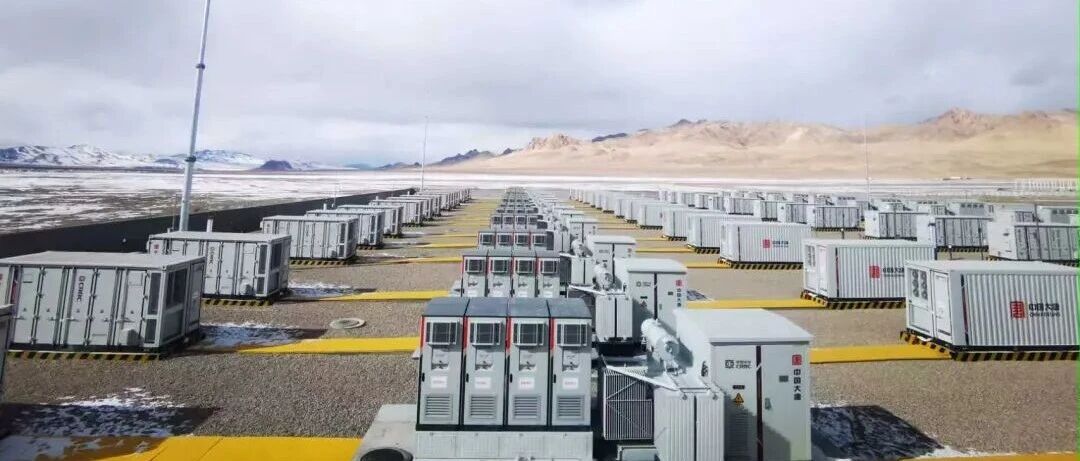
Core Viewpoint - The article discusses how Kehua Data's deep accumulation in the UPS field allows it to transition its pursuit of "stability" into the new energy landscape, particularly in the context of AI computing power and renewable energy challenges [2][25]. Group 1: Concept of Networked Energy Storage - "Networked energy storage" has become a buzzword in the industry, seen as a ticket to the new power system, but the standards remain unclear [5][6]. - The integration of renewable energy sources is causing unprecedented challenges in the power system, such as reduced system inertia and increased frequency risks [6]. - Kehua's energy storage systems can support voltage and frequency independently, akin to traditional generators, by utilizing virtual synchronous generator (VSG) technology [10][11]. Group 2: Technical Evaluation Criteria - The evaluation of networked energy storage technology is based on two core dimensions: "identity" and "capability" [8]. - "Identity" refers to whether the software algorithms classify the device as a voltage source or a current source, which is essential for true networked functionality [8]. - "Capability" assesses the hardware's support capacity and response speed, determining the performance level of the technology [9]. Group 3: Market Position and Achievements - Kehua has established itself as a leader in networked energy storage with over 3 GW of shipments and more than 400 microgrid systems implemented [12]. - Notable projects include the 300 MW/1200 MWh facility in Xinjiang, recognized as the largest grid-connected networked lithium iron phosphate energy storage station globally [12]. - The company has also successfully tackled challenges in extreme environments, such as the 60 MW/300 MWh project in Tibet, demonstrating stable operation at high altitudes and low temperatures [12]. Group 4: AI Data Center Solutions - The rise of AI data centers has led to significant energy consumption increases, necessitating innovative solutions to manage power fluctuations [14][15]. - Kehua proposes a "source strength ensures load stability" approach, emphasizing the importance of a robust power source to mitigate load fluctuations [15]. - The company has experience in high-voltage direct current (HVDC) solutions, positioning itself well for the future demands of data centers [17]. Group 5: Engineering Philosophy and Market Insights - The article highlights that there are no shortcuts in the energy storage sector; competitive advantages are built over time through early market entry and experience [18]. - Kehua's early adoption of solutions to common industry problems, such as the "heat island effect," showcases its commitment to practical engineering solutions [21][24]. - The company emphasizes the importance of learning from past challenges to avoid pitfalls that newer entrants may face in a rapidly evolving market [18][26].

工商业储能:如何跨越“政策断奶期”?
行家说储能· 2025-12-16 09:21
Core Viewpoint - The new energy storage industry is at a critical juncture, needing to adapt to market reforms and digitalization opportunities, as traditional profit models face challenges due to changing electricity pricing policies [2][3]. Group 1: Industry Trends and Challenges - Since 2022, commercial energy storage has maintained rapid growth, heavily relying on peak-valley price differences for profitability [3]. - Recent adjustments in time-of-use electricity pricing have led to a tightening trend, with significant reductions in price differentials in regions like Jiangsu (down about 25%) and Zhejiang (over 30% decline in investment returns) [3][5]. - The traditional profit model of peak-valley arbitrage is under pressure, necessitating a rethinking of value creation strategies in the face of diminishing price differentials [3][5]. Group 2: New Profit Models and Strategies - The shift in profit logic for commercial energy storage involves both user-side value reconstruction and reliance on technological innovation [3][5]. - The integration of digital technologies is crucial for enhancing the regulatory efficiency of energy storage systems, ensuring safe and economical operations [3][5]. - The collaboration of energy storage with demand-side management can enhance project economics by reducing peak demand charges through real-time load monitoring and discharge strategies [6]. Group 3: Value Aggregation and Virtual Power Plants - The core value of energy storage is transitioning from simple "electricity cost arbitrage" to the systematic release of "flexibility regulation capabilities" [11]. - Aggregating dispersed commercial energy storage resources into virtual power plants opens new revenue streams through demand response, ancillary services, and electricity spot trading [11][14]. - The use of AI technology in trading decision systems can automate market predictions and optimize trading strategies, enhancing the profitability of energy storage systems [17][18]. Group 4: Future Outlook and Transformation - The energy storage industry is moving from a phase of rapid growth to a more mature and regulated stage, with a focus on creating value rather than relying on policy incentives [24][25]. - Companies must enhance their digital collaboration, scene adaptability, and operational precision to navigate industry cycles and seize opportunities in value reconstruction [25].
1.4GWh!天合光能斩获储能新单
行家说储能· 2025-12-16 09:21
Core Viewpoint - Trina Solar's subsidiary, Trina Storage, has secured a significant energy storage order of 1.4GWh in North America, utilizing the Elementa 2 Pro liquid-cooled storage system, with plans for delivery by the end of 2027 [2] Group 1: Recent Orders and Partnerships - Trina Storage has expanded its strategic partnership with Lightshift Energy to develop over 1GWh of energy storage projects across the U.S. [2] - In the past month, Trina Solar has accumulated a total of 3.46GWh in orders from the U.S. market [2] - The company has multiple GWh-level orders signed in the third quarter, contributing to an overseas order backlog exceeding 10GWh by the end of Q3 2025 [3] Group 2: Future Projections - Trina Solar aims for an energy storage shipment target of 8-10GWh by 2025, with an expected growth rate exceeding 50% in 2026 [3] - By 2025, the total number of energy storage orders and project collaborations is projected to exceed 23GWh, primarily in North America, Europe, and Australia [4] Group 3: Detailed Order Breakdown - A summary of recent energy storage orders includes: - 1.4GWh contract in North America on December 16 [5] - 1GWh grid-level storage system with Lightshift Energy on December 10 [5] - 2.66GWh contract with various clients in North America, Europe, and Latin America on November 17 [5] - 5GWh supply of battery storage systems from 2026 to 2028 with Pacific Green on November 4 [5] - Additional contracts totaling over 1GWh in Europe and various other projects [5]

1分钟答题赢门票!把握储能不确定性中的确定性
行家说储能· 2025-12-16 09:21
Core Viewpoint - The new energy storage industry is entering a paradigm shift in 2025, characterized by rapid growth in installed capacity, a transition from policy-driven to market-driven growth, and a shift from price competition to value competition, focusing on the deepening of the electricity market and the integration of digital intelligence [2][4]. Group 1: Market Dynamics - The market is a certain battleground, but the capabilities that determine victory are uncertain [3]. - With the exit of "mandatory storage" and the acceleration of a unified national electricity market, new energy storage will gradually establish a revenue model primarily based on energy and capacity, with other market revenues as supplementary [4]. - Understanding and adapting to electricity market rules, building core capabilities under market demand, and enhancing storage value for users will become the core competitiveness and decisive factors for storage companies in the future [4]. Group 2: Digital Intelligence Integration - Digital intelligence is a definite trend, but the path to achieving it remains uncertain [5]. - AI, IoT, and big data are no longer just enhancements but are central to reconstructing the value of energy storage systems [6]. - The emergence of new business models such as virtual power plants and smart microgrids raises questions about how to embed technological capabilities into different provincial electricity market rules to design replicable and profitable commercial loops [6]. Group 3: Industry Event and Insights - The "Electricity Market and Digital Intelligence Energy Storage Enterprise Innovation Practice Summit" will be held on January 8 in Shenzhen, aiming to gather decision-makers, technical experts, and market operators from the energy storage industry to explore sustainable profitability paths [6]. - The summit will provide in-depth analysis of the evolution of the electricity market and commercial paths, clarifying the strategic opportunities as the industry transitions from policy-driven to market-driven [7]. - The event will feature over twenty heavyweight guests from policy, academia, industry, and capital, sharing strategic insights and practical experiences [11].