
物业管理

Search documents
物业公司打起来了,一边撤场一边“抢地盘”
3 6 Ke· 2025-08-01 09:49
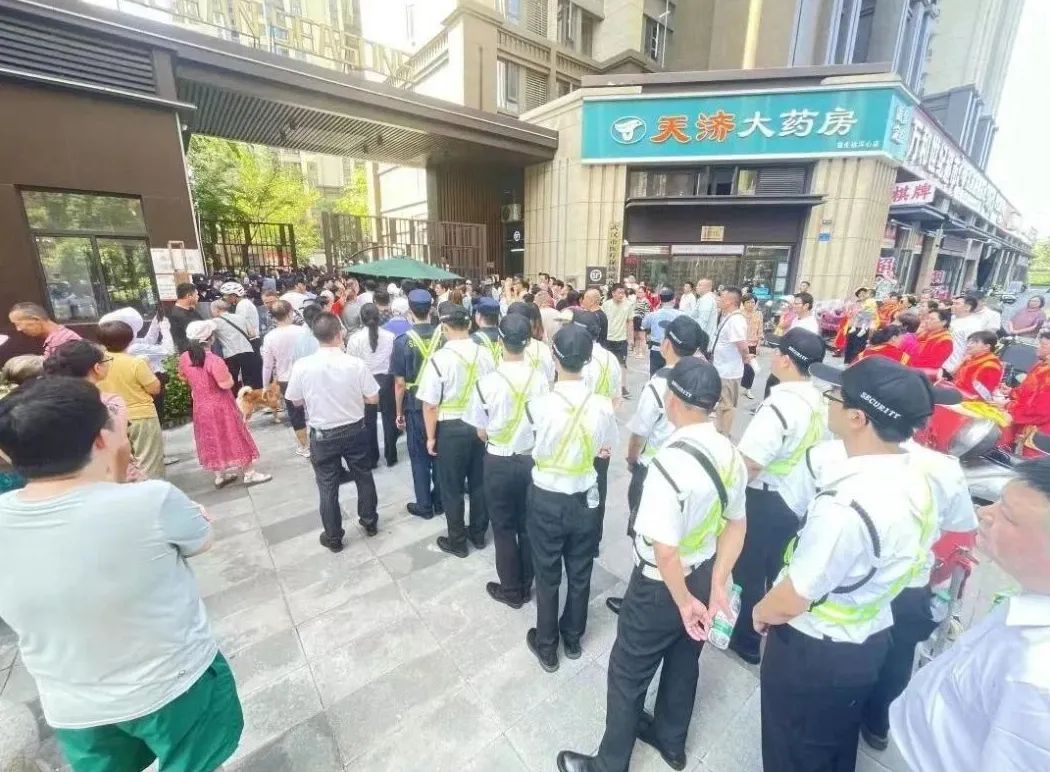
Core Viewpoint - The increasing conflicts surrounding property management issues are raising concerns about the scalability and profitability of property management companies, as they engage in aggressive competition for existing properties while facing challenges in transitioning between old and new management [1][11]. Group 1: Conflicts and Incidents - A notable incident occurred in Wuhan, where a conflict erupted between Vanke Property and Far Ocean Property over the management of a residential community, involving over 100 individuals [1]. - Official investigations revealed that the homeowners' committee failed to follow proper voting procedures for changing property management, leading to disputes between the old and new property management companies [3][4]. - Similar conflicts have been reported in various cities, including Guangzhou and Chongqing, where existing property management companies resisted changes initiated by homeowners' committees, often leading to legal disputes and public outcry [7][9]. Group 2: Reasons for Increasing Demand for Property Changes - The rising demand for changing property management is attributed to price sensitivity among homeowners, with many seeking reductions in property management fees [11][12]. - A case in Wuhan demonstrated a successful negotiation that resulted in a 10%-15% reduction in property fees, setting a precedent for other communities [12][15]. - The slowdown in the growth of property management companies, driven by a decline in real estate development, has intensified competition among firms, leading to conflicts over existing properties [16][18]. Group 3: Financial Performance and Service Quality - The average net profit of the top 100 property management companies in 2024 is approximately 197 million, reflecting a 12.9% year-on-year decline, indicating a shrinking profit margin [20]. - The decline in profitability has led some companies to reduce service quality, resulting in increased dissatisfaction among homeowners and a rise in demands for management changes [20][21]. - The overall trust between homeowners and property management companies has weakened, with only 23% of communities achieving full transparency in property fee management [23]. Group 4: Industry Response and Future Outlook - Some regions are attempting to establish homeowner committees to facilitate communication and resolve conflicts, with varying degrees of success [24]. - The property management industry is entering a phase of "de-capitalization," with companies recognizing the need to focus on service quality rather than relying heavily on capital markets [25]. - The current conflicts reflect the broader challenges within the industry, highlighting the need for improved resolution processes and innovative business models to enhance the property management ecosystem [25].

珠海一物业公司主动降费并交80万保证金,求业主“续签”
Nan Fang Du Shi Bao· 2025-08-01 09:07
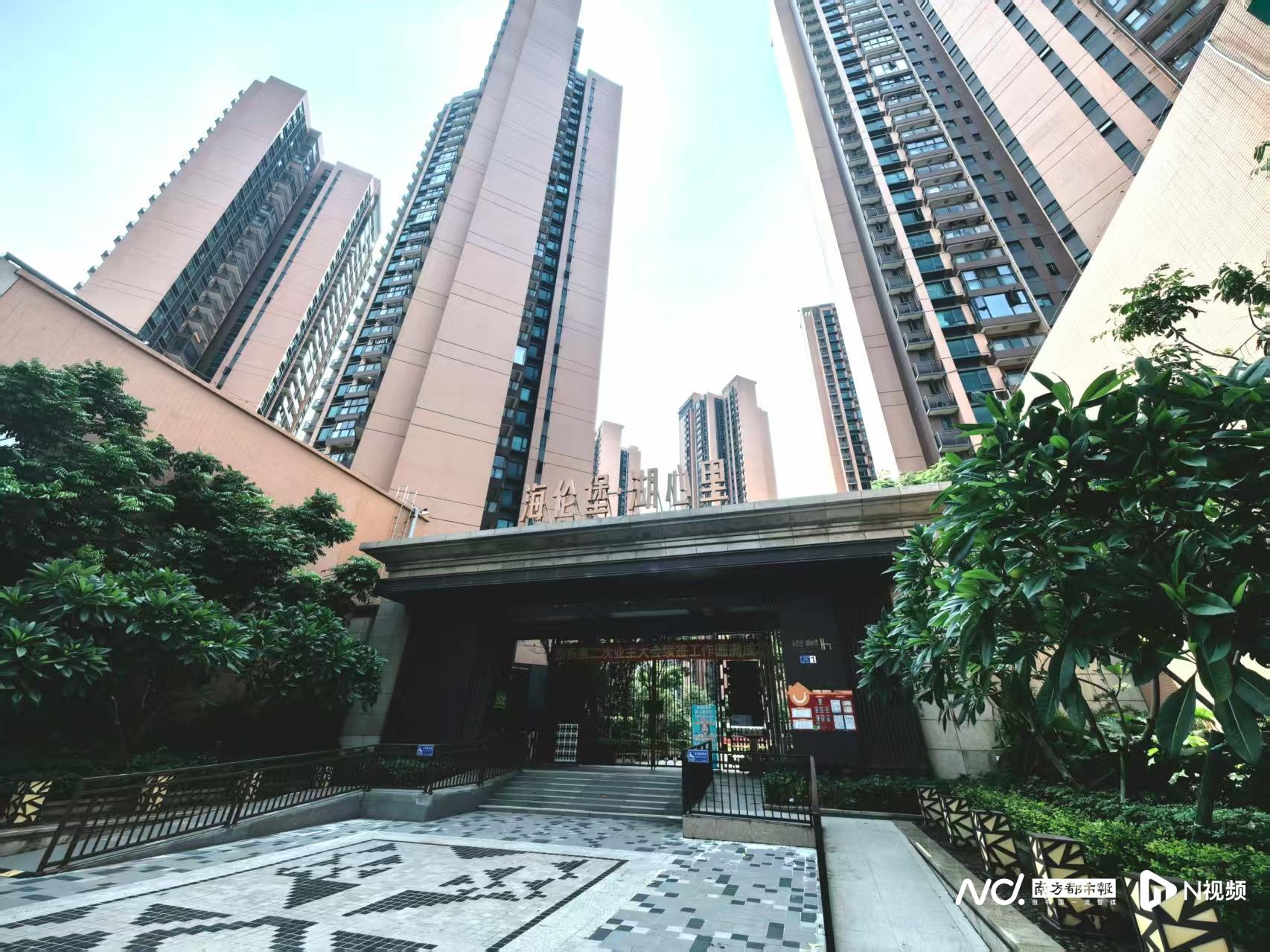
南都讯近日,珠海斗门一小区物业主动将3元/平方米的收费标准降低至2.5元/平方米,并交付80万元保证金,希望得到业主投票支持。 据悉,该小区名字为海伦堡湖心里(小区备案名"汇景嘉园")。目前,该小区正进行第二次业主大会投票,其中的一项内容就是对物业进行考核,业主的投 票将决定物业公司的去留。 南都记者获悉,截至7月28日,投票率已超过65%,很快即可达到67%的法定投票有效比例。不过,最终物业能否续签,还需等到8月27日最终揭晓。 承诺书的末尾,再次体现了物业的诚意,"您的满意是我们前进的动力,期待您投出续签海伦堡物业的神圣一票,我们决不辜负这份信任!再次感谢!" 海伦堡湖心里小区。李洁琼摄 承诺 物业费从3元/平方米降至2.5元/平方米 记者获悉,海伦堡湖心里小区于2018年开售,2020年开始交付入住。小区共有11栋高楼,小区总户数1604户,商铺66间,地下停车位1598个,地上停车位 199个,建筑面积约为17万平方米。 微信业主群流传的"承诺书"提到,"降费不降质,服务更用心""期待你同意续聘海伦堡物业"。 围绕业主最为关注的"费用","承诺书"提出,尽快实现管理费3元/平方米降至2.5/平方米、商 ...
国证国际港股晨报-20250801
Guosen International· 2025-08-01 06:51
Core Viewpoints - The market is adopting a wait-and-see attitude due to trade policy uncertainties, with the Hang Seng Index falling below 25,000 points, down 1.6% to 24,773.33 points [2] - Southbound funds have seen a net inflow of HKD 13.126 billion, maintaining a level above HKD 8 billion for five consecutive days [2] Market Performance - The major indices in the Hong Kong stock market continued to decline, with the Hang Seng Index, the Hang Seng China Enterprises Index, and the Hang Seng Technology Index all experiencing losses [2] - The total market turnover increased to HKD 320.633 billion, with the short-selling amount rising to HKD 51.314 billion, accounting for 17.607% of the total turnover [2] Sector Analysis - The luxury goods, Hong Kong retail, and local consumption sectors showed significant declines, indicating pressure on consumer spending and related company performance [4] - Prada's stock dropped 8% following its H1 2025 financial report, leading the sector's decline, while Chow Tai Fook and Samsonite fell 4.5% and 2.9%, respectively [4] - Other consumer-related stocks, including beer, home appliances, food, and automotive sectors, also performed poorly, reflecting a general decline in consumer confidence [4] Electricity Sector Insights - In June, the total electricity consumption in society grew by 5.4% year-on-year, with a notable increase in the third sector and residential electricity consumption [10] - The cumulative electricity consumption from January to June reached 48,418 billion kilowatt-hours, with a year-on-year growth of 3.7% [10] - High-tech industries showed a higher electricity consumption growth rate, with the new energy vehicle manufacturing sector growing by 28.7% year-on-year [11] Investment Recommendations - The report suggests that investors consider undervalued, high-dividend, and fast-growing electricity operators such as China Resources Power and China Power [13]
珠江股份: 广州珠江发展集团股份有限公司向特定对象发行股票证券募集说明书(注册稿)
Zheng Quan Zhi Xing· 2025-07-31 16:38
Group 1 - The company, Guangzhou Pearl River Development Group Co., Ltd., is planning to issue shares to specific investors at a price of 2.92 yuan per share, which is not less than 80% of the average trading price over the previous 20 trading days [3][2] - The total number of shares to be issued will not exceed 30% of the total share capital before the issuance, and the final number will depend on the approval from the China Securities Regulatory Commission (CSRC) [3][2] - The funds raised will be used to supplement working capital and repay debts, with all issuance costs deducted [3][2] Group 2 - The company has undergone a significant asset restructuring, divesting its real estate development business and transitioning to urban services and cultural operations [6][7] - As of the end of 2024, the company's total liabilities amount to 1.264 billion yuan, indicating a high debt-to-asset ratio, which poses potential financial risks [7] - The company is facing various operational risks, including intensified competition in the real estate sector, which may affect its business expansion and profitability [6][7] Group 3 - The company’s major shareholder, Zhujiang Industrial Group, holds 31.10% of the shares, and the actual controller is the Guangzhou State-owned Assets Supervision and Administration Commission [9][10] - The company operates in the property management sector, which is characterized by increasing competition and regulatory oversight from government bodies [11][12] - The property management industry is governed by various laws and regulations, including the Property Management Regulations and the Property Service Charging Management Measures, which aim to protect the rights of property owners and management companies [13][15]

众安智慧生活(02271.HK)7月31日收盘上涨34.48%,成交2649.63万港元
Jin Rong Jie· 2025-07-31 08:38
Group 1 - The core viewpoint of the news highlights the significant stock performance of Zhong An Smart Life, which has seen a remarkable increase in its share price, outperforming the Hang Seng Index by 25.51% this year [1] - As of July 31, the Hang Seng Index closed down by 1.6% at 24,773.33 points, while Zhong An Smart Life's stock price rose by 34.48% to 3.9 HKD per share, with a trading volume of 6.7 million shares and a turnover of 26.5 million HKD [1] - In the past month, Zhong An Smart Life has achieved a cumulative increase of 168.52%, and a year-to-date increase of 459.54% [1] Group 2 - Financial data shows that for the year ending December 31, 2024, Zhong An Smart Life reported total revenue of 412 million CNY, representing a year-on-year growth of 17.4%, while the net profit attributable to shareholders was 38.07 million CNY, a decrease of 22.86% [1] - The company's gross margin stands at 29.18%, and its debt-to-asset ratio is 36.29% [1] - Currently, there are no institutional investment ratings available for Zhong An Smart Life [1] Group 3 - Zhong An Smart Life Service Co., Ltd. is a wholly-owned subsidiary of Zhong An Group, providing comprehensive community services for all age groups [2] - The company leverages advanced technologies such as IoT, AI, and robotics to enhance traditional property services, aiming to deliver a more comfortable and tailored service experience for residents [2] - The service model focuses on a full lifecycle service system, ensuring a warm and engaging community living environment [2]
里昂:微降中海物业目标价至6.1港元 维持“跑赢大市”评级
Zhi Tong Cai Jing· 2025-07-31 07:51
里昂发布研报称,由于经营环境充满挑战,预期中海物业(02669)将维持业务增长,但增速将会放缓。 自2024年以来,该公司已将重点从扩大规模转移到致力于完善、深化和提升其物业管理服务质量,该行 认为这是其长期成功的绝对关键。目前该行偏好物业管理公司而非房地产开发商。维持对中海物业"跑 赢大市"评级,但将目标价由6.2港元轻微调低至6.1港元。 ...
物管股集体下跌 大行称物管行业中期盈利增长或放缓 预计估值修复期已结束
Zhi Tong Cai Jing· 2025-07-31 07:49
Core Viewpoint - The property management stocks in China are experiencing a collective decline, with expectations of continued slowdown in financial performance for the first half of 2025, primarily due to a sluggish residential market [1] Group 1: Stock Performance - Country Garden Services (06098) fell by 5.9% to HKD 6.54 - Yashlife Services (03319) decreased by 5.73% to HKD 2.96 - Wanwu Cloud (02602) dropped by 3.83% to HKD 22.6 - Sunac Services (01516) declined by 3.76% to HKD 1.79 [1] Group 2: Earnings Forecast - UBS forecasts that the average profit growth for property management companies will slow to 13% year-on-year in the first half of 2025, down from 17% in the first half of 2024 and 14% for the entire year of 2024 - This is below the market expectation of 15% growth, attributed to a slowdown in the residential market affecting managed area growth, collection rates, and service margins [1] Group 3: Market Analysis - Bank of America Securities noted that property management stocks have risen over 20% year-to-date, suggesting that the valuation recovery phase has ended [1] - CITIC Securities highlighted the presence of irrational price-cutting demands from some property owners, indicating intense competition within the industry - Despite this, leading companies have low market share, allowing for significant adjustments in their managed portfolios without a decline in profitability [1] Group 4: Policy and Competitive Landscape - Current policies discourage irrational competition and promote quality pricing, which is expected to stabilize collection rates, fee structures, and profitability for companies that focus on service reputation - There is optimism for companies with strong brand competitiveness in this environment [1]
港股异动 | 物管股集体下跌 大行称物管行业中期盈利增长或放缓 预计估值修复期已结束
智通财经网· 2025-07-31 07:47
Group 1 - The core viewpoint indicates that property management stocks in China are experiencing a collective decline, with significant drops in share prices for companies like Country Garden Services, Yashlife Services, Wanwu Cloud, and Sunac Services [1] - UBS forecasts that the financial performance of Chinese property management companies will continue to slow down in the first half of 2025, with an expected average profit growth rate of 13%, lower than the 17% growth in the first half of 2024 and 14% for the entire year of 2024, compared to market expectations of 15% [1] - The slowdown is attributed to a weakening residential market, leading to reduced growth in managed area, declining property fee collection rates, decreased value-added services from developers, and pressure on the gross profit margin of community value-added services [1] Group 2 - Bank of America Securities notes that property management stocks have risen over 20% year-to-date, suggesting that the valuation recovery phase has ended [1] - CITIC Securities highlights the presence of irrational price-cutting demands from some property owners, indicating a competitive environment within the industry [1] - Despite the competitive pressures, leading companies have low market share, providing significant room for adjustment in their managed portfolios, and the profitability of these top companies is not expected to decline due to competitive pressures [1] Group 3 - Current policies oppose irrational competition and encourage quality pricing, which is beneficial for companies in terms of collection rates, fee rates, and profitability [1] - Companies that focus on service reputation are viewed positively, with a favorable outlook for those with strong brand competitiveness [1]
里昂:微降中海物业(02669)目标价至6.1港元 维持“跑赢大市”评级
智通财经网· 2025-07-31 07:47
智通财经APP获悉,里昂发布研报称,由于经营环境充满挑战,预期中海物业(02669)将维持业务增长, 但增速将会放缓。自2024年以来,该公司已将重点从扩大规模转移到致力于完善、深化和提升其物业管 理服务质量,该行认为这是其长期成功的绝对关键。目前该行偏好物业管理公司而非房地产开发商。维 持对中海物业"跑赢大市"评级,但将目标价由6.2港元轻微调低至6.1港元。 ...
大行评级|里昂:微降中海物业目标价至6.1港元 维持“跑赢大市”评级
Ge Long Hui· 2025-07-31 06:44
里昂发表报告指,由于经营环境充满挑战,预期中海物业将维持业务增长,但增速将会放缓。自2024年 以来,该公司已将重点从扩大规模转移到致力于完善、深化和提升其物业管理服务质量,该行认为这是 其长期成功的绝对关键。由于房地产市场前景仍不明朗,该行偏好物业管理公司而非房地产开发商,维 持对中海物业"跑赢大市"评级,目标价由6.2港元轻微调低至6.1港元。 ...