Robotics

Search documents
5 Robotics Stocks Catching Momentum After New Policy Tailwinds
Yahoo Finance· 2025-12-08 15:47
Core Insights - Tesla is positioning itself at the forefront of humanoid robotics with its Optimus project, which Elon Musk claims could be the "most valuable product ever" and aims for mass production by late 2025 at a cost of $20,000 to $30,000 [1][7] - Following a report on the potential acceleration of robotics development in the U.S., Tesla's stock rose nearly 6%, pushing its market cap to approximately $1.5 trillion, with a bullish consolidation pattern forming [2][5] - The robotics sector saw significant investment momentum, indicating early positioning by investors for a potential robotics renaissance, with various companies poised to benefit [4][6] Tesla and Optimus - Tesla's Optimus project leverages its existing AI infrastructure and manufacturing capabilities, aiming to create a future of "sustainable abundance" [1][7] - The strong market reaction to Tesla's robotics ambitions reflects investor confidence in the company's commitment to humanoid robotics as a core business segment [7] Market Dynamics - A Politico report about a potential executive order from President Trump to accelerate robotics development sparked a rally in robotics stocks, indicating a favorable policy environment [5][20] - The surge in robotics stocks included both small-cap and large-cap companies, with high short-interest stocks experiencing the most significant price movements [6][20] Company Performances - Richtech Robotics, a small-cap company focused on service automation, saw its stock rise over 25% despite lacking profitability, driven by sector momentum [8][9] - Serve Robotics, specializing in autonomous delivery robots, rallied more than 30% and has a significant short interest, which could lead to further volatility [11][13] - Teradyne, a stable and profitable player in the robotics space, reported a 10.3% increase in stock price and strong Q3 results, reinforcing its position as a credible investment in robotics [14][15][16] - iRobot, despite facing significant challenges, experienced a 133% surge due to a short squeeze, highlighting the volatility potential in the robotics sector [17][18][19] Future Outlook - The recent surge in robotics stocks suggests a strong market interest in the sector, with companies like Tesla and Teradyne likely to lead if the trend continues [20][21] - The divergence in company performances indicates varying risk and reward profiles within the robotics investment landscape, with both speculative and stable options available for investors [20][21]


全球机器人_2026 人形与四足机器人展望_中国在产量上领先,特斯拉份额存疑;重点看好核心业务增长明确的企业
2025-12-08 15:36
Summary of the Conference Call on Robotics Market Outlook Industry Overview - The global market for humanoid and quadruped robots is still in its early stages, with mass production timelines progressing slower than expected due to supply chain complexities and technological challenges [1][2] - Key players include Tesla (TSLA US, Not rated) and Figure AI in humanoids, and Boston Dynamics in quadrupeds, with no other competitors showing comparable readiness for volume manufacturing [1] Core Insights - **Tesla's Optimus Projections**: Tesla is expected to deliver 60,000–80,000 units of the Optimus robot in 2026, with uncertainties surrounding supply chain and production cadence [2] - **China's Competitive Edge**: The Chinese humanoid and quadruped robot industry is anticipated to outpace Tesla in mass production due to simplified designs that lower manufacturing costs. Leading companies like UBTech and Unitree aim for annual production of 50,000–100,000 units by 2026 [3][4] - **Supply Chain Fragmentation**: The supply chain in China is highly fragmented, with unique mechanical architectures for each robot, limiting component-level standardization and supplier margins [4] Market Dynamics - Initial deployments of Tesla's robots will focus on internal factory tasks, with broader commercial availability expected in 2027 [2] - The 2026 robotics market remains constrained, with uncertain volume ramp-ups and evolving designs, limiting earnings contributions in the near term [5] Investment Recommendations - Companies with strong growth in core non-robotics businesses are preferred, as humanoid exposure is seen as a long-term option rather than a near-term earnings driver [7] - Selective positivity towards companies with technological advantages in critical subsystems is noted, as they are expected to benefit from the anticipated production ramp-up in 2026 [8] - **Buy Ratings**: - Shuanghuan Driveline (002472 CH) is rated Buy due to its confirmation of the Optimus chain and growth in consumer segments [8] - Orbbec (688322 CH) is highlighted as a top pick in robotics, benefiting from its strong position in the vision area and growth in 3D printing [8] Additional Insights - The report emphasizes the importance of geopolitical risks affecting supply chains, particularly for Tesla, which may need to diversify its supplier base outside of China [2] - The anticipated ramp-up in production is expected to focus on commercial-service applications that are quick to monetize, such as warehouse inspections and security patrolling [4]


赴港IPO排起长龙,乐动机器人重走来时路
2 1 Shi Ji Jing Ji Bao Dao· 2025-12-08 13:47
Core Viewpoint - The robot industry is experiencing fluctuating interest in the capital market, with a notable focus on humanoid robots expected to be mass-produced by 2025. However, the listing process for companies like Ledong Robotics has faced delays and challenges due to market conditions and competition [1]. Company Overview - Ledong Robotics, established in 2017, is a full-stack intelligent robotics company focusing on visual perception technology. It aims to provide intelligent robotic infrastructure and products for various applications, including home, commercial, and industrial sectors [2]. - According to market research, Ledong Robotics is projected to be the largest global company in visual perception-based intelligent robotics by 2024, with 6 million robots enabled and 720,000 units of DTOF radar shipped [2]. Financial Performance - Ledong Robotics reported total revenues of 234 million RMB, 277 million RMB, and 467 million RMB for the years 2022, 2023, and 2024, respectively. The company also recorded losses of 73.13 million RMB, 68.49 million RMB, and 56.48 million RMB during the same period [3]. - For the first half of 2025, the company achieved revenues of 386 million RMB and 196 million RMB, with losses of 28.93 million RMB and 13.78 million RMB, respectively. The ongoing losses are attributed to the company's focus on product innovation and global expansion during its growth phase [3]. Market Dynamics - The machine vision industry is divided into 3D vision and AI-based 2D vision, with increasing automation in manufacturing driving growth. However, the sector faces intense competition from established players like Hikvision and others, leading to price wars [4]. - Ledong Robotics' gross margin decreased from 27.3% in 2022 to 19.5% in 2024, before rebounding to 25.4% in the first half of 2025, reflecting the impact of industry competition [5]. Strategic Initiatives - The company plans to use the funds raised from its IPO to enhance R&D in visual perception technology, expand its brand internationally, optimize production capacity, and explore potential investment opportunities [3]. - Ledong Robotics has entered the lawn mowing robot market, launching its first generation of robots in 2024 and achieving cumulative sales of 10,000 units. The second generation, featuring AI algorithms, is expected to drive further growth [5]. Competitive Landscape - The lawn mowing robot market is estimated to have annual sales of 30 million units, with current robotic models holding less than 10% market share. This presents a significant growth opportunity for Ledong Robotics, although competition from leading lidar companies is anticipated [5]. - The company primarily targets the mid-to-low-end market for laser radar applications, which may limit its ability to penetrate the high-end autonomous vehicle market, where demand is increasing [6].
AIBotics Ushers in a New Era as Intelligent Service Robotics Arrive in Tel Aviv, Redefining Human-Machine Interaction
Globenewswire· 2025-12-08 13:30
Core Insights - Aibotics, Inc. has officially entered the Middle East market with the arrival of its first shipment of service robots from KEENON Robotics in Tel Aviv, Israel, marking a significant expansion for the company [1] - The deployment of these robots aims to address labor shortages in various sectors, including food service, hospitality, retail, logistics, and healthcare, particularly in the context of rising demand in post-ceasefire Israel [2] - Aibotics plans to announce a strategic partnership with a publicly traded company based in Israel, further enhancing its market presence [1] Company Developments - The initial shipment of service robots began delivery on December 7, 2025, with immediate deployment to support operational efficiency in key industries [1] - Aibotics' CEO, Ben Kaplan, emphasized the company's commitment to aiding Israel's economic recovery by deploying advanced robotics to alleviate staffing pressures and enhance service quality [4] - The company is set to roll out the next-generation humanoid service robots, the "XMAN" series, which are designed for complex environments in retail and hospitality [5] Industry Context - Recent data indicates a surge in investment in Israel's tech ecosystem, with startups raising approximately US$1.4 billion in November 2025, reflecting strong investor confidence and demand for innovation [3] - The U.S. government is prioritizing robotics and advanced manufacturing as part of its AI strategy, which may influence the competitive landscape for companies like Aibotics [7] - Aibotics will showcase its service robots and the XMAN humanoids at the 2026 Consumer Electronics Show (CES), providing a platform to attract investors and partners [8]


「灵生科技」完成亿元融资,系清华系具身智能机器人公司
3 6 Ke· 2025-12-08 12:49
灵生科技创始人杨洪兵表示:技术驱动的新质生产力竞争,不仅是前沿技术的竞争,也考验企业商业化场景落地的能力。灵生科技将持续深耕 智能制造、无人零售、商业服务等领域,通过技术迭代与生态开放,让具身智能终端真正成为赋能实体经济的新质生产力工具。 上市公司宁波方正董事长方永杰表示:我们看好灵生科技在人形机器人"智慧大脑"的领先地位。当前中国制造业处于转型升级的关键时刻,传 统生产模式亟需注入创新动能,而具身智能技术正是破解行业痛点的"金钥匙",灵生科技让机器人拥有"大脑"的执着追求,与宁波方正打造一 流制造平台的初心不谋而合。期待双方协同构建起"智能+制造"的新质生产力组合拳,为人形机器人产业规模化发展奠定坚实基础。 鸿瑞投资总经理何俊理表示:机器人行业正处于从"概念验证"向"规模化渗透"跃迁的关键期。从当下政策释放、发展速度及场景需求看,未来 3-5年,具备技术迭代能力、场景落地速度、生态整合实力的企业,有望在泡沫出清后真正兑现估值,成为下一个"智能汽车级"产业巨头。灵 生科技自研的具身世界模型,赋能人形机器人智能与泛化操作能力,在技术领先和场景订单落地方面展现了显著的领先优势。鸿瑞集团将全力 支持灵生科技机器人的 ...
粤港澳大湾区人工智能与机器人产业盛会即将开幕
2 1 Shi Ji Jing Ji Bao Dao· 2025-12-08 11:49
Core Viewpoint - The "2025 Guangdong-Hong Kong-Macao Greater Bay Area Artificial Intelligence and Robotics Industry Conference and Guangdong Province Artificial Intelligence and Robotics Skills Competition" (referred to as XAIR Conference) will be held in Guangzhou from December 12 to 14, aiming to create a high-end communication platform integrating government, industry, academia, research, and application for the AI and robotics industry in the Greater Bay Area [1][2]. Group 1: Conference Overview - The XAIR Conference will feature a main forum with over a thousand participants, including academicians and leaders from well-known enterprises, sharing technical cases and industry development trends [1]. - Key announcements during the conference will include the release of the "1+1+N" system for embodied intelligence training in Guangdong Province, typical application scenarios for AI and robotics in 2025, and the "White Paper on the Development of AI and Robotics Industry in Guangdong Province" [1]. Group 2: Technology Showcase and Competitions - The XAIR Technology Consumer Carnival will take place during the conference, showcasing cutting-edge technologies from AI and robotics companies in the Greater Bay Area, including the debut of PUDU D5 series autonomous navigation quadruped robot and the new generation IRON robot from Xiaopeng Robotics [2]. - The 2025 Guangdong Province Artificial Intelligence and Robotics Skills Competition will be held concurrently, featuring events that assess core skills such as business analysis, data processing, and model construction for AI trainers, as well as various challenges for robots in complex environments [2].
The 25 companies that will dominate the humanoid robot race, according to Morgan Stanley
Business Insider· 2025-12-08 10:48
The race to get in on the humanoid robot boom is heating up. In a research note released earlier this month, analysts at Morgan Stanley broke down a list of the 25 companies best positioned to dominate the market for humanoid robots, which the investment bank estimates will be worth more than $5 trillion by 2050.The list focuses on companies with expertise in AI and computing chips, cameras and perception, and sensors and movement technology, the analysts said. They added that the list is intended to help ...


人形机器人行业跟踪报告:优必选与卓世科技达成战略合作,众擎发布 T800
GUOTAI HAITONG SECURITIES· 2025-12-08 10:47
Investment Rating - The report assigns an "Accumulate" rating for the humanoid robot industry, indicating a positive outlook for investment opportunities [4]. Core Insights - Recent advancements in policies, products, and orders in the humanoid robot industry suggest that it is at a critical stage of commercialization, necessitating attention to marginal changes affecting both domestic and international quality companies [2]. - Leading domestic humanoid robot companies are experiencing continuous breakthroughs in products and orders, with the potential for a synchronized growth in both domestic and overseas markets, accelerating the global commercialization process of humanoid robots [4]. - A strategic partnership between UBTECH Robotics and ZhiSheng Technology aims to deploy 10,000 robots over the next five years, marking a significant step beyond mere concept validation to commercial implementation [4]. - ZhongQing Robotics has launched the T800 humanoid robot, priced starting at 180,000 yuan, with a product matrix designed to meet diverse capability needs across different scenarios, indicating a shift from technical feasibility to scalable deployment [4]. Company Performance Forecast and Financial Valuation - The report provides earnings per share (EPS) and price-to-earnings (PE) ratios for several companies, all rated as "Accumulate": - Meihu Co., Ltd. (603319.SH): EPS of 0.75 yuan in 2025E, PE of 52 [5] - Ningbo Huaxiang (002048.SZ): EPS of 0.57 yuan in 2025E, PE of 48 [5] - Top Group (601689.SH): EPS of 1.71 yuan in 2025E, PE of 40 [5] - Zhaomin Technology (301000.SZ): EPS of 0.78 yuan in 2025E, PE of 50 [5] - Junsheng Electronics (600699.SH): EPS of 1.02 yuan in 2025E, PE of 27 [5] - Xinquan Co., Ltd. (603179.SH): EPS of 1.94 yuan in 2025E, PE of 37 [5]


清华系具身智能公司鹿明机器人获数亿元Pre-A轮融资,拿下三菱等头部客户订单
机器人圈· 2025-12-08 10:13
Core Insights - Lumos Robotics, also known as Lu Ming Robotics, has completed Pre-A1 and Pre-A2 funding rounds totaling several hundred million yuan, aimed at enhancing its investment in embodied intelligence data and hardware [3][10] - The company focuses on the research, development, and sales of embodied intelligence robots and core components, establishing a comprehensive capability loop from data collection to hardware innovation and operating system modeling [3][5] - Lu Ming Robotics targets high-value industrial scenarios such as home, logistics, and manufacturing, with key products including LUS and MOS series humanoid robots, as well as critical components like robotic joint modules and sensory modules [3][5] Funding and Investment - The Pre-A1 round was led by Dinghui Investment, with participation from Nanjing Chuangtou, Jinjing Capital, and Jingu Co., while the Pre-A2 round included participation from Sheneng Chengyi Investment [3] - The funding will support the company's ongoing investment in embodied intelligence technology [3] Technological Advancements - The company has made significant breakthroughs in data collection and hardware development, launching four robot products in the past year [5] - The FastUMI data collection system, developed by the company, enhances data collection efficiency by three times, reduces costs to one-fifth of traditional methods, and achieves precision of 1-3mm [6] - In hardware, the company has introduced a high-performance modular robot platform, achieving a significant industry breakthrough with a dual-arm load capacity of 50 kg [7] Market Potential - The humanoid robot market is rapidly expanding, with projections indicating a global market size of 6.339 billion yuan by 2025, with China accounting for over 50% [7] - By 2030, global humanoid robot sales are expected to approach 340,000 units, with market size potentially exceeding 64 billion yuan [7] - Yole Group forecasts the global humanoid robot market to reach $6 billion by 2030 and rapidly climb to $51 billion by 2035 [7] Strategic Partnerships - Lu Ming Robotics has established deep collaborations with leading companies such as Mitsubishi and COSCO Shipping, and has attracted strategic investors like Fosun Group and SenseTime [7][10] - The company is actively working with partners on logistics and smart manufacturing applications, core component development, and exploring new application scenarios to accelerate the commercialization of embodied intelligence technology [7]
「中科硅纪」完成新一轮战略融资,推进行业级灵巧手+具身大小脑量产与场景落地 丨36氪首发
3 6 Ke· 2025-12-08 09:51
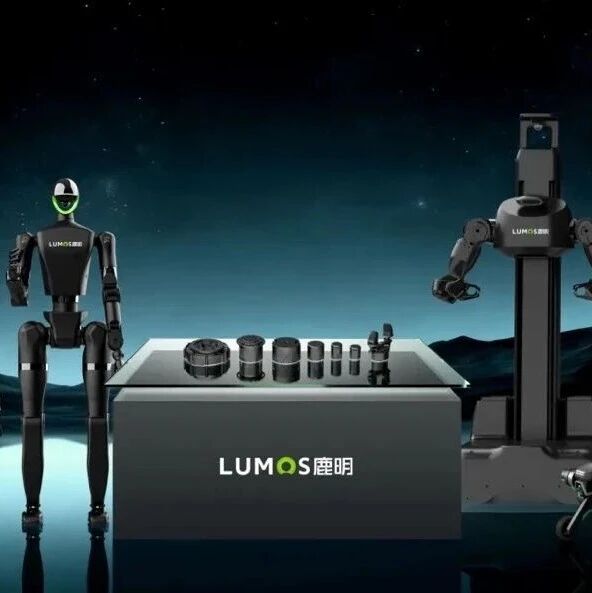
Group 1 - Zhongke Silicon Valley has completed a new round of strategic financing led by Huakong Fund, with participation from Nanjing Chuangtou, Taiya Capital, and Beijing Future Science City Fund, among others [1][2] - The financing will primarily be used for mass production of industry-level dexterous hand products, iteration of embodied small brain models, and expansion of industry application scenarios [2][3] - Zhongke Silicon Valley focuses on the research and development of hardware for robotic "upper limb" dexterous operations and system solutions, having been incubated from the Chinese Academy of Sciences since 2018 [2][3] Group 2 - The dexterous hand, as a key execution component, is transitioning from laboratory settings to real operational scenarios, with a consensus on the need for balanced performance in load, response speed, durability, and cost for high-quality dexterous hands [3][4] - The company launched the Casia Hand series at the World Robot Conference, covering four product directions: industrial, service, special, and consumer, with 100% localization of core components [3][4] - The Casia Hand series includes various models, such as a three-finger dexterous hand for household and service robots, and a high-speed hand for industrial applications, capable of joint angular speeds up to 720 degrees/second and over one million cycles of lifespan [4][5] Group 3 - The Casia Hand employs a rope-driven solution to balance degrees of freedom, load, and compliance, addressing common issues in engineering applications through the use of metal alloy ropes and redesigned tension control [5][6] - The company has developed a high-precision optical fiber sensing data glove to capture multi-joint movements of the human hand, facilitating control of dexterous hands or robotic arms while collecting operational data [6][8] - Zhongke Silicon Valley integrates dexterous hands with embodied small brain models, providing both basic control and action libraries, as well as advanced task understanding and reasoning capabilities through a larger brain model [8][9] Group 4 - The software delivery allows users to quickly deploy dexterous hands in sorting and assembly scenarios without starting from scratch on data collection and model training, significantly shortening development cycles [9][10] - Investors highlight the team's deep technical foundation from national research institutions and their effective commercialization capabilities, with expectations for the company to deepen core technologies and accelerate product commercialization [10][11] - The potential applications of the dexterous hands extend beyond research to significant industrial and household scenarios, indicating a strong market opportunity [11]