人力资源科技

Search documents
北森控股回购22.94万股股票,共耗资约188.62万港元,本年累计回购309.96万股
Jin Rong Jie· 2025-08-12 11:57
Company Overview - Beisen Holdings is a publicly listed company in Hong Kong, specializing in human resource technology solutions for enterprises [2] - The company offers integrated human resource management solutions, including talent assessment, recruitment management, performance management, and compensation management [2] - Beisen leverages cloud computing, big data, and artificial intelligence to enhance the efficiency and accuracy of human resource management, addressing the evolving business environment and talent market demands [2] Recent Stock Buyback Activity - On August 12, Beisen Holdings repurchased 229,400 shares at an average price of HKD 8.22 per share, totaling approximately HKD 1.8862 million [1] - The total shares repurchased this year amount to 3.0996 million, representing 0.44% of the total share capital [1] - The stock buyback is viewed as a sign of the company's confidence in its future prospects, potentially indicating that the current stock price is undervalued [1] - The buyback reduces the number of shares in circulation, which may enhance financial metrics such as earnings per share [1]
中国银河证券:下半年大模型技术有望进一步推动相关AI应用迭代发展
Xin Lang Cai Jing· 2025-08-07 00:09
Core Insights - The commercialization of AI+ education and human resources products in China is accelerating, with significant advancements expected in large model technology in the second half of the year [1] AI+ Education - Dou Shen Education's AI CLASS products, including Super Reading and Super Composition, achieved a Gross Merchandise Volume (GMV) of over 17.4 million by July 30 [1] - Fenbi's AI exam preparation product, launched in April, generated sales exceeding 14 million within two months, with the number of paid students surpassing 40,000, and annual sales projected to exceed 100 million [1] AI+ Human Resources - Keri International's He Wa platform introduced nine recruitment tools powered by AI 2.0, enhancing the recruitment process [1] - The Match System has been applied in various scenarios such as customer acquisition, talent search, and internal collaboration, with expectations for integration into the He Wa platform in the second half of the year [1] - The company leverages large model advantages in semantic understanding and information matching to automate repetitive tasks, significantly reducing recruitment cycles and improving job matching accuracy and efficiency [1] Future Outlook - With OpenAI and Deepseek set to release new large model technologies within the year, and continuous product iteration driven by user data accumulation, the AI+ education and human resources sectors are anticipated to transition from thematic investment to commercial realization [1]

易路董事长&CEO王天扬做客《虎嗅·AI无悖论》:AI于企业管理,是助力还是混乱
Sou Hu Cai Jing· 2025-08-04 11:45
Group 1 - The core viewpoint of the discussion revolves around the transformative impact of AI on enterprise management, emphasizing both opportunities and challenges [1] - AI is significantly enhancing individual productivity through applications like meeting minutes generation and standardized report creation, which are becoming standard tools in many departments [2][3] - The emergence of roles such as Chief AI Officer (CAIO) indicates a strategic shift in organizations, reflecting the importance of AI in future competitiveness and the need for systematic management of AI initiatives [3][6] Group 2 - The evolution of job structures due to technological advancements is a common trend, with AI expected to replace certain roles while creating new ones, similar to past industrial revolutions [4][11] - AI Agents are being integrated into various management processes, such as HR, where they streamline tasks from recruitment to employee management, enhancing decision-making efficiency [7][9] - The introduction of AI is leading to organizational flattening and the reduction of middle management roles, although this trend should not be solely attributed to AI [10][11] Group 3 - AI is expected to challenge traditional management practices by increasing information transparency and employee capabilities, necessitating a shift in management styles [15][16] - Companies must address employee concerns about job security due to AI by fostering a culture of collaboration and providing incentives for embracing AI [17][19] - The management of data ethics and security is crucial, particularly in mitigating risks associated with shadow AI, which arises when employees use external AI tools without oversight [21][23] Group 4 - Small and medium-sized enterprises (SMEs) can leverage AI to enhance management efficiency and accelerate digital transformation, but they must remain focused on their core business strategies [25][26] - The future of management will involve a collaborative approach between human and AI agents, requiring clear roles and performance metrics for AI within organizational structures [27][29] - The changing landscape will necessitate a redefinition of trust mechanisms among humans and machines, ensuring that human decision-making remains central to ethical and compliant AI operations [28][29]


老板,AI不是“裁员工具”
虎嗅APP· 2025-07-24 13:43
Core Viewpoint - Many companies view AI as a tool for cost reduction and efficiency improvement, but it represents a systemic change in management thinking rather than just a simple efficiency tool [1][2]. Group 1: Impact of AI on Organizational Structure - AI's influence on management is expanding from individual tasks to organizational structures, with significant efficiency improvements observed in repetitive tasks [3][5]. - The emergence of roles like Chief AI Officer (CAIO) indicates a strategic focus on AI as a key component of future competitiveness and a move towards systematic management of AI applications [5][6]. - The evolution of job structures due to AI is a natural response to technological advancements, similar to past industrial revolutions [5][11]. Group 2: AI Agents and Management Transformation - AI Agents are impacting various management functions, such as HR, by automating processes and enhancing decision-making efficiency [7][8]. - While AI can provide valuable insights, final decisions must remain with humans due to ethical and managerial responsibilities [8][9]. - The integration of AI into management practices requires a deep understanding of its capabilities and limitations [8][10]. Group 3: Employee Engagement and Cultural Shift - Companies need to address employee concerns about AI potentially replacing jobs by positioning AI as a tool to enhance productivity rather than a threat [16][17]. - Effective employee engagement strategies include training and creating a culture that embraces AI, ensuring employees feel empowered rather than threatened [17][18]. - The focus should be on improving employee experience and demonstrating the benefits of AI to encourage adoption [19]. Group 4: Data Ethics and Compliance - Shadow AI represents a management challenge that requires organizations to establish clear guidelines and training to mitigate risks associated with unauthorized AI usage [20][21]. - Companies should develop internal AI platforms to ensure compliance and data security while allowing employees to leverage AI tools effectively [21][22]. Group 5: Opportunities for Small and Medium Enterprises (SMEs) - SMEs can leverage AI to enhance management efficiency and accelerate digital transformation, allowing them to compete with larger firms [24][25]. - The key to success lies in aligning AI initiatives with business objectives and maintaining an open mindset towards external collaborations [24][25]. Group 6: Future of Human-AI Collaboration - The future will see a coexistence of human and AI agents, necessitating new management practices to integrate AI into organizational processes [25][26]. - Trust mechanisms between humans and AI will become central to organizational design, ensuring ethical and compliant AI operations [26][27].

AI无悖论中欧第二期
Hu Xiu· 2025-07-24 12:12
Core Insights - Many business founders aim to leverage AI for cost reduction and efficiency improvement, but AI represents a systemic transformation in management thinking rather than just a simple efficiency tool [1] - The introduction of AI requires clear strategic positioning, organizational diagnosis, and infrastructure readiness; otherwise, it may disrupt existing order rather than deliver expected results [1] Group 1: Impact of AI on Organizational Structure - AI's influence on enterprise management is expanding from individual tasks to organizational structure [2] - Many companies are establishing positions like Chief AI Officer (CAIO) to emphasize the strategic importance of AI and to transition from decentralized applications to systematic management [3] - The emergence of CAIO roles indicates that companies view AI as a key component of future competitiveness [7] Group 2: Transformation of Management Models - AI is driving a shift from individual efficiency to organizational process optimization [4] - The evolution of job structures due to technological advancements is a common pattern observed since the Industrial Revolution, with AI expected to replace some roles while creating new ones [6] - AI Agents are impacting various management functions, such as HR, by automating processes and enhancing decision-making efficiency [9] Group 3: Employee Engagement and Cultural Change - Companies need to address employee resistance to AI by fostering a culture that emphasizes collaboration between humans and AI [17] - Clear communication about AI's purpose—such as enhancing productivity rather than merely reducing headcount—is essential for alleviating employee concerns [18] - Providing both material and non-material incentives, along with a supportive infrastructure, can encourage employees to embrace AI [19] Group 4: Data Ethics and Compliance - Shadow AI, or the unauthorized use of external AI tools by employees, poses data security risks and requires a structured management approach [21] - Companies should create internal AI platforms to ensure compliance and data security while allowing employees to utilize AI effectively [23] Group 5: Opportunities for Small and Medium Enterprises (SMEs) - SMEs can leverage AI to enhance management professionalism and resource allocation efficiency, potentially achieving competitive advantages [26] - AI democratizes access to knowledge and technology, enabling smaller firms to compete with larger enterprises [26] Group 6: Future of Human-AI Collaboration - The future will see a coexistence of carbon-based and silicon-based entities, necessitating new management strategies for AI Agents [27] - Organizations must redefine roles and trust mechanisms among humans and machines to ensure ethical and compliant AI operations [28]

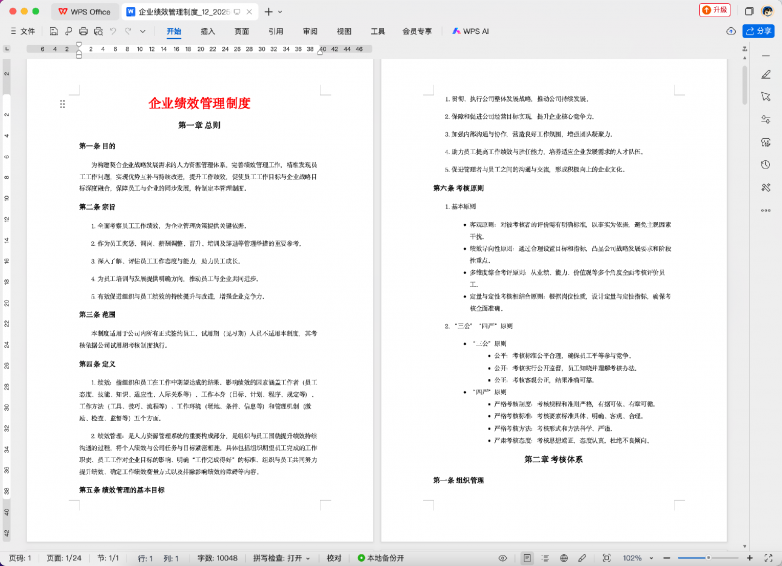
AI破局绩效管理:HRrule一键生成绩效制度与考核表,四维模型自由切换
Cai Fu Zai Xian· 2025-07-10 06:32
Core Insights - The article highlights the challenges faced by HR departments in performance management, emphasizing the inefficiencies of traditional assessment methods and the need for digital transformation in this area [1][2] Group 1: Pain Points in Performance Management - 72% of HR professionals spend over 40% of their work time on designing assessment forms, breaking down indicators, and collecting data, indicating a significant inefficiency in traditional methods [2] - Three main issues are identified: outdated systems, formalized assessments that do not match job characteristics, and data silos that disconnect assessment results from talent development and compensation [2] - HR departments often spend months designing performance assessment forms, only to abandon them due to execution challenges [2] Group 2: HRrule Solution - HRrule, launched by Jike Academy, offers an AI-driven platform that provides a comprehensive solution for performance management, enabling one-click generation of performance management systems and assessment forms [1][3] - The platform ensures compliance and strategic alignment by automatically adapting to the latest labor regulations and generating frameworks based on corporate annual strategies [3] - HRrule features four assessment models (KPI, OKR, BSC, 360-degree) that can be freely switched to match job characteristics, enhancing the precision of performance evaluations [6] Group 3: Future Outlook - HRrule is expanding its capabilities beyond performance management to include features like generating employee handbooks, job descriptions, talent profiles, and interview evaluation forms [7] - Future iterations of HRrule will incorporate predictive analytics to forecast changes in job competency needs and identify organizational management risks based on employee performance fluctuations [7] - The AI-driven revolution in performance management is set to redefine the concept of "human efficiency," allowing HR professionals to focus on higher-value tasks [7]
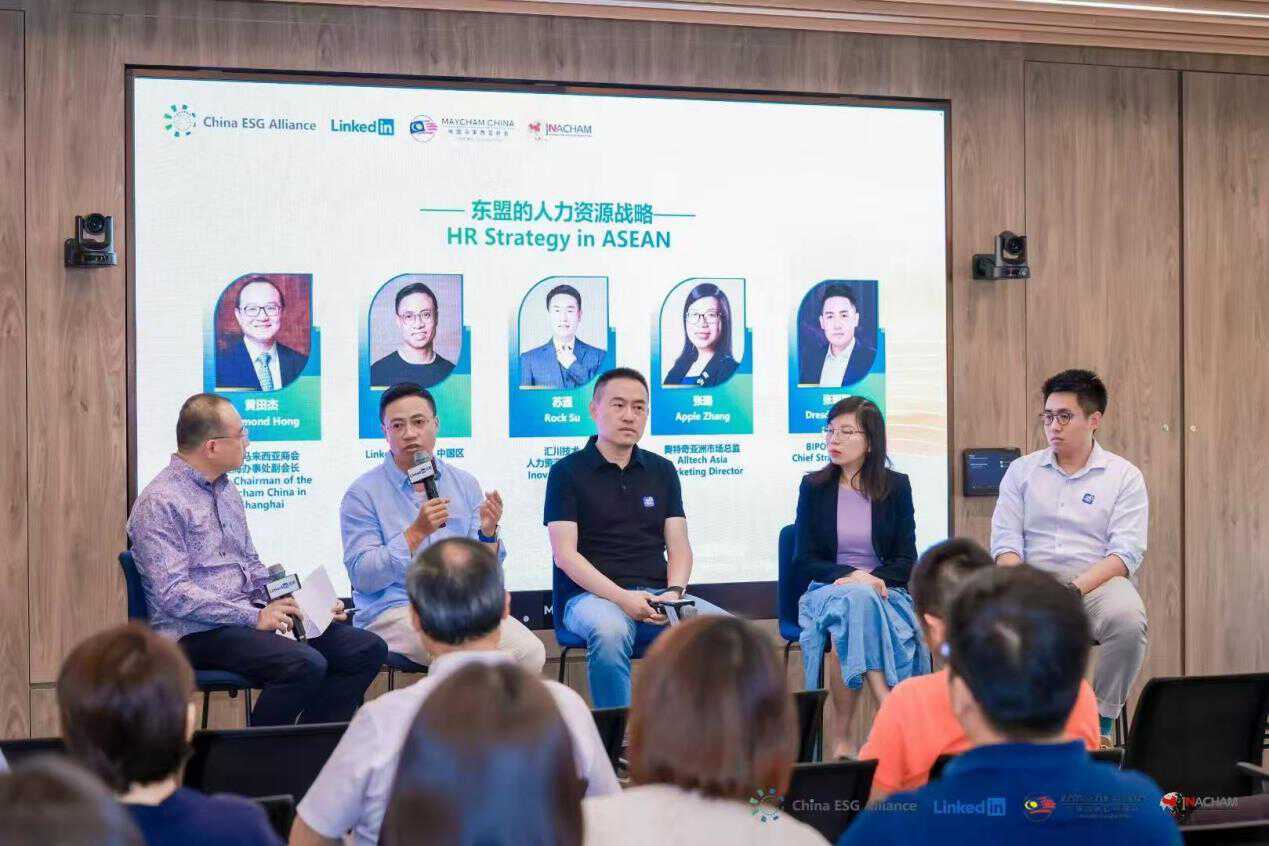
BIPO参与中国制造业出海马来西亚与印度尼西亚战略峰会,共话东盟人才布局与合规挑战
Sou Hu Cai Jing· 2025-07-08 07:59
Core Insights - BIPO participated in a strategic summit focused on the globalization of the manufacturing industry in Malaysia and Indonesia, addressing talent challenges and compliance pathways for companies expanding overseas [1][3] Company Overview - BIPO, founded in 2010, is a global one-stop human resources service provider headquartered in Singapore, with a service network covering over 170 countries and regions [7] - The company has established more than 50 self-operated offices worldwide, assisting enterprises in achieving rapid globalization [7] Services Offered - BIPO provides a comprehensive range of services including: - Employer of Record (EOR) services, allowing companies to legally employ staff without establishing a local entity [5] - Global Payroll Outsourcing, ensuring accurate payroll processing across multiple currencies and tax systems [5] - HR Management System (HRMS) that integrates various HR functions such as onboarding, attendance, and payroll management [5] - Contractor management services to support flexible employment for platform and project-based companies [5] - Visa and local compliance consulting to assist with work permits and labor policies [5] Strategic Focus - BIPO aims to deepen its service capabilities in the manufacturing sector's overseas expansion, leveraging local resources and global technology platforms to support Chinese companies in compliant and efficient international operations [6]
专访丨伦敦发展促进署CEO西特伦:很多中国科技企业正把伦敦作为拓展欧洲市场的门户
Di Yi Cai Jing· 2025-06-10 11:22
Core Viewpoint - Many exciting Chinese tech companies are choosing London as their gateway to expand into the European market [1] Group 1: London as a Tech Hub - London Tech Week has attracted over 30,000 participants from nearly 130 countries to discuss hot topics like generative AI and quantum computing [1] - London is positioned as a crucial part of the global tech ecosystem and acts as a bridge between major countries, particularly between China and the US [3] - The UK ranks third globally in tech strength, following the US and China, and has strong collaborations with nearby cities like Paris [3] Group 2: Innovation and Commercialization - The UK has top-tier scientific research capabilities, with prestigious universities like Oxford and Cambridge contributing to innovation [3] - There has been a slow pace in commercializing research into large enterprises over the past decade, but this is changing [4] - A wave of innovative companies from the UK is expected to emerge in the next three to five years due to increased focus from various stakeholders [5] Group 3: Globalization and Market Entry - UK companies must adopt a global mindset early on due to the smaller domestic market size compared to China and the US [5] - Localizing products and teams is crucial for international expansion, as success in one market does not guarantee success in another [6] - Building a unified corporate culture across different continents is one of the biggest challenges for international founders [6] Group 4: Support for Chinese Tech Companies - The London & Partners organization offers support to Chinese investors and entrepreneurs looking to establish tech companies in London [7] - Assistance includes simplifying processes related to immigration, taxation, and legal entity registration, as well as building key networks [7] - Recent examples of Chinese companies entering the London market include BIPO, HanShuo Technology, and Honor [7]

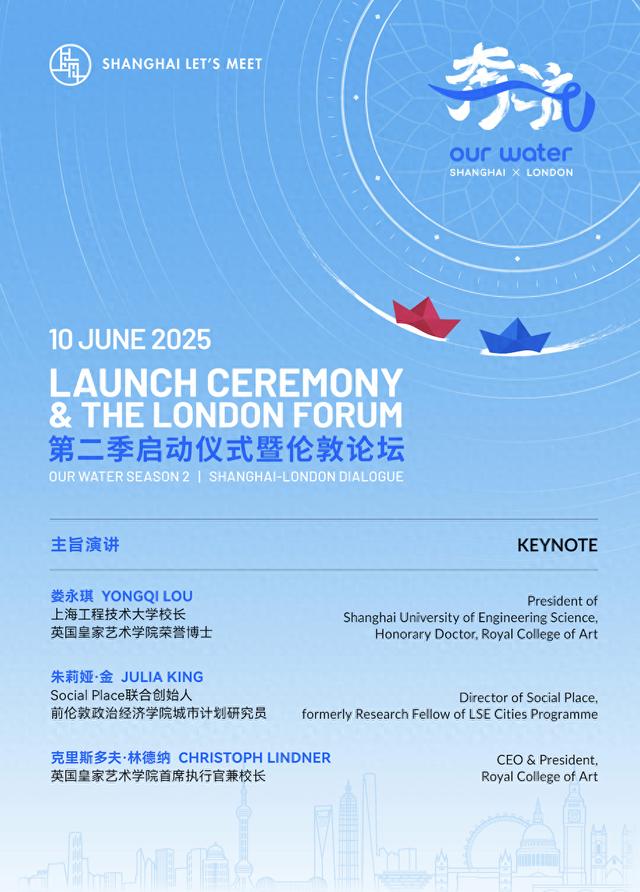
中英嘉宾齐聚泰晤士河畔,共绘“零碳水岸”新图景
Xin Lang Cai Jing· 2025-06-10 01:32
Group 1 - The event "International Day of Civilizational Dialogue" and the launch of the second season of "Flow" will take place on June 10 in London, focusing on sustainable development prospects between Shanghai and London [1] - The London Forum will center around the theme of "Zero Carbon Waterfront," featuring keynote speeches and two roundtable discussions [1] - Keynote speakers include prominent figures such as Lou Yongqi, Christoph Lindner, and Julia King, who will discuss urban innovation driven by waterfront renewal [1][10][12][14] Group 2 - The roundtable discussions will address topics related to finance and creative innovation, featuring notable guests like Wu Chen, Li Ge, and Sallianne Taylor [2][16][18][21] - The event is guided by the Shanghai Municipal Government's Information Office and supported by various organizations, including SPDB and Ernst & Young [2] - The second season of "Flow" aims to foster cultural dialogue and mutual learning between China and the UK, with a focus on waterfront cities [2][25]
速递|华裔创办的120亿美元独角兽公司深陷商业间谍丑闻:Deel高管离职,与Rippling法律战升级核心事件:
Z Finance· 2025-04-05 03:20
Core Viewpoint - Deel, a human resources technology startup valued at $12 billion, is embroiled in a corporate espionage scandal, leading to the resignation of its communications chief, Elisabeth Diana [1][2]. Group 1: Company Background - Deel was co-founded by Alex Bouaziz and Wang Shuo, with Wang being a Chinese entrepreneur who studied at MIT [1]. - The company is currently facing legal disputes with competitor Rippling, which has accused Deel of hiring its employees for espionage activities [1][2]. Group 2: Recent Developments - A former Rippling employee, Keith O'Brien, submitted a sworn statement alleging that Deel's CEO, Alex Bouaziz, offered him $6,000 per month to spy on Rippling [2]. - O'Brien claimed Bouaziz compared him to a 007 agent and suggested destroying evidence, including smashing his phone [2]. - Deel's spokesperson has denied these allegations, labeling them as baseless and accusing Rippling of using litigation as a business strategy [2]. Group 3: Implications and Future Outlook - The ongoing legal battle is expected to reveal more details regarding the espionage claims, which could significantly impact Deel's valuation if the allegations are proven true [3].