低空产业

Search documents
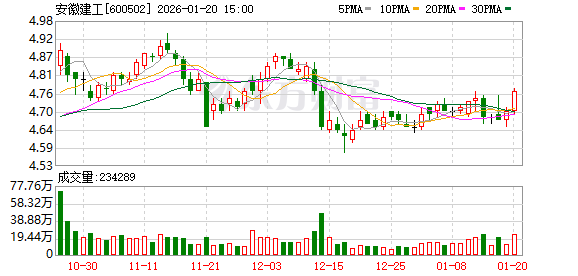
安徽建工:安徽省低空科技发展有限公司于2025年12月成立
Zheng Quan Ri Bao· 2026-01-20 13:17
Core Viewpoint - Anhui Construction has established a joint venture, Anhui Low-altitude Technology Development Co., Ltd., with a municipal enterprise in Hefei to focus on low-altitude industry investments and services [2] Group 1: Company Overview - The newly formed company will engage in low-altitude industry investment, logistics transportation, infrastructure construction, technology research and development, and innovation service base operations [2] - Anhui Low-altitude Technology Development Co., Ltd. was established in December 2025, indicating a future-oriented approach to low-altitude services [2] Group 2: Business Focus - The company aims to provide a range of services including low-altitude logistics, infrastructure development, and extended service offerings in the low-altitude sector [2] - Future business developments will be disclosed in the company's periodic reports and other relevant announcements, ensuring transparency and investor awareness [2]


“十四五”落地亿元以上招商项目超4000个!广州挺起产业发展硬脊梁
Zhong Guo Jing Ji Wang· 2026-01-20 13:16
Core Viewpoint - Guangzhou is actively promoting the construction of a modern industrial system during the "14th Five-Year Plan" period, focusing on enhancing traditional industries and developing emerging sectors, particularly in advanced manufacturing and digital economy [1][2][3] Group 1: Industrial Development - Guangzhou aims to establish a "12218" modern industrial system, facilitating the expansion of existing industries and attracting new investments, with over 4,000 projects worth over 100 million yuan each [1] - The city has successfully promoted the digital transformation of 5,300 industrial enterprises and established four national-level advanced manufacturing clusters and two strategic emerging industry clusters [1] - Key sectors such as autonomous driving, biomedicine, low-altitude industries, and new displays are ranked among the top in the country [1] Group 2: Digital Economy and AI - Significant progress has been made in the digital economy, including the establishment of an artificial intelligence public computing power center and two national AI application pilot bases [1] - Guangzhou has implemented a "four-coupon linkage" mechanism involving computing power, data, scenario, and model coupons, and has recognized 33 national-level 5G factories [1] - The city plans to focus on AI as a key variable, launching initiatives to enhance computing power infrastructure and develop high-quality data sets [3] Group 3: Future Industries - Guangzhou is committed to revitalizing traditional industries while fostering new and future industries, including smart construction and industrialized building [2] - The city is exploring applications for intelligent connected vehicles and developing low-altitude industry ecosystems [2] - The Huangpu District is focusing on new energy vehicles, biomedicine, and low-altitude economies, aiming to enhance strategic emerging industries and support technological advancements [2]
年可飞行超300天 云南推动低空产业“有序起飞”
Zhong Guo Xin Wen Wang· 2026-01-14 12:53
Core Viewpoint - Yunnan Province is promoting the low-altitude economy as a strategic emerging industry, leveraging its geographical and airspace advantages to ensure safe and orderly development of the sector [1][2] Group 1: Industry Development Strategy - Yunnan aims to develop a modern industrial system by focusing on low-altitude economic growth, which includes enhancing industrial foundations, diversifying application scenarios, improving support systems, and expanding international cooperation [1] - The province plans to establish itself as a hub for highland drone manufacturing, a base for diverse low-altitude applications, and an export center for low-altitude equipment [1] Group 2: Operational Goals and Projections - By 2025, Yunnan expects to achieve over 2 million hours of drone flights and more than 20,000 hours of general aviation flights, with established applications in agricultural protection and monitoring, and expanding into low-altitude logistics and tourism [1] - The province will focus on attracting industrial-grade drone manufacturers and key component suppliers to develop low-altitude manufacturing and supporting industries in designated economic zones [1] Group 3: Innovation and Application Scenarios - Yunnan will systematically promote innovative applications in low-altitude operations, logistics, tourism, emergency response, and inspection, using cities like Kunming and Qujing as pilot areas [2] - The province plans to create a series of large-scale application scenarios and invite global submissions for typical case studies [2] Group 4: Support and Infrastructure - Yunnan intends to build a provincial-level low-altitude intelligent network system, establish a collaborative management mechanism for military and civilian low-altitude airspace, and set up an industrial fund to attract social capital [2] - These measures aim to solidify the foundation for safety and development in the low-altitude sector [2] Group 5: International Expansion - The province will support local low-altitude manufacturing companies in exploring markets in highland regions and neighboring countries, encouraging provincial enterprises to provide airspace planning and route design services [2] - Yunnan aims to promote the export of low-altitude equipment and technical standards internationally [2]
低空行业政策前瞻
2026-01-07 03:05
Summary of Low Altitude Economy Conference Call Industry Overview - The low altitude economy is overseen by the Central Air Traffic Control Commission, the National Development and Reform Commission's Low Altitude Economy Department, and the Ministry of Public Security. The policy documents from Shanghai are considered to be of a lower tier [1][2] - The target for the core industry of the low altitude economy in Shanghai is set at 80 billion yuan by 2028, which requires an investment of 8 billion yuan. This target is viewed with cautious optimism as it currently lacks realistic support [1][2] Core Points and Arguments - The core industries of the low altitude economy include: 1. Physical space release (airspace management) 2. Information platforms supporting industry operations 3. Infrastructure construction 4. Manufacturing and application scenarios [2] - Support for eVTOL drones is capped at 100 million yuan, which is deemed insufficient for large aircraft that require tens of billions for production and airworthiness [1][2] - The development of the low altitude economy is slow due to a lack of understanding among management and industry personnel. The government is committed to promoting this sector, but there are significant cognitive barriers to overcome [1][3] - Public fear regarding the safety of low altitude flights is a major bottleneck, necessitating improved public awareness and psychological readiness [1][5] - The current classification policies for the low altitude industry are temporary and not well understood, which hinders development [5] Important but Overlooked Content - The integration of low altitude data and safety issues should not be the sole focus; instead, the industry must first address flight conditions and locations before discussing data collection and application [6][7] - The application of satellite technology in low altitude economy is currently limited due to technical challenges, and there is a need to rely on other reliable data sources, such as meteorological services [8][9] - The future of the low altitude economy is expected to be driven by the younger generations (post-00s and post-10s), who will bring innovative changes to various industries [14] - The core competitiveness of companies in airspace planning lies in their ability to integrate ground and air planning, which is currently a challenge [15] Future Trends - The low altitude economy is anticipated to transform production and operational modes across various industries, similar to the impact of the internet [13][14] - The development of low altitude insurance is crucial for addressing safety concerns and clarifying liability, which could alleviate pressure on government entities [12] This summary encapsulates the key insights and discussions from the conference call regarding the low altitude economy, highlighting both the potential and the challenges faced in this emerging sector.
甘肃“十五五”规划建议:聚焦打造综合性商业航天母港 发展壮大航空航天产业
Mei Ri Jing Ji Xin Wen· 2025-12-29 00:57
Core Insights - The Gansu Provincial Committee of the Communist Party of China has released recommendations for the 15th Five-Year Plan, emphasizing the development of strategic emerging industries [1] Group 1: Strategic Emerging Industries - The plan aims to strengthen and expand strategic emerging industries through the implementation of industrial innovation projects and large-scale application demonstrations of new technologies, products, and scenarios [1] - A focus will be placed on advanced basic materials and key strategic materials, transitioning raw material production areas into new material bases [1] Group 2: Biopharmaceuticals and Medical Devices - The strategy includes a dual focus on pharmaceuticals and medical devices, promoting both generic and innovative drugs, with key development directions in biopharmaceuticals, chemical drugs, high-end medical devices, nuclear medicine, medical aesthetics, modern traditional Chinese medicine, and food-medicine homology [1] - The goal is to shift biopharmaceuticals from a single product leadership to multi-field competition [1] Group 3: Low-altitude Industry Development - The plan outlines a comprehensive approach to low-altitude airspace reform, infrastructure construction, equipment manufacturing, and application scenario development, fostering the entire industry chain of drone research, manufacturing, maintenance, application, and services [1] - Development of the low-altitude industry will be tailored to local conditions, ensuring a steady and orderly growth [1] Group 4: Aerospace Industry - The strategy includes the creation of a comprehensive commercial aerospace hub, relying on the construction of commercial rocket launch and recovery sites to expand the aerospace industry [1]
以“新”助新以“合”聚力 广东发布低空金融“十二条”
Xin Lang Cai Jing· 2025-12-27 00:10
Core Viewpoint - The Guangdong Financial Regulatory Bureau, in collaboration with multiple financial and regulatory bodies, has introduced the "Twelve Measures for Financial Support of Guangdong's Low Altitude Economy Cluster Development," aiming to enhance financial services for the rapidly growing low altitude economy in Guangdong, which has already surpassed a production value of 100 billion yuan [1][2]. Group 1: Financial Support and Development - The low altitude economy in Guangdong has seen significant growth, with core enterprises' financing scale nearing 50 billion yuan, accounting for approximately 60% of the national financing scale in this sector [1]. - The introduction of specialized financial products, such as "Science and Technology Innovation Loans" and "Innovation Points Loans," by 50 technology branches reflects the optimization of bank credit products tailored for low altitude economy enterprises [1][2]. Group 2: Policy Innovations - The "Twelve Measures" emphasize inclusive regulation and differentiated regulatory incentives for beneficial financial explorations in the low altitude economy, focusing on medium to long-term evaluations and appropriate regulatory tolerance for phase risks [2]. - The establishment of specialized service departments or teams within financial institutions is encouraged to develop targeted financial products for the low altitude economy [2]. Group 3: Collaborative Ecosystem - The "Twelve Measures" aim to enhance collaboration among government, financial institutions, and enterprises to address challenges such as information asymmetry and high trial costs in the low altitude economy [3]. - Financial institutions are encouraged to deepen internal and external cooperation, promoting integrated service models and enhancing cross-border financial services in the Greater Bay Area [3]. Group 4: Policy Synergy - Continuous engagement and information sharing between industry and financial regulatory departments are emphasized to create a comprehensive understanding of low altitude economy enterprises, improving the precision and effectiveness of financial services [4].
广东出台低空金融“十二条” 支持低空经济集群发展
Zhong Guo Xin Wen Wang· 2025-12-25 12:13
Core Viewpoint - Guangdong has introduced the "Twelve Measures for Financial Support of Low-altitude Economy" to empower the development of a comprehensive and specialized financial service system for the low-altitude industry [1][2] Group 1: Policy and Framework - The "Twelve Measures" aim to create a financial service system that supports the large-scale development of the low-altitude economy [1] - The initiative is a collaboration among seven departments, including the Guangdong Financial Regulatory Bureau and the People's Bank of China Guangdong Branch [1] Group 2: Industry Development - Guangdong has established a complete low-altitude economic industrial chain, with over 15,000 related enterprises, accounting for more than 30% of the national total [1] - The output value of Guangdong's low-altitude economy has surpassed 100 billion RMB, with core enterprise financing reaching nearly 50 billion RMB, representing about 60% of the national total [1] Group 3: Financial Support Mechanisms - The "Twelve Measures" will explore differentiated regulatory incentives and encourage financial institutions to develop targeted financial products for the low-altitude sector [2] - Financial institutions are encouraged to actively participate in expanding the scale of Guangdong's low-altitude industry fund and to provide resource preferences for high-quality low-altitude enterprises supported by government subsidies [2]
核心企业投融资近500亿!广东出台低空金融“十二条”
2 1 Shi Ji Jing Ji Bao Dao· 2025-12-25 07:17
Group 1 - The first Guangdong-Hong Kong-Macao Greater Bay Area Low Altitude Economy High-Quality Development Conference was held in Guangzhou on December 25 [1] - The Guangdong Financial Regulatory Bureau, along with six other departments, issued the "Notice on Financial Support for the Development of Guangdong's Low Altitude Economic Cluster," focusing on the financial needs of the low altitude economy [3] Group 2 - Core enterprises in the low altitude economy have raised nearly 50 billion yuan, accounting for about 60% of the national total [4] - Financial services are adapting to the unique characteristics of low altitude economy enterprises, which are "light asset, high growth, high risk, and long return cycle" [4] - The Guangdong financial regulatory authorities are promoting a multi-layered and full-chain expansion of financial supply to meet the needs of low altitude economy enterprises [4] Group 3 - The low altitude insurance system is being improved, with the introduction of the first dedicated technology insurance clause for low altitude aircraft and a comprehensive insurance service system [4] - By the third quarter of 2025, insurance institutions in Guangdong are expected to provide over 325 billion yuan in insurance coverage for low altitude economy-related enterprises [4] Group 4 - The "New, Full, and Combined" low altitude financial service ecosystem aims to enhance financial supply quality and efficiency, addressing the pain points of financial support for low altitude industry clusters [6] - The twelve measures proposed in the low altitude financial guidelines focus on mechanism construction, product service supply, collaborative interaction, and supporting guarantees [6][7] - The financial service system is being designed to meet the urgent demands of the low altitude industry, with a focus on creating a professional financial service framework [7]
广东推金融十二条,“放飞”低空经济!投融资规模占全国六成
Nan Fang Du Shi Bao· 2025-12-25 06:38
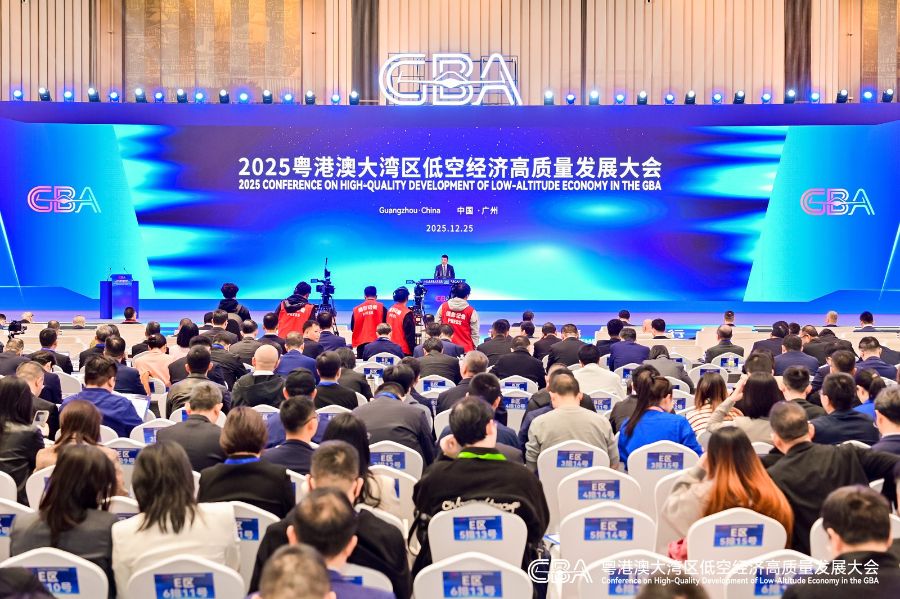
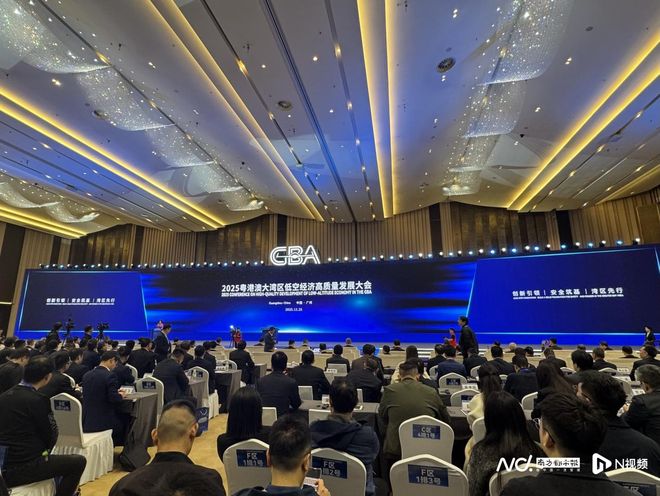
Group 1 - The Guangdong-Hong Kong-Macao Greater Bay Area Low Altitude Economy High-Quality Development Conference was held on December 25, 2025, focusing on the development of the low altitude economy, which is expected to inject strong momentum into a trillion-level new sector [1] - The Guangdong Financial Regulatory Bureau and six other departments introduced twelve financial support measures for the development of low altitude economic clusters, aiming to meet the financial needs of the low altitude economy [1][5] Group 2 - The low altitude economy in Guangdong has rapidly developed, with its output value surpassing 100 billion yuan, and the investment and financing scale of core enterprises reaching nearly 50 billion yuan, accounting for about 60% of the national total [3] - The insurance scale for the low altitude economy has exceeded 325 billion yuan, with compensation expenditures nearing 150 million yuan, covering various application scenarios such as urban air transport and emergency rescue [4] Group 3 - The twelve measures introduced by the Guangdong Financial Regulatory Bureau emphasize a systematic support system focusing on mechanism construction, product service supply, collaborative linkage, and supporting guarantees to enhance the quality and efficiency of financial supply [5][6] - The measures aim to create a specialized financial service system, support the entire lifecycle of low altitude enterprises, and encourage financial institutions to develop targeted financial products [6][7] Group 4 - The initiative encourages collaboration among financial institutions to shift from single service models to comprehensive service models, enhancing cooperation with Hong Kong and Macao financial institutions [7] - The implementation of the "Twelve Measures for Low Altitude Finance" is expected to provide strong financial momentum for the growth of the low altitude economy in Guangdong [8]
广东发布低空金融“十二条”,助力千亿低空经济“腾飞”
Sou Hu Cai Jing· 2025-12-25 05:05
Core Viewpoint - The Guangdong government is accelerating the development of the low-altitude economy, with a focus on financial support through the "Twelve Measures for Financial Support of Guangdong's Low-altitude Economic Cluster" to address industry pain points and promote growth [2][3]. Group 1: Financial Support Measures - The "Twelve Measures" propose 12 initiatives focusing on mechanism construction, product service supply, collaborative interaction, and supporting guarantees to enhance financial support for the low-altitude industry [2]. - Financial institutions are encouraged to explore differentiated regulatory incentives and provide appropriate regulatory tolerance for beneficial financial explorations in the low-altitude economy [3]. - The establishment of specialized service departments or teams within financial institutions is encouraged to better serve the low-altitude economy, leveraging technological innovations [3]. Group 2: Financial Supply Matrix - The current financial supply is insufficient compared to the rapidly growing financing needs of the low-altitude industry, prompting the need for a comprehensive financial supply matrix [5]. - Financial institutions are encouraged to develop targeted financial products covering the entire lifecycle of low-altitude enterprises, from research and development to operation and insurance [5][6]. - Support for differentiated investment in low-altitude economic projects is emphasized, particularly for "hard technology" projects in the early stages of development [5]. Group 3: Industry Chain and Application Scenarios - Financial institutions are urged to support key enterprises in the low-altitude industry chain, facilitating access to capital markets and encouraging mergers and acquisitions [6]. - The focus is on empowering various application scenarios within the low-altitude economy, such as emergency rescue, urban governance, and logistics, by developing specialized credit and insurance products [6]. - The establishment of a "whitelist" for key low-altitude enterprises is proposed to enhance collaboration among government, financial institutions, and enterprises [9]. Group 4: Policy Tools and Collaboration - Financial institutions are encouraged to participate in expanding the scale of Guangdong's low-altitude industry fund and utilize structural monetary policy tools to support quality low-altitude enterprises [10]. - There is a call for enhanced collaboration between industry and financial regulatory departments to improve information sharing and establish a comprehensive support system for the low-altitude economy [10]. - The Guangdong Financial Regulatory Bureau plans to monitor the implementation of these measures and adapt policies to meet the evolving needs of the low-altitude economy [10].