
文旅融合

Search documents
怀柔区2026文旅融合发展推介大会举办
Xin Lang Cai Jing· 2026-01-22 14:03
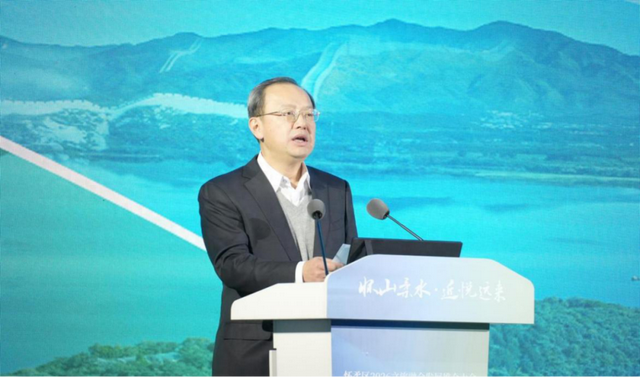
1月22日,怀柔区举办2026文旅融合发展推介大会。大会以"怀山柔水 近悦远来"为主题,搭建"活动发 布、项目签约、政策出台、成果展示、智力支撑"五位一体的大文旅发展交流平台,发布四季文旅活 动、文旅融合支持政策,签约战略合作项目,三大创新平台揭牌,成立怀柔文旅高质量发展高端智库。 专家学者、旅行社、平台企业、旅游协会等400余人,共同擘画"一核两带三区九片"文旅发展新格局, 打造"北京最北、怀柔最美"城市品牌。 市委副秘书长孙文锴,市文化和旅游局党组书记、局长郭怀刚,区委书记张强分别致辞。区委副书记、 区长梁爽,区委副书记、区委政法委书记莫剑彬参加。 孙文锴说,党的二十届四中全会对推进乡村全面振兴、建设宜居宜业和美乡村作出了明确部署。北京市 坚决贯彻落实党中央决策部署,锚定"四个中心"城市战略定位,将乡村旅游作为促进城乡融合、推动乡 村振兴的关键抓手,系统实施"百千工程",着力构建"大城市带动大京郊、大京郊服务大城市"的发展新 格局。怀柔区是首都功能重要承载地、国家全域旅游示范区,也是首都推动乡村旅游高质量发展的重点 区域。近年来,怀柔立足"一城两都"功能优势与"山水林田"生态本底,积极探索文旅融合赋能乡村 ...

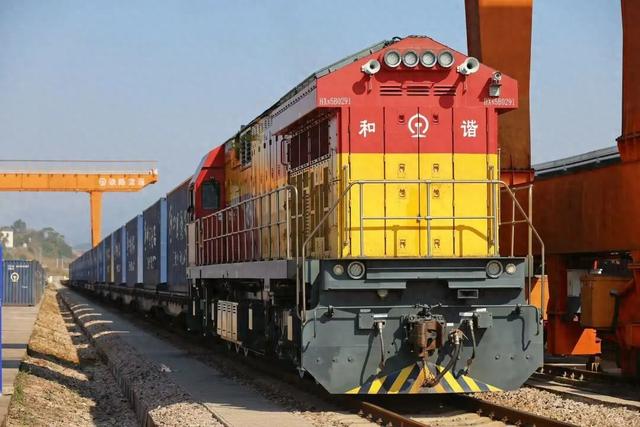
咖啡豆专列,发车!
Bei Jing Ri Bao Ke Hu Duan· 2026-01-17 13:32
Core Viewpoint - The launch of the first coffee bean freight train from Yunnan to Fujian via the China-Laos Railway marks a significant development in the transportation of Yunnan's coffee, enhancing efficiency and reducing costs [1][3][12]. Group 1: Transportation Efficiency - The freight train carried 22 containers, totaling 682 tons of coffee beans, covering a distance of approximately 2,834 kilometers, with a delivery time of 3 days, which is 4 days shorter than previous road transport methods [3]. - The railway transport ensures the freshness and quality stability of coffee beans, providing a more controlled and cost-effective shipping solution [12]. Group 2: Coffee Industry in Yunnan - Yunnan is a major coffee-producing region in China, particularly the Pu'er area, known for its optimal growing conditions and high-quality coffee beans, which have gained recognition among domestic and international consumers [5]. - The coffee harvest season is currently underway, with coffee beans being processed and prepared for market [7]. Group 3: Economic Opportunities - The operation of the coffee freight train opens new opportunities for the Yunnan coffee industry, facilitating efficient and stable transportation for highland specialty agricultural products [13]. - The integration of "railway + coffee" is creating a new economic growth model, contributing to rural revitalization and transforming local communities [21]. Group 4: Tourism and Cultural Integration - The China-Laos Railway is not only a freight corridor but also a link for cultural and tourism resources, with a new "railway + coffee" tourism model emerging [16]. - A new immersive coffee tourism experience is being developed, allowing travelers to participate in coffee processing and tasting, attracting more visitors to the region [23].
引新聚势 兴业活城
Xin Lang Cai Jing· 2026-01-16 23:10
Core Insights - The event held on January 16 in Hu'an County focused on promoting modern agricultural services and enhancing consumer engagement through collaboration among entrepreneurs, business associations, and influencers [1][2] - Hu'an County is undergoing a critical economic transformation, with modern agricultural services being a key component of its "four-wheel drive" strategy aimed at urban-rural integration and revitalizing the local economy [1] Investment and Development - The establishment of the Hu'an Modern Agricultural Service Industry Development Zone is set for October 2025, centered around Huafeng Town, and aims to create a high-quality, vibrant county [1] - A total of 22 projects were signed during the event, with a total investment of 2.333 billion yuan, covering modern agriculture, services, and cultural tourism, which will inject strong momentum into the development of Hu'an's modern agricultural services [1] Innovation and Collaboration - The Hu'an government has partnered with the Fujian Academy of Agricultural Sciences to establish the "Hu'an Qinghua Gui Joint Innovation Center" to accelerate the innovative development of rare tree species and specialty Chinese medicinal materials [1] - The event included a theme sharing session on e-commerce opportunities, focusing on local policies, digital agriculture, and AI's role in e-commerce, aimed at promoting Hu'an's products and resources [2] Marketing and Promotion - Influencers were appointed as "Hu'an Good Product Recommenders" to enhance the visibility of Hu'an's specialty products and cultural tourism resources [2] - The event showcased local delicacies and high-quality agricultural products, with live streaming by well-known influencers to promote Hu'an's offerings to a national audience [2]
金海湖将建国家级休闲旅游度假区
Xin Lang Cai Jing· 2026-01-11 21:21
Core Viewpoint - The approval of the "Beijing Pinggu District Jinhai Lake Town Land Spatial Planning (2020-2035)" aims to develop Jinhai Lake Town into a national-level leisure tourism resort, enhancing its economic growth through various initiatives [1][2]. Group 1: Development Plans - Jinhai Lake Town will focus on becoming a conference and exhibition town, a shopping and consumption town, and a distinctive tourism town, aiming to create a high-quality leisure tourism resort [1]. - The town is strategically located at the intersection of Beijing, Tianjin, and Hebei, covering an area of approximately 133 square kilometers and comprising 28 administrative villages [1]. - The planning includes strengthening industrial collaboration with Tianjin's Jizhou District and Hebei's Xinglong County, establishing a "Pingji Sanxing Conference Hall" to create a new cultural tourism landmark [1]. Group 2: Infrastructure and Cultural Development - The planning will enhance the leisure tourism industry by developing waterfront trails, scenic routes around the lake, and mountain greenways, aiming to create high-quality tourism and outdoor sports destinations [1]. - Jinhai Lake Town will leverage local cultural resources, focusing on the protection and utilization of historical sites like the Shangzhai Ruins, and promote the revitalization of the Ming Great Wall cultural heritage [2]. - The town will establish a "dual-use" rural revitalization area, which will serve as a leisure tourism hub during normal times and transform into an emergency service area during crises [2].
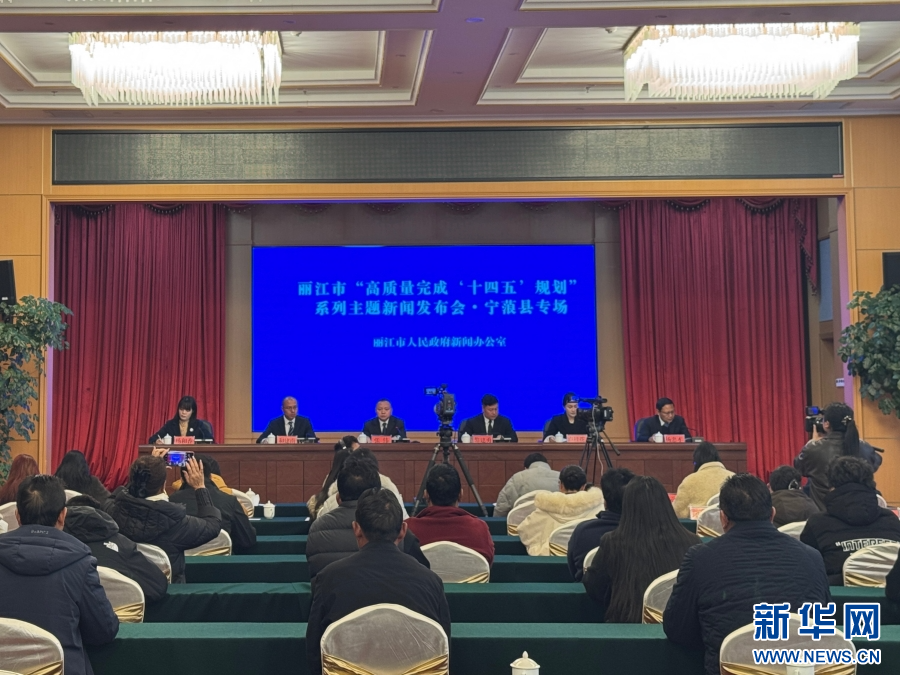
“十四五”以来丽江宁蒗绘就发展新图景
Xin Hua Wang· 2026-01-06 11:12
Core Insights - The focus of the news is on the high-quality development of Ninglang County in Lijiang City, Yunnan Province, during the 14th Five-Year Plan period, emphasizing innovative measures to enhance local development and improve the well-being of residents [1][3]. Economic Development - Ninglang County's GDP increased from 7.08 billion yuan in 2020 to 9.53 billion yuan by 2024, with urban residents' per capita disposable income reaching 32,175 yuan and rural residents exceeding 13,000 yuan by the end of 2024 [1]. - The county has coordinated 428 million yuan in funding from various sources to support the development of characteristic industries and infrastructure, effectively preventing large-scale poverty [1]. Infrastructure and Modernization - Key infrastructure projects include the completion of the Ningyong Expressway and ongoing construction of the Guning Expressway, with rural roads achieving full connectivity [3]. - The county has developed 13 integrated wind-solar-hydro power projects, with a total installed capacity exceeding 1 million kilowatts, and has achieved dual coverage of 4G/5G and fiber broadband in urban and rural areas [3]. Environmental and Social Improvements - Over the past five years, the quality of urban infrastructure has improved, with green coverage rates reaching 42.16% and green space coverage at 39.62%, alongside the completion of comprehensive sanitation projects [3]. - Policies have been established to attract returning workers, veterans, and college graduates to start businesses in the county, enhancing local employment opportunities [3]. Cultural and Tourism Development - Ninglang County is expanding its cultural and tourism integration, focusing on the core area of Lugu Lake and developing cultural heritage experiences, such as the traditional crafts of the Mosuo people [4]. - The county has successfully transformed cultural resources into tourism products, promoting local festivals as unique tourism brands [4].
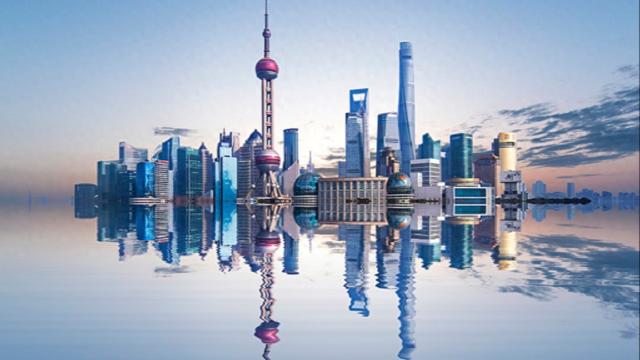
新年开工第一天,上海各区如何“抢开局”?
Xin Lang Cai Jing· 2026-01-04 14:55
Group 1: Core Insights - Shanghai launched the "2026 Action Plan for Optimizing the Business Environment," marking the beginning of the year with a focus on enhancing the business climate [1][3] - Various districts in Shanghai quickly followed suit by holding enterprise meetings and releasing their own action plans to improve the business environment [3][5] Group 2: District Initiatives - Jing'an District held a business meeting with representatives from 12 companies, discussing specific suggestions for improving the business environment, such as flexible working hours and tax refund policies [5] - Changning District introduced a strategic plan to integrate into the Hongqiao International Open Hub, focusing on creating a headquarters cluster for enterprises going global [5] - Putuo District's action plan emphasizes inclusive policies and support for startups, launching the "Seed Plan" to assist innovative projects [6] - Jiading District announced three major actions to enhance the business environment, focusing on industrial collaboration, cultural enrichment, and smart governance [6] Group 3: Major Projects and Investments - Yangpu District commenced the construction of the Shanghai Quantum City Time-Space Innovation Base, with a total investment exceeding 37.5 billion [8] - Huangpu District's South Bund Financial Center project is progressing rapidly, with a focus on attracting financial and technology enterprises [10] - Pudong District is prioritizing the development of major industrial projects to enhance production capacity and optimize industrial layout [10] Group 4: Unique District Strategies - Hongkou District is focusing on high-quality urban development and sustainable updates, aligning with central and municipal directives [12] - Qingpu District is promoting the integration of agriculture, culture, tourism, commerce, and sports, aiming to create a world-class lakeside tourism destination [13]
公共文化服务升级 点亮美好诗和远方
Xin Lang Cai Jing· 2026-01-01 23:53
Core Insights - In 2025, China's public cultural service system is set to improve significantly, enhancing access to quality cultural resources at the grassroots level and promoting the integration of culture and tourism [1] Group 1: Public Cultural Services - By 2025, China will have 3,248 public libraries, nearly 44,000 community cultural institutions, and over 40,000 new public cultural spaces [1] - All public libraries, cultural centers, art museums, and over 91% of museums will offer free access, with more than 100,000 physical bookstores, 580,000 rural libraries, and 177,000 workers' libraries available nationwide [1] - The services will be upgraded to meet the diverse spiritual and cultural needs of the public [1] Group 2: Technology in Cultural Services - 2025 will see the rise of new cultural tourism formats powered by technology, with advanced tech and network transmission broadening the reach and popularity of quality cultural resources [1] - The National Grand Theatre will introduce a "second scene" live broadcast model, allowing performances in Beijing to be streamed in 4K ultra HD and surround sound to nearly 100 cinemas and theaters across over 30 cities [1] - The integration of "technology + art" will enable local audiences to enjoy performances from national-level art venues in their own communities [1] Group 3: Cultural and Tourism Integration - In 2025, the integration of culture and tourism will deepen, with the total number of A-level scenic spots in China reaching 16,500 and county coverage increasing to 97% [1] - Tourism attractions will undergo rapid upgrades in product offerings and service quality [1] - The combination of culture and sports will enhance the depth and vitality of tourism experiences [1]
超越资源依赖模式 专家解码文旅深度融合“盐城路径”
Zhong Guo Jing Ji Wang· 2025-12-29 14:13
Core Insights - The integration of culture and tourism in the new era should be rooted in advanced socialist culture, promoting innovative narratives in red tourism and functional transformation of traditional culture, while adapting to consumer trends such as individual travel, health and wellness, and immersive experiences [1][2] Group 1: Development Strategies - The "Yancheng Path" exemplifies a systematic approach to solving theoretical challenges in cultural and tourism integration, showcasing distinctive practices in red culture inheritance, ecological resource development, and the construction of a three-tier market system [1][3] - The focus on optimizing holiday systems and payment convenience, along with deepening institutional reforms in cultural and tourism integration, is essential for building a new governance mechanism in tourism [1][2] Group 2: Innovative Principles - The three principles of "can crystallize, can open up, can enhance flavor" advocate for the extraction of unique cultural IP, promoting natural integration of cultural tourism with industrial ecosystems, and achieving both material and spiritual value in products [2][3] - The "Yancheng Path" reveals a new paradigm for tourism development in latecomer cities, emphasizing the combination of culture, ecology, and technology as a support system [2][3] Group 3: Practical Applications - Yancheng's innovative practices include the "Yellow Sea No. 1 Tourist Road" connecting 582 kilometers of coastal ecological scenery, and the Huai Opera Town focusing on the activation of intangible cultural heritage to create immersive cultural tourism consumption scenarios [3] - The publication "Deep Integration of Culture and Tourism: The Yancheng Path" serves as a methodological framework for other cities, detailing the exploration process and providing replicable experiences for latecomer cities [3][4]
湘超永州夺冠,四线城市如何变“情绪红利”为“经济红利”|区域观察
Di Yi Cai Jing· 2025-12-29 01:20
Core Insights - The Yongzhou team won the inaugural Hunan Super League championship, surprising many and gaining significant media attention and social media traction [1][2] - The team's journey from being a "three-no team" to champions has sparked a sense of pride and unity among the local population, leading to a city-wide celebration [2] Economic Impact - The championship has resulted in substantial economic benefits for Yongzhou, with 5.4 million tourists visiting during the home games, exceeding the city's permanent population, and generating over 800 million yuan in consumption [2] - The city has become a "traffic king" in the region, receiving unprecedented media coverage and online engagement, with total online traffic exceeding 7.5 billion [2] Long-term Strategy - To convert the short-term emotional benefits into long-term economic growth, Yongzhou must adopt a forward-thinking operational mindset, leveraging the championship as a commercial opportunity [3] - The integration of sports and culture is highlighted as a key avenue for development, with the potential to create attractive tourism experiences that capitalize on the city's rich historical background [3] Brand Development - The championship victory should be integrated into Yongzhou's broader city branding strategy, using popular cultural references and narratives to enhance the city's image and attract investment [4] - The spirit of teamwork and perseverance represented by the championship can be utilized to improve the city's appeal and reputation, potentially changing perceptions of a typical fourth-tier city [4] Challenges Ahead - Yongzhou faces challenges typical of fourth-tier cities, including limited consumer potential and market size, necessitating a focus on small, precise business models rather than large-scale developments [4] - There is a need for professional talent in sports management, cultural integration, and brand marketing to avoid mismanagement and ensure sustainable growth [4] - Infrastructure and service quality must be continuously improved to match the increased interest and visitor influx, ensuring a positive experience for tourists [4] Economic Context - Yongzhou's current economic development is relatively modest, with a GDP of 196.33 billion yuan, approximately 70% of that of comparable cities, and local fiscal revenue at 10.955 billion yuan, about 60% of similar regions [5] - The championship victory presents an opportunity for Yongzhou to leverage its newfound recognition to stimulate economic growth and serve as a model for other cities seeking economic transformation [6]
文旅为“钥”打开发展新局面(文旅棱镜)
Ren Min Ri Bao· 2025-12-25 23:04
Core Viewpoint - Old industrial cities are transforming their development through the integration of culture and tourism, utilizing industrial heritage as a key to unlock new opportunities [1] Group 1: Activation of Industrial Heritage - Numerous old factories and warehouses are creatively repurposed into cultural and creative parks, such as Shenyang Hongmei Cultural and Creative Park, Chongqing Eling Second Factory Cultural Park, and Wuhan "Hanyang Zao" Cultural Park, enhancing their functionality for exhibitions, performances, and consumption [1] - The combination of steel structures and artistic ambiance turns industrial heritage into immersive cultural tourism spaces, becoming new city landmarks that attract visitors [1] Group 2: Deep Integration of Culture, Sports, and Tourism - Cities like Shenyang leverage concert economies to stimulate consumption, while Qingdao utilizes its coastal and beer culture to host music festivals, and Liuzhou promotes tourism through its local culinary specialty [1] - These cities are reshaping their urban appeal by using distinctive industrial resources as leverage [1] Group 3: Emotional Connection and Soft Power - The warmth of the city is reflected in the interactions between local vendors and visitors, as seen in Shenyang's market, where vendors emphasize the natural quality of their products, contributing to the city's competitive edge in cultural tourism [1] - This genuine connection forms a compelling aspect of the city's soft power [1] Group 4: Pathway to High-Quality Development - The integration of culture and tourism provides a clear pathway for the transformation of old industrial cities, preserving urban memories while promoting industrial upgrades [1] - This approach aligns with the cities' inherent advantages and contemporary demands, facilitating innovative paths for high-quality development [1]