文物保护

Search documents
文物保护单位应设无障碍游览线路
Xin Lang Cai Jing· 2026-01-07 22:24
Core Viewpoint - The implementation of the Beijing local standard "Specifications for the Setting of Barrier-Free Facilities in Cultural Relics Protection Units" aims to enhance the visiting experience for the public by establishing barrier-free touring routes in cultural relics protection units [1] Group 1: Barrier-Free Facility Standards - The new standard emphasizes that the setting of barrier-free facilities should prioritize the protection of cultural relics, utilizing non-destructive technical methods [1] - It introduces the concept of barrier-free touring routes, which should integrate barrier-free access facilities, auxiliary transportation tools, barrier-free signage systems, and supporting service facilities [1] Group 2: Accessibility for Specific Groups - The specifications aim to provide safe, continuous, convenient, and accessible touring paths for people with disabilities, the elderly, and others in need [1] - Key locations such as entrances, critical nodes, and points of barrier-free facilities should have guiding maps for barrier-free facilities [1] Group 3: Multi-Sensory Guidance - The guiding maps along barrier-free routes should include various information sources and set up multi-sensory guiding facilities, such as tactile and auditory aids, at key nodes based on conditions [1] - At least one barrier-free toilet should be provided, and where conditions allow, a mother-and-baby room should be set up within the visitor center [1]
全省首个为文物保护筑牢质量防线
Hang Zhou Ri Bao· 2026-01-07 03:19
Core Viewpoint - The newly released group standard "Construction Inspection Management Specifications for Cultural Relics Building Repair Projects" provides a regulatory framework for the quality and safety of cultural relics building repair projects in Zhejiang Province, addressing the need for improved management and oversight in the repair process [2][3] Group 1 - The standard is the first of its kind in Zhejiang, focusing on the dynamic inspection and management of cultural relics building repair, which has been lacking in unified guidelines [2] - The standard aims to shift the regulatory focus from post-repair acceptance to real-time management during the repair process, ensuring adherence to principles of original form, structure, materials, and craftsmanship [3] - The release of the standard coincides with the conclusion of the fourth national cultural relics census, which has identified a significant number of relics in need of assessment and repair, thus providing essential quality control tools for upcoming projects [3] Group 2 - The standard addresses three major industry gaps: it fills the void in dynamic management regulations, unifies inspection standards, and promotes a preventive approach to quality management [3] - The implementation of the standard is seen as a foundational regulatory measure that supports the transition to refined protection management of cultural heritage following the census [3] - The standard is expected to enhance the long-term preservation and transmission of cultural heritage in Hangzhou through strict protection measures [3]

平遥古城2025年接待游客超千万人次
Zhong Guo Xin Wen Wang· 2026-01-03 05:20
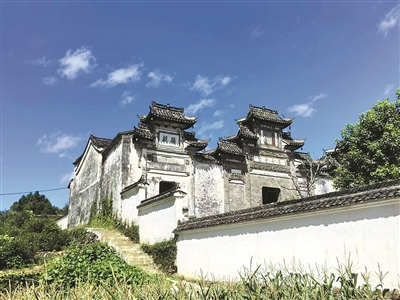
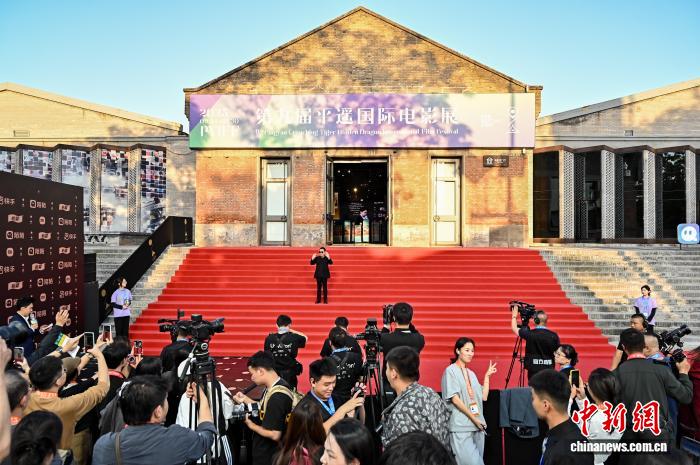
Group 1 - The core viewpoint of the news is that Pingyao Ancient City is expected to receive over 11 million tourists in 2025, ranking first among scenic spots in Shanxi Province, with ticket revenue reaching 130 million RMB [1][3] - The 25th Pingyao International Photography Exhibition will attract over 5,000 photographers from 34 countries and regions, while the 9th Pingyao International Film Festival will showcase 53 films from 25 countries and regions, highlighting Pingyao's emerging status as a film hub in Asia [1][3] - During the film festival, approximately 120,000 tourists visited Pingyao, generating around 144 million RMB in accommodation revenue [3] Group 2 - The local government emphasizes the importance of cultural relic protection as a fundamental aspect of development, planning to repair and protect 72 existing enemy towers and key courtyards in 2025 [3] - Advanced monitoring equipment, such as crack meters and displacement meters, will be installed on key cultural relics, with data from 54 monitoring points being integrated into a warning platform [3] - A comprehensive database covering various building risk hazards is being established to achieve dynamic tracking and monitoring through digitalization [3]
“青知讲说人·这young探北京”青年体验活动:打开学子求职新视野
Zhong Guo Qing Nian Bao· 2026-01-03 02:15
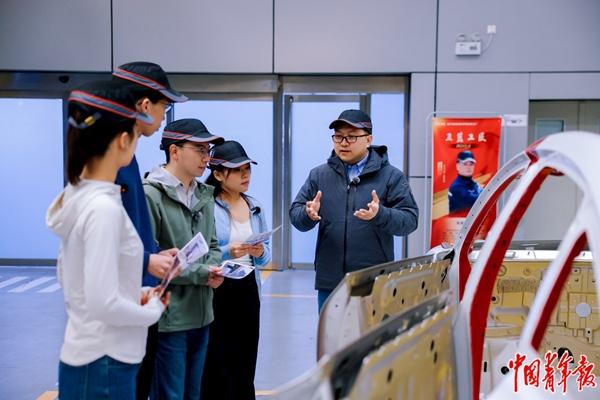
Group 1 - The "Youth Experience Activity" aims to immerse university students in practical learning about cultural heritage preservation, transportation history, and smart manufacturing, aligning with Beijing's high-quality development goals [4][5][9] - The event is supported by various organizations, including the Beijing Municipal Employment Promotion Center and several universities, facilitating direct interaction between students and industry professionals [2][4] - The activity emphasizes the need for interdisciplinary talents in cultural heritage preservation, combining traditional skills with modern technology, highlighting a talent gap in this field [5][9] Group 2 - The 京张 Railway, a significant historical engineering achievement, serves as a backdrop for students to explore the evolution of transportation and its impact on national development [6][7] - The North Vehicle Group's smart manufacturing facility showcases advancements in electric and intelligent vehicle production, providing students with hands-on experience in modern manufacturing processes [8][9] - The event encourages students to integrate their personal career aspirations with national needs, fostering a sense of responsibility and connection to the country's development [9]
柴宝良调研冬季旅游文物修复保护等工作
Xin Lang Cai Jing· 2026-01-03 00:40
Group 1 - The core focus is on promoting winter tourism and the protection of cultural relics in Chengde, with an emphasis on integrating ice and snow sports into youth education and increasing venue utilization [1] - The city aims to enhance the safety and management of cultural heritage, ensuring the protection and innovative development of historical assets, while utilizing advanced technology to revitalize cultural narratives [1] - There is a strong emphasis on safety measures in tourist areas, including risk assessment and improving service management to meet diverse consumer needs [1] Group 2 - The Chengde Summer Resort is preparing for the "Royal Lantern Festival" and "Royal Ice and Snow Season," focusing on creating festive activities that highlight the region's historical and cultural significance [2] - The strategy includes leveraging seasonal tourism to enhance resource utilization and promote the night tourism brand of the Summer Resort, aiming to establish Chengde as a year-round tourist destination [2]
六千年文明印记,多了一重法治护盾
Xin Lang Cai Jing· 2026-01-02 17:26
Group 1 - The Shijiahe site, a significant prehistoric settlement in the middle reaches of the Yangtze River, was included in the first batch of important national archaeological sites in 2025, highlighting its cultural importance [1] - The Hubei Provincial Procuratorate initiated a public interest litigation supervision activity to protect the Shijiahe site, focusing on the preservation of the Yangtze culture [1] - Potential flood risks were identified at the site, prompting the Tianmen City Procuratorate to collaborate with experts for on-site assessments and to issue recommendations for river management to mitigate these risks [1] Group 2 - The Hanjiang City Procuratorate, under the guidance of the Hubei Provincial Procuratorate, has utilized civil, administrative, and public interest litigation functions to address illegal land occupation and other issues related to the Shijiahe site [2] - A cultural heritage protection database was established, including a list of 3 national and 27 provincial key cultural heritage units for dynamic supervision [2] - The newly passed Hubei Provincial Shijiahe Site Protection Regulations empower the procuratorate to propose legal actions against violations that threaten the site, reinforcing the legal framework for cultural heritage protection [2]
一起为梦想奋斗、为幸福打拼
Ren Min Ri Bao· 2025-12-31 23:45
Group 1: Agricultural Development - China's grain production increased from 13,657 billion jin in 2021 to 14,297.5 billion jin in 2025 during the "14th Five-Year Plan" period, highlighting the significant contributions of farmers [2] - The collaboration between China Agricultural University and Hebei Quzhou County aims to achieve an annual yield of over 1.5 tons per mu for winter wheat and summer corn through the "Green Ton Half Grain" initiative [2] - The successful yield measurement in October showed a total yield of 1,557.4 kg per mu for winter wheat and summer corn in a demonstration area [2] Group 2: Military and Defense - The first electromagnetic catapult aircraft carrier, Fujian, was officially commissioned, marking a significant milestone for the Chinese Navy [4] - The personnel involved in the Fujian aircraft carrier expressed a strong sense of responsibility and commitment to enhancing naval capabilities [4] Group 3: Technology and Innovation - The founder of Yushu Technology emphasized the importance of technological innovation in the robotics industry, particularly in humanoid robots, as highlighted by President Xi's New Year address [5] - Yushu Technology focuses on the independent research and development of key components for quadruped and humanoid robots, aiming to enhance their commercial viability [5][6] - Plans for the new year include launching more advanced robots and increasing research investment to meet industry demands [6] Group 4: Cultural Heritage and Preservation - The Palace Museum is set to celebrate its 100th anniversary in 2025, with a focus on enhancing cultural heritage preservation and public engagement [8] - The museum plans to continue its efforts in restoring and showcasing valuable artifacts, including the "Hundred Years of Guardianship" exhibition featuring national treasures [8] Group 5: Community Development - The reconstruction of homes in Cuoang Village, Tibet, following a devastating earthquake, reflects the community's resilience and commitment to building a better future [9] - Villagers actively participated in the rebuilding process, showcasing a strong sense of ownership and pride in their new homes [9] Group 6: Maritime Industry - The Hainan Free Trade Port officially commenced full island closure operations on December 18, 2025, prompting increased interest from shipping companies [10] - Efforts to streamline the ship registration process have significantly reduced processing times, enhancing the attractiveness of Hainan as a maritime hub [10] - The number of registered vessels in "China Yangpu Port" has reached 82, leading the nation in total deadweight tonnage among free trade ports [10]
国家文物局文物法治建设联系点工作启动
Xin Lang Cai Jing· 2025-12-31 06:32
Core Viewpoint - The establishment of the National Cultural Heritage Administration's legal construction contact points is a significant initiative aimed at enhancing the governance and legal framework in the cultural heritage sector in China [1] Group 1: Legal Framework and Governance - The initiative is part of the implementation of Xi Jinping's thoughts on the rule of law and cultural development, focusing on modernizing the governance system and capacity in the cultural heritage field [1] - The contact points will serve as a platform for research, advocacy, and education regarding cultural heritage laws, contributing to the development of a legal framework for cultural heritage protection [1] Group 2: Collaboration and Support - Nine organizations, including cultural heritage centers and universities, have been designated as contact points to support the legal construction efforts [1] - The contact points will act as a channel for collecting legislative suggestions, a key platform for legal advocacy, and a professional think tank for cultural heritage law research and talent development [1]
科技化作解锁中华文明“密钥” 助力文化遗产保护向“数字永生”跨越式转型
Yang Shi Wang· 2025-12-29 07:29
Group 1 - The core idea of the articles emphasizes the transformative power of technology in the preservation and protection of cultural heritage, enabling new methods to engage with ancient history [1][24]. - Technological innovations such as CT scanning, electronic beam sterilization, and satellite remote sensing are enhancing the capabilities for risk identification, assessment, and control in archaeological sites [1][6][9]. - The establishment of multi-disciplinary laboratories and projects, like the "cultural relic fingerprint" initiative, is improving the efficiency and accuracy of cultural relic management and protection [11][13]. Group 2 - The application of advanced techniques, including carbon dating and deep-sea technology, is providing new insights into ancient civilizations and expanding the scope of archaeological research [18][20]. - The development of new materials and methods for the preservation of bronze artifacts, such as the "copper treatment" technology, is expected to significantly enhance the protection of these cultural treasures [13]. - The establishment of numerous research bases and workstations across the country aims to foster innovation in cultural heritage protection, shifting the focus from reactive to preventive measures [24].
百年老站,风采重现
Xin Lang Cai Jing· 2025-12-23 20:11
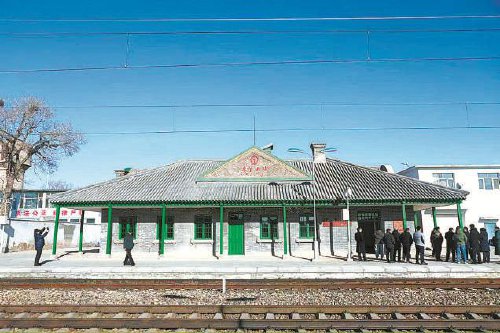
1923年开站投入使用的京绥铁路卓资山站老站房,见证了草原铁路发展,也见证了中国铁路从弱到强的 辉煌历程。今年11月,"集宁铁路运输检察院督促保护卓资山镇车站旧址行政公益诉讼案"被评为内蒙古 自治区检察院第二批服务北疆文化建设典型案例,这座百年老站也因此受到更多人的关注。 2024年10月,卓资山镇车站旧址修缮工程正式开工。两个月后,专家评审组一致同意通过验收。今年3 月,集宁铁路运输检察院开展"回头看"时发现,破旧的外墙和窗体被修缮一新,塌陷的房顶和墙体得到 加固,杂物已全部清理,"马灯""旧式信号灯"等历史老物件被陈列展出,历经沧桑的百年老站重现风 采。 此外,集宁铁路运输检察院还推动了铁路沿线"马盖图车站旧址"等多处不可移动文物的修缮工作,要求 对9处县级文保单位制作保护标识,让多个年久失修且无人管理的不可移动文物旧貌换新颜。 卓资山站老站房经过修缮后重现风采。 卓资山镇车站曾是万里茶道的重要枢纽点,也是边民贸易的重要集散地。在改革开放初期,日均发送旅 客近千人次。2011年,卓资山镇车站旧址被列为卓资县第二批县级文物保护单位。2023年4月,集宁铁 路运输检察院以铁路文物遗产保护为出发点,在辖区开展专 ...