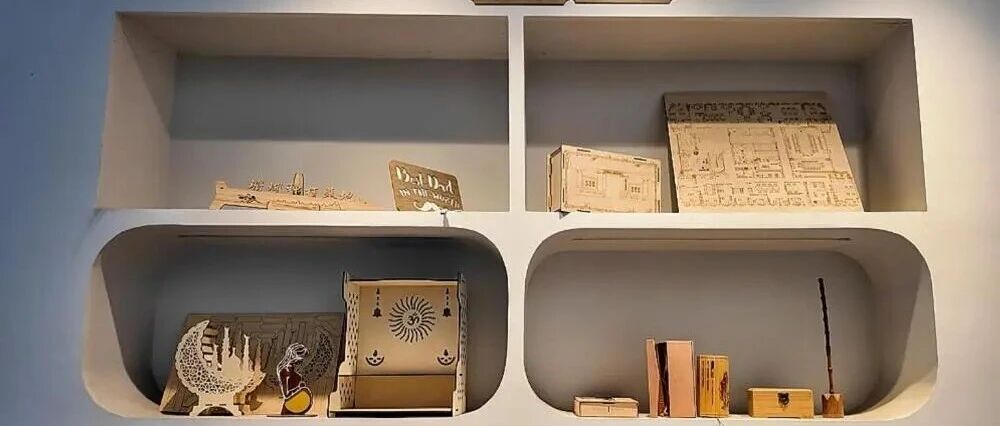
竹制品加工

Search documents
冬闲人未歇 乡村增收忙
Ren Min Ri Bao Hai Wai Ban· 2025-12-23 01:00
Group 1 - Shanxi Province's Pinglu County is promoting the cultivation of traditional Chinese medicinal herbs such as Chaihu, Huangqin, and Dihuang, leveraging the geographical and climatic characteristics of the Loess Plateau [2] - Hunan Province's Taoyuan County is developing rural workshops to create job opportunities close to home, exemplified by the production of wind turbine blade fasteners at Hunan Feiwo New Energy Technology Co., Ltd. [4] - Zhejiang Province's Huzhou City is utilizing bamboo resources for deep processing, producing bamboo products like chopsticks, curtains, chairs, and mats [5] Group 2 - Anhui Province's Hefei City is exploring land intensification, integrated services, and smart agriculture, resulting in over 300 villagers achieving employment [7] - Jiangxi Province's Fengcheng City is enhancing its handmade noodle industry by adopting new food processing technologies and leveraging e-commerce platforms for nationwide sales [9] - Guangxi Zhuang Autonomous Region's Liuzhou City is advancing the industrialization and standardization of scallion production, with an area of 43,000 acres and an annual output of approximately 100,000 tons [14] Group 3 - The national scale of agricultural product processing enterprises is projected to exceed 100,000, with an estimated revenue of around 18 trillion yuan in 2024 [14] - The rural landscape is evolving, with various regions exploring new paths and models for development based on their unique characteristics and resources, contributing to a comprehensive rural revitalization [14] - In Henan Province's Luoyang City, the production of peony potted flowers is expected to reach 1 million, becoming a distinctive industry for local prosperity [14]

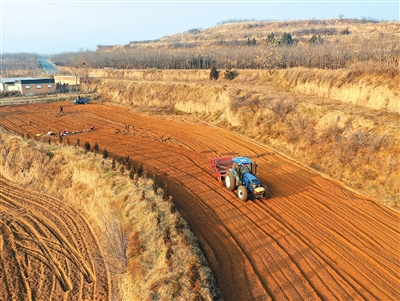
脱贫人口如何稳定增收——来自云南省昭通市的调查
Jing Ji Ri Bao· 2025-11-30 22:38
Core Viewpoint - The article discusses how Zhaotong City in Yunnan Province is working to consolidate poverty alleviation achievements and promote rural revitalization, focusing on increasing the income of its large population of former poverty-stricken residents. Group 1: Poverty Alleviation and Income Growth - Zhaotong City has 1.8507 million former poverty-stricken residents, the highest among all prefecture-level cities in China, and has maintained stable support policies during the transition period to prevent large-scale poverty return [1] - The average annual growth rate of per capita disposable income for rural residents in Zhaotong City is approximately 8.5%, which is higher than the national and provincial averages [1] - The city has ranked first in poverty alleviation achievement assessments in Yunnan Province for four consecutive years [1] Group 2: Agricultural Development - Zhaotong City emphasizes highland characteristic agriculture as the foundation for development and a source of wealth, particularly focusing on apple cultivation [2] - The city has developed nearly 1 million acres of apple planting area, becoming the largest quality apple base in southern China, with a projected apple production of 1.3 million tons and a comprehensive output value of 15 billion yuan in 2024 [3] - The city has also developed the Tianma industry, with 115,700 acres of cultivation and a comprehensive output value of 9.391 billion yuan expected by the end of 2024 [3] Group 3: Financial Support for Agriculture - Zhaoyang Rural Commercial Bank provides financial services to support agricultural development through various loan products aimed at enhancing the income of farmers engaged in specialty crops [4][5] - The bank has increased its loan support for agricultural cooperatives, enabling them to expand operations and improve income for local farmers [5] Group 4: Employment Stability - Zhaotong City has 2.6 million laborers who have migrated for work, with over 1.31 million employed outside the province, emphasizing the importance of stable employment for income growth [6] - The city has established a comprehensive service system for labor output, entrepreneurship, and local employment, ensuring organized labor transfer and job security [6] - Local initiatives have successfully attracted returning workers to create job opportunities in the region, with significant employment generated in textile and bamboo processing industries [7][8] Group 5: Post-Migration Support - Zhaotong City has implemented a comprehensive support system for relocated populations, focusing on community governance, industry cultivation, and employment assistance [10] - The city has developed a classification management mechanism to monitor and support vulnerable groups among the relocated population, ensuring their access to essential services [11] - Employment opportunities have been created through local projects, with significant participation from relocated laborers, enhancing their income stability [12][13]
软约束变为硬指标,江西探索生物多样性等级与贷款挂钩
Di Yi Cai Jing· 2025-11-27 07:45
Core Viewpoint - The loan granted to Weijia Bamboo Cultural Technology Co., Ltd. represents Jiangxi Province's first biodiversity-linked loan for "bamboo replacing plastic," marking a significant breakthrough in biodiversity financial standards [1] Group 1: Loan Details - The loan amount is 4.9 million yuan, and it is characterized by a biodiversity rating system that evaluates the ecological contributions of financing entities [1] - The rating system categorizes companies into four levels (A, B, C, D), with higher ratings leading to more favorable loan terms such as limits, interest rates, and durations [1] - The loan aims to support various stakeholders in the bamboo industry, including cooperatives, processing enterprises, and research institutions [2] Group 2: Financial Principles - The core principles of the financial service include prioritizing ecological benefits, supporting the entire bamboo industry chain, and implementing a risk-sharing mechanism among banks, government, and enterprises [2] - The ecological environment, management, financial credit, and development potential are weighted at 40%, 30%, 15%, and 15% respectively in the rating system [2] Group 3: Economic and Ecological Impact - The loan is expected to enhance the sustainable management of over 5,000 acres of bamboo forest, absorbing approximately 6,700 tons of CO2 annually and reducing plastic consumption by 200 tons [6] - Economically, the initiative is projected to help the company achieve an annual output value exceeding 50 million yuan and create 20 new jobs [6] - The loan will be utilized for acquiring precision cutting equipment and environmentally friendly coating production lines [5]
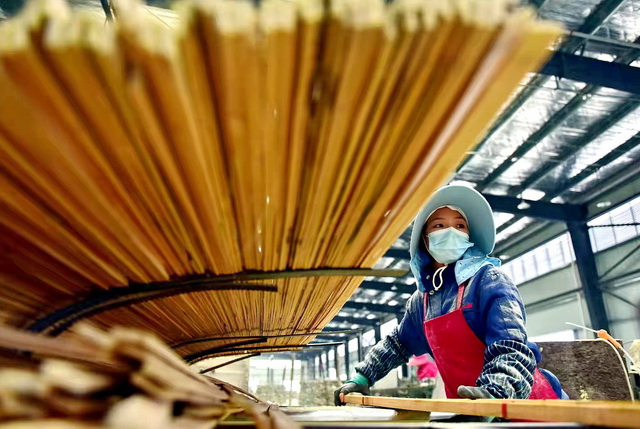
全国竹企齐聚湖北咸宁 展一根竹子“七十二变”
Zhong Guo Xin Wen Wang· 2025-11-22 13:54
Group 1 - The event "Using Bamboo Instead of Plastic" showcased 50 outstanding bamboo products, highlighting the transformation of bamboo from a traditional resource to high-value products [1][2] - The competition attracted hundreds of entries nationwide, with 50 products selected for the finals, demonstrating the innovative potential of bamboo in various applications [2] - Notable products included a bamboo electronic table sign, a reconstituted bamboo truck panel, a lightweight bamboo-aluminum space capsule, and a bamboo thermal cup that integrates traditional craftsmanship with modern functionality [2] Group 2 - Xianning, known as the "Hometown of Chinese Nan Bamboo," has 1.8 million acres of bamboo forest and produces 43 million commercial bamboo annually, accounting for 80% of Hubei's output [3] - The local bamboo industry is projected to exceed 8 billion yuan in output value in 2024, with 113 large-scale bamboo processing enterprises and new projects in bamboo composite materials and sodium-ion battery anodes [3] - The competition serves as an important platform for showcasing Xianning's bamboo resources and promoting cross-regional industrial exchange, contributing to the high-quality development of the national bamboo industry [3]
用“绿色金融”奏响乡村振兴新乐章
Zheng Quan Ri Bao Zhi Sheng· 2025-11-16 10:20
Core Viewpoint - Green finance is not only a core engine driving the green transformation of the economy and society but also a solid shield for achieving the vision of a beautiful China [1] Group 1: Green Finance Initiatives - Numerous green finance policies have emerged in recent years, with financial institutions actively increasing green credit [1] - The "green credit" initiatives are transforming ecological resources into shared capital and turning carbon reduction costs into development dividends [1] Group 2: Case Study - Bamboo Industry in Longyou County - In Longyou County, the bamboo industry is becoming a significant force in achieving the "dual carbon" goals, but funding remains a challenge for industry upgrades [2] - Longyou Rural Commercial Bank has launched specialized credit products such as "Government-Bank Guarantee," "Ecological Chain Loan," and "Green Transition Loan" to support the bamboo industry [3] - As of the end of October, the bank has issued loans to 45 bamboo industry clients, with a total balance of 119 million yuan [3] Group 3: Case Study - Waste Carbon Recycling - In Jiande City, a company specializing in the recycling of waste activated carbon faced financing challenges but received support from Jiande Rural Commercial Bank [4] - The bank provided a credit limit of 49 million yuan, with 24 million yuan allocated for technological upgrades and 19 million yuan for working capital [4] - The company implemented energy-saving technologies, achieving a carbon reduction of 37,500 tons and generating direct economic benefits of 110 million yuan [5] Group 4: Impact of Green Finance - Green finance is effectively converting "green mountains and clear waters" into "golden mountains and silver mountains," contributing to rural revitalization [6]
毛竹变吸管 绿色又增收(神州看点·小物件里探发展)
Ren Min Ri Bao· 2025-11-12 22:19
Core Insights - The bamboo industry in Chizhou is rapidly developing, focusing on replacing plastic products with bamboo alternatives, such as straws and utensils, which are environmentally friendly and biodegradable [1][2][3] Group 1: Bamboo Product Manufacturing - A bamboo product company in Chizhou has an intelligent production line that produces 5 million bamboo straws daily, totaling 2 billion straws annually, which helps reduce plastic usage by 6,000 tons and CO2 emissions by 36,000 tons [1] - The company faced challenges in production, including mold resistance, heat tolerance, and high costs, but overcame these by hiring a fourth team of PhD experts who improved production speed to 2,000 straws per hour and reduced costs to 0.04 yuan per straw, making it competitive with plastic straws [1] Group 2: Bamboo Industry Development - Chizhou has over 600,000 acres of bamboo forest, and recent government initiatives have increased the value chain of bamboo, benefiting local farmers who can earn around 40,000 yuan annually from bamboo harvesting [2] - The city has established a comprehensive bamboo industry model involving leading enterprises, circular industrial parks, and cooperative farming, with 89 bamboo processing companies processing 900,000 tons of bamboo annually, projecting a 26% increase in industry output value to 3 billion yuan in 2024 [2] Group 3: International Expansion and Collaboration - Chizhou's bamboo products, including straws and utensils, are being exported to over 40 countries, with participation in international events to promote the "bamboo replaces plastic" initiative [3] - A framework agreement was signed between Chizhou High-tech Zone and CRRC Group to establish a national bamboo circular industry park headquarters in Chizhou, with plans to build over 50 such parks in bamboo-rich areas across the country [3]

年产20亿支 可减少塑料使用6000吨 毛竹变吸管 绿色又增收(神州看点·小物件里探发展)
Ren Min Ri Bao· 2025-11-12 22:11
Core Viewpoint - The bamboo industry in Chizhou is rapidly developing, focusing on replacing plastic products with bamboo alternatives, which has significant environmental benefits and economic potential [1][2][3]. Group 1: Bamboo Product Manufacturing - A bamboo products company in Chizhou produces 5 million bamboo straws daily, totaling 2 billion straws annually, which helps reduce plastic usage by 6,000 tons and CO2 emissions by 36,000 tons [1]. - The company faced challenges in production, including mold resistance and cost, but overcame these with the help of a doctoral team, increasing production speed to 2,000 straws per hour and reducing costs to 0.04 yuan per straw [1]. Group 2: Economic Impact on Local Farmers - Chizhou has over 600,000 acres of bamboo forest, and local farmers are benefiting financially from bamboo sales, with some earning 40,000 yuan annually from bamboo harvesting [2]. - The bamboo processing industry in Chizhou has established a model involving leading enterprises, circular industrial parks, and local cooperatives, processing 900,000 tons of bamboo annually and creating significant employment opportunities [2]. Group 3: International Market Expansion - Chizhou's bamboo products, including straws, skewers, and chopsticks, are being exported to over 40 countries, with participation in international events to promote bamboo as a sustainable alternative to plastic [3]. - A framework agreement was signed to establish a national bamboo circular industrial park headquarters in Chizhou, with plans for over 50 such parks in bamboo-rich areas across the country [3].
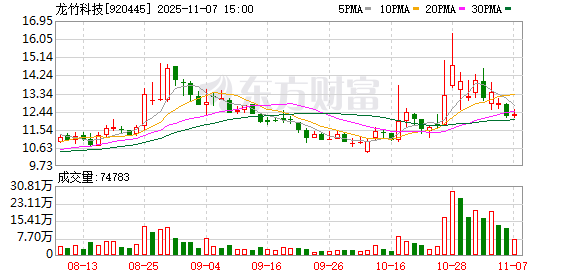
龙竹科技大宗交易成交15.60万股 成交额134.16万元
Zheng Quan Shi Bao Wang· 2025-11-07 09:54
Core Insights - Longzhu Technology (920445) executed a block trade on November 7, with a volume of 156,000 shares and a transaction value of 1.3416 million yuan, at a price of 8.60 yuan, representing a discount of 30.14% compared to the closing price of the day [2] - The buyer was from Industrial Securities Co., Ltd., and the seller was from Bank of China International Securities Co., Ltd. [2] - In the past month, Longzhu Technology has recorded a total of 4 block trades, amounting to 4.3703 million yuan [2] Trading Performance - The closing price of Longzhu Technology on the day of the block trade was 12.31 yuan, reflecting an increase of 0.98%, with a turnover rate of 6.99% and a total transaction amount of 89.915 million yuan [2] - Over the last five days, the stock has experienced a cumulative decline of 11.95% [2] Company Background - Longzhu Technology Group Co., Ltd. was established on April 8, 2010, with a registered capital of 1,469.30025 million yuan [2]
江西庆翔竹制品有限公司成立 注册资本280万人民币
Sou Hu Cai Jing· 2025-10-17 03:34
Core Points - Jiangxi Qingxiang Bamboo Products Co., Ltd. has been established with a registered capital of 2.8 million RMB [1] - The legal representative of the company is Ye Xinhua [1] - The company's business scope includes road cargo transportation (excluding hazardous goods), food sales (subject to approval), bamboo chip processing, bamboo product manufacturing and sales, furniture manufacturing, agricultural and sideline product sales, and cargo packaging services [1] Business Scope - The company is involved in licensed projects such as road cargo transportation and food sales, which require approval from relevant authorities [1] - General projects include bamboo chip processing, bamboo product manufacturing and sales, furniture manufacturing, and agricultural product sales [1] - The company can independently conduct business activities based on its business license, except for projects that require approval [1]
江西这座小县城把竹子“玩出”新花样
新华网财经· 2025-09-16 03:07
Core Viewpoint - The bamboo industry in Tonggu County, Jiangxi, has transformed waste into valuable resources, contributing significantly to the local economy and promoting sustainable practices through a circular economy model [3][8][11]. Group 1: Bamboo Industry Development - Tonggu County's bamboo industry is projected to achieve an annual output value of 1.29 billion yuan (approximately 129 million) by 2024, with products exported to Europe, America, and the Middle East [3]. - The county hosts 67 bamboo-related enterprises, diversifying into bamboo chopsticks, bamboo skewers, and bamboo crafts [5]. - Jiangxi Zhuoyue Wood Industry Co., Ltd. showcased bamboo bookmarks at the 2025 Osaka World Expo, highlighting the integration of traditional craftsmanship with modern design [6]. Group 2: Waste Utilization and Circular Economy - Traditionally, nearly 40% of bamboo material was wasted during processing, leading to environmental concerns [8]. - Jiangxi Jinqi Industrial Co., Ltd. processes bamboo waste into bamboo charcoal, which is marketed as a high-quality fuel and an effective environmental solution for air purification and soil improvement [8][9]. - The collaboration between Jinqi and Jinzhuzhiyuan Industrial Co., Ltd. allows for the sale of bamboo waste, turning a cost into profit, with Jinqi purchasing waste at 300 yuan per ton, providing a financial benefit to the suppliers [10]. - The partnership also optimizes resource use by transferring excess heat from the charcoal production process to support the drying operations of bamboo skewers, reducing costs and carbon emissions [11].