飞行汽车

Search documents
广州飞行汽车产业将“一飞冲天”
Guang Zhou Ri Bao· 2025-06-20 03:09
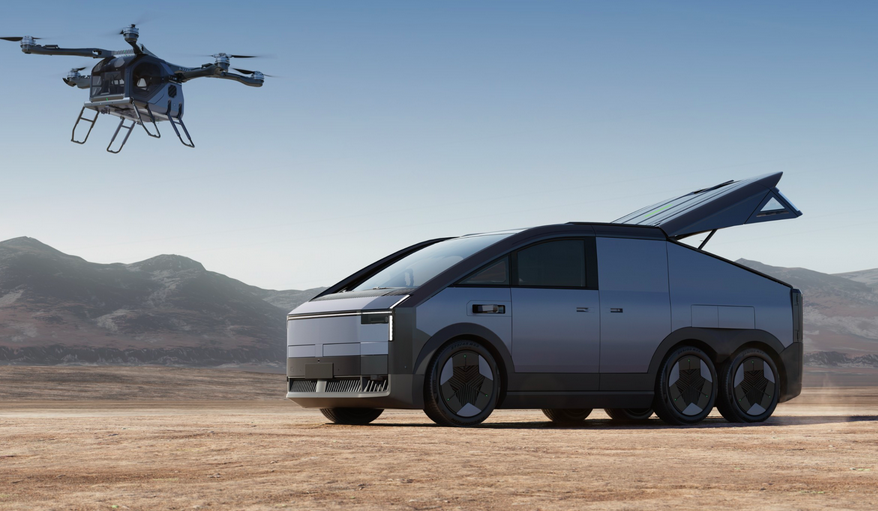
Core Insights - GAC Group launched the GOVY AirCab flying car at the Hong Kong International Auto Expo, with a price not exceeding 1.68 million yuan, making it more affordable than traditional aircraft [2] - Within 24 hours of the price announcement, nearly 1,000 pre-orders for the GOVY AirCab were received, exceeding expectations [2] - The GOVY AirCab is set to enter the airworthiness certification phase, with plans for demonstration operations by the end of 2025 and mass production by the end of 2026 [2] Group 1: Industry Development - Guangzhou is leading the eVTOL (electric vertical takeoff and landing) sector in China, with GAC Group and XPeng's flying vehicles progressing towards mass production [2][3] - The production line for GAC's flying car is expected to be completed by early next year, with a focus on advanced manufacturing technologies and a robust supply chain [4] - Guangzhou has over 4,000 low-altitude economy-related enterprises, ranking second nationally, and has established a comprehensive new energy vehicle industry system [5] Group 2: Market Applications - The GOVY AirCab is designed for urban short-distance connections and tourism, with plans for demonstration operations in Guangzhou by the end of this year [6] - XPeng's "land aircraft" has received over 4,000 orders, indicating strong market interest beyond tourism and short-distance connections [7] - The flying cars are expected to evolve into a part of urban transportation, providing efficient commuting solutions [7] Group 3: Future Projections - The low-altitude economy is projected to reach a market scale of 2 trillion yuan by 2030, requiring real application scenarios to support this growth [8] - The development of low-altitude economy infrastructure in Guangzhou is progressing, with 99 application scenarios identified and 30 operational entities approved [10] - Experts highlight Guangzhou's advantages in low-altitude economy development due to its strong automotive industry base and supportive government policies [12]


国轩高科为亿航智能定制飞行汽车电池,电池企业“扎堆”低空经济万亿市场
Hua Xia Shi Bao· 2025-06-19 14:09
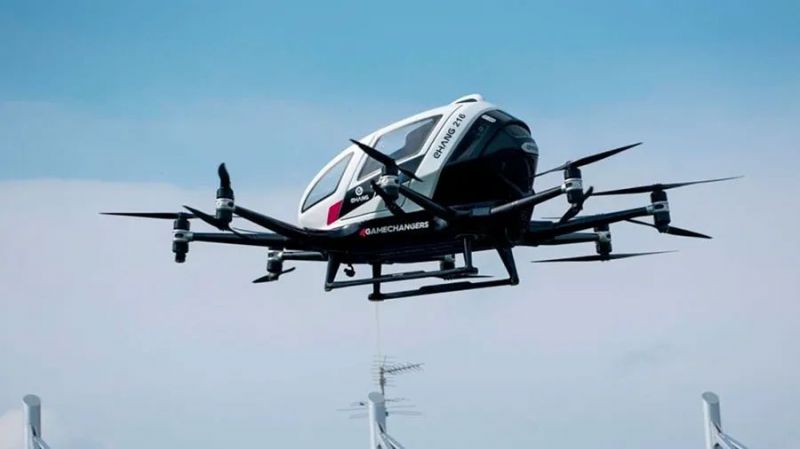
Core Viewpoint - Guoxuan High-Tech and EHang Intelligent have reached a strategic cooperation to upgrade the power system of EHang's EH216 eVTOL aircraft, aiming to enhance the low-altitude economy and promote high-quality development in the industry [2][3] Group 1: Strategic Cooperation - The cooperation is an upgrade based on a framework agreement signed in December 2023, focusing on the power system of EHang's EH216 series eVTOL [2][3] - Guoxuan High-Tech will provide customized battery solutions that meet the Civil Aviation Administration of China standards, emphasizing high safety, energy density, and discharge power [3] - The collaboration aims to expand into more innovative eVTOL models, accelerating the commercialization of urban air mobility and low-altitude logistics networks [3][4] Group 2: Market Dynamics - The low-altitude economy is rapidly developing, with many companies entering the market, including major automotive manufacturers like GAC, Changan, and FAW [2][6] - EHang's sales and delivery of EH216 series aircraft are projected to reach 216 units in 2024, a 315.4% increase from 52 units in 2023, with total revenue expected to be 456 million yuan, up 288.5% [6][7] - The eVTOL components share 70%-80% overlap with electric vehicles, benefiting from advancements in the new energy industry [5] Group 3: Financial Performance - EHang reported a revenue of 26.1 million yuan in Q1 2025, a 57.7% decline year-on-year, with a net loss of 78.4 million yuan, indicating a worsening trend [7] - Despite the Q1 downturn, EHang's CFO expressed confidence in a rebound in Q2 due to upcoming large orders from various provinces [7] Group 4: Industry Trends - The Chinese low-altitude economy is expected to see over 100 flying car companies by 2030, with a market size potentially exceeding one trillion yuan [9] - Major automotive companies are actively announcing progress in flying car projects, indicating a strong integration of aviation and automotive technologies [8]


飞行汽车量产“提速” 多家企业公布新进展
Cai Jing Wang· 2025-06-17 10:07
Core Viewpoint - The flying car industry is transitioning from experimental phases to market commercialization, with several companies making significant advancements in this field [1][4]. Group 1: Company Developments - GAC Group's GAC High Domain has officially launched the mass-production model GOVY AirCab, priced at no more than 1.68 million RMB, with deliveries starting by the end of 2026 [2]. - Changan Automobile plans to initiate test flights for its next-generation flying car by the end of 2025, while FAW's flying car headquarters project has been established in Shenzhen, with the Hongqi Tianran No. 1 set for its first flight within the year [2]. - XPeng Motors aims to mass-produce its flying car by the third quarter of 2026, with a price point of approximately 2 million RMB [3]. - Geely Technology Group's low-altitude economy company WoFei ChangKong has entered the fourth stage of airworthiness certification for its first pure electric vertical take-off and landing aircraft (eVTOL) AE200, expecting to achieve certification by 2026 [3]. Group 2: Industry Insights - The rapid development of flying cars is attributed to multiple key factors, indicating a new era of urban and rural air transportation, leading to a third transportation revolution [4]. - The development of flying cars is expected to progress through three stages: - By around 2025, cargo eVTOLs will begin commercial applications, while passenger eVTOLs will be demonstrated in specific scenarios. - By around 2035, both cargo and passenger eVTOLs will see large-scale applications, becoming primary tools for low-altitude transportation. - By around 2050, eVTOLs and amphibious flying cars will achieve widespread use, contributing to a three-dimensional intelligent transportation system [4]. Group 3: Challenges and Expert Opinions - Despite rapid technological advancements, experts highlight several challenges that must be addressed for large-scale commercial operation of flying cars, including safety, cost, airspace management, social acceptance, and infrastructure development [9][11]. - Key challenges identified include operational safety, payload and range limitations, and the complexities of autonomous driving in uncertain situations [11]. - Experts remain optimistic about the long-term prospects of flying cars, envisioning their use in urban transport, sightseeing, leisure tourism, emergency rescue, and medical aviation across various terrains [11].


一央企飞行汽车总部落户深圳大鹏新区
2 1 Shi Ji Jing Ji Bao Dao· 2025-06-16 11:22
Core Insights - China FAW Group Corporation (FAW) has officially established its flying car headquarters in Shenzhen's Dapeng New District, marking a significant step in the development of the flying car industry in China [1][2] - FAW will register a new company, FAW Qiyu (Shenzhen) Technology Co., Ltd., to focus on research, manufacturing, testing, and operation of flying cars, aiming to become the global headquarters for FAW's flying car initiatives [1] - The collaboration involves multiple parties focusing on the research, production, and market expansion of flying cars, with an emphasis on technological breakthroughs and policy innovation to promote the high-quality development of the flying car industry in Shenzhen [1][3] Company Developments - FAW's flying car, the Hongqi Tianran No. 1, has been showcased at various auto shows and supply chain expos, featuring a split design and an aerial range exceeding 200 kilometers, with plans for its first flight within the year [2] - The Dapeng New District offers a rich natural resource base and diverse terrain suitable for low-altitude economic development, with specific areas designated for testing and experimentation [2] Industry Trends - Dapeng New District is actively promoting the integration of low-altitude economic activities with tourism and marine industries, with plans to establish a drone testing base and numerous low-altitude routes and landing points by 2026 [3]

中国一汽飞行汽车总部项目落户深圳市大鹏新区
news flash· 2025-06-15 02:54
Core Insights - The establishment of the headquarters for China's first flying car project by China FAW Group in Shenzhen's Dapeng New District marks a significant step in the development of the flying car industry [1] Group 1: Project Details - The signing of the cooperation framework agreement involves Shenzhen Dapeng New District, the Shenzhen Municipal Bureau of Industry and Information Technology, the Municipal Transportation Bureau, and China FAW Group [1] - The collaboration will focus on the research and development, production, and market expansion of flying cars, emphasizing technical breakthroughs, practical applications, and ecosystem development [1] Group 2: Product Information - The Red Flag Tianyan No.1 flying car features a modular design with an aerial range exceeding 200 kilometers and supports vertical takeoff and landing in designated areas [1] - The first flight of the Red Flag Tianyan No.1 flying car is planned for this year [1]
南京打造“机器人之城” 13.94万元!长三角人均GDP即将达到发达经济体标准
Sou Hu Cai Jing· 2025-06-13 10:09
Group 1: Market Overview - The equity market experienced narrow fluctuations on June 12, with mixed performance across the three major indices. The total trading volume in the Shanghai and Shenzhen markets reached 1.27 trillion yuan, an increase of 163 billion yuan compared to the previous trading day. Over 2800 stocks declined, indicating a predominance of losses among individual stocks [1][4]. Group 2: Economic Development Initiatives - The Jiangsu Provincial Market Supervision Administration released a key task list aimed at promoting the development of the private economy, outlining 43 priority tasks across seven areas. The approach focuses on "integrated supply chains, specialized offerings, and brand empowerment" to create a supportive environment for private sector growth [3]. - In the first five months of this year, Jiangsu's total goods trade import and export value reached 2.33 trillion yuan, a year-on-year increase of 5.3%, surpassing the national growth rate of 2.8%. Exports amounted to 1.55 trillion yuan, up 9.6%, while imports totaled 777.58 billion yuan, down 2.4% [3]. Group 3: Industry Developments - Nanjing announced plans at the 2025 Intelligent Robot Development Conference to elevate the core industry scale of embodied intelligent robots to 10 billion yuan by 2027, aiming to cultivate at least five mass production enterprises and establish itself as a leading "robot city" in the country [3]. - The report "Data on the Yangtze River Delta 2025" indicates that the per capita GDP in the Yangtze River Delta is expected to reach 139,400 yuan in 2024, an increase of 44,300 yuan since 2018, indicating significant economic growth in the region [5].


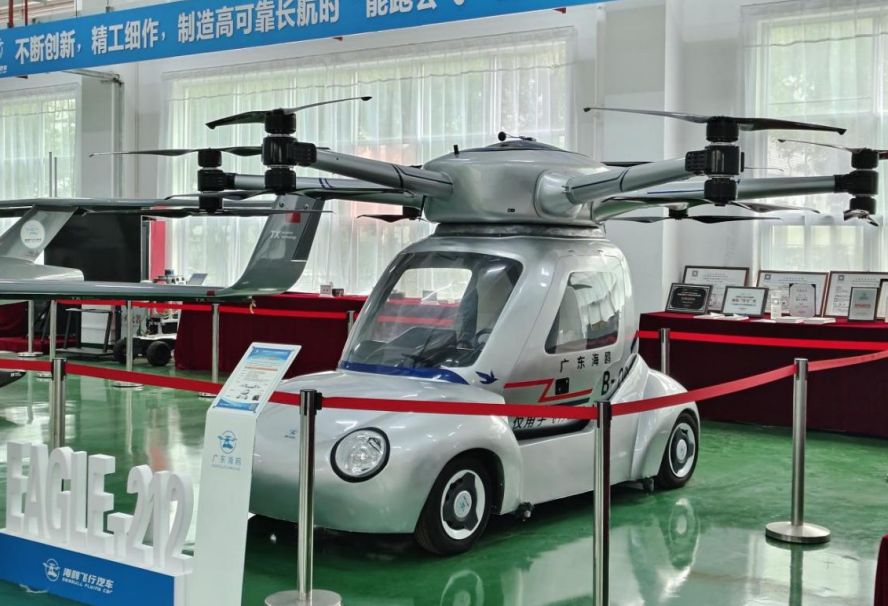
海鸥飞行汽车:做低空领域的“安卓系统” | 高成长企业
2 1 Shi Ji Jing Ji Bao Dao· 2025-06-13 09:42
Core Viewpoint - The development of low-altitude transportation tools such as drones and eVTOL is transitioning from science fiction to reality, with companies like Guangdong Seagull Flying Car Group leading the way in the industry through advanced technology and regulatory compliance [1]. Group 1: Company Overview - Guangdong Seagull Flying Car Group is one of the few companies in China to have obtained special airworthiness certificates for firefighting, logistics, and multifunctional platforms, indicating its capability in high-end markets [1]. - The company aims to meet the projected domestic demand for nearly 2 million flying vehicles and plans to provide long-endurance, high-reliability flying cars globally [1]. Group 2: Technological Advancements - The company has developed a TMR (Triple Modular Redundancy) system in its avionics, which enhances reliability by ensuring independent operation across multiple channels, thus avoiding systemic failures [2]. - Seagull's technology platforms include avionics, flight control, power energy systems, and structural design, all contributing to improved safety, efficiency, and performance of flying vehicles [4]. Group 3: Market Position and Products - Seagull has three flying vehicles that have received special airworthiness certificates, allowing them to enter the market for commercial applications, including the EAGLE-300-XFA2 smart firefighting drone and the EAGLE-350-HQ smart logistics drone [6][7]. - The EAGLE-212 manned flying car is modular and features both manual and automatic driving modes, designed for various applications such as urban transportation and emergency services [9]. Group 4: Future Development and Strategy - The company is focusing on hydrogen fuel cells as a key area for enhancing the endurance of electric flying vehicles, with plans to reduce costs associated with hydrogen production, storage, and transportation [5]. - Seagull is actively engaging in over 20 projects in areas like emergency rescue and logistics, aiming to establish itself as a collaborative ecosystem in the low-altitude sector [10].
印度客机坠毁或因起落系统异常;周杰伦方回应花30亿台币买4层楼;海底捞部分门店上线22元自助午餐;哈根达斯中国业务或被卖丨邦早报
创业邦· 2025-06-13 00:09
Group 1 - A passenger plane in India crashed near Ahmedabad airport, carrying 242 people, with initial reports indicating it failed to take off properly [3] - Ant Group's international division plans to apply for stablecoin licenses in Hong Kong and Singapore to enhance its blockchain business [6] - General Mills is considering selling its Haagen-Dazs ice cream business in China, with potential sales expected to start in 2025 [6] - Haidilao has introduced a self-service lunch priced at 22 yuan in some locations, aiming to attract customers during weekdays [6] Group 2 - Xiaopeng Motors aims to be among the first companies to introduce advanced driver assistance systems in Hong Kong [20] - Burger King China plans to evaluate its restaurant layout, closing underperforming locations while opening 40 to 60 new ones [21] - Chery Automobile is looking to Hong Kong as a new starting point for international capital market expansion [21] - ByteDance's self-developed AI IDE "TRAE" has surpassed 1 million monthly active users, with over 80% of its engineers using it [21] Group 3 - OpenAI is in discussions with investors from Saudi Arabia and India for a $40 billion funding round [22] - Disney and Universal Studios have filed a copyright lawsuit against AI company Midjourney for unauthorized use of their character libraries [22] - General Motors plans to invest $4 billion in U.S. factories to adapt to new automotive tariffs [22] Group 4 - Nvidia and Samsung are set to invest in the robotics startup Skild AI to strengthen their presence in the emerging consumer robotics sector [24] - Amiro Robotics has secured several million yuan in investment from Xinwangda Battery [25] - InnoVekang has completed a tens of millions A+ round financing to advance its clinical validation and gene delivery platform [25]

广汽首款量产飞行汽车预售价不超168万,2026年底开启交付
Xin Lang Cai Jing· 2025-06-12 08:18
Group 1: GAC's GOVY AirCab Launch - GAC officially launched its mass-produced flying car, GOVY AirCab, at the 2025 Hong Kong International Auto and Supply Chain Expo, with a price not exceeding 1.68 million RMB [1] - The GOVY AirCab is the first mass-produced unmanned multi-rotor flying vehicle, featuring over 90% carbon fiber composite materials and multiple redundancy safety designs [1] - The flying car is set to begin demonstration operations in the Guangdong-Hong Kong-Macao Greater Bay Area this year, with deliveries expected to start by the end of 2026 [1] Group 2: Industry Trends and Competitors - Xpeng Motors is also advancing the commercialization of flying cars, with its "Land Carrier" flying car priced under 2 million RMB and a planned annual production capacity of 10,000 units [2] - The low-altitude economy, valued in trillions, is accelerating the development of flying cars, with several domestic automakers like Geely and Changan entering the market [2] - Morgan Stanley predicts that the flying car industry will create a market size of $300 billion by 2030 and grow to $9 trillion by 2050, with China potentially becoming the largest urban low-altitude transportation market [2]
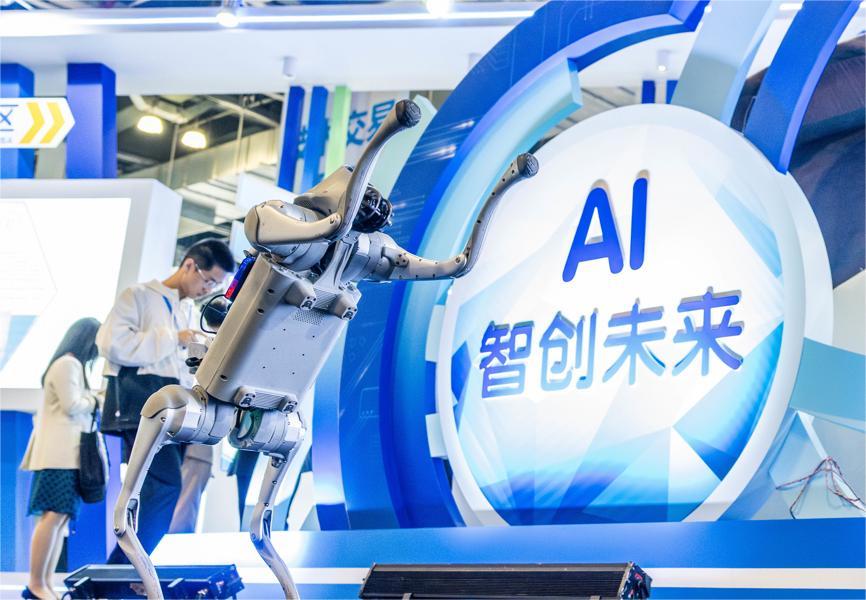
一根纤维展开“地外工厂”蓝图 展品瞄准星辰大海 258项创新成果亮相上交会高校展区
Jie Fang Ri Bao· 2025-06-12 01:59
Group 1 - The 11th China (Shanghai) International Technology Import and Export Fair has commenced, showcasing 258 innovative achievements from 39 universities in the Yangtze River Delta region, including 23 "Double First-Class" universities [2][4] - East China University of Science and Technology presented a mixed reality brain-computer interface system that allows users to control quadruped robots in real-time using lightweight MR headsets and EEG devices [2] - A significant exhibit is the lunar regolith in-situ basalt fiber modular equipment developed by East China University, which successfully produced ultra-fine fibers with diameters of 10 to 20 micrometers, simulating lunar conditions [2] Group 2 - China University of Mining and Technology showcased a space mining robot inspired by the movement mechanisms of insects and origami, designed for asteroid exploration [3] - Southeast University introduced the "Kuanpeng No. 1," a distributed electric flying car capable of seamless transitions between ground and aerial travel, with a maximum takeoff weight of 500 kg and a flight endurance of over 20 minutes [3] - Shanghai Ocean University presented intelligent soft-bodied bionic fish, which are fully domestically produced and designed for underwater fish monitoring and interaction, meeting various operational demands [3]