奢侈品

Search documents
嘲讽苦命牛马? 迪奥新风格翻车惹怒打工人|贵圈
Xin Lang Cai Jing· 2026-01-12 09:36
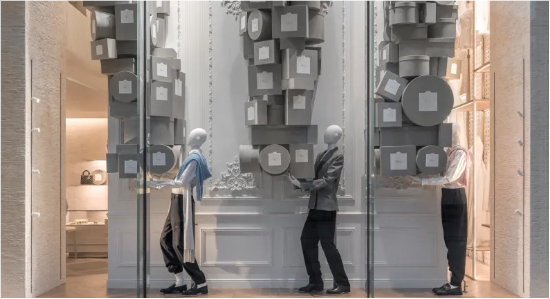
Core Viewpoint - The recent changes in Dior's store display style have sparked significant backlash on social media, with many users perceiving the new design as mocking "working-class individuals" [2][3][5]. Group 1: Store Display Changes - Since January, Dior has introduced a new global store display style featuring models in suits carrying large boxes, which has been criticized for resembling "medieval working-class individuals" [2][3]. - Users have commented that the new display style appears to lack the luxury feel traditionally associated with Dior, with some likening it to Uniqlo [5][19]. - The juxtaposition of high-priced suits (ranging from 60,000 to 70,000 yuan) with the portrayal of models as overburdened workers has led to feelings of mockery among consumers [21][7]. Group 2: Product Reception - Dior's new bags have also faced criticism on social media, with users describing them as "tacky" and "cheap," further contributing to the negative perception of the brand [23]. - A recent flagship store opened in Beijing, which spans five floors, has been met with mixed reviews, particularly regarding the newly launched Dior restaurant, which has a low rating of 3.9 on review platforms [10][24]. Group 3: Financial and Operational Challenges - LVMH, Dior's parent company, reported a 4% decline in revenue to €39.81 billion and a 22% drop in net profit to approximately €5.7 billion for the first half of 2025 [12][26]. - The fashion and leather goods sector, which includes Dior, experienced a 7% decline in organic revenue, with profit margins decreasing by 4.1 percentage points to 34.7% [12][26]. - Dior has also faced operational challenges, including a data breach incident and over 5,700 complaints related to service issues, which have further strained consumer trust [13][27]. Group 4: Market Trends and Consumer Behavior - The luxury market is experiencing a downturn, particularly in key markets like China and the U.S., with the Chinese market recording six consecutive quarters of negative growth [13][28]. - Analysts suggest that the rise of domestic brands and changing consumer preferences, particularly among Gen Z, are reshaping the luxury market landscape, posing additional challenges for traditional luxury brands like Dior [28].

LVMH管理层再洗牌;Alo挖角前Dior总经理
2 1 Shi Ji Jing Ji Bao Dao· 2026-01-12 05:07
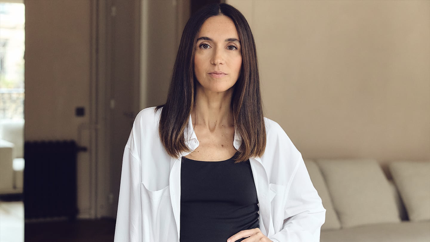
Group 1: Luxury Goods Sector - The luxury goods sector is undergoing significant management changes, with brands like Givenchy, Dior, and Hermès initiating leadership transitions to enhance brand competitiveness and adapt to market demands [1][3] - Alo has appointed Benedetta Petruzzo, a former Dior executive, as CEO of international business, aiming to strengthen its high-end brand positioning and expand globally [1][2] - LVMH continues its management reshuffle, appointing Amandine Ohayon as CEO of Givenchy and promoting Alessandro Valenti to a key role at Dior, reflecting a strategy focused on internal talent development [3][6][7] Group 2: Sportswear Industry - Anta Sports is reportedly seeking to acquire a 29% stake in Puma, which would make it the largest single shareholder, amidst Puma's declining sales and strategic challenges [4][5] - Puma has appointed Nadia Kokni as Vice President of Global Brand Marketing to lead its marketing strategy during a critical phase of brand restructuring [9][10] Group 3: Beauty Industry - Estée Lauder is considering selling three brands, including Too Faced and Smashbox, for an estimated $300-500 million, significantly lower than the $2.5 billion spent on their acquisition, as part of a strategy to focus on high-end beauty [11][12] - L'Oréal plans to launch over 20 new products in 2026, leveraging multi-channel strategies to drive growth, following a strong performance in the previous year [17][18] Group 4: Domestic Market Trends - The Shanghai New World Daimaru Center has ended its partnership with Japanese retail and will operate independently, marking a significant shift towards local business autonomy [15][17] - The family behind the Chinese beauty brand Mao Geping plans to reduce their stake, raising concerns about the impact on the company's future despite its current growth trajectory [13][14] Group 5: Investment Movements - Fairfax Financial Holdings has increased its stake in Under Armour to 22%, betting on the brand's potential for recovery and transformation amid ongoing challenges [19][20] - The management changes at Hermès Japan, with Shigeru Takagaki taking over, are expected to enhance operational efficiency in the Japanese market [21][22]
LVMH管理层再洗牌;Alo挖角前Dior总经理|二姨看时尚
2 1 Shi Ji Jing Ji Bao Dao· 2026-01-12 05:01
Group 1: Luxury Goods Industry - The luxury goods sector is undergoing significant adjustments with management changes, capital maneuvers, and strategic optimizations as core themes, reshaping the industry landscape [1] - Givenchy and Dior have initiated management changes to enhance brand competitiveness, while Alo has hired a former Dior executive to accelerate its high-end lifestyle transformation [1][2] - LVMH continues its management reshuffle, appointing Amandine Ohayon as CEO of Givenchy and promoting Alessandro Valenti to a key role at Dior, reflecting a strategy focused on internal talent development [6][8][9] Group 2: Sportswear Industry - Anta Sports has made a bid to acquire a 29% stake in Puma, which would make it the largest single shareholder, amidst Puma's declining sales and restructuring efforts [4][5] - Puma has appointed Nadia Kokni as Global Brand Marketing Vice President to lead its marketing strategy during a critical phase of brand restructuring [10] Group 3: Beauty Industry - Estée Lauder is considering selling three brands for $300-500 million, significantly less than the $2.5 billion spent on their acquisition, as part of a strategy to focus on high-end beauty [11][12] - L'Oréal plans to launch over 20 new products in 2026, leveraging multi-channel strategies to capture market growth, following strong performance in recent years [17][18] Group 4: Market Trends - The beauty industry is shifting from incremental to stock market pressures, with high-end positioning becoming increasingly important [1] - The trend of local business autonomy is highlighted by the Shanghai New World New Maru Center ending its partnership with Japanese firms to operate independently, showcasing resilience in local commerce [1][16] Group 5: Company-Specific Developments - Alo has launched a high-end custom series and plans to expand its international presence, including a flagship store on the Champs-Élysées by 2026 [3] - The family behind the Chinese beauty brand Mao Geping plans to sell shares worth up to 1.41 billion HKD, raising concerns about the impact on the company's future despite its current growth [14][15]


二手高奢与本土新锐夹击,轻奢品牌如何反攻?
Sou Hu Cai Jing· 2026-01-12 04:10
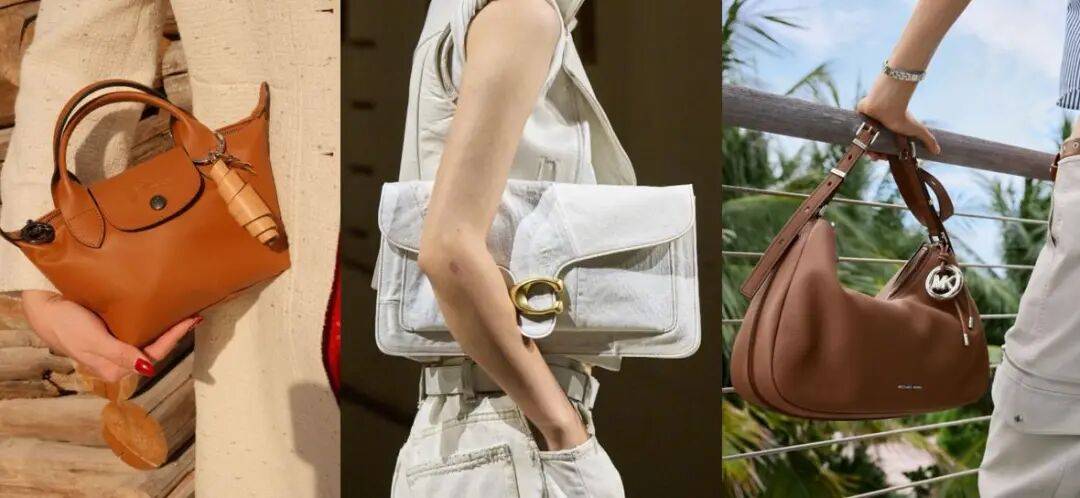
Core Insights - The luxury brand sector, particularly the affordable luxury segment, is facing significant challenges due to tightening consumer spending and competition from both high-end second-hand markets and local brands [2][3][4] Group 1: Market Performance - Despite overall pressure, the Chinese market remains a strategic priority for luxury brands, with notable sales growth reported: Coach's sales in the Greater China region increased by 21% year-on-year for Q1 FY2026, while Ralph Lauren saw a 30% increase in the same period [3] - The second-hand luxury market in China is projected to reach a transaction volume of 38.4 billion yuan by 2025, with high-end brands like Chanel and Louis Vuitton leading in sales [4] Group 2: Competitive Landscape - The rise of local brands and the expansion of the second-hand luxury market pose significant threats to international affordable luxury brands, with local brands like Shanxiaoyousong and Qiu Zhen rapidly gaining market share [10][11] - Local brands are leveraging highly localized strategies, focusing on specific consumer demographics and cultural resonance, which has proven effective in attracting younger consumers [14][16] Group 3: Brand Strategies - International affordable luxury brands are responding to market pressures by revitalizing their product lines and redefining their brand positioning to appeal to younger consumers [20][23] - Brands are shifting their distribution strategies to enhance accessibility, with plans for more localized store openings and experiential retail environments [25][26] - Marketing efforts are increasingly focused on local culture and social media engagement, with brands collaborating with celebrities and utilizing platforms like Xiaohongshu and Douyin to enhance visibility [28][30]



“路易号”已吸引87个国家及地区海外游客 带动周边退税销售额爆发式增长 入境游新趋势:来中国买进口商品
Jie Fang Ri Bao· 2026-01-12 01:46
Group 1 - The "Louihao" project on Nanjing West Road has attracted overseas tourists from 87 countries and regions, significantly boosting inbound consumption in Jing'an District during the 2026 New Year holiday, with a 249% year-on-year increase in tax refund orders and a 110% increase in corresponding sales [1] - The surge in tax refund sales in Jing'an is attributed to a notable shift where more overseas consumers are purchasing imported goods in China, a trend that was previously unimaginable [1] - Jing'an District has become a key destination for international consumers, with a 60% year-on-year increase in tax refund sales and an explosive growth of over 13 times in "immediate refund" sales since last year [1] Group 2 - The "Louihao" project has led to sustained high foot traffic at Xinyi Taikoo Hui, with many foreign tourists shopping there after visiting "Louihao," resulting in a 700% increase in "immediate refund" transaction numbers and a nearly 400% increase in consumption amount compared to the previous half-year [2] - The tax refund orders completed at "Louihao" accounted for 30% of the total orders at Xinyi Taikoo Hui, which has nearly 50 tax refund stores, with 90% being international brands across various sectors [2] - CELINE's global launch event at Zhangyuan, which provided a tax refund "green channel," attracted international mid-to-high-end consumers, with a single-day tax refund sales ratio reaching 15%, exceeding brand expectations [2] Group 3 - The high growth of tax refunds in Jing'an highlights the district's advantages in high-end consumer aggregation and growth vitality, supported by systematic optimization of the environment through the "Jing'an International Friendly City Construction Implementation Plan" [3] - Jing'an District has over 800 tax refund stores, with more than 100 "immediate refund" merchants, forming a high-end consumer tax refund service cluster covering multiple sectors [3] - The average tax refund amount in Jing'an is twice the city average, ranking first in Shanghai, with plans for continued policy innovation and inter-departmental collaboration to enhance inbound consumption convenience [3]
有产品二手价超原价近300%,爱马仕们成投资神器
凤凰网财经· 2026-01-11 14:57
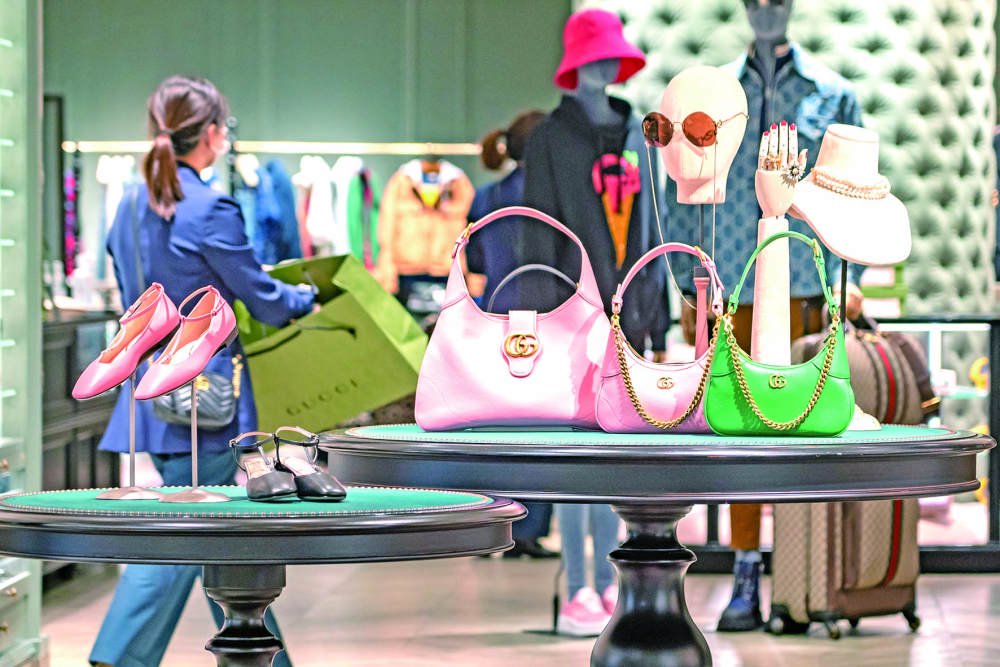
Core Insights - The second-hand fashion and luxury goods market is projected to become a core growth engine in the global fashion industry by 2025, with a market size of approximately $210 to $220 billion and an annual growth rate of 10%, three times that of the primary market [2][4]. Group 1: Market Dynamics - The second-hand luxury goods market currently accounts for 8% of the total global luxury fashion sales, expected to exceed $320 to $360 billion by 2030, increasing its market share to 10% [4]. - Leather goods, clothing, and footwear dominate the market, comprising about 80%, while watches and jewelry are the fastest-growing segments due to their strong value retention and rising consumer demand for durable collectibles [4][5]. - Nearly 80% of surveyed consumers cite value for money as the primary reason for choosing second-hand luxury goods, with over half indicating that second-hand channels allow access to high-end brands they otherwise could not afford [5]. Group 2: Consumer Behavior - The Z generation is emerging as a significant force in the second-hand luxury market, with 32% of their wardrobes consisting of second-hand items, emphasizing emotional and creative aspects of consumption [6]. - In the U.S., 87% of respondents prioritize value for money when purchasing second-hand luxury items, while European consumers focus more on sustainable fashion practices [7]. - Different income groups exhibit distinct consumption behaviors, with aspirational consumers viewing second-hand channels as affordable entry points to high-end fashion, while affluent consumers seek rare or sold-out luxury items [7]. Group 3: Brand Value and Investment - The valuation of luxury brands is shifting from market popularity to value retention, with brands like Hermès achieving a resale value retention rate of 138%, significantly above the benchmark for "unicorn brands" [9]. - The resale prices of certain Hermès bags have surged, with the Kelly Mini selling for 282% above its original price, highlighting the investment potential of select luxury items [10]. - The revival of vintage styles is driving market interest, with significant increases in search volumes for iconic bags from the early 2000s, indicating a strong emotional connection to these classic designs [10]. Group 4: Future Trends - The second-hand luxury market is expected to continue its growth trajectory into 2026, with traditional luxury brands focusing on craftsmanship while also embracing innovation [11]. - The Z generation's influence is anticipated to deepen, shifting from participation to market leadership, with a growing demand for personalized, sustainable, and brand story-driven products [12]. - Brands are encouraged to develop clear second-hand strategies to balance pricing and enhance customer engagement, particularly targeting both aspirational and affluent consumers [12].
2025二手奢侈品市场消费趋势:从“捡漏”到“投资”
Xin Lang Cai Jing· 2026-01-09 22:53
Core Insights - The second-hand fashion and luxury goods market is projected to become a significant growth engine in the global fashion industry by 2025, with a market size of $210 billion to $220 billion and a stable annual growth rate of 10%, three times that of the primary market [1][3] - The market is characterized by "scale expansion and structural upgrading," with the second-hand luxury goods market currently accounting for 8% of total global luxury sales, expected to exceed $320 billion to $360 billion by 2030, increasing its market share to 10% [3][4] - The demand for second-hand luxury items is driven by both buyers seeking value and sellers looking to declutter and generate income, with online platforms becoming the primary channel for transactions [4][6] Market Dynamics - The second-hand luxury market is supported by a dual-driven model from both buyers and sellers, with nearly 80% of buyers citing value for money as their primary reason for purchasing second-hand items [4] - The market is seeing a significant influence from Generation Z, who have a higher proportion of second-hand items in their wardrobes (32%) and prioritize style expression and unique experiences over mere cost [5][6] - Regional differences are evident, with American consumers leading in acceptance of second-hand luxury goods, particularly in handbags, while European consumers focus more on sustainable fashion practices [6][7] Brand Value and Investment - The valuation of luxury brands in the second-hand market is shifting from "market heat" to "value retention," with brands like Hermès and Goyard achieving high resale values, indicating strong investment potential [8][9] - The resurgence of retro styles is driving demand, with significant increases in search volumes for iconic bags from the 2000s, reflecting consumer nostalgia and emotional connection to these items [9] - The luxury jewelry sector is anticipated to become the next growth hotspot, as consumer interest in sustainable luxury and investment pieces rises [11] Future Outlook - The second-hand luxury market is expected to continue its growth trajectory into 2026, with traditional luxury brands focusing on craftsmanship and innovation to attract consumers [10][11] - Brands are encouraged to develop clear second-hand strategies to balance pricing and enhance customer trust, particularly among affluent consumers [11] - The evolving consumer mindset towards sustainability and value will further shape the second-hand luxury market, creating opportunities for brands that adapt to these changes [10][11]
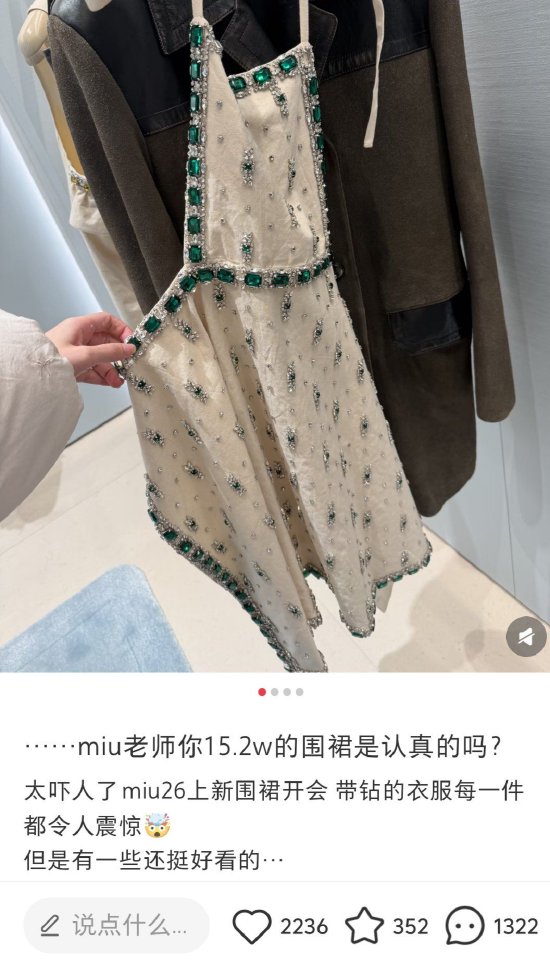
一条15万!Miu Miu镶钻“围裙”引热议
新浪财经· 2026-01-08 10:08
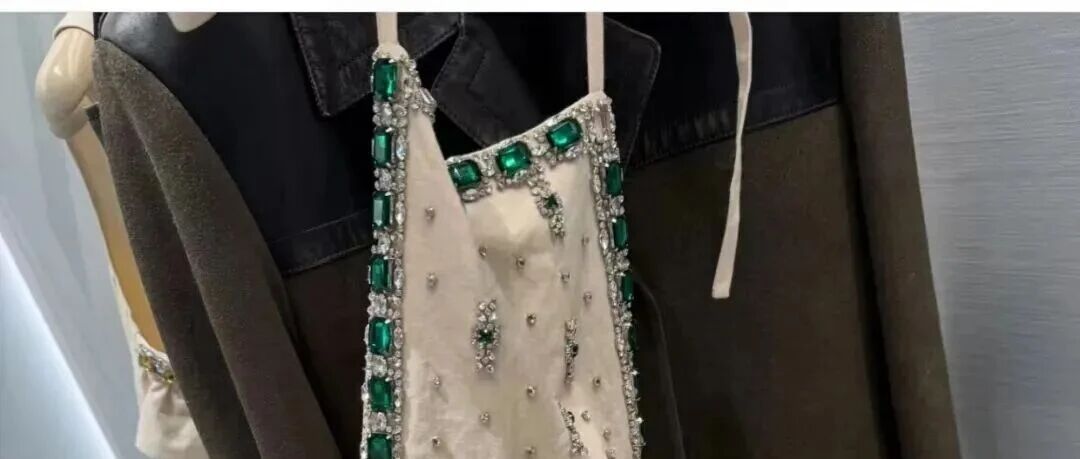
日前,有网友在社交平台发帖称,在一家商场看到Miu miu的满钻"围裙",一条售价高达 15.2万元,引发网友热议。 据Prada集团2025年9月30日止九个月的业绩显示, 报告期内,该集团 收入净额达40.7亿 欧元,同比上升8.9%。按固定汇率计算,Prada品牌的零售销售额同比下滑2% , Miu Miu收入 则 同比大增41%。 在 Miu Miu 高增长的推动下, Prada集团整体零售销售净额 增长9.3%。 不过,市场担忧Miu miu的高速增速将会放缓。花旗 在2025年12月中旬发布研报称,普拉 达2025财年第四季销售额按固定汇率计同比增长6%,按报告计下降1%至15.9亿欧元;按 品牌划分的零售销售额,Prada料同比持平(第三季跌1%), Miu miu 同比增长20% (第三季增长29%);下半年EBIT料同比下降3%至6.85亿欧元,EBIT利润率同比收窄 100个基点至23.4%。 花旗 称, 对普拉达2025财年、2026财年及2027财年收入、EBIT及每股盈利预测无重大 变动。目标价由53.8港元下调至52港元,维持"中性"评级。 来源:小红书 公开资料显示,该款围裙式连 ...
LVMH集团任命纪梵希新任首席执行官 | 贵圈
Xin Lang Cai Jing· 2026-01-08 08:37
Group 1 - LVMH Group announced the appointment of Amandine Ohayon as the new CEO of Givenchy, effective January 9, 2026 [1][3] - Amandine Ohayon will succeed Alessandro Valenti, who will transition to the role of Deputy General Manager at Christian Dior Couture on January 12, 2026 [1][3] - Ohayon will report to Pietro Beccari, who has taken on the role of Chairman and CEO of LVMH Fashion Group as of January 1, 2023, while also serving as Chairman and CEO of Louis Vuitton [1][3] Group 2 - Amandine Ohayon has over 25 years of experience in the luxury and beauty industry, starting her career in 1998 at Christian Lacroix [2][4] - She has held various positions at L'Oréal, including Managing Director for the Luxury Products division in the UK and Ireland, overseeing brands like YSL Beauty and Armani Beauty [2][4] - In 2018, she became the CEO of luxury bridal brand Pronovias, and in November 2023, she was appointed CEO of Stella McCartney [2][4]

Miu Miu再推高价争议单品,镶钻“围裙”售价超15万元 | 贵圈
Xin Lang Cai Jing· 2026-01-08 07:34
Core Viewpoint - Miu Miu's recent high-priced fashion items, including a diamond-studded apron dress priced at 152,000 RMB, have sparked consumer debate and highlight the brand's unique positioning in the luxury market [1][5]. Group 1: Product Launch and Consumer Reaction - A diamond-studded apron dress from Miu Miu's Spring/Summer 2026 collection has been priced at 152,000 RMB, leading to mixed reactions from consumers on social media [1][5]. - The dress is part of a collection themed "At Work," which explores the value of women's labor and multiple identities through fashion [1][5]. - Miu Miu's customer service indicated that the specific item is not available for purchase, reflecting potential exclusivity or limited production [1][5]. Group 2: Financial Performance - Prada Group reported a net revenue of 4.07 billion euros for the nine months ending September 30, 2025, representing an 8.9% year-over-year increase [2][6]. - While Prada's retail sales decreased by 2% year-over-year, Miu Miu's revenue saw a significant increase of 41%, indicating strong brand performance [2][6].