互联网医疗

Search documents
慢病管理新局已开:方舟健客以AI激活健康效能
Jiang Nan Shi Bao· 2025-12-31 03:16
Core Insights - The article highlights the innovative integration of AI in chronic disease management by Fangzhou Jianke, showcasing its potential to address global health challenges [1][2][3] Group 1: Company Overview - Fangzhou Jianke has been a pioneer in the "Internet + Chronic Disease Management" sector since 2015, developing a Hospital to Home (H2H) smart healthcare ecosystem [2] - The company has upgraded its platform to create a more professional, intelligent, and efficient "AI + H2H Smart Healthcare Ecosystem," enhancing patient care from hospital to home [2] Group 2: AI Technology Integration - AI technology is fully integrated into Fangzhou Jianke's healthcare services, utilizing the self-developed Xing Shi model, which includes multi-modal capabilities such as image and voice recognition, and natural language processing [2] - The AI health steward provides continuous real-time interaction, assisting patients in managing their health effectively, while the AI academic assistant addresses urgent clinical decision-making needs and improves the efficiency of medical information retrieval for doctors [2][3] Group 3: Industry Impact - The integration of AI not only enhances the operational efficiency of the H2H smart healthcare ecosystem but also builds trust among patients and doctors by addressing their pain points [3] - Fangzhou Jianke aims to set a new benchmark in the "AI + Internet Healthcare" sector, promoting standardized and intelligent development in chronic disease management, and providing a replicable "Chinese solution" for global health challenges [3]
平安好医生HMO模式引领行业,AI重构医疗健康新生态
Sou Hu Cai Jing· 2025-12-28 23:38
Core Insights - The article highlights the transformation of the healthcare industry in China, driven by the "Healthy China" strategy and an aging population, with Ping An Good Doctor emerging as a leader in the shift from disease treatment to health management [1][18] - Ping An Good Doctor has achieved significant growth, with a 13.6% increase in revenue to 3.725 billion yuan and a 45.7% rise in adjusted net profit to 216 million yuan in the first three quarters of 2025, while maintaining over 70% market share in online consultations [1][6] Group 1: Business Model and Strategy - Ping An Good Doctor has adopted a unique "insurance + healthcare" collaborative model, inspired by the successful HMO strategy in the U.S., to create a closed-loop system that integrates financial protection with healthcare services [3][4] - The core of the HMO strategy is to establish a comprehensive health management system that includes preemptive health management, in-treatment services, and post-treatment care, differentiating it from traditional internet healthcare platforms [4][12] Group 2: Service Innovation and Technology - The company has developed a four-pronged service system ("to line, to hospital, to enterprise, to home") to ensure comprehensive coverage of healthcare services, enhancing user access to professional medical care [5][10] - Ping An Good Doctor leverages AI technology to optimize service delivery, resulting in a 52% reduction in average service costs per family doctor, thus creating a virtuous cycle of growth, cost optimization, and profit enhancement [6][8] Group 3: Market Position and Competitive Advantage - The company has established a strong market presence, serving over 45,000 corporate clients and covering more than 26 million employees, thereby creating a dominant position in corporate health management [13][14] - The deep collaboration with Ping An Group's various business units provides a unique competitive edge, facilitating a positive cycle of user retention and financial growth [14][16] Group 4: Future Outlook - The successful implementation of the HMO model and the continuous application of AI technology position Ping An Good Doctor for significant future growth, particularly in corporate health management and home care services [18][19] - The company's innovative approach and sustainable profitability model serve as a benchmark for the internet healthcare industry, indicating strong long-term growth potential [16][19]


医疗与消费周报:政策驱动与技术赋能下的中国互联网医疗发展-20251227
Huafu Securities· 2025-12-27 12:00
Investment Highlights - The report highlights that the internet healthcare sector in China is experiencing rapid growth, with a market size exceeding 100 billion yuan and an annual growth rate of over 18%. The primary user demographic consists of young and middle-aged individuals aged 18-45 [2][9][10] - The Chinese government has introduced multiple policies to support the internet healthcare industry, including expanding the scope of online medical consultations and including eligible services in health insurance reimbursement [8][9] - The competitive landscape is characterized by leading companies such as Alibaba Health and Ping An Good Doctor, alongside emerging firms focusing on niche market innovations. Key technological drivers include mobile internet, big data, artificial intelligence, and 5G [2][9][10] Market Trends - The report anticipates continued high-speed growth in the internet healthcare sector, with the market size expected to surpass several hundred billion yuan. User expansion is projected to reach lower-tier cities and rural areas [10] - The integration of advanced technologies like AI, big data, and blockchain is expected to drive the evolution of services towards precision and intelligence [10] - The report identifies challenges such as regulatory compliance, uneven distribution of medical resources, and data security concerns that the industry must address [10][29] Policy Developments - The report discusses the implementation of various supportive policies, including the "Implementation Opinions on Further Optimizing the Business Environment" and the "Health China Action Plan," which encourage the use of AI and big data in healthcare [8][9] - Specific measures from the Shandong provincial government aim to enhance drug and medical device regulation, promoting innovation and international competitiveness in the pharmaceutical industry [22][26] Industry Innovations - The launch of internet hospitals, such as the one by Xining First People's Hospital, aims to improve healthcare access and efficiency, particularly for chronic disease management [21] - Changes in tax policies regarding contraceptive products are expected to drive industry upgrades, pushing low-quality products out of the market while favoring companies focused on research and innovation [27]
互联网医疗板块12月26日跌0.21%,荣科科技领跌,主力资金净流出12.36亿元
Sou Hu Cai Jing· 2025-12-26 09:22
从资金流向上来看,当日互联网医疗板块主力资金净流出12.36亿元,游资资金净流出1215.27万元,散 户资金净流入12.48亿元。互联网医疗板块个股资金流向见下表: 证券之星消息,12月26日互联网医疗板块较上一交易日下跌0.21%,荣科科技领跌。当日上证指数报收 于3963.68,上涨0.1%。深证成指报收于13603.89,上涨0.54%。互联网医疗板块个股涨跌见下表: 以上内容为证券之星据公开信息整理,由AI算法生成(网信算备310104345710301240019号),不构成 投资建议。 ...


AI视角下互联网“大厂病”系列之31:丁香园的问题、根源与解决方案
Sou Hu Cai Jing· 2025-12-26 07:05
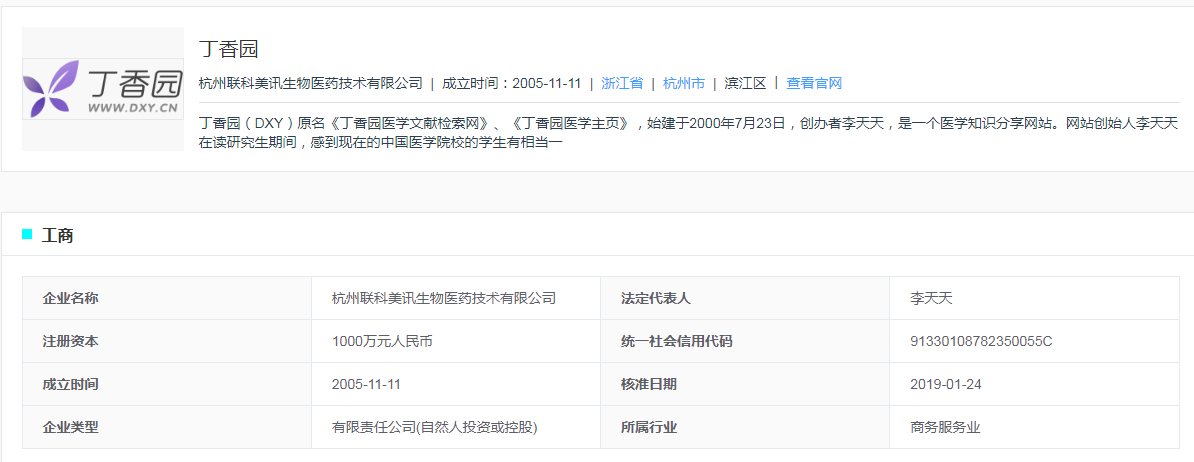
近期,阿里老员工元安(花名)发表万字离职感言,谈及阿里的发展历程、现存问题及相关建议,马云也对该帖子进行了回复与点赞。在此背景下,本着友 善提醒、共同推进平台健康发展的初衷,网经社推出《AI视角下互联网公司"大厂病"问题、根源与解决方案"系列大型策划》。 从阿里系(包括阿里巴巴集团、淘天集团、虎鲸集团、本地生活集团、菜鸟网络、蚂蚁金服集团等)切入,延伸至头部互联网大厂包括腾讯集团、京东集 团、拼多多、抖音集团、快手、美团、携程、滴滴出行、网易、百度、58同城、小米、贝壳、哔哩哔哩、去哪儿、唯品会、途虎养车、猎聘、苏宁易购、蚂 蚁集团等,以及知名MCN机构包括谦寻、美腕(美one)、无忧传媒、宸帆、东方甄选、交个朋友、遥望科技、三只羊、辛选集团等。该系列借助AI大模 型,通过客观、系统分析,并给出对应建议(AI生成内容或存在偏差,内容仅供参考)。 丁香园作为中国互联网医疗领域的先行者,其二十多年的发展轨迹堪称行业缩影。从2000年创立至今,丁香园经历了从专业医学社区到商业化医疗平台的转 型,在这一过程中,其发展历程可划分为四个关键阶段:创业阶段(2000-2005年)、社区转型阶段(2006-2010年)、商业 ...
2025年企业赴美IPO一览(截至12月25日):531家递交招股书 中国占28%
Sou Hu Cai Jing· 2025-12-26 06:08
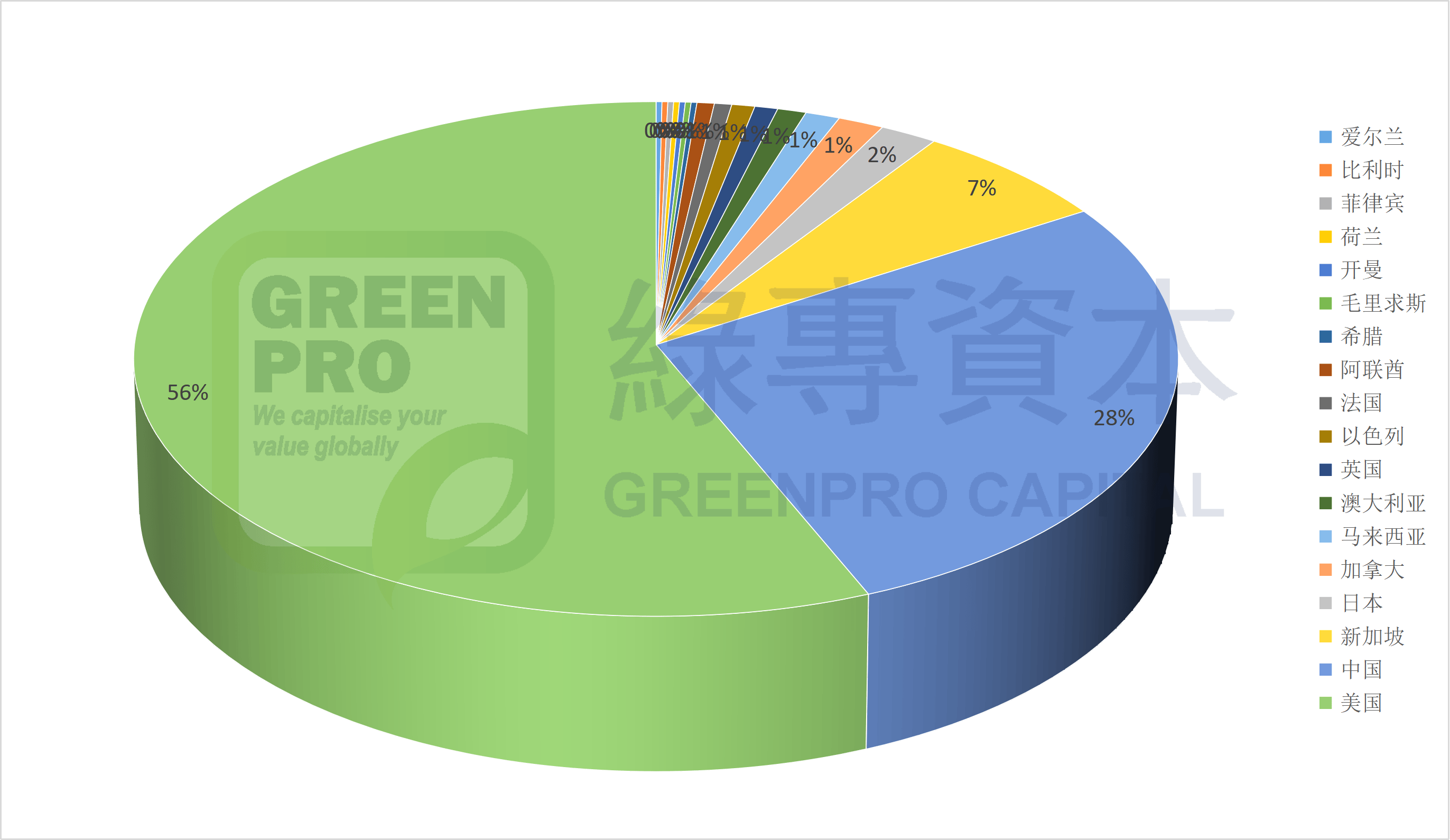
Group 1 - The US IPO market remains active in 2025, with 531 companies filing for IPOs, representing a year-on-year increase of 55.72% [1] - Companies from 18 countries and regions have applied for IPOs, with China being the largest source of IPOs outside the US, contributing 147 companies, which accounts for 27.68% of the total [1] - Singapore ranks second with 35 applications, making up 6.59% of the total [1] Group 2 - Among the 147 Chinese applicants, 89 are operational entities, with 24 having completed their listings, including notable brands like Bawang Tea (CHA), Pomegranate Cloud Medical (POM), and Dragon Online (JLHL) [4] - A total of 24 Chinese companies submitted "blank prospectuses," which were rejected by the SEC due to significant information deficiencies, highlighting the importance of compliance in information disclosure during the US listing process [4]
2025年银发健康消费觉醒元年 京东健康正在托举“一种很新的养老方式”
Mei Ri Jing Ji Xin Wen· 2025-12-26 04:15
Core Insights - The silver-haired demographic is emerging as a significant force in China's health economy by 2025, shifting from a focus on basic needs to a desire for enhanced quality of life and smart consumption [1][2] Group 1: Changing Consumption Patterns - Over 60% of the new silver-haired group have raised their quality of life expectations post-retirement, moving from a focus on low-cost practicality to a preference for quality and smart solutions [1] - The trend of purchasing health-related products online is growing, with e-commerce platforms becoming key channels for the silver-haired population to buy various medications and health products [2][3] Group 2: Increased Demand for Professional Health Services - There is a rising demand for professional health services among the elderly, as evidenced by cases of individuals being misled in online purchases, highlighting the need for transparent and reliable health guidance [6][7] - The introduction of AI doctors, pharmacists, and nutritionists has significantly lowered the barriers for elderly users to seek health consultations, with a notable increase in user engagement during late hours [9][10] Group 3: Technological Integration in Health Management - The integration of AI and smart health products is transforming elderly care, with products like dynamic blood glucose monitors showing significant sales growth, indicating a shift towards proactive health management [10][12] - Companies like JD Health are evolving from mere product sales to comprehensive health management solutions, aiming to serve the deep health management needs of the silver-haired population [12][13]


AI+医疗的“iphone”时刻?蚂蚁阿福解读
2025-12-26 02:12
Summary of Ant Group's AI Medical Model Conference Call Company Overview - **Company**: Ant Group - **Product**: AI medical vertical model named "Afu" - **Target**: To become a national-level medical vertical model by the end of 2026 with 500 million registered users and nearly 100 million monthly active users [1][5] Core Industry Insights - **AI in Healthcare**: Ant Group aims to leverage AI to enhance healthcare services, focusing on user acquisition and retention in 2025, with monetization expected to begin in 2027 [1][5] - **Data Utilization**: The Afu model is trained using various data sources, including 700 million user payment records from health insurance, 2 billion consultation records from Good Doctor Online, and 60 million health insurance users [1][7] Key Points and Arguments - **User Engagement Goals**: By the end of 2025, the goal is to achieve 8 million monthly active users and 5 million daily consultations, with 20% of consultations involving serious medical issues [1][5] - **Monetization Strategy**: The monetization plan includes: - Charging for online consultations (approximately 20 RMB per session) - Selling medications (average order value of 120 RMB) - Membership models (e.g., 399 RMB/year for health membership) [1][5][15] - **B2B Collaborations**: Partnerships with insurance companies for chronic disease insurance and health service sales, as well as collaborations with pharmaceutical companies for sales commissions and clinical trial recruitment [4][8][10] Additional Important Insights - **Operational Model**: Ant Group's online pharmacy, "Whale Pharmacy," launched in 2024, supplies around 1,000 high-frequency medications, with 20% of drugs sourced from Alibaba Health [12][13] - **Competitive Advantage**: Ant Group's extensive data coverage (90% of user scenarios) and early market entry provide a significant edge in the healthcare sector [14] - **Future Revenue Streams**: Besides medication sales, subscription models are anticipated to be a major revenue source, with over 800,000 paid users already [15] - **AI Model Development**: The AI model is currently not charging users due to trust and value assessment issues, but plans to implement a charging model by 2026 [24][26] Conclusion Ant Group is strategically positioning its AI medical model, Afu, to dominate the healthcare sector by leveraging extensive data resources, innovative monetization strategies, and strong partnerships. The focus on user engagement and retention, along with a clear path to commercialization, sets a promising outlook for the company's future in the healthcare industry.
轻松健康港股上市首日大涨近160%,背后三点原因曝光
Sou Hu Cai Jing· 2025-12-25 07:01
Core Insights - The core viewpoint of the article highlights the successful market entry of Qingsong Health Group, driven by its AI technology, optimized business structure, strong user base, and alignment with industry trends [2][3][4][5][6][7] Group 1: AI Technology-Driven Business Model - Qingsong Health integrates its self-developed "AIcare technology stack" to merge health services with insurance technology, creating a dual-driven model of "health services + insurance technology" [2] - The AI applications, such as the Galaxy AI marketing platform, have significantly improved operational efficiency, with the value of business leads generated by AI models increasing from 1.5% in 2022 to 23.3% in 2024, thereby reducing customer acquisition costs and enhancing user stickiness [2] Group 2: Optimized Business Structure and Strong Financial Performance - The company has successfully transitioned from a "insurance-focused" model to one led by "health services," with health service revenue share rising from 15.2% in 2022 to 76.7% in the first half of 2025, achieving a compound annual growth rate of 221.26% over three years [3] - In the first half of 2025, revenue grew by 84.7% year-on-year, reaching 656 million yuan, while adjusted net profit has consistently remained above 80 million yuan for three consecutive years, with 51.18 million yuan in the first half of 2025 [3] Group 3: Large and High-Quality User Base - As of June 2025, Qingsong Health has accumulated 168.4 million registered users, with 60.4% belonging to the core health consumer group aged 20-45, and a user retention rate of 92.2% in the 13th month, significantly exceeding industry averages [4] Group 4: Alignment with Industry Trends and Capital Environment - Qingsong Health is positioned at the intersection of industry trends and capital market conditions, responding to market demands for efficiency and long-term profitability through its AI-driven model [5][6] - The company’s "AI + health" model is viewed as a value reconstruction solution in the digital health industry, aligning with capital preferences for technology-driven enterprises [6] Group 5: Technological Barriers and Competitive Edge - The company holds 58 invention patents and 39 software copyrights, demonstrating recognized technological strength [7] - By integrating the entire service chain from health management to insurance protection, Qingsong Health has established an ecological closed loop that enhances its competitive barriers [7]

AI视角下互联网“大厂病”系列之30: 微医的问题、根源与解决方案
Sou Hu Cai Jing· 2025-12-25 06:30
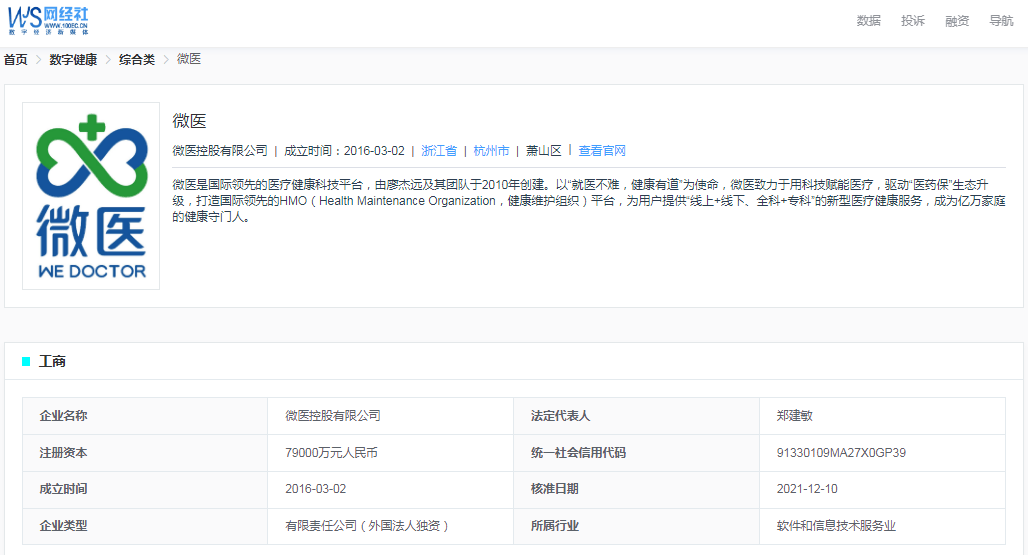
Core Insights - A former employee of Alibaba, Yuan An, shared a lengthy farewell message discussing Alibaba's development, existing issues, and suggestions, which received a response from Jack Ma [1] - The article highlights the challenges faced by WeDoctor, a pioneer in China's "Internet + healthcare" sector, and aims to analyze its core issues, root causes, and potential solutions [1] Company Overview - WeDoctor Holdings Limited, established on March 2, 2016, is a foreign-owned limited liability company based in Hangzhou, China, with a registered capital of 79 million RMB [3] Financial Performance - WeDoctor's revenue from 2021 to 2023 was reported as 9.62 billion RMB, 13.68 billion RMB, and 18.63 billion RMB, respectively, while adjusted losses for the same period were 13.54 billion RMB, 8.17 billion RMB, and 5.05 billion RMB [8][9] - Despite narrowing losses, the company reported a loss of 1.28 billion RMB in the first half of 2024, reflecting a loss rate of 7.0% [9] Business Model and Strategy - WeDoctor's revenue structure indicates a reliance on AI medical services, which accounted for nearly 80% of its income in the first half of 2024, highlighting a risk of income source concentration [11] - The company has undergone multiple strategic shifts, evolving from an appointment booking platform to an integrated digital healthcare service provider, and now focusing on AI healthcare solutions [11][12] Regulatory Challenges - WeDoctor faced regulatory scrutiny, including a 30.3 million RMB fine from the China Securities Regulatory Commission for failing to disclose information during stock trading [6][7] - The company also encountered compliance issues during its rapid expansion, indicating a lag in its compliance framework relative to business growth [7] Market Position and Competition - The digital health sector is highly competitive, with numerous players such as 1药网, 平安好医生, and others, posing significant pressure on WeDoctor [22] - The company’s strategic investments, including attempts to acquire shares in other firms, have led to regulatory penalties, reflecting weaknesses in its investment decision-making [12] Recommendations for Improvement - To address its centralized power issues, WeDoctor should establish a decision-making mechanism with specialized committees and involve external professionals in major decisions [17] - The company is advised to diversify its revenue streams by expanding into corporate health management services and personalized membership health services [19][21] - WeDoctor should enhance its compliance management by adopting best practices and ensuring the independence of its compliance department [19] Future Outlook - If WeDoctor successfully implements the recommended reforms, it may face short-term challenges but could achieve a more sustainable growth model in the long term [23] - The company must leverage policy support for AI healthcare while enhancing compliance and innovation to maintain a competitive edge in the evolving market [24]