低空经济

Search documents
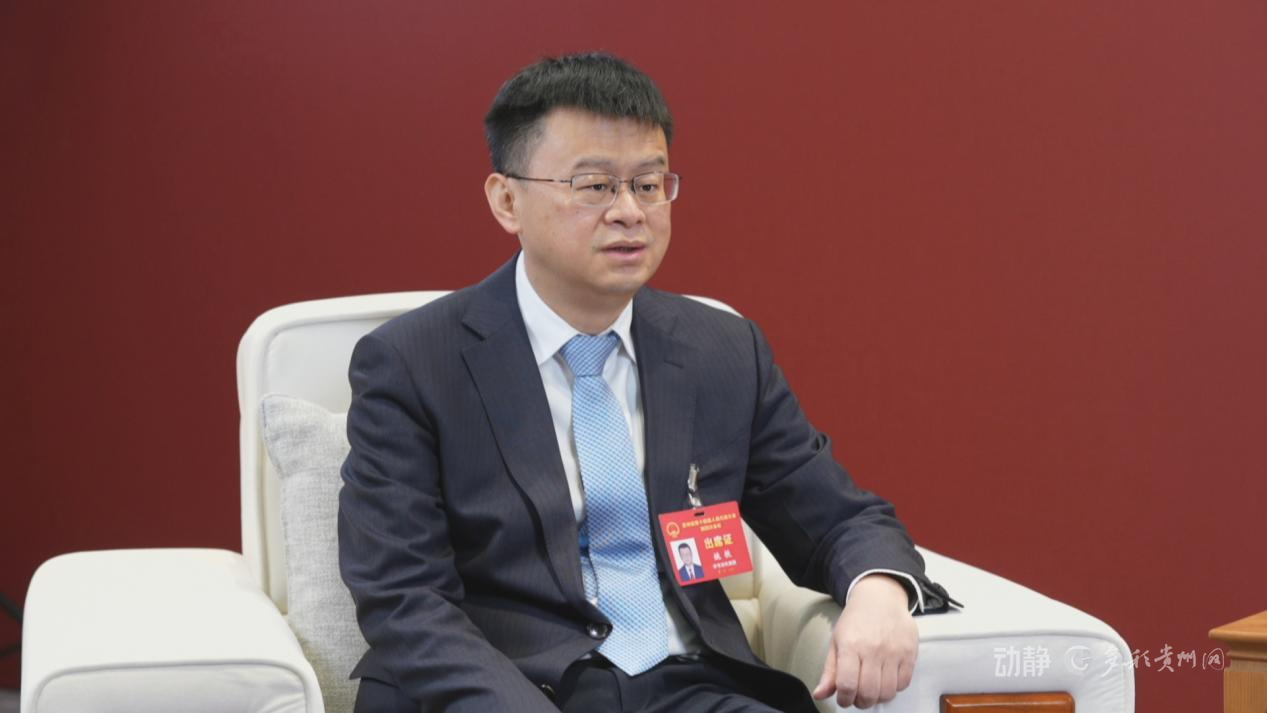
科技向实、产业向新、信心向上:“为中国经济点赞——企业家之夜”在京举行
Zhong Guo Jing Ji Wang· 2026-01-30 06:12
小马智行创始人、首席执行官彭军表示,现在是科技创业最好的时期,创业者应该"放心大胆的去闯,撸起袖子直接干"。小马智行一直以来的愿景,就是希 望用用无人驾驶让出行更安全、便捷、高效,最终让每个人的生活变得更好。 华熙国际投资集团、华熙生物董事长赵燕则将目光投向生命科学的未来。她表示,"未来十年,随着科技突破,高血压、高血脂、高尿酸、阿尔茨海默症甚 至肿瘤,都有望被有效干预乃至攻克。"她强调,科技创新必须与现代生活方式、情绪价值深度融合。 "我们希望大众不再觉得科技是高高在上的,而是能真切感受到它就在身边,时刻守护健康。"赵燕说,"2025年对我们意义非凡——这一年,我们真正打通 了从实验室到日常生活的'最后一公里'。我们的终极目标,是让人有质量地活得更久、更健康、更美丽、更快乐。" 浙江强脑科技创始人韩璧丞表示:"强脑科技听起来很前沿、很遥远,但离生活非常近。"他透露,中国约有500万肢体残疾人因失去手脚而逐渐脱离社会。 强脑科技的目标很简单:"用最先进的技术,帮他们重新'长出'手脚,重返工作与生活。" 珍酒李渡集团、华致酒行(300755)董事长吴向东表达了对中国民族品牌的坚定信心:"希望我们的白酒不仅深耕中 ...

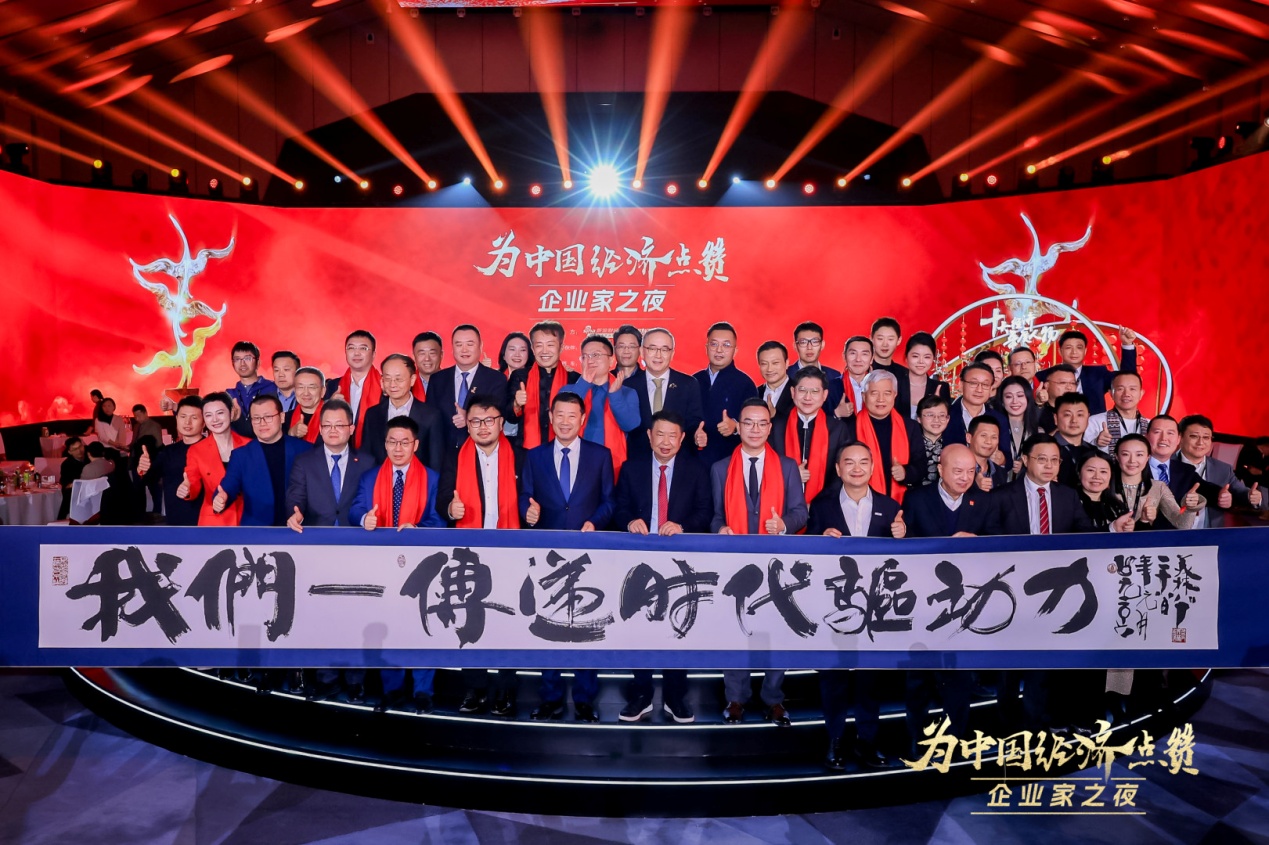
两会会客厅丨毕节市市长姚轶:全面系统盘点毕节比较优势 加快建设贯彻新发展理念示范区
Xin Lang Cai Jing· 2026-01-30 03:09
Core Viewpoint - The Guizhou provincial government emphasizes the need to implement a strategy that strengthens comparative advantages and accelerates the construction of a modern industrial system unique to Guizhou, particularly focusing on the development of the Bijie area as a demonstration zone for new development concepts [1]. Group 1: Comparative Advantages - Bijie has three notable comparative advantages: 1. Policy advantages due to strong support from the central government and local authorities, including the approval of the "High-Quality Development Plan for Bijie" and various supportive policies from 23 national ministries [2]. 2. Abundant mineral resources, with 55 types of mineral resources identified, including coal (318.4 billion tons, 39.5% of the province), phosphorus (15 billion tons, 28.2%), and iron (5.7 billion tons, 55.8%) [3]. 3. A young and sufficient labor force, with a total population of 9.57 million and an average age of 32.9 years, providing a stable workforce of over 2 million skilled laborers [6]. Group 2: Industrial Development Plans - The industrial strategy focuses on a "3+2+1" new industrial system: 1. Development of three major industrial clusters: new comprehensive energy, new energy batteries and materials, and resource deep processing [7]. 2. Growth of two key industries: textile and clothing, and food and medicine processing, leveraging local agricultural products [7]. 3. Upgrading traditional manufacturing through new technologies and processes [7]. Group 3: Service and Agricultural Sectors - The service sector aims to establish a "5+2+N" modern service industry system, focusing on five key support industries: modern logistics, finance, cultural tourism, real estate, and the hospitality industry, while also exploring new opportunities in low-altitude economy and data annotation [9]. - In agriculture, the focus is on ensuring food security while strengthening key industries such as Chinese yam, potatoes, and beef, and optimizing specialty industries like vegetables and medicinal herbs [9]. Group 4: Project and Infrastructure Development - The city has planned 34 major industrial projects with an investment scale exceeding 200 billion yuan, aiming to attract leading enterprises and enhance industrial coupling and resource allocation [10]. - Infrastructure projects include 138 industrial support facilities and 58 industrial roads totaling 771 kilometers, ensuring robust support for project implementation [10].
法治护航低空经济行稳致远
Xin Hua Ri Bao· 2026-01-29 21:40
□ 姜蔚 (作者单位:上海海事大学法学院) 健全监管与服务配套机制,激发运营主体活力。推动我国低空经济从"可飞"向"好飞""易飞"转变,需要 法治在加强监管的同时,更好发挥引导与服务功能。应通过立法清晰界定各类运营主体的法律责任,明 确其经营飞行行为规范,建立基于信用评价的分级分类监管模式。同时,法治建设应致力于简化低风险 飞行活动的审批程序,规范低空飞行基础设施(如起降场地、充电换电设施)的规划建设与运营标准,并 鼓励保险、金融等配套服务创新。通过构建公平开放、服务高效的法治化营商环境,有效降低制度性交 易成本,充分激发运营主体的创新活力与发展动力。 法治是低空经济行稳致远的根本保障。必须坚持系统思维与前瞻布局,加快补齐立法空白,优化体制机 制,完善标准规则,构建起与中国式现代化要求相适应、能够有效护航这一新兴产业安全健康、繁荣发 展的法治"大厦"。 低空经济作为融合先进制造与现代服务的重要战略性新兴产业,是培育新质生产力、拓展发展新空间的 关键增长极。2025年政府工作报告明确要求"推动低空经济等新兴产业安全健康发展"。以此为目标导 向,建议加快构建权责清晰、运行高效、安全可控的法律制度环境,以法治力量引 ...
把“金点子”转化为发展“金钥匙”
Xin Lang Cai Jing· 2026-01-29 19:50
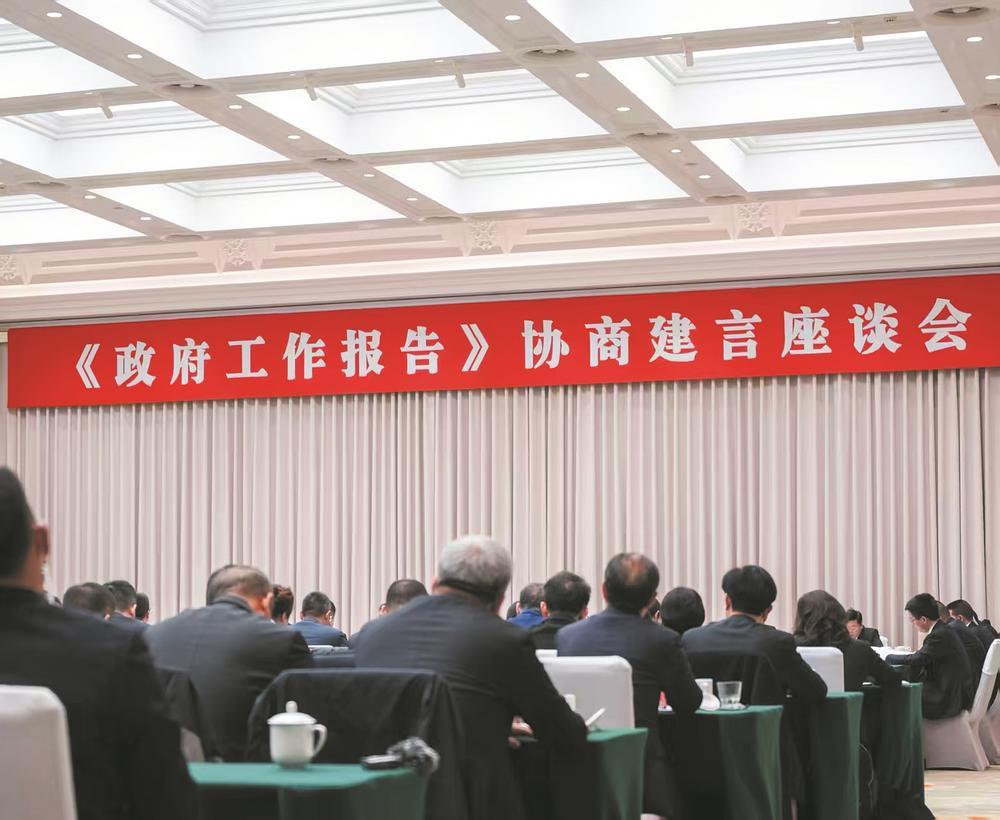
转自:成都日报锦观 把"金点子"转化为发展"金钥匙" 聚焦政府工作报告协商建言座谈会 协商建言座谈会现场。 "深入实施创新驱动发展战略,建议构建常态化、可持续的科技创新场景供给机制。""推动科产融合,要提升产业、创业基金使用效能。"…… 1月29日,政府工作报告协商建言座谈会在金牛宾馆举行。 从创新驱动发展到助力科产融合,从优化营商环境到扎实办好民生实事,委员们结合自己一线调研的经验,聚焦低空经济发展、科创型企业扎 根、老旧小区改造等方面,踊跃发言,为城市高质量发展建言献策。 如何助力科产深度融合? 拓宽示范应用场景 提升基金使用效能 如何激活区域经济发展? 串联上下游配套企业 优化市场准入效能 当前,低空经济正成为撬动产业升级、激活区域经济的关键抓手,其巨大的带动效应如何在成都全面释放?"要牢牢抓住成都的航空制造禀 赋,让产业禀赋转化为发展胜势!"市政协委员刘洋建议,加快培育沃飞长空、腾盾、傲势等链主企业快速成长,同时,要以链主企业为纽 带,串联起产业的上下游配套企业,夯实做强相关产业。 优良的营商环境是推动区(市)县高质量发展的核心支撑,市场准入效能高低是衡量营商环境建设水平的重要指标之一,市政协委员孟刚 ...
这场代表·局长面对面,产业创新为何成为“主角”?
Mei Ri Jing Ji Xin Wen· 2026-01-29 14:26
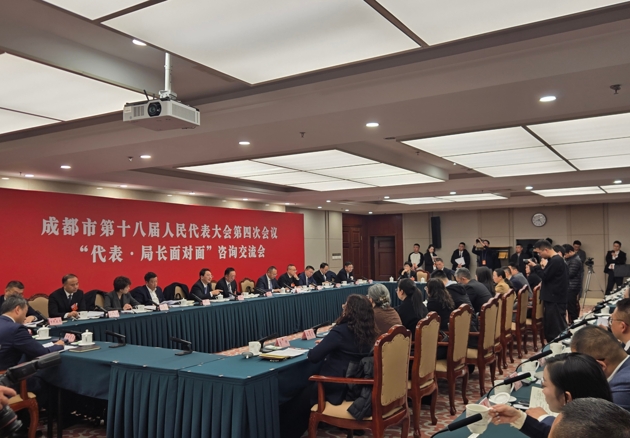
每经记者|淡忠奎 每经编辑|杨欢 "如何系统性考虑重大科技基础设施与我们重点发展的人工智能、低空经济等未来产业之间的匹配性和 耦合度?""在航空航天与新能源等重点产业快速发展背景下,成都如何系统布局?""成都如何优化教育 服务供给,给家长减负?"…… 1月28日,成都市第十八届人民代表大会第四次会议正式开幕。当晚,"代表·局长面对面"咨询交流会 上,成都市发改委、市科技局、市教育局、市交通运输局、市生态环境局等14个市级部门的主要负责人 与52名人大代表围坐在一起,畅聊"十五五",回应各领域关切。 这些发问的人大代表有科学家、企业家以及社区创新者等,轮番举手、密集发问,议题也高度聚焦于科 技创新、未来产业以及"一老一小"等民生问题。据统计,本次交流会14个部门共计回答25个问题,市科 技局、经信局市新经济委等相关负责人作答频率最高,成为"最忙局长"。 从这一维度而言,"代表·局长面对面"生动地诠释出发展战略如何落地,也精准地收到产业一线的反 馈。"局长们回答很专业。"市人大代表、清华四川能源互联网研究院(以下简称"清华四川院")副院长 刘毅对《每日经济新闻》记者谈及,关于科技成果转化的回答让他印象深刻—— 一 ...
资本活水精准滴灌,河南低空经济全链蓄势高飞
Sou Hu Cai Jing· 2026-01-29 13:19
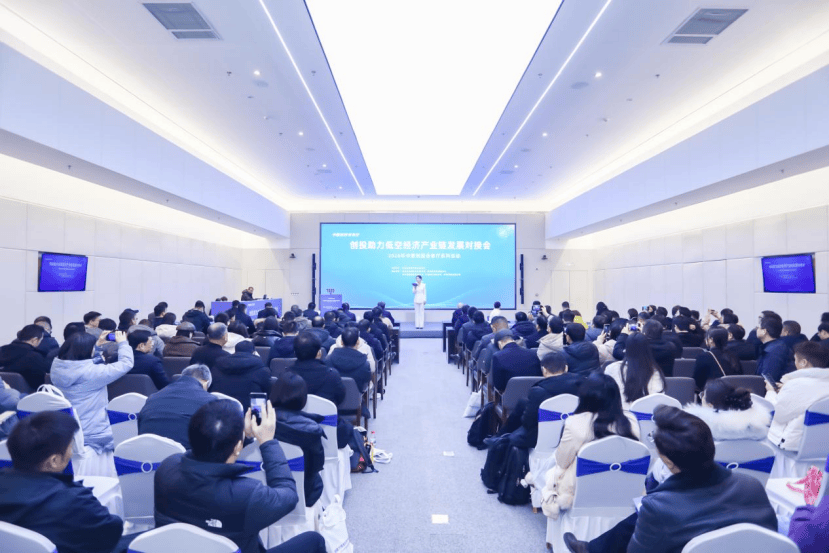
全产业链条加速成型 1月29日,作为2026年中原创投会客厅系列活动,创投助力低空经济产业链发展对接会在郑东新区举行,本次活动旨 在搭建政企对接、资企携手、产学研融平台,促进优质项目与资本牵手,为河南低空经济发展注入强劲资本动能与创 新活力。 低空经济是新质生产力的典型代表,也是国家战略性新兴产业的核心赛道。河南省高度重视低空经济发展,把加快低 空经济发展作为现代化河南建设的重要举措。 本次活动由河南省发展和改革委员会主办,郑州市发展和改革委员会、郑东新区管理委员会、郑州市郑东投资集团有 限公司、中信银行郑州分行、伊洛科技有限公司联合承办。 河南省发展和改革委员会党组成员、副主任夏志胜,郑东新区党工委书记、中原科技城党工委书记孙建功,郑州市发 展和改革委员会党组成员、副主任刘清峰,安阳市发展和改革委员会副主任潘志伟等出席活动。 来自国内低空经济领域的专家,深创投、达晨财智、赛伯乐资本、水木创投、华映资本等40家知名投资机构,以及省 内外低空经济企业代表等200余人齐聚一堂,共赴产业与资本盛会。 河南低空经济发展迅速 【大河财立方 记者 王磊彬】河南低空经济将迎来新发展契机。 郑东新区管委会副主任魏培介绍,郑东 ...
瞄准3万亿元,成都亮出关键“筹码”
Mei Ri Jing Ji Xin Wen· 2026-01-29 12:53
Core Viewpoint - Chengdu is positioning itself as a national growth pole, aiming for high-level economic growth and innovation-driven development as part of its "14th Five-Year Plan" [4][10][11]. Economic Growth - Chengdu's GDP is projected to reach 2.48 trillion yuan by 2025, with a growth rate of 5.8%, and aims for a target of 3.2 trillion yuan by 2030 [4][5]. - The city has achieved significant economic milestones, including a continuous increase in total economic output over the past five years, with key indicators such as retail sales and industrial value-added output showing strong growth [5][6]. Innovation and Technology - Chengdu is focusing on the integration of science and industry, with a notable 39% growth expected in the artificial intelligence sector by 2025 [6][14]. - The city is also advancing in low-altitude economy, ranking second among sub-provincial cities in drone operations [6][7]. Talent and Human Resources - The total talent pool in Chengdu has reached 6.85 million, ranking fourth among Chinese cities, which is crucial for maintaining competitive advantages in development [7][8]. Strategic Development Plans - Chengdu's government report emphasizes the need for deep integration of technology and industry, with specific initiatives to enhance innovation outcomes in various sectors [14][15]. - The city plans to implement a "strong county and active district" strategy to optimize regional economic layout and enhance collaborative effects among industries [16][17]. Infrastructure and Industrial Parks - Chengdu is developing a comprehensive industrial park system, with a goal of establishing over two new trillion-yuan parks by 2026 [18][19]. - The city is also focusing on creating a scene-based innovation promotion center to validate and apply high-tech products in real-world scenarios [19].
两会观察丨从委员热议看贵州“六大产业集群”发展新机遇
Xin Lang Cai Jing· 2026-01-29 12:38
Core Viewpoint - The focus on the "Six Major Industrial Clusters" is central to Guizhou's economic strategy, emphasizing industrial chain investment, private sector revitalization, and the transition from industrial bases to interconnected industrial clusters [1] Group 1: Industrial Development Strategy - Guizhou's economic work prioritizes industrial development, project execution, investment attraction, and operational entity enhancement as its "number one project" [1] - The concept of "clusters" aims to shift industries from isolated operations to collaborative development, enhancing both quantity and quality [3] Group 2: Trade and Economic Transition - Guizhou aims to strengthen its export-import trade, which has been identified as a weakness, by establishing a foreign trade group to support the manufacturing and equipment sectors [3] - The goal is to transition from merely selling resources to offering finished products and brands, thereby creating a stable overseas market channel [3] Group 3: Aluminum Industry Insights - The aluminum industry is being developed as an integrated cluster, focusing on planning, resource management, smelting, processing, and technological advancements [5] - There is a need to enhance the supply chain for raw materials through improved exploration, extraction, and transportation systems [5] - Opportunities exist in high-end applications such as 3C product components and lightweight materials for aerospace, aiming for high-end, intelligent, and green development [5] Group 4: Low-altitude Economy Development - The development of the low-altitude economy is seen as a multi-industry integration opportunity, leveraging existing capabilities in aviation equipment manufacturing [7] - Guizhou has established a foundation in aviation engine research and high-end aluminum 3D printing, which can seamlessly integrate into low-altitude economic manufacturing [7] - The synergy between different industries allows for shared resources and complementary advantages, enhancing overall industrial growth [7]

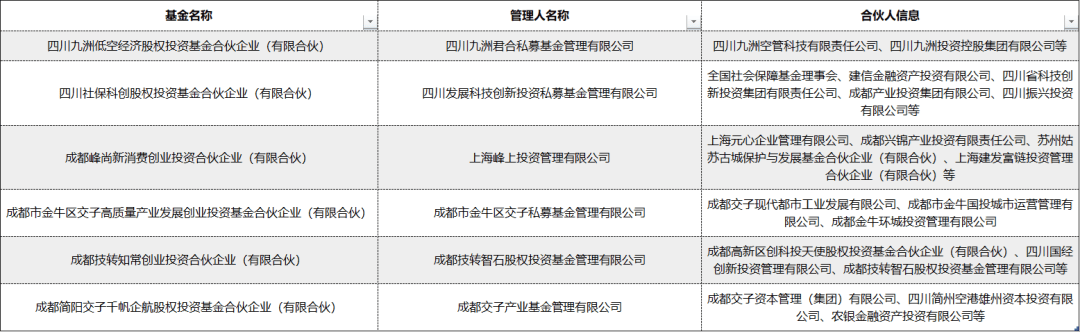
1月盘点丨成都新增一批创投基金,引入“国家队”,加强特色产业投资
Sou Hu Cai Jing· 2026-01-29 10:46
四川九洲低空经济股权投资基金合伙企业(有限合伙) 1月15日,四川九洲低空经济股权投资基金合伙企业(有限合伙)完成备案,该基金由四川九洲旗下四川九洲空管科技有限责任公司联合其他投资方共同 出资设立。此举标志着四川九洲在低空经济领域的战略布局进一步深化,旨在通过资本运作推动产业链上下游协同发展。低空经济作为新兴产业,涉及无 人机、通用航空、空中交通管理等多个领域,近年来在国家政策支持下迎来快速发展期。此次设立股权投资基金,将重点投资于低空经济相关的高科技企 业,助力技术创新和产业升级,同时也为四川九洲拓展新的业务增长点。 四川社保科创股权投资基金合伙企业(有限合伙) 1月13日,四川社保科创股权投资基金合伙企业(有限合伙)完成备案,执行事务合伙人为四川发展科技创新投资私募基金管理有限公司、建信金投私募 基金管理(北京)有限公司,出资额200亿人民币。 2026年1月,以成都为注册地,备案了多只创投基金。此外,一批新基金也完成了工商注册或宣告成立。 其中,高达200亿元人民币规模的四川社保科创股权投资基金合伙企业(有限合伙)完成备案,标志着四川在耐心资本构建方面引来了最强有力的"长 钱";而在1月最后一周,由省级 ...
深圳创新驱动贸易高质量发展 为"十五五"开局提供"深圳样本"
Xin Lang Cai Jing· 2026-01-29 10:30
【环球网财经综合报道】2026年是"十五五"规划的开局之年,也是我国在全球经济格局中深化开放、创新突破的关键节点。在复杂多变的国际经济环境下, 深圳以创新服务模式、深化国际合作、优化营商环境为抓手,通过一系列创新举措推动贸易高质量发展与地方经济深度融合。作为中国对外开放的前沿阵 地,深圳不仅在进出口总额上屡创新高,更以全方位的开放实践为全国提供了鲜活的"深圳样本"。 2026年全国贸促工作会议期间,深圳市贸促会党组副书记、主任廖子彬在接受环球网采访时表示:"在刚刚过去的2025年,深圳外贸顶住全球经济波动压 力,进出口总额达到4.55万亿元,规模再创新高。同时,深圳贸促的商事认证工作不断提质增效,办证业务量稳居全国贸促系统前列,2025全年共签发各类 商事文件171.23万份,同比增长29.9%,帮助企业获得进口国关税减免超45亿元。" 织密全球经贸网络,拓展国际合作空间 深圳立足"国内领先、国际一流"目标,构建多层次经贸合作体系。2025年,深圳外贸顶压前行、韧劲十足,进出口总额4.55万亿元位居内地城市首位,出口 实现"33连冠"。通过深化常态化联络合作机制、打造特色经贸交流品牌,深圳持续推动与全球资源深 ...