
酒业

Search documents
2025生成式营销产业研究报告:从营销供给到营销决策(从AIGC到AIGD)
Sou Hu Cai Jing· 2025-11-29 18:51
Core Insights - The report titled "2025 Generative Marketing Industry Research: From AIGC to AIGD" highlights the evolution of generative AI in marketing, transitioning from AIGC (AI-Generated Content) focused on content creation to AIGD (AI-Generated Decision) centered on decision support, indicating a shift from AI as an "efficiency tool" to a "strategic partner" in marketing [2][4]. AIGC: Marketing Supply Explosion - By 2025, generative AI has matured in creating marketing content, including copy, images, videos, and digital personas, significantly enhancing content supply [3]. - The emergence of new models and products like DeepSeek and Manus has lowered technical barriers, evolving AI from a "creative assistant" to an "execution agent" [3]. - However, the explosion of content supply raises challenges for businesses in selecting optimal solutions and ensuring the authenticity and reliability of AI-generated content, as AIGC addresses production issues but not effectiveness [3]. AIGD: Systematic Upgrade in Marketing Decisions - AIGD aims to resolve decision-making challenges from the AIGC era by integrating classic marketing theories with AI tools, creating a complete loop from "insight—generation—validation—decision" [4]. - On the consumer side, over 68% of consumers are influenced by AI recommendations in their purchasing decisions, indicating a shift in decision-making power towards AI [4]. - On the enterprise side, AI is utilized for core marketing tasks such as environmental analysis, brand positioning, and demand exploration, enhancing the scientific and efficient nature of marketing decisions [4]. AI Practices: Deepening Industry Applications - Generative AI has been implemented across various industries: - **Food and Beverage**: Companies like Mengniu and Yili use AI for health models and ad testing [5]. - **Beauty and Personal Care**: L'Oréal optimizes formula development with AI, while Proya builds ROI-driven decision systems [5]. - **Automotive**: AI enhances lead management and user profiling [5]. - **Alcohol Industry**: AI integrates into brewing processes and enhances cultural experiences through digital personas and the metaverse [5]. - **Dining and Retail**: Smart ordering and AI-driven site selection are core to digital transformation [5]. - **Apparel, Home Appliances, and Digital Products**: AI assists in design, sales forecasting, virtual fitting, and customer service [5]. Future Outlook: Human-AI Collaboration with Decision Priority - The future of generative marketing emphasizes human-AI collaboration rather than AI replacing humans, necessitating organizations to build "AI-ready" structures that deeply integrate AI into strategy, operations, and innovation processes [6]. - The transition from AIGC to AIGD represents a shift from "content-driven" to "decision-driven" approaches, where effective use of AI for decision-making will determine market success [6].

揭秘杜康酒加盟:年入百万的经销商都在用的3个秘诀
Sou Hu Cai Jing· 2025-11-29 15:55
Core Insights - The article highlights the growing interest of entrepreneurs in the Du Kang wine franchise, emphasizing the secrets behind the success of million-dollar distributors in this field [1] Group 1: Market Understanding - Successful Du Kang wine distributors possess keen market insight, focusing not only on overall trends but also on local consumer drinking habits and psychology. They regularly visit markets and gather consumer feedback to accurately position products and marketing strategies [2] - These distributors identify opportunities in various consumption scenarios, such as business banquets, weddings, and casual gatherings, and adjust product offerings according to seasonal changes, promoting refreshing drinks in summer and warming varieties in winter [2] Group 2: Localized Operations - Million-dollar distributors understand the importance of "deep cultivation" and focus on in-depth development in specific regions rather than blind expansion. They establish comprehensive channel networks to penetrate every corner of their territory [4] - Maintaining relationships with end-point retailers is crucial, with regular client visits to stay updated on sales conditions. They also plan marketing activities that reflect local cultural characteristics, integrating Du Kang wine into the lives of local consumers [6] Group 3: Innovative Marketing and Service Models - Successful distributors actively explore new marketing methods beyond traditional sales, utilizing social media and live streaming while also employing effective traditional methods like tasting events and group purchases [7] - These distributors adhere to a "win-win" service philosophy, focusing not only on their own interests but also on helping downstream clients achieve sales growth. They provide professional training support and marketing plan development as value-added services to build strong partnerships [7] Group 4: Future Outlook - As a core brand of Luoyang Yuzhizui Wine Co., Ltd., Du Kang wine is positioned as both a cultural inheritor and an industry innovator, continuously expanding its market presence while preserving ancient brewing techniques. For aspiring franchisees, mastering these success secrets may be the key to unlocking wealth [9] - Choosing to partner with Du Kang wine represents not just a business opportunity but also participation in a dual focus on heritage and innovation in the fine wine industry. With the right direction and methods, the next success story of earning a million may be written by new entrants [9]
珍酒李渡荣膺中国食品工业“十四五”高质量发展四项大奖
Yang Guang Wang· 2025-11-29 10:01
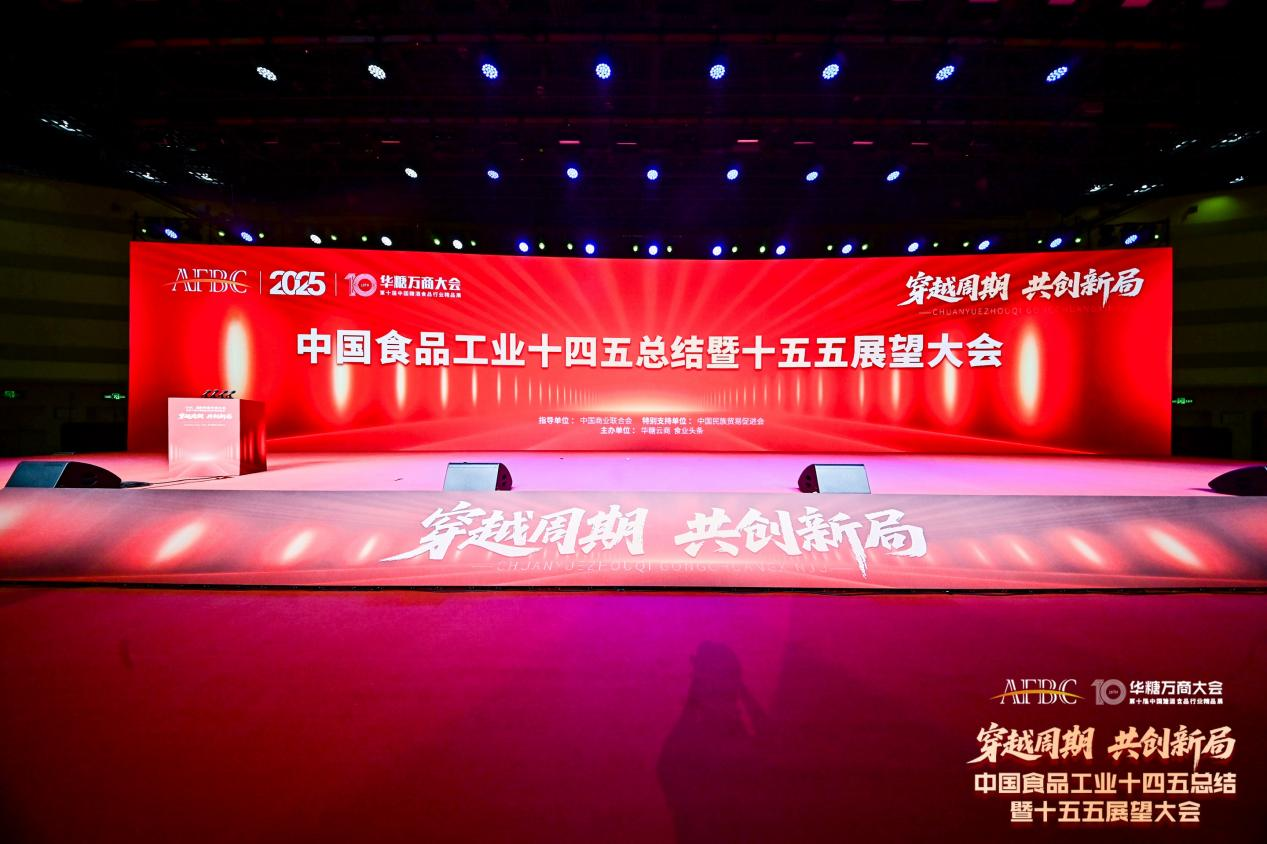
Core Points - The China Food Industry "14th Five-Year" Summary and "15th Five-Year" Outlook Conference was held in Zhengzhou, focusing on high-quality development in the food industry [1] - Zhenjiu Lidou won four awards at the conference, making it one of the most awarded companies [1][6] Group 1: Awards and Recognition - Zhenjiu Lidou was recognized as a benchmark enterprise for high-quality development during the "14th Five-Year" period [3][5] - Wu Xiangdong, Chairman of Zhenjiu Lidou, was awarded as a leading figure in high-quality development [3] - Tang Xiangyang, President of Zhenjiu Lidou, received recognition as a contributor to high-quality development [3] - The product Dazhen·Zhenjiu was awarded as a model product in the liquor industry for high-quality development [3] Group 2: Future Outlook - The recognition of Zhenjiu Lidou reflects the company's excellent leadership and contributions to the industry during the "14th Five-Year" period [6] - Moving into the "15th Five-Year" period, Zhenjiu Lidou aims to maintain its commitment to quality and innovation, positioning itself as a leading benchmark in the industry [6]
销售压力面前,酒企还有投入研发的必要吗?
Sou Hu Cai Jing· 2025-11-28 11:16
在消费需求巨变、企业库存压力无限增大的今天,加大酒业技术研发的投入,会否导致企业成本暴涨而 影响存亡?企业会否因为致力于提升技术而冲击市场营销? 11月22日,在由《华夏酒报》主办的首届"中国酒业华夏论坛"上,来自教育科研、行业协会、检验检测 机构的专家齐聚一堂,认真研讨了时下酒企所面临的"技术投入与成本压力"的问题。 国家食品质量检验检测中心副主任程劲松,贵州大学酿酒与食品工程学院原院长、贵州省政府原参事、 知名白酒专家、贵州大学教授、博士生导师邱树毅,山东省食品工业协会轮值会长、国井集团总工程 师、中国酿酒大师张锋国,湖南省酒业协会副会长兼黄酒果露酒协会会长姚胜在探讨中提醒酒企:技术 革新关乎企业存亡,投入与否,决定企业胜败! 为什么投入研发?有企业增效50% "中国酒业是注重技术投入的行业之一。"程劲松如是表示,他显然意有所指,针对所谓"酒业没有多少 技术含量"的言论。 在他看来,中国酒业早在20多年前,已将气象色谱仪列为必备检测设备,这显示了中国酒业对于技术问 题的重视。 那么,当下要不要继续进行技术投入?这对很多企业来说,不仅是一个路径选择的问题,也是一个成本 压力的问题。 "白酒从传统的人背、肩挑 ...

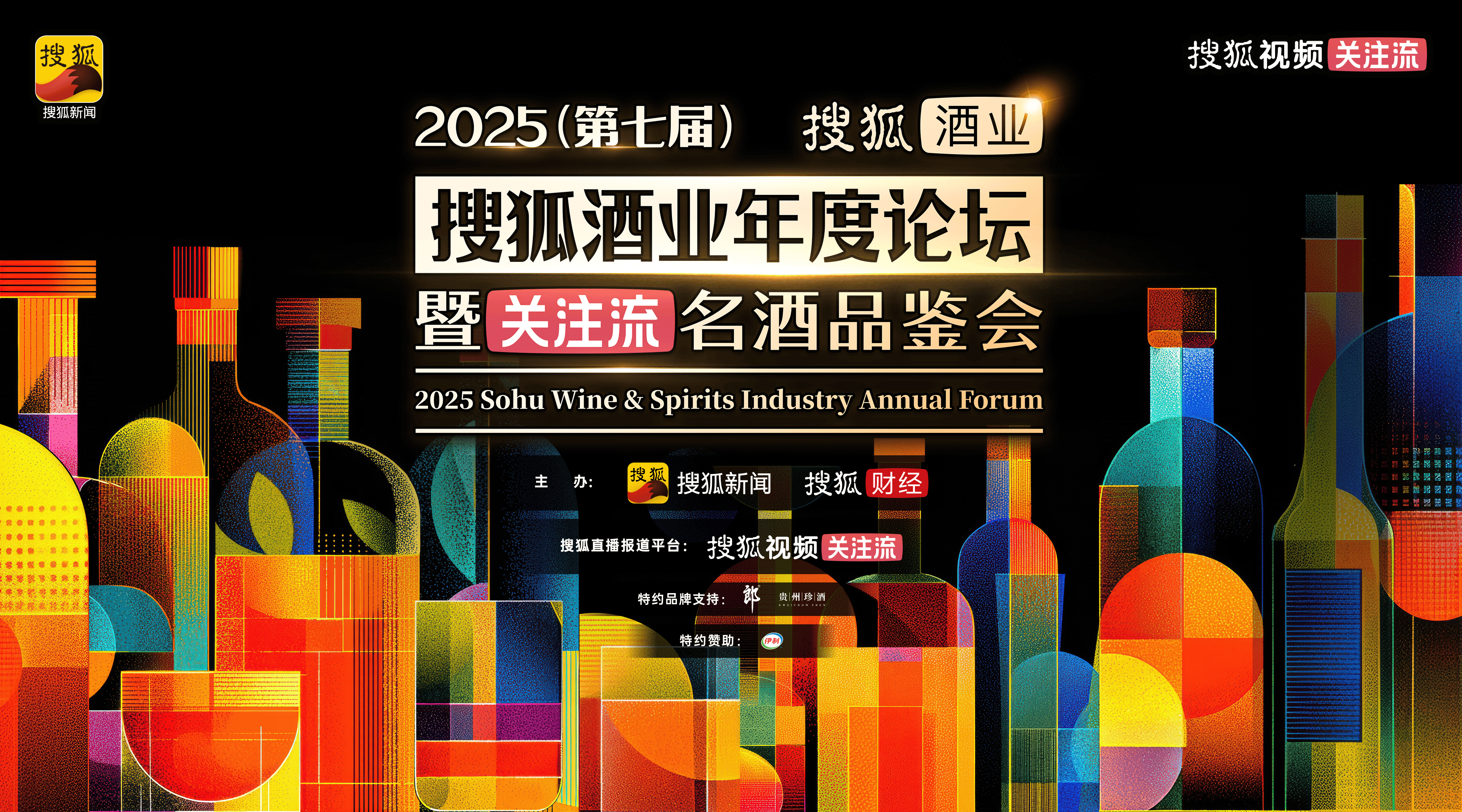
以酒为媒,共话新潮!2025(第七届)搜狐酒业年度论坛暨关注流名酒品鉴会圆满收官
Sou Hu Cai Jing· 2025-11-28 11:11
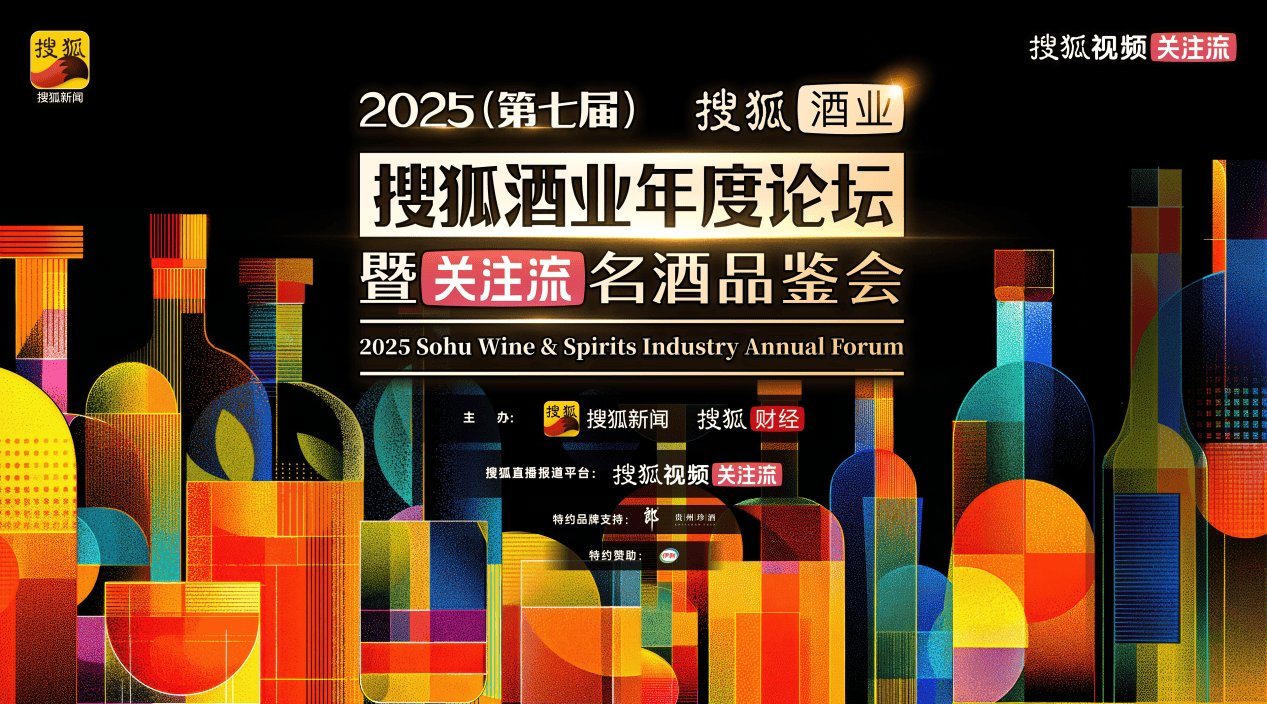
Core Insights - The 2025 (7th) Sohu Wine Industry Annual Forum and Tasting Event successfully concluded on November 27 in Beijing, serving as a platform for connecting the wine industry with diverse sectors [2][3] - The event highlighted the transition of the Chinese wine industry from "high-speed growth" to "high-quality development," emphasizing brand upgrades, value innovation, and ecological transformation [3][4] Industry Trends - The wine industry is witnessing a shift where traditional craftsmanship is being combined with modern lifestyle integration, leading to a more rational and mature consumer base that values intrinsic quality over mere prestige [4] - The emergence of new consumer demographics and innovative sales channels, such as instant retail and live-streaming e-commerce, is driving profound changes in the wine ecosystem [4] Product Highlights - The tasting event featured the Dragon Horse series, a flagship product of Langjiu, which will officially launch in December [5] - The Dragon Horse Jinma is noted for its complex flavor profile, appealing to younger consumers seeking a balanced drinking experience [11][12] Cultural Significance - The event included discussions on the cultural implications of wine in Chinese society, with insights from cultural scholars emphasizing wine as a reflection of personality and a source of philosophical contemplation [23][26] - The forum underscored the importance of wine in providing emotional solace and self-healing in contemporary life [26] Future Outlook - The Sohu Wine Industry aims to continue fostering industry dialogue and development, leveraging its unique media and platform advantages to navigate the evolving landscape of the wine sector [23]

以酒为媒,共话新潮,2025(第七届)搜狐酒业年度论坛暨关注流名酒品鉴会圆满收官
Sou Hu Cai Jing· 2025-11-28 09:54
Core Insights - The event highlighted the transition of the Chinese liquor industry from "high-speed growth" to "high-quality development," emphasizing brand upgrades, value innovation, and ecological transformation as key drivers of revitalization [5][6][24] Industry Trends - The liquor industry is witnessing a shift in consumer behavior, with a focus on internal quality over external prestige, leading to comprehensive value innovation [5][6] - The emergence of new consumer groups and channels, such as instant retail and live-streaming e-commerce, is causing profound changes in the liquor ecosystem [5][6] Event Highlights - The 2025 Sohu Liquor Annual Forum and Tasting Event took place on November 27 in Beijing, serving as a platform for dialogue among industry leaders from various sectors [3][4] - The event featured a tasting experience of the Longma Lang Jinma, a flagship product of Langjiu, which will officially launch in December [6][8] Cultural Significance - The forum included discussions on the cultural implications of liquor in Chinese society, emphasizing its role as a personality amplifier, a philosophical tool, and a means of self-healing in contemporary times [24][26]
杜甫酒业集团发布中期业绩 净利润835.6万港元 同比减少23.75%
Zhi Tong Cai Jing· 2025-11-28 09:52
Core Viewpoint - Du Fu Brewery Group (00986) reported a mid-term performance for the period ending September 30, 2025, showing a revenue of HKD 28.459 million, representing a year-on-year increase of 4.01%. However, net profit decreased by 23.75% to HKD 8.356 million, with basic earnings per share at HKD 0.65 [1] Financial Performance - Revenue for the period reached HKD 28.459 million, marking a growth of 4.01% compared to the previous year [1] - Net profit was reported at HKD 8.356 million, reflecting a decline of 23.75% year-on-year [1] - Basic earnings per share stood at HKD 0.65 [1]
杜甫酒业集团(00986)发布中期业绩 净利润835.6万港元 同比减少23.75%
智通财经网· 2025-11-28 09:51
Core Viewpoint - Du Fu Brewery Group (00986) reported its interim results for the period ending September 30, 2025, showing a revenue of HKD 28.459 million, representing a year-on-year growth of 4.01%. However, net profit decreased by 23.75% to HKD 8.356 million, with basic earnings per share at HKD 0.65 [1]. Financial Performance - Revenue for the period reached HKD 28.459 million, marking a 4.01% increase compared to the previous year [1] - Net profit was reported at HKD 8.356 million, reflecting a decline of 23.75% year-on-year [1] - Basic earnings per share stood at HKD 0.65 [1]
成都市武侯区轩弈青云酒业经营部(个体工商户)成立 注册资本5万人民币
Sou Hu Cai Jing· 2025-11-28 07:23
天眼查App显示,近日,成都市武侯区轩弈青云酒业经营部(个体工商户)成立,法定代表人为万义 琼,注册资本5万人民币,经营范围为许可项目:酒类经营;烟草制品零售;食品销售。(依法须经批 准的项目,经相关部门批准后方可开展经营活动,具体经营项目以相关部门批准文件或许可证件为准) 一般项目:食品销售(仅销售预包装食品);农副产品销售;食用农产品批发;食用农产品零售。(除 依法须经批准的项目外,凭营业执照依法自主开展经营活动)。 ...
蒙自市黄秀芬酒坊(个体工商户)成立 注册资本1万人民币
Sou Hu Cai Jing· 2025-11-27 03:20
天眼查App显示,近日,蒙自市黄秀芬酒坊(个体工商户)成立,法定代表人为黄秀芬,注册资本1万 人民币,经营范围为一般项目:食品互联网销售(仅销售预包装食品);食品销售(仅销售预包装食 品)。(除依法须经批准的项目外,凭营业执照依法自主开展经营活动)许可项目:酒类经营;酒制品 生产;食品销售。(依法须经批准的项目,经相关部门批准后方可开展经营活动,具体经营项目以相关 部门批准文件或许可证件为准)。 ...