
保险资管

Search documents
开业四年,再换总经理!这家险资宣布:管理层调整
券商中国· 2025-07-05 23:23
Core Viewpoint - Allianz Asset Management has undergone a management change with the resignation of General Manager Cao Lei and the appointment of Zhang Guang as the new General Manager, indicating a strategic shift in leadership for the first wholly foreign-owned insurance asset management company in China [2][3][4]. Management Changes - Cao Lei resigned due to personal and family reasons, and the board approved her resignation [2]. - Zhang Guang, previously the Deputy General Manager and Chief Investment Officer, has been appointed as the new General Manager, pending regulatory approval [2][4]. - Zhen Qingzhe, the current Chairman, will serve as the interim General Manager until Zhang Guang's appointment is confirmed [2][5]. Company Background - Allianz Asset Management was established with a registered capital of 500 million yuan and is based in Beijing, having received its operating approval on July 27, 2021 [3]. - It is the first wholly foreign-owned insurance asset management company approved to operate in China [3]. Performance Overview - The company has shown steady growth in revenue from 0.1 million yuan in 2021 to an expected 2.67 million yuan in 2024, with a projected turnaround to profitability in 2024 [6]. - As of the first quarter of 2025, the company reported a revenue of 67.49 million yuan, a year-on-year increase of 38.7%, and a net profit of 4.29 million yuan [6]. - By the end of 2023, Allianz Asset Management managed assets exceeding 300 billion yuan, with over 80% coming from portfolio insurance asset management products [6]. Strategic Developments - The company is focusing on cross-border investment business in collaboration with Allianz Life, aiming to innovate through private fund pilot models [7]. - The insurance asset management industry is experiencing a significant headwind effect, making it challenging for smaller firms to grow [7].


携手富杰助力金融开放 太平资产稳步推进高质量发展
21世纪经济报道· 2025-07-05 07:27
Core Viewpoint - The collaboration between Belgium's Fortis Group and China Taiping has established a strong foundation for the development of Taiping Asset Management Co., which has become one of the largest insurance asset management institutions in China, managing over 1.5 trillion yuan in assets and maintaining stable investment performance over nearly two decades [1][3]. Group 1: Management Upgrade - Fortis Group has contributed to the governance system upgrade of Taiping Asset by introducing international management experience and optimizing decision-making mechanisms, enhancing governance efficiency [3]. - The long-term support from Fortis Group has provided stable capital for Taiping Asset, reinforcing its commitment to a prudent management philosophy and laying a solid foundation for sustainable development [3]. Group 2: Risk Control Capability - Fortis Group has integrated global risk management experience into Taiping Asset's management system through various collaborative mechanisms, enhancing the company's risk control capabilities [5]. - Taiping Asset has adopted sustainable development principles aligned with corporate governance, incorporating ESG concepts into its operations and aligning with international regulatory standards [5]. Group 3: Investment Capability - Taiping Asset leverages Fortis Group's international platform to adopt advanced investment management practices from mature European markets, particularly in the context of low interest rates [7]. - The collaboration emphasizes long-term, value, and responsible investment philosophies, aiming to enhance investment research capabilities and risk management to create sustainable value for stakeholders [7].

678万元!又有保险资管被罚
Zhong Guo Ji Jin Bao· 2025-07-04 14:41
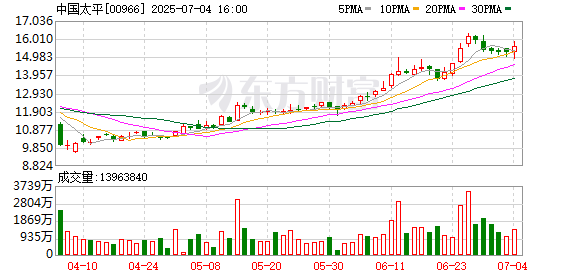
Group 1 - The core viewpoint of the article highlights the administrative penalties imposed on Taiping Asset Management Co., Ltd. by the National Financial Regulatory Administration for various violations, including unapproved executive roles and incomplete reporting of related party information [2] - Taiping Asset was fined 6.78 million yuan, and several responsible individuals received warnings and fines totaling 760,000 yuan [2] - The penalties involve a range of high-level executives, indicating a long duration of regulatory issues within the company [2] Group 2 - Taiping Asset Management, established in September 2006, is a professional asset management institution under China Taiping Insurance Group, holding 80% of its shares [3] - In 2024, Taiping Asset achieved an operating income of 1.851 billion yuan, a year-on-year increase of 6.67%, while net profit decreased by 4.36% to 932 million yuan [3] - The management scale of Taiping Asset exceeded 1.67 trillion Hong Kong dollars in 2024, reflecting an 8.4% year-on-year growth due to inflows of insurance funds [3]

678万元!又有保险资管被罚
中国基金报· 2025-07-04 14:17
Core Viewpoint - The article highlights the recent administrative penalties imposed on Taiping Asset Management Co., Ltd. by the National Financial Regulatory Administration due to various violations, including unapproved executive roles and incomplete reporting of related party information [2]. Group 1: Regulatory Actions - Taiping Asset Management was fined 6.78 million yuan, with additional fines totaling 760,000 yuan imposed on several responsible individuals [2]. - The violations included high-level executives performing duties without proper qualifications and the investment of insurance funds in non-trustee managed products [2]. Group 2: Company Overview - Taiping Asset Management, established in September 2006, is a professional asset management institution under China Taiping Insurance Group and is one of the first nine insurance asset management companies in China [3]. - The company holds a comprehensive range of business qualifications, including entrusted management of insurance funds, investment banking, and third-party asset management [3]. - In 2024, Taiping Asset achieved an operating income of 1.851 billion yuan, a year-on-year increase of 6.67%, while net profit decreased by 4.36% to 932 million yuan [3]. - The asset management scale exceeded 1.67 trillion Hong Kong dollars in 2024, reflecting an 8.4% year-on-year growth, driven by inflows of insurance funds [3]. Group 3: Industry Context - The article notes a trend of stringent regulatory scrutiny in the insurance asset management sector, with multiple companies facing penalties for similar violations [4][5].
直通民生!中国人寿集团旗下资产公司创建并持续完善“双线配置”投资方法论
Zhong Jin Zai Xian· 2025-07-01 09:20
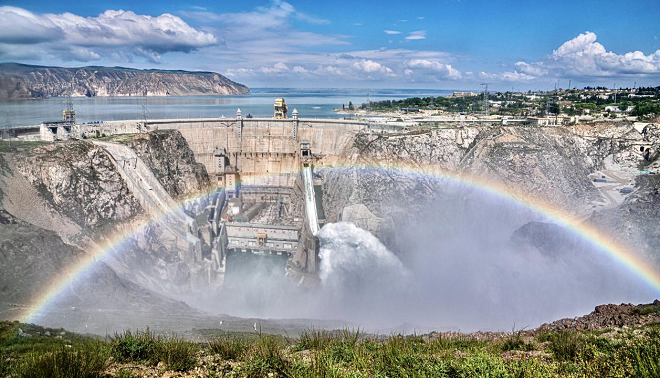
Core Viewpoint - China Life Insurance is committed to serving national strategies and improving people's livelihoods through systematic investment strategies, managing over 6.3 trillion yuan in assets and supporting social welfare projects with over 240 billion yuan [1][2]. Investment Strategy - The company has established a "dual-line configuration" investment methodology to guide insurance funds towards major national strategies and social welfare projects, ensuring alignment with government directives [2]. - A "list + model" approach is used to enhance decision-making, encouraging investments in areas like rural revitalization and expanding the middle-income group [2]. - Dynamic monitoring mechanisms are in place to track investment effectiveness and manage risks post-investment [2]. Investment Focus Areas - The company has diversified its investment portfolio, focusing on infrastructure, healthcare, rural revitalization, and elderly care, with equity investments exceeding 93 billion yuan [3]. - Bond investments have targeted areas like regional development and inclusive finance, with related investments surpassing 110 billion yuan [3]. - Alternative investments are aligned with national strategies and social welfare, transforming quality assets into public welfare projects [3]. Key Projects - The Qinghai Yellow River Company project, with a total installed capacity of 28.93 million kilowatts, produces approximately 60 billion kilowatt-hours of clean energy annually, significantly contributing to carbon reduction and regional development [6]. - The project has improved irrigation rates in downstream areas from 56% to 80%, supporting food security for 13.4% of the national grain supply [6]. Social Impact - The company has initiated various projects to enhance food security, including a 3 billion yuan investment plan for grain processing and a 2 billion yuan investment in agricultural technology [16]. - Water security initiatives include a 20 billion yuan investment in water supply projects benefiting 15 million people [16]. - Transportation projects have been launched to improve infrastructure, such as a 1 billion yuan investment in the Qingdao Jiaozhou Bay Bridge [17]. Future Outlook - China Life Insurance aims to continue its commitment to serving the public through long-term investments, focusing on ecological and social benefits while adhering to the "333 strategy" for resource optimization [26].

伊朗向以色列发射“泥石”超重型导弹;哈梅内伊:大战开始了;美政府恢复办理外国学生签证
第一财经· 2025-06-19 01:15
Geopolitical Developments - Iran's Islamic Revolutionary Guard Corps announced the use of the "Mudstone" missile against Israel, marking the 13th phase of the "Real Commitment 3" operation [2] - Iranian Supreme Leader Khamenei declared that the conflict with Israel has entered a new phase, stating "the great war has begun" [3] - U.S. President Trump commented on the situation, expressing support for Israeli Prime Minister Netanyahu to continue actions against Iran [3][17] U.S. Policy Changes - The U.S. government has resumed processing foreign student visas, requiring applicants to make their social media accounts public for scrutiny [4] - The Federal Reserve maintained the federal funds rate at 4.25%-4.50%, with expectations of two rate cuts this year, while raising inflation forecasts [6] Financial Sector Developments - The Central Financial Committee of China issued opinions to accelerate the construction of Shanghai as an international financial center, aiming for significant improvements in financial system adaptability and competitiveness over the next five to ten years [7] - The People's Bank of China announced eight major financial policies, including the establishment of a digital RMB international operation center and a personal credit institution [9] Market Reactions - On June 18, institutional investors showed varied activity, with 14 stocks experiencing net buying and 20 stocks facing net selling, highlighting market dynamics [23][24] E-commerce Trends - Reports indicated that some products on e-commerce platforms saw price increases instead of decreases during the promotional period, affecting various categories including clothing and electronics [27]



原油宽幅震荡:申万期货早间评论-20250619
申银万国期货研究· 2025-06-19 00:31
Core Viewpoint - The article discusses the volatility in the oil market and the impact of geopolitical tensions, particularly between Israel and Iran, on commodity prices, alongside the implications of U.S. monetary policy and economic indicators. Group 1: Oil Market - The SC night market saw an increase of 3.52% in oil prices, driven by ongoing military conflicts between Israel and Iran, with no signs of de-escalation [2][10] - U.S. crude oil inventories, including strategic reserves, totaled 823.231 million barrels, a decrease of 11.243 million barrels from the previous week, while commercial crude oil inventories reached 420.942 million barrels, the lowest since January [2][10] Group 2: Precious Metals - The Federal Reserve maintained interest rates, with expectations of two rate cuts within the year, but the hawkish tone from Chairman Powell led to a decline in gold prices [3][16] - The escalation of the Middle East conflict has raised concerns about further geopolitical risks, which may support gold prices in the long term despite short-term fluctuations [3][16] Group 3: Stock Indices - The U.S. stock indices showed mixed performance, with the Chinese central bank announcing eight policy measures to be implemented in Shanghai, which had a muted market reaction [4][8] - The financing balance increased by 5.271 billion yuan to 1.81532 trillion yuan, indicating a favorable environment for long-term capital allocation in the stock market [4][8] Group 4: Economic Indicators - The U.S. initial jobless claims decreased by 5,000 to 245,000, aligning with market expectations, indicating a stable labor market [2][10] - The Federal Reserve's stance on inflation suggests that tariffs may lead to persistent inflationary pressures, with expectations of rising inflation in the coming months [5]

多家中小保险资管公司负责人“上新”
Zheng Quan Shi Bao· 2025-06-16 17:36
Core Viewpoint - Recent appointments of new leaders in several small and medium-sized insurance asset management companies indicate a shift in management dynamics within the industry, highlighting the challenges faced by these firms in a competitive environment [2][4][6]. Group 1: New Appointments - Multiple small and medium-sized insurance asset management companies have recently appointed new chairpersons, general managers, or interim leaders, with positions having been vacant for some time [2]. - Chen Zhengyu has been appointed as the interim leader of CITIC Prudential Asset Management, while Xu Yongwei has been confirmed as the general manager of Huzhong Asset Management after serving as interim leader [2][3]. - Zhou Jiawei has been approved as the new president of Huazhong Asset Management, effective from May 9, 2024 [3]. Group 2: Leadership Challenges - The positions in these companies have often been vacant for extended periods, with some roles remaining unfilled for over a year, indicating potential instability within the management [4]. - The role of a leader in these insurance asset management companies is perceived as demanding, with high expectations for qualifications and the ability to navigate pressures and responsibilities [4]. - There have been instances of leaders voluntarily resigning from their positions, reflecting the challenges and pressures associated with these roles [4]. Group 3: Industry Performance - The insurance asset management industry is experiencing a significant "Matthew Effect," where larger firms outperform smaller ones in terms of scale and profitability [6][7]. - As of the end of 2023, the median asset management scale for 35 insurance asset management firms was 326.8 billion, while companies like Huzhong Asset and Huazhong Asset managed less than 200 billion [6]. - In contrast to the larger firms, which manage assets in the trillions and achieve annual profits in the billions, smaller firms are struggling with profitability, with both Huzhong Asset and Huazhong Asset projected to have net profits of less than 100 million in 2024 [6][7]. Group 4: Operational Challenges - Smaller insurance asset management companies are facing operational challenges, including asset shortages in debt business and the need for improved professional team building in equity business [7]. - Issues such as shareholder interference in the management of insurance funds and false reporting in investment plans have been noted, indicating deeper operational problems within the sector [5].
什么信号?头部险资机构,变更业务范围!
券商中国· 2025-06-13 00:47
Core Viewpoint - The recent change in business scope by Taikang Asset Management aligns with the latest regulatory framework for insurance asset management companies, indicating a strategic shift towards a more comprehensive service offering in asset management [1][4][5]. Summary by Sections Business Scope Change - Taikang Asset has officially announced a change in its business scope to include entrusted management of insurance funds and various assets, management of other funds, and the provision of professional services related to asset management such as operations, accounting, and risk management [4][5]. - The new business scope has received approval from the National Financial Supervision Administration, and the company will proceed with necessary changes as per regulations [5]. Regulatory Context - The updated business scope is consistent with the "Regulations on Insurance Asset Management Companies" that came into effect on September 1, 2022, which allows for a broader range of activities including the management of various funds and the provision of professional services [6][8]. - The regulations emphasize that insurance asset management companies should focus on long-term capital and investment, aiming for the long-term preservation and appreciation of assets [8]. New Professional Services - The introduction of professional services such as investment consulting, accounting, and risk management is seen as a significant development, allowing Taikang Asset to leverage its expertise in these areas [10][11]. - These services may include outsourcing operations and accounting, which is a common practice among international asset management firms [12]. Current Asset Management Scale - As of December 31, 2024, Taikang Asset's total asset management scale exceeds 4.2 trillion yuan, supporting a diverse range of clients and investment products across multiple markets [13].

头部保险资管公司变更业务范围突破性新增资管类专业服务
Zheng Quan Shi Bao· 2025-06-12 17:52
Core Viewpoint - Recently, Taikang Asset Management Co., Ltd. announced a change in its business scope, aligning it closely with the latest regulations for insurance asset management companies, which includes both traditional asset management services and new professional services related to asset management [1][3][4]. Business Scope Change - The new business scope includes entrusted management of insurance funds and various assets, management of other funds, management of self-owned funds in both RMB and foreign currencies, insurance asset management products, asset securitization, investment consulting, and related professional services [3][4]. - The change has been approved by the National Financial Supervision Administration, and the company will proceed with other necessary changes as per regulations [3][4]. Comparison with Industry Standards - The updated business scope is consistent with the latest "Insurance Asset Management Company Management Regulations" effective from September 1, 2022, which allows for a broader range of activities compared to previous regulations [4][5]. - Most insurance asset management companies have traditionally operated under older regulations, which limited their scope compared to Taikang's new comprehensive approach [4][5]. Emergence of Comprehensive Services - The change signifies a shift towards a more versatile asset management model, allowing Taikang to engage in a wider array of asset management activities, thus positioning itself as a "full-service" asset management institution [5][6]. - The inclusion of professional services such as investment consulting, accounting, and risk management represents a significant advancement, enabling the company to diversify its revenue streams [6][7]. Asset Management Scale - As of December 31, 2024, Taikang Asset's total managed assets exceed 4.2 trillion RMB, supporting a diverse client base and product offerings across multiple markets [7].