
智慧农业

Search documents
中国国际大学生创新大赛(2025)中国—中亚青年交流营和成果展举行
Shan Xi Ri Bao· 2025-06-17 00:26
Group 1 - The China International College Students Innovation Competition (2025) was held in Astana, Kazakhstan, focusing on themes of mutual learning and innovation among youth from China and Central Asian countries [1][2] - Over 100 quality projects were presented by students from China, Kazakhstan, Uzbekistan, Kyrgyzstan, and Tajikistan, covering modern agriculture, information technology, green energy, and cultural tourism [1] - The event facilitated deep exchanges among youth and experts in areas such as biological breeding, smart agriculture platform construction, and technology transfer, aiming to enhance China-Central Asia technological collaboration [1] Group 2 - Northwest A&F University has established close cooperation with several Central Asian universities, achieving significant results in joint laboratories, overseas demonstration stations, and talent cooperation [2] - The China International College Students Innovation Competition, initiated in 2015, has become the largest global innovation competition platform, with the first Central Asia regional competition this year to promote youth exchanges and cooperation [2]
第二届雄安未来之城场景汇系列大赛决赛启幕
Xin Jing Bao· 2025-06-09 05:14
即日起至6月29日,智慧农业、空天信息、机器人、金融科技、垂直大模型、医疗大健康、绿色低碳、 网络安全、智能网联、安全应急、低空交通等11项大赛决赛将在雄安未来之城场景汇科创园依次举办, 整个赛程21天。决赛期间还将举办几十场产业、场景、资本对接等活动,来自全国各地的参赛企业团队 既可与不同领域的前沿技术跨界融合,也可与需求单位、投资机构等交流合作,共同开辟新领域、新赛 道。 在雄安打造未来之城场景汇,是河北省委、省政府着眼更好承接北京非首都功能疏解,搭建科技、产 业、金融、场景紧密对接平台,推动先进技术在全省孵化转化产业化所作出的创新性、探索性改革部 署。2024年成功举办的首届场景汇活动成效显著——共推出100项场景项目,其中74项已经开始实施。 377项获奖作品中有不少落地雄安,乃至走向全省、走向全国。 通过一系列举措,雄安未来之城场景汇作为科技、产业、金融、场景紧密对接的综合性平台作用充分显 现。据统计,本届大赛吸引全国30个省(区、市)的2700余家企业团队携3400多项作品参赛。经过预赛 评审,共有981家企业团队的1191项作品晋级决赛,另有500多项先进技术和产品装备、百余项新场景参 展。截至 ...
上海首个智慧农业数据行业创新中心揭牌成立
Xin Hua Cai Jing· 2025-06-07 11:00
Core Insights - The "Smart Agriculture Data Industry Innovation Center" was officially inaugurated at the Shanghai Data Exchange, with four data products from Shanghai Langxia Jintudi Green Agriculture Co., Ltd. successfully listed for trading, indicating Shanghai's efforts to build a comprehensive value chain for smart agriculture data [1] - The center aims to create a credible and value-enhancing agricultural data ecosystem, establishing compliant trading rules and standards to develop a new networked trading system for smart agriculture [1][3] - The data products include a weather and warning database for facilities greenhouses, a multi-source data fusion yield prediction analysis, an indoor environment management query, and an environment management action analysis, which have been successfully traded with Pacific Anxin Agricultural Insurance Co., Ltd. [1][2] Company Insights - Jiqing Technology (Shanghai) Co., Ltd. plays a pivotal role in the value realization of smart agriculture data, focusing on the entire value chain of agricultural data and creating a complete ecological loop covering data collection, governance, circulation, and application [2] - The company has developed a high-precision yield prediction model that integrates multi-source data, with a prediction error controlled within 5%, providing critical data support for agricultural product trading [2] - The company is positioned as a "data element service provider," leveraging its capabilities in data processing and analysis to address the lack of applicable yield measurement equipment and technology in agricultural facilities [2] Future Developments - The "Smart Agriculture Data Industry Innovation Center" plans to leverage the advantages of the Shanghai Data Exchange and the capabilities of Jiqing Technology to gradually build a data trading ecosystem for the smart agriculture industry, focusing on green agriculture, quality improvement, and traceability [3]

推动智慧农业的创新与发展,光亚数智农业论坛9日广州启幕
Nan Fang Nong Cun Bao· 2025-06-06 08:31
Core Insights - The Guangya Digital Agriculture Forum aims to promote innovation and development in smart agriculture, highlighting the integration of lighting technology with agricultural practices [1][6][10]. Group 1: Event Overview - The Guangya International Lighting Exhibition (GILE) will take place from June 9 to 12 in Guangzhou, celebrating its 30th anniversary with the theme "360º+1 — All-round Practice of Light Unlimited" [2][3]. - The forum has been upgraded to the "Guangya Digital Agriculture Forum," featuring four main topics: smart agriculture and fishery, new technologies in greenhouses and energy management, biophotonics technology and photovoltaic agriculture, and a forum for entrepreneurs [9][10]. Group 2: Forum Activities - The forum will include the inaugural Guangya Digital Intelligence Award in Agriculture (DIAA), aimed at fostering technological advancements in smart agriculture [11][12]. - A demonstration showcase of biophotonics and smart agriculture will provide a platform for technical exchange and product display, enhancing industry collaboration [13][14]. Group 3: Expert Participation - The forum will gather nearly 100 experts, including academicians, to share technological achievements and promote interdisciplinary integration and innovation in the agricultural ecosystem [6][8]. - Key sessions will cover topics such as agricultural robotics, remote sensing applications, and the development of LED fish aggregation lights, showcasing advancements in smart agriculture [20][22].


多措并举打造智慧农业好前景
Jing Ji Ri Bao· 2025-06-05 22:00
Core Viewpoint - The development of smart agriculture in China is gaining momentum, leveraging technologies such as IoT, cloud computing, big data, and artificial intelligence to enhance agricultural productivity and efficiency [1][2]. Group 1: Market Growth and Trends - China's smart agriculture market is projected to grow from 38.774 billion yuan in 2017 to approximately 100 billion yuan by 2024, with a compound annual growth rate of about 15% [1]. - Major global economies are actively advancing smart agriculture, with examples including Germany's smart breeding technologies, the Netherlands' intelligent greenhouse agriculture, and Japan's focus on small smart equipment development [1]. Group 2: Challenges and Policy Recommendations - The agricultural sector in China faces challenges such as fragmented smallholder farming, weak information infrastructure, low data quality, and limited adoption of smart technologies [2]. - Recommendations include enhancing the policy framework for smart agriculture, optimizing strategic goals, and providing financial support for agricultural technology innovation [2]. Group 3: Data Integration and Management - There is a need to deepen the integration of agricultural data resources and establish unified standards for data collection and transmission [3]. - The development of a comprehensive agricultural big data platform is essential to improve data management and enhance production efficiency [3]. Group 4: Regional Development Strategies - Smart agriculture development should be tailored to China's diverse geographical and climatic conditions, focusing on automation in northern plains and precision management in southern hilly areas [4]. - Examples include the establishment of unmanned farms in northern regions and the use of small intelligent machinery in southern areas to improve agricultural practices [4].
芒种不“盲”种 AI“慧”种田
Qi Lu Wan Bao· 2025-06-05 11:13
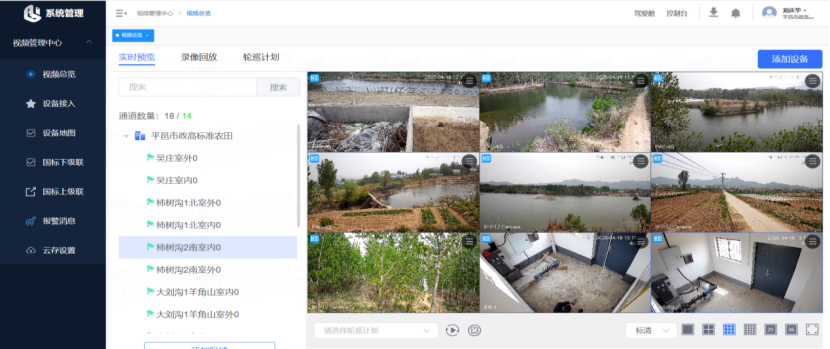
Core Insights - The integration of AI and advanced information technology in agriculture is transforming traditional farming practices into a more efficient and data-driven approach, marking the transition from "blind planting" to "intelligent planting" [1][8] Group 1: AI Applications in Agriculture - In Linyi, the deployment of 18 AI-equipped cameras and 5G technology has established a smart monitoring system for large-scale farmland, enabling real-time data analysis for irrigation and equipment management [2] - In Jining, the "Yuanjing" model serves as a digital "nutritionist" for crops, utilizing 12 types of data to optimize fertilization and irrigation strategies, resulting in a 30% increase in water resource utilization and a 25% reduction in pesticide use [4] - In Yantai, a corn yield enhancement project is leveraging IoT and cloud computing to monitor environmental conditions and crop health, with expectations of over 20% increase in corn yield in core demonstration areas [5] Group 2: Technological Innovations and Training - The development of a "Smart Agriculture APP" addresses farmers' challenges such as water conservation and pest management, with over 500 farmers trained to use digital tools [6] - A mobile water and fertilizer integration vehicle has been tested, achieving a 30% reduction in water and 25% in fertilizer usage, with a threefold increase in operational efficiency [6] - The combination of AI and traditional farming practices is seen as a silent revolution that strengthens food security in China [8]

外国驻港领团和商界参访团来穗 “广州之夜”推介会举行 广州新设外企占全国1/7
Guang Zhou Ri Bao· 2025-06-04 19:09
Group 1 - The event organized by the Ministry of Foreign Affairs in Hong Kong aimed to promote cooperation between countries and the Guangdong-Hong Kong-Macao Greater Bay Area, highlighting the region's high-quality development and openness [1] - Guangzhou has attracted over $130 billion in foreign investment over the past decade, making it a preferred investment destination in China [2] - In 2022, Guangzhou established 8,445 new foreign-invested enterprises, accounting for approximately 14% of the national total [2] Group 2 - The visiting delegation received presentations from various local government bodies, showcasing Guangzhou's geographical advantages, industrial policies, and business environment [3] - The delegation visited several innovative companies, including XAG Technology, which specializes in agricultural drones and holds a leading position in agricultural technology patents [4] - XPeng Motors, a leading smart electric vehicle manufacturer, was also showcased, emphasizing its integration of internet and AI technologies [5] Group 3 - The IHM·GBA High-Performance Medical Device Innovation Center focuses on the development of high-end medical devices using advanced technologies like 3D printing and AI [6] - XPeng Heavens, a subsidiary of XPeng Motors, is dedicated to developing flying cars, indicating a strong growth trajectory in the new energy vehicle sector [6] - The Philippines Chamber of Commerce expressed interest in deepening cooperation with Chinese companies, particularly in high-tech industries and manufacturing [6]
陕西在乌集中签约9个涉农项目
Shan Xi Ri Bao· 2025-06-02 23:07
Group 1 - A total of 9 agricultural projects were signed by Shaanxi province in Uzbekistan, with a total amount exceeding 40 million yuan, covering areas such as agricultural product trade, smart agriculture, tea culture promotion, and agricultural material and machinery exports [1] - In the agricultural product trade sector, agreements were made for the export of high-quality silkworm seeds, collaboration on specialty agricultural products, and cross-border trade of kiwifruit, facilitating resource sharing and market connectivity [1] - The smart agriculture and industry integration sector saw significant developments, including a project aimed at modernizing agriculture through technology and partnerships for tea culture display and sales, as well as agricultural material and machinery exports to support Uzbekistan's agricultural production [1] Group 2 - The signing of these agreements achieved the forum's expected goals and established a new platform for agricultural cooperation between Shaanxi and Uzbekistan, aiming to deepen collaboration across the entire agricultural industry chain [2] - The provincial agricultural department emphasized the commitment to elevate agricultural cooperation to a higher level, contributing new momentum to the high-quality construction of the Belt and Road Initiative [2]
营商环境“荆”彩新篇 | 湖北构筑创新生态新高地,科技企业乘着东风加快发展
Sou Hu Cai Jing· 2025-05-27 04:50
Core Viewpoint - Hubei Maima Agricultural Technology Co., Ltd. has recently received the "High-tech Enterprise" certification, which enhances its innovation capabilities and provides access to various policy benefits and financial support [1][3]. Group 1: Company Overview - Hubei Maima was established in July 2022 in Jingmen City and is set to complete the Central China Smart Agriculture Town by June 2024 [1]. - The company integrates traditional agricultural production with cutting-edge technologies such as IoT, AI, cloud computing, and blockchain, offering comprehensive digital solutions from farm to table [1]. - Hubei Maima has established partnerships with over 300 agricultural bases nationwide, serving more than 2.6 million customers [1]. Group 2: Achievements and Recognition - Within three years, Hubei Maima has obtained 6 invention patents and 28 software copyrights, and has been recognized as a national high-tech enterprise and a "Gazelle Enterprise" in Hubei [3]. - The company has formed collaborations with seven national expert teams, including those from the Chinese Academy of Sciences, and has a workforce of 140 employees, with over 60% in R&D roles [3]. Group 3: Policy Support and Financial Assistance - Hubei Maima benefits from local government policies that support high-tech enterprises, including the "Spring Dawn Action" initiated by the Hubei Provincial Science and Technology Department [3]. - The company is one of the first beneficiaries of the "Knowledge Value Credit Loan" program in Jingmen, which provides credit loans without collateral, supported by 80% risk compensation from local finance [3]. Group 4: Innovation and Development Initiatives - Hubei Maima collaborates with universities to establish "Smart Agriculture Technology Joint Laboratories" and has built a comprehensive smart agriculture demonstration base in Hubei [5]. - The company has initiated training programs for over 200 "new farmers" and established an expert pool of 650 members to facilitate the transformation of technological achievements into practical applications [5]. Group 5: Economic Impact - The company's smart management system has increased the yield of Zhanghe citrus by 20%, generating sales of 20 million yuan in a single season and benefiting over 200 local farmers [5]. - The Zhanghe New District has developed into a smart agriculture industry cluster, attracting multiple enterprises and creating over 400 jobs [5].
踔厉奋发新征程丨数字赋能乡村振兴
Zhong Yang Ji Wei Guo Jia Jian Wei Wang Zhan· 2025-05-25 23:41
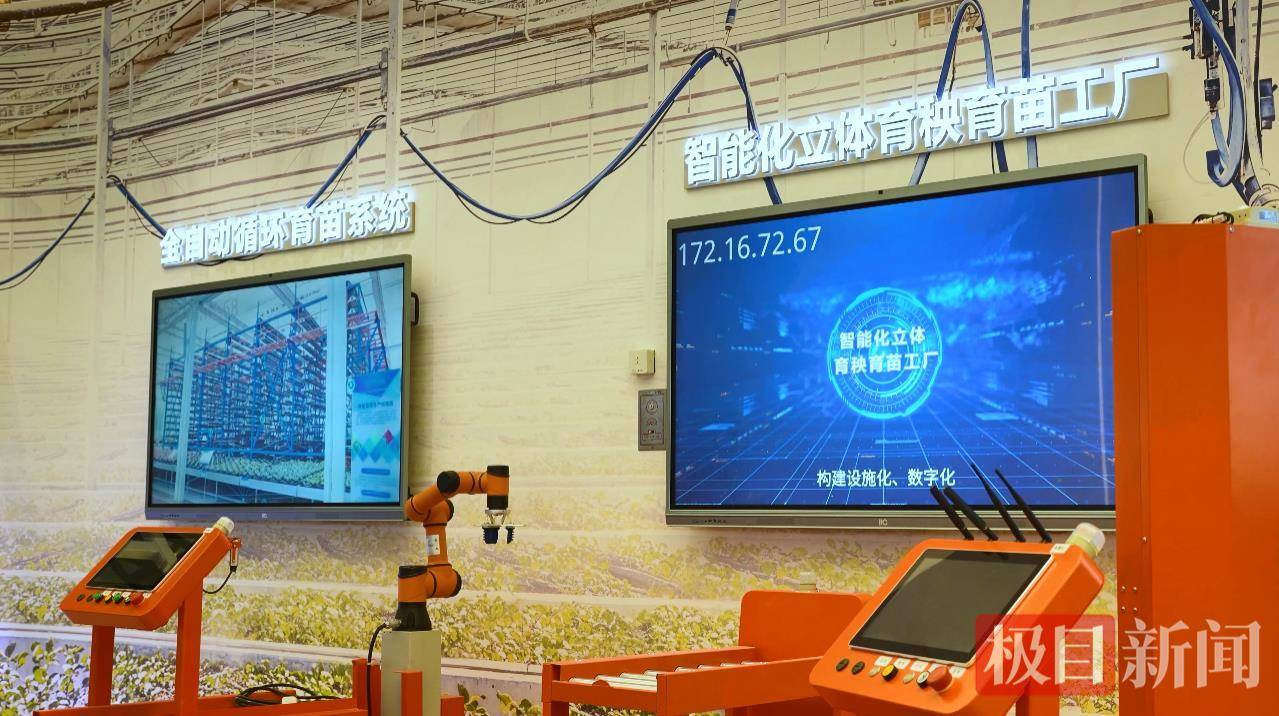
Digital Rural Development - The digital rural development strategy is a key direction for rural revitalization, with a focus on enhancing digital governance and building smart beautiful villages by 2025 [4] - By the end of 2024, China aims to achieve county-wide gigabit connectivity, 5G access in towns, and broadband in villages, with rural internet users reaching 313 million [4] Agricultural Technology Integration - The integration of IoT and digital technologies in agriculture is transforming traditional farming practices, allowing for remote management and precision farming [5][6] - In Jiangsu Province, a rose garden utilizes a comprehensive IoT management platform, enabling real-time monitoring of soil conditions and automated irrigation, significantly improving efficiency [6] Smart Agriculture - The emergence of "smart agriculture" is characterized by the use of AI, big data, and autonomous machinery, enhancing productivity and efficiency in farming operations [7] - As of January 2023, the Ministry of Agriculture and Rural Affairs has supported the establishment of 34 national digital agriculture innovation centers and 116 smart agriculture application projects [7] E-commerce and Digital Economy - The digital economy is opening new revenue channels for farmers, with rural e-commerce sales reaching 2.56 trillion yuan in 2024, a 6.4% increase year-on-year [10] - The "live streaming + e-commerce" model is effectively promoting local agricultural products, with significant increases in sales and customer loyalty observed [9][10] Smart Living and Governance - The establishment of smart living centers in rural areas is enhancing healthcare access and community services, integrating various digital applications for improved quality of life [11][12] - Digital platforms are being utilized for efficient rural governance, monitoring infrastructure, and providing real-time alerts for safety and environmental management [14]
