工业互联网

Search documents
5万多家工业企业数字化焕新 宝安工业互联网让制造变智造
Shen Zhen Shang Bao· 2025-11-18 07:19
Core Insights - The article highlights the transformation of manufacturing in Bao'an through the integration of industrial internet technologies, showcasing how AI-driven systems enhance efficiency and precision in production processes [1][4]. Group 1: Digital Transformation in Manufacturing - The implementation of AI-driven APS scheduling systems has significantly reduced production planning time from hours to just 5 minutes, reflecting a broader shift towards intelligent manufacturing [1]. - Bao'an, home to over 50,000 manufacturing enterprises, is experiencing a pressing need for digital transformation, with many companies adopting industrial internet solutions to enhance operational efficiency [1][5]. Group 2: Infrastructure and Ecosystem Development - The establishment of a comprehensive identification and resolution system has led to over 60 billion registered identifiers, facilitating product traceability and precise production management [2]. - Bao'an has created a resource pool of 90 service providers and over 200 products, with 45% of these being affordable solutions, significantly lowering the barriers for companies to undergo digital transformation [3]. Group 3: Acceleration of Cloud Adoption - Approximately 12,000 enterprises in Bao'an have transitioned to cloud platforms, resulting in measurable improvements such as a 16.9% increase in production efficiency and an 11.8% reduction in operational costs [5]. - The digital transformation initiatives have led to a reduction in order delivery cycles from 7 days to 4 days and a decrease in product defect rates from 3‰ to 1.5% [4]. Group 4: Talent and Innovation Ecosystem - The "Shujing Cup" industrial internet data innovation competition has attracted over 50,000 participants, fostering talent and innovation in the sector [6]. - The competition has led to the development of standardized technical pathways for addressing efficiency bottlenecks in manufacturing, with notable innovations showcased by leading companies in various advanced fields [6].

推进工业互联网发展加速网络强国进程
Guo Ji Jin Rong Bao· 2025-11-14 14:25
Core Insights - The "Industrial Internet Innovation Development Project" is a key initiative in China's 15th Five-Year Plan, aiming to integrate industrialization and informatization to create internationally competitive digital industry clusters and accelerate the country's progress towards becoming a network power [1][12]. Industrial Internet Overview - The Industrial Internet serves as an intelligent carrier for massive industrial data collection, transmission, storage, computation, analysis, and application, driven by advancements in 5G, big data, and artificial intelligence [3][6]. - It consists of five main functional components: network, identification, platform, data, and security, with a focus on ubiquitous connectivity across various industrial entities [3][4]. Application and Value Creation - The Industrial Internet enables diverse and complex application scenarios, facilitating digital transformation across industries, with a collaborative development process that extends from leading enterprises to the entire supply chain [4][6]. - It reshapes business models and value creation methods, emphasizing collaborative value generation among platforms, customers, and service providers [4][6]. Impact on Production and Industry - The Industrial Internet is a cornerstone of the Fourth Industrial Revolution, transforming production modes from scale economies to range economies and enhancing the role of data as a core production factor [6][7]. - It optimizes production processes, improves supply chain intelligence, and enhances resource utilization efficiency, with significant economic spillover effects [8][9]. Technological Innovation and Ecosystem Development - The Industrial Internet accelerates technological innovation by providing vast data for AI and big data applications, fostering cross-domain collaborative research and development [9][10]. - In China, the initiative has seen the establishment of over 340 industrial internet platforms, connecting more than 100 million devices, and creating a robust infrastructure for its implementation [13][12]. Future Directions and Policy Support - The project requires strategic planning and policy guidance, with a focus on enhancing network infrastructure, advancing key technologies, and fostering a diverse industrial ecosystem [14][15][16]. - Emphasis is placed on cultivating market entities, supporting software development, and enhancing talent training to drive the growth of the "5G + Industrial Internet" sector [17][18][19].
来现场体验5G新感觉吧!中国5G+工业互联网大会11月21日在武汉举办
Sou Hu Cai Jing· 2025-11-14 09:12
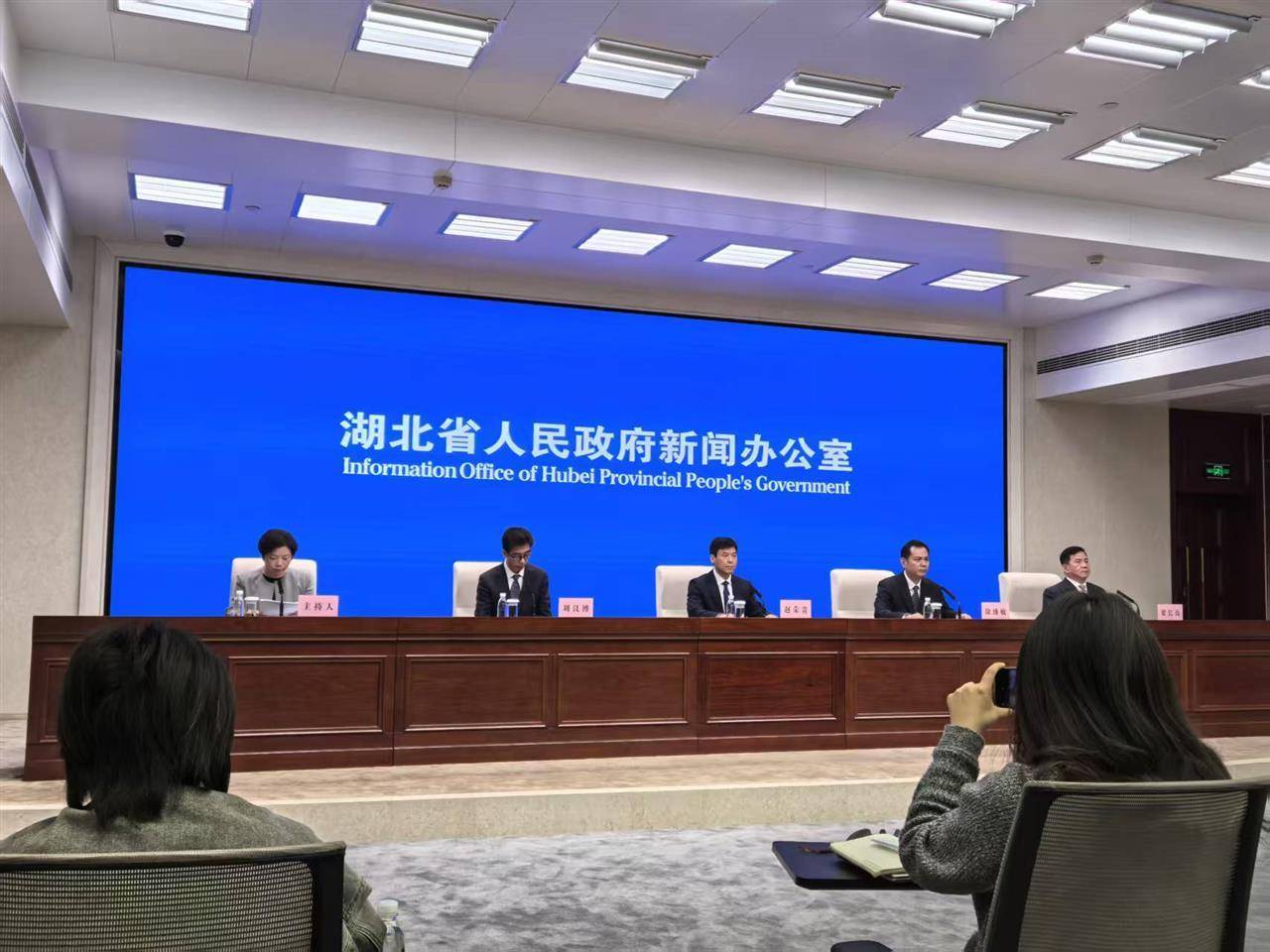
此外,大会期间,"数智长江 赋能工业"长江江滩两岸灯光秀活动将惊艳亮相,同时发放《"5G+工业互联网"市民读本》,举办"工业数字化"知识普及公益讲 座,营造全民参与、全民共享的科技创新氛围。 同时,大会还特设"5G+工业互联网"融合应用城市试点交流会,将邀请南京、青岛等10个城市分享5G智能电网、车路云一体化、工业大模型等场景实践成果 以及推进新型工业化的阶段性成效,并组织产业供需对接会、项目签约仪式等活动。 (来源:极目新闻) 极目新闻记者 曹磊 11月10日,省政府新闻办举行新闻发布会,介绍第六届中国5G+工业互联网大会有关情况。该届大会以"万物互联智能领航"为主题,将于11月21日至23日在 湖北武汉举办,市民可在大会专设的"公众开放日"现场体验5G新感觉。 据介绍,中国5G+工业互联网大会已在汉举办五届,已发展为行业领域规格最高、规模最大、影响最广的专业会议,成为展示我国"5G+工业互联网"创新成 果的重要窗口、推动技术融合应用的关键平台、汇聚高端思想智慧的行业盛会。 本届大会聚焦"5G+工业互联网"领域的前沿技术和最新趋势,举办1场开幕式、1场开幕论坛、1场专题论坛以及平行论坛、特色活动、创新成果展 ...

事关“场景”:如何补短板?怎么挖潜力?怎样建生态?
Jing Ji Ri Bao· 2025-11-14 01:06
Core Viewpoint - The State Council has issued an implementation opinion to accelerate the cultivation and large-scale application of new scenarios, emphasizing the importance of "scenarios" in driving technological and industrial innovation [3][4][9]. Group 1: Definition and Importance of Scenarios - The term "scenario" is defined as a specific context for systematically verifying the industrial application of new technologies, products, and business models, serving as a bridge between technology and industry [4][5]. - Scenarios are crucial for enabling the development of new productive forces, acting as a "test stone" for the feasibility of technologies in real market environments [5][9]. - The implementation opinion emphasizes a scenario-driven innovation paradigm, promoting a virtuous cycle where demand drives innovation and innovation meets demand [5][9]. Group 2: Challenges in Scenario Supply - Insufficient effective scenario supply is a major obstacle to the transformation of new industries and models, with many technological breakthroughs lacking appropriate application contexts [3][6]. - Three main reasons for the supply shortage include unclear profit distribution mechanisms, local protectionism, and the need for policy coordination among departments [7][8][9]. - The opinion aims to address these challenges through systematic top-level design and policy support [8][9]. Group 3: Strategies for Scenario Cultivation and Application - The opinion proposes expanding the supply of production, work, and life scenarios, promoting fair and efficient allocation of scenario resources [9][10]. - It highlights the need for both hard infrastructure and soft innovations in regulations and policies to facilitate scenario cultivation and application [9][26]. - Specific paths include prioritizing new fields and high-value scenarios, leveraging China's large market advantages to enhance scenario supply [9][10]. Group 4: Case Studies and Practical Applications - The collaboration between Anhui Conch Group and Huawei in developing an AI-driven cement production model exemplifies successful scenario application, achieving significant efficiency and sustainability improvements [12][14]. - The gaming industry, particularly the success of "Black Myth: Wukong," showcases how small-cut scenarios can lead to high-value creative outputs through advanced technologies [16][17]. - The establishment of a comprehensive unmanned system in Hefei illustrates the potential of scenario innovation to drive urban development and industry clustering [18][19]. Group 5: Future Directions and Ecosystem Building - The development of a scenario innovation ecosystem requires collaboration among various stakeholders, including industry players, technology providers, and government entities [18][19]. - The focus should be on creating a multi-faceted innovation environment that encourages the free flow of resources and ideas across regions and sectors [22][23]. - Continuous efforts to refine the regulatory framework and enhance the safety and risk management of scenario applications are essential for sustainable growth [19][26].

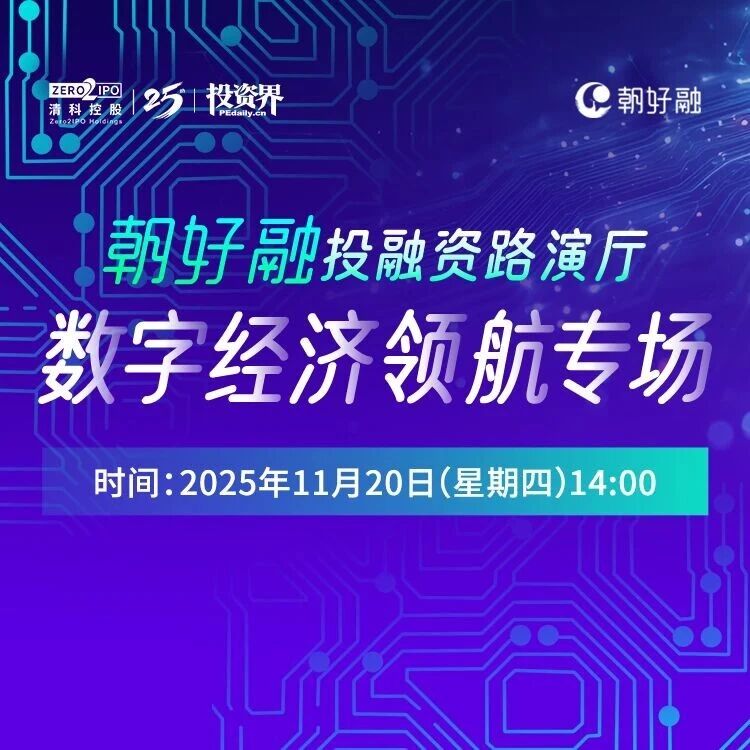
“朝好融”投融资路演厅——数字经济领航专场
投资界· 2025-11-12 07:30
Core Viewpoint - The event "Chaohangrong Investment Roadshow - Digital Economy Leading Forum" aims to accelerate the integration of the digital economy and capital markets, helping enterprises seize opportunities in the digital economy era [1]. Group 1: Event Overview - The event will take place on November 20, 2025, at 14:00 in Chaoyang District [2]. - It is organized by the Chaoyang District Financial Work Center in collaboration with various local departments, focusing on the digital economy [1]. Group 2: Focus Areas - The event will concentrate on industries such as artificial intelligence, information communication, big data, cloud computing, software services, and industrial internet [1]. - The goal is to break down resource barriers between the industry and capital sectors, providing targeted support to quality technology enterprises [1]. Group 3: Agenda - The agenda includes a welcome session, leadership speeches, policy introductions, thematic sharing on new opportunities in the digital economy, enterprise roadshows, and networking sessions [3]. Group 4: Participating Companies - Notable participating companies include: - Zhongke Hongyun, a provider of enterprise-level intelligent cloud platform software and services [5]. - Wuxi Aigang, focusing on recycling waste steel [5]. - Sike Cloud, a leading provider of software supply chain security in China [5]. - Green Puhui, a personal carbon reduction trading platform [5]. - Zhongdun Yuanwei, specializing in the development and application of police intelligent equipment [5]. - Haibai Chuan Technology, aiming to create a comprehensive product system for a more humane AI [6].
宝通科技11月11日获融资买入1653.59万元,融资余额7.27亿元
Xin Lang Cai Jing· 2025-11-12 01:26
Core Viewpoint - Baotong Technology's stock experienced a slight decline of 0.53% on November 11, with a trading volume of 144 million yuan, indicating a low level of financing and margin trading activity [1][2]. Financing Summary - On November 11, Baotong Technology had a financing purchase amount of 16.54 million yuan and a financing repayment of 14.16 million yuan, resulting in a net financing purchase of 2.38 million yuan [1]. - The total financing and margin trading balance reached 728 million yuan, with the financing balance accounting for 7.64% of the circulating market value, which is below the 30th percentile level over the past year, indicating a low position [1]. - The margin trading data showed no shares were sold or repaid on November 11, with a remaining margin of 62,500 shares and a margin balance of 1.42 million yuan, also below the 30th percentile level over the past year [1]. Business Performance - As of September 30, Baotong Technology reported a total of 57,000 shareholders, a decrease of 8.91% from the previous period, while the average circulating shares per person increased by 9.78% to 6,171 shares [2]. - For the period from January to September 2025, the company achieved a revenue of 2.457 billion yuan, reflecting a year-on-year growth of 0.37%, while the net profit attributable to shareholders decreased by 12.16% to 209 million yuan [2]. Dividend and Shareholding Structure - Since its A-share listing, Baotong Technology has distributed a total of 549 million yuan in dividends, with 66.63 million yuan distributed over the past three years [3]. - As of September 30, 2025, the top ten circulating shareholders included notable increases in holdings by Huaxia CSI Animation Game ETF and Hong Kong Central Clearing Limited, while some other funds saw a decrease or were newly entered [3].

赋能新质生产力发展 加快推动场景落地应用
Jing Ji Ri Bao· 2025-11-12 00:14
Core Viewpoint - The State Council has issued an implementation opinion to accelerate the cultivation and large-scale application of new scenarios, which has become a significant focus in the technology, industry, and capital sectors [2][8]. Group 1: Definition and Importance of Scenarios - The term "scenario" is defined as a specific context for systematically verifying the industrial application of new technologies, products, and business models, serving as a bridge between technology and industry [3][4]. - Scenarios are crucial for enabling the development of new productive forces, as they transition innovation from traditional laboratory settings to real market environments [4]. Group 2: Challenges in Scenario Supply - Insufficient effective scenario supply has become a major obstacle to the transformation of new industries and models, with many technological breakthroughs lacking applicable scenarios [2][5]. - Three main reasons for the insufficient supply of scenarios include unclear revenue distribution mechanisms, local protectionism, and the need for policy coordination among departments [6][7]. Group 3: Strategies for Scenario Development - The implementation opinion emphasizes expanding the supply of production, work, and life scenarios, promoting fair and efficient allocation of scenario resources, and facilitating large-scale application of new scenarios [8][9]. - The National Development and Reform Commission plans to explore a market-oriented mechanism for scenario resource allocation and establish standards and rules for the application of new technologies and products [9].
供给不足,场景短板如何补
Xin Hua Wang· 2025-11-11 23:37
Core Viewpoint - The State Council has issued an implementation opinion to accelerate the cultivation and large-scale application of new scenarios, which has become a significant focus for the technology, industry, and capital sectors [2][8]. Group 1: Definition and Importance of Scenarios - The term "scenario" is defined as a specific context for systematically verifying the application of new technologies, products, and business models, serving as a bridge between technology and industry [3][4]. - Scenarios are crucial for enabling the development of new productive forces, as they transition innovation from traditional laboratory settings to real market environments [4]. Group 2: Challenges in Scenario Supply - Insufficient effective scenario supply is a major obstacle to the transformation of new industries and models, with many technological breakthroughs lacking applicable scenarios [2][5]. - Three primary reasons for the insufficient supply of scenarios include unclear profit distribution mechanisms, local protectionism, and the need for policy coordination [6][7]. Group 3: Strategies for Scenario Development - The implementation opinion emphasizes expanding the supply of production, work, and life scenarios, promoting the open resource allocation of scenarios, and facilitating large-scale application of new scenarios [8][9]. - The National Development and Reform Commission plans to explore market-oriented mechanisms for scenario resource allocation and establish standards for the application and opening of new technologies and products [9].
供给不足 场景短板如何补
Jing Ji Ri Bao· 2025-11-11 22:11
Core Viewpoint - The State Council has issued an implementation opinion to accelerate the cultivation and large-scale application of new scenarios, which has become a significant topic in the technology, industry, and capital sectors [2][3]. Group 1: Definition and Importance of Scenarios - The term "scenario" is defined as a specific context for systematically verifying the industrial application of new technologies, products, and business models, serving as a bridge between technology and industry [3][4]. - Scenarios are crucial for enabling the development of new productive forces, as they transition innovation from traditional laboratory settings to real market environments, acting as a "touchstone" for technological feasibility [4]. Group 2: Challenges in Scenario Supply - There is a notable lack of effective scenario supply, which hinders the transformation of new industries and models [2][5]. - Three main reasons for the insufficient supply of scenarios include unclear revenue distribution mechanisms, local protectionism, and the need for policy coordination among departments [6][7]. Group 3: Strategies for Scenario Development - The implementation opinion emphasizes expanding the supply of production, work, and life scenarios, promoting the open allocation of scenario resources, and ensuring fair and efficient resource distribution [8]. - The opinion outlines three strategic directions for scenario cultivation and opening, focusing on new fields, high-value niche scenarios, and cross-regional integrated scenarios [8][9]. Group 4: Future Directions - The National Development and Reform Commission plans to explore a market-oriented mechanism for scenario resource allocation and establish standards and rules for the application of new technologies and products [9]. - The emphasis is on creating a platform for both state-owned and private enterprises to participate equally in scenario innovation and development [9].
国家发改委主任郑栅洁主持召开民营企业座谈会
券商中国· 2025-11-11 07:52
Core Viewpoint - The meeting hosted by the National Development and Reform Commission (NDRC) focused on accelerating the development of the service industry in line with the "14th Five-Year Plan" and solicited opinions from various enterprises on this matter [1][2]. Group 1: Service Industry Development - The service industry is a crucial part of the national economy, and its development level is a key indicator of a country's economic progress [2]. - There is significant potential for expansion and quality improvement in China's service industry, as highlighted by the recent decisions made during the 20th Central Committee's Fourth Plenary Session [2]. - Enterprises expressed confidence in the growing market demand for services and are working towards professionalization and refinement in their respective fields [1]. Group 2: Government Support and Policy Recommendations - Enterprises suggested that the government should deepen institutional reforms, improve social security and tax support systems, and innovate regulatory methods to better support service industry development [1]. - The NDRC plans to incorporate valuable suggestions from enterprises into the "14th Five-Year Plan" to create a better development environment for businesses [2]. - The NDRC aims to enhance communication with enterprises to address practical difficulties and promote healthy and high-quality development of the private economy [2].