旅行社

Search documents
澎湃研究所联合上海旅协启动“入境游”提质提量调研
Xin Lang Cai Jing· 2025-09-13 03:30
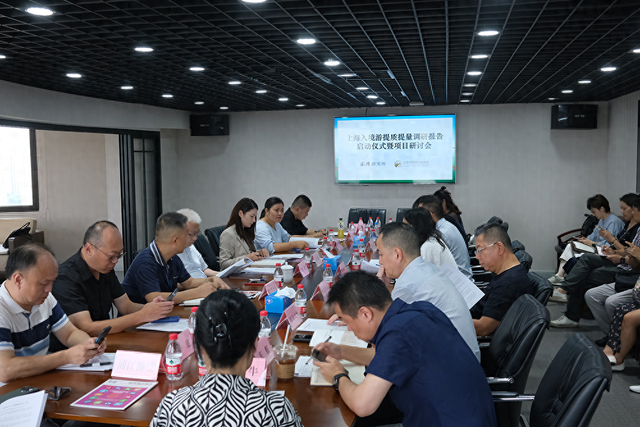
9月12日,上海入境游提质提量调研报告启动仪式暨项目研讨会。本文图片均来自 郭子钰 2025年9月12日,由智通财经旗下城市智库澎湃研究所与上海市旅游行业协会联合主办的"上海入境游提 质提量调研报告启动仪式暨项目研讨会"在上海市旅游行业协会举行。学界、企业及媒体等多方代表共 同启动调研项目,为上海打造"中国入境游第一站"提供切实可行的策略建议。 自2023年末中国入境免签政策重启以来,入境旅游市场迎来新一轮发展机遇。上海作为国际旅游枢纽, 正积极推动入境旅游提质扩量。联合项目组计划系统梳理上海入境游现状,识别痛点与机遇,提出具有 操作性的解决方案。 上海市旅游行业协会执行副会长张旗发言 上海市旅游行业协会执行副会长张旗表示,协会将积极发挥桥梁作用,推动行业企业与政策制定者之间 的有效沟通,共同优化入境旅游体验。 学界专家分享了最新研究成果。复旦大学旅游学系教授孙云龙从学术视角分析了入境游的发展趋势与挑 战,指出上海需在服务精细化、体验差异化方面进一步突破。上海师范大学旅游学院讲师王辉则结合其 近期课题成果,提出了关于入境游客需求变化及产品创新的见解。 在内部研讨环节,与会嘉宾围绕"十年来入境游变化趋势""相关 ...

中青旅:聚焦客群需求细分,建立“芳华旅行家”俱乐部满足老年游客出行需求
Cai Jing Wang· 2025-09-12 08:44
Core Viewpoint - The company is focusing on the development of services tailored for the elderly demographic, in response to national policies promoting senior consumption [1] Group 1: Business Strategy - Since 2020, the company has been optimizing its travel agency business by segmenting customer needs and enhancing services for senior members through the "Fanghua Traveler" club [1] - The company has designed and customized products specifically for elderly travelers, creating a dedicated series of offerings under the "Fanghua Traveler" brand [1] Group 2: Service Enhancements - The Wuzhen scenic area offers ticket discounts for seniors and provides additional services such as manual ticket counters and wheelchair rentals to accommodate elderly visitors [1] - The Gubei Water Town has developed a health and wellness system that includes four main areas: hot spring health care, sports wellness, dietary therapy, and cultural experiences, catering to the travel needs of older tourists [1] Group 3: Financial Performance - In the first half of 2025, the company achieved revenue of 4.866 billion yuan, representing a year-on-year increase of 11.84% [1] - The net profit attributable to the parent company was 67 million yuan, showing a year-on-year decline of 7.88% [1]

调研速递|岭南控股接受天弘基金等4家机构调研,上半年营收利润双增长
Xin Lang Cai Jing· 2025-09-11 11:22
Core Viewpoint - Guangzhou Lingnan Group Holdings Co., Ltd. has shown significant growth in both revenue and profit in the first half of 2025, capitalizing on favorable national policies and enhancing its business operations across travel and accommodation sectors [2][3]. Financial Performance - The company achieved a revenue of 208,960.24 million yuan, an increase of 8.52% year-on-year, and a net profit of 49.52 million yuan, up 24.39% from the previous year [2]. - The net asset value at the end of the period was 226,085.81 million yuan, remaining stable compared to the previous year, with a net cash flow from operating activities of 12,477.96 million yuan and a debt ratio of 39.03% [2]. Business Segments - The core enterprise in the business travel sector is Guangzhou Guangzhilv International Travel Agency Co., Ltd., which reported a revenue of 153,571.45 million yuan, reflecting an 11.78% increase year-on-year, with net profit rising by 34.91% to 23.29 million yuan [2]. - The accommodation sector, including hotel management and operations, saw revenue growth of 1.60% year-on-year, totaling 11,855.54 million yuan, with net profit increasing by 23.26% to 973.47 million yuan [3]. National Expansion - The travel agency has expanded its store network, adding 12 new stores in the first half of 2025, bringing the total to approximately 200 nationwide, with 119 located in Guangdong province [4]. - The company is implementing a "North-South Coordination" strategy for its accommodation business, establishing a northern headquarters and expanding its hotel brand in major cities, signing 69 new projects and adding nearly 4,000 rooms [4]. Focus on Silver Economy and Online Business - The company has launched a dedicated "Leisure and Active" club for the elderly and introduced an upgraded "Travel Residence 2.0" product line, aiming to explore wellness destinations suitable for the elderly demographic [5]. - In terms of online business, the company has developed the "Easy Travel" and "Walking Net" smart tourism platforms, creating a comprehensive online and offline sales system [5].

岭南控股(000524) - 2025年9月11日投资者关系活动记录表
2025-09-11 10:30
Group 1: Financial Performance - In the first half of 2025, the company achieved a revenue of CNY 208,960.24 million, an increase of 8.52% compared to the same period last year [2] - The net profit attributable to shareholders reached CNY 4,952.64 million, reflecting a growth of 24.39% year-on-year [2] - The net asset attributable to shareholders at the end of the period was CNY 226,085.81 million, remaining stable compared to the previous year [2] - The net cash flow from operating activities was CNY 12,477.96 million, with a debt-to-asset ratio of 39.03% and a weighted average return on equity of 2.16% [2] Group 2: Travel Business Performance - The travel business, led by Guangzhou Guangzhi Travel International Co., Ltd., generated a revenue of CNY 153,571.45 million in the first half of 2025, up 11.78% year-on-year [3] - Revenue from outbound tourism (excluding Hong Kong and Macau) was CNY 84,881.39 million, while domestic tourism revenue was CNY 49,819.73 million [3] - The net profit for the travel business was CNY 2,329.30 million, a year-on-year increase of 34.91% [3] Group 3: Hotel Business Performance - The hotel management segment achieved a revenue of CNY 11,855.54 million in the first half of 2025, a growth of 1.60% compared to the previous year [5] - The net profit from hotel operations was CNY 973.47 million, reflecting a year-on-year increase of 23.26% [5] - The overall revenue for the hotel business has grown by 18.49% compared to the same period in 2019 [5] Group 4: Strategic Expansion - The travel business expanded its national service network, adding 12 new stores in the first half of 2025, totaling approximately 200 stores nationwide [6] - The hotel business established a northern headquarters and signed 69 new projects, adding nearly 4,000 rooms [7] - The company is actively pursuing a "North-South Coordination" strategy to enhance its national layout [7] Group 5: Silver Economy Initiatives - The travel business has launched the "Leisure and Happiness" club targeting the elderly market, focusing on developing tailored travel products [8] - New upgraded travel products for seniors include "Travel and Residence 2.0" and various themed travel routes [9] Group 6: Online Business Development - The company has developed the "Easy Travel" and "Walking Network" smart tourism platforms, integrating various online sales channels [10] - The official website has launched the "Easy Purchase" local life channel, enhancing the online shopping experience [10]
“超长黄金周”催热旅游市场
Zheng Quan Ri Bao· 2025-09-10 16:27
Group 1 - The "Golden Week" during the National Day and Mid-Autumn Festival is expected to see a significant increase in travel bookings, with popular routes selling out early [1][2] - Travel consumption trends indicate that consumers are planning trips earlier than in previous years, favoring domestic long-distance travel and diverse experiences such as themed and cultural exploration tours [1][3] - Data from various travel companies show a substantial increase in travel activity, with a 130% year-on-year rise in travelers and over 120% growth in GMV for the "Golden Week" [1] Group 2 - Car rental demand for domestic self-driving trips is projected to grow by 5.8% year-on-year, while outbound self-driving demand is expected to rise by 12.5%, indicating a peak in travel activity [2] - Major travel agencies are preparing for the holiday rush by securing popular travel resources and enhancing service quality to meet increased demand [2] - The tourism industry is experiencing a trend of consumption upgrading, with tourists seeking more immersive experiences and personalized services, leading to the emergence of new business models that integrate tourism with culture, sports, and wellness [3]
岭南控股(000524) - 2025年9月10日投资者关系活动记录表
2025-09-10 12:34
Financial Performance - In the first half of 2025, the company achieved operating revenue of CNY 2,089.60 million, an increase of 8.52% year-on-year [2] - The net profit attributable to shareholders was CNY 49.53 million, up 24.39% compared to the same period last year [2] - The net asset attributable to shareholders at the end of the period was CNY 2,260.86 million, remaining stable year-on-year [2] - The net cash flow from operating activities was CNY 124.78 million, with a debt-to-asset ratio of 39.03% and a weighted average return on equity of 2.16% [2] Travel and Tourism Business - The core enterprise for travel services is Guangzhou Guangzhilv International Travel Agency, which achieved operating revenue of CNY 1,535.71 million in the first half of 2025, a year-on-year increase of 11.78% [3] - Outbound tourism (excluding Hong Kong and Macau) generated revenue of CNY 848.81 million, while domestic tourism revenue was CNY 498.20 million [3] - The net profit for the travel business was CNY 23.29 million, reflecting a growth of 34.91% year-on-year [3] Hotel Business - The hotel business reported revenue of CNY 118.56 million in the first half of 2025, a 1.60% increase year-on-year [4] - The net profit from hotel operations was CNY 9.73 million, up 23.26% compared to the previous year [4] - The accommodation sector's revenue grew by 18.49% compared to the same period in 2019 [4] New Retail and Cultural Products - The company developed 87 cultural products in the first half of 2025, with 16 selected as part of the first batch of "Guangzhou Gifts" [6] - The new retail initiatives generated nearly CNY 0.70 million in revenue, with significant growth in seasonal food sales [6] Duty-Free Business - The company, in collaboration with China Duty Free Group and others, established a duty-free company with a registered capital of CNY 45 million, holding a 19.50% stake [8] - The first city duty-free store opened on August 26, 2025, marking a significant step in implementing national duty-free policies [8] - Future plans include leveraging travel agency and hotel resources to enhance duty-free shopping experiences for travelers [9]
最新增值税发票数据显示:8月份全国企业销售收入较快增长
Zhong Guo Jing Ji Wang· 2025-09-10 06:16
Core Insights - In August, the sales revenue growth rate of enterprises nationwide accelerated by 0.9 percentage points compared to July, indicating multiple positive trends [1] Manufacturing Sector - The manufacturing sector maintained steady development, with sales revenue growth in August outpacing the overall national enterprise growth by 1.5 percentage points, accounting for 30.7% of total sales revenue [1] - High-end and digital transformation in manufacturing continued to progress, with sales revenue in equipment manufacturing and digital product manufacturing increasing by 7.4% and 9.6% year-on-year, respectively [1] High-Tech Industry - The sales revenue of the high-tech industry grew by 14.5% year-on-year in August, continuing a rapid growth trend [1] - Breakthroughs in large model high-tech companies accelerated the application of AI technology in intelligent manufacturing, providing sustained momentum for the sector [1] - Sales revenue for industrial robots, special operation robots, and service robots increased by 12.6%, 52.9%, and 64.2% year-on-year, respectively [1] Service Consumption - Service consumption potential continued to be released, driven by summer travel and leisure activities, maintaining a good growth trend since July [1] - Sales revenue for travel agency services, leisure sightseeing activities, and sports venue management increased by 10.3%, 16.9%, and 32.1% year-on-year, respectively [1] - This growth also positively impacted sales revenue for catering delivery services and homestay services, which rose by 9.3% and 13% year-on-year, respectively [1]
“错峰游”迎来窗口期 旅游市场出现“换挡”特征
Zheng Quan Ri Bao· 2025-09-07 16:09
Core Viewpoint - The tourism market in September has seen a significant drop in prices for flights and hotels, creating an opportunity for consumers to take advantage of off-peak travel [1][2][3] Group 1: Price Trends - September is identified as a "price trough" for the tourism market, with flight and hotel prices dropping significantly after the summer peak and before the National Day holiday [1] - For example, flights from Beijing to popular Southeast Asian destinations are priced between 800 to 1000 yuan, which is about half the price during the National Day holiday [1] - Domestic group tour prices have decreased by over 20% compared to the summer season, with some popular routes seeing even larger reductions [3] Group 2: Consumer Behavior - Nearly 80% of users are choosing to travel during September to take advantage of lower prices, with a notable increase in older travelers (over 50 years old) making up over 40% of this demographic [2] - The preference among older travelers is shifting towards guided and customized tours, particularly those focused on natural scenery and wellness [2] - Younger travelers are increasingly interested in personalized activities such as hiking, camping, and photography, indicating a diversification in travel preferences [2] Group 3: Market Strategy - Tourism companies are advised to tailor their offerings to meet the changing demands of different consumer groups, such as developing slow travel products for older travelers and flexible travel options for younger consumers [3] - Companies are encouraged to utilize digital tools to monitor market changes and create high-value packages that enhance resource optimization and customer experience [3] - As the National Day holiday approaches, it is expected that travel product prices will gradually increase, particularly for outbound and long-distance travel [3]
中青旅控股股份有限公司关于召开2025年半年度业绩说明会的公告
Shang Hai Zheng Quan Bao· 2025-09-05 21:31
Core Viewpoint - Company plans to hold a half-year performance briefing on September 15, 2025, to discuss its operational results and financial status for the first half of 2025, allowing investors to engage in Q&A [2][3]. Group 1: Meeting Details - The meeting is scheduled for September 15, 2025, from 16:00 to 17:00 [2][5]. - It will take place at the Shanghai Stock Exchange Roadshow Center, accessible online [2][5]. - Investors can submit questions from September 8 to September 12, 2025, before 16:00 [2][5]. Group 2: Participants - Key participants include the Chairman, Vice Chairman, and several independent directors of the company [4]. Group 3: Investor Participation - Investors can join the meeting online via the Shanghai Stock Exchange Roadshow Center [5][6]. - Questions can be submitted through the website or via the company's email [5][6]. Group 4: Contact Information - Contact persons for inquiries are Li Lan and Yu Yao, with provided phone numbers and email [6].
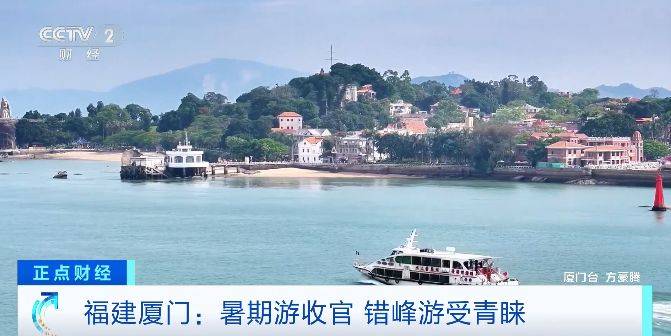
厦门暑期游收官,错峰游赏秋主题产品价格最高降20%
Sou Hu Cai Jing· 2025-09-05 13:06
Group 1 - The domestic tourism market has seen a rise in family travel and inbound tourism during the summer, with a noticeable increase in off-peak travel as the season ends [1][5] - Data from a travel platform indicates that hotel bookings in Xiamen increased by 9% year-on-year during the summer [3] - Travel agencies are receiving numerous inquiries and bookings for off-peak travel, promoting autumn-themed products and long-distance outbound trips, with overall prices dropping by 15% to 20% compared to the peak summer season [5] Group 2 - Xiamen Airlines' travel sales center reports significant decreases in airfare, particularly for outbound travel, as Australia approaches spring, leading to the introduction of seasonal products [7]