
酒店业

Search documents
求同不忘存异,酒店行业站在分化转型的十字路口上|行业风向标
Xin Lang Cai Jing· 2026-01-05 10:27
Core Insights - The tourism and hospitality industry in China is experiencing a surge in travel demand, with hotel bookings in popular cities tripling during the New Year holiday period in 2026 compared to the previous year [2] - Despite the increase in travel interest, the hotel industry is facing significant challenges, including declining revenues and profits, with Beijing's accommodation sector reporting a 67% drop in total profits in the first half of 2025 [2][3] Industry Performance - The hotel industry has seen a decline in key performance metrics, with average daily rates (ADR) and revenue per available room (RevPAR) decreasing since 2024, reflecting a broader operational struggle [3] - Major hotel chains like Atour and Huazhu have reported mixed results, with Atour achieving a 9.2% revenue growth but a 26.8% drop in net profit, while Shoulv Hotel experienced a slight revenue decline but a modest profit increase [4] - Jinjiang Hotel, facing intensified competition and transformation costs, is the only major player among the top three to report declines in both revenue and net profit [5] Market Dynamics - Despite the overall pressure, some brands are pursuing aggressive expansion strategies, with Atour opening 471 new hotels in 2024, marking a 63% increase year-on-year [9] - Huazhu also reported a record number of new openings, with 749 hotels launched in the third quarter of 2025, leveraging a light-asset model to facilitate growth [11] Retail Ventures - The hotel industry is exploring retail opportunities, with Huazhu launching a memory pillow product and Atour achieving significant sales in its retail segment, indicating a shift towards diversifying revenue streams [15][20] - Atour's retail business saw a GMV of 2.592 billion in 2024, a 127.7% increase from the previous year, highlighting the potential of retail as a growth area [20] Market Expansion Strategies - Major hotel groups are focusing on expanding into lower-tier markets, with plans to double their presence in these areas over the next 5 to 8 years [26] - The trend of expanding into Southeast Asia is also gaining momentum, with Jinjiang Hotel and Atour both initiating overseas expansion plans [28][29]

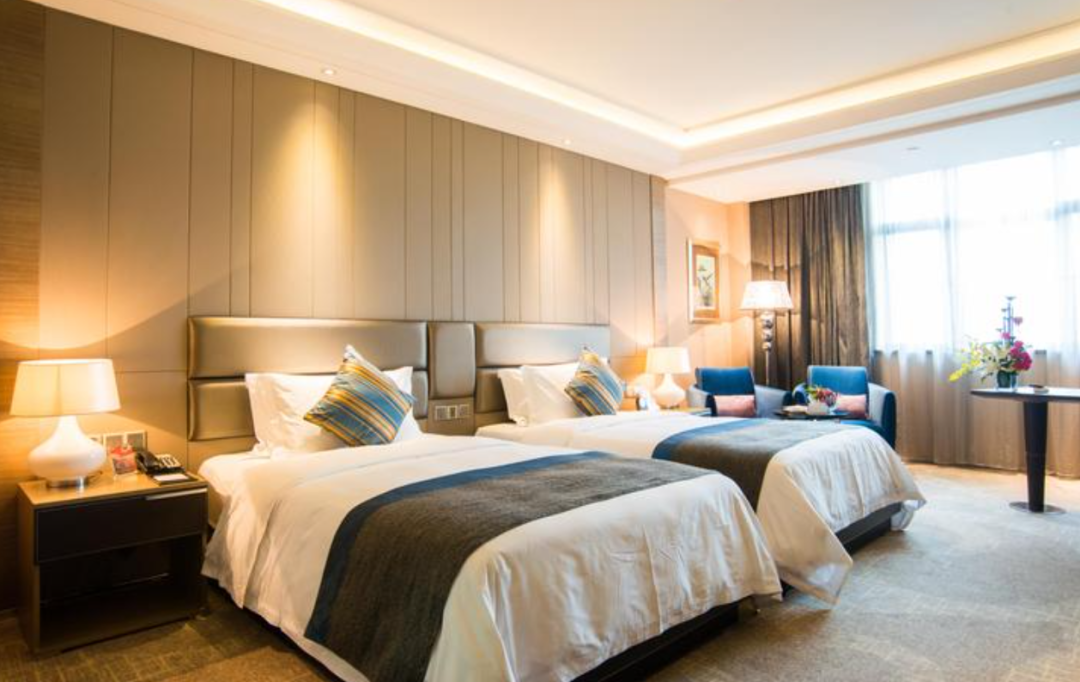
青岛美高梅华府酒店启幕
Huan Qiu Wang· 2026-01-05 08:48
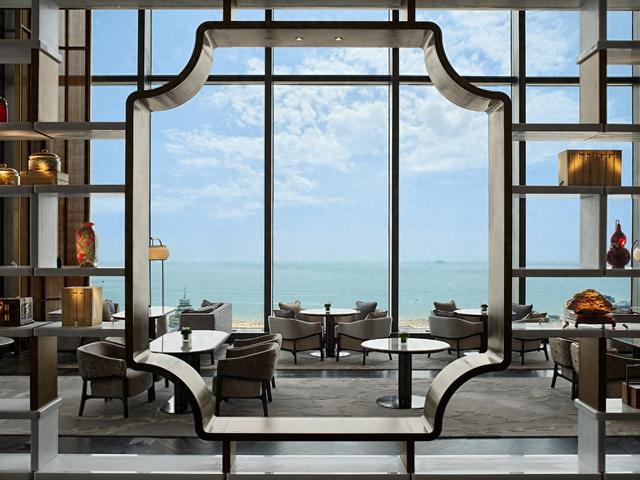
Core Perspective - The Qingdao MGM Huafu Hotel officially reopens on January 1, 2026, positioning itself as a contemporary Chinese residence that integrates the brand spirit of "Ultimate China, Colorful Contemporary" into its design, offering an immersive experience for guests [1]. Location and Design - The hotel is located in the core of the national financial reform demonstration area, the Jinjialing Financial District, surrounded by premium office buildings and abundant commercial and leisure resources [2]. - The twin towers of the hotel, designed by the internationally renowned architectural firm KPF, draw inspiration from Qingdao's unique cultural context of "mountain and sea" [2]. - The building stands at 201.8 meters, designed as a "treasure box," symbolizing abundance and auspiciousness, with a transparent area at the top offering panoramic views [2]. Artistic and Cultural Elements - The hotel’s design incorporates elements of Qingdao's cultural heritage and natural beauty, transforming traditional Chinese aesthetics into a livable space [3]. - Notable artworks, such as the bronze sculpture "Thousand Years" by artist Ren Tianjin and the contemporary sculpture "Qi Yun" by sculptor Sui Jianguo, are featured prominently within the hotel [3]. Guest Experience and Accommodations - The hotel features 116 guest rooms, each reflecting the aesthetics of a residence, with themes of "ocean blue," "sunset gold," and "Chinese red," blending local and contemporary design [5]. - The presidential suite is designed around the scenic views of Mount Laoshan, capturing the essence of different times of day through its decor [5]. Dining and Culinary Experience - The hotel includes a Chinese restaurant, lobby bar, and private tea room, focusing on local flavors and seasonal ingredients to create memorable dining experiences [8]. - The "Yuyuan" Chinese restaurant on the 50th floor is inspired by "Penglai Wonderland," featuring a unique dining atmosphere with handcrafted glass petals and private dining rooms [8]. Unique Features and Amenities - The 51st-floor "Fangfei Garden" serves as the hotel's "living room," offering 270-degree unobstructed views of the city and sea, with a design that reflects Chinese elegance [10]. - The 52nd-floor tea room provides a private and customized tea experience, creating a tranquil environment away from the hustle and bustle [12]. Overall Experience - From the moment of arrival, guests are immersed in the essence of Qingdao's mountain and sea culture, with every detail contributing to a deep connection between people and nature [13].
上海五星酒店被0元收购
3 6 Ke· 2026-01-05 02:16
Core Viewpoint - The domestic hotel bulk transaction market has significantly cooled, with many owners struggling to sell their five-star hotels, leading to extreme measures such as a "0 yuan purchase" deal for the Andaz Hotel in Shanghai [1][2][5] Group 1: Market Conditions - The hotel transaction market has seen a drastic decline, with many properties remaining unsold for extended periods, leading to a re-evaluation of asset values [5][6] - The Andaz Hotel, once valued at 2.2 billion yuan, was sold for 0 yuan due to its negative net assets of 1.71 billion yuan and total liabilities exceeding 2.52 billion yuan [9][12] - The trend of declining hotel values is not isolated, with other luxury hotels like the Banyan Tree in Chongqing and the former Kempinski in Huizhou experiencing similar fates, selling for significantly reduced prices [6][8][20] Group 2: Industry Dynamics - The hotel industry is facing a reckoning as many properties, previously buoyed by high leverage and debt, must now confront their true asset values [23][24] - The introduction of REITs for commercial real estate, including hotels, may provide new avenues for asset liquidity, although it will not serve as a refuge for underperforming hotels [15][16][24] - The market is expected to see a reduction in the number of five-star hotels, with estimates suggesting a decline to 600-650 hotels within five years due to oversupply and competitive pressures [13][14]


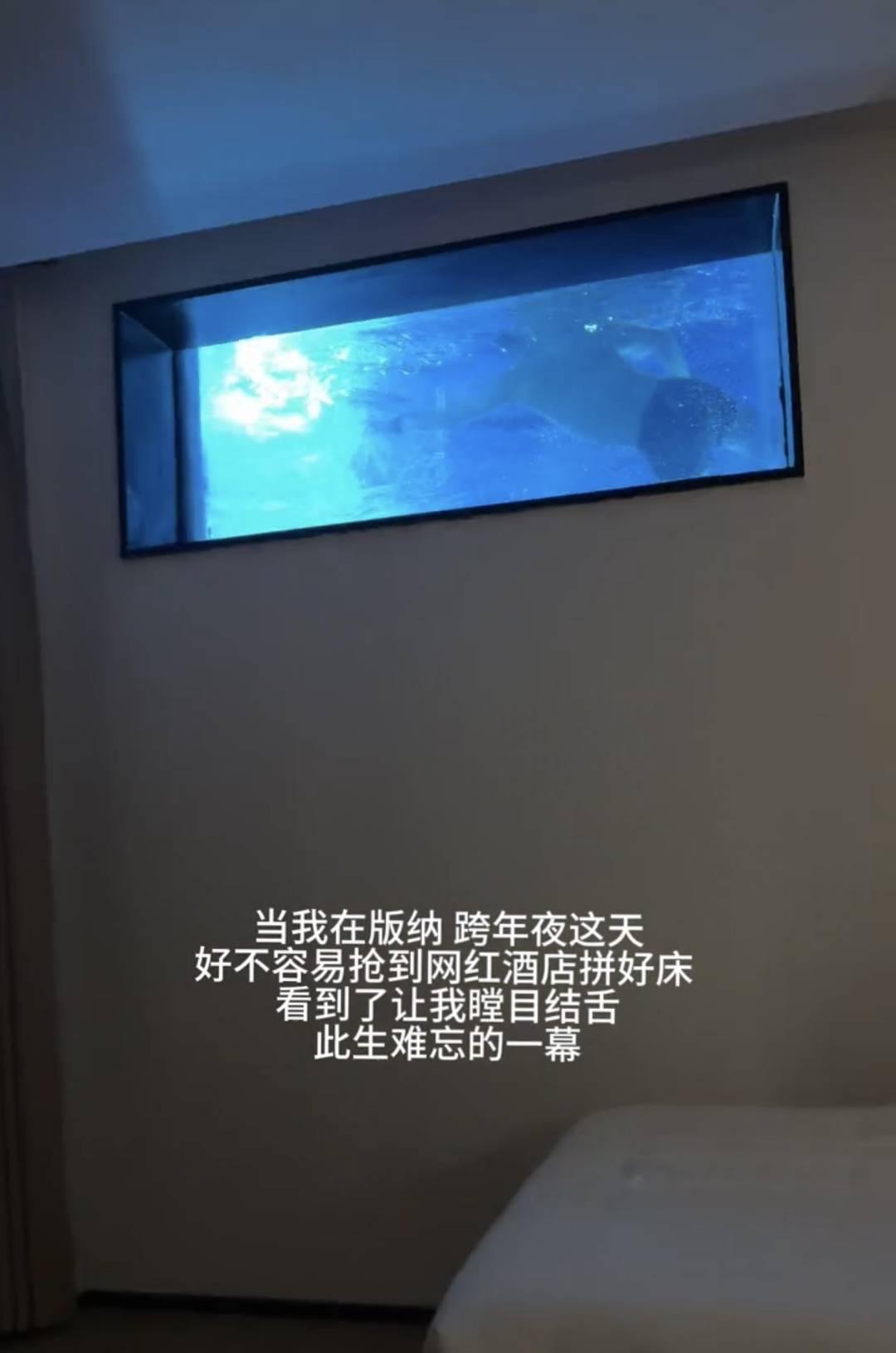
房间内能看到游泳池底部 酒店回应:该房间一般不使用,入住前和客人沟通说明
Xin Lang Cai Jing· 2026-01-04 14:56
房间内能看到泳池 1月2日,谢女士又发布了视频解释了事情的前因后果。她说,在这家酒店入住两晚后,觉得很不错,想续住,但遇到了跨年夜,房间紧张,最后酒店给了 一间未开放的房间。 1月4日,记者联系到该酒店。"酒店确实有几间客房打开窗帘就能看到泳池。"工作人员表示,这些房间一般不会安排给客人使用,有时候会给员工休息或 满房后应急备用。他还说,当天入住前跟客人说明了情况,对方知晓后同意入住。 对于网友关心的隐私问题,他则表示,客房里的窗户在游泳池一般是看不见的,除非把脸贴在窗户上,而且酒店的露天泳池原本就是公共区域,后续也会 加强泳池等管理措施。对于房间的客人,入住前都会说明,而且把窗帘拉起来就看不见泳池了。 封面新闻记者 杨博 00:16 1月1日,谢女士在网上分享了一段"难忘"的经历。她在云南西双版纳景洪市订了一间酒店,在房间内打开窗帘竟然能看到游泳池的底部,里面还有一个人 正在游泳。对此,不少网友认为隐私受到了侵犯,引发了热议。 ...
复盘酒店业2025,到底谁赚钱了?
Xin Lang Cai Jing· 2026-01-04 12:14
2025年的酒店业,挣脱了传统住宿的单一桎梏,驶入了混沌与希望交织的转型深水区。这一年,没有轰 轰烈烈的颠覆性变革,却在供需失衡、资本跨界、技术迭代的多重作用下,涌现出一系列鲜明的矛盾。 文 | 迈点 这些矛盾既是市场承压的直观体现,更是行业自我革新的内在动力——存量竞争与增量探索碰撞,高端 坚守与大众下沉并存,传统运营与数字转型交锋,最终推动酒店业在矛盾中破局,在重构中寻找新的生 长坐标。 2025年的酒店市场格局,似乎正在进入洗牌前夜。地方国资平台凭借充沛现金流与政策资源,以资产整 合、战略控股等方式密集入场,成为行业"压舱石"。 01 国资下场稳盘,大厂跨界破局 重庆文旅集团重组82家市属国企酒店,湖北文旅14.99亿元入主君亭酒店,郑州国资3.28亿元收购富力万 达文华酒店,叠加REITs扩围的政策东风,国资将政企资源与专业运营深度绑定,重塑行业竞争格局。 与此同时,跨界大厂则以技术与流量为利刃,强势打破行业边界。 腾讯成立全资控股的酒店管理公司,华为落地安心酒店创新孵化基地,字节跳动测试"短视频+酒店预 订"模式,阿里、美团、京东持续深化酒旅布局;更有药企康美打造"健康+旅居"场景,舍得酒业植入白 ...
凯悦酒店宣布越南芽庄凯悦酒店正式开业
Xin Lang Cai Jing· 2026-01-04 08:38
Core Viewpoint - Hyatt Hotels Group has officially entered the Vietnamese resort market by opening its first brand hotel, Nha Trang Hyatt Hotel, in the coastal city of Nha Trang [1] Group 1: Hotel Details - The hotel is located on Tran Phu Street, just a 5-minute drive from Nha Trang Railway Station and approximately 40 minutes from Cam Ranh International Airport [1] - The project features 434 guest rooms and suites, along with 783 square meters of meeting space, including a pillarless Hyatt Grand Ballroom and nine multifunctional rooms [1]

为什么豪华酒店早餐多有班尼迪克蛋?
3 6 Ke· 2026-01-04 07:52
住进一家豪华酒店,第二天的仪式感,往往从早餐开始。走进餐厅,灯光柔软,瓷盘发亮,服务生递上菜单,你的目光很可能会在一道菜上停顿:班尼迪 克蛋。 班尼迪克蛋(Eggs Benedict)是一道经典的美式早午餐。 关于它的起源,流传最广的有两个版本。 一个版本出自纽约的老牌高级餐厅 Delmonico' s。1894年,这家餐厅的主厨查尔斯·兰霍弗(Charles Ranhofer) 在自己的烹饪书中,记录了一道由水波 蛋、英式松饼、火腿和荷兰酱组成的菜品,被认为是班尼迪克蛋最早的正式文本记录。 另一个版本与酒店更相关。同样是在1890年代,一位名叫莱缪尔·班尼迪克(Lemuel Benedict)的华尔街客人,宿醉后走进纽约的 Waldorf-Astoria 酒店, 点了四道用来解酒的菜:黄油吐司、脆培根、两个水煮蛋和一碟荷兰酱。餐厅没有分开上菜,而是将菜品叠放在一起,后来将其改良,加入菜单,逐渐固 定搭配。 关于班尼迪克蛋的起源真假如今已难以考证,但可以确定的是:班尼迪克蛋从一开始,就和高端餐厅、豪华酒店、体面消费场景绑定在了一起。 其做法并不复杂:将英式松饼对半切开烤至微脆,上面铺一片火腿或培根,再放上一颗 ...

厦门南洋万怡酒店燃情揭幕
Xin Lang Cai Jing· 2026-01-04 06:37
Group 1 - The opening of the Xiamen Nanyang Courtyard by Marriott marks the brand's first entry into the Xiang'an district, enhancing the group's presence in the Fujian market with a total of 11 hotels across 7 brands in Xiamen [1] - The hotel is strategically located near the Xiamen International Exhibition Center and offers easy access to popular landmarks, making it an ideal choice for both business travelers and leisure explorers [1] - The hotel features 308 guest rooms and suites designed with modern simplicity and marine elements, providing a comfortable and elegant stay experience [2] Group 2 - The hotel's dining options include the Substance all-day restaurant, which offers a variety of Asian flavors, Western classics, and local specialties, along with an outdoor dining area [2] - The hotel includes a 24-hour fitness center and an outdoor swimming pool with stunning sea views, allowing guests to relax and enjoy the coastal scenery [2] - The hotel management emphasizes the integration of local marine culture and historical heritage into the brand's spirit, aiming to provide efficient business travel and vibrant local experiences for guests [3]

美国酒店大堂,正在划定中产斩杀线
3 6 Ke· 2026-01-04 03:10
Core Viewpoint - The article discusses the stark socioeconomic divide in Los Angeles, highlighting the precarious situation of the middle class and the rapid descent into poverty faced by some individuals, particularly immigrants, in the context of rising living costs and homelessness. Group 1: Socioeconomic Conditions - The term "line of death" is used to describe the precariousness of the American middle class, which can fall into poverty due to unexpected events or risks [1] - In Santa Monica, the number of homeless individuals increased from 774 to 812, with a 25% rise in police calls due to related issues [8] - Over half of the new homeless individuals are not suffering from drug addiction or mental illness but are simply unable to afford rent, indicating a deeper economic issue [8] Group 2: Hotel Industry Insights - The average daily rate for luxury hotels in the U.S. reached a record $394, which is $168 higher than mid-tier hotels, reflecting a growing economic divide in the hospitality sector [11] - Despite a decrease in foreign tourist arrivals and a sluggish white-collar job market, luxury hotel bookings increased by 2.5%, while demand for lower-tier hotels declined [14] - The rising hotel prices are partly attributed to increased security costs due to the presence of homeless individuals seeking refuge in hotel lobbies [10][11] Group 3: Employee Experiences - Hotel employees, like Lin, face significant safety concerns, with panic buttons now a standard feature in Los Angeles hotels due to incidents of violence [17] - Lin's experiences reflect the broader fear among hotel staff, as they navigate a work environment that has become increasingly dangerous [17] - The article suggests that the hospitality industry is adapting to a reality where maintaining a semblance of safety and comfort comes at a high cost, impacting consumer prices [10][11]
成都市金牛区对外交流中心过度装修问题整改有序推进—— 市场化运营与制度约束同步深化
Jing Ji Ri Bao· 2026-01-03 23:44
Core Viewpoint - The central government is addressing formalism to reduce burdens on grassroots levels, with a focus on rectifying issues such as excessive renovations in Chengdu's Jin Niu District [1] Group 1: Rectification Measures - The Sichuan Provincial Party Committee and government are taking the issue seriously, demanding comprehensive and thorough rectification, along with accountability for responsible parties [1] - Jin Niu District is avoiding simplistic solutions and is focusing on maximizing the utility of existing facilities while preventing new resource wastage [1] - The district is integrating project revitalization with the enhancement of public services and industrial support functions in the area [1] Group 2: Market Utilization and Performance - The Jin Bin International Hotel's clientele primarily consists of business travelers and local enterprises, with stable operational performance driven by meetings and events [2] - The project has hosted over 190 social training and conference events, generating revenue exceeding 25 million yuan by November 2025 [2] - The district is committed to strict accountability for any disciplinary violations, ensuring thorough investigations and legal actions where necessary [2] Group 3: Institutional Improvements - Jin Niu District has implemented 11 new policies aimed at enhancing cost control and investment supervision for public projects [3] - The district is revising internal control systems to create a comprehensive framework covering all stages of project management [3] - The district aims to use this rectification as an opportunity to embed frugality and accountability into daily management practices [3]