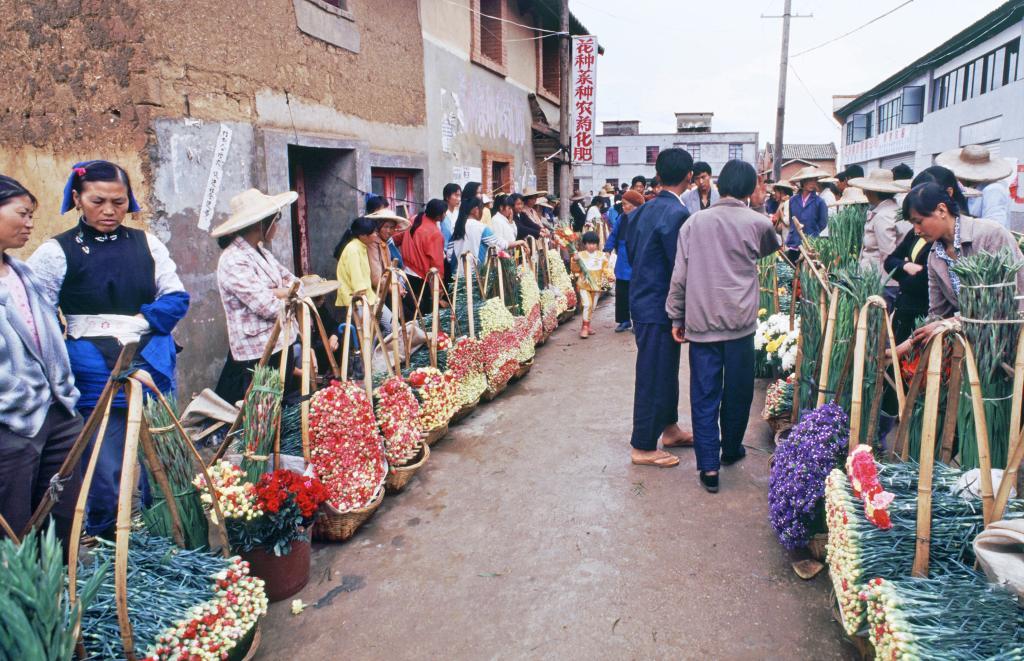
花卉种植

Search documents
中秋“花好月圆”催热“花样经济”:鲜花销售旺,花海旅游火
Yang Shi Wang· 2025-09-29 03:24
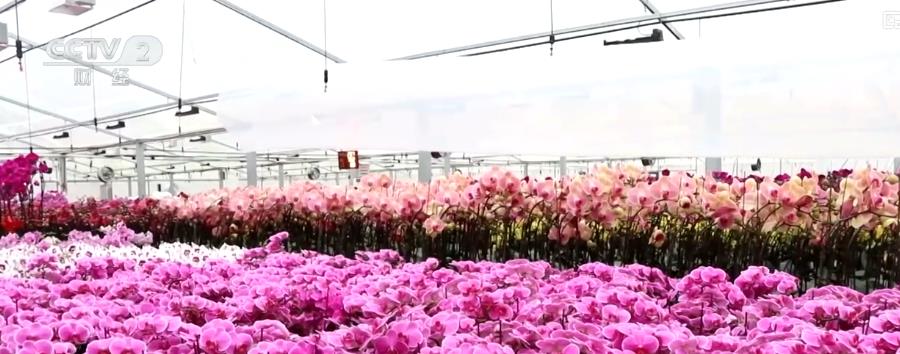
Group 1 - The Mid-Autumn Festival has led to a surge in flower sales, particularly in Hefei, Anhui, where both planting bases and sales terminals are busy preparing stock [1] - In Hefei's intelligent greenhouse, various orchids are being packaged for distribution to different locations, indicating a robust supply chain in the flower industry [3] - The flower market is attracting numerous consumers, with significant orders coming from planting bases [5] Group 2 - In Taizhou, Jiangsu, over one million sunflowers are in full bloom, creating a stunning golden landscape that is expected to draw tourists from across the country [5][7] - The local tourism department has planned various cultural and tourism activities during the National Day and Mid-Autumn holidays to enhance visitor experience, anticipating nearly 10,000 flower-viewing tourists daily [9] - The sunflower field is open to the public for free and will remain in bloom until early October, further promoting local tourism [9]

“菜篮子”量足价稳、鲜花市场备货忙 各地多举措保障节日市场供应
Yang Shi Wang· 2025-09-28 12:00
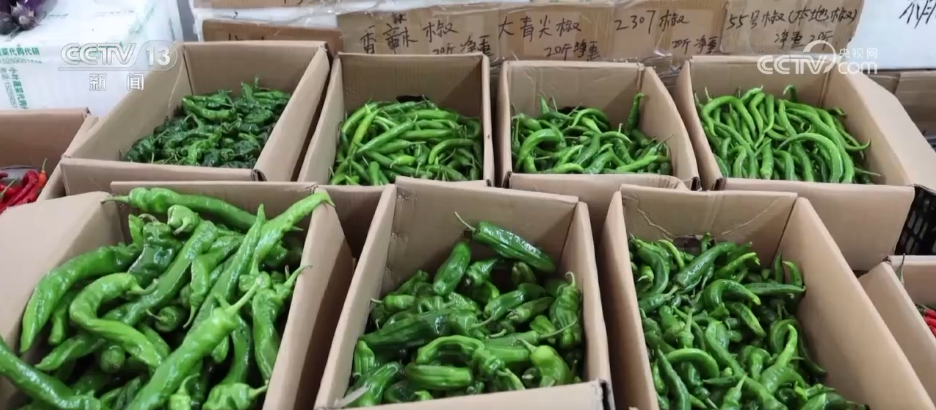
Group 1: Agricultural Supply Chain - Nanchang, Jiangxi has established a diversified supply network combining "national direct procurement + local supplementation" to ensure a stable supply of vegetables for consumers [1][3] - The local government has partnered with major vegetable production areas such as Shandong Shouguang, Yunnan Kunming, and Hunan Yongzhou to enhance direct supply capabilities [3] Group 2: Flower Market Trends - The upcoming National Day and Mid-Autumn Festival have led to a surge in demand for fresh flowers in Hefei, Anhui, with significant increases in sales of cut flowers and ornamental plants [4][8] - Flower planting bases are experiencing a rise in orders, indicating a robust market response to seasonal demand [6][8] Group 3: Seafood Harvest - The Yangcheng Lake hairy crab season has commenced, with an estimated production of approximately 10,350 tons this year, reflecting an increase of 450 tons compared to the previous year [13] - In Rongcheng, Shandong, the abalone harvest is also in full swing, with fishermen actively collecting and transporting fresh abalone to markets [15][17]
(乡村行 · 看振兴)山西新绛:2000亩菊花绽放“美丽经济”
Zhong Guo Xin Wen Wang· 2025-09-26 11:01
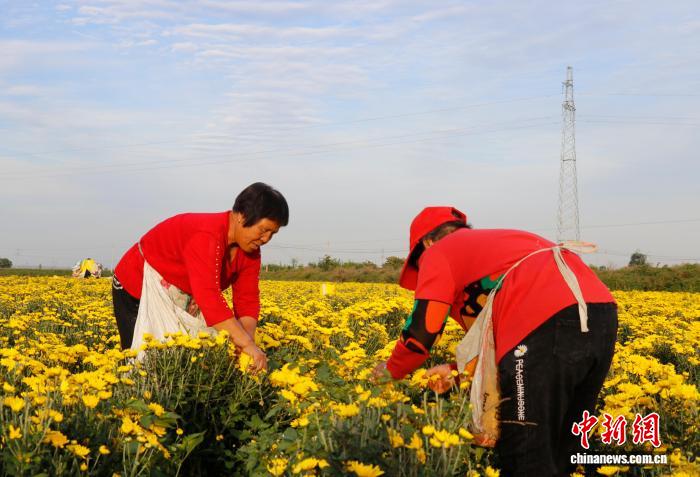
Core Insights - The article highlights the transformation of Fan Zhuang Village in Shanxi Province, where the introduction of chrysanthemum cultivation has significantly increased farmers' incomes compared to traditional crops like corn and wheat [1][3]. Group 1: Economic Impact - The village has shifted from growing corn and wheat to cultivating chrysanthemums, with farmers reporting an average income of 40,000 yuan per year from 8 acres of chrysanthemum cultivation, compared to minimal profits from traditional crops [1][3]. - The cooperative has dried 100 tons of chrysanthemums annually, generating sales of 5 million yuan [3]. Group 2: Agricultural Development - The village's leadership established a professional cooperative to provide unified seedling supply, technical guidance, and purchasing services, creating a "cooperative + base + farmer" development model [3]. - The cooperative has introduced high-quality chrysanthemum varieties and invested 3 million yuan in deep processing equipment to develop chrysanthemum tea products [3]. Group 3: Market Expansion - Chrysanthemums are not only sold in nearby provinces but also reach consumers nationwide through online sales [3].
广州畅通转型升级路 助“小个体”飞得更高
Guang Zhou Ri Bao· 2025-09-24 01:54
Core Insights - Individual businesses in Guangzhou are transforming from small operations to larger enterprises with the support of targeted policies and services [2][3] - The "direct change registration" policy allows individual businesses to upgrade to companies without the need for prior deregistration, preserving their original brand and customer resources [2] - Financial support, such as the 3 million yuan "Huinong e-loan" for agricultural businesses, is crucial for technological innovation and expansion [3] Policy Support - The Guangzhou market regulatory authority has streamlined the process for individual businesses to transition into companies, creating a "green channel" for easier registration [2] - The new model allows for seamless transition with no costs or interruptions, facilitating business growth [2] Financial Assistance - Financial institutions are providing essential funding to support the technological upgrades and expansion of individual businesses [3] - For example, a flower grower expanded their operation to 200 acres and achieved an annual output value exceeding 20 million yuan with the help of a specific loan [3] Market Expansion - The Guangzhou Commerce Bureau is assisting individual businesses in exploring overseas markets, enhancing their international trade capabilities [3] - The pilot program for market procurement trade has expanded to 16 professional wholesale markets in the city, promoting broader market access [3] Economic Impact - The collaborative efforts of various departments in Guangzhou are enabling individual businesses to upgrade and contribute significantly to the city's high-quality economic development [3]
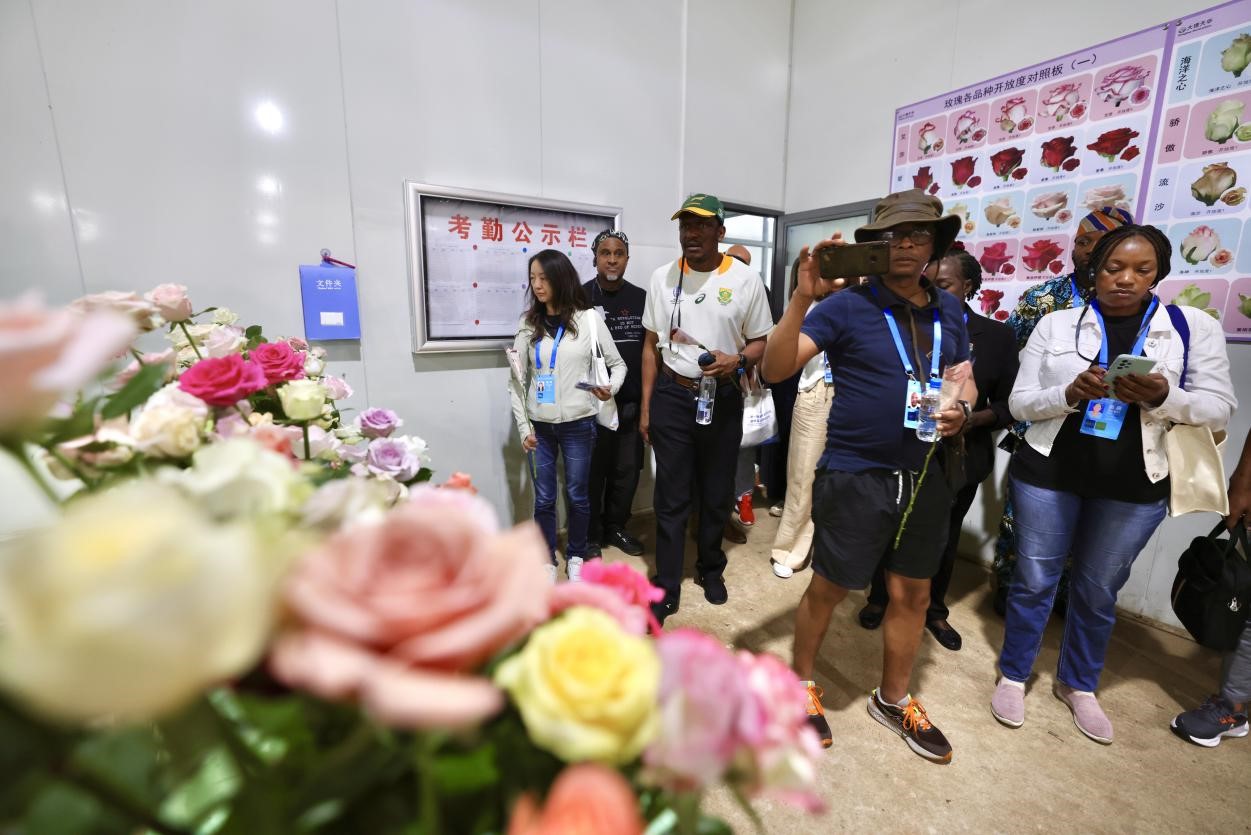
玫瑰花开,三方共赢 | 探访大理祥云鲜花基地
Zheng Quan Shi Bao Wang· 2025-09-22 14:10
Core Insights - The "Shen'e Flower Industry Park" in Yunnan's Xiangyun County showcases a successful model of agricultural industrialization and e-commerce integration, enhancing local employment and economic conditions [3][7]. Group 1: Company Overview - The Shen'e Flower Industry Park covers an area of 652 acres, with over 480 acres dedicated to production greenhouses, employing nearly 300 workers year-round [3]. - The park operates under a "Shanghai-Yunnan cooperation + government-enterprise collaboration" model, significantly improving the livelihoods of local farmers through job creation and skill development [3][7]. Group 2: Product and Market - The park specializes in three main product categories: rose cut flowers, chrysanthemum seedlings, and chrysanthemum cut flowers, with some products exported to Japan and South Korea [3][7]. - The partnership with JD.com allows for a direct sales model, where roses are produced according to JD's sales standards, ensuring freshness and quality for consumers [3][4]. Group 3: Economic Impact - The average monthly salary for local workers has reached 3,500 yuan, addressing the challenges of balancing work and family life for local residents [3]. - The park's annual output value is approximately 65 million yuan, with a net profit of around 12 million yuan, demonstrating a successful model of shared benefits among the enterprise, community, and farmers [7].
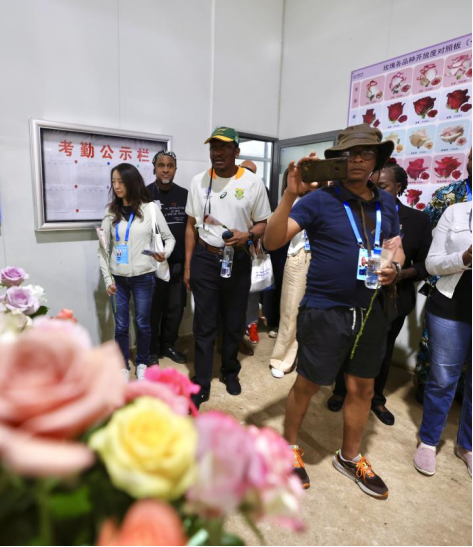
玫瑰花开,三方共赢|探访大理祥云鲜花基地
人民网-国际频道 原创稿· 2025-09-22 05:20
Core Insights - The "Shen'e Flower Industry Park" in Yunnan's Dali Xiangyun County showcases a successful model of agricultural industrialization and e-commerce integration, enhancing local employment and economic conditions [3][6]. Group 1: Industry Overview - The Shen'e Flower Industry Park covers a total area of 652 acres, with over 480 acres dedicated to production greenhouses, employing nearly 300 workers year-round [3]. - The park focuses on three main product categories: rose cut flowers, chrysanthemum seedlings, and chrysanthemum cut flowers, with some products exported to Japan and South Korea [3][6]. - The average annual output value of the park reaches approximately 65 million yuan, with a maximum output value per acre of 150,000 yuan [6]. Group 2: Employment and Community Impact - The park employs local villagers, transforming them into skilled workers and improving their living standards, with an average monthly salary of 3,500 yuan [3]. - The "Xiangyun Flower Craftsman" labor brand allows villagers to work close to home, addressing challenges of balancing work and family [3]. Group 3: E-commerce Integration - The partnership with JD.com allows for a direct sales model where products are tailored to meet JD's standards, ensuring freshness and quality [3][4]. - The e-commerce platform enhances customer access to fresh flowers, expanding the customer base and increasing production potential [4]. Group 4: Technological Advancements - The park utilizes soilless cultivation methods to prevent soil-borne diseases and optimize water and nutrient management, leading to improved flower yield and quality [3][6]. - Continuous technological support has led to the development of the "Shalong Flower" brand, facilitating the entry of Yunnan flowers into high-end markets in the Yangtze River Delta [6].
看中国“花匠”用科技种出春天
人民网-国际频道 原创稿· 2025-09-20 08:42
Core Viewpoint - The article highlights the integration of traditional horticulture and modern agricultural technology in a 400-acre flower planting demonstration garden in Kunming Jinning, Yunnan, showcasing the effectiveness of innovative agricultural practices in enhancing production efficiency and achieving ecological and economic benefits [2] Group 1: Technological Integration - The demonstration garden employs advanced techniques such as water-saving irrigation and substrate cultivation, which operate efficiently within the greenhouse structures [2] - The use of technology in agriculture is presented as a means to improve production efficiency, illustrating a successful model of ecological and economic synergy [2] Group 2: Agricultural Innovation - The garden serves as a prime example of how Chinese "florists" utilize technology to cultivate flowers, symbolizing a new era in agricultural practices [2] - The vibrant growth of roses in the garden reflects the potential of combining traditional methods with modern innovations to enhance agricultural output [2]
担保有担当|潍坊:“担”来金融活水 浇灌一城繁花
Qi Lu Wan Bao· 2025-09-19 07:51
Core Insights - Qingzhou, known as the "Eastern Flower Capital," has a flower industry brand value of 34 billion yuan and an annual transaction volume of 15 billion yuan, with 136 specialized flower villages and 315 flower enterprises employing 160,000 people [1][2] Group 1: Industry Challenges - Flower enterprises face difficulties in financing due to limited collateral, seasonal funding needs, price volatility, long payment cycles, and unstable income, hindering their ability to expand production [1] - The need for more precise and inclusive financial support is critical for the sustainable development of the flower industry [1] Group 2: Financial Solutions - Weifang Re-Guarantee Group has developed the "Weidang Flower Industry Loan" product to address financing challenges, utilizing a "government-bank-guarantee" risk-sharing mechanism, batch guarantee model, and online approval process [1] - The product offers flexible terms, no collateral requirements, and preferential guarantee rates, providing comprehensive financing support for the flower industry [1] Group 3: Impact of Financial Solutions - Qingzhou Cuilin Horticultural Farm successfully obtained a 3 million yuan unsecured policy-backed loan within two days of applying for the "Weidang Flower Industry Loan," meeting its financing needs for production expansion [1] - The loan product has been well-received, with 134 transactions totaling 113.74 million yuan completed by August 2025, and an average financing guarantee rate of 0.25% per year, resulting in a financing cost reduction of over 30% [2]
中国芍药鲜切花市场销售态势及运营前景调研报告2025-2031年
Sou Hu Cai Jing· 2025-09-17 08:32
Core Insights - The report provides a comprehensive overview of the peony fresh-cut flower industry in China, including its definition, classification, and regulatory framework [1][2] - It analyzes the macro environment affecting the industry through a PEST analysis, covering policy, economic, social, and technological factors [2][3] - The report also examines the global development trends and market dynamics of the peony fresh-cut flower industry [3][4] Group 1: Industry Overview - The fresh-cut flower industry is defined and categorized, with specific focus on peony fresh-cut flowers [1] - The report outlines the classification of peony fresh-cut flowers and relevant terminology [1][2] - It details the authoritative data sources and statistical standards used in the report [2] Group 2: Macro Environment Analysis - The policy environment includes an overview of regulatory bodies and self-regulatory organizations within the peony fresh-cut flower industry [2] - Current and upcoming standards for the industry are summarized, along with their implications [2] - The impact of China's "14th Five-Year Plan" on the peony fresh-cut flower industry is analyzed [2] Group 3: Economic Environment - The report discusses the current state and outlook of China's macroeconomic development [2] - It assesses the correlation between the peony fresh-cut flower industry and the broader macroeconomic environment [2] Group 4: Social and Technological Environment - The social environment's influence on the peony fresh-cut flower industry is evaluated [2] - Key technologies and innovations within the industry are identified, including research and development efforts [2][3] Group 5: Global Market Insights - The report provides insights into the global peony fresh-cut flower industry's development history and current market size [3] - It highlights regional market dynamics and competitive landscapes in the global context [3][4] Group 6: Supply and Demand Analysis - The report examines the supply and demand conditions within the Chinese peony fresh-cut flower industry [4] - It analyzes trade dynamics, including import and export trends, pricing, and product structures [4] Group 7: Competitive Landscape - The competitive structure of the peony fresh-cut flower industry in China is detailed, including market concentration and strategic positioning of key players [5] - The report discusses investment trends, mergers, and acquisitions within the industry [5] Group 8: Industry Chain and Regional Analysis - The structure of the peony fresh-cut flower industry chain is analyzed, including upstream and downstream market dynamics [6] - Regional distribution of resources and enterprise registration within the industry is examined [7] Group 9: Case Studies of Key Enterprises - The report includes case studies of significant enterprises in the peony fresh-cut flower industry, detailing their business structures and market strategies [8][9] Group 10: Future Outlook and Investment Strategies - The report concludes with a SWOT analysis and forecasts for the peony fresh-cut flower industry's future development [9] - It identifies potential investment opportunities and strategic recommendations for stakeholders [9]
全国人均10枝,云南鲜花为何依然被卡脖子?
3 6 Ke· 2025-09-15 23:37
Core Insights - The Dou Nan flower market in Kunming has achieved significant growth, reaching a transaction volume of 14.1 billion stems in 2024, nearing the world leader, the Netherlands' Aalsmeer market, which has a volume of 20 billion stems [1][25] - Despite the impressive volume, Dou Nan still faces challenges in achieving "world first" status due to reliance on foreign flower varieties and the associated costs [2][10] Group 1: Industry Position and Growth - Dou Nan's geographical advantages contribute to its status as a leading flower market in Asia, with 46,500 of its 70,000 residents engaged in the flower industry [3][4] - The market has seen a "double hundred" milestone in 2022, with both transaction volume and value exceeding 10 billion [5] - The market's rapid growth is juxtaposed with the challenges of being locked into the lower end of the value chain due to dependence on foreign varieties [28][29] Group 2: Challenges and Dependency - Dou Nan's flower market is heavily reliant on foreign flower varieties, with 85% of its flowers being foreign species, which limits its position in the global value chain [10][23] - The historical context shows that the Chinese flower industry started late and has struggled to establish a competitive gene pool, leading to a dependency on imported seeds [11][12] - The costs associated with foreign seed patents create a financial burden for local farmers, who must pay both for the seeds and a percentage of their sales as royalties [16][17] Group 3: Innovation and Future Prospects - There is a growing recognition of the need for independent innovation within the industry, with initiatives aimed at developing local varieties and reducing dependency on foreign patents [30][31] - Recent policy changes and funding initiatives, such as the establishment of a special fund for flower breeding, aim to support local innovation and protect intellectual property [34][35] - The market share of domestic varieties has increased from nearly zero in 2002 to 15% currently, with expectations to reach 50% by 2030 [39]