运动服饰

Search documents
库克大举买入耐克股票,分析师:库克出手为耐克注入强心针
Xin Lang Cai Jing· 2025-12-25 12:40
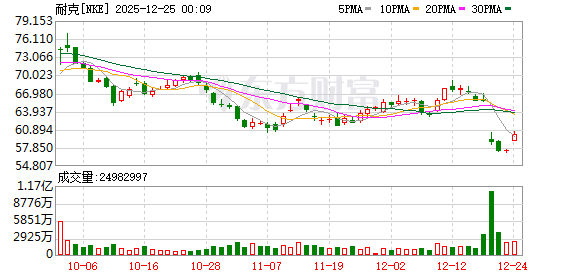
来源:@央视财经微博 【#库克大举买入耐克股票#,分析师:#库克出手为耐克注入强心针#】上周,美国知名运动品牌耐克公 布财报,业绩不佳令投资者失望,当地时间23日,耐克公司董事会成员,同时也是苹果公司首席执行官 的库克却开始大举买入耐克股票。增持消息披露后,耐克公司24日的股价大涨超4.6%。值得注意的 是,这是库克加入耐克董事会近20年来,首次通过公开市场购买公司股票,其以往持股大多数都来自股 权激励。有分析师认为,库克的投资旨在为近期遭受重创的耐克公司股价注入强心针。 【#库克大举买入耐克股票#,分析师:#库克出手为耐克注入强心针#】上周,美国知名运动品牌耐克公 布财报,业绩不佳令投资者失望,当地时间23日,耐克公司董事会成员,同时也是苹果公司首席执行官 的库克却开始大举买入耐克股票。增持消息披露后,耐克公司24日的股价大涨超4.6%。值得注意的 是,这是库克加入耐克董事会近20年来,首次通过公开市场购买公司股票,其以往持股大多数都来自股 权激励。有分析师认为,库克的投资旨在为近期遭受重创的耐克公司股价注入强心针。 来源:@央视财经微博 ...

被苹果掌门人库克300万美元逆市增持,耐克的转型阵痛还未过去
Di Yi Cai Jing· 2025-12-25 11:57
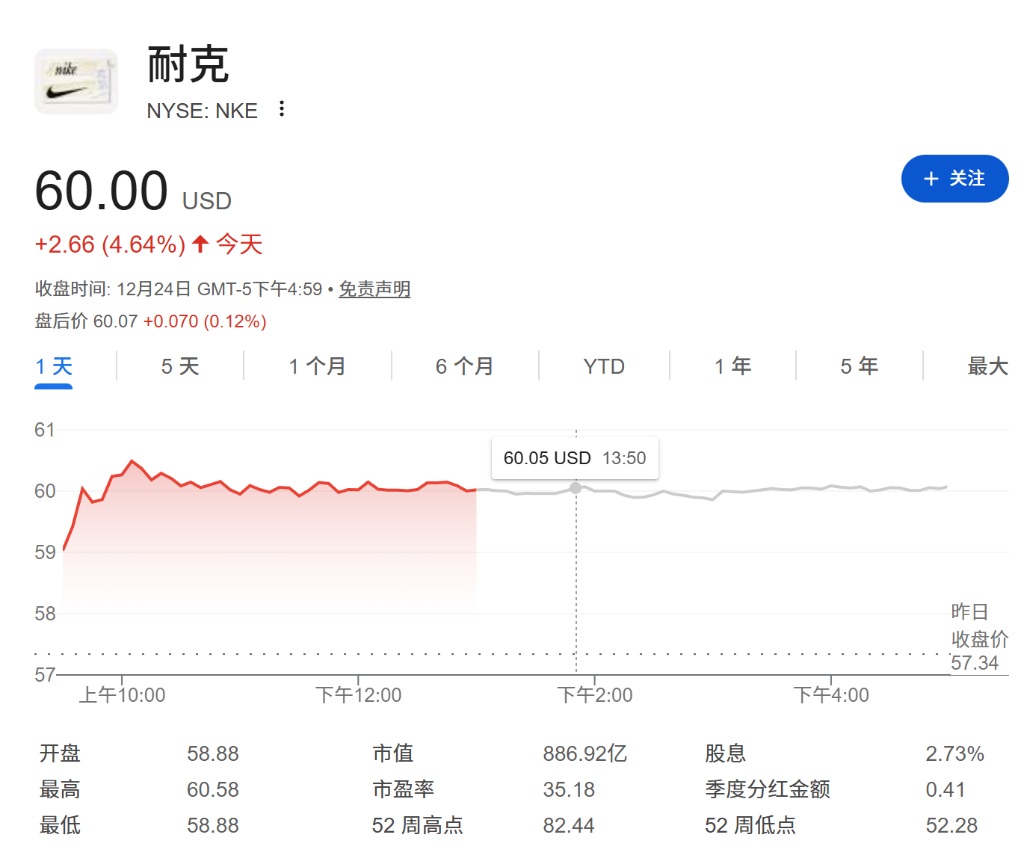
科技大佬自掏腰包买股支持或许可以为耐克带来一时关注度。受该消息刺激,当地时间周三(12月24 日),耐克股价一度大涨超5%。 此次的增持被市场人士看来是一次"抄底"。这两年里,全球运动品牌"一哥"耐克的日子并不好过,其股 价较 2021 年 11 月创下的 166.19 美元历史高点已累计下跌超过六成。 耐克公司在当地时间12月18日美股盘后公布其截至今年11月底的2026财年二季度财报,营收达 124 亿美 元,同比增长 1%,按固定汇率计算则基本持平;其中自营业务营收 46 亿美元,下降 8%,经销商业务 营收 75 亿美元,增长8%。同期,集团毛利率同比下降 3%至 40.6%;净利润为7.92亿美元,同比大降 32%;每股收益为0.53美元,低于上一财年同期的0.78美元。 耐克方面表示,与前几个季度相比,二季度北美地区的库存状况有所改善。耐克集团库存资产同比下降 3%至77亿美元,其中大中华区库存同比减少中双位数。 耐克的艰难时刻仍未结束。 苹果两任掌门人各有各的喜好,史蒂夫·乔布斯爱NB,但蒂姆·库克更爱耐克。 这位苹果公司现任的掌舵者日前斥资300万美元"抄底"耐克。根据库克12月23日向美国证 ...
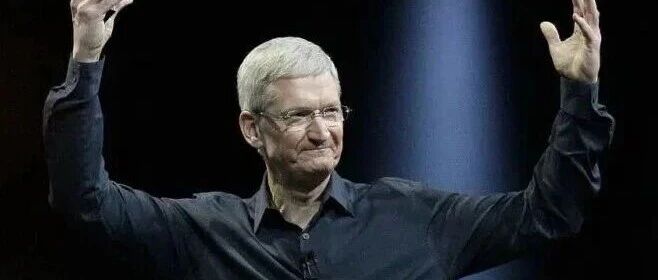
出任耐克公司董事20年,库克首次自掏腰包购买股票
新华网财经· 2025-12-25 09:29
Core Viewpoint - Tim Cook, CEO of Apple, made his first personal investment in Nike by purchasing shares, signaling strong internal confidence in the company's future value [3][4]. Group 1: Investment Activity - Tim Cook bought 50,000 shares of Nike at an average price of $58.97 per share, totaling approximately $2.95 million [3]. - Following Cook's purchase, Nike's stock price rose by 4.66% to $60.01 per share, with a total market capitalization of about $88.7 billion [3]. - Cook's total holdings in Nike now amount to 105,480 shares, valued at over $6.32 million based on the closing price [3]. Group 2: Management Changes and Strategy - Robert Swan, another board member, also purchased Nike shares on December 22, at an average price of $57.54 for 8,691 shares [4]. - Nike's stock has faced pressure since John Donahoe became CEO in January 2020, with a decline of over 20% during his tenure [5]. - Nike's revenue for fiscal year 2023 exceeded $50 billion but saw a decline in fiscal year 2025, with a projected revenue drop of about 10% to $46.3 billion, marking the first annual revenue decrease in recent years [6]. Group 3: New Leadership and Strategic Focus - Elliott Hill succeeded Donahoe as CEO in October 2024 and initiated the "Win Now" strategy, focusing on key markets and cities while restructuring the organization [6][7]. - The strategy includes a shift from direct sales to wholesale channels and a reduction in discount promotions to improve gross margins [6]. - Recent financial results showed a slight revenue increase of 1% to $12.43 billion for the second quarter of fiscal year 2026, although net profit decreased by 32% to $792 million [7].

高管密集增持耐克股份 股价应声上涨
Cai Jing Wang· 2025-12-25 06:04
Group 1 - Tim Cook, CEO of Apple, purchased 50,000 shares of Nike at an average price of $58.97 per share, totaling approximately $2.95 million [1] - Following the transaction, Cook's total holdings in Nike increased to 105,480 shares, with a market value exceeding $6.04 million based on the closing price on December 23 [1] - Cook has been a member of Nike's board since 2005 and currently serves as the lead independent director [1] Group 2 - Nike reported revenue of $12.4 billion for the second fiscal quarter ending November 30, 2025, reflecting a 1% year-over-year increase, but net profit decreased by 32% [2] - Revenue from Greater China declined by 17% to $1.7 billion [2] - Nike's CEO, Elliott Hill, stated the company is in the "middle stage" of recovery and will continue to focus on its "Win Now" strategy [2] Group 3 - Following the news of Cook's stock purchase, Nike's stock price rose by 4.66% to $60.00, with a total market capitalization of $88.7 billion [3] - Analysts interpreted Cook's purchase as a significant endorsement of Nike's strategic direction under CEO Elliott Hill [3] - UBS survey data indicated strong consumer intent to purchase athletic apparel in the next 12 months, particularly for high-quality products [3]
罕见!苹果CEO库克破天荒买股:砸300万美元增持Nike!背后有何玄机?
Sou Hu Cai Jing· 2025-12-25 04:55
Core Viewpoint - Apple CEO Tim Cook's recent investment of nearly $3 million in Nike stock marks a significant deviation from his usual investment strategy, which has primarily focused on technology sectors, raising questions about potential deeper collaborations between Apple and Nike [1][3]. Group 1: Investment Details - Cook purchased 50,000 shares of Nike at a price of $58.97 per share, totaling approximately $2.95 million [3]. - This investment comes at a time when Nike's stock has faced pressure, dropping 13% following a disappointing earnings report, with a year-to-date decline of 22%, significantly underperforming the S&P 500 index [3][9]. Group 2: Reasons for Investment - The timing of Cook's investment aligns with a bullish outlook on consumer stocks, as highlighted by a recent Goldman Sachs report recommending investment in non-essential consumer sectors for 2026, predicting an improvement in the U.S. consumer environment [5]. - Apple and Nike have a history of collaboration, particularly in integrating technology with sports, which may suggest that Cook's investment is not merely financial but also a vote of confidence in their ongoing partnership [6][7]. - Nike's current valuation appears attractive, with projected revenues of $46.309 billion and net profits of $3.219 billion for 2025, indicating that despite recent performance issues, the company's fundamentals remain strong [9][10]. Group 3: Implications of the Investment - Cook's investment is likely to boost investor confidence in Nike, leveraging his influence as a prominent tech CEO [12]. - This move may signal a broader trend of collaboration between technology giants and consumer brands, potentially leading to deeper integrations in health and fitness technology within Apple's ecosystem [12][14]. - The investment reflects a strategic approach to value investing, akin to historical examples of buying quality companies at lower valuations during market downturns [10][14].

库克300万美元增持耐克股票
Huan Qiu Wang Zi Xun· 2025-12-25 03:04
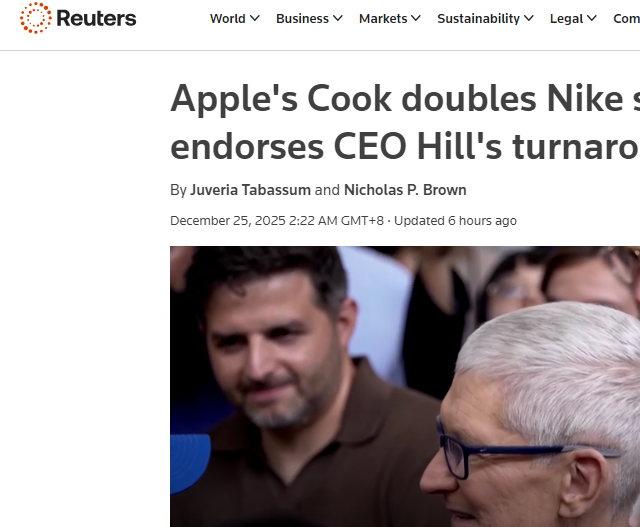
Core Viewpoint - Apple CEO Tim Cook has significantly increased his stake in Nike by purchasing approximately 50,000 shares for about $3 million, nearly doubling his personal holdings in the company [1][4]. Group 1: Investment Activity - Tim Cook's purchase brings his total holdings in Nike to approximately 105,000 shares as of December 22 [4]. - This transaction represents the largest public market stock purchase by Nike's board and executives in over a decade [4]. - Nike's former Intel CEO and current board member Robert Swan also increased his stake by about 8,700 shares, investing around $500,000 [4]. Group 2: Company Performance and Strategy - Nike has faced challenges, with its quarterly profit margins declining for over a year and weak sales in the Chinese market, leading to a nearly 13% drop in stock price following the recent earnings report [4]. - To address these issues, Nike's CEO John Donahoe has introduced the "Instant Win" strategy, focusing on innovation in running and sports, eliminating underperforming brands, and repairing relationships with wholesalers to combat competition from emerging brands [4]. - Analysts view the collective insider buying as a positive signal, especially after a previous strategic misstep led to a sell-off by some investors [4].
出任耐克公司董事20年,库克首次自掏腰包购买股票
Xin Lang Cai Jing· 2025-12-25 01:55
Core Viewpoint - Tim Cook, CEO of Apple, made his first personal investment in Nike by purchasing shares, signaling strong internal confidence in the company's future value [3][9]. Group 1: Stock Purchase Details - Tim Cook bought 50,000 shares of Nike at an average price of $58.97 per share, totaling approximately $2.95 million [3][9]. - Following this purchase, Cook's total holdings in Nike reached 105,480 shares, valued at over $632,000 based on the closing price [3][9]. - The stock price of Nike rose by 4.66% to $60.01 per share on December 24, resulting in a total market capitalization of approximately $88.7 billion [3][9]. Group 2: Management Changes and Strategy - Nike has faced declining stock performance, with a drop of over 20% during the tenure of former CEO John Donahoe [4][10]. - The company reported a revenue decline of about 10% to $46.3 billion for the fiscal year 2025, marking its first annual revenue drop in recent years [5][11]. - Elliott Hill succeeded Donahoe as CEO in October 2024 and initiated the "Win Now" strategy, focusing on key markets and restructuring operations to enhance performance [5][11][12]. Group 3: Financial Performance - For the second quarter of fiscal year 2026, Nike reported revenues of $12.427 billion, a 1% year-over-year increase, while net profit decreased by 32% to $792 million [6][12]. - The gross margin fell by 300 basis points to 40.6%, primarily due to increased tariffs in North America [6][12]. - In the first quarter of fiscal year 2026, Nike's revenue was $11.7 billion, with a 20% increase in running business sales [6][12].
12月25日国际晨讯丨 英伟达与AI初创公司Groq达成许可协议
Sou Hu Cai Jing· 2025-12-25 01:24
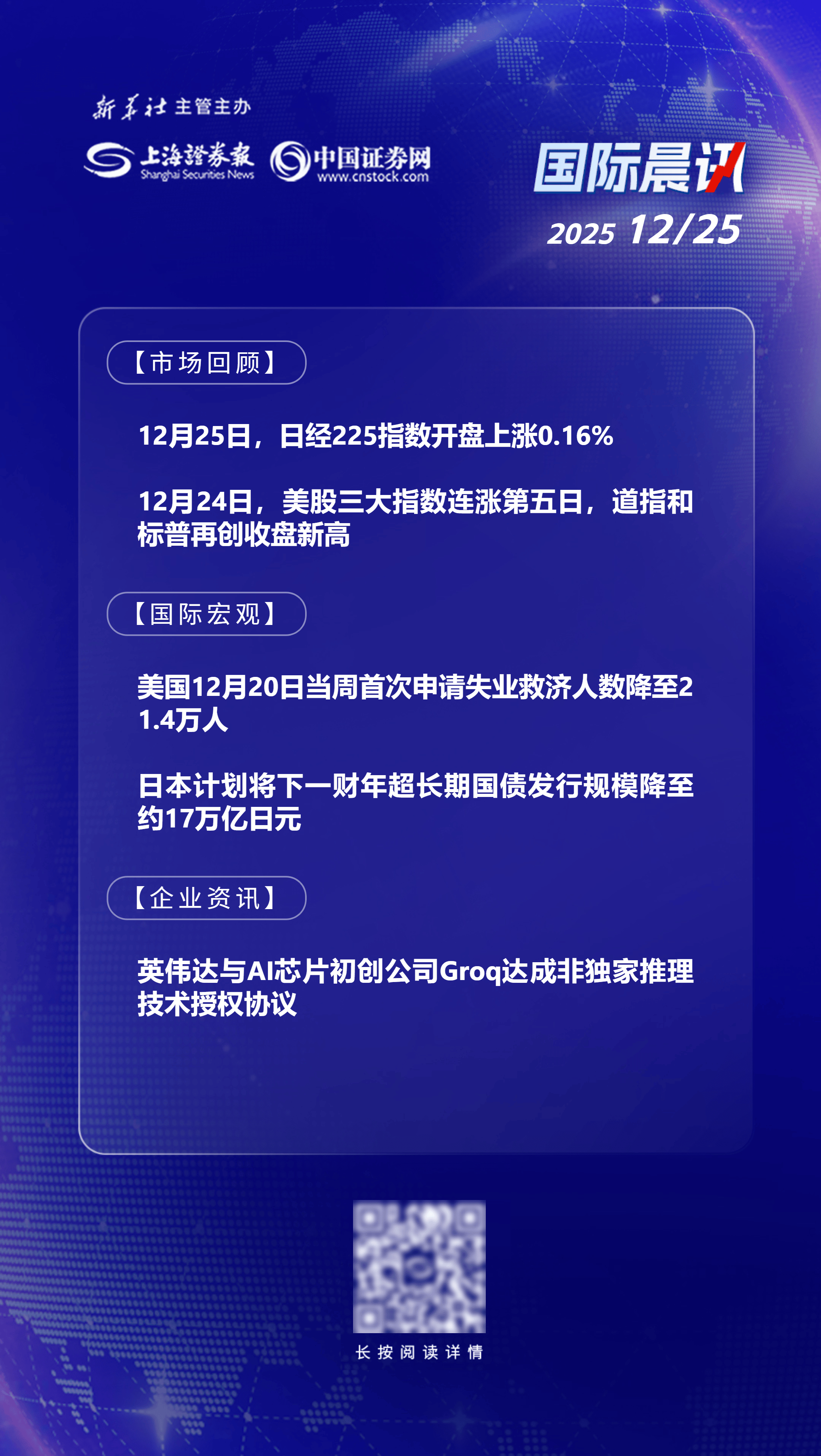
12月25日,日经225指数开盘上涨0.16%,报50422.81点;美股三大指数连涨第五日,道指和标普再创收盘新高;美国12月20日当周首次申请失业救济人数降 至21.4万人,预期和前值为22.4万人;美国财政部长贝森特支持在通胀率稳步回落至2%之后,重新审视美联储的这一通胀目标;英伟达与AI芯片初创公司 Groq达成非独家推理技术授权协议,计划整合其产品至未来体系。 (国际宏观) 美国12月20日当周首次申 1.4万人 日本计划将下一财年超长 约17万亿日元 【企业资讯】 英伟达与AI芯片初创公司 技术授权协议 【市场回顾】 12月25日,日经225指数开盘上涨0.16%,报50422.81点;韩国股市休市。 美东时间12月24日,美股三大指数连涨第五日,道指和标普再创收盘新高。截至收盘,道琼斯指数涨0.6%,报48731.16点,刷新了12月11日录得的收盘纪 录;标普500指数涨0.32%,报6932.05点,连续第二日创收盘新高,此外还创下了6937.32点的盘中新高纪录;纳斯达克综合指数涨0.22%,报23613.31点。 美股存储概念股普涨,美光科技收涨3.77%,年内涨幅超过241%;Sand ...

“独董”库克抄底,耐克股价反弹
Hua Er Jie Jian Wen· 2025-12-25 01:01
苹果公司首席执行官库克通过大幅增持耐克股份,向这家正处于转型阵痛期的运动服饰巨头投下了关键的信任票,此举直接推动耐克股价止跌回 升。 据华尔街日报报道,身为耐克首席独立董事的库克近日斥资290万美元买入公司股票。受这一高层增持消息提振,耐克股价在周三上午的交易中上 涨近5%,达到60.19美元,部分收复了此前的失地。 根据耐克向美国证券交易委员会(SEC)提交的文件显示,库克于周一以每股58.97美元的平均价格,购入了50000股耐克股票,总价值约290万美 元。 此次交易完成后,库克持有的耐克股份总数达到105480股,其个人持仓量几乎翻了一番。他在耐克董事会的任职历史可以追溯到2005年,并自 2016年起担任该公司的首席独立董事。 文件还披露,除了库克之外,耐克董事会的另一名成员近期也买入了公司股票。 股价自低点反弹 库克的投资为近期遭受重创的耐克股价注入了强心针。上周的业绩预警暴露了耐克当前面临的严峻挑战,尤其是关税壁垒和关键市场需求的疲 软,导致投资者信心一度溃散。 虽然公司面临的宏观阻力依然存在,但库克的大笔买入被市场解读为内部人士认为股价已被低估的信号。周三早盘的上涨行情表明,市场对这一 重量级 ...
库克首次出手 大举买入耐克股票!标普500盘中创历史新高 今日美股将提前3小时休市
Mei Ri Jing Ji Xin Wen· 2025-12-24 16:09
Market Overview - The U.S. stock market opened with mixed results, with the S&P 500 index reaching a record high of 6921.0 points during the session [2] - As of the report, the Dow Jones index rose by 0.35%, the S&P 500 index increased by 0.16%, while the Nasdaq Composite index fell by 0.01% [2] Company Specifics - Tim Cook, CEO of Apple and a board member of Nike, has begun to increase his stake in Nike by purchasing approximately $2.95 million worth of shares at an average price of $58.97 per share, acquiring 50,000 shares [3][4] - Following this news, Nike's stock price surged over 4% on December 24 [3] - Cook's total holdings in Nike have now reached 105,480 shares, valued at over $604,000 based on the previous closing price [4] - This marks the first time Cook has used personal funds to buy Nike stock, which is typically seen as a strong signal of confidence in the company's future value [5] - On the day before Cook's purchase, another board member, Robert Swan, also bought Nike shares, indicating a trend of insider buying aimed at boosting market confidence [5]