体育培训

Search documents
执着向前!一名羽毛球教练的“追光”之路
Liao Ning Ri Bao· 2025-11-24 09:40
Core Viewpoint - The article highlights the journey of a young badminton coach, Li Fengchen, who transforms his passion for badminton into a career while emphasizing the importance of responsibility and mentorship in his role as a coach [1][3][5]. Group 1: Personal Journey and Development - Li Fengchen began his badminton journey at the age of 10 and quickly excelled, winning a championship in 2023 [1][2]. - After graduating from university, he chose to work as a badminton coach, growing from teaching two students to over 100 [2][3]. - His experience reflects a personal transformation from a student to a mentor, showcasing the evolution of his career and identity [2][3]. Group 2: Coaching Philosophy and Responsibility - Li Fengchen emphasizes the importance of turning passion into a skill that cannot be taken away, driven by dedication rather than luck [3]. - He expresses a deep sense of responsibility towards his students, often reflecting on his own experiences to guide them [4][5]. - The article illustrates his approach to coaching special needs children, highlighting patience and understanding as key components of his teaching philosophy [5][6]. Group 3: Company and Product Connection - The article connects Li Fengchen's journey with the Ninebot company, which provides reliable electric scooters that support his daily commute [2][6]. - Ninebot is portrayed as a company that prioritizes user needs and safety, paralleling Li Fengchen's commitment to his students [6].
训练受伤,只能自担风险?(以案说法)
Ren Min Ri Bao· 2025-11-19 22:20
Group 1 - The court ruled that the "self-assumed risk" principle does not apply in this case, as the injury was not caused by the actions of other participants but rather due to the responsibilities of the activity organizer [2] - The sports company, as a profit-oriented educational training institution, has a higher duty of education and management towards minors, and failed to adequately assess and mitigate risks after being informed of the minor's leg pain [2] - The court determined that the sports company bears 80% of the liability for the injury, considering the guardian's awareness of the minor's condition and their consent for training [3] Group 2 - The court emphasized that educational institutions cannot claim exemption from liability solely based on the inherent risks of the activities they teach, and must fulfill their educational and management responsibilities [2] - The absence of sufficient safety measures and proper response to the injury incident indicates a failure in the company's duty of care towards the minor [2] - The case highlights the legal obligations of educational institutions in ensuring the safety and well-being of their students during training activities [2][3]
我把“体育外卖”送上门
经济观察报· 2025-11-06 09:16
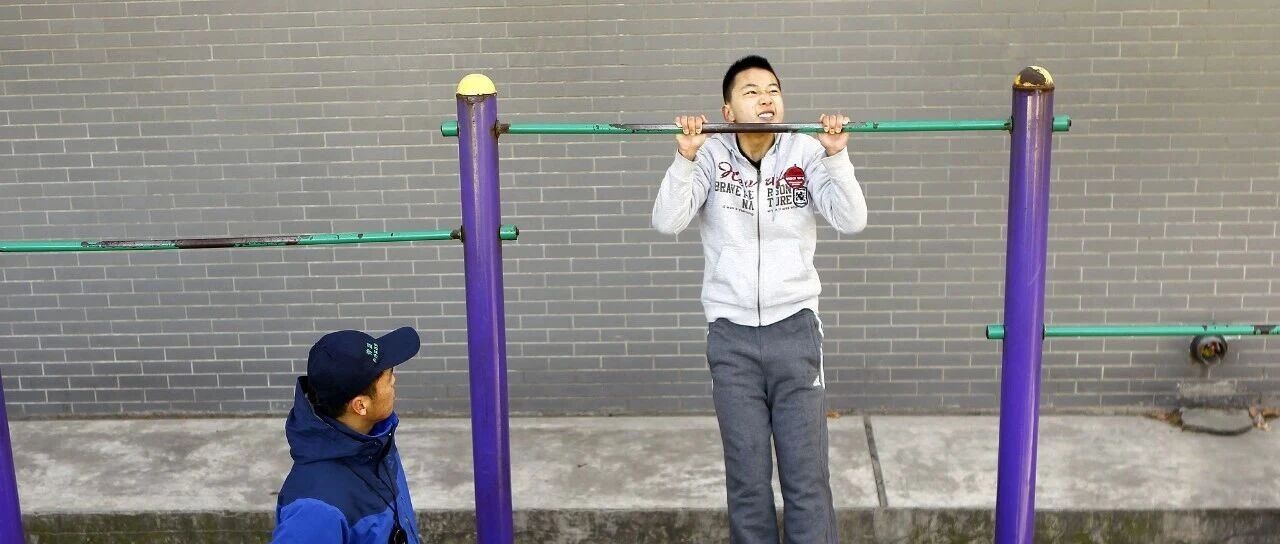
Core Viewpoint - The rise of "door-to-door sports coaching" is driven by the increasing demand from middle-class families who are willing to pay for convenience and professional training for their children, particularly in the context of academic pressures related to physical education assessments [10][11][14]. Group 1: Market Demand and Trends - The market for door-to-door sports coaching is largely fueled by the need for children to improve their physical education scores, especially in preparation for high school entrance exams [14][15]. - Approximately 40% of the customer base seeks to enhance their children's physical test scores, reflecting a growing trend among parents to prioritize sports performance as part of academic success [14][15]. - The service is particularly appealing to busy middle-class families who find it challenging to manage their children's sports training alongside their work commitments [11][12]. Group 2: Business Models and Operations - Companies like Chen Xueli's Beijing Le Shi Sports Technology Co., which operates a platform for sports coaches, have seen significant growth, with over 3,000 coaches registered and services available in more than 100 cities [10][11]. - Coaches are categorized into three groups based on their employment status and qualifications, which helps in managing service quality and customer satisfaction [11]. - The revenue model typically allocates 70% of the earnings to the coaches, with the remaining 30% divided between the platform and its partners [11]. Group 3: Coach Experiences and Challenges - Coaches like Yang Qiao and Tian Longjin report a flexible work environment, allowing them to manage their schedules while earning a decent income, with some earning over 5,000 yuan per month [8][9]. - However, the profession also comes with uncertainties, such as client cancellations and the need for personal liability in case of accidents, which can impact job security and satisfaction [17][19]. - The perception of the profession varies, with some young coaches feeling it lacks stability and formality, leading to potential turnover in the workforce [18]. Group 4: Future Outlook and Regulatory Needs - There is a call for more structured regulations and protections for door-to-door sports coaches, including the introduction of occupational injury insurance and clearer labor contracts [19]. - The industry is evolving, with expectations for better support from government policies to ensure the sustainability and growth of this new employment model [19].

我把“体育外卖”送上门
Jing Ji Guan Cha Bao· 2025-11-06 09:16
Core Viewpoint - The rise of "door-to-door sports coaching" is reshaping the sports training industry, driven by the demand for improving children's physical education scores for middle school entrance exams [4][12]. Group 1: Industry Overview - The "door-to-door sports coaching" model is gaining traction in various cities, with a focus on convenience and flexibility for families [3][4]. - The market is primarily driven by the need for children to improve their physical education scores, particularly in the context of middle school entrance exams [12][14]. - Companies like Beijing Leshi Sports Technology and others are establishing platforms to standardize and regulate the market, with thousands of coaches registered [10][14]. Group 2: Market Demand - Approximately 40% of the customer base seeks services specifically to improve physical education scores [12]. - The demand is particularly high among families with higher incomes who are willing to pay for convenience and professional training [10][14]. - The physical education scores can significantly impact a child's ability to gain admission to preferred high schools, making this service a "score protection" choice for parents [12][14]. Group 3: Business Models - Coaches operate on a flexible schedule, with earnings based on the number of classes taught, leading to variable monthly incomes [7][10]. - Companies are implementing a rating system for coaches based on performance and customer feedback, which influences their ability to secure future clients [10][14]. - The revenue model typically allocates 70% of earnings to coaches, with the remainder divided between the platform and partners [10]. Group 4: Challenges and Opportunities - The industry faces challenges such as the lack of formal recognition and stability for coaches, leading to high turnover rates among less experienced trainers [16]. - There is a growing recognition of the need for regulatory frameworks to provide basic protections for gig economy workers, including those in sports coaching [17]. - Future plans include offering insurance and retirement benefits for coaches to enhance job security and attract more qualified professionals [17].
“体育外卖”热的冷思考(微观)
Ren Min Ri Bao· 2025-11-05 22:11
Core Insights - The rise of "sports delivery" services reflects a growing demand for personalized sports training, particularly among youth, with over 300,000 users and a 45% repurchase rate within 10 months of a platform's launch [1] Group 1: Market Demand and Growth - "Sports delivery" services have emerged to enhance youth physical fitness, aligning with national policies that advocate for at least 2 hours of physical activity daily for students [1] - The service model has expanded from youth to a broader fitness market, offering various training options from one-on-one coaching to group classes [1] Group 2: Industry Challenges - The industry faces challenges such as inconsistent coach qualifications, lack of a unified certification system, and unclear safety standards for temporary training venues [1] - There is a need for improved risk management and clear channels for liability and compensation in case of accidents [1] Group 3: Regulatory and Safety Measures - To ensure orderly competition in the new market, timely regulatory measures are necessary, including stringent vetting of coaches and insurance for participants [2] - Platforms are implementing multi-layered verification processes for coaches and providing accident insurance to enhance safety during training sessions [2] Group 4: Educational Integration - The rise of "sports delivery" services highlights the need for schools to improve physical education and provide diverse sports activities to meet students' interests [2] - Initiatives in various regions, such as establishing class teams and introducing new sports, aim to engage students and promote physical activity [3]
“体育外卖”,热度如何持久
Ren Min Ri Bao· 2025-10-29 22:41
Core Insights - The rise of "sports delivery" services is creating a new fitness model and entrepreneurial opportunities in the market [1] - The integration of sports training and the "door-to-door economy" is driving the popularity of these services [1] Industry Overview - "Sports delivery" services allow for personalized sports training at various locations, including community parks and private homes [1] - The youth sports training market is showing significant potential, while the acceptance of home services is increasing among consumers [1] Market Opportunities - This model provides sports professionals with new revenue streams and offers families a convenient way to meet their fitness needs [1] - The growth of online platforms enables sports institutions and trainers to attract clients and build a stable customer base [1] Challenges - The industry faces challenges such as low entry barriers and a lack of industry standards [1] - There is a need for regulatory measures, including the establishment of entry standards and service quality guidelines to ensure consumer safety [1]
“体育外卖” 热度如何持久
Xin Hua She· 2025-10-29 22:11
Core Insights - The rise of "sports delivery" services is creating a new fitness model and entrepreneurial opportunities in the market [1] - The integration of sports training and the "door-to-door economy" is driving the popularity of these services [1] - The industry faces challenges such as low entry barriers and lack of regulatory standards [1] Industry Overview - "Sports delivery" services allow personalized sports training to be conducted in various locations, including community parks and private homes [1] - The youth sports training market is showing significant potential for growth, supported by increased consumer acceptance of home service models [1] - The model provides sports professionals with new revenue streams while offering families convenient access to fitness services [1] Challenges and Regulatory Needs - The industry is still in its early development stages, with no established regulations or standards [1] - There is a need for enhanced oversight, the establishment of entry requirements, and the creation of standards to ensure service quality and consumer safety [1]
“体育外卖”火了,如何持久飘香?
Xin Hua Wang· 2025-10-26 07:13
Core Insights - The rise of "sports delivery" services is creating a new business opportunity in the fitness industry, characterized by convenience and efficiency [1][2] - The demand for personalized sports training is increasing, particularly among students preparing for physical education exams, which has led to a significant growth in this sector [3][4] Demand and Market Potential - The "sports delivery" model allows users to book coaches for personalized training at home, making it more convenient than traditional training institutions [1][3] - The model has gained traction due to its ability to meet the growing demand for targeted training, especially in light of increased emphasis on physical education in school exams [3][5] - The platform "Le Shi Sports" has seen rapid growth, with over 300,000 users and a 45% repurchase rate within 10 months of operation [2] Advantages of the Model - Key advantages of "sports delivery" include time-saving, one-on-one instruction, and flexible payment options, which address common consumer pain points in traditional sports training [3][4] - The model also benefits from improved access to sports facilities, with over 4.84 million sports venues available nationwide, enhancing the feasibility of home-based training [4] Industry Challenges - The industry faces challenges such as low entry barriers and a lack of regulatory standards, leading to varying levels of instructor qualifications and potential safety risks [6][7] - Concerns about the quality of instruction and safety are prevalent, as many instructors may lack formal training, which can lead to injuries during sessions [6][7] Regulatory Considerations - There is a pressing need for regulatory frameworks to ensure safety and quality in the "sports delivery" sector, particularly for vulnerable populations like children [7] - Some platforms are proactively implementing measures to verify instructor qualifications and improve service quality, but broader industry standards are still lacking [7]
【滔滔两岸潮】台湾青年教练“登陆”续写羽毛球情缘:培养青少年新星
Zhong Guo Xin Wen Wang· 2025-10-22 08:12
Core Viewpoint - The article highlights the journey of Taiwanese youth Hsiao Hsiang-chun, who, after excelling in badminton competitions in Taiwan, has moved to Nanjing to contribute to youth badminton training, aiming to foster talent and promote sports integration across the Taiwan Strait [1] Group 1: Personal Journey - Hsiao Hsiang-chun achieved numerous championships in badminton during his junior high school years, showcasing his dedication to the sport [1] - Under the guidance of mainland coach Chen Kang, Hsiao participated in the World Youth Badminton Championships in Seoul in 2006, where he secured a commendable fifth place in men's doubles [1] - Inspired by his experiences and the coaching he received, Hsiao developed a desire to explore opportunities in mainland China [1] Group 2: Professional Commitment - In May 2024, Hsiao decided to settle in Nanjing Gaochun, where he will work at a local youth sports school focusing on badminton instruction [1] - His goal is to provide consistent foundational training to help children make significant progress in their skills, aiming to discover and nurture new talent in the sport [1] - Hsiao's efforts are directed towards advancing youth badminton training and contributing to the integration of sports between Taiwan and mainland China [1]
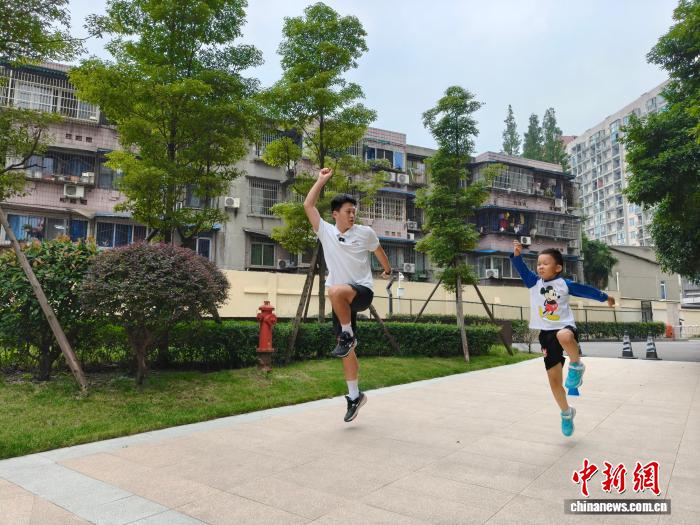
课后“体育外卖”悄然兴起 教练上门授课受家长青睐
Zhong Guo Xin Wen Wang· 2025-10-22 03:33
Core Viewpoint - The "sports takeaway" model, which involves coaches providing on-site training for children, is gaining popularity among parents in Chengdu, driven by increased emphasis on children's physical education and the growing demand for personalized sports training [1][3][4]. Group 1: Industry Growth - The "sports takeaway" industry has experienced rapid growth since the implementation of the "double reduction" policy, which has heightened parental awareness of children's sports education [3]. - A local sports training team expanded from just a couple of coaches in 2020 to over 30 coaches currently, serving around 600 students and over 1,000 local youths annually [3][4]. Group 2: Training Structure - The training programs are segmented by age groups: early childhood focuses on fun and interest, elementary school emphasizes meeting physical fitness standards, and middle school targets specific exam requirements [3]. - Additional specialized courses are offered, including comprehensive physical training, posture correction, height enhancement, and weight loss, catering to diverse family needs [3][4]. Group 3: Safety and Regulation - Safety measures include purchasing accident insurance for students, rigorous qualification checks for coaches, and pre-class safety assessments of training venues [3][4]. - Legal compliance is crucial, as coaches must hold specific certifications to avoid penalties, and parents are advised to verify coach qualifications and ensure safe training environments [5]. Group 4: Future Directions - The industry is expected to move towards greater professionalization and standardization, with a need for clearer regulations regarding coach qualifications [4]. - Future services may become more specialized, potentially including family sports consulting and precise services like posture correction and sports rehabilitation [4]. - The integration of technology, such as wearable devices, is anticipated to enhance training efficiency and provide objective performance data [4].