
医疗护理

Search documents
壹快评|“最快女护士”的眼泪,流给为“加班文化”所累的职场人
Di Yi Cai Jing· 2025-09-04 17:52
Group 1 - The article highlights the issue of "overtime culture" in various industries, particularly in healthcare, where nurses like Zhang Shuihua face significant challenges in balancing work and personal interests [4][5][6] - It discusses the collective dilemma faced by nurses, who typically only get four days off per month, with a high percentage working over 8 hours daily, indicating a systemic problem in labor rights and work-life balance [4][6] - The article emphasizes the need for improved labor laws and the effective implementation of paid annual leave to protect workers' rights and enhance their well-being [5][6] Group 2 - The prevalence of "overtime culture" is attributed to low base salaries, forcing workers to rely on overtime for additional income, and outdated management practices that shift costs onto employees [6] - The article suggests that addressing "overtime culture" requires a multi-faceted approach, including increasing income through productivity improvements rather than longer hours, and promoting a healthier work culture [6] - It calls for a collaborative effort from employers, society, and the government to create a sustainable work environment that values both productivity and personal fulfillment [6]
重压之下 美国劳动力市场流失逾120万移民
Sou Hu Cai Jing· 2025-09-04 05:46
Core Insights - The report from the Pew Research Center indicates a concerning trend in the U.S. labor market, with over 1.2 million immigrant workers disappearing from the job market between January and July 2020, closely linked to the strict immigration policies of the Trump administration [1][3][5] Labor Market Impact - Immigrant workers, including those with legal work visas and undocumented individuals, play an essential role in various key industries in the U.S. [3] - Immigrants account for approximately 20% of the U.S. labor market, with significant representation in specific sectors: 45% in agriculture, forestry, fishing, and livestock; 30% in construction; and 24% in the service industry [3][5] Employment Contribution - Over the past decade, immigrants have contributed to more than 50% of new job creation in the U.S. However, the recent halt in immigration at the U.S.-Mexico border has caused a "systemic shock" to the country's job creation capacity [5][6] Sector-Specific Challenges - The agricultural sector is facing a labor shortage crisis due to increased immigration enforcement, leading to significant losses, such as tons of ripe fruit left unharvested in Florida [5][6] - The construction industry is experiencing job losses in nearly 50% of metropolitan areas, with California being particularly affected, losing 7,200 jobs in the Riverside-San Bernardino-Ontario area and 6,200 in the Los Angeles-Long Beach-Glendale area [5][6] Future Concerns - The healthcare sector may become the next area severely impacted, as 43% of home care workers are immigrants, raising concerns about the availability of caregivers for hospitals and nursing homes [6]


首次!泰安市中心医院荣获山东软科学优秀成果二等奖
Qi Lu Wan Bao Wang· 2025-08-11 05:39
Core Insights - The 2024 "Shandong Soft Science Excellent Scientific Achievement Award" results were announced, with the second prize awarded to the project led by Tai'an Central Hospital, focusing on the establishment of technical grading standards for medical caregivers [1][3] - A total of 127 research achievements were recognized in the 2024 awards, including 11 first prizes, 40 second prizes, and 76 third prizes [3] Group 1: Project Overview - The report titled "Promoting Standards through Norms: In-depth Insights into Accelerating the Development of Technical Grading Standards for Medical Caregivers" analyzes the current state of the industry, challenges, and the necessity of establishing standards [5] - The project aims to promote the rapid establishment of technical grading standards for medical caregivers, contributing to the healthy development of the industry [5] Group 2: Implementation and Impact - The report was recognized by hospital leadership and was selected as an excellent proposal within the provincial medical system, highlighting its significant value [7] - In 2023, the project collaborated with over 40 provincial enterprises for extensive research, leading to the establishment of a group standard for caregiver technical grading, which was officially released on December 31, 2024, and will be implemented on January 31, 2025 [7][9] - The standard aims to enhance the quality of services and talent development in the integrated medical and elderly care sector, contributing positively to social welfare [7][9] Group 3: Standard Details - The "Technical Grading Standards for Medical Caregivers" (Shandong Provincial Group Standard T/SDXG 05—2024) has been published, priced at 43 yuan, and is based on practical outcomes from the Tai'an Central Hospital [9] - The standard categorizes medical caregivers into five levels based on technical skills, education, and work experience, providing a clear basis for evaluation and guiding training and assessment [9][10] - It establishes a "four-care" linkage mechanism, addressing the diverse needs of patients and the professional composition of caregivers, aiming to create a unified management system for caregiver services [10]

“互联网+护理服务”让更多“银发族”受益
Xin Hua She· 2025-07-04 11:25
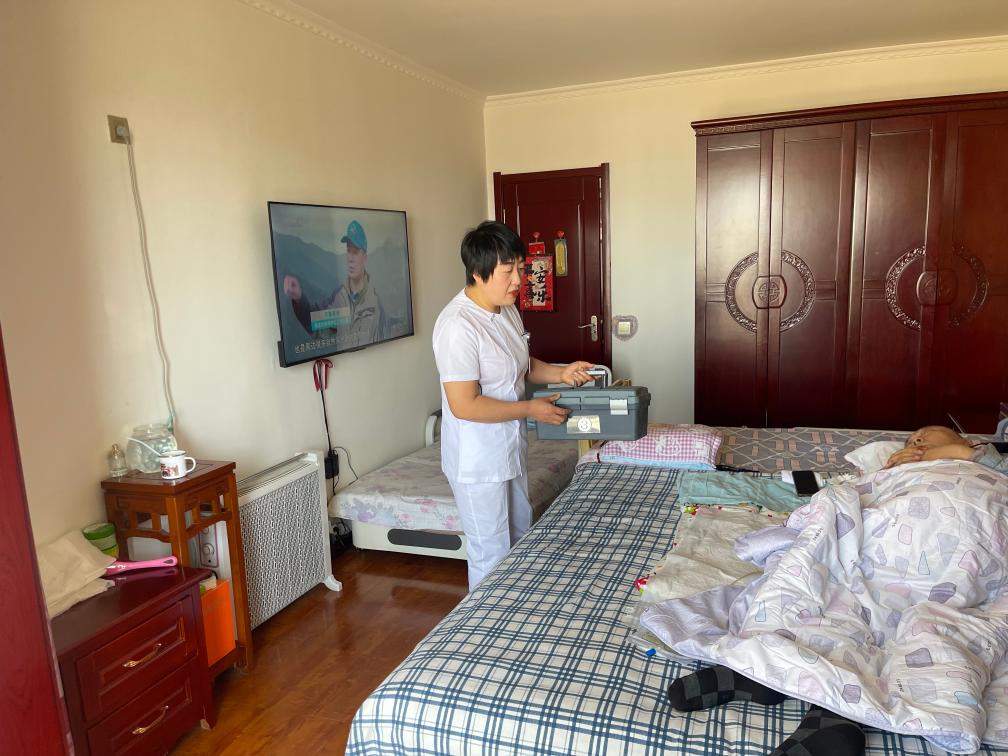
Core Viewpoint - The implementation of "Internet + Nursing Services" in Gansu Province, particularly in Baiyin City, is significantly improving access to quality nursing care for the elderly and patients with mobility issues, allowing them to receive care at home rather than in hospitals [1][4][5]. Group 1: Service Implementation - Baiyin City First People's Hospital has received over 700 orders for "Internet + Nursing Services," allowing patients to submit requests online and receive care from specialized nurses with over five years of clinical experience [4]. - The service includes 23 types of nursing care, such as wound dressing, rehabilitation guidance, and catheter changes, tailored to meet individual patient needs [4]. - The hospital has trained and assessed nurses comprehensively before they can register on the online platform to provide home care services [3]. Group 2: Demographic Context - By the end of 2024, over 310 million people in China will be aged 60 and above, accounting for 22% of the national population, highlighting the growing demand for nursing services [5]. - The aging population is driving the need for innovative solutions like "Internet + Nursing Services" to address challenges in elderly care [5]. Group 3: Broader Adoption - The "Internet + Nursing Services" model is not limited to Baiyin but is also being implemented in other cities in Gansu Province, such as Lanzhou and Jiayuguan, indicating a broader trend across the region [4]. - Since 2019, the National Health Commission has identified several pilot provinces for "Internet + Nursing Services," including major cities like Beijing, Shanghai, and Guangdong, with various services now covered by health insurance [4].
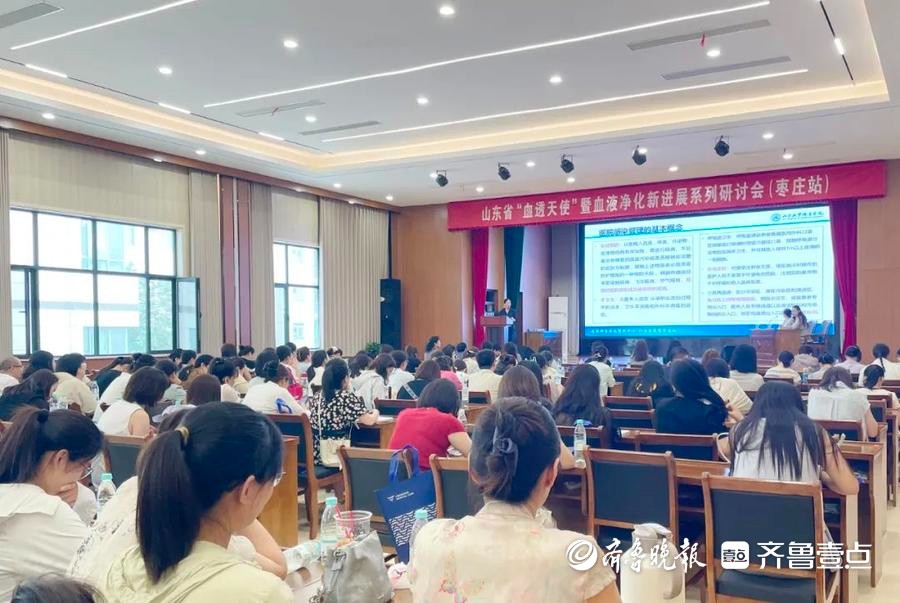
山东省“血透天使”暨血液净化新进展研讨会(枣庄站)举行
Qi Lu Wan Bao Wang· 2025-06-21 05:15
Core Insights - The seminar focused on advancements in blood purification in Shandong Province, emphasizing infection control, quality management, and sustainable development in dialysis services [3][4][6] Group 1: Event Overview - The "Blood Purification Angel" seminar was held on June 15, organized by the Shandong Health Promotion and Education Society and hosted by Tengzhou Central People's Hospital [1] - The event gathered experts and clinical staff from the blood purification field in Zaozhuang to discuss key topics such as infection prevention and control in hemodialysis [3] Group 2: Expert Contributions - Nursing expert Fu Jing from Shandong University Qilu Hospital analyzed infection risk points and control strategies, sharing practical experiences in infection prevention [4] - Wang Lili, a nursing expert from Shandong Qianfoshan Hospital, presented on the standardized construction of nursing quality in blood purification rooms [4] - Bai Qingning from Linyi People's Hospital discussed the impact of changes in medical insurance policies on dialysis services and explored paths for sustainable development through refined management [4] Group 3: Practical Workshops - The seminar included hands-on workshops demonstrating standardized clinical operations, such as catheter maintenance and vascular access techniques [6] - Participants had the opportunity to engage in practical demonstrations, enhancing their skills in clinical operations and addressing common issues [6] Group 4: Networking and Collaboration - The event provided a platform for nursing professionals to exchange knowledge and experiences, fostering collaboration in the blood purification field [6] - The Tengzhou Central People's Hospital team continues to focus on professional development and the delivery of high-quality care for patients [6]
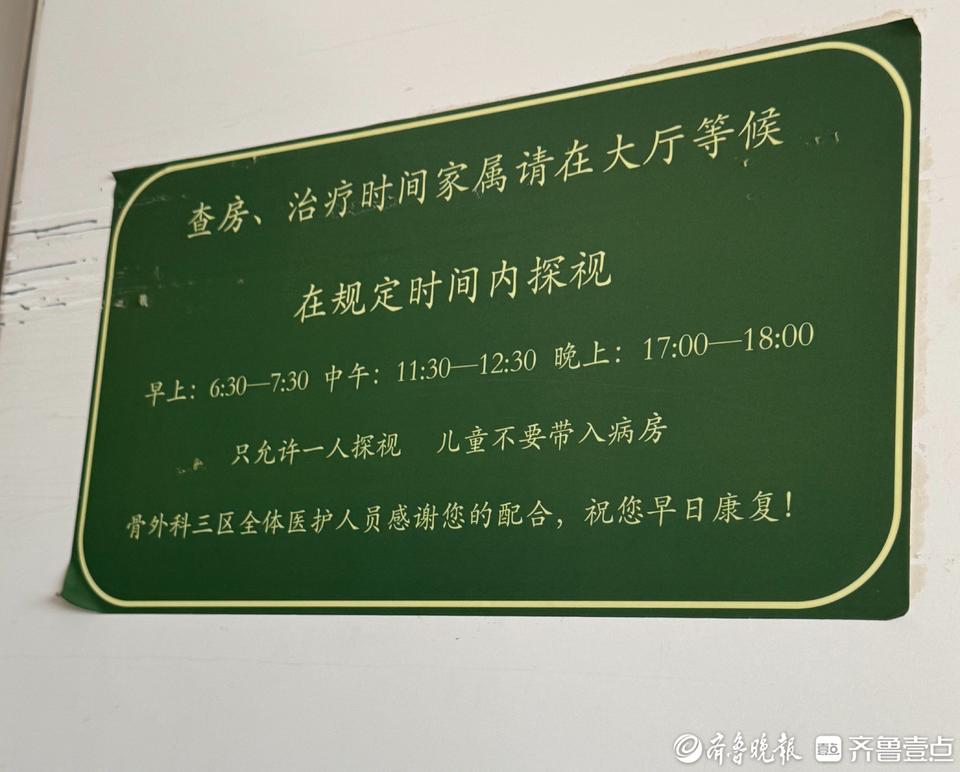
济南“免陪照护服务”尚未落地,收费标准受关注
Qi Lu Wan Bao Wang· 2025-06-07 00:24
Core Viewpoint - The Shandong Provincial Health Commission, in collaboration with other departments, has introduced a plan to standardize the "no accompanying care" service in medical institutions, aiming to enhance patient experience and reduce the burden on families [1][7]. Summary by Sections Service Details - The "no accompanying care" service is not free; caregivers charge between 150 to 330 yuan per day depending on the type of service [2][3]. - Caregivers provide services such as daily living assistance and post-operative care, with costs varying based on patient needs and hospital departments [3][11]. Implementation Timeline - By the end of 2025, all public tertiary medical institutions in Shandong are expected to offer this service, with secondary institutions encouraged to explore its implementation by the end of 2027 [7][12]. Current Practices - Some hospitals have already adopted similar models, where trained caregivers from third-party agencies provide care while nurses handle medical tasks [7][11]. - The service is primarily composed of family members and third-party caregivers, with varying levels of care depending on patient conditions [8][9]. Regulatory Framework - The government will implement a guided pricing system for the "no accompanying care" service, with other regions in China already conducting pilot programs [12][14]. - The service aims to address issues such as caregiver shortages and inconsistent service quality in traditional caregiving [11][14]. Future Prospects - The model is expected to reduce costs compared to traditional one-on-one caregiver services, while ensuring a stable and professional service through regulatory oversight [11][14].
专业的人做专业的事
Guang Xi Ri Bao· 2025-06-06 02:17
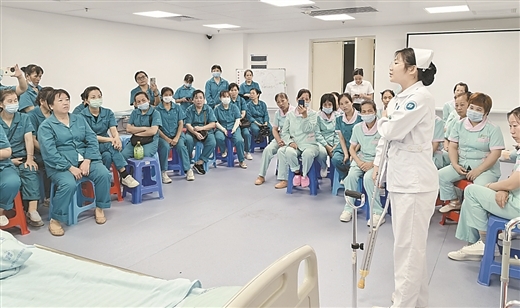
Core Viewpoint - The reform of medical caregivers in Guangxi has significantly improved the quality and affordability of patient care, addressing the challenges faced by patients, families, and caregivers alike [8][15][17]. Group 1: Background and Challenges - Patients and families often faced high costs and variable quality when hiring private caregivers, leading to significant stress and anxiety during hospital stays [9][10]. - Caregivers previously lacked formal training, contracts, and social security, resulting in a precarious work environment with limited career advancement [10][11]. Group 2: Reform Implementation - In February 2024, a pilot program was launched to enhance the training and management of medical caregivers, officially starting on March 1 [11][12]. - The program aims to differentiate medical caregivers from traditional caregivers, providing standardized training and requiring certification for employment [11][13]. Group 3: Outcomes and Impact - Since the reform began, the number of medical caregivers in pilot institutions has increased to 3,527, with a 279% rise in certified personnel [15]. - The average cost of medical care for hospitalized patients has decreased by approximately 30%, while complaints related to care have dropped by 38%, leading to a patient satisfaction rate of 97% [15][16]. - The introduction of a "no accompanying caregiver" model allows medical staff and trained caregivers to provide comprehensive care, reducing the need for family members to be present [13][15]. Group 4: Future Goals - The government plans to allocate 1.085 billion yuan to expand the training and management reform to cover 60% of medical institutions, aiming for 30,000 certified caregivers by the end of the year [17][18]. - The focus will also extend to elderly and maternal care, addressing broader caregiving challenges in society [17].
深度︱“免陪照护服务”本月起全国试点,“叫好又叫座”仍面临这些挑战
Di Yi Cai Jing· 2025-06-04 13:12
Core Viewpoint - The Chinese government is promoting the "no companion care ward" model nationwide to address the challenges of an aging population and rising hospitalization costs, with a focus on providing professional care through trained caregivers [1][2]. Group 1: Implementation and Scope - The pilot program for "no companion care wards" will be implemented in major cities with significant aging populations, with at least one or two tertiary hospitals participating in each province over the next two years [1][2]. - The National Health Commission has issued a notification outlining the requirements for the pilot program, emphasizing the need for hospitals to adapt to local conditions and prioritize departments with high demand for care services [3][4]. Group 2: Service Structure and Pricing - "No companion care service" is not free; it reduces the financial burden on families by providing care at a lower cost, with prices set by the government [3][16]. - The pricing for "no companion care service" varies by hospital level, with examples including 100 yuan per day for tertiary hospitals and 75 yuan for lower-tier hospitals in Sichuan [18]. Group 3: Challenges and Concerns - Hospitals express concerns about meeting the required nurse-to-bed ratio of at least 0.6:1 for the pilot program, with many facilities currently falling short [5][6]. - Issues such as increased workload for nurses, management of third-party caregivers, and the potential for medical disputes are significant concerns for hospitals considering the implementation of this model [2][14]. Group 4: Workforce and Training - The introduction of trained medical caregivers is seen as a potential solution to nursing shortages, but there are concerns about the adequacy of training and the management of these caregivers within hospital settings [11][13]. - The current supply of medical caregivers may exceed demand if the pilot program does not expand quickly enough, leading to potential job market imbalances [12]. Group 5: Future Directions and Insurance Involvement - There is a call for the integration of commercial insurance to cover "no companion care service" costs, which could enhance accessibility and affordability for patients [19][21]. - The government is encouraged to adopt a more market-oriented pricing strategy for these services to better reflect demand and improve service quality [16][20].
广东省110家医院率先成立免陪照护医院联盟
Zhong Guo Chan Ye Jing Ji Xin Xi Wang· 2025-05-18 22:39
Group 1 - The establishment of the "No Accompaniment Care Hospital Alliance" in Guangdong involves 110 hospitals, aiming to explore operational mechanisms, quality control standards, and training systems for no accompaniment care services [1] - No accompaniment care is gaining traction in the medical field, where professional caregivers replace family members to provide care during hospitalization, integrating medical, nursing, and daily care [1] Group 2 - The Guangdong Provincial Nursing Association plans to collaborate with vocational schools and medical institutions to train 1,000 no accompaniment care designers and nurse mentors, along with 10,000 health caregivers within three years [2] - The initiative includes selecting outstanding nursing management personnel for top-level design of no accompaniment care services, focusing on various aspects such as health policy, management systems, and service quality evaluation [2] - A partnership was formed between the Guangdong Provincial Nursing Association and China People's Property Insurance Company to explore new cooperation models for integrating insurance resources with nursing services [2] Group 3 - Starting from April this year, Guangdong public hospitals have implemented price standards for no accompaniment care services, with plans to enhance payment mechanisms and encourage insurance companies to cover related costs [2]
广西加强医疗护理员培训和规范管理改革
Zhong Guo Jing Ji Wang· 2025-05-16 03:32
Group 1 - The core initiative is the training and management reform of medical caregivers in Guangxi, aiming to enhance the quality and coverage of services to over 60% this year [1][2] - Guangxi government allocates 1.085 billion yuan from employment subsidy funds to support the training of 25,000 medical caregivers and ensure that 30,000 caregivers are certified by the end of the year [1][2] - The target is to achieve a service satisfaction rate of over 98% and reduce average medical care costs by approximately 30% [1][2] Group 2 - The reform focuses on four key areas: standardization of systems and models, regulation of team management, professionalization of training, and vocationalization of the caregiver workforce [2] - A "654321" reform model will be implemented, along with 18 reference texts and institutional norms for caregiver training [2] - The initiative aims to alleviate the challenges of caregiving for the elderly and children, ensuring no additional financial burden on patients or the government while maintaining caregiver income [2]