
汽车经销

Search documents
厦门信达:数智科技业务服务于智慧交通、智慧城管等多个核心领域
Zheng Quan Ri Bao Zhi Sheng· 2025-11-21 09:07
Group 1 - The core business of the company includes digital intelligence technology, electronic technology, supply chain, and automobile distribution [1] - The digital intelligence technology services multiple key areas such as smart transportation, smart city management, smart national defense, smart warehousing, and smart parks [1] - Investors are encouraged to pay attention to the company's periodic reports for related operational conditions [1]

广汇宝信是否会步广汇汽车后尘?宝马授权终止,核数师辞任,复牌前路漫漫
Xin Lang Zheng Quan· 2025-11-19 07:23
Core Insights - The prolonged suspension of Guanghui Baoxin due to failure to disclose its 2024 annual performance has led to significant repercussions, including a sharp decline in stock price and loss of dealership authorizations from major brands like BMW [1][2][3] Group 1: Company Situation - Guanghui Baoxin has been suspended from trading since April 1, 2025, due to the inability to publish audited financial results within the required timeframe [1] - The company reported a 17.88% year-on-year decline in revenue and a staggering 119.78% drop in net profit for the first half of 2024, with a gross margin of only 0.46% [2] - The resignation of the auditing firm, RSM, has further complicated the company's efforts to resume trading, as it cited disagreements over audit fees and delays in document preparation [1][2] Group 2: Industry Context - The automotive dealership model is under significant pressure due to the rapid rise of electric vehicles, with a penetration rate exceeding 42% in 2024, leading to a decline in traditional fuel vehicle sales [2] - Over 4,419 4S stores closed in 2024, indicating a broader trend of traditional dealerships struggling to adapt to the changing market dynamics [3] - Regulatory bodies are increasing scrutiny on the automotive industry, with over 50 companies suspended for delayed financial disclosures, particularly in the real estate and automotive sectors [3] Group 3: Future Outlook - Guanghui Baoxin must meet three conditions to resume trading: complete the 2024 financial audit, appoint a new auditor, and demonstrate ongoing operational viability [4] - The termination of BMW's authorization, which accounted for over 60% of the company's revenue, poses a significant challenge to its recovery prospects [4] - The company risks following the path of its parent company, Guanghui Automotive, which was delisted from the A-share market due to continuous low stock prices [4]

厦门信达:主营业务为数智科技、电子科技、供应链、汽车经销
Zheng Quan Ri Bao Wang· 2025-11-18 11:13
Core Viewpoint - Xiamen Xinda (000701) primarily operates in the fields of digital intelligence technology, electronic technology, supply chain, and automotive distribution [1] Group 1 - The company is engaged in digital intelligence technology as one of its main business areas [1] - Electronic technology is another key sector for the company [1] - The supply chain management is also a significant part of the company's operations [1] - Automotive distribution is included in the company's main business activities [1]
3个月新开15店,中升集团的勇与谋
Zhong Guo Qi Che Bao Wang· 2025-11-10 02:36
Core Viewpoint - The automotive dealership industry in China is facing significant challenges, with a notable decline in the number of authorized dealerships, while Zhongsheng Group is expanding its network by opening new service points amidst this downturn [2][4]. Industry Overview - The number of authorized dealerships in China is projected to decrease by 1.9% in the first half of 2025 compared to the end of 2024, with a net reduction of approximately 625 dealerships this year [2]. - In the first half of this year, the total number of 4S dealerships in China fell from 32,000 to 31,400, a net decrease of over 600, with 2,749 dealerships closing [4]. Zhongsheng Group's Expansion Strategy - Zhongsheng Group opened 15 new service points in the third quarter, collaborating with major brands such as Mercedes-Benz, Audi, Volvo, AITO, and Toyota [3]. - The new service points are strategically located across various provinces, including Hainan, Guangdong, Shandong, and others, with a significant focus on traditional brands despite the overall industry trend towards contraction [3][4]. Market Dynamics - The closure of traditional dealerships has created gaps in certain regions, prompting new investors like Zhongsheng Group to establish a presence to serve existing brand loyal customers [4][5]. - Zhongsheng Group's expansion includes a mix of traditional and new energy vehicle dealerships, with a notable emphasis on the AITO brand, which is part of their strategy to capture the growing market for electric vehicles [6][7]. Financial Performance - Zhongsheng Group reported a revenue of 168.12 billion yuan in the first half of the year, a decrease of 6.23% year-on-year, with net profit dropping by 35.99% [8]. - Despite the decline in vehicle sales, the after-sales service segment achieved a revenue of 11.445 billion yuan, marking a 4.4% increase, indicating a shift in focus towards service offerings [9]. Service Innovation - The company is innovating its service model by introducing digital showrooms and immersive experience zones to enhance customer engagement and streamline the purchasing process [8][10]. - Zhongsheng Group is also diversifying its service offerings, including a new energy vehicle maintenance service package priced between 7,667 and 29,778 yuan, aimed at new car owners [9][10]. Ecosystem Development - The company is building a comprehensive user ecosystem by integrating high-frequency consumer services, such as coffee shops and car wash services, into its dealership model to enhance customer loyalty and brand recognition [10].



中国汽车经销商海外扩张“火力全开”
Zhong Guo Qi Che Bao Wang· 2025-11-07 15:17
Core Viewpoint - The strategic investment by a domestic new energy vehicle company in iCar Group Limited, a subsidiary of Harmony Auto, marks a significant collaboration aimed at expanding overseas market presence and enhancing operational efficiency in the automotive distribution sector [2][3][4]. Group 1: Investment and Strategic Collaboration - Harmony Auto announced that a domestic new energy vehicle company has invested $40 million (approximately 284 million RMB) for a 10% stake in iCar Group, reducing Harmony Auto's direct shareholding from 55% to 49.5% [2]. - The investment is seen as a recognition of Harmony Auto's strong brand management capabilities and valuable overseas channels, aimed at accelerating the overseas expansion of the new energy vehicle brand [3][4]. - The collaboration is expected to deepen the partnership and optimize Harmony Auto's capital structure, enhancing overall competitiveness and creating sustainable long-term value for shareholders [3][4]. Group 2: Market Performance and Growth - As of June 30, 2025, Harmony Auto's revenue reached 9.637 billion RMB, a 29.1% increase compared to the same period in 2024, with overseas markets contributing significantly to this growth [6][9]. - The sales volume from Hong Kong and overseas markets accounted for over 50% of total sales, highlighting the effectiveness of Harmony Auto's international strategy [6][9]. - The company reported a significant increase in sales in key overseas markets, with Indonesia, Cambodia, and the Philippines showing growth rates of 226%, 444%, and 89% respectively [7]. Group 3: Operational Strategy and Efficiency - Harmony Auto employs a "low-cost, high-efficiency" operational model overseas, with lower investment per store compared to traditional 4S stores in China [7]. - The company has established over 157 authorized dealer outlets globally, with a focus on rapid deployment strategies to capture core markets [6][9]. - The strategic investment allows the new energy vehicle company to leverage Harmony Auto's extensive overseas distribution network, enhancing market penetration and operational control [4][10]. Group 4: Industry Context and Future Outlook - The collaboration reflects a broader trend in the automotive industry where domestic companies are increasingly looking to expand their international presence through strategic partnerships [15][19]. - The investment model seen in this case is not uncommon, as it mirrors past strategies employed by companies like Toyota in their overseas expansions [10][19]. - Industry experts suggest that the success of such partnerships will depend on the ability of dealers to adapt to local markets and leverage their existing resources effectively [18][19].
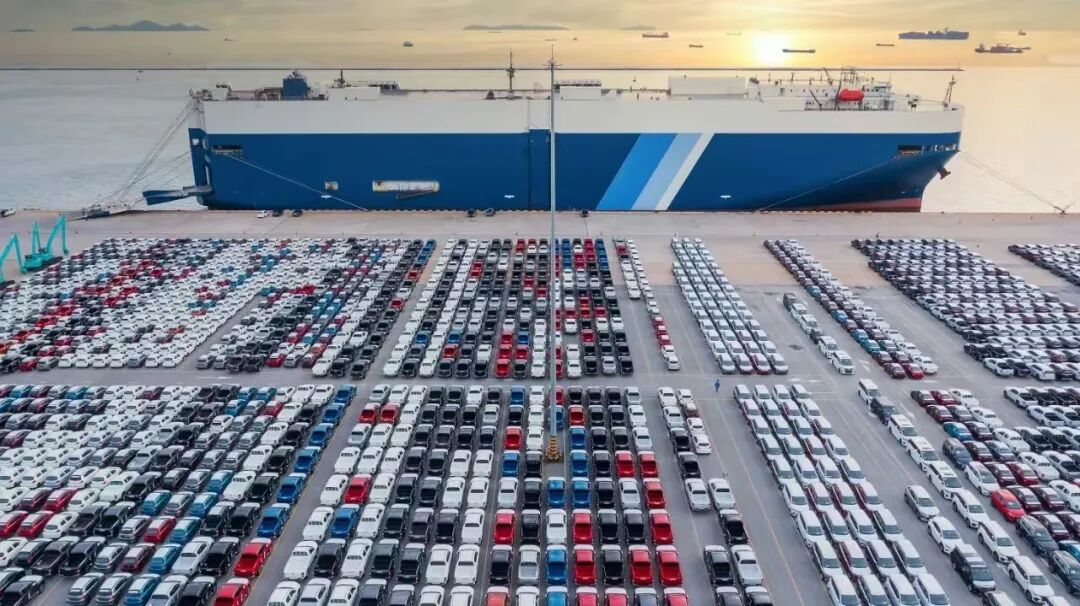
浩物股份:汽车经销板块的主要利润来源主要包括两部分
Zheng Quan Ri Bao Wang· 2025-11-04 11:13
Core Viewpoint - The main profit sources for the automotive dealership sector of Haowu Co., Ltd. include manufacturer rebates based on sales and profits generated from after-sales services such as maintenance and repairs [1] Summary by Categories Profit Sources - The automotive dealership sector's profits are derived from two primary sources: rebates from manufacturers based on sales performance and profits from after-sales services including maintenance and repairs [1]

对话优蓝国际(YOUL)CFO朱立东:操盘四次港美股上市的“危机拆弹专家”
Ge Long Hui· 2025-10-22 08:07
Core Insights - Youlan International, China's largest blue-collar lifelong service platform, successfully listed on NASDAQ through a De-SPAC merger with Distoken Acquisition Corporation, bypassing traditional IPO challenges and addressing valuation discrepancies [1][2][14][16] - CFO Zhu Lidong played a pivotal role in navigating the complexities of capital markets, leveraging his extensive experience from previous IPOs and capital operations [1][17] Company Overview - Youlan International's listing marks a significant milestone in its growth trajectory, reflecting the increasing demand for blue-collar services and the favorable policy environment for vocational education [1][2] - The decision to pursue a De-SPAC merger was influenced by the unfavorable conditions in the Hong Kong IPO market, prompting a strategic shift to the more flexible U.S. capital market [14][15] Leadership and Experience - Zhu Lidong, with a decade of experience in investment banking, has been instrumental in multiple successful IPOs, including those of China Rundong Auto Group and China New Higher Education Group [1][3][9] - His expertise in navigating complex financial structures and regulatory environments has been a key asset in executing successful capital market strategies [6][17] Strategic Decisions - The transition from a planned Hong Kong IPO to a U.S. listing via De-SPAC was a calculated move to optimize market conditions and shareholder interests [15][16] - Zhu's innovative approach to financial structuring, including the "dual Cayman" solution during previous IPOs, showcases his ability to creatively solve complex financial challenges [5][6] Market Context - The successful listing of Youlan International comes at a time when the blue-collar economy is gaining traction, supported by favorable government policies aimed at enhancing vocational training and employment opportunities [2][17] - The De-SPAC route is increasingly seen as a viable alternative to traditional IPOs, particularly for companies seeking to expedite their entry into public markets [14][16]
马云抄底买楼,低调家族暴赚54亿!
2 1 Shi Ji Jing Ji Bao Dao· 2025-10-22 03:48
Core Viewpoint - Alibaba and Ant Group have acquired the top 13 floors of the "One Island East" building in Hong Kong for $925 million, aiming to establish their headquarters in the city, marking a significant real estate transaction during a downturn in the market [1][4]. Group 1: Transaction Details - The seller, Mandarin Oriental Hotel Group, is controlled by the British Keswick family through the Jardine Matheson Group [2]. - The transaction is expected to be the largest commercial property sale in Hong Kong this year, with the Keswick family still making substantial profits despite selling during a market low [4]. - The average price per square meter for the property is approximately HKD 235,500, with a total floor area of about 301,600 square feet [10]. Group 2: Property Background - "One Island East" was previously the East Hotel, which was converted into a Grade A office building after its closure in March 2019, with an investment of around HKD 5 billion [8]. - The property is strategically located near the subway, offering sea views and proximity to major shopping centers, making it a prime asset [6]. Group 3: Market Context - The value of some office buildings in Hong Kong has decreased by 30%-40% compared to peak levels, with high vacancy rates [8]. - The property was previously estimated at HKD 27 billion in 2017, but the current valuation is around HKD 14 billion, indicating a nearly 50% discount [11]. Group 4: Strategic Moves by Keswick Family - The sale is part of a broader strategy by the Keswick family to restructure their asset portfolio, which includes a plan for privatization of Mandarin Oriental [12][13]. - The family aims to simplify corporate structure and enhance hotel business development through full ownership [16]. - The proceeds from the sale will contribute to a special dividend for shareholders as part of the privatization offer [17]. Group 5: Future Prospects - The entry of a Fortune 500 company like Alibaba is expected to attract other businesses to the "One Island East" project, enhancing its value [11]. - Mandarin Oriental is actively expanding in mainland China, with plans for new luxury hotels and properties in key urban areas [19].
广汇宝信(01293) - 復牌进度季度更新
2025-10-03 10:43
GRAND BAOXIN AUTO GROUP LIMITED 廣匯寶信汽車集團有限公司 香港交易及結算所有限公司及香港聯合交易所有限公司對本公告的內容概不負責,對其準確性 或完整性亦不發表任何聲明,並明確表示,概不對因本公告全部或任何部份內容而產生或因倚 賴該等內容而引致的任何損失承擔任何責任。 業務營運 本集團為中國主要的豪華品牌汽車經銷商集團,主要從事汽車銷售及售後服務業 務。本集團業務主要集中於華東區域,並以華東區域作為軸心,向華南、華中、 華北、東北及西北等中國其他區域拓展。 1 (於開曼群島註冊成立的有限公司) (股份代號:1293) 復牌進度季度更新 本公告乃廣匯寶信汽車集團有限公司(「本公司」,連同其附屬公司統稱「本集團」) 根據香港聯合交易所有限公司證券上市規則(「上市規則」)第13.09(2)(a)條及香港 法例第571章證券及期貨條例第XIVA部項下的內幕消息條文(定義見上市規則)而 作出。 茲提述本公司日期為二零二五年三月二十八日、二零二五年三月三十一日、二零 二五年四月二十九日、二零二五年六月十八日、二零二五年六月三十日、二零二 五年七月十四日及二零二五年八月十九日的公告,內容有關( ...
百得利控股(06909)附属拟租赁天津自贸试验区(空港经济区)的物业
智通财经网· 2025-09-26 10:07
Core Viewpoint - Baideli Holdings (06909) has entered into a property leasing agreement with Tianjin Guomao for its subsidiaries to continue operations in Tianjin Free Trade Zone, ensuring the company can maintain its automotive dealership business without relocating or altering logistics arrangements [1] Group 1: Property Details - The leased properties include a 9,336.1 square meter facility located at 59 Automobile Park Road, Tianjin Free Trade Zone, and a portion of a property measuring 1,164.0 square meters at 66 Huanhe North Road, Tianjin Free Trade Zone [1] Group 2: Business Continuity - The leasing agreement is aimed at meeting the ongoing operational needs of the company, allowing it to continue its automotive dealership activities at the current locations [1]