
虚拟电厂

Search documents
协鑫能科总裁费智: AI攻坚能源预测 双轮驱动加速转型
Zhong Guo Zheng Quan Bao· 2025-12-14 22:09
Core Viewpoint - The integration of AI technology in the energy sector is crucial for overcoming challenges in energy prediction and optimizing virtual power plant operations, as highlighted by the strategic initiatives of GCL-Poly Energy Technology [1][2][6][7] Group 1: AI Technology and Energy Prediction - AI technology faces significant bottlenecks in energy applications, particularly in high-precision forecasting of power generation and consumption [2] - The industry struggles with the lack of scenario-specific energy AI prediction models, which complicates the training of large models using historical load and weather data [2] - GCL-Poly aims to develop energy time-series models and AI agents to enhance predictive accuracy and operational strategies, focusing on long-term memory and adaptability to external factors [2][3] Group 2: Achievements in Virtual Power Plant Operations - GCL-Poly has managed over 20 GW of user load, with approximately 835 MW of controllable load verified in the market, demonstrating its comprehensive advantages in the virtual power plant sector [3] - The company's AI model has improved the accuracy of energy system assessments by over 10% and reduced operational costs of distributed energy systems by about 3% [3] - The implementation of AI technology has increased user engagement with green energy, promoting sustainable consumption [3] Group 3: Strategic Developments and Global Expansion - GCL-Poly is transitioning from a domestic green energy operator to a global energy technology service provider, focusing on a dual strategy of "energy assets + energy services" [6] - The company plans to enhance its asset structure by increasing the share of renewable energy and expanding projects related to zero-carbon parks and microgrids [6] - GCL-Poly aims to innovate in carbon neutrality services and expand its international presence, particularly in Southeast Asia, Central Europe, and Africa, to address market challenges [6][7]

AI攻坚能源预测 双轮驱动加速转型
Zhong Guo Zheng Quan Bao· 2025-12-14 20:19
Core Insights - The integration of AI technology in the energy sector faces significant challenges, particularly in accurate energy forecasting, which is crucial for the development of virtual power plants and energy trading [1][2] - The company is focusing on developing AI models and expanding application scenarios to enhance predictive accuracy and operational efficiency, aiming to transition from a passive aggregator to an active value-adding energy service platform [2][4] AI Technology Challenges - The energy AI prediction models in the industry often lack scenario adaptability, making it difficult to utilize vast historical load and weather data for accurate long-term forecasting [2] - The company aims to overcome these challenges by developing energy time-series models and AI agents that can handle complex variable interactions and improve sensitivity to external factors [2] Achievements in Virtual Power Plant Sector - The company has managed user load exceeding 20 GW, with approximately 835 MW of controllable load verified in the market, showcasing its comprehensive data and model advantages [3][4] - The application of AI models has improved predictive accuracy by over 10% and reduced operational costs of distributed energy systems by about 3% [4] Strategic Developments - The company has launched the "Juxing" virtual power plant platform to create a smart energy management hub, enhancing the efficiency of aggregating distributed resources [5] - The platform supports a multi-dimensional AI model that automates processes from demand forecasting to trading strategy recommendations [5] Global Expansion Plans - The company is transitioning from a domestic green energy operator to a global energy technology service provider, focusing on a dual strategy of "energy assets + energy services" [6] - Future plans include expanding renewable energy assets and developing AI-driven platforms for energy management, trading, and carbon neutrality services [6][7] Market Opportunities - The ongoing integration of power market reforms and carbon neutrality goals presents significant market opportunities for virtual power plants and related services [7] - The company aims to leverage technological advancements and international market expansion to drive growth and contribute to global energy transformation [7]
关于举办虚拟电厂投资、建设与运营培训的通知丨系列培训
中国能源报· 2025-12-13 00:40
关于举 办虚拟电厂投资、建设与运营 培训的通知 各企事业单位: 虚拟电厂是新型经营主体协同参与电力系统优化和电力市场交易的电力运行组织模式。 2025年3月《关于加快推进虚拟电厂发展的指导意见》 发布 , 意见 明确了虚拟电厂的 定义和定位,并提出到 2027年,虚拟电厂建设运行管理机制成熟规范,参与电力市场的 机制健全完善,全国虚拟电厂调节能力达到2000万千瓦以上。到2030年,虚拟电厂应 用场景进一步拓展,各类商业模式创新发展,全国虚拟电厂调节能力达到5000万千瓦以 上。 各地方政府相继出台文件,制订虚拟电厂参与电力市场交易的政策规范、技术标准和市场 机制。 随着新型电力系统的发展,虚拟电厂对增强电力保供能力、促进新能源消纳、完善电力市 场体系具有重要作用和广阔的发展前景。为帮助各能源企业进一步了解虚拟电厂发展相关 问题,《中国能源报》社特举办虚拟电厂投资、建设与运营培训。届时,将邀请业内专家 对相关问题进行专业解答,同时为各企业之间交流经验,相互学习提供平台。培训 完后 发放 《中国能源 报 》社 有限公司 中国 能源经济研究院 "虚拟电厂培训"结业 证书。 一 、时间及形式 时间: 2025年 1 ...


关于举办虚拟电厂投资、建设与运营培训的通知丨系列培训
中国能源报· 2025-12-12 09:47
一 、时间及形式 时间: 2025年 12 月 20— 21 日 地点: 广州 二、组织机构 关于举 办虚拟电厂投资、建设与运营 培训的通知 各企事业单位: 虚拟电厂是新型经营主体协同参与电力系统优化和电力市场交易的电力运行组织模式。 2025年3月《关于加快推进虚拟电厂发展的指导意见》 发布 , 意见 明确了虚拟电厂的 定义和定位,并提出到 2027年,虚拟电厂建设运行管理机制成熟规范,参与电力市场的 机制健全完善,全国虚拟电厂调节能力达到2000万千瓦以上。到2030年,虚拟电厂应 用场景进一步拓展,各类商业模式创新发展,全国虚拟电厂调节能力达到5000万千瓦以 上。 各地方政府相继出台文件,制订虚拟电厂参与电力市场交易的政策规范、技术标准和市场 机制。 随着新型电力系统的发展,虚拟电厂对增强电力保供能力、促进新能源消纳、完善电力市 场体系具有重要作用和广阔的发展前景。为帮助各能源企业进一步了解虚拟电厂发展相关 问题,《中国能源报》社特举办虚拟电厂投资、建设与运营培训。届时,将邀请业内专家 对相关问题进行专业解答,同时为各企业之间交流经验,相互学习提供平台。培训 完后 发放 《中国能源 报 》社 有限公司 ...

直线拉升!这一概念,涨停潮!
Zhong Guo Ji Jin Bao· 2025-12-12 02:44
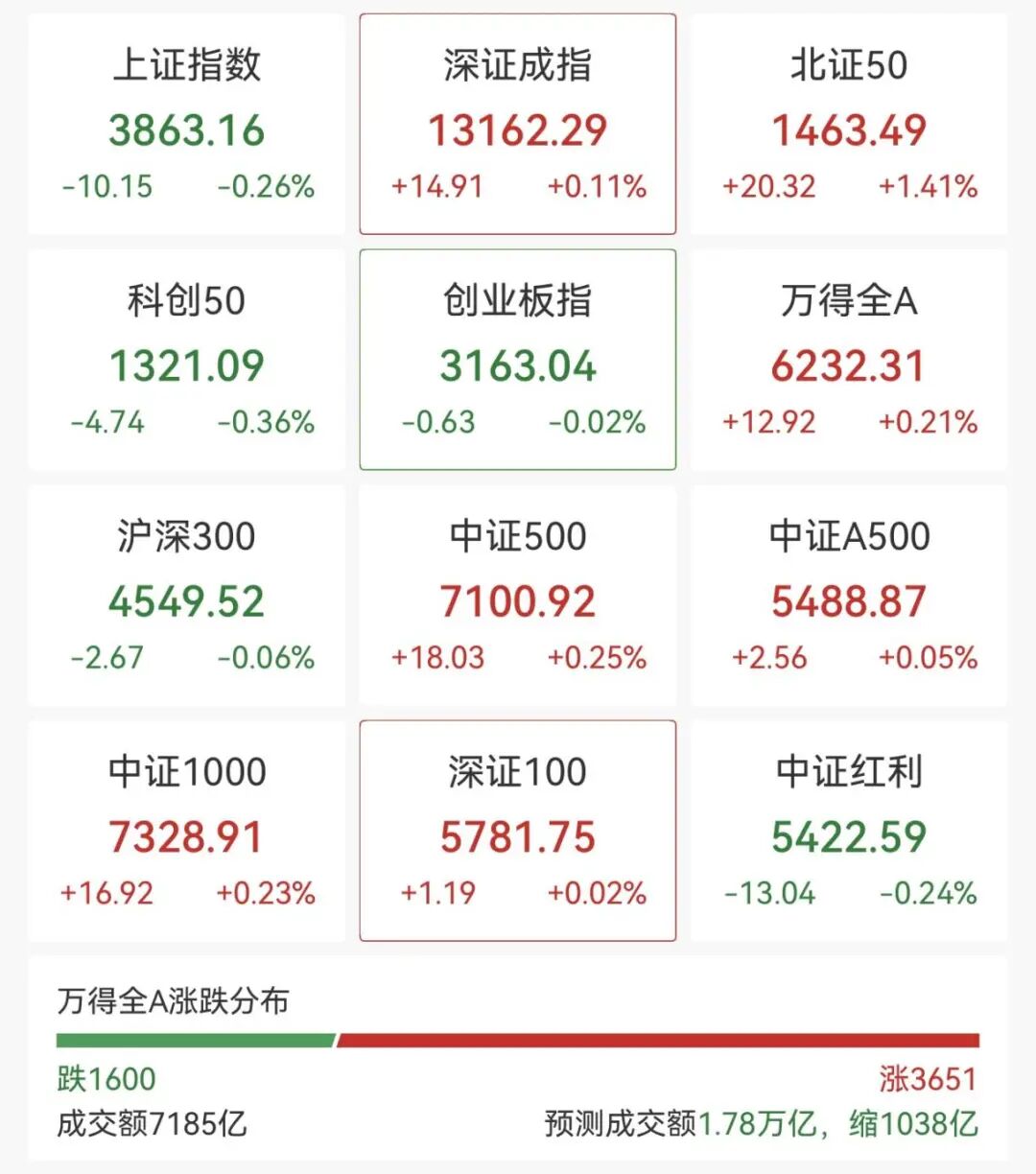
【导读】核聚变概念股直线拉升,虚拟电厂多股涨停 从板块上看,核聚变概念股走强,虚拟电厂、商业航天、贵金属等板块表现活跃;锂电电解液板块显著下挫,摩尔线程早盘大幅走低,GPU、半导体等板 块震荡调整。 中国基金报记者李智 一起来看下最新的市场情况及资讯。 12月12日早盘,A股市场震荡调整,三大指数涨跌不一。超3600只个股上涨。 | 上证指数 | 深证成指 | 北证50 | | --- | --- | --- | | 3863.16 | 13162.29 | 1463.49 | | -10.15 -0.26% | +14.91 +0.11% | +20.32 +1.41% | | 科创50 | 创业板指 | 万得全A | | 1321.09 | 3163.04 | 6232.31 | | -4.74 -0.36% | -0.63 -0.02% | +12.92 +0.21% | | 沪深300 | 中证500 | 中证A500 | | 4549.52 | 7100.92 | 5488.87 | | -2.67 -0.06% | +18.03 +0.25% | +2.56 +0.05% | | 中证1000 | ...
直线拉升!这一概念,涨停潮!
中国基金报· 2025-12-12 02:36
Core Viewpoint - The article highlights the strong performance of nuclear fusion concept stocks and the virtual power plant sector, indicating a positive market sentiment towards these industries [2][5][9]. Market Overview - On December 12, the A-share market experienced fluctuations, with three major indices showing mixed results. Over 3,600 stocks rose [3]. - The Shanghai Composite Index closed at 3,863.16, down 10.15 points (-0.26%), while the Shenzhen Component Index rose by 14.91 points (+0.11%) [4]. Sector Performance - The nuclear fusion concept stocks showed significant strength, with notable gains in virtual power plants, commercial aerospace, and precious metals sectors. Conversely, the lithium battery electrolyte sector saw a marked decline [5][6]. - The nuclear fusion index increased by 3.51%, while the virtual power plant index rose by 2.23% [6]. Notable Stocks - Key stocks in the nuclear fusion sector included: - Tianli Composite: 57.53 CNY, up 22.93% [11] - Xue Ren Group: 18.16 CNY, up 9.99% [11] - Guoji Heavy Equipment: 5.18 CNY, up 9.98% [11] - In the virtual power plant sector, Zhongneng Electric surged by 20.04% to 10.78 CNY [19]. Future Outlook - The International Energy Agency predicts that the global nuclear fusion market could approach 500 billion USD by 2030, indicating substantial growth potential in this sector [17].

关于举办虚拟电厂投资、建设与运营培训的通知丨系列培训
中国能源报· 2025-12-08 02:14
关于举 办虚拟电厂投资、建设与运营 培训的通知 各企事业单位: 时间: 2025年 12 月 20— 21 日 地点: 广州 二、组织机构 主办单位:《中国能源报》社有限公司 学术支持:中国能源经济研究院 三、培训对象 1 .各类型发电公司、电网企业、售电公司、储能公司、数字化信息化服务公司、节能服 务公司以及 大型用电用 能 机构 等; 虚拟电厂是新型经营主体协同参与电力系统优化和电力市场交易的电力运行组织模式。 2025年3月《关于加快推进虚拟电厂发展的指导意见》 发布 , 意见 明确了虚拟电厂的 定义和定位,并提出到 2027年,虚拟电厂建设运行管理机制成熟规范,参与电力市场的 机制健全完善,全国虚拟电厂调节能力达到2000万千瓦以上。到2030年,虚拟电厂应 用场景进一步拓展,各类商业模式创新发展,全国虚拟电厂调节能力达到5000万千瓦以 上。 各地方政府相继出台文件,制订虚拟电厂参与电力市场交易的政策规范、技术标准和市场 机制。 随着新型电力系统的发展,虚拟电厂对增强电力保供能力、促进新能源消纳、完善电力市 场体系具有重要作用和广阔的发展前景。为帮助各能源企业进一步了解虚拟电厂发展相关 问题,《中国 ...

关于举办虚拟电厂投资、建设与运营培训的通知丨系列培训
中国能源报· 2025-12-06 00:38
关于举 办虚拟电厂投资、建设与运营 培训的通知 各企事业单位: 虚拟电厂是新型经营主体协同参与电力系统优化和电力市场交易的电力运行组织模式。 2025年3月《关于加快推进虚拟电厂发展的指导意见》 发布 , 意见 明确了虚拟电厂的 定义和定位,并提出到 2027年,虚拟电厂建设运行管理机制成熟规范,参与电力市场的 机制健全完善,全国虚拟电厂调节能力达到2000万千瓦以上。到2030年,虚拟电厂应 用场景进一步拓展,各类商业模式创新发展,全国虚拟电厂调节能力达到5000万千瓦以 上。 各地方政府相继出台文件,制订虚拟电厂参与电力市场交易的政策规范、技术标准和市场 机制。 随着新型电力系统的发展,虚拟电厂对增强电力保供能力、促进新能源消纳、完善电力市 场体系具有重要作用和广阔的发展前景。为帮助各能源企业进一步了解虚拟电厂发展相关 问题,《中国能源报》社特举办虚拟电厂投资、建设与运营培训。届时,将邀请业内专家 对相关问题进行专业解答,同时为各企业之间交流经验,相互学习提供平台。培训 完后 发放 《中国能源 报 》社 有限公司 中国 能源经济研究院 "虚拟电厂培训"结业 证书。 一 、时间及形式 时间: 2025年 1 ...

关于举办虚拟电厂投资、建设与运营培训的通知丨系列培训
中国能源报· 2025-12-03 07:22
各企事业单位: 关于举 办虚拟电厂投资、建设与运营 培训的通知 虚拟电厂是新型经营主体协同参与电力系统优化和电力市场交易的电力运行组织模式。 2025年3月《关于加快推进虚拟电厂发展的指导意见》 发布 , 意见 明确了虚拟电厂的 定义和定位,并提出到 2027年,虚拟电厂建设运行管理机制成熟规范,参与电力市场的 机制健全完善,全国虚拟电厂调节能力达到2000万千瓦以上。到2030年,虚拟电厂应 用场景进一步拓展,各类商业模式创新发展,全国虚拟电厂调节能力达到5000万千瓦以 上。 各地方政府相继出台文件,制订虚拟电厂参与电力市场交易的政策规范、技术标准和市场 机制。 随着新型电力系统的发展,虚拟电厂对增强电力保供能力、促进新能源消纳、完善电力市 场体系具有重要作用和广阔的发展前景。为帮助各能源企业进一步了解虚拟电厂发展相关 问题,《中国能源报》社特举办虚拟电厂投资、建设与运营培训。届时,将邀请业内专家 对相关问题进行专业解答,同时为各企业之间交流经验,相互学习提供平台。培训 完后 发放 《中国能源 报 》社 有限公司 中国 能源经济研究院 "虚拟电厂培训"结业 证书。 一 、时间及形式 时间: 2025年 1 ...

关于举办虚拟电厂投资、建设与运营培训的通知丨系列培训
中国能源报· 2025-12-02 06:23
随着新型电力系统的发展,虚拟电厂对增强电力保供能力、促进新能源消纳、完善电力市 场体系具有重要作用和广阔的发展前景。为帮助各能源企业进一步了解虚拟电厂发展相关 问题,《中国能源报》社特举办虚拟电厂投资、建设与运营培训。届时,将邀请业内专家 对相关问题进行专业解答,同时为各企业之间交流经验,相互学习提供平台。培训 完后 发放 《中国能源 报 》社 有限公司 中国 能源经济研究院 "虚拟电厂培训"结业 证书。 一 、时间及形式 时间: 2025年 12 月 20— 21 日 地点: 广州 二、组织机构 虚拟电厂是新型经营主体协同参与电力系统优化和电力市场交易的电力运行组织模式。 2025年3月《关于加快推进虚拟电厂发展的指导意见》 发布 , 意见 明确了虚拟电厂的 定义和定位,并提出到 2027年,虚拟电厂建设运行管理机制成熟规范,参与电力市场的 机制健全完善,全国虚拟电厂调节能力达到2000万千瓦以上。到2030年,虚拟电厂应 用场景进一步拓展,各类商业模式创新发展,全国虚拟电厂调节能力达到5000万千瓦以 上。 各地方政府相继出台文件,制订虚拟电厂参与电力市场交易的政策规范、技术标准和市场 机制。 关于举 办 ...
