
非遗文化产业

Search documents
三彩的千年窑火“零碳”新生
Xin Hua She· 2025-09-03 02:04
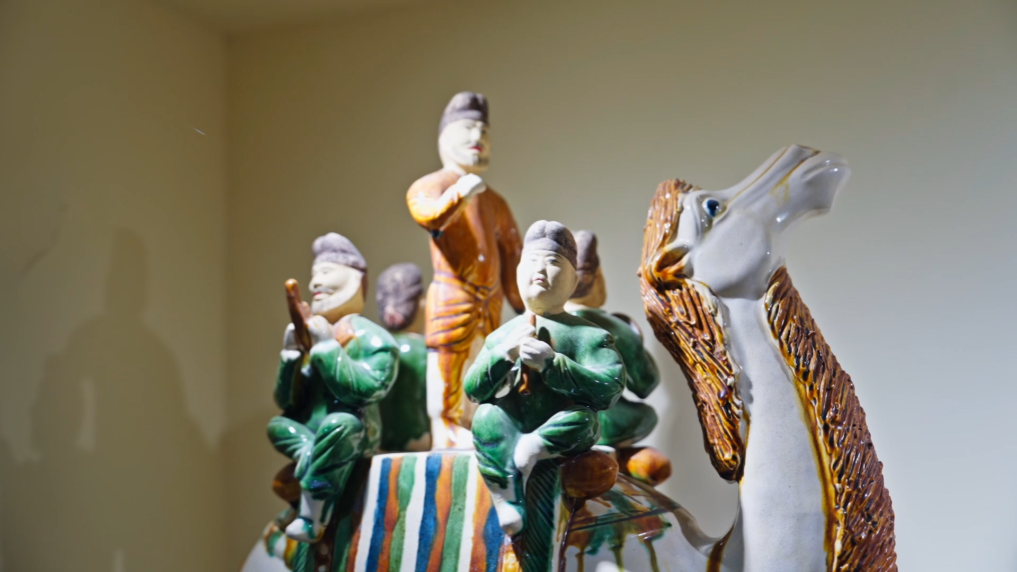
Core Perspective - Tang Sancai, known as the "Oriental Art Treasure," has a history of over 1300 years and was listed as a national intangible cultural heritage representative project in 2008 [1] Group 1: Historical Significance - The craftsmanship of Tang Sancai originated in the Tang Dynasty, with artisans gathering in the Mengjin District of Luoyang, Henan Province, to create exquisite pieces through traditional firing techniques [1] Group 2: Modern Developments - Today, Nanshishan Village in Mengjin District is renowned for producing Tang Sancai, featuring a theme park and displays of Tang Sancai in local homes, attracting numerous tourists [3] - The kilns for producing Tang Sancai have evolved from traditional wood-fired kilns to coal, gas, and electric kilns, reflecting innovation in the preservation of this craft [3] Group 3: Economic and Cultural Impact - Nanshishan Village integrates production, sales, and educational activities, with over 1600 professional artisans and 81 cultural enterprises [6] - Local initiatives are enhancing the Tang Sancai craft through training centers, museums, and cultural research institutions, contributing to the preservation of intangible cultural heritage and enriching rural tourism [6]

四川丹棱:“幸福山货”出山 产业“赋能加码”
Zhong Guo Jing Ji Wang· 2025-08-12 14:42
Core Insights - The event "Happiness Mountain Goods Festival: Li Xiang Shunlong Season" in Danling County showcased local agricultural products and cultural heritage, attracting guests and merchants to promote rural development [1][2][3] Group 1: Agricultural Products - The high-altitude crispy red plums, known as "red agate," are cultivated in a 12,000-acre orchard, yielding an annual output of 15,000 tons, characterized by a sweet and slightly sour taste [2] - The region also features over 300 acres of Dendrobium cultivation, producing various tea products, and an 8,400-acre high-altitude tea garden that offers refreshing green tea [2] - Local specialties include traditionally smoked cured meats, free-range chickens, and honey made from wildflowers, reflecting the community's agricultural richness [2] Group 2: Cultural Heritage - The event highlighted traditional tea culture through tea ceremonies and showcased the craftsmanship of woodblock printing, allowing attendees to experience the depth of local cultural heritage [2] - The festival served as a platform for promoting local intangible cultural heritage, enhancing community engagement and cultural appreciation [2] Group 3: Tourism and Investment - The event facilitated investment in local homestays, with potential for transforming idle farmhouses into operational accommodations, enhancing rural tourism [3] - Collaborations were established between local villages and homestay operators to develop boutique accommodations, contributing to the preservation of local culture and heritage [3] - Future plans include ongoing seasonal agricultural product events to attract more visitors to Danling and promote the integration of agriculture, culture, and tourism [4]
石榴花开北疆红·籽籽同心家国情 | 在非遗里触摸“文化脉动”
Yang Guang Wang· 2025-07-29 11:21
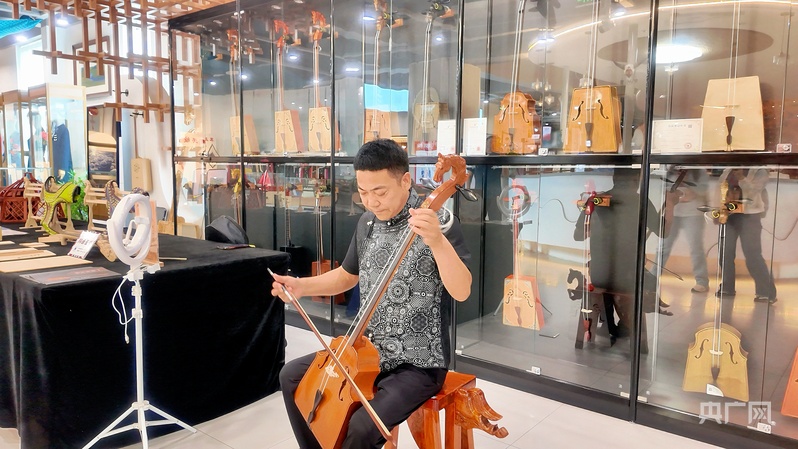
Core Viewpoint - The article highlights the cultural significance and economic impact of traditional Mongolian arts, particularly focusing on the promotion of intangible cultural heritage through various exhibitions and local craftsmanship in Inner Mongolia's Xiang'an League [1][7]. Group 1: Cultural Heritage and Arts - The Xiang'an League's cultural center features various exhibitions, including traditional performances and displays of ethnic costumes, showcasing the vibrancy of grassland arts [1]. - The center serves as a platform for promoting Mongolian culture, with a focus on traditional instruments like the Morin Khuur (horsehead fiddle), which plays a vital role in Mongolian celebrations and daily life [2]. Group 2: Economic Impact and Employment - The establishment of the Mengdi Cultural Development Company by Wang Sheng has created job opportunities for local herders, with 80% of the workforce being from the village, contributing to local economic development [2]. - Each employee at the company earns an additional income of 3,000 to 5,000 yuan per month through the production and teaching of Morin Khuur [2]. Group 3: Educational Initiatives - The company also engages in community support by donating musical instruments and providing free lessons in Morin Khuur playing to local herders, fostering cultural transmission and skill development [2]. - The center features a section dedicated to traditional Mongolian medicine, where visitors can learn about the production of Mongolian herbal incense, further promoting local heritage [3][5]. Group 4: Community and Cultural Identity - The cultural center, which opened in October of the previous year, aims to strengthen national unity and cultural confidence through interactive experiences that resonate with the local population [7]. - The center recreates architectural scenes from six counties in the Xiang'an League, enhancing the visitor experience and showcasing regional diversity [3][7].
巴彦淖尔市传统技艺焕发新生 工坊模式助跑共富
Nei Meng Gu Ri Bao· 2025-06-17 02:50
Core Viewpoint - The Urat Copper and Silverware Intangible Cultural Heritage Workshop has been successfully included in the second batch of "Typical Cases of Intangible Cultural Heritage Workshops" announced by the Ministry of Culture and Tourism, highlighting the efforts in preserving and innovating traditional crafts in Bayannur City [1] Group 1: Non-Heritage Protection and Innovation - Bayannur City has actively explored innovative models for the protection and inheritance of intangible cultural heritage through initiatives like "Intangible Heritage + Cultural Tourism" and "Intangible Heritage + Industry" [1] - The Urat Copper and Silverware Workshop, established in 2019 by Inner Mongolia Jiuqu Baijiang Cultural Development Co., Ltd., relies on the national-level intangible cultural heritage project of Urat Copper and Silverware making techniques [1] Group 2: Economic and Social Impact - The workshop employs a "production + training" and "creation + research practice" model, which has shown significant results in areas such as intangible heritage protection, employment increase, rural revitalization, cultural tourism integration, and strengthening the sense of community among the Chinese nation [1] - Bayannur City aims to integrate intangible heritage protection into rural revitalization and cultural tourism strategies, using traditional crafts as a powerful tool for telling Chinese stories, promoting national unity, and advancing common prosperity [1]
探访鲁绣匠心,解码非遗传承
Qi Lu Wan Bao· 2025-06-16 01:36
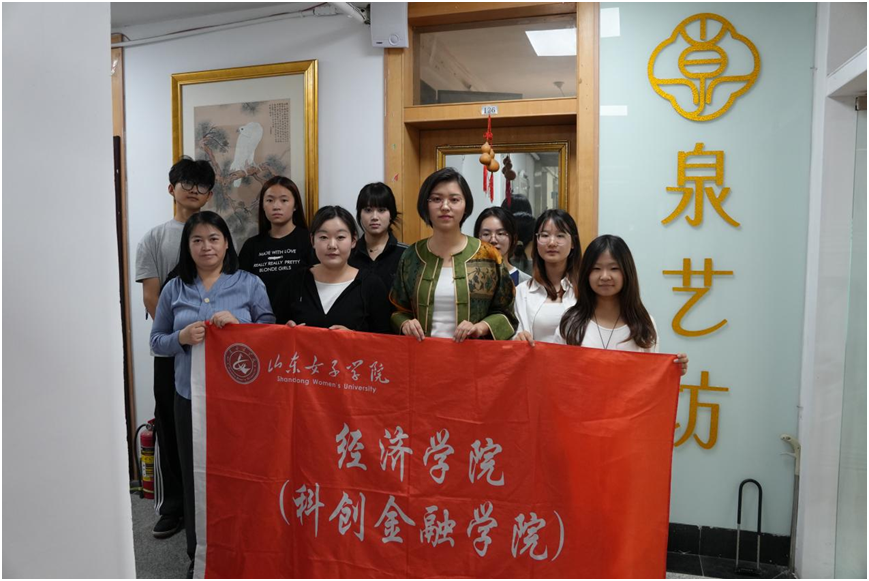
Core Insights - The research team led by Sun Bowen from Shandong Women's University embarked on an in-depth study of the traditional embroidery art "Liu Xiu," focusing on its cultural significance and modern innovation pathways [1][3]. Group 1: Research Objectives and Methodology - The study aimed to explore the historical origins, production techniques, industrial ecology, and future development of Liu Xiu, with a focus on empowering traditional crafts [3]. - The team visited local Liu Xiu workshops, intangible cultural heritage transmission bases, and cultural exhibition halls to conduct systematic research [3]. Group 2: Historical and Cultural Context - Liu Xiu originated during the Spring and Autumn Period and has evolved over a thousand years, forming a unique technical system that integrates the characteristics of Qi and Lu cultures [3]. - The embroidery techniques are characterized by bold needlework and vibrant colors, reflecting the grandeur of Northern culture while emphasizing artisans' meticulous attention to detail [3]. Group 3: Practical Experience and Challenges - Team members observed the complete process of Liu Xiu production, from design to material selection, embroidery, and framing, and practiced various classic stitching techniques [3]. - The research identified contemporary challenges facing Liu Xiu, including gaps in skill transmission, shifts in market demand, and insufficient brand innovation [3]. Group 4: Future Directions and Initiatives - The research will contribute to the development of Liu Xiu cultural and creative projects and the digital dissemination of its techniques [4]. - The team aims to transform research findings into actionable initiatives to support the transmission of Liu Xiu through innovative design and industry-academia collaboration [4].
从乡土手艺到国际订单:凤翔泥塑的产业化破局与年轻化突围
Zhong Guo Jing Ji Wang· 2025-05-27 05:16
Core Insights - The article highlights the thriving development of the mud sculpture industry in Liu Ying Village, known as "China's First Mud Sculpture Village," with an annual output value exceeding 40 million yuan and products exported to over 30 countries and regions [1][2]. Group 1: Industry Development - Liu Ying Village has over 200 households and thousands of people engaged in the mud sculpture industry, which has seen significant growth due to collective efforts and a focus on cultural tourism [1][2]. - The mud sculpture industry in Fengxiang has a rich history dating back to the Western Zhou period, characterized by vibrant colors and traditional patterns, and was recognized as a national intangible cultural heritage in 2006 [1][2]. Group 2: Key Figures and Innovations - Hu Xinming, a representative inheritor of the Fengxiang mud sculpture, has played a pivotal role in promoting the craft, including showcasing it internationally and creating over 180 new varieties of mud sculptures [2][3]. - The introduction of a closed-loop cooperation model involving "company + cooperative + farmers" has enhanced production efficiency and created job opportunities for over 320 local residents [3]. Group 3: Youth Engagement and Modernization - The younger generation, represented by Hu Jinwei, is modernizing the mud sculpture art by integrating it with contemporary design and lifestyle products, appealing to younger consumers [4][5]. - Hu Jinwei has developed various derivative products and educational programs to promote traditional culture among local schools and universities, attracting thousands of participants annually [5][6]. Group 4: Cultural Significance and Future Aspirations - The mud sculpture culture embodies the hopes and positive attitudes of local people towards life, and there is a strong emphasis on maintaining traditional elements while adapting to modern consumer trends [6][7]. - Plans for a Fengxiang mud sculpture cultural and creative competition aim to engage more young talents in the innovative development of the craft, expanding its presence in everyday life [7].
"文脉中国"非遗数字化活态传承工程在江西景德镇启动
Zhong Guo Xin Wen Wang· 2025-05-27 01:20
Core Points - The "Cultural Pulse of China" project aims to digitally preserve and promote intangible cultural heritage, particularly focusing on the ceramic culture of Jingdezhen, a city known for its historical significance in porcelain production [1][2] - The project emphasizes the need for systematic engineering and continuous innovation in the protection of intangible cultural heritage, highlighting its importance as a genetic code of Chinese civilization [1] - The initiative will utilize a three-pronged approach of "digital recording + new media dissemination + immersive experience" to create a comprehensive ecosystem for heritage transmission [2] Group 1 - The project will establish a non-material heritage database by interviewing inheritors and experts to preserve oral history and facilitate the collection, storage, and dissemination of heritage information [2] - New media live streaming will be employed to showcase and promote Jingdezhen's unique intangible cultural heritage products across diverse platforms [2] - The project will also include offline initiatives, such as setting up a digital ceramic research base to develop exhibitions and digital art products [2] Group 2 - The project is expected to leverage collaboration among government, industry, academia, research, and media to promote the orderly transmission of Chinese cultural heritage in the digital age [2] - The launch ceremony featured stories from Chinese arts and crafts masters and local inheritors, showcasing the innovative vitality of Jingdezhen [2] - The project aims to serve as a model for expanding the digital preservation of intangible cultural heritage across the country, starting from Jingdezhen [2]
“绣”出美好新生活(我与非遗)
Ren Min Ri Bao Hai Wai Ban· 2025-05-23 21:17
Core Viewpoint - The Yizu embroidery industry in Chuxiong has become a significant source of income for women, showcasing traditional craftsmanship through innovative designs and modern applications [11][12][13]. Group 1: Industry Overview - The Chuxiong Yizu embroidery, with a history of nearly 1800 years, was listed as a national intangible cultural heritage in 2014 [11]. - Traditional Yizu embroidery features vibrant colors and intricate patterns, utilizing techniques such as flat embroidery and pile embroidery [11]. - The local government has implemented policies to support the Yizu embroidery industry, enhancing its role as a source of income for women [13]. Group 2: Company and Innovation - Jin Rui Rui, an eighth-generation inheritor of Yizu embroidery, has played a crucial role in innovating the craft by integrating it into modern products like handbags, accessories, and clothing [12]. - The company founded by Jin Rui Rui has helped over a thousand local embroiderers increase their income [13]. - In 2024, the Yizu embroidery industry is projected to achieve an added value of 312 million yuan, benefiting tens of thousands of people [13].
全国首例!南京有了非遗产业园,首批十余个项目已入驻
Yang Zi Wan Bao Wang· 2025-04-23 12:50
Group 1 - The core idea of the news is the launch of the "New Industry · Imprint Intangible Cultural Heritage Industrial Park" in Nanjing, which aims to revitalize intangible cultural heritage (ICH) in modern society and create a comprehensive urban landmark [1][2] - The industrial park is the first of its kind in the country, located in a prime area of Nanjing, integrating industry, ICH, research, sales, and cultural tourism [1][2] - The project emphasizes the importance of preserving historical architecture while modernizing it, creating multifunctional spaces for showcasing ICH [2][3] Group 2 - The park will feature various ICH projects, including traditional crafts such as gold and silver craftsmanship, Nanjing paper-cutting, and Nanjing wood carving, among others [2] - Collaborations with local universities aim to leverage academic research for the systematic transformation of ICH [2] - The event highlighted the vitality of Nanjing's gold foil craftsmanship and provided new ideas for the integration of traditional culture with modern economy [3]