
职业教育

Search documents
ST开元:12月11日召开董事会会议
Mei Ri Jing Ji Xin Wen· 2025-12-11 10:48
Group 1 - ST Kaiyuan held its 11th meeting of the 5th Board of Directors on December 11, 2025, via online communication to review the proposal for amending the "Audit Committee Work Rules" [1] - For the year 2024, ST Kaiyuan's revenue composition is as follows: 97.67% from the vocational education sector, 2.05% from other businesses, and 0.28% from new energy [1] - As of the report date, ST Kaiyuan's market capitalization is 1.6 billion yuan [1]

数商兴农“双师型”名师团队如何赋能职业教育可持续发展
Yang Shi Wang· 2025-12-11 09:47
Core Insights - The integration of digital economy and rural revitalization has led to a rapid development of the agricultural industry, creating a pressing demand for versatile and practical talents [1] - The "dual-teacher" model serves as a crucial vehicle for industry-education integration, aiming to enhance vocational education and align talent cultivation with industry needs [1] Group 1: Industry Alignment - The studio conducted in-depth research to identify new trends in the digital agriculture industry, ensuring that students' career development starts from a precise industry alignment [2] - Collaboration with enterprises has led to the development of a comprehensive teaching mechanism that includes professional construction, curriculum development, and shared resources [3] - Regular adjustments to the curriculum and teaching modules are made based on real-time industry feedback, ensuring that educational content remains relevant and aligned with market demands [4] Group 2: Skill Development - A dual-track teaching system combining theory and practice has been established to solidify students' foundational skills and broaden their career development paths [5] - Real-world projects are utilized to enhance students' core skills, allowing them to engage in tasks that develop their digital business capabilities and teamwork [6] Group 3: Outcome Transformation - The quality of employment serves as a direct measure of the effectiveness of vocational training, with students demonstrating strong competitiveness in the job market [8] - The studio has produced innovative educational resources, such as specialized textbooks and online courses, which have contributed to students' practical skills and competitive edge [9] - The studio's contributions to social development and recognition from various sectors highlight its effectiveness in talent cultivation and its role in supporting rural revitalization [10] Group 4: Comprehensive Impact - The "dual-teacher" model has created a precise empowerment system that transforms industry knowledge into transferable core skills for students, witnessing multidimensional outcomes in their career development [11]
赋能航空产业高质量发展 江苏航空职业技术学院科学技术协会成立
Yang Zi Wan Bao Wang· 2025-12-11 07:51
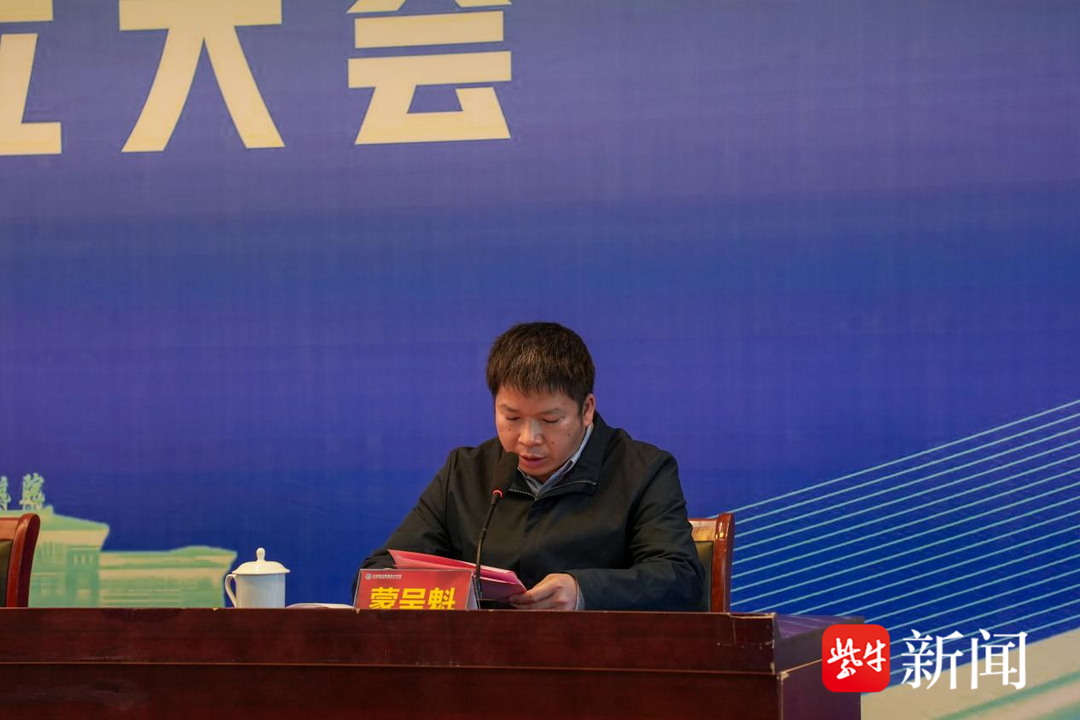
现场 扬子晚报网12月11日讯(通讯员宋静怡记者万凌云姜天圣)12月10日下午,在镇江市科协的指导下,江苏航空职业技术学院科学技术协会成立大会在大学 生"一站式"服务中心召开。镇江市科协党组成员、副主席翟海,镇江经开区科信局党组书记、局长蒙呈魁,学院党委书记谭坚强,党委副书记、院长高尚 兵,党委副书记戴金跃以及学校会员共150余人参会。会议由戴金跃主持。 现场 现场 大会在全体奏唱国歌的庄严气氛中正式拉开序幕。蒙呈魁首先致辞,他对学校科协的成立表示热烈祝贺,充分肯定了江苏航空职业技术学院在航空职业教 育领域的办学特色与科技创新基础。他指出,高校科协是推动高校科技事业发展的重要力量,希望学校科协成立后,紧紧围绕服务国家航空产业发展战略 和地方经济社会发展需求,搭建高水平科技创新平台,促进产教融合,激发科技工作者创新活力,在学术交流、技术创新、人才培养等方面展现新作为, 为镇江乃至江苏航空产业高质量发展贡献智慧和力量。 会上,翟海宣读《关于同意成立江苏航空职业技术学院科协的批复》。 学校科研处仪杰宣读了江苏大学、镇江市高等专科学校科协对该校科协成立的贺信。 现场 现场 现场 谭坚强在讲话中表示,科技创新是院校内涵 ...

京疆携手、职教同行,京疆职业教育发展论坛在和田举办
Xin Jing Bao· 2025-12-10 23:37
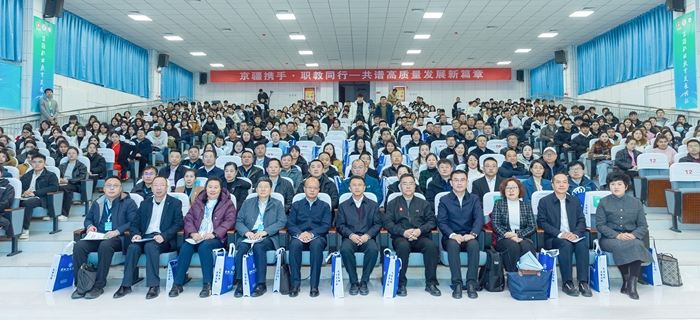
Core Viewpoint - The "Beijing-Xinjiang Vocational Education Development Forum" aims to enhance collaboration between Beijing and Xinjiang in vocational education, focusing on high-quality development and resource sharing [1][14]. Group 1: Forum Overview - The forum was co-hosted by the Beijing Aid Xinjiang Hetian Command, the Hetian Regional Administrative Office, and Capital Normal University, gathering nearly 500 participants from various educational institutions and enterprises [1][3]. - The theme of the forum is "Beijing and Xinjiang Work Together in Vocational Education - Co-writing a New Chapter of High-Quality Development" [1]. Group 2: Government and Institutional Support - The Deputy Secretary of the Hetian Regional Committee emphasized vocational education as a cornerstone for improving livelihoods and supporting industrial upgrades, with plans to deepen one-on-one assistance mechanisms and strengthen dual-teacher training [3][6]. - The Vice President of Capital Normal University highlighted the need for policy alignment and collaboration with government departments to enhance educational pathways and industry integration [5][6]. Group 3: Expert Contributions and Insights - Experts shared insights on vocational education policies and development strategies, with a focus on the achievements of the Beijing-Xinjiang vocational education collaboration project over the past two years [7]. - The forum featured discussions on sustainable collaborative development mechanisms and new models for integrating education and industry [12][14]. Group 4: Practical Outcomes and Achievements - The "Master Workstation" was officially launched during the forum, with certificates awarded to seven specially appointed experts and three outstanding instructors, aiming to strengthen professional collaboration [8][10]. - The Beijing-Xinjiang vocational education collaboration project has resulted in over 380 achievements in areas such as professional development and curriculum design, significantly enhancing teaching management capabilities [14].
积累学分置换技能证书 多地院校改革打通人才就业壁垒
Yang Shi Xin Wen· 2025-12-10 07:33
Core Viewpoint - The article discusses the innovative "credit substitution" mechanism in vocational education, allowing students to earn skill certificates through accumulated credits from practical training and competitions, thus facilitating a seamless transition from education to employment [1][2]. Group 1: Credit Substitution Mechanism - The "credit substitution" mechanism allows students to integrate various assessments into their daily learning, enabling them to accumulate both theoretical knowledge and practical skills while reducing their burden and enhancing their employability [2][3]. - This approach aligns the core curriculum of vocational programs with national occupational standards, ensuring that students' learning outcomes are directly relevant to industry needs [2][3]. Group 2: Industry Alignment - The integration of national vocational skill standards into the curriculum addresses the disconnect between educational content and industry requirements, enhancing the relevance of skill certificates to students' learning capabilities [3][4]. - The pilot program in Ma'anshan aims to embed skill evaluations throughout the educational process, ensuring that skill acquisition and credit accumulation work in tandem [3][6]. Group 3: Local Industry Integration - Institutions like Yichun Vocational Technical College are aligning their curricula with local industry demands, particularly in the health care and new energy sectors, allowing students to earn certifications through practical training and coursework [6][7]. - The collaboration between Yichun College and local lithium battery companies exemplifies how "credit substitution" can be effectively implemented in specialized fields, enhancing the employability of graduates [7]. Group 4: Employment Outcomes - The "credit substitution" mechanism is seen as a way to help students secure employment more effectively by providing them with relevant skill certifications upon graduation, thus clarifying their career paths [8]. - This reform is expected to lead to higher quality employment opportunities for graduates, as they will possess both academic credentials and practical skills that meet market demands [8].
政策红包砸向教育!板块直线拉升,中公教育涨停,职教赛道迎风口
Jin Rong Jie· 2025-12-10 06:57
Core Insights - The A-share education sector has experienced a significant surge, becoming a key highlight in the consumer services sector, characterized by a "leading stocks rallying and multiple points blooming" active pattern [1] - The vocational education market is projected to exceed 1 trillion yuan, with policies driving industry expansion, supported by a robust compound annual growth rate of 15.3% from 2025 to 2030 [1][2] - The demand for public service training has surged, with a notable increase of 400,000 applicants for civil service exams, indicating a clear trend towards "public service fever" [2] Group 1: Vocational Education - The vocational education market is expected to grow to approximately 1.12 trillion yuan by 2025, with an online vocational education market projected to reach 780 billion yuan and a user base exceeding 320 million [1][2] - The "1+X" certificate system is being fully promoted, establishing vocational education as equally important as general education, providing solid policy support for industry development [1] - The vocational skills certification market is anticipated to exceed 30 billion yuan by 2025, with the "1+X" certificate system covering over 50% of vocational skill areas [3] Group 2: Private Higher Education - Private higher education institutions are becoming the main providers of new higher education demand as public universities reduce expansion efforts, with policies encouraging compliance in private education development [2][3] - The flexibility in program offerings and depth of industry-education integration positions private colleges favorably, with potential for increased enrollment and tuition pricing [3] Group 3: Education Information Technology - The education information technology sector is benefiting from technological advancements, with 5G and AI driving the intelligent upgrade of online vocational education platforms [3] - Investment in education information technology is expected to account for 18% of total vocational education expenditure by 2025, indicating a growing trend towards digital transformation in education [3] - Companies like All-in Education and Dou Shen Education are well-positioned to benefit from the digitalization of education, particularly in personalized learning scenarios [3]

有话“职”说丨广东技术师范大学许玲:职业教育真正的春天来了
2 1 Shi Ji Jing Ji Bao Dao· 2025-12-10 06:32
Core Viewpoint - The article highlights the significant transformation and increasing recognition of vocational education in China, particularly in Guangdong province, as it adapts to the demands of modern industries and societal needs [1][2][5]. Group 1: Vocational Education Trends - Vocational colleges are experiencing a surge in popularity, with students increasingly choosing them over traditional universities, as evidenced by high enrollment numbers and competitive admission scores [1][5]. - The expansion of vocational education is a response to the urgent need for skilled talent in manufacturing and service industries, reflecting a shift in societal perceptions towards vocational training [1][2][5]. Group 2: Role of Vocational Education - Vocational education is positioned as a crucial foundation for new productive forces, essential for transforming technological innovations into actual productivity [3][5]. - It plays a vital role in addressing employment and living standards, directly impacting the quality of life for many families [3][5]. Group 3: Changes in Perception - The perception of vocational education has shifted from being a second-choice option to a respected pathway, with many students returning to vocational schools for further training after obtaining university degrees [4][5][6]. - The increasing demand for skilled workers in emerging industries is driving this change, as traditional academic paths may not align with current job market needs [6][11]. Group 4: Adaptation to Industry Needs - Vocational education must evolve to meet the challenges posed by technological advancements, particularly in automation and artificial intelligence, which require a new breed of skilled workers [8][10]. - The educational approach is shifting towards a more comprehensive skill set, emphasizing not just technical skills but also soft skills and adaptability to changing job requirements [9][10]. Group 5: Future Directions - The article outlines several strategic adjustments needed in vocational education, including upgrading the educational framework, enhancing industry collaboration, and addressing the employment landscape shaped by technological changes [11][12]. - There is a call for a more integrated approach to talent cultivation, involving government, industry, and educational institutions working together to meet the evolving demands of the job market [11][12].

研报掘金丨华西证券:维持中汇集团“买入”评级,FY2025分红稳健
Ge Long Hui A P P· 2025-12-10 06:23
Core Viewpoint - Huaxi Securities published a report indicating that Zhonghui Group's FY2025 total revenue, net profit attributable to shareholders, and adjusted net profit attributable to shareholders are projected to be 2.489 billion, 514 million, and 592 million yuan respectively, with a proposed final dividend of 0.074 HKD per share and an interim dividend of 0.066 HKD per share, resulting in a dividend payout ratio of 30% and a corresponding dividend yield of 9.66% [1] Group 1 - The group's revenue from tuition, accommodation, and non-degree vocational education services for the reporting period was 2.156 billion, 205 million, and 128 million yuan respectively, showing year-on-year growth of 6.3%, 4.9%, and 46.3% [1] - The total number of students enrolled in the group showed steady growth, reaching 99,800 by the end of FY2025, an increase of 4.4% year-on-year [1] Group 2 - In the short term, a decline in student enrollment is expected for FY26 due to the company's proactive reduction of enrollment plans for specialized undergraduate programs aimed at professional upgrading and high-quality development; however, a stable growth is anticipated for FY27 [1] - Future growth points for the company are expected to arise from the integration of industry and education, as well as social training [1] - Progress has been made in international education, with the first batch of foreign students welcomed this year, and active preparations for a teaching center in Hong Kong and overseas, indicating potential recovery in overseas business [1]

南阳科技职业学院与郑州伊贝家集团举行校企合作座谈会
Sou Hu Cai Jing· 2025-12-09 22:40
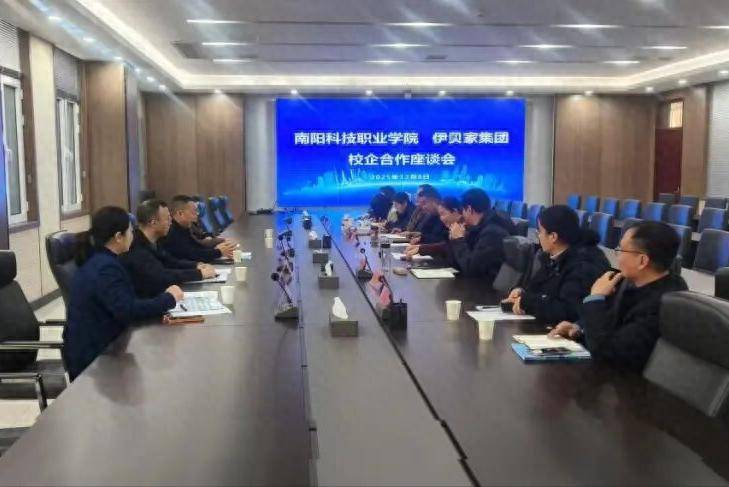
会上,双方代表在全体人员见证下正式签署校企合作协议。仪式结束后,双方围绕实习实训基地共建、定向人才培养、师资互聘互用、联合科研攻关、职业 资格认证等议题深入探讨,达成多项共识。 此次座谈会为双方搭建了高效沟通平台,标志着南阳科技职业学院与伊贝家集团的合作迈出实质性步伐。未来,双方将秉持"优势互补、互利共赢"原则,推 动产教深度融合,为母婴护理产业高质量发展注入新动能。(王达嘉) 声明:本文转载自《南阳科技职业学院》,旨在扩大信息传播渠道,激发社会各界对邓州教育发展的关注和支持。如有不妥之处,请及时私信告知,我们将 在第一时间给予处理。 12月8日,南阳科技职业学院与郑州伊贝家集团校企合作座谈会在智圣楼一号会议室举行。郑州伊贝家集团创始人、总经理母磊,运营总监范双浩,行政总 监张敏,南阳科技职业学院校长郭淼,副校长刘彦及招生就业处、护理学院相关负责同志参加仪式。仪式由刘彦主持。 座谈会上,与会人员同观看学校宣传片,直观了解学校办学积淀、产教融合成果及专业布局特色。郭淼致辞,介绍了学校坚持 "产教融合、校企合作" 的办 学理念,强调校企合作推动职业教育高质量发展的核心路径,此次合作既为学生搭建实践与就业的优质平台 ...
菏泽市牡丹人民医院与菏泽家政职业学院、菏泽卫生学校签订协议
Qi Lu Wan Bao· 2025-12-09 06:54
在全体参会人员的共同见证下,双方代表共同签署合作协议,并完成"校企合作基地"授牌,标志着菏泽 市牡丹人民医院与院校的合作正式进入实质性推进阶段。 此次合作是菏泽市牡丹人民医院深化医教协同、履行社会责任的重要实践。未来,医院将严格履行协议 约定,以优质的医疗服务、专业的教学支持,与院校携手共进,既为学生健康保驾护航,也为医学人才 成长搭建阶梯,更为区域卫生健康事业高质量发展贡献一份力量。 为充分发挥医疗机构临床资源优势,保障学生生命健康安全,持续推动区域医教协同高质量发展,12月 4日,菏泽市牡丹人民医院与菏泽家政职业学院、山东省菏泽卫生学校合作签约仪式顺利举行。菏泽市 牡丹人民医院党委书记、院长高庆祥,党委副书记、副院长李国强,副院长王本昀、蔡文,医务科科长 魏贵玲出席仪式,与菏泽家政职业学院党委委员、山东省菏泽卫生学校党委书记王伟献、山东省菏泽卫 生学校校长魏东等院校代表共同擘画合作发展新蓝图。 仪式现场,高庆祥首先代表医院简要介绍发展概况。他表示,菏泽市牡丹人民医院作为区域医疗服务的 重要力量,综合实力突出,不仅拥有完善的临床诊疗体系,更沉淀了丰富的实践教学资源。此次与院校 合作,既要充分发挥医疗优势全力 ...