粮食种植

Search documents
“北大仓”丰收在望
Xin Hua She· 2025-09-23 05:32
Core Insights - Heilongjiang Province, as China's largest grain-producing area, is expected to achieve a bumper harvest this year due to favorable weather conditions and advancements in agricultural technology [1] Group 1: Rice Production - In Wuchang City, over 2.5 million acres of rice are entering the harvest season, with organic rice yields expected to reach 1,000 pounds per acre, an increase of 60 to 70 pounds compared to last year [2] - The Hongyang Organic Planting Cooperative has partnered with e-commerce platforms like JD.com to secure sales for 8,500 acres of rice out of 13,000 acres planted [2] - In Longwangmiao Village, rice planting has increased yields by 50 to 100 pounds per acre compared to last year, with 2,200 acres of customized rice production [5][7] Group 2: Agricultural Innovations - The implementation of the "shrimp-rice co-culture" model in Longwangmiao Village has increased farmer income by 5%, demonstrating effective agricultural diversification [5] - In the Taiping Village of Wudalianchi City, the adoption of large ridge planting techniques has led to expected yields of 467 pounds per acre [8] - The overall focus on high-quality farming practices, including organic fertilization and green pest control, has improved crop yields and sustainability in the region [8] Group 3: Overall Agricultural Performance - Heilongjiang Province has seen better growth in major crops like corn, rice, and soybeans compared to the previous year, attributed to high-quality preparation and management practices [8] - The province's agricultural sector is actively preparing for the harvest season, ensuring that machinery is ready and that farmers are equipped for timely grain collection [8]

2025年8月全国小麦(中等)集贸市场价格当期值2.81元/公斤,同比下滑1.8%
Chan Ye Xin Xi Wang· 2025-09-23 03:26
相关报告:智研咨询发布的《2025-2031年中国小麦行业市场运行格局及前景战略分析报告》 数据来源:国家统计局 2025年8月,全国小麦(中等)集贸市场价格当期值为2.81元/公斤,比2025年7月下降0元/公斤,环比下 滑0.2%,降幅减少0.6个百分点,同比下滑1.8%,增幅增加0.2个百分点。 近一年全国小麦(中等)集贸市场价格统计图 ...

2025年8月全国粳稻(中等)集贸市场价格当期值3.19元/公斤,同比下滑3.7%
Chan Ye Xin Xi Wang· 2025-09-23 03:26
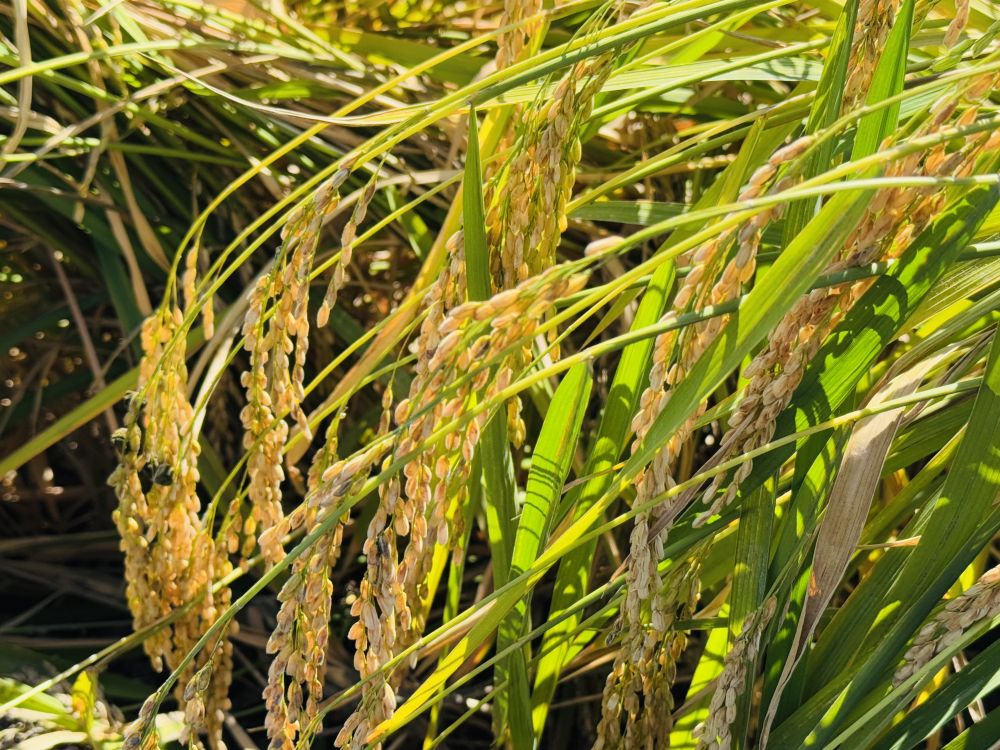
相关报告:智研咨询发布的《2025-2031年中国粮食行业市场行情监测及投资前景分析报告》 2025年8月,全国粳稻(中等)集贸市场价格当期值为3.19元/公斤,比2025年7月下降0.01元/公斤,环 比下滑0.1%,降幅减少0.3个百分点,同比下滑3.7%,降幅减少0.4个百分点。 近一年全国粳稻(中等)集贸市场价格统计图 数据来源:国家统计局 ...

日本大米“涨价潮”重现 零售价逼近历史最高值
Xin Hua Wang· 2025-09-23 02:18
Group 1 - The average price of a 5-kilogram bag of rice in Japan has reached 4,275 yen (approximately 205.5 RMB), marking a continuous increase for three weeks and nearing historical highs [1] - The price increased by 120 yen (approximately 5.8 RMB) from the previous week, remaining above 4,000 yen (approximately 192 RMB) for two consecutive weeks [1] - The surge in rice prices is attributed to the introduction of relatively expensive new rice and a decrease in the supply of government reserve rice [3] Group 2 - In May, the average retail price of a 5-kilogram bag of rice peaked at 4,285 yen (approximately 206 RMB), the highest recorded price in Japan [3] - Factors contributing to the price increase include extreme high temperatures leading to poor rice harvests and a previous warning about the potential for earthquakes, which caused panic buying and a temporary rice shortage [3] - Although the new rice has alleviated some of the supply issues, rice prices remain elevated [3]
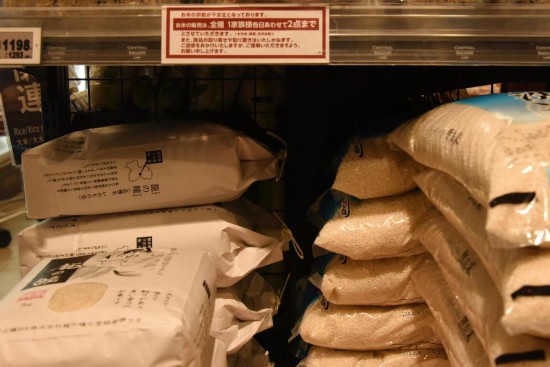
日本大米涨价潮重现 零售价逼近历史最高值
Yang Shi Xin Wen Ke Hu Duan· 2025-09-23 01:29
Core Viewpoint - Japan is experiencing a new wave of rice price increases, with the average price of a 5-kilogram bag reaching 4,275 yen (approximately 205.5 RMB), nearing the historical high of 4,285 yen recorded in May this year [1] Group 1: Price Trends - The average price of rice in Japan has risen for three consecutive weeks [1] - The current price is close to the historical peak, indicating a significant upward trend in rice prices [1] Group 2: Contributing Factors - The increase in rice prices is attributed to the market introduction of relatively expensive new rice, which has raised overall prices [1] - A reduction in the supply of affordable government reserve rice has also contributed to the price surge [1] - Extreme high temperatures leading to poor rice harvests since the summer of 2024 have further exacerbated the situation [1]
大春应季粮食收获进度近七成,形势向好 秋粮满仓在望
Si Chuan Ri Bao· 2025-09-23 00:16
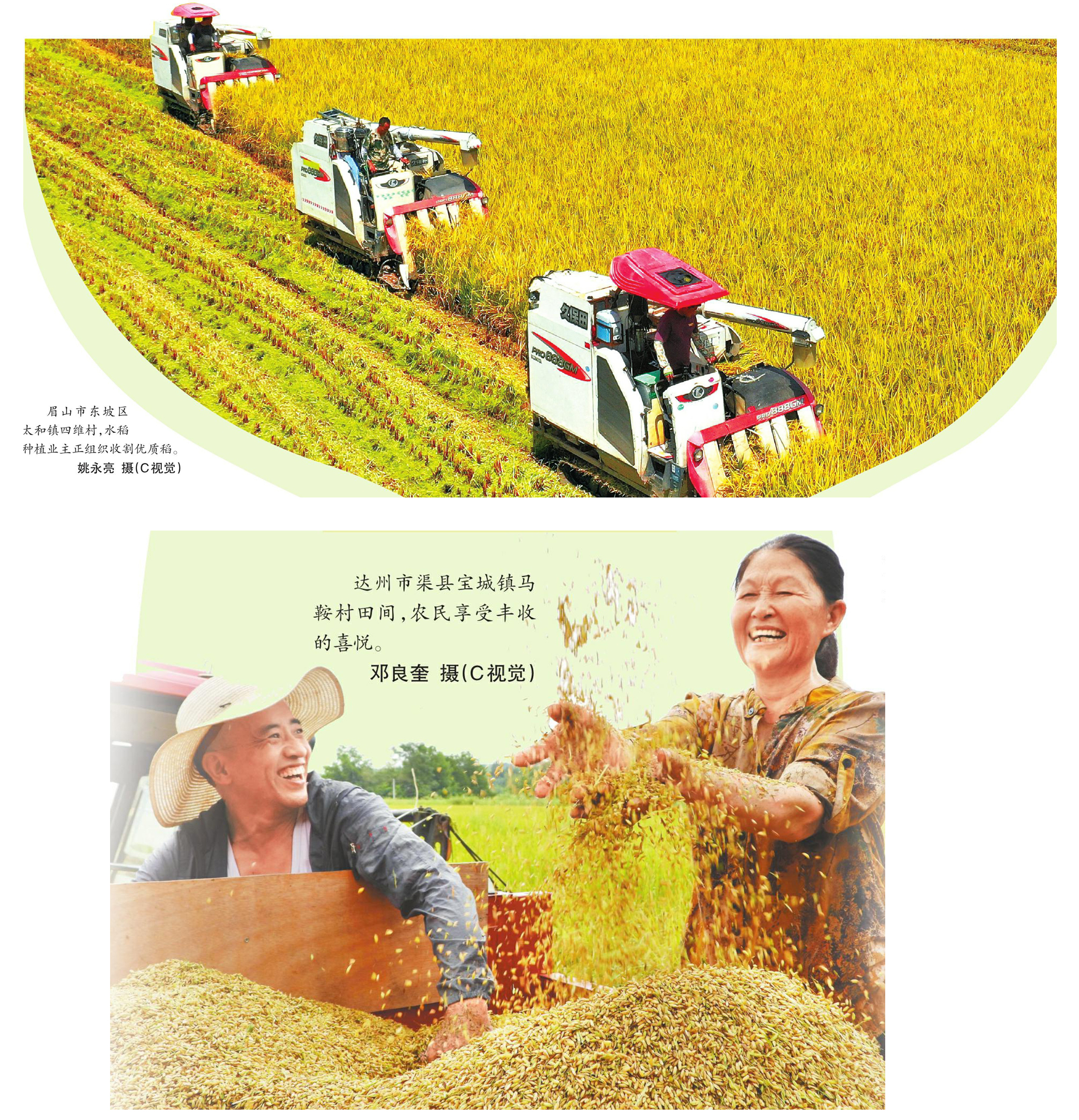
Core Insights - The article highlights the successful harvest of rice and other crops in Sichuan province, with expectations of increased yields due to various agricultural initiatives and support programs [4][5][9] Group 1: Harvest Progress - As of September 23, the harvest progress for major crops in Sichuan is nearing 70%, with a strong outlook for autumn harvests [4] - The total yield of rice and wheat managed by a cooperative in Chengdu is expected to exceed 7,000 tons this year, indicating a significant increase in production [4] Group 2: Agricultural Initiatives - The "Tianfu Granary: Hundred Counties and Thousand Pieces" initiative has been instrumental in improving crop yields through technology and support services, leading to higher average yields in various regions [5] - In Meishan, rice farmers report an average yield of 800 kg per mu, attributed to the benefits of the aforementioned initiative [5] Group 3: Quality Improvement - Sichuan has introduced 50 agricultural leading varieties for 2025, including 10 rice varieties, which are expected to yield higher and be more resilient [7] - Farmers are receiving substantial subsidies, with rates of 100 yuan per mu in the Chengdu Plain and 200 yuan per mu in hilly and mountainous areas, enhancing their confidence in agricultural production [7] Group 4: Post-Harvest Management - The early arrival of autumn rains has posed challenges for grain drying, but the establishment of 347 grain post-harvest service centers has significantly increased drying capacity to 32,000 tons per day [8] - Farmers are encouraged to purchase drying equipment, with subsidies for mobile dryers increased to 40%, ensuring effective post-harvest management [8] Group 5: Future Outlook - The focus of agricultural work is shifting from harvest to autumn sowing and management, with efforts to restore soil fertility and ensure proper storage of harvested grains [9] - The government is actively promoting market connections to ensure a smooth transition from production to sales, aiming for sustained agricultural growth and farmer income [9]
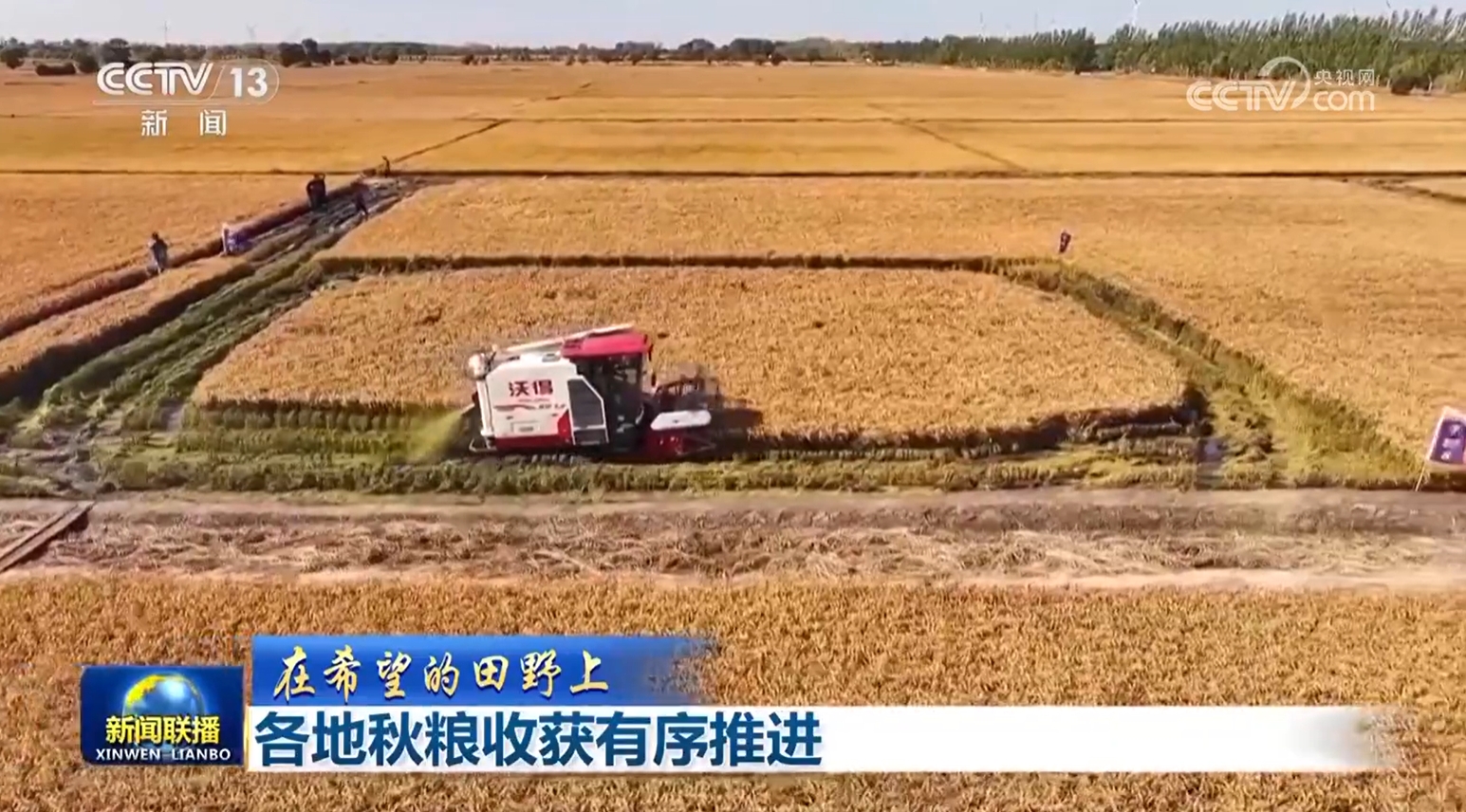
【在希望的田野上】各地秋粮收获有序推进
Yang Shi Wang· 2025-09-22 12:30
Group 1 - The article highlights the successful harvest of autumn grains across various regions in China, emphasizing the implementation of multiple measures to ensure a smooth harvesting process [1] - In Heilongjiang, 30 million acres of saline-alkali land are being utilized for rice cultivation, with new salt-tolerant rice varieties achieving an average yield of over 500 kg per mu, which is an increase of more than 70 kg per mu compared to traditional varieties [3] - Anhui province has over 64 million acres of autumn grains that are nearing harvest, supported by agricultural innovation platforms and the establishment of 38 counties focused on yield improvement [3] Group 2 - Fujian province is advancing large-scale actions to enhance the yield of grain and oil crops, with field tests showing yields generally higher than the previous year, and nearly 20% of the mid-season rice has been harvested [5] - In Henan's Anyang city, local village committees have signed agreements with agricultural service centers to manage corn harvesting and straw recovery, integrating harvesting, drying, purchasing, and storage services to ease the burden on farmers [7]
多维度夯实大国粮仓产能根基
Ren Min Ri Bao· 2025-09-22 00:29
Core Insights - The recent implementation of the "Permanent Basic Farmland Protection Red Line Management Measures" and the establishment of innovation hubs in key grain-producing regions highlight China's commitment to food security and self-sufficiency [2][3][4] - The focus on improving grain production capacity through land protection, technological innovation, and farmer motivation is essential for ensuring stable food supply amidst environmental challenges [2][3][4] Group 1: Policy and Regulation - The "Permanent Basic Farmland Protection Red Line Management Measures" will take effect on October 1, emphasizing the importance of farmland protection and management principles [2][3] - The policy aims to promote the "优进劣出" (better in, worse out) principle, reinforcing the foundation for stable production and income growth in agriculture [3] Group 2: Technological Innovation - The establishment of innovation hubs in the Huang-Huai region and Northeast China aims to enhance agricultural technology integration and application, addressing bottlenecks in the innovation chain [4] - The contribution of yield improvement from single crop production has exceeded 80% in recent years, indicating the effectiveness of integrating quality land, seeds, machinery, and methods [3] Group 3: Farmer Engagement - The strategy of "storing grain in the land and technology" emphasizes the need to motivate farmers, particularly smallholders, through subsidies and minimum purchase prices [4] - Initiatives like the "Grain King Competition" and targeted training programs are being implemented to encourage larger producers and farm owners to take the lead in increasing grain yields [4] Group 4: Environmental Challenges - Despite adverse weather conditions such as droughts and heavy rainfall, China has managed to stabilize summer grain production and increase early rice yields, setting a solid foundation for a good harvest [2][3] - The effective management of farmland and the application of appropriate strategies in land, technology, and human resources are crucial for achieving agricultural stability [2][3]
多维度夯实大国粮仓产能根基(人民时评)
Ren Min Ri Bao· 2025-09-21 22:00
Core Insights - The recent implementation of the "Permanent Basic Farmland Protection Red Line Management Measures" and the establishment of technological innovation hubs in key grain-producing regions highlight the importance of effective governance and strategic resource allocation in ensuring food security in China [1][2][3] Group 1: Policy and Regulation - The "Permanent Basic Farmland Protection Red Line Management Measures" will take effect on October 1, emphasizing the need for clear principles in the designation, control, and protection of permanent basic farmland [2] - The policy aims to promote the "优进劣出" (better in, worse out) principle, reinforcing the foundation for stable production and increased income in the agricultural sector [2] Group 2: Agricultural Production and Technology - China's agricultural strategy focuses on enhancing both the quantity and quality of arable land, with initiatives like the black soil protection project and high-standard farmland construction [2] - The exploration of technological innovation hubs in the Huang-Huai region and Northeast China aims to address bottlenecks in the agricultural innovation chain, facilitating collaboration among research institutions and enterprises [3] Group 3: Farmer Engagement and Support - The government recognizes the importance of motivating farmers, particularly smallholders, through mechanisms such as grain subsidies and minimum purchase prices to enhance their production enthusiasm [3] - Policies are being developed to link support for new agricultural business entities with income growth for farmers, thereby fostering a more robust agricultural economy [3]
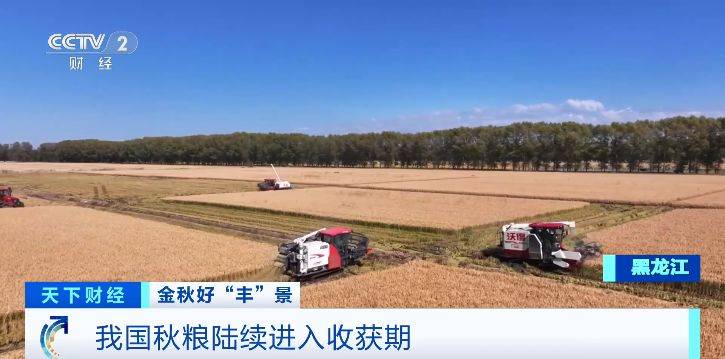
金秋好“丰”景!各地科技助力,我国秋粮陆续进入收获期
Sou Hu Cai Jing· 2025-09-21 10:33
Group 1 - The autumn grain accounts for three-quarters of China's total annual grain production, and the harvest is currently underway with technological support ensuring a solid foundation for a bumper harvest [1] - In Northeast China, particularly Heilongjiang, the grain planting area remains stable at over 22 million acres, with corn planting area around 10 million acres [3] - Jilin province has a rice planting area of 12 million acres, with early harvesting expected due to advanced seedling and transplanting techniques, allowing new rice to be available by the end of September [5] Group 2 - In the middle and lower reaches of the Yangtze River, rice harvesting is progressing rapidly, with over half of the 22 million acres of mid-season rice in Hunan harvested, and high-standard drying and storage projects being implemented to ensure grain quality [7] - In Hubei, over 3 million acres of mid-season rice have been harvested, with initiatives in 55 major grain-producing counties aimed at increasing yield through crop rotation and other sustainable practices [7] - In Southwest China, rice harvesting is nearing completion in Chongqing, where over 90% has been harvested, and expectations for increases in planting area, yield, and total production are high due to comprehensive agricultural improvements [9]