博物馆

Search documents
在乡村建1000个博物馆:守住乡愁 文化新生 | 文化中国行
Zhong Guo Qing Nian Bao· 2025-09-12 12:32
Core Insights - The article highlights the development and significance of rural museums in Zhejiang, with over 1,000 established to preserve local culture and heritage [2][5][10] - These museums serve as cultural hubs, connecting local traditions with broader narratives, and are seen as essential for community engagement and cultural preservation [3][12][14] Group 1: Rural Museum Development - Zhejiang has achieved its goal of establishing 1,000 rural museums during the 14th Five-Year Plan, creating a "living map" of rural culture [2][5] - The museums are categorized into 15 types, including red culture, intangible heritage, and rural memories, showcasing diverse aspects of local history [2][7] - The initiative has been recognized as a model for high-quality development in cultural heritage by the Zhejiang Provincial Cultural Relics Bureau [2] Group 2: Community Engagement and Youth Involvement - Young people are viewed as catalysts for revitalizing rural culture, contributing fresh ideas and energy to museum activities [3][10] - Museums are focusing on self-sustainability and community involvement to maximize their impact and attract visitors [14][15] - The integration of local artisans and cultural practices into museum programming enhances community ties and promotes local heritage [11][17] Group 3: Cultural Preservation and Innovation - The "Transmission Shuttle Museum" collects over 23,000 shuttles, emphasizing the urgency of documenting traditional textile crafts [10][11] - The "Light and Shadow Story Museum" revives the history of rural film projection, showcasing the evolution of local entertainment [6][10] - The "Gucheng Tea Culture Museum" aims to promote both local and international tea culture, enhancing visitor experiences through interactive activities [8][12] Group 4: Economic Sustainability and Growth Strategies - Rural museums are exploring diverse revenue streams, including workshops, cultural products, and tourism experiences to ensure financial viability [14][15] - Collaborative efforts with local businesses and cultural organizations are being implemented to enhance operational capacity and community support [15][16] - The focus on creating engaging, hands-on experiences for visitors is seen as a way to increase foot traffic and foster a deeper appreciation for local culture [16][17]


打开创新“阀门”工业遗产展新“颜” “老空间+文化IP”激活消费“新”潮流
Yang Shi Wang· 2025-09-12 04:18
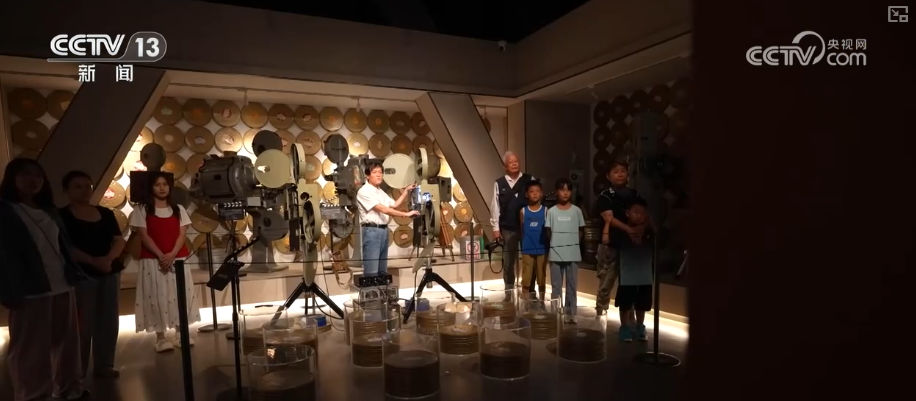
Core Points - The Zhuozhou Film Museum, the first comprehensive film-themed museum in Hebei, has officially opened, transforming the old site of the Zhuozhou Grinding Factory into a space that showcases the charm of cinema through rich exhibits and modern display techniques [1] - The museum features nearly 200 film projectors from different eras, over 20,000 original movie posters from various genres post-1949, and more than 1,000 old film reels, attracting many film enthusiasts [7] - The museum includes five screening rooms, an interactive shadow play area, and a Chinese animation exhibition area, allowing visitors to engage with classic animation stories [12] Summary by Sections - **Exhibits and Features** - The museum houses a "treasure of the museum," the "Tianji" projector from the 1940s, which is a focal point of interest for visitors [7] - The "Tianji" projector's history reflects a condensed industrial history, having been produced in Harbin in 1939 and transferred to local state-owned enterprises in 1950 [9] - **Cultural and Community Impact** - The museum integrates cultural education, exhibition, interactive experiences, and creative leisure functions, meeting the cultural and recreational needs of citizens [13] - It promotes the integration of culture and tourism, revitalizing urban spaces through the preservation of industrial heritage [13]
杭州西湖博物馆20周年 打造世界文化遗产保护样本
Zhong Guo Xin Wen Wang· 2025-09-12 00:56
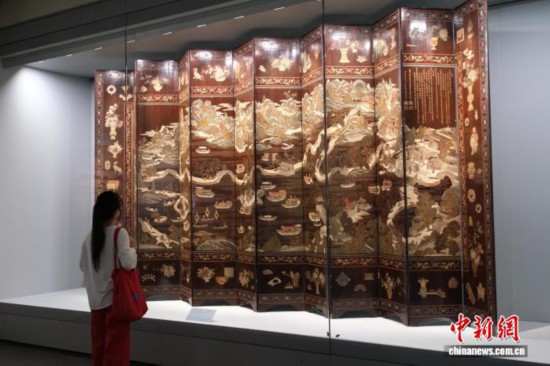
Core Insights - The Hangzhou West Lake Museum celebrated its 20th anniversary, focusing on the protection and transmission of cultural heritage [1][2] - The museum has evolved from having zero artifacts to housing 17,763 items and serving 23 million visitors, becoming a key platform for cultural heritage protection [2] Group 1: Museum Development - The museum was established as China's first lake-themed museum, integrating its design with the natural landscape [1] - It has hosted 254 exhibitions and over 5,000 cultural activities, becoming a central landmark for international cultural exchanges during significant events like the G20 Summit and the 2023 Hangzhou Asian Games [2] Group 2: Cultural Heritage Significance - The West Lake itself is viewed as a "museum" of natural and cultural landscapes, with the museum serving as a window to showcase this integration [1] - Public participation has become a crucial force in the protection of world cultural heritage, with volunteers acting as cultural heritage "ambassadors" [2]
全国备案博物馆总数超7000家
Chang Jiang Shang Bao· 2025-09-11 08:12
Group 1 - The core viewpoint emphasizes the importance of museums in preserving and transmitting human civilization, serving as a bridge between the past, present, and future [1] - During the "14th Five-Year Plan" period, the National Cultural Heritage Administration has implemented a series of reform and development policies to strengthen the top-level design for museums, resulting in a modern museum system with 7,046 registered museums by the end of 2024, including 1,660 national first, second, and third-level museums [1] - Over the past five years, the central government has invested over 15 billion yuan in free admission subsidies, receiving over 4.1 billion visitors, and actively promoting digital construction in museums to enhance public cultural services [1] Group 2 - Annually, over 40,000 exhibitions and more than 500,000 educational activities are held nationwide, effectively promoting the transmission of excellent traditional Chinese culture, revolutionary culture, and socialist advanced culture [2] - The "museum fever" has been rising, especially during holidays, leading to high demand for popular museums, which reflects public attention and recognition of cultural heritage work [2] - The National Cultural Heritage Administration is guiding local cultural departments to enhance supply capabilities and improve service quality in response to the high demand for museum visits [3]
世界遗产达60项 博物馆年接待观众近15亿人次 文物事业高质量发展迈出坚实步伐
Ren Min Ri Bao· 2025-09-11 01:31
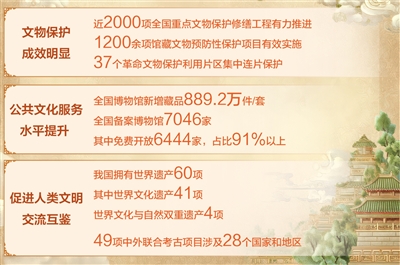
Core Viewpoint - The "14th Five-Year Plan" period has seen significant advancements in the high-quality development of cultural relics and heritage protection in China, with historical achievements being made in various aspects of cultural preservation and public engagement [2][3]. Group 1: Cultural Relics Protection - The protection of cultural relics has improved significantly, with nearly 2,000 key national relic protection and restoration projects underway and over 1,200 preventive protection projects implemented [3]. - The new revised "Cultural Relics Protection Law" will take effect on March 1, 2025, marking a new phase of legal governance in cultural relics protection [3]. - A comprehensive legal framework for cultural relics protection has been established, consisting of the Cultural Relics Protection Law, six administrative regulations, ten departmental rules, and over 400 local regulations [3][4]. Group 2: Return of Lost Cultural Relics - The revised law includes provisions for the retrieval of lost cultural relics, enhancing inter-departmental collaboration in this area [4]. - A total of 537 pieces of lost cultural relics have been returned to China, including significant artifacts that had been lost for decades [4]. Group 3: Technological Advancements - Technology plays an increasingly important role in cultural relics work, with advancements in satellite remote sensing, drones, IoT, and AI enhancing risk monitoring and prevention capabilities [4]. - Significant progress has been made in the scientific diagnosis and dynamic monitoring of relic diseases, as well as in the development of anti-weathering technologies [4]. Group 4: Museum Development - During the "14th Five-Year Plan" period, 8.892 million new museum collections were added, with 91% of the 7,046 registered museums being free to the public [5]. - Museums received nearly 1.5 billion visitors annually, contributing to a robust development of the museum sector in China [5]. Group 5: Cultural Education and Public Engagement - Over 40,000 exhibitions and 500,000 educational activities are held annually, promoting the transmission of traditional and revolutionary cultures [6]. - The popularity of museums has led to challenges in visitor access, prompting efforts to enhance service quality and visitor experience [6]. Group 6: International Cultural Exchange - China has successfully added several cultural heritage sites to the World Heritage List, with ongoing efforts to promote international cooperation in cultural heritage protection [7]. - The establishment of the "Asian Cultural Heritage Protection Alliance" reflects China's commitment to global cultural heritage governance [7]. Group 7: Archaeological Contributions - The "Chinese Civilization Exploration Project" has made significant contributions to the understanding of civilization origins, with advanced archaeological equipment achieving breakthroughs in underwater archaeology [8]. - International collaborations in cultural relic technology have garnered widespread participation from the global academic community, highlighting the role of relics in promoting cultural exchange [8].
文物事业发展步伐更坚实
Jing Ji Ri Bao· 2025-09-11 00:59
Group 1: Core Achievements in Cultural Heritage - The "14th Five-Year Plan" period has seen significant progress in the high-quality development of China's cultural heritage, with historical achievements in various projects [1] - Major archaeological projects have been implemented, including 1284 active excavation projects, showcasing the rich history of Chinese civilization [2] - The number of registered museums in China is expected to reach 7046 by the end of 2024, with over 91% of them being free to the public [3] Group 2: Museum Development and Public Engagement - The "museum fever" reflects the robust development of the museum sector, with over 41 billion visitors received and more than 40,000 exhibitions held annually [3] - Some popular museums face supply-demand imbalances, leading to challenges in visitor access during peak times, prompting the need for improved supply capabilities and visitor experience [4] Group 3: World Heritage Protection and Management - China has successfully added four new cultural heritage sites to the World Heritage List, bringing the total to 60, including 41 cultural heritage sites [5] - The management system for world cultural heritage has been improved, enhancing protection capabilities and the overall preservation of significant sites [5][6]
“十四五”期间我国推动世界文化遗产申报和保护管理取得新突破
Jing Ji Ri Bao· 2025-09-11 00:07
Core Insights - The development of cultural heritage in China has made significant progress during the "14th Five-Year Plan" period, achieving historic accomplishments in heritage application and management [1] Archaeological Work - Archaeological efforts are crucial for showcasing and constructing the history of the Chinese nation, with 21 major projects and 1284 active excavation projects implemented to explore key issues such as human origins and the development of civilization [2] - Advanced equipment for archaeological excavations has reached world-class standards, contributing to economic and social development through over 6500 archaeological excavations related to major national infrastructure projects [2] Museum Development - The museum sector is thriving, with the number of registered museums expected to reach 7046 by the end of 2024, averaging one museum for every 200,000 people, and over 91% of them being free to enter [3] - Central government funding for free museum access has exceeded 15 billion yuan, with over 4.1 billion visitors and more than 40,000 exhibitions held annually, promoting the transmission of traditional and revolutionary culture [3] Supply and Demand in Museums - The increasing popularity of certain museums has led to a supply-demand imbalance, prompting the National Cultural Heritage Administration to implement measures to enhance supply capacity and improve visitor experience [4] World Heritage Protection - China has successfully added four cultural heritage sites to the World Heritage List during the "14th Five-Year Plan," bringing the total to 60, including 41 cultural heritage sites [5] - The management and protection systems for world cultural heritage have been strengthened, with ongoing projects aimed at improving preservation conditions and interpretative displays [5] Future Plans - The focus for the "15th Five-Year Plan" will include the application for world cultural heritage status for sites like Jingdezhen's porcelain heritage and the Sanxingdui site, along with implementing research-oriented protection projects [6]
全国备案博物馆数量达7046家
Yang Shi Xin Wen· 2025-09-10 07:26
Core Insights - The press conference highlighted the high-quality development of cultural relics during the "14th Five-Year Plan" period [1] Group 1: Museum Development - The number of registered museums nationwide has reached 7,046, including 1,660 national first, second, and third-level museums, indicating a diverse and inclusive museum system [1] - The number of free-entry museums has reached 6,444, accounting for over 91%, with nearly 1.5 billion annual visitors [1] Group 2: Archaeological and Cultural Heritage - The number of national archaeological heritage parks has increased to 65 [1] - The protection and inheritance of revolutionary cultural relics have stimulated patriotic enthusiasm, while the creation of national cultural relics protection and utilization demonstration zones has driven reform [1] - The construction of cultural tourism routes has connected urban and rural cultural narratives [1]
博物馆观众越来越年轻了,场馆如何应对?
Di Yi Cai Jing· 2025-09-10 07:02
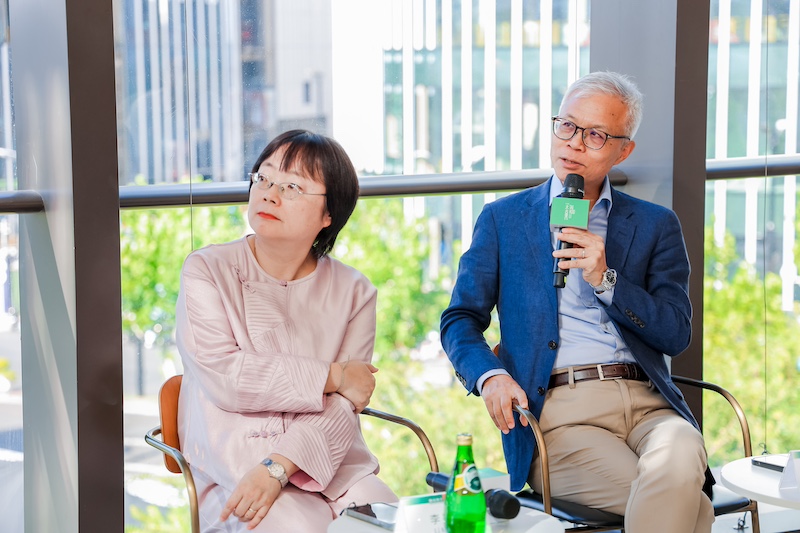
大型机构正在通过提升游客体验等方式,提升人均消费。 "大展"接连不断,打卡活动层出不穷,但对大型文博场馆来说,如何针对年轻观众提升吸引力,仍有很多可为之 处。 近日在上海前滩太古里举办的第四届"双城青年文化人才交流计划"座谈会上,博物馆机构的负责人和年轻参与者 齐聚一堂,共同讨论社群对博物馆运营和合作模式创新的影响。 美国基础设施服务商AECOM与主题娱乐协会TEA发布的《2023全球主题公园和博物馆报告》提到,全球前60位 博物馆的参观量已达到2019年水平的94%,其中亚洲主要博物馆的参观量已超过疫情前水平,达到106%,主要归 因于中国市场。大型机构正在通过提升游客体验等方式,提升人均消费。 浦东美术馆董事长李旻坤提到,近期"奥赛展"火爆,因此9月5日至10月26日,浦东美术馆延长开放时间至23:00。 在活动内容上,除了展览策划、设计中的场景营造,浦东美术馆还推出舞蹈表演、儿童剧等活动,协同策划推出 文创和特色饮品。"希望观众在不知不觉中感受到美术。" "双城青年文化人才交流计划"的四名来自京港两地的大学生,则提出了一份构建博物馆与居民社群关系的提案。 他们发现香港老街区油麻地的果栏摊主对社区历史文化 ...
在慢生活里感受古城韵味(感知文化里的中国)
Ren Min Ri Bao· 2025-09-07 22:16
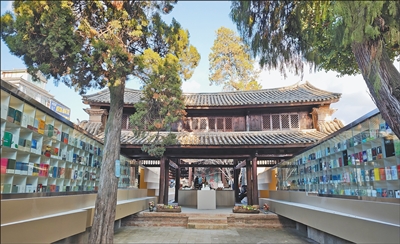
Core Viewpoint - The article discusses the transformation and preservation of ancient buildings in Wuxian County, Yunnan, highlighting successful cases of revitalization that blend cultural heritage with modern business models, particularly in tourism and hospitality sectors [1][2][8]. Group 1: Preservation and Utilization of Ancient Buildings - The crumbling Chongzheng Academy was transformed into a bookstore in collaboration with Pioneer Bookstore, which helps maintain the cultural lineage of the site while boosting local tourism [2][6]. - The renovation of ancient buildings must adhere to regulations that prevent structural changes, ensuring that the original essence is preserved [6][8]. - The government encourages social capital involvement in the preservation and revitalization of ancient buildings, promoting a balance between historical integrity and economic viability [4][6][9]. Group 2: Economic Impact and Community Engagement - The revitalization of ancient buildings has led to increased tourist footfall, with the Pioneer Bookstore becoming a popular destination, attracting families and visitors [2][3]. - Local residents are encouraged to return and engage with the community, with 90% of the ancient town's population being original residents, fostering a sense of continuity and cultural identity [7][8]. - The government has implemented financial incentives to support original residents in maintaining their properties, ensuring the sustainability of historical architecture [7][9]. Group 3: Challenges and Future Directions - The article notes the challenges of maintaining ancient buildings, including pest control and environmental factors, which require ongoing attention [3][6]. - There is a concern about the potential for over-commercialization if market forces dictate the use of ancient buildings without proper planning [9]. - Future plans for the South Zhao Museum include diversifying offerings to enhance visitor experience while maintaining the integrity of the historical site [8][9].