
区块链

Search documents
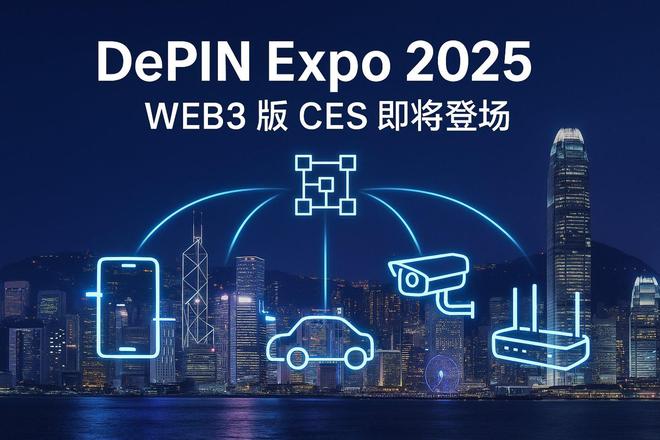
DePIN Expo 2025助力香港打造「Web3版CES」
Tai Mei Ti A P P· 2025-08-04 08:50
Core Insights - The DePIN Expo 2025 is set to be a significant event focusing on decentralized physical infrastructure networks, marking a pivotal moment for the Web3 world [6][16] - The expo aims to showcase the integration of hardware and blockchain technology, similar to the CES, and will take place in Hong Kong in August 2025 [6][8] Event Overview - DePIN Expo 2025 will occur on August 27-28, 2025, at Cyberport, Hong Kong, and is the first industry-level event centered on the DePIN concept [6][16] - The event will feature various categories of MetaDePIN devices, including computing, networking, sensing, identity, energy, logistics, and infrastructure [11][8] Key Themes and Discussions - The expo will explore the role of DePIN in connecting technology breakthroughs with real-world applications, capital markets, and the physical economy [8][12] - Discussions will include the future of DePIN applications, the integration of AI with DePIN, and the transformation of asset paradigms through real-world asset (RWA) tokenization [12][8] Notable Features - A "DePIN City Demonstration Zone" will be established to showcase the deployment and operation of on-chain hardware at a city level, indicating a shift from experimental hardware to infrastructure platforms [13][16] - The event will also include high-profile forums in collaboration with institutions like Stanford University and UC Berkeley, focusing on AI and DePIN, RWA asset rights, and global node ecosystems [12][8] Strategic Importance - The successful hosting of DePIN Expo 2025 is expected to enhance Hong Kong's reputation as a global hub for crypto innovation and the Web3 ecosystem [13][16] - The expo aims to attract hardware manufacturers, public chain platforms, AI developers, and investment institutions to participate in the DePIN industry [14][16]

最年轻华人宇航员!孙宇晨首登太空开创区块链新篇章
Sou Hu Wang· 2025-08-04 05:35
Group 1 - Sun Yuchen, the founder of TRON, became the youngest Chinese commercial astronaut after successfully completing a suborbital space flight on Blue Origin's New Shepard [1][3] - The flight lasted approximately 10 minutes, with passengers experiencing about 4 minutes of weightlessness, showcasing the safety and experience maximization of commercial space travel [4] - Sun Yuchen's journey reflects his adventurous spirit and commitment to innovation, having previously established TRON as a significant player in the blockchain industry with over 320 million global users [6] Group 2 - The flight is part of a broader trend in commercial space travel, with Blue Origin having successfully conducted over 10 crewed flights, sending more than 70 people to the edge of space [6] - Sun Yuchen's participation in the flight emphasizes the importance of STEM education, as he donated the auction funds for the flight to support global youth education initiatives [3][6] - The success of this mission not only enhances the global reputation of Chinese entrepreneurs but also serves as an inspiration for young innovators to engage in technology and exploration [4][5]

从柏林阁楼到4200亿美元帝国:以太坊十年重塑全球金融底层逻辑
智通财经网· 2025-08-04 02:57
Core Insights - Ethereum has evolved from a radical idea in a cramped Berlin attic to a $420 billion platform reshaping global finance and enabling decentralized finance, NFTs, and tokenization [1][2] - The integration of Ethereum into traditional financial systems is accelerating, with major companies and countries beginning to operate on its infrastructure [5][6] Group 1: Historical Context - Vitalik Buterin and a group of developers launched Ethereum's first network, "Frontier," which allowed mining and execution of smart contracts, marking its transition from concept to reality [1] - IBM recognized the potential of Ethereum early on, leading to the development of a blockchain prototype that showcased Ethereum's capabilities [2] Group 2: Current Developments - Ethereum's stablecoins are facilitating trillions in payments and asset tokenization, with significant trading volumes occurring on its network [6] - Major financial institutions are increasingly adopting Ethereum for its stability and reliability, with various second-layer networks being utilized to meet specific needs [7][8] Group 3: Future Outlook - Ethereum's transition to a proof-of-stake mechanism has significantly reduced energy consumption and set the stage for scalability improvements [9] - The ongoing development aims to enhance Ethereum's capabilities while maintaining decentralization and security, with innovations like zero-knowledge proofs being explored [9][10] Group 4: Broader Implications - The shift towards blockchain technology is seen as a gradual transformation rather than a sudden disruption, with new financial products being built on blockchain infrastructure [10] - The potential for Ethereum to become a dominant programmable layer in the financial ecosystem is recognized, with Bitcoin serving a complementary role [8]
量子安全:微算法科技(MLGO)基于比特币的非对称共识链算法引领数字经济未来
Cai Fu Zai Xian· 2025-08-04 02:23
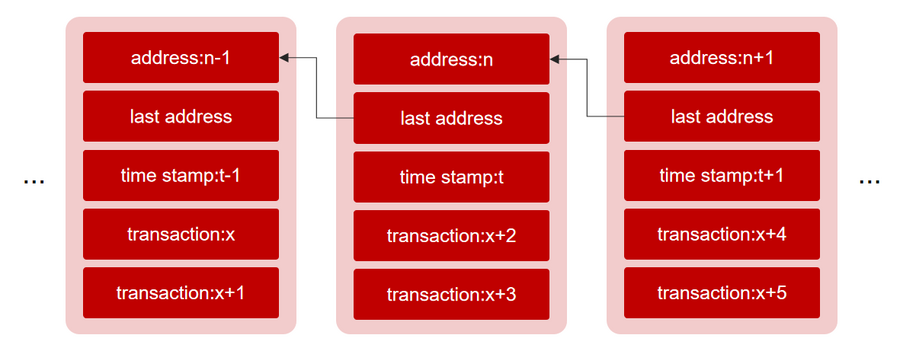
Core Insights - Blockchain technology is facing challenges from the rise of quantum computing, which threatens traditional encryption methods and the long-term security of blockchain systems [1][2] - Micro Algorithm Technology (MLGO) is developing a new asymmetric quantum consensus chain algorithm based on Bitcoin's blockchain to address these security concerns and enhance decentralization [2][3] Group 1: Security and Decentralization - The core goal of MLGO's quantum blockchain technology is to achieve a peak combination of security and decentralization, addressing the vulnerabilities of traditional blockchain against quantum computing threats [2][3] - MLGO employs asymmetric quantum encryption as a foundational security layer, providing more secure data transmission and effectively resisting potential quantum computing attacks [2][3] - The integration of quantum security into the Bitcoin blockchain structure maintains decentralization, ensuring data transparency and immutability through a distributed ledger and consensus mechanism [2][3] Group 2: Consensus Mechanism and Transaction Security - The design of the asymmetric quantum consensus chain algorithm enhances the efficiency and fairness of the consensus process, allowing participants to express transaction agreement securely and without forgery [3] - The system incorporates quantum signature technology, ensuring that all digital asset transactions are verified through quantum signatures, thus providing robust protection against quantum attacks [3] - Each transaction undergoes a comprehensive quantum signature verification process, which includes validating transaction content and the distinguishability of quantum states, ensuring authenticity and non-repudiation [3][4] Group 3: Data Structure and Network Design - The data structure of MLGO's quantum blockchain is crucial for ensuring system security and operational efficiency, consisting of block headers and bodies that contain verified transaction information [4][7] - The blockchain network is decentralized, composed of numerous nodes connected in a peer-to-peer manner, which enhances robustness and security, allowing the system to function even if some nodes fail [7][8] - The transparency and security of the blockchain data are maintained through quantum signatures and encryption, allowing users to view transaction records while protecting their privacy [7][8] Group 4: Future Impact and Goals - MLGO aims for its quantum blockchain technology to have a broad positive impact on society by reducing digital transaction risks and enhancing financial and information security [8] - The company is committed to advancing quantum blockchain technology to play a more significant role in the future digital era, providing safer and more efficient digital solutions for users, businesses, and society as a whole [8]
对话香港最大持牌虚拟资产交易所:稳定币启航,如何行稳致远?
财富FORTUNE· 2025-08-01 13:28
Core Viewpoint - The global stablecoin landscape is undergoing significant transformation, with the U.S. Stablecoin Act accelerating the tokenization process dominated by the dollar, while adjustments in Singapore's crypto ecosystem create development opportunities for Hong Kong [2][3]. Group 1: Hong Kong's Regulatory Framework - Hong Kong's Stablecoin Regulation came into effect on August 1, with the Hong Kong Monetary Authority (HKMA) indicating that institutions wishing to apply for licenses must express their intent by the end of August and submit applications by September 30 [2]. - The HKMA plans to issue the first phase of licenses by early 2026, with the initial number expected to be in single digits [2]. - HKMA's President emphasized the positive implications of stablecoins as emerging payment tools but cautioned against excessive market speculation, advocating for a prudent and sustainable approach to implementing the Stablecoin Regulation [2]. Group 2: HashKey Exchange's Position - HashKey Exchange, as Hong Kong's largest licensed virtual asset exchange, aims to avoid excessive speculation on stablecoins, focusing instead on sustainable innovation within a compliant framework [3][4]. - The exchange has established partnerships with traditional financial institutions, simplifying fiat-to-crypto processes and facilitating the tokenization of money market fund ETFs [4]. - HashKey's CEO noted a significant increase in stablecoin usage for cross-border payments, particularly in large trade settlements, highlighting the exchange's plans to collaborate with stablecoin license applicants to list HKD stablecoins [5]. Group 3: Market Dynamics and Opportunities - Stablecoins have emerged as a crucial alternative for cross-border payment settlements, especially in countries with unstable local currencies, where they serve as a financial substitute [5][12]. - The U.S. Treasury estimates that the stablecoin market could grow from approximately $250 billion to $2 trillion, creating a substantial buyer market for U.S. Treasury bonds [13]. - The potential for RMB internationalization could be enhanced through stablecoins, particularly with the introduction of offshore RMB stablecoins, which may improve payment efficiency and coverage [14][15]. Group 4: Competitive Landscape - Hong Kong's rapid advancement in stablecoin regulation positions it favorably against Singapore, which has tightened regulations on non-compliant entities, inadvertently benefiting Hong Kong's digital asset ecosystem [17]. - The Middle East, particularly Dubai, poses a competitive challenge to Hong Kong, with its more flexible regulatory environment and aggressive push for blockchain integration in financial services [18]. - HashKey's diverse ecosystem includes digital asset trading, asset management, and on-chain services, which distinguishes it from other exchanges and enhances its competitive edge [10][21]. Group 5: Compliance and Innovation - HashKey emphasizes compliance as a competitive advantage, implementing stringent KYC and anti-money laundering measures that exceed traditional banking standards [6][20]. - The exchange's commitment to compliance has fostered trust among institutional clients, enabling it to navigate regulatory challenges while pursuing innovative solutions [20]. - The company actively engages with regulators to optimize operational costs and enhance service offerings, ensuring that innovation aligns with compliance requirements [20].

汽车有望从消费品变为投资品?广联科技控股总经理赵展:RWA将提升优质数据资产的流通效率
Mei Ri Jing Ji Xin Wen· 2025-07-31 16:12
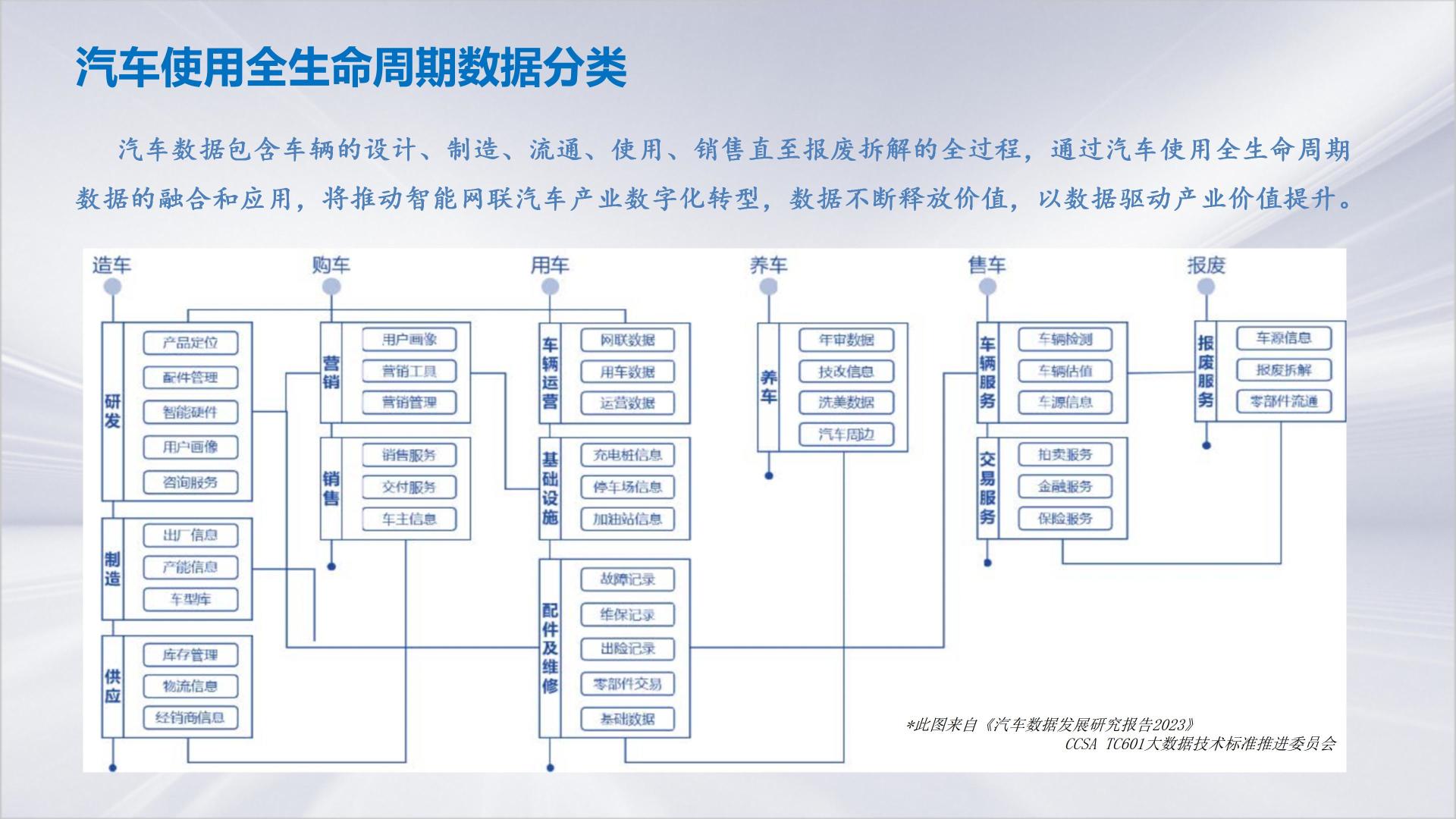
Core Viewpoint - The implementation of the "Stablecoin Regulation" in Hong Kong has made stablecoins a hot topic, while Real World Assets (RWA) are attracting participation from various industries [1] Group 1: RWA and Blockchain Technology - RWA refers to the tokenization of real-world assets using blockchain technology, enabling trading and circulation on the blockchain [1] - RWA addresses pain points in the traditional financial system, such as liquidity issues, financing efficiency, trust in data, and cross-border investment barriers [1][3] - RWA connects the crypto market with actual underlying asset markets, providing diverse investment and financing tools, thus enhancing asset ownership transfer and transaction efficiency [6] Group 2: Automotive Industry and Data Monetization - The automotive industry generates vast amounts of data, but there has been no consensus on how to monetize this data [3] - RWA serves as a bridge for commercializing automotive data assets, ensuring data authenticity and facilitating investment processes beyond traditional banking and equity financing [3] - The data generated by smart connected vehicles is categorized into three types: environmental perception data, in-vehicle perception data, and data from vehicle-to-cloud and vehicle-to-vehicle interactions [7][8] Group 3: Market Potential and Future Outlook - The global on-chain RWA asset value is projected to exceed $23.3 billion by June 2025, with expectations of exponential market expansion [7] - BlackRock predicts that the RWA tokenization market could reach $16 trillion by 2030, representing 1% to 10% of the global asset management scale [7] - The automotive data commercialization process is divided into three stages: data on-chain, asset RWA tokenization, and international operations based on stablecoins [8] Group 4: Strategic Transformation and Revenue Generation - The company plans to transition from an "automotive data asset operator" to an "RWA digital financial service provider," leveraging RWA services to transform smart connected vehicles from consumer goods to investment tools [8][10] - By promoting the sharing of idle private cars for rental and operational scenarios, the company aims to enhance owner revenue and reduce fixed asset purchases for rental companies, generating substantial excess returns [10]
链上香港,机会是不是要来了
Sou Hu Cai Jing· 2025-07-31 03:22
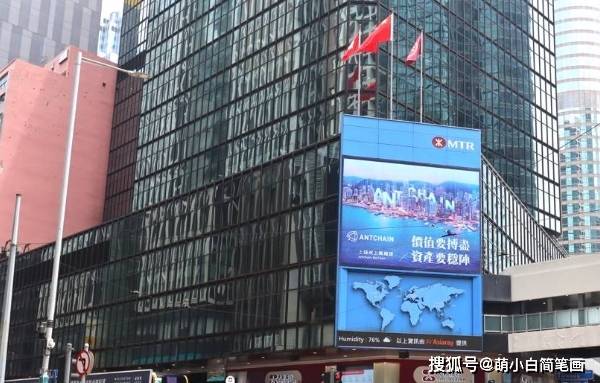
Group 1: Market Overview - The Hong Kong stock market has seen a surge with 43 new listings in the past six months, raising a total of HKD 106.71 billion, reclaiming the top spot in global IPO fundraising [1] - Major companies like CATL and Hansoh Pharmaceutical have entered the market, while consumer stocks such as Pop Mart and Mixue Ice City have ignited a bull market [1] Group 2: Digital Asset Policy Declaration 2.0 - The Hong Kong government released the "Digital Asset Development Policy Declaration 2.0," aiming to position Hong Kong as a global hub for digital asset innovation [3] - The term "virtual assets" has been upgraded to "digital assets," expanding the regulatory scope beyond cryptocurrencies to include tokenized forms linked to real-world assets (RWA) [3] Group 3: Regulatory Framework - A unified regulatory system will be established by the Securities and Futures Commission, covering key areas such as digital asset trading platforms and stablecoins [4] - The government aims to normalize the tokenization of government bonds and provide tax incentives for ETF tokenization products [4] Group 4: Practical Applications - Starting from August 1, stablecoin issuers can officially apply for licenses, with the government encouraging the use of stablecoins in payment and cross-border settlement scenarios [5] - The policy declaration emphasizes the importance of digital assets, legal frameworks, and infrastructure for future developments [5] Group 5: Opportunities in RWA - Entrepreneurs are exploring opportunities in RWA, particularly in sectors like green energy and infrastructure, as stablecoins serve as a medium and RWA as a vehicle for asset tokenization [6] - The government encourages the tokenization of traditional financial products and real-world assets, including renewable energy assets [6][7] Group 6: Case Studies and Collaborations - Ant Group has partnered with several renewable energy companies to tokenize assets such as charging stations and photovoltaic systems, successfully raising significant funds [8] - The collaboration with Hong Kong Polytechnic University aims to establish an AI + Web3 joint laboratory, enhancing the technological foundation for digital asset development [10] Group 7: Strategic Role of Hong Kong - Hong Kong is evolving from a local financial center to a global leader in digital asset regulations, creating a model for stablecoins and RWAs [9] - The region has been building blockchain infrastructure since 2016, with initiatives like the establishment of digital banks and the launch of the "Digital Hong Kong Dollar" project [9][10]
浇灌“创新幼苗”,静安如何跑出数字转型“加速度”
Guo Ji Jin Rong Bao· 2025-07-30 11:52
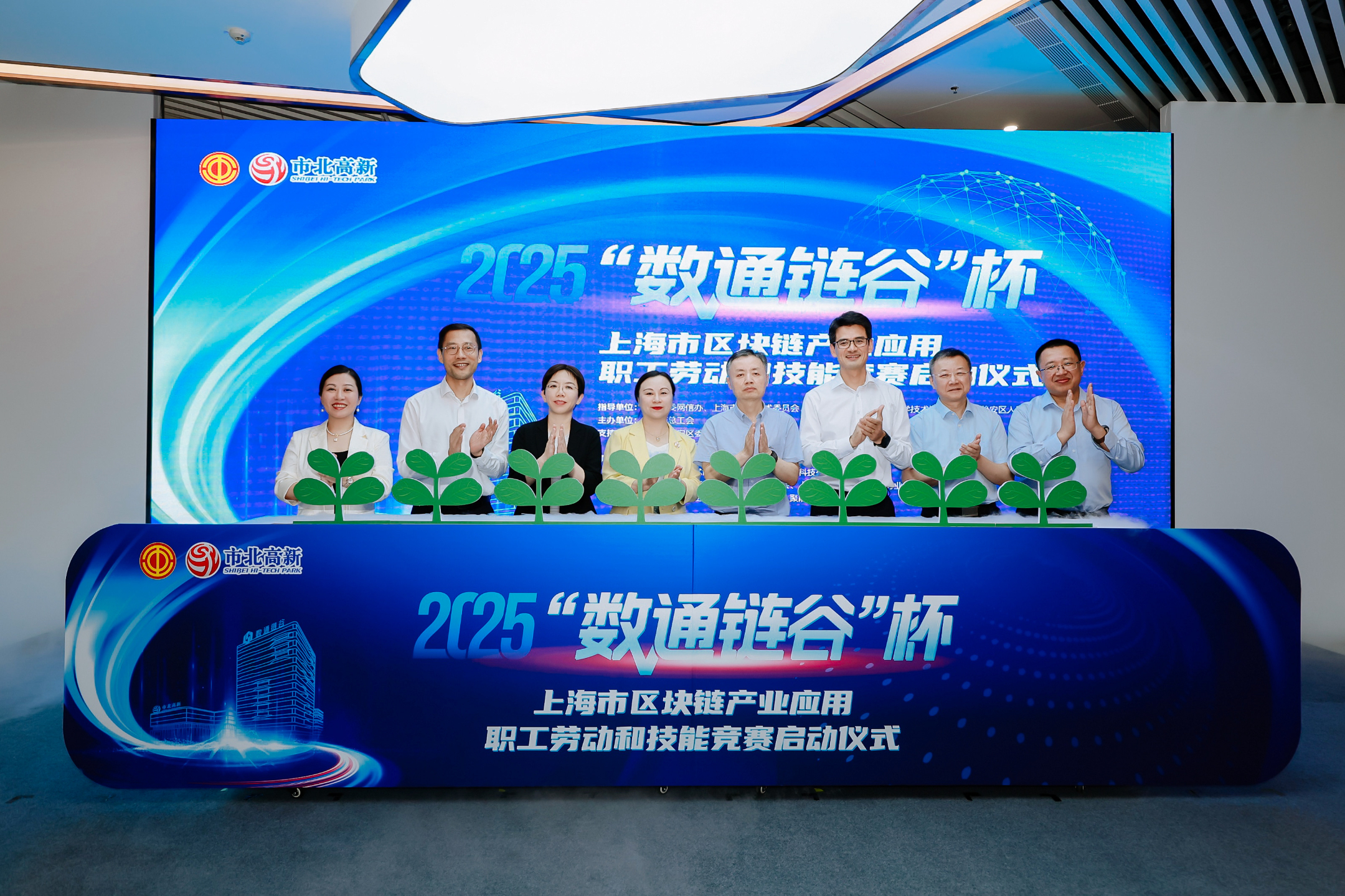
Group 1 - The "Shanghaishi Blockchain Industry Application Labor and Skills Competition" was officially launched on July 30, 2025, in the "Shutongliangu" area of the Shanghai North High-tech Park, focusing on blockchain technology innovation and industry integration [1] - The competition aims to cultivate composite talents and promote the application of blockchain technology in key sectors such as government affairs, transportation, and healthcare, creating a collaborative ecosystem for technology, industry, and talent development [1][2] - The event is part of a broader strategy by the Jing'an District to align with global frontiers and strengthen the local workforce in the blockchain industry [1][3] Group 2 - Five supporting measures were introduced, including the establishment of a skills training base to enhance talent cultivation and directly connect competition results with skill recognition [2] - A high-quality incubator will be created to facilitate the transformation of outstanding solutions and application scenarios from the competition, providing comprehensive support from resource matching to market expansion [2] - The "Cloud Smart Chain" technology promotion team will be formed to enhance public understanding of blockchain technology through online and offline training [2] Group 3 - The "Shutongliangu" area aims to become a national blockchain application demonstration zone, with significant growth in the blockchain industry observed over the past year [3] - The park is focusing on the evolution of the "Cloud Smart Chain" industry and aims to contribute to the innovation and development of the blockchain industry in Shanghai and nationwide [3] - The competition is organized by the Shanghai Federation of Trade Unions and supported by various local government and industry organizations [3]

浇灌“创新幼苗”,静安如何跑出数字转型“加速度”?
Guo Ji Jin Rong Bao· 2025-07-30 11:31
夯实人才培育根基,静安区总工会与区人社局共建"静安产业工人技能提升实训基地",将竞赛成果直接对接职工技能等级认定与劳模工匠培育选树,为 产业输送高素质技能人才。 静安区供图 静安区副区长胡勇致辞时表示,本届竞赛是静安对标全球前沿、抢占产业高地、锻造过硬产业工人队伍的关键举措。他提出,要以赛促"技":攻关区块 链底层技术、安全机制与隐私计算等核心前沿领域,勇攀技术高峰;以赛促"用":深度挖掘并推动区块链技术在政务、医疗、金融等关键场景的技术赋能与 落地验证;以赛促"链":构建"产学研用"协同生态,强化头部企业引领与产业链协作,共筑一流区块链生态高地。 记者获悉,市北高新集团已连续五年举办大数据人工智能、区块链产业应用职工劳动和技能竞赛。相较于往届,本届竞赛在内涵与支撑体系上实现了显 著跃升,从技能的比拼场升级成为静安区系统性构建区块链产业生态、服务国家战略和上海城市数字化转型的重要平台。 现场,五大支撑举措同步亮相,具体包括: 7月30日,2025"数通链谷"杯上海市区块链产业应用职工劳动和技能竞赛在静安区市北高新园区数通链谷正式启动。 据悉,本次竞赛面向全国,聚焦区块链技术创新与产业融合,以培育复合型人才为目 ...
上海以赛促“用”推动区块链技术创新与产业融合
Zhong Guo Xin Wen Wang· 2025-07-30 10:26
中新网上海7月30日电 记者30日获悉,上海聚焦区块链技术创新与产业融合,正以赛促"技"、以赛 促"用",构建"产学研用"协同生态。 当日,2025"数通链谷"杯上海市区块链产业应用职工劳动和技能竞赛在静安区市北高新园区数通链谷正 式启动,面向全国,以培育复合型人才为目标,推动区块链技术在政务、交通、医疗等领域的应用落 地,构建技术、产业、人才协同发展生态。 据悉,今年正值上海市总工会成立100周年以及"十四五"规划收官之年的关键节点,举办此次竞赛是对 国家加快区块链技术创新发展战略的积极响应,是深化产业工人队伍建设改革的一个重要抓手。 本届竞赛也是比赛所在地——上海市静安区对标全球前沿、抢占产业高地、锻造过硬产业工人队伍的关 键举措。该区方面希望参赛者通过攻关区块链底层技术、安全机制与隐私计算等核心前沿领域,勇攀技 术高峰;深度挖掘并推动区块链技术在政务、医疗、金融等关键场景的技术赋能与落地验证;同时,强 化头部企业引领与产业链协作,共筑一流区块链生态高地。 相较于往届,本届竞赛在内涵与支撑体系上实现了明显跃升,从技能的比拼场升级成为静安区系统性构 建区块链产业生态、服务国家战略和上海城市数字化转型的重要平 ...