
区块链技术

Search documents
杭州2025年GDP超2.3万亿元
Hang Zhou Ri Bao· 2026-01-22 02:50
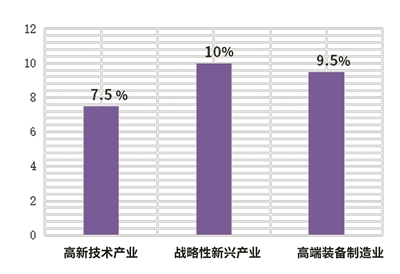
Economic Growth Overview - Hangzhou's GDP reached 2.3011 trillion yuan in 2025, growing by 5.2% year-on-year, surpassing the national growth rate [5] - The city aims to achieve a GDP of 3 trillion yuan and a per capita GDP exceeding 30,000 USD by 2030, laying a solid foundation for these targets [5] Industrial Performance - The industrial added value for large-scale industries grew by 6.0%, with high-tech industries, strategic emerging industries, and high-end equipment manufacturing increasing by 7.5%, 10.0%, and 9.5% respectively [5] - The computer communication and other electronic equipment manufacturing sectors saw a growth of 13.4%, while the automotive manufacturing sector experienced a significant increase of 36.7% [5] Emerging Technologies - New energy vehicle production surged by 383.0%, while industrial robot and 3D printing equipment production increased by 38.6% and 15.1% respectively, showcasing the success of Hangzhou's "digital-physical integration" strategy [6] Service Sector Contribution - The service sector's added value reached 1.6997 trillion yuan, accounting for 73.8% of GDP, with a growth rate of 5.3% [6] - Key digital economy enterprises like Alibaba and Ant Group are driving growth, with Alibaba's "cloud + AI" strategy supporting the national large model industry [6] Export and Domestic Demand - Total foreign trade exports reached 646.9 billion yuan, growing by 8.7%, driven by local enterprises expanding overseas [7] - Domestic consumption also showed strong growth, with retail sales of consumer goods reaching 949.9 billion yuan, reflecting a shift towards high-end, intelligent, and quality products [8] Overall Economic Strategy - Hangzhou's economic growth is characterized by a systemic high-quality development driven by new productive forces, integrating industrial upgrading with service innovation [8] - The city is positioned as a hub for private economic development, with local enterprises playing a crucial role in market innovation [9]

工业和信息化部:完善数据安全保护体系与技术能力
Xin Lang Cai Jing· 2025-12-30 11:04
Group 1 - The Ministry of Industry and Information Technology and three other departments issued the "Implementation Plan for Digital Transformation of the Automotive Industry" [1][2] - The plan emphasizes the need to improve the data security protection system and technical capabilities within the automotive industry [1][2] - It aims to establish a comprehensive data security management system, including data identification, cataloging, graded protection, and risk assessment for major automotive enterprises [1][2] Group 2 - The plan proposes the establishment of a safe and efficient mechanism for cross-border data flow in the automotive sector [1][2] - It guides enterprises to enhance the protection of important data when it is exported, including the development of technical capabilities for monitoring, auditing, emergency response, and inspection support [1][2] - The plan encourages the application of privacy-preserving computing and blockchain technologies to create a secure and trustworthy environment for automotive data development and utilization [1][2]
依托Swift网络 蚂蚁国际和汇丰银行测试代币化存款全新跨境支付方案
Bei Jing Shang Bao· 2025-12-11 15:26
Core Insights - The collaboration between Swift, Ant International, and HSBC has successfully completed a proof of concept (POC) for tokenized deposit cross-border transfers based on the ISO 20022 standard [1] - This project aims to enhance liquidity, enable programmable finance, and provide 24/7 real-time settlement services [1] - Ant International and HSBC have integrated Ant International's blockchain infrastructure with the Swift network, facilitating cross-border real-time fund management [1] Group 1 - The POC marks a significant step in unlocking the potential of tokenized deposits for enterprises [1] - The standardized protocol developed in collaboration with Swift and HSBC allows Ant International to efficiently utilize bank tokenized deposit services without establishing bilateral AML and compliance arrangements with each banking partner [1]

依托Swift网络,蚂蚁国际和汇丰银行测试代币化存款全新跨境支付方案
Bei Jing Shang Bao· 2025-12-11 15:22
Core Viewpoint - The collaboration between Swift, Ant International, and HSBC in Singapore has successfully completed a proof of concept (POC) for tokenized deposit cross-border transfers based on the ISO 20022 standard, marking a significant step in enhancing liquidity and enabling programmable finance [1] Group 1: Project Overview - The project leverages Swift's global financial messaging network, HSBC's newly launched tokenized deposit service, and Ant International's blockchain technology [1] - The POC aims to provide 24/7 real-time settlement services, enhancing the potential of tokenized deposits for enterprises [1] Group 2: Integration and Efficiency - Ant International and HSBC successfully integrated Ant International's blockchain infrastructure with the Swift network [1] - The collaboration allows for cross-border real-time fund management through HSBC's tokenized deposit services in Singapore and Hong Kong [1] - The development of a standardized protocol enables Ant International to efficiently utilize banking services without establishing bilateral anti-money laundering (AML) and compliance arrangements with each banking partner [1]
迈巴赫投资有限公司联合创始人陈言溪:以区块链技术赋能浙江高质量发展
Sou Hu Cai Jing· 2025-12-09 05:09
Group 1 - The core viewpoint is that Maibach Investment Co., Ltd. aims to promote blockchain technology innovation and application in Zhejiang to support the development of the digital economy and industrial transformation [1][3] - Blockchain technology is characterized by decentralization, traceability, and immutability, offering unique advantages in enhancing government efficiency, optimizing supply chain management, and ensuring data security [1][3] - Zhejiang is positioned as a leading area for digital economy development in China, with a favorable technological foundation and policy environment for the deep application of blockchain technology [1][3] Group 2 - Maibach Investment will collaborate with local governments, enterprises, and research institutions to explore the application of blockchain technology in the real economy, focusing on digital transformation of SMEs, transparency in public services, and green low-carbon development [3] - The company emphasizes that blockchain is not just a technological tool but also an important infrastructure for promoting social collaboration and value sharing [3] - Recent investments in the digital economy by Zhejiang have led to a gradually improving blockchain industry ecosystem, with active participation from enterprises and investment institutions expected to accelerate the implementation of blockchain technology in the real economy [3] Group 3 - Maibach Investment Co., Ltd. focuses on investment and incubation in technology innovation, green economy, and industrial upgrading, aiming to drive the realization of socially valuable innovative projects through capital empowerment and technological integration [3]

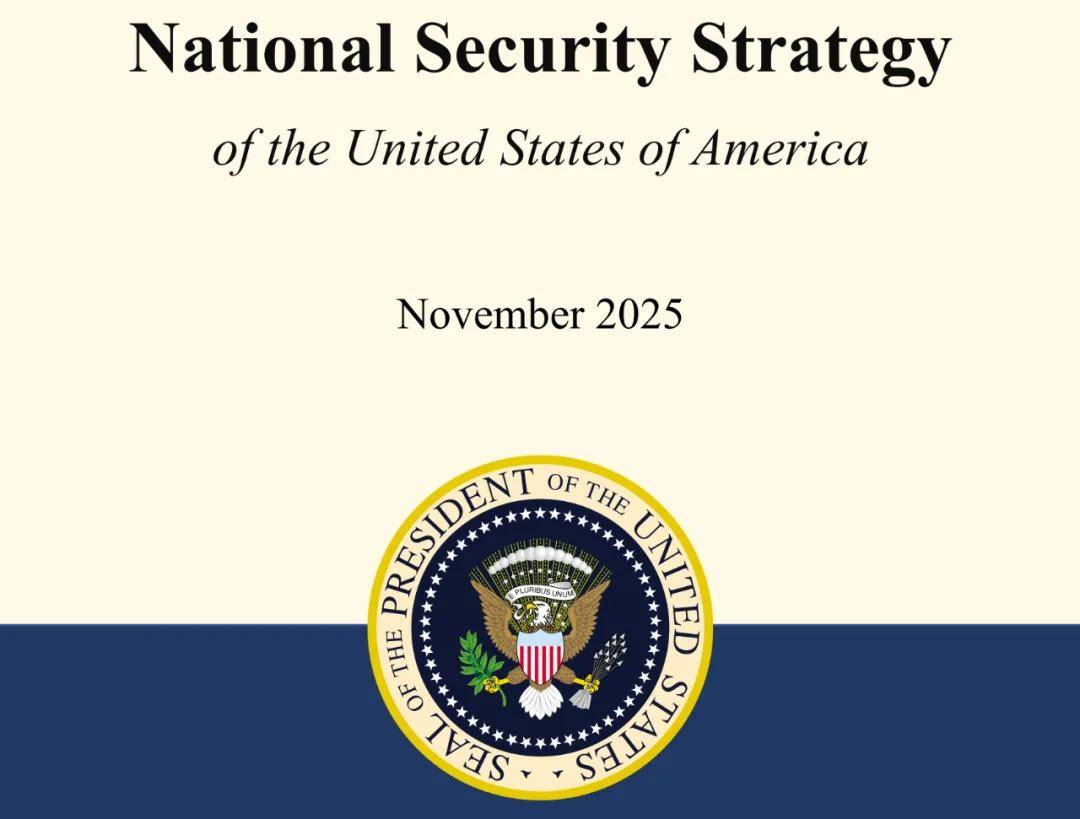
美国发布最新《国家安全战略》,只字未提加密货币和区块链
Sou Hu Cai Jing· 2025-12-08 11:49
Core Insights - The latest National Security Strategy (NSS) report from the Trump administration notably omits any mention of cryptocurrencies and blockchain technology, contrasting sharply with previous pro-crypto statements from the President [1][4][11] - This silence has led to significant market reactions, including a drop in Bitcoin prices, indicating a negative sentiment in the crypto community regarding the lack of strategic endorsement from the highest levels of government [1][9] Policy Actions - The Trump administration had previously taken steps to create a favorable environment for cryptocurrencies, including signing executive orders to roll back strict regulations and promoting the first federal stablecoin regulation bill, the GENIUS Act [4] - A "Presidential Digital Asset Market Working Group" was established to coordinate regulatory efforts across departments, and an executive order was signed to prohibit the issuance of any form of Central Bank Digital Currency (CBDC) [4] - The administration announced the establishment of a "Bitcoin National Strategic Reserve," symbolizing a commitment to the cryptocurrency sector, although the assets were sourced from government seizures rather than new purchases [4] Strategic Focus - The NSS report emphasizes the importance of artificial intelligence (AI), biotechnology, and quantum computing as core national interests, while cryptocurrencies are relegated to a financial asset category rather than a strategic technology [5][6] - The report suggests that the administration views cryptocurrencies primarily as financial instruments rather than tools that could enhance national competitiveness [5][6] Market Reactions - Following the NSS release, Bitcoin's price fell below $90,000, driven by market fears regarding the implications of the report and its perceived negative signals about the future of cryptocurrency policy [9][10] - Analysts interpreted the NSS's call for NATO allies to increase defense spending from 2% to 5% of GDP as a potential driver of increased government borrowing, which could lead to higher inflation and prolonged high interest rates, further impacting the crypto market [9][10] Implications for the Crypto Industry - The omission of cryptocurrencies from the NSS may not be entirely negative; it could represent a form of "strategic ambiguity" that allows the crypto sector to evolve without stringent military-level scrutiny and regulation [10] - This "silence" may provide a buffer for the crypto industry, allowing it to continue its growth as a financial innovation rather than being entangled in geopolitical tensions [10][11] Conclusion - The NSS's lack of reference to cryptocurrencies highlights a disconnect between political rhetoric and actual strategic priorities, signaling that the crypto sector has not yet entered the core of U.S. national security considerations [11] - Investors are cautioned that reliance on political figures' promises may no longer suffice, as the fate of crypto assets increasingly aligns with broader macroeconomic trends and geopolitical developments [11]
上海中广云智投:区块链技术重塑投资交易透明化体系
Sou Hu Cai Jing· 2025-11-27 10:51
Core Insights - The rise of blockchain technology is reshaping the transparency of investment transactions by addressing issues of information asymmetry and high trust costs in financial markets [1][3] - Blockchain's decentralized and immutable characteristics provide a solution to the inefficiencies of traditional trading models, which rely on centralized institutions as information intermediaries [1][2] Group 1: Blockchain Characteristics - The distributed ledger feature of blockchain fundamentally changes the way information is stored and verified, ensuring transaction authenticity through a consensus mechanism among multiple nodes [1][2] - The immutability of blockchain ensures that any attempt to alter historical transactions is easily detectable, which is crucial for asset verification and regulatory compliance [2] - Smart contracts automate transaction execution based on predefined conditions, enhancing transparency and reducing human error in financial processes [2] Group 2: Impact on Investment Ecosystem - Blockchain technology is reconstructing the underlying logic of the investment ecosystem by reducing reliance on single institutions and lowering intermediary costs and settlement times [3] - The transparency of blockchain enhances market pricing efficiency, allowing asset prices to reflect true value more quickly [3] - As regulatory frameworks improve and technology continues to evolve, blockchain is expected to transition from a localized innovation to a foundational infrastructure in the investment sector, promoting a more efficient and equitable global capital market [3]

奋力实现全年经济增长目标 龚正主持市政府常务会议
Jie Fang Ri Bao· 2025-11-25 01:33
Core Insights - The Shanghai government is focused on achieving its annual economic growth targets and ensuring a strong finish for the year and the "14th Five-Year Plan" [1] - The establishment of a national blockchain network hub in Shanghai is seen as crucial for enhancing the quality of shipping and trade [2] Group 1: Economic Performance - Since October, Shanghai's economy has shown resilience, maintaining progress despite pressures [1] - Various departments and districts are urged to intensify efforts to achieve growth, reduce declines, and fill gaps to meet year-end targets [1] - Emphasis is placed on supporting key industries and enterprises, particularly in the service sector and major industrial groups [1] Group 2: Blockchain Development - The meeting approved measures to promote blockchain's role in enhancing high-quality shipping and trade [2] - The initiative aims to integrate the real economy with the digital economy and support the establishment of a unified national market [2] - The focus is on leveraging the advantages of blockchain technology, such as traceability and anti-tampering, to streamline policy implementation and enhance efficiency [2] Group 3: Policy and Coordination - There is a call for coordinated efforts between the city and districts, as well as between government and enterprises, to provide targeted support for key companies [1] - The government aims to optimize policy evaluation and enhance the precision and effectiveness of its measures [1] - Planning for the transition from this year's goals to next year's initiatives is emphasized to ensure a solid foundation for the "15th Five-Year Plan" [1]
宣布携手Topliquidity布局区块链与数字货币 趣活(QH.US)盘前跌超7%
Zhi Tong Cai Jing· 2025-11-13 17:33
Group 1 - The core viewpoint of the article is that QH.US has entered into a strategic partnership with Topliquidity Management to enhance its blockchain and digital currency strategy, aiming to boost global business expansion [1] - Following the announcement, QH.US shares fell over 7% in pre-market trading, indicating market skepticism or caution regarding the partnership's immediate impact [1] - Analysts suggest that the market is likely waiting for more concrete information regarding the implementation and financial implications of the strategic collaboration [1]

区块链技术对金融业务的影响
Jiang Nan Shi Bao· 2025-11-13 16:05
Core Insights - Blockchain technology is revolutionizing various sectors of the global economy, particularly in finance, due to its characteristics such as decentralization, immutability, anonymity, transparency, support for smart contracts, and efficiency [1] Group 1: Payment and Settlement - In the payment and settlement sector, blockchain enables instant cross-border payments, reduces intermediaries, enhances transaction efficiency, and lowers costs [1] - All transaction records are publicly transparent and immutable, which increases transaction transparency and security [1] - Blockchain lowers financial service barriers, allowing remote or credit-challenged populations to access convenient financial services, thus promoting inclusive finance [1] Group 2: Credit Financing - In credit financing, blockchain can store and share historical transaction records of enterprises or individuals, providing credit institutions with comprehensive and accurate credit assessment data [1] - Smart contracts can automate the execution of financing terms, reducing manual reviews and paper document circulation, thereby simplifying the financing process [1] - The removal of certain intermediary roles leads to lower financing costs [1] Group 3: Asset Management - Blockchain facilitates the digitization and fragmentation of assets, allowing for rapid trading and transfer of assets, which enhances liquidity [1] - Through encryption and distributed storage, blockchain ensures that asset data is not tampered with or lost, thereby increasing asset security [1] - Smart contracts can automatically execute the issuance, trading, and clearing of securities, reducing operational risks and costs, and promoting asset securitization [1] Group 4: Challenges and Development - Blockchain faces significant challenges in the financial sector, including performance bottlenecks, scalability issues, and a lack of unified technical standards and interoperability among different blockchain platforms [2] - Regulatory challenges exist due to insufficient legal frameworks, unclear legal status of digital assets, and inadequate regulatory responsibilities [2] - There is a need to enhance market awareness and acceptance of blockchain technology [2] Group 5: Future Directions - To promote healthy development, blockchain should integrate deeply with existing information technologies to create a more efficient and intelligent technical system for financial services [2] - Increasing the adoption and acceptance of central bank digital currencies (CBDCs) is essential, as several countries are already exploring their issuance and application [2] - Continuous improvement of regulatory policies and implementation standards is necessary, with financial institutions needing to keep pace with policy changes to adapt to the evolving financial landscape [2]