
粮食种植

Search documents
湖北英山:以“四核四抓”护航稻谷补贴 筑牢“两个100%”惠民基石
Zhong Guo Fa Zhan Wang· 2025-08-20 04:01
Core Insights - The article highlights the efforts of Ying Shan County's Finance Bureau to ensure the accurate and efficient distribution of rice subsidies to farmers by 2025, emphasizing the importance of these subsidies for farmers' income and motivation [1] Group 1: Subsidy Distribution Efforts - Ying Shan County has set "100% accuracy in subsidies" and "100% fund availability" as core objectives to ensure effective subsidy distribution [1] - The Finance Bureau has implemented a "combination punch" strategy to facilitate the smooth execution of subsidy policies [1] Group 2: Data Verification Process - The county focuses on four key verification areas to ensure precise subsidy distribution: verifying household information, planting area, account information, and fund receipt [2] - Staff conduct thorough checks on identity documents and use satellite remote sensing and field measurements to confirm the actual planting area [2] - A tracking mechanism has been established to monitor the flow of funds from government allocation to farmers, ensuring timely and secure distribution [2] Group 3: Organizational Support - The Finance Bureau has created a collaborative framework through four key actions: leadership responsibility, dedicated task forces, accountability measures, and inter-departmental coordination [3] - Key leaders from relevant departments are directly involved in overseeing the subsidy distribution process, ensuring it is prioritized and effectively managed [3] - A shared information mechanism has been established among finance, agriculture, local governments, and financial institutions to enhance cooperation and efficiency [3] Group 4: Impact on Farmers - The timely arrival of subsidy funds has boosted farmers' confidence and motivation as they engage in the autumn harvest [4] - The Finance Bureau plans to continue optimizing processes and measures to ensure that subsidy policies benefit every grain-growing household, contributing to rural revitalization [4]


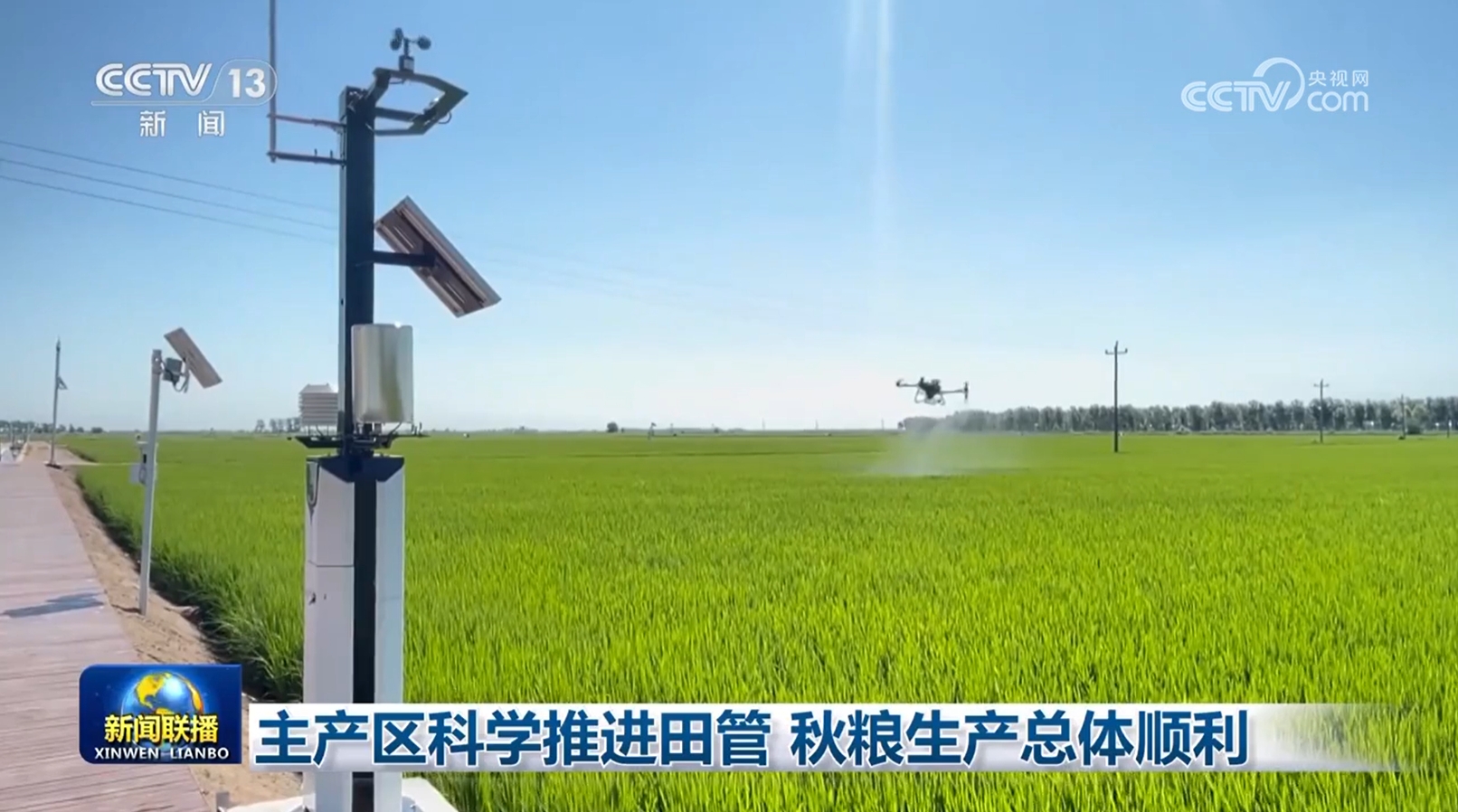
主产区科学推进田管 秋粮生产总体顺利
Yang Shi Wang· 2025-08-17 12:26
Group 1 - The core viewpoint of the articles emphasizes the overall positive outlook for autumn grain production in China, with effective management practices being implemented to ensure a good harvest [1][3][9] - The implementation of large-scale single yield improvement actions is identified as a key measure for grain production this year, with the number of counties involved expanding to 702 [3] - Advanced technologies are being utilized for more efficient farm management, such as intelligent irrigation systems that enhance water resource utilization by over 40% [5] Group 2 - In Hunan Province, a new agricultural planting model using satellite remote sensing technology has been introduced, allowing for precise analysis of crop growth and real-time monitoring, significantly reducing decision-making time by 70% [7] - Despite the positive trends, there are significant risks from drought and flood disasters, prompting regions like Hebei to develop specific disaster prevention and mitigation measures to secure grain production [9]
规模种粮主体谁来护航
Jin Rong Shi Bao· 2025-08-14 02:54
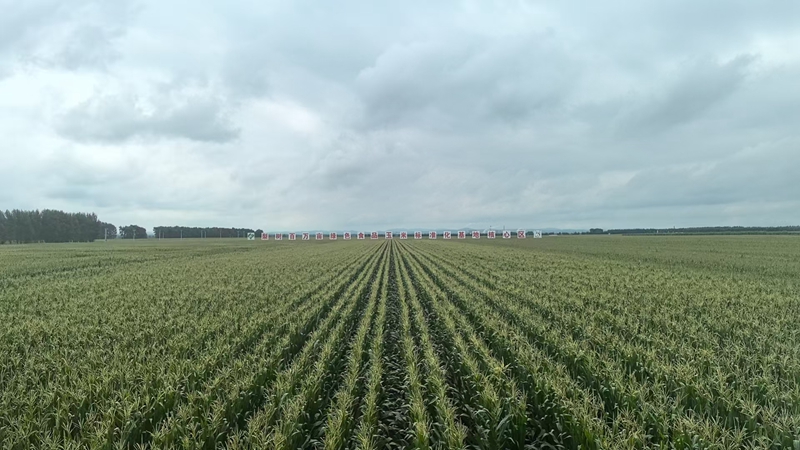
Group 1 - The core viewpoint of the articles emphasizes the importance of large-scale agricultural cooperatives like Kolo and Revolution in driving agricultural modernization in China, showcasing their ability to adopt new technologies and practices while also facing challenges in sustainability and financial support [2][5][10] - Kolo Cooperative expanded its grain planting area to nearly 150,000 acres this year, doubling its size from the previous year, and has extended its operations to neighboring Heihe City due to a lack of available land in Nenjiang [1][2] - The cooperative's leader, Ding Jingqiang, highlighted the challenges of maintaining sustainable operations, particularly in the face of rising costs and fluctuating market prices for crops like soybeans and corn [5][6][22] Group 2 - The "Insurance + Futures" model, which has been piloted for eight years, has been enhanced by incorporating banks and grain purchasing companies to better support large-scale grain producers in risk management and financing [2][13][14] - The introduction of the "Yinqi Bao" model has allowed for a more structured approach to financing, where banks provide loans based on expected income from crop sales, thus improving the creditworthiness of cooperatives [17][22] - The model has also been optimized to allow for a longer pricing period and the possibility of multiple pricing points, which helps farmers secure better prices for their crops [20][22] Group 3 - The cooperatives face significant challenges related to natural disasters and market price volatility, which can severely impact their income stability [7][8][9] - The reliance on traditional loan models has made it difficult for large-scale producers to secure adequate financing, as they often require substantial collateral [9][10] - The "Yinqi Bao" model has shown promise in addressing these issues by providing a safety net through insurance and futures contracts, allowing cooperatives to better manage risks and ensure more stable income [14][17][22]
中经评论:用心做好粮食安全民生答卷
Jing Ji Ri Bao· 2025-08-13 23:51
Core Insights - The article emphasizes the importance of establishing a robust food security system to ensure stable production, favorable prices, smooth circulation, and high quality of food products, especially in the context of various challenges such as extreme weather and fluctuating grain prices [1][2]. Group 1: Food Production Challenges - Extreme weather conditions, including droughts and floods, have negatively impacted grain production this year, leading to a slight reduction in summer grain output [2]. - The government has allocated 1.015 billion yuan to support agricultural recovery in disaster-stricken areas, aiming to minimize production losses and ensure stable yields [2]. Group 2: Price Stability and Farmer Support - Fluctuations in grain prices, particularly the decline in wheat and rice prices, have affected farmers' willingness to cultivate grains, potentially jeopardizing long-term supply [3]. - The government has initiated minimum purchase price policies for wheat and early indica rice to protect farmers from losses, ensuring they do not suffer from low prices [3]. Group 3: Consumer Trends and Quality Assurance - There is a shift in consumer preferences towards higher quality and healthier food options, with a notable increase in demand for premium grain products [4]. - The food supply chain faces quality risks at various stages, necessitating strict source control and the establishment of a comprehensive quality monitoring system to ensure food safety [5]. Group 4: Continuous Improvement and Responsibility - The article stresses the ongoing nature of food security efforts, highlighting the need for a proactive approach to address consumer concerns about food safety and quality [5]. - The commitment to enhancing food security is framed as a continuous responsibility, with the goal of ensuring that the Chinese population has access to safe and sufficient food [5].
黑龙江省牡丹江市打造为企服务“升级版”
Zhong Guo Chan Ye Jing Ji Xin Xi Wang· 2025-08-13 22:22
Group 1 - The core viewpoint of the articles emphasizes the efforts of Mudanjiang City in Heilongjiang Province to enhance the business environment and support enterprise development through various initiatives and policies [1][2][3][5][6] Group 2 - Mudanjiang City has implemented a comprehensive policy push, including a "one-click" policy identification system, which has created 110 policy items and accurately targeted 609 enterprises for support [2] - The city has established a rapid response mechanism for enterprise needs, including a dedicated service hotline that has resolved 760 enterprise requests [2] - Financial services have been enhanced, with initiatives like the "first loan and renewal loan service center" facilitating quick access to credit, resulting in the approval and issuance of 500,000 yuan in credit within three working days for a local agricultural enterprise [3] Group 3 - The city has organized numerous job fairs and employment services, resulting in 879 recruitment events and the signing of employment intentions for 7,303 individuals, with 2,599 successfully employed [3] - A "technology innovation zone" has been launched to connect research institutions and enterprises, allowing for precise matching of technological needs and innovations [4] Group 4 - Collaborative efforts among financial, tax, and regulatory departments have led to the provision of 13.7 million yuan in guaranteed loans to enterprises, enhancing financial support [5] - Mudanjiang City has optimized land supply policies to support real estate development, including flexible payment terms for land use rights [5] Group 5 - The city is actively promoting the growth of semiconductor enterprises, securing 300 million yuan in credit loans and nearly 18 million yuan in various subsidies, facilitating a total investment of 2 billion yuan for a wafer factory project [6]
用心做好粮食安全民生答卷
Jing Ji Ri Bao· 2025-08-13 22:05
Core Viewpoint - The article emphasizes the importance of establishing a robust food security system to ensure stable production, favorable prices, smooth circulation, and high quality in the context of various challenges such as extreme weather, low grain prices, and rising food safety expectations [1][2]. Group 1: Food Production Challenges - Extreme weather events, including droughts and floods, have negatively impacted grain production this year, with summer grain experiencing slight reductions due to severe drought in some areas [2] - The current autumn grain production period is critical, facing challenges from continuous heavy rainfall in East and North China and high temperatures and drought in the Huang-Huai region [2] - The government has allocated 1.015 billion yuan to support disaster-stricken areas in restoring agricultural production [2] Group 2: Price Stability and Farmer Support - Fluctuations in grain prices can significantly affect market stability and food security, with low prices for wheat and rice potentially discouraging farmers from planting [3] - The government has initiated minimum purchase prices for wheat and early indica rice to prevent losses for farmers, ensuring they do not incur losses from grain production [3] - Various regions are encouraged to promote long-term contracts between grain processing enterprises and farmers to secure basic income for farmers while meeting consumer demand [3] Group 3: Consumer Trends and Quality Assurance - There is a shift in consumer preferences from merely being full to seeking high-quality and nutritious food, with a notable increase in demand for mid-to-high-end grain and oil products [4] - The article highlights the importance of food safety, with potential quality risks at various stages of the food supply chain, necessitating strict source control and monitoring [5] - The establishment of a comprehensive food quality safety inspection and monitoring system, along with the use of big data and blockchain technology for traceability, is crucial for ensuring food safety and transparency [5]
财政部下达11.46亿元支持13个粮食主产省份实施秋粮“一喷多促”
Zhong Guo Xin Wen Wang· 2025-08-13 17:41
Core Viewpoint - The Ministry of Finance, in collaboration with the Ministry of Agriculture and Rural Affairs, has allocated 1.146 billion yuan to support 13 major grain-producing provinces in implementing measures to stabilize autumn grain production and ensure food security [1] Group 1: Financial Support - A total of 1.146 billion yuan has been designated for agricultural disaster prevention and relief funding [1] - The funding aims to assist in the application of plant growth regulators, foliar fertilizers, stress resistance agents, and pesticides for key autumn grain crops [1] Group 2: Targeted Crops - The financial support specifically targets major autumn grain crops such as corn, soybeans, and medium rice [1] - The initiative is part of a broader effort to ensure stable production and a bountiful harvest for the entire year [1]
【环球财经】法国软小麦产量恢复强劲
Xin Hua Cai Jing· 2025-08-13 13:57
2024年,受恶劣天气影响,法国软小麦产量降至四十年来最低水平之一,为2565万吨。在此背景下,法 国软小麦2025年的产量最终仅比2020-2024年五年间的平均水平增长4%。 (文章来源:新华财经) 新华财经巴黎8月13日电(记者李文昕)根据法国农业部日前发布的最新数据,经历了2024年的歉收 后,今年法国主要粮食作物软小麦的产量预计将突破3300万吨,同比增长29%,显示强劲复苏。 数据显示,软小麦产量激增的原因是单产大幅提升,到2025年将攀升至每公顷73.7公担,而2024年的单 产仅为每公顷60.9公担,同比增幅达21%。根据法国农业部的估计,两次播种季之间,小麦种植面积仅 略有增加,从2024年的421万公顷增至2025年的448万公顷,增幅为6.4%。 ...
财政部下达农业生产防灾救灾资金11.46亿元
Xin Hua Wang· 2025-08-13 12:24
Core Insights - The Ministry of Finance, in collaboration with the Ministry of Agriculture and Rural Affairs, has allocated 1.146 billion yuan to support 13 major grain-producing provinces in implementing measures to stabilize autumn grain production [1] Group 1 - The funding is aimed at supporting the application of plant growth regulators, foliar fertilizers, stress-resistant agents, and pesticides for key autumn crops such as corn, soybeans, and medium rice [1] - The initiative is part of a broader effort to ensure disaster prevention and mitigation, thereby securing stable production and overall grain harvest for the year [1]
米价大涨!韩国政府首次“出借”储备米
Guo Ji Jin Rong Bao· 2025-08-12 10:48
为此,韩国农林畜产食品部表示,韩国政府决定在8月底前向地方经销商"出借"共计3万吨2024年收获的 政府储备米,以缓解市场供应短缺。 其中,供应对象为两类:一是2024年有资格获得政府大米收购基金支持的生产经销商;二是年粮食收购 量达3000吨以上的林业企业。已获配额的企业可在8月29日前从政府粮食储备仓库提货。 与以往公开拍卖的方式不同,本次韩国政府供应的粮食需以2025年产量等值返还,相关企业须在2026年 3月前将2025年新产粮食送还政府仓库。返还金额将根据2025年7月产区稻米均价、收获季稻价及全省单 产率核算确定。 农林畜产食品部粮食政策官员卞相文表示,此次供应的3万吨政府储备米,通过企业返还2025年新产大 米的机制,将减少2025年实际流入市场的大米量,避免未来新米集中上市可能引发的供过于求现象,同 时也能为2025年收获季的米价稳定提供保障。 据韩媒8月11日报道,随着新米收获期临近,市场供应趋紧推高米价,韩国政府决定首次以"出借"方式 投放储备米平抑价格,此前投放储备米多采用拍卖方式。 近期,韩国米价呈上涨趋势。一项最新统计数据显示,截至8月,韩国一袋20公斤装大米平均零售价为 5.8万韩 ...