渔业养殖

Search documents
新春走基层 | “苏海1号”不停工 深蓝牧场耕耘忙
Xin Lang Cai Jing· 2026-02-23 15:31
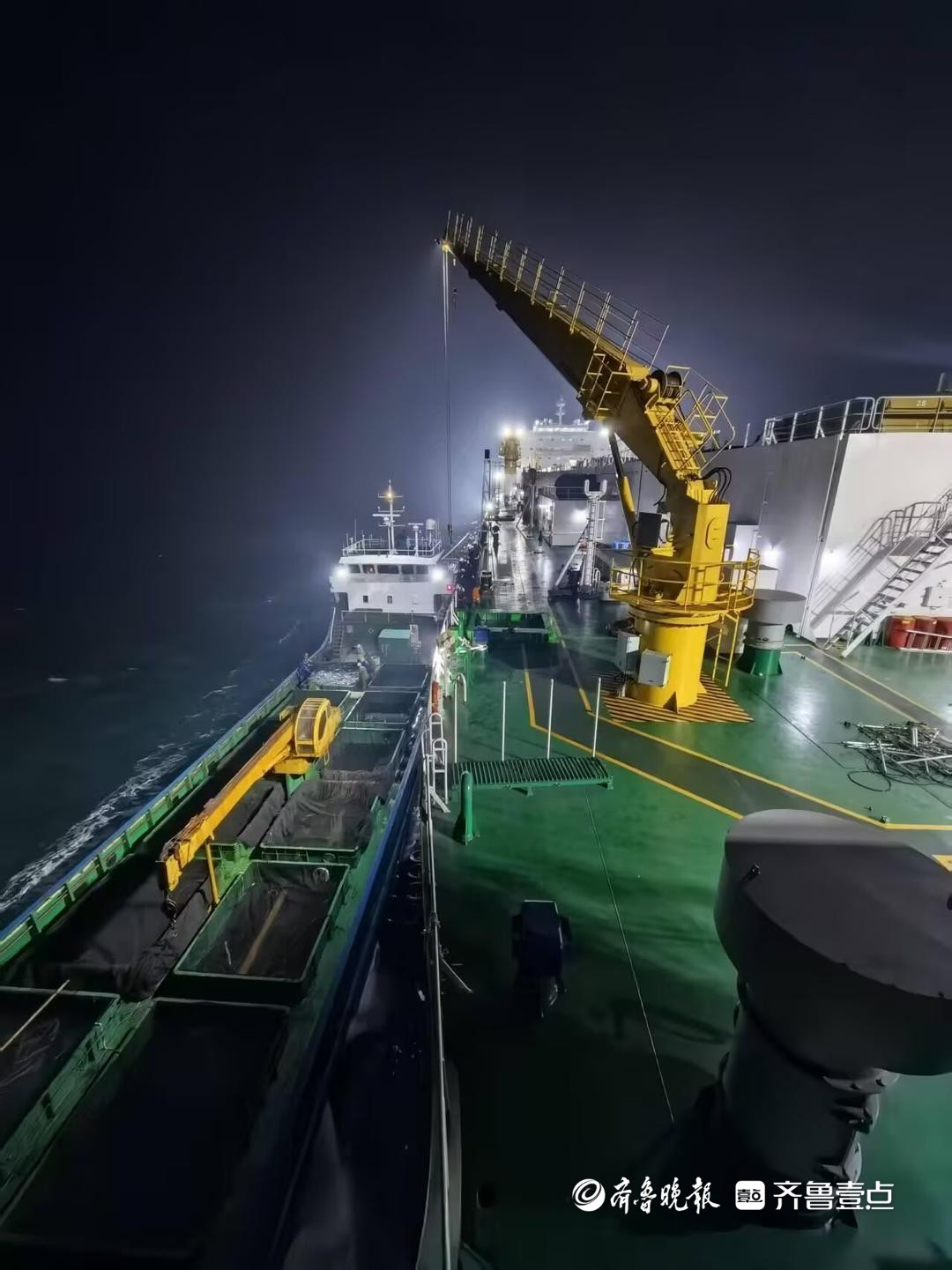
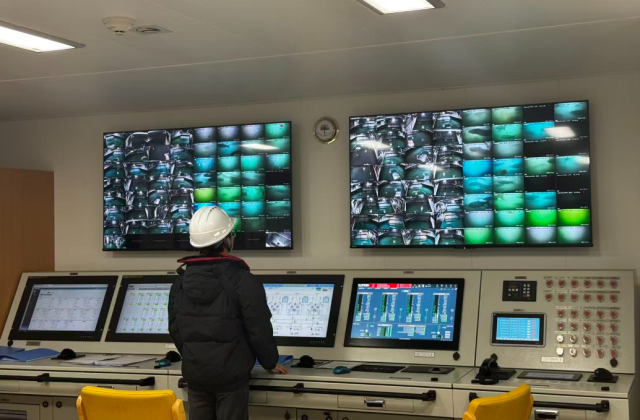
Core Viewpoint - The "Suhai No. 1," the world's first 100,000-ton salmon farming vessel, is operational during the Chinese New Year, highlighting the commitment of its crew to ensure the growth of salmon for market readiness by mid-year [3][6]. Group 1: Operational Details - The "Suhai No. 1" completed the transfer of its last batch of fish fry on February 13 and set sail from Yantai Port [3]. - The vessel has 15 farming compartments housing hundreds of thousands of salmon adapting to their new environment [3]. - Over 40 crew members are working around the clock during the holiday period to monitor and maintain operations, ensuring safety through GPS positioning, radar monitoring, and equipment checks [3]. Group 2: Cultural Significance - The crew of the "Suhai No. 1" is experiencing a unique "marine New Year" with traditional celebrations alongside continuous production operations [5]. - The dedication of the crew, who chose to remain on duty instead of reuniting with family, emphasizes the importance of their role in the development of domestic deep-sea salmon farming [6].

早安,阳江|回暖!阳江将迎今年第一场“回南天”
Xin Lang Cai Jing· 2026-01-25 23:27
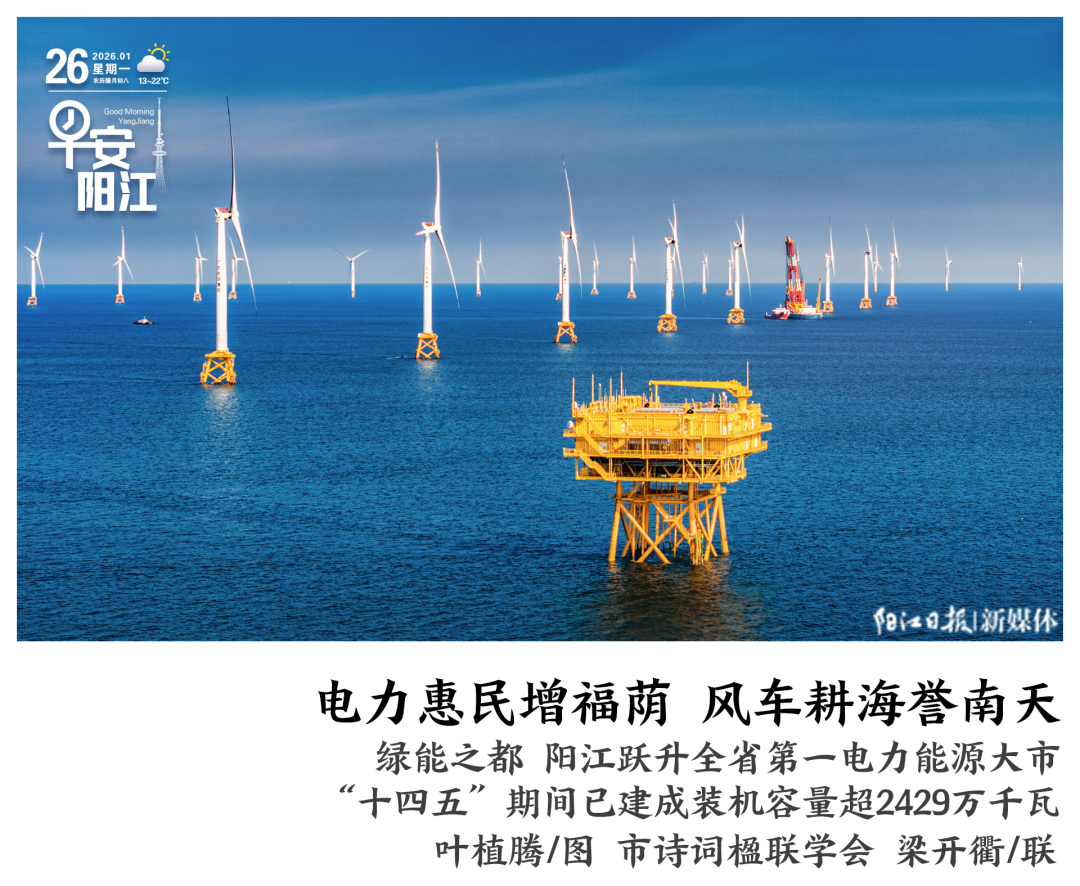
Group 1 - The weather in Yangjiang is expected to warm up this week as the influence of cold air diminishes, with a possibility of light "returning south" phenomenon, which leads to increased humidity and condensation on cold surfaces [3] Group 2 - The Yangjiang Language and Character Work Association held an academic seminar focusing on the protection and inheritance of local dialect culture, involving scholars, educators, and cultural enthusiasts [5] Group 3 - The "Hailing Island No. 1" semi-submersible aquaculture platform has made progress, marking advancements in Yangjiang's modern marine industry system, with a total length of 82 meters and expected to begin trial operations in June [6] Group 4 - The Jiangcheng Special School organized its third campus shopping festival aimed at helping students with disabilities improve social interaction and life skills, with proceeds going towards school infrastructure and support for special needs children [7] Group 5 - The Xinzhou Town in Yangdong District has adopted a "zero tolerance" approach to wildlife protection, emphasizing a comprehensive strategy to combat illegal bird trapping [8] Group 6 - The Yangchun Public Security Traffic Management Department has initiated a traffic safety rectification action for electric bicycles and motorcycles to reduce related accidents, focusing on strict management and education [9] Group 7 - In Yangxi County's Shanyang Town, 20,000 acres of winter watermelon planting have been completed, with local farmers utilizing greenhouse cultivation techniques to enhance the traditional industry [12] Group 8 - The Nanchang Railway Bureau expects to send 36.6 million passengers during the 2026 Spring Festival, a 6% increase year-on-year, potentially setting a new historical record for passenger volume [13]
湖里“存”着三十亿,冬捕捞出好效益
Xin Hua Ri Bao· 2026-01-18 20:58
Core Viewpoint - The upcoming winter fishing festival at Jinniu Lake, starting on January 31, showcases the region's ecological transformation and promotes new fish products, highlighting the integration of ecological protection, industry development, and cultural heritage [1][2][3] Group 1: Ecological Restoration - Jinniu Lake experienced severe ecological damage due to extensive mineral development from the 1980s to the early 2000s [2] - The area has implemented a dual policy approach as a national EOD model pilot and a provincial "ecological island" experimental zone, focusing on comprehensive ecological protection and restoration [2] - The ecological product value (GEP) for 2024 is projected to be 2.975 billion, accounting for nearly 50% of the GEP in the Liuhe District, with a unit area GEP eight times the national average [2] Group 2: Aquaculture and Product Development - Jinniu Lake has initiated a fish population cultivation program, releasing approximately 500,000 pounds of organic fish fry annually to establish a stable ecological community [2] - The tourism area is expanding into the deep processing of organic fish products, introducing items like fish head soup and fish balls, enhancing the product value chain [2] Group 3: Cultural and Tourism Integration - The winter fishing festival is a key cultural tourism event, included in the city's "Hundred Villages, Hundred Products" winter tourism promotion, with innovative content and formats [3] - The festival will feature traditional fishing ceremonies, performances, and interactive experiences, allowing visitors to engage with local culture and cuisine [3] - Jinniu Lake's development strategy connects ecological protection, industry upgrades, and cultural transmission through the theme of fish [3]
喀什·寻鲜记|“养”在云端的鱼
Xin Lang Cai Jing· 2026-01-18 02:59
Core Viewpoint - The establishment of a smart aquaculture base in Kashgar, Xinjiang, utilizing technology to transform saline-alkali land into productive fish farming areas, is enhancing local employment and economic development while providing fresh seafood to the community [1][2][3]. Group 1: Technological Advancements - The aquaculture base features 42 indoor recirculating water farming workshops, allowing for a fish stocking density of 30 to 50 kilograms per cubic meter, significantly higher than traditional methods [2]. - The implementation of a fully covered 5G network and IoT systems enables real-time monitoring of water quality parameters, with automated processes for oxygenation, temperature control, and sterilization [2]. - The system maintains water temperature at around 25°C and dissolved oxygen levels above 5 mg/L, resulting in faster fish growth and a reduction in farming cycles by nearly one-third [2]. Group 2: Economic Impact - Each fish farming pool can generate an annual net profit of over 80,000 yuan, contributing to the extension of the industrial chain, including cold chain logistics, feed processing, e-commerce sales, and dining consumption [3]. - The project is expected to create approximately 200 flexible employment opportunities annually through the introduction of a "fish-plant symbiosis" system, which will utilize treated aquaculture wastewater for irrigation of medicinal herbs and flowers [2][3]. - The second phase of the project is anticipated to add over 30 new jobs, further boosting local employment [2]. Group 3: Community Engagement - Local residents, including university graduates, are returning to their hometowns for employment opportunities at the aquaculture base, applying their knowledge and skills while contributing to the local economy [2]. - The base has gained market recognition, with increasing sales and positive customer feedback, indicating a promising future for locally farmed fish [3]. - The initiative is part of a broader strategy for rural revitalization, transforming previously barren saline-alkali land into productive aquaculture areas, thus enhancing the community's quality of life [3].
台胞在宁德:创业兴业氛围渐浓
Xin Lang Cai Jing· 2026-01-14 06:16
Group 1 - Ningde City has actively integrated into the cross-strait development demonstration zone, adding 33 Taiwanese-funded enterprises and 18 Min-Tai rural construction projects in the past year [1] - The black-spined loach breeding farm established by Taiwanese entrepreneur Huang Linbao in Ningde has become the largest of its kind in Fujian Province, with annual sales of over 15 million fry and a revenue of approximately 5 million RMB [1] - The successful artificial breeding of black-spined loach was achieved with technical support from the Fujian Freshwater Aquatic Research Institute, overcoming initial challenges [1] Group 2 - The agricultural sector is one of the earliest and most effective areas for cross-strait cooperation, with plans for eight new national-level Taiwanese farmer entrepreneurship parks approved in Fujian by the end of 2024 [2] - Taiwanese businessman Liu Chuanxing has established a company in the Xiapu Taiwanese Farmer Entrepreneurship Park, focusing on the cultivation of the cow tree, which has significant market potential in mainland China [2] - Liu plans to promote the integration of the cow tree industry across primary, secondary, and tertiary sectors, expressing confidence in future development [2] Group 3 - A collaboration between Huawendaochuang (Ningde) Design Co., Ltd. and the Taiwan Sustainable Value Co-Creation Association aims to advance agricultural carbon credit standards and promote carbon-neutral tea products [3] - The Ningde government is enhancing support for Taiwanese enterprises in marine fisheries, with individual enterprise subsidies up to 200,000 RMB and interest subsidies for agricultural enterprises in Taiwanese farmer entrepreneurship parks [3] - Plans for 2026 include strengthening cooperation in new energy and marine fisheries between Ningde and Taiwan, as well as accelerating the construction of the national-level Taiwanese farmer entrepreneurship park in Xiapu [3]

智慧种养降本增效
Xin Lang Cai Jing· 2026-01-12 22:06
Core Viewpoint - The article highlights the modernization of agricultural infrastructure in Zunyi City, focusing on smart technologies that enhance productivity and resource efficiency in farming practices [1] Group 1: Smart Seedling Projects - Zunyi Laorunfeng Agricultural Technology Co., Ltd. is in the final testing phase of its smart seedling project, which features greenhouses equipped with full-top opening windows and intelligent spraying systems [1] - The project aims to precisely control light, temperature, and water, resulting in a seedling survival rate of over 95% during transplantation [1] Group 2: Intelligent Aquaculture - The Zunyi Ecological Land-based Fishery Breeding Base in Honghuagang District utilizes an intelligent management system to dynamically adjust water temperature and oxygen levels [1] - This system not only simulates the optimal growth environment for fish but also incorporates a comprehensive process of physical filtration, biological purification, oxygenation, and sterilization, allowing for water reuse [1] - The aquaculture operation saves over 600 tons of water annually due to these smart management practices [1]

“十五五”开好局 起好步丨三文鱼也要“搬家” 陆海接力养殖助力“蓝色粮仓”
Yang Shi Xin Wen Ke Hu Duan· 2026-01-11 01:49
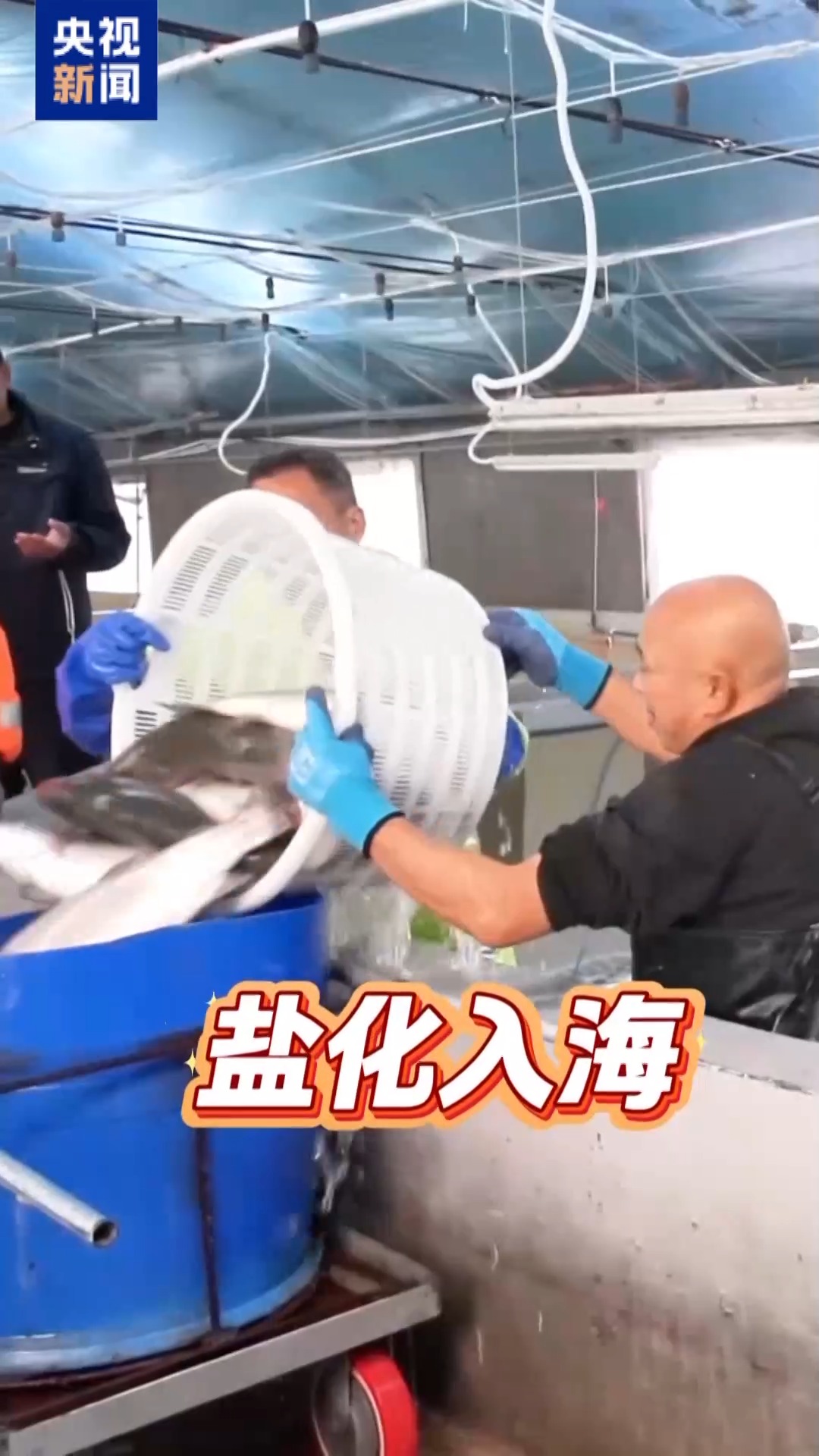
Group 1 - The core idea of the news is the transition of salmon farming from land to deep-sea net cages, enhancing growth conditions and flavor while overcoming spatial and production limitations of nearshore farming [1][10] - The first batch of salmon fry is scheduled to be moved to deep-sea net cages in 2026, with preparations underway for their acclimatization to saltwater [1][4] - The deep-sea farming model is expected to significantly improve the growth and quality of the fish, providing better products for the market [10] Group 2 - The use of specialized water mixed with seawater in saltwater acclimatization pools helps the salmon fry adapt to their new environment [7] - The transportation of the fish fry to deep-sea net cages involves an 8-hour shipping process, emphasizing the logistical efforts in this transition [7] - The initiative aims to utilize ocean resources effectively, positioning the ocean as a "blue granary" for sustainable seafood production [1]
创新海域管理模式助推海洋经济高质量发展
Xin Hua Ri Bao· 2025-12-16 00:30
Core Insights - The "Dongtai City Xingdong Investment 210 MW Fish-Solar Complementary Centralized Power Generation Project" has been recognized as a pioneering case in the innovative management of marine resources, marking a shift from flat to three-dimensional utilization of marine space [1][2] - The project exemplifies a win-win model of "one sea area, two outputs," combining solar power generation with ecological fish farming, thereby ensuring long-term rights for different operational entities [1][2] Group 1 - The project covers an area of approximately 267 hectares in the Dongtai coastal economic zone, utilizing a layered rights allocation model to clearly define marine usage rights above and below water [1][2] - The project has achieved significant comprehensive benefits, generating a total of 190 million kWh of electricity since its grid connection at the beginning of the year, with a projected total output of 6.57 billion kWh over its lifecycle [2] - The project is expected to save approximately 79,000 tons of standard coal annually and reduce carbon dioxide emissions by about 218,000 tons, contributing positively to regional energy structure optimization and carbon neutrality goals [2] Group 2 - The Dongtai Natural Resources and Planning Bureau has established a joint office and synchronized review mechanism with agriculture, rural affairs, and ecological environment departments to enhance approval efficiency [2] - The project employs modern technologies such as geographic information systems, remote sensing monitoring, and drone photography for precise delineation of marine usage areas and dynamic supervision [2] - Future plans include deepening marine management reforms and exploring additional integrated development models, such as "offshore wind power + aquaculture" and "marine tourism + ecology," to contribute to high-quality marine economic development [3]
鱼肉脆化的探寻之旅(念念有余)
Zheng Quan Shi Bao Wang· 2025-12-15 13:39
Core Insights - The article discusses the unique cultivation of a fish known as "Crispy Fish" (脆肉鲩), which is primarily raised in Shenzhen, highlighting its surprising texture and the local pride in its production [1][2]. Group 1: Fish Cultivation and Characteristics - The fish, a type of grass carp, becomes crispy due to a diet primarily consisting of fava beans, which enhances its texture [1]. - Local farmers attribute the successful cultivation of Crispy Fish to favorable environmental conditions, such as stable water temperatures and experienced fish farmers [1]. - Other regions have attempted to cultivate Crispy Fish but have faced challenges due to climate differences and the established scale of local production [1]. Group 2: Other Fish and Animal Insights - Other fish species, such as crucian carp and tilapia, have shown potential for crispiness, but with varying degrees of success and market viability [2]. - The process of crisping in crucian carp relies on the undigested fava bean remnants from the Crispy Fish, indicating a unique ecological interaction [2]. - The article also notes that even mammals, like local mice, can exhibit a form of crispiness due to their consumption of fava beans, suggesting a broader biological phenomenon [2][3]. Group 3: Scientific Explanation - The crispiness in fish is attributed to a specific substance in fava beans, which affects red blood cell stability and leads to a cycle of hemolysis and repair in certain fish species [3]. - The local fishermen, while lacking formal scientific explanations, have effectively observed and commercialized the crisping phenomenon, demonstrating a practical understanding of the process [3].
“国信一号”开养三文鱼
Qi Lu Wan Bao· 2025-12-09 09:54
Core Viewpoint - The successful completion of the first batch of Atlantic salmon fry stocking on the "Guoxin 1号2-2" marks a significant advancement in large-scale aquaculture, opening new pathways for high-quality protein supply in China [1][3]. Group 1 - The "Guoxin 1号2-2" is the latest generation of aquaculture vessels developed by Qingdao Guoxin Group, designed with a focus on "fishing suitability" and featuring multiple technological optimizations in its aquaculture system and intelligent management [3]. - The vessel successfully stocked over 25,000 Atlantic salmon fry, achieving a survival rate of 99.7% during the stocking process, demonstrating the efficiency and reliability of the aquaculture model [3][5]. - This initiative expands the aquaculture species to economically valuable Atlantic salmon, following the successful cultivation of large yellow croaker, representing a significant practice in deep-sea aquaculture technology in China [5]. Group 2 - The fry were sourced from Guoxin Group's subsidiary, Guoxin Dongfang (Yantai) Recirculating Aquaculture Technology Co., Ltd., which utilized high-quality imported eggs for independent hatching and cultivation, ensuring a fully controlled and efficient supply chain from breeding to vessel stocking [5]. - The "Guoxin 1号2-2" will transition to suitable sea areas for continuous year-round cultivation after completing the fry stocking, contributing to a systematic and standardized development phase in China's deep-sea aquaculture [5]. - The operational synergy of "Guoxin 1号," "Guoxin 1号2-1," and "Guoxin 1号2-2" is expected to exceed an annual production capacity of 10,000 tons, providing robust support for national food security and the "blue granary" initiative [5].