
博物馆

Search documents
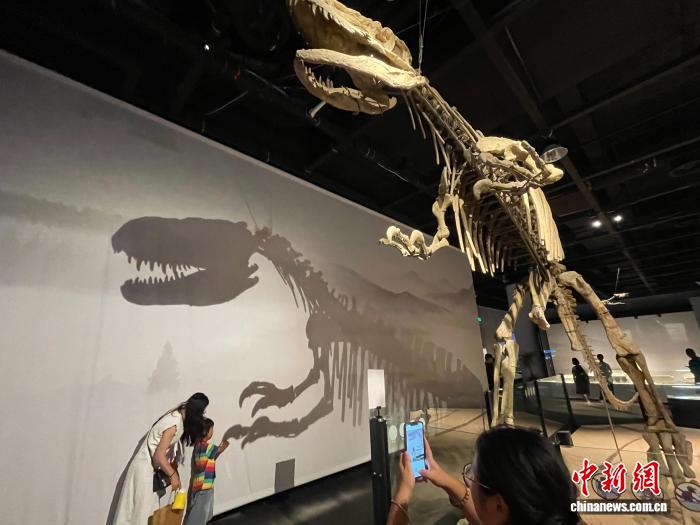
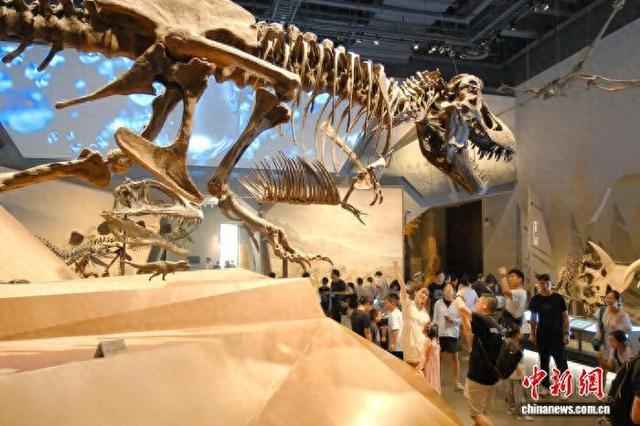
抓住暑期尾巴 上海自然博物馆推出“疯狂恐龙周”夜场活动
Zhong Guo Xin Wen Wang· 2025-08-27 06:30
Group 1 - The Shanghai Natural History Museum is hosting a "Crazy Dinosaur Week" night event to attract visitors during the last days of summer vacation, featuring science lectures, performances, themed movies, and night markets [1][2] - China is recognized as a "dinosaur powerhouse," with over 1,000 dinosaur species discovered globally, of which approximately one-third are found in China [1] - The "Roaring Across the Land: China Dinosaur Exhibition," co-hosted by the Shanghai Science and Technology Museum and the Chinese Academy of Sciences, has been ongoing since late May, showcasing valuable specimens and models to the public [1] Group 2 - The "Dinosaur World" exhibit at the Shanghai Natural History Museum has become a popular destination for family and cultural tourism during the summer [2] - The museum extended its opening hours from August 26 to August 30, with hours extended to 19:00 and 20:00 respectively, aiming to enhance the cultural experience of night life for visitors [2] - The museum's initiatives are designed to inspire children’s interest in science and art, fostering a passion for natural science exploration [2]

北京加快建设“博物馆之城”,去年全市博物馆接待观众超1亿人次
Xin Jing Bao· 2025-08-26 11:54
Group 1 - The "Han Wind and Luxurious Splendor - Mawangdui Life Art Exhibition" has attracted many visitors since its opening on May 20, showcasing the exquisite lifestyle and spiritual pursuits of the Western Han nobility [1][2] - Beijing has accelerated the construction of a "Museum City," with 246 registered museums and 56 quasi-museums, the highest number among Chinese cities, aiming to receive over 100 million visitors in 2024 [1][4] - The exhibition features four main themes: "Limitless Wealth," "Feasting and Banqueting," "Dressed in Brocade," and "Bamboo and Silk Collections," highlighting various aspects of Han nobility life [2] Group 2 - The Mawangdui exhibition has been extended from August 19 to August 31 to meet public cultural demands, with daily visitor numbers ranging from 700 to 800 on weekdays and about 2,500 on weekends during the summer [2] - The Dabaotai site, discovered in 1974, is known for its high-ranking burial style and is the first complete archaeological discovery of its kind in New China, housing over a thousand artifacts that provide valuable insights into the Western Han period [3] - Beijing's museum development plan for 2024-2035 aims to enhance the museum system, improve cultural supply capabilities, and deepen cultural exchange and cooperation [4][5] Group 3 - The city encourages universities to enhance their social service capabilities through museums and supports the establishment of small museums focused on private collections and folk culture [5] - The initiative includes a series of themed activities and cultural products to foster a shared cultural atmosphere, enhancing public engagement with museums [5] - The free admission policy has significantly improved public service efficiency and increased social attention towards museums, making them an integral part of the citizens' quality of life [5]
长知识了!原来“觥筹交错”的“觥”长这样
Yang Shi Wang· 2025-08-24 16:11
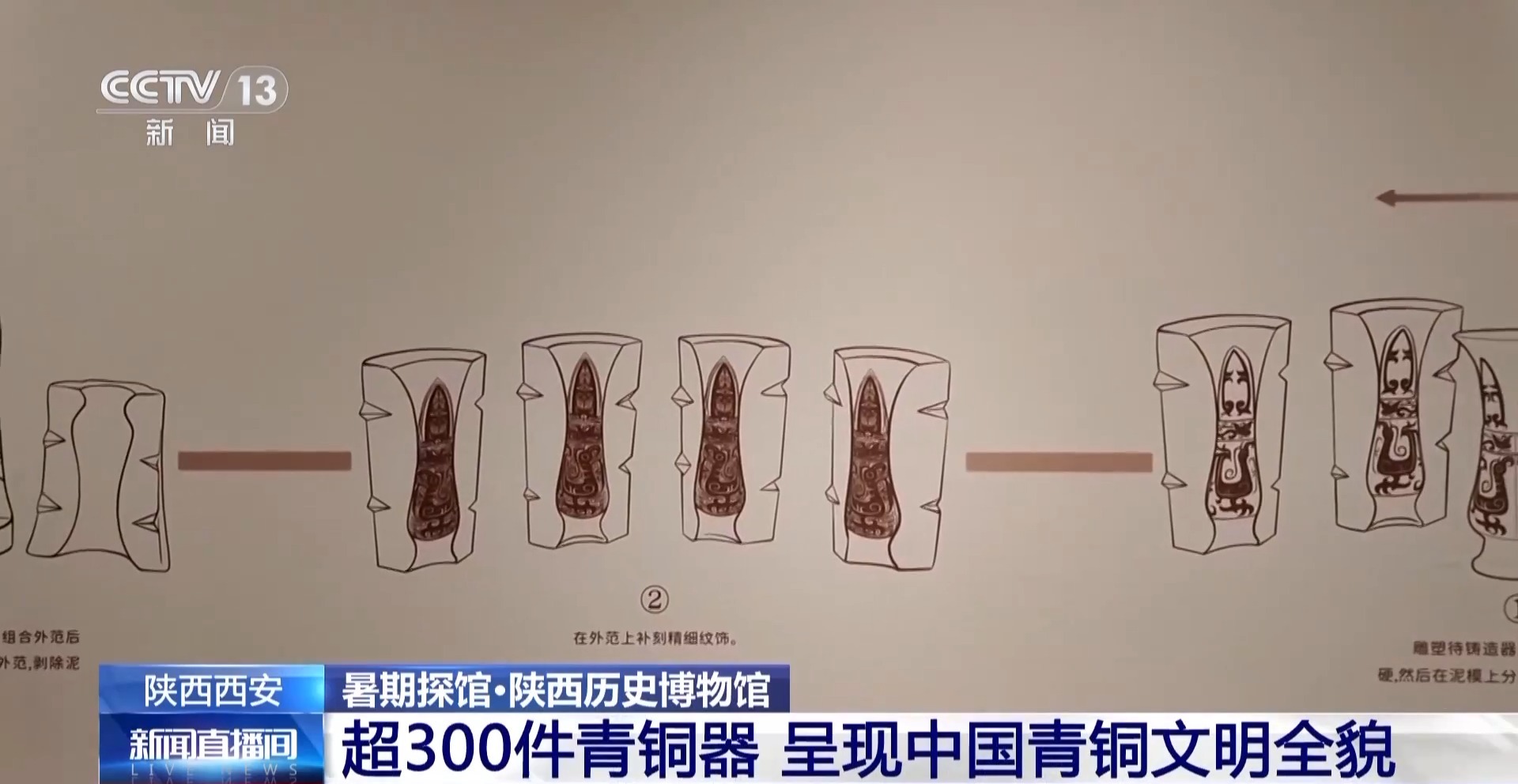
Core Viewpoint - The exhibition "Ji Jin: China - The Rise and Prosperity of Chinese Bronze Civilization" at the Shaanxi History Museum showcases over 340 bronze artifacts from more than 50 cultural institutions, highlighting the development of bronze metallurgy in ancient China and its cultural significance [1][3]. Group 1: Exhibition Highlights - The exhibition features artifacts that illustrate the entire process of bronze production, from mining and smelting to molding and casting [1]. - Significant items include a lead-tin bronze fragment, indicating a shift from solid to hollow bronze casting in the Central Plains region [10]. - The exhibition includes a unique wine vessel called "Dai Ji Gong," which features intricate designs and animal motifs, showcasing the artistic craftsmanship of the time [14][18]. Group 2: Educational and Interactive Elements - Interactive installations allow visitors to experience the sounds of ancient bronze instruments and engage with the evolution of Chinese characters through hands-on activities [20][22]. - The museum has extended its hours and increased ticket availability during the summer to accommodate public interest in the exhibition [23].
高校博物馆:依托专业资源,丰富公共文化
Ren Min Ri Bao· 2025-08-23 05:20
Group 1 - The core idea of the articles emphasizes the role of university museums in providing educational and cultural services, becoming popular destinations for the public and serving as a "second classroom" for students [1][2][3] - University museums leverage academic resources to offer specialized public cultural services, integrating historical narratives into educational frameworks, such as the "Great Ideological and Political Course" [2][3] - The articles highlight various university museums across China, showcasing their unique collections and contributions to cultural heritage, such as the Xi'an Jiaotong University Xiqian Museum and the Sichuan University Museum [2][3][4] Group 2 - The Sichuan University Museum, with over 80,000 historical and cultural artifacts, emphasizes its research capabilities and collaboration with archaeological studies, enhancing the understanding of Chinese civilization [3][4] - The Beijing University of Aeronautics and Astronautics Museum features significant exhibits like the "Beijing-1" aircraft, symbolizing the spirit of innovation and dedication in China's aerospace industry [6][7] - The articles discuss the importance of university museums in enriching students' learning experiences, providing a tangible connection to cultural concepts, and fostering innovation and responsibility among youth [5][8]
高校博物馆—— 依托专业资源,丰富公共文化(文化中国行·视线)
Ren Min Ri Bao· 2025-08-22 22:05
Core Viewpoint - University museums serve educational, research, and cultural appreciation purposes, becoming popular public spaces and contributing to higher education and social cultural development [1] Group 1: Role of University Museums - University museums provide specialized public cultural services and have become a "second classroom" on campuses [1] - They actively engage in the integration of historical resources into educational frameworks, such as the "Big Ideological and Political Course" [3] - Many universities utilize historical artifacts and red culture to inspire students and promote national spirit [3] Group 2: Cultural and Historical Significance - The Xi'an Jiaotong University Westward Migration Museum showcases the historical journey of thousands of students and faculty who moved westward in 1956, using personal stories and artifacts to create an immersive experience [2] - The Sichuan University Museum, with over 80,000 historical artifacts, emphasizes the importance of research in cultural heritage and collaborates with archaeological studies [4][5] - The Central University for Nationalities Museum highlights the diversity of Chinese ethnic cultures, providing a tangible connection to cultural concepts for students [6] Group 3: Educational Impact - University museums are seen as ideal classrooms for youth, enhancing their understanding of history and culture through direct engagement with artifacts [6][9] - The Beijing University of Aeronautics and Astronautics Museum features significant exhibits like the "Beijing No. 1" aircraft, which embodies the spirit of innovation and dedication among students [7][8] - Specialized museums, such as the Electronic Science Museum at the University of Electronic Science and Technology, showcase the development of technology in China, serving as a resource for both education and research [9]
凌晨3点,我在博物馆蹦迪
Hu Xiu· 2025-08-22 08:36
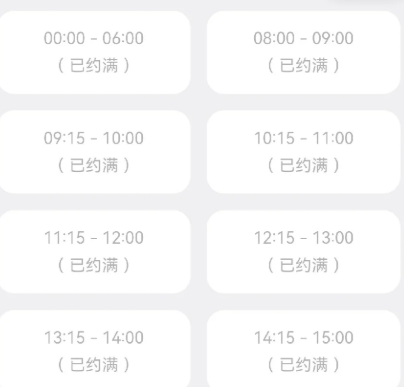
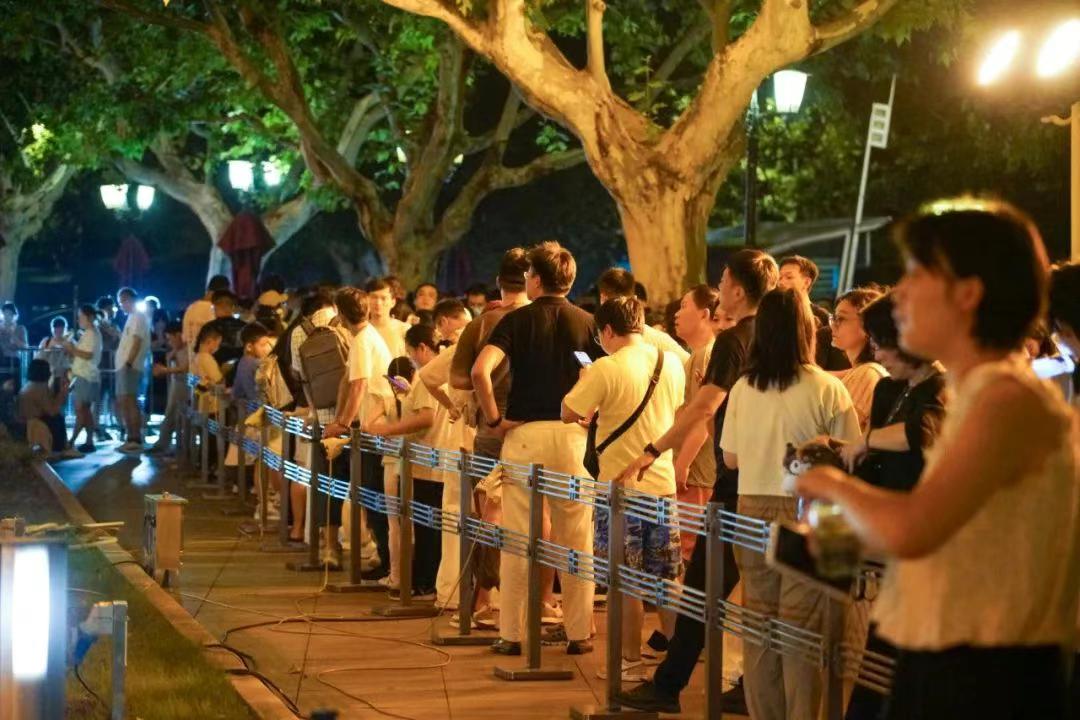
Core Insights - The Shanghai Museum's "Pyramid Peak: Ancient Egyptian Civilization Exhibition" attracted over 2.77 million visitors in 13 months, generating over 760 million yuan in revenue, setting multiple world records for museum exhibitions [3][56][58] - The museum operated continuously for 168 hours during the final week of the exhibition, marking a first in the global museum sector [5][37] - The exhibition's popularity led to a vibrant night culture in Shanghai, with many visitors attending late-night sessions, showcasing a shift in social engagement and learning [1][9][14] Revenue Generation - The exhibition's total revenue of 760 million yuan included over 320 million yuan from ticket sales and approximately 440 million yuan from merchandise sales [56][58][61] - The museum's strategy included a significant promotion of themed merchandise, with over 1,200 items sold, contributing to the overall financial success [60][61] - The initial cost for hosting the exhibition was negotiated at 5 million USD (approximately 35.9 million yuan), which was significantly lower than the initial asking price of 6 million USD [53][56] Visitor Engagement - The late-night sessions from midnight to 6 AM offered discounted tickets, attracting a diverse audience, including families and young professionals, eager to learn and experience the exhibition [9][10][14] - The exhibition saw a high percentage of visitors from outside Shanghai, with nearly 70% of attendees coming from other provinces, indicating its national appeal [14] - The atmosphere during late-night visits was described as lively and crowded, with many attendees engaging in informal learning and discussions [6][12][22] Cultural Impact - The exhibition not only highlighted ancient Egyptian artifacts but also fostered a unique cultural experience, blending education with entertainment, as seen in the various themed activities and merchandise [24][26][33] - The success of the exhibition has implications for the future of museum operations in China, particularly in terms of extending hours and enhancing visitor experiences through innovative programming [38][60] - The phenomenon of night-time museum visits is gaining traction in China, with other museums beginning to adopt similar strategies to attract visitors [38][39]
上海高精力牛马半夜3点排队进博物馆约会?法老都得加班的上博埃及展一年赚了7个亿
3 6 Ke· 2025-08-22 08:35
Core Insights - The Shanghai Museum's "Pyramid Peak: Ancient Egyptian Civilization Exhibition" has attracted over 2.77 million visitors in 13 months, generating over 760 million yuan in revenue, setting world records for museum exhibitions [1][32][28] - The museum operated continuously for 168 hours during the final week of the exhibition, marking a first in the global museum sector [3][32] - The exhibition's popularity has led to a significant increase in tourism to Egypt, with a 65% year-on-year rise in Chinese tourists visiting Egypt [32] Group 1: Exhibition Success - The exhibition has become a social phenomenon in Shanghai, with night tickets selling out quickly, leading to a thriving secondary market [6][7] - The museum's night sessions from midnight to 6 AM offered discounted tickets, attracting a diverse audience, including families and young couples [6][9] - The exhibition featured 788 artifacts from seven major Egyptian museums, with over 95% of the items making their debut in Asia [21][23] Group 2: Revenue Generation - The exhibition generated over 320 million yuan from ticket sales and approximately 440 million yuan from merchandise, totaling over 760 million yuan in revenue [32][35] - The museum's strategy included a significant focus on cultural products, launching over 1,200 themed merchandise items during the exhibition [35][34] - The negotiation for the exhibition involved a fee of 5 million USD (approximately 35.9 million yuan) for the artifacts, showcasing the financial stakes involved [30][32] Group 3: Visitor Experience - The late-night events transformed the museum into a vibrant social space, with visitors engaging in various activities, including informal guided tours and themed events [10][12] - The atmosphere during the night sessions was described as lively, with many attendees expressing a strong desire to learn despite the late hours [16][18] - The museum's approach to night events has set a precedent for other institutions, highlighting the growing trend of nighttime cultural activities in China [23][27]
浙江安吉:暑期尾声博物馆热度不减
Zhong Guo Xin Wen Wang· 2025-08-21 12:52
Core Viewpoint - The Zhejiang Natural Museum in Anji County, Huzhou City, Zhejiang Province, is experiencing a surge in visitor interest as the summer vacation comes to an end, with its six main exhibition halls attracting a significant number of visitors [2][4][5][7][9] Group 1 - The museum features six main exhibition halls: Geology Hall, Ecology Hall, Beilin Hall, Ocean Hall, Dinosaur Hall, and Natural Art Hall, each with distinct themes and rich content [2][4][5][7][9] - The diverse themes and engaging content of the exhibition halls are effectively drawing the public to visit [2][4][5][7][9]
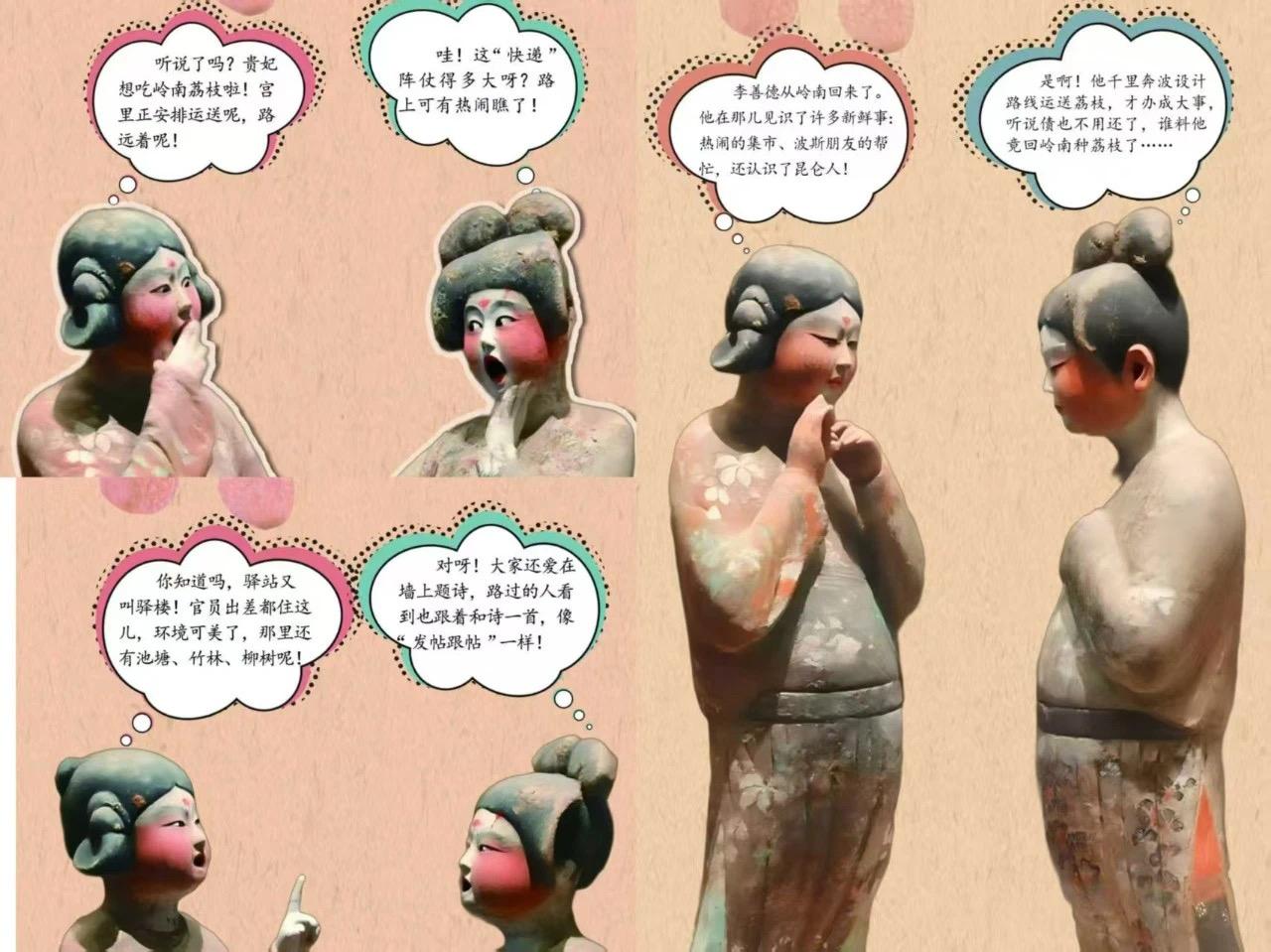
西安这家博物馆太会了!让唐代仕女俑“寻找李善德”
Xin Lang Cai Jing· 2025-08-21 03:56
Core Viewpoint - The exhibition "Encountering the Tang Dynasty: The Splendor of the Chang'an Lychee Route" at the Xi'an Datang Xishi Museum highlights the historical significance of lychee tribute and the efficient transportation network that supported it, using the perspective of painted figurines to narrate the story of the "Tang Express Line" for lychee transportation [1][3]. Group 1: Exhibition Overview - The exhibition focuses on the historical fact of "lychee tribute," divided into three sections that explore the cultural and economic aspects of the Tang Dynasty through the lens of painted figurines [3]. - The opening section, "The Origin of the Lychee Mission," showcases the fashion trends of Tang women through exquisite painted figurines, reflecting social hierarchies and craftsmanship [5][10]. Group 2: Transportation System - The core section "Running Gears: The Courier Network of the Tang Dynasty" analyzes the efficient yet burdensome courier system behind lychee transportation, with 1,639 relay stations documented in the "Tang Liudian," including 260 water stations and 1,297 land stations [14][16]. - The figurines of inner servants represent the key figures in the transportation network, illustrating their roles in delivering orders and managing logistics within the imperial court [16][18]. Group 3: Social Life in Chang'an - The third section, "The Everyday Life Along the Lychee Route," presents a vivid portrayal of life in Chang'an, showcasing the diverse social groups that converged in the city, including foreign envoys and merchants [23][25]. - The exhibition features 80% of the artifacts on display for the first time, including various painted figurines that capture the vibrancy of daily life in the Tang Dynasty [30]. Group 4: Interactive Experience - To enhance visitor engagement, the exhibition includes a Tang Sancai pottery-making experience, allowing attendees to learn about ancient ceramic techniques under the guidance of professional restorers [34].
夜游博物馆解锁文旅新空间
He Nan Ri Bao· 2025-08-20 23:30
Group 1 - The trend of museums offering night tours is gaining popularity, with a 100% increase in search volume for "night tours" on a travel platform since July, indicating a strong consumer interest in nighttime museum experiences [1] - Over one-third of national first-class museums have launched night tours during the summer, with some tickets selling out almost instantly, showcasing the high demand for these events [1] - The integration of cultural tourism and digital resources is driving museums to innovate and enhance visitor experiences, making them popular destinations for social media engagement [1] Group 2 - The National Museum of Natural History has welcomed nearly 100,000 visitors since the inception of "Museum Night" in 2006, demonstrating its successful engagement in nighttime activities [2] - The museum focuses on creating immersive experiences tailored to different age groups, ensuring a blend of entertainment and educational value through diverse programming and volunteer involvement [2] - Digital technologies are enabling museums to merge online and offline experiences, transforming them into interactive cultural spaces that enhance visitor engagement [2] Group 3 - The State Council's recent measures encourage extending the opening hours of popular cultural and tourism sites, emphasizing the importance of night-time operations for museums [3] - Museums are leveraging digital methods to bring artifacts to life and create immersive experiences that foster deeper cultural appreciation and confidence among visitors [3]