
图书零售

Search documents
西宁寒假学生扎堆书店,几何书店客流激增
Xin Lang Cai Jing· 2026-01-19 18:12
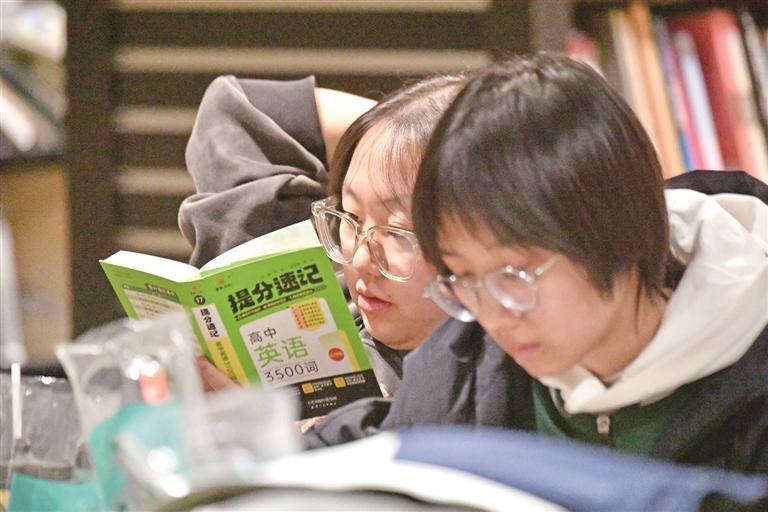
1月19日,西宁市海湖新区的几何书店内,不少学生扎堆看书学习。随着中小学陆续开启寒假模式,西宁市各 大书店迎来学生客流高峰,图书销售量也稳步提升。西海新闻记者 邓建青 摄 ...

让书店“变身”城市的智慧高地,深圳探索公共文化服务新范式
Nan Fang Du Shi Bao· 2026-01-13 12:40
2025年末,在深圳市书刊发行业协会的牵头下,全市10余家特色书店品牌共同策划推出了"深圳书店共 创城市会客厅"系列活动。这不仅是一次16项22场文化活动的集中呈现,更是深圳对公共文化空间的一 次全新探索——将书店打造为集思想交流、文化体验与社群连接于一体的高品质公共文化服务平台,生 动演绎书店、城市与市民的共生共荣。 2025年9月以来,无论是国家层面的政策利好,还是民间对于高品质文化生活的强烈呼声,深圳在全民 阅读领域频频迎来高光时刻。人们不再满足于书店仅仅作为一个售书的场所,而是迫切希望它能像一个 温暖的"会客厅"那样,具有包容性和开放性。 2025年9月26日,深圳新时代重大文化设施之一、新一代文化综合体、粤港澳大湾区地标级文旅目的 地"湾区之眼"正式开业,深圳的文化天际线再添亮色,这也标志着城市文化空间建设迎来新的制高点。 深圳市书刊发行业协会敏锐地捕捉到这一时代脉搏,于2025年11月—12月联合帆书樊登书店、句象书 店、尚书吧、得间书店、龙华书城等首批示范点,依托16项22场精彩活动,对"城市会客厅"这一概念进 行了深化与实践。这既是对"湾区之眼"开业所掀起的文旅热潮的延续,也是对深圳读书月精神 ...
产业升级催生消费升级,新兴城市成为新增长极
Jing Ji Guan Cha Wang· 2026-01-12 09:48
Core Insights - The geographical landscape of China's consumer market is shifting from traditional first-tier cities to emerging urban areas, indicating a significant change in consumption growth dynamics and brand competition [1][7] Group 1: Consumption Trends - The "Box District Housing Index" shows that cities like Shijiazhuang, Xuzhou, and Linyi have indices of 171, 141, and 127 respectively, significantly above the national average of 100, highlighting the rising consumption power in these emerging cities [1] - Retail brands such as Xixifu Bookstore and outdoor brand Salomon are expanding into emerging markets, confirming the trend of a silent yet profound geographical migration in consumption [1] - Consumers in emerging cities are increasingly seeking quality and unique experiences, aligning their demands with those of consumers in first-tier cities [3][4] Group 2: Industrial Upgrades - Industrial upgrades are driving the transformation of cities and reshaping the consumption base, with cities like Yibin becoming key players in the power battery industry, achieving over 100 billion in output value in both 2023 and 2024 [2] - Hefei has emerged as a leader in the new energy vehicle sector, producing 1.097 million vehicles from January to October 2025, and hosting numerous core component enterprises, establishing a robust industrial cluster [2] Group 3: Consumer Behavior Changes - The influx of skilled workers and rising disposable incomes in emerging cities are creating a new consumer demographic with unique spending power, leading to increased consumption [3] - Data shows that 55.7% of non-first-tier cities have GDP growth rates exceeding the national average, with 65.2% of third-tier cities and 60.7% of fourth-tier cities also outperforming the national growth rate [3] Group 4: Retail Innovations - Brands like Hema are transforming traditional shopping experiences into multi-functional destinations that combine dining, socializing, and shopping, thus enhancing consumer engagement [6] - Hema's new stores have seen immediate success, with significant sales figures reported on opening days, indicating strong market demand and consumer interest [6] Group 5: Future Outlook - The shift in consumption dynamics suggests that retail brands capable of maintaining competitiveness in high-tier cities while successfully penetrating emerging markets will likely emerge as the biggest winners [7][8] - The evolving consumer landscape in emerging cities is characterized by a growing demand for quality products and experiences, which is reshaping the retail industry [8]


实体书店如何破局重塑价值
Xin Lang Cai Jing· 2026-01-11 17:16
Group 1: Market Overview - The overall book retail market in 2025 is projected to reach a scale of 110.4 billion yuan, showing a year-on-year decline of 2.24% [1] - The shelf sales channel is under significant pressure, with a year-on-year decline of 16.50% [1] - Physical stores account for 13.65% of the market scale, experiencing a year-on-year decrease of 4.63% [1] Group 2: Industry Trends - The book retail market is experiencing a volatile development trend, with a rational and cautious consumer environment [1] - The implementation of the "National Reading Promotion Regulations" on February 1 marks a shift from policy guidance to legal protection for national reading [2] - The traditional retail landscape is undergoing profound restructuring, with content e-commerce emerging as the largest retail segment, surpassing platform e-commerce [2] Group 3: Strategies for Physical Bookstores - Physical bookstores are redefining their core functions and values to become cultural consumption experience centers and community hubs [1] - The "Reading+" strategy by Anhui Xinhua integrates education, digital technology, and cultural tourism to upgrade bookstores into modern reading complexes [2] - The Hubei Xinhua Bookstore is creating a campus bookstore brand that serves as a composite platform for reading promotion and cultural exchange [3] Group 4: Consumer Behavior Changes - Consumer purchasing behavior is shifting from certainty-driven searches to emotional resonance and scene-triggered motivations [4] - Content e-commerce enhances the connection between consumers and products through live streaming and short videos, making book content more relatable [4] Group 5: Challenges and Innovations - Physical bookstores face severe homogenization, marginalization of books, and difficulties in converting traffic into profit [5] - The "No Fee Bookstore" has adopted a dual approach of retreating to the essence of reading while embracing AI technology for sustainable development [5][6] - The introduction of AI tools for in-store guidance and user engagement aims to improve service efficiency and reduce costs [6]
书店外卖:如何从应急渠道成为新增长点?
Xin Lang Cai Jing· 2026-01-10 18:28
Core Insights - The article discusses the transformation of bookstores in Beijing as they adapt to online delivery platforms, expanding their service radius and exploring new revenue streams amidst challenges like low profit margins and competition from counterfeit books [1][2][3]. Group 1: Transition to Online Platforms - Many bookstores have moved from passive attempts to actively engaging with online delivery platforms, driven by the need to maintain sales during the pandemic and the operational pressures of physical stores [2][3]. - Bookstores are leveraging their proximity to schools to offer educational materials and other products, aiming to meet immediate customer needs through a one-stop shopping experience [2][3]. Group 2: Sales Growth and Challenges - The shift to online sales has shown positive results, with some bookstores reporting significant increases in daily orders and online revenue contributing to a notable percentage of total sales [3][4]. - However, the profitability of these online sales is under pressure due to high platform commissions and delivery fees, leading to minimal or negative profit margins for many bookstores [5][6]. Group 3: Competitive Landscape - The presence of counterfeit books and aggressive pricing strategies from unscrupulous sellers has created a challenging competitive environment for legitimate bookstores, impacting their visibility and sales [6][9]. - Experts suggest that online platforms need to enhance their vetting processes to combat the issue of counterfeit books and ensure fair competition [6][9]. Group 4: Future Outlook and Recommendations - Bookstores are encouraged to view online sales as a supplementary channel rather than a primary revenue source, focusing on long-term customer engagement and brand building [8][9]. - Recommendations include utilizing data analytics for better customer insights, optimizing operational processes, and enhancing the overall customer experience to ensure sustainability in the evolving market [8][9].
福建书店的破圈之道
Xin Lang Cai Jing· 2026-01-09 00:10
Core Viewpoint - The transformation of bookstores in Fujian reflects a shift from traditional models to innovative cultural spaces that blend literature, service, and emotional connection, contributing to the revival of physical bookstores in the digital age [1][2] Group 1: Cultural Innovation and Development - The 20th National Congress of the Communist Party emphasized the need to stimulate cultural innovation and promote socialist culture, positioning Xinhua Bookstore as a key player in this cultural landscape [1] - The innovative development of Xinhua Bookstore is crucial for disseminating advanced culture, building a reading society, and promoting nationwide reading initiatives [1] Group 2: Unique Bookstore Experiences - Bookstores in Fujian have evolved into cultural beacons, making rich cultural symbols like boat politics, Zhuzi philosophy, and Puxian intangible heritage accessible and relatable [1] - These bookstores provide spaces for youth dreams and preserve memories of old towns, creating a unique cultural atmosphere [1] Group 3: The Role of Physical Bookstores - In an era dominated by electronic reading, physical bookstores offer irreplaceable experiences, such as the tactile sensation of turning pages and the warmth of human interaction [2] - Bookstores serve as cultural hubs, connecting reading, creative culture, and community events, allowing visitors to engage deeply with literature [2]
王府井书店打造年货节
Xin Lang Cai Jing· 2026-01-08 16:56
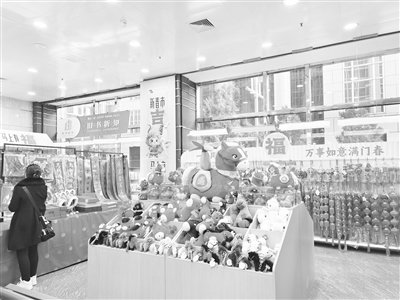
Core Viewpoint - Wangfujing Bookstore is hosting an immersive New Year goods festival themed "New Spring Good Market, Fortune Comes Soon," combining culture, festive atmosphere, creativity, and food [3] Group 1: Event Overview - The New Year goods festival features a special "Cultural Creative Goods Collection" area, showcasing practical and well-designed cultural products [3] - The festival includes decorations themed around the Year of the Horse and creative zodiac-themed blind box ornaments, integrating traditional elements with modern creativity [3]

报告显示:我国图书零售市场全面进入“内容驱动”阶段
Xin Lang Cai Jing· 2026-01-07 13:53
中国出版协会、中国书刊发行业协会1月7日在京主办的2026阅读X大会上发布了2025年图书零售市场趋 势洞察报告。报告显示,2025年,内容电商占图书整体零售市场超四成,超越平台电商成为第一大细分 零售渠道。"这一变化反映出图书零售市场全面进入'内容驱动'阶段,尤其是与情感和功能相关的内容 对整体图书零售市场驱动较为明显。大众注意力与购买决策场域发生结构性变迁。"北京开卷信息技术 有限公司首席研究员杨伟发布报告时说。 ...
北京市40余家新华书店端出新年文化盛宴
Xin Lang Cai Jing· 2026-01-02 23:43
(来源:千龙网) 新年伊始,北京市新华书店组织旗下40余家门店,精心策划"书香逐马韵 元旦启新篇"主题文化系列活 动。各门店将马年元素与红灯笼、吉祥窗花、喜庆福字巧妙融合,营造出浓郁的节日氛围。 活动期间,北京市新华书店旗下40余家门店同步设立元旦主题图书专台专架,精选新年励志、经典文 学、亲子教育等热门品类图书,为不同阅读需求的读者打造一站式选书平台。各门店同步推出图书满赠 活动,以实在让利回馈读者。 本次系列活动聚焦读者精神文化需求,策划多场特色鲜明的文化活动。管庄店于2025年12月31日下午推 出"墨韵迎祥手写福字"元旦特辑活动,以笔墨寄情迎新。宠物主题书店1月1日举办《苏东坡传》好书分 享会,北京市社区文化促进会副秘书长、北大智慧华阅教育研究院副院长戴雪莲,带领读者走进苏东坡 的传奇一生。花市店亦于1月3日推出"北京绢人赛绣技艺手作"活动,保定市级非物质文化遗产绢人制作 技艺代表性传承人刘新丽,将带领读者了解宫廷技艺,共赏北京绢人的历史与艺术价值。 1月1日至1月3日,北京市新华书店在花市店、西四店、大栅栏店、地安门店·为宝书局等多家特色门 店,还推出"书香载马·集章寻福"主题打卡活动。活动以马年文 ...
让书香成为节日里最美的风景
Xin Lang Cai Jing· 2026-01-02 18:29
(来源:内蒙古日报) 转自:内蒙古日报 □本报记者 于欣莉 当新年的欢歌漫遍青城街巷,当团圆的暖意萦绕千家万户,在内蒙古新华书店中山西路卖场里,员工高 鹏的身影依旧穿梭在书架之间。这个元旦假期,他选择坚守岗位,以书为媒、以读者为友,用平凡的付 出诠释奋斗者的担当,为书香内蒙古增添了一抹温暖亮色。 1月2日,高鹏比正常上班时间提前半个小时抵达书店。"节日里读者多,要提前做好准备,才能给大家 提供更周到的服务。"他一边说着,一边熟练地开启设备、整理货架。少儿畅销专台的绘本是否摆放整 齐,青少年科普读物区域的分类是否清晰,文学类新书是否及时上架……每一个细节,他都了然于心、 仔细核对。 当书店开门铃声清脆响起,第一批读者迫不及待地走进卖场,高鹏立刻放下手中的活,面带微笑迎上前 去。"您好,请问需要找什么书?"温和的话语、耐心的指引,让读者瞬间卸下了陌生感。遇到带着孩子 的家长,他会主动推荐适合少儿阅读的经典绘本和趣味科普读物;碰到前来选购教辅资料的学生,他会 根据年级和需求精准推荐,还不忘叮嘱"这类书搭配练习册使用效果更好"。 节日期间的客流比平日翻了一番,整理书架、补货上架的工作也变得格外繁重。刚为一波读者指引完 ...