
文化创意产业

Search documents
四度入选“活力之城”,济南靠的是“养”
Feng Huang Wang Cai Jing· 2025-12-04 00:33
Core Insights - Jinan has been recognized as a "Vibrant City" for four consecutive years, indicating a consistent and systematic approach to urban development [1][7] - The city's vitality is attributed to a combination of economic growth, talent attraction, and innovative projects, alongside a diverse urban environment that fosters creativity and cultural expression [2][6] Group 1: Urban Vitality and Cultural Engagement - Jinan's successful urban IP strategy has led to increased tourism, with 379,000 inbound and outbound travelers recorded in the first half of 2025, marking a year-on-year increase of 1.64% for domestic residents and 17.55% for foreign nationals [3][4] - The city's seasonal cultural campaigns, such as "Four Seasons in Jinan," have effectively engaged audiences on social media, enhancing the city's image and attracting global visitors [2][3] Group 2: Industrial Innovation and Development - The establishment of the Lishan International Biopharmaceutical Production Base signifies a new phase of scale and intensive development in Jinan's biopharmaceutical industry [4] - The city's focus on creating a supportive ecosystem for innovation includes a comprehensive service platform for pharmaceutical companies, facilitating the entire process from research to commercialization [4][5] Group 3: Entrepreneurial Ecosystem - Jinan's historical districts are being revitalized with new business models, integrating traditional architecture with modern enterprises, thus enhancing the entrepreneurial landscape [6] - The ongoing "New Momentum Innovation and Entrepreneurship Competition" has successfully attracted 29 academic teams and 639 quality projects, generating a sales revenue of 4.236 billion yuan, showcasing Jinan's commitment to fostering innovation [6][7]
南昌聿帝文化创意有限公司成立 注册资本5万人民币
Sou Hu Cai Jing· 2025-12-03 02:16
Core Viewpoint - Nanchang Yudi Cultural Creative Co., Ltd. has been established with a registered capital of 50,000 RMB, focusing on various cultural and creative services and products [1] Company Overview - The legal representative of the company is Liu Qiao [1] - The registered capital of the company is 50,000 RMB [1] Business Scope - The company is involved in licensed projects including printing of documents and other printed materials, internet sales of publications, wholesale and retail of publications, and electronic publication production [1] - General business activities include internet sales (excluding licensed products), industrial design services, stationery manufacturing, and sales of various products such as office supplies, arts and crafts, sports equipment, and daily necessities [1] - The company also offers services in digital cultural creative software development, exhibition services, economic consulting, and organizing cultural and artistic exchange activities [1]
老丝厂又热闹起来了
Ren Min Ri Bao· 2025-12-01 22:11
Core Viewpoint - The transformation of the former Bazhong Silk Factory into the "Bacheng Memory · 1958" cultural and creative industry park represents a successful case of industrial heritage revitalization through cultural tourism integration, enhancing urban renewal and economic development in the region [1][2]. Group 1: Project Background and Development - The Bazhong Silk Factory ceased operations in March 2001 and was left idle for years until the introduction of supportive policies in 2021 aimed at revitalizing revolutionary old areas [1]. - The park has been included in the sixth batch of Sichuan Province's industrial heritage list, showcasing its significance in preserving industrial history while promoting modern cultural tourism [1]. Group 2: Operational Strategy - The park operates under a "state-owned enterprise + merchant co-management" model, which enhances operational quality and effectiveness through shared customer resources, complementary business types, and mutual promotion [2]. - Various activities such as beer festivals, photography exhibitions, and culinary competitions are regularly held to attract visitors, while also introducing features like specialty dining, children's entertainment, and VR experiences to cater to diverse audience needs [1][2]. Group 3: Community Impact - The revitalization of the old silk factory has led to improved infrastructure, with wider roads and better lighting, contributing to a lively atmosphere that encourages community engagement [2]. - The integration of industrial heritage with cultural tourism has created a new dynamic, allowing the old factory to regain its vibrancy and significance in the local community [2].
“刺桐海海 丝路创享” 首届 “泉州杯” 世遗文创大赛在北京隆重启动
Yang Shi Wang· 2025-12-01 02:27
11月28日,2025首届"泉州杯"世遗文创大赛发布会暨启动仪式在中国工艺美术馆(中国非物质文化遗产博物馆)圆满举行。本次大赛由福建省文化和旅游 厅、泉州市人民政府指导,泉州市文化广电和旅游局主办,福建省泉州海外交通史博物馆承办。 此外活动还特别设置了小型非遗静态展示及簪花体验和泉州安溪茶艺表演。茶艺师手持精致茶具,循着"温壶、置茶、注水、出汤"的传统流程从容展演,茶 汤清澈醇厚,茶香袅袅萦绕全场,具象呈现了泉州人"以茶待客、以茶传情"的生活智慧与深厚文化底蕴。这些精彩的互动表演不仅为现场观众带来了沉浸式 的视觉与听觉盛宴,更直观展现了泉州丰富的历史遗存与多元文化特质。 作为一场以 "刺桐海海,丝路创享" 为主题的文创赛事,本次大赛旨在孵化世遗泉州文旅吉祥物IP设计以及具有海洋气息和体现宋元中国海洋商贸元素的文 创产品,推动世遗之城泉州的文化传播与文创产品落地,创新赛制设计和资源整合,打造具有国际影响力的文创赛事。本次大赛致力于推动世界遗产元素与 当代设计语言、生活美学的创新融合,让泉州的城市精神及特质成为文创作品最鲜明的标识,助力泉州从"世遗之城"向"设计之城"跨越。 为保障赛事高质量推进,大赛构建了全方位 ...


以文兴业,培育更多创意文化产业新场景
Xin Hua Ri Bao· 2025-11-28 00:44
Group 1 - The core viewpoint of the articles emphasizes the importance of cultural innovation and development in Jiangsu, aligning with the directives from the 20th Central Committee's Fourth Plenary Session to enhance cultural vitality and integrate cultural construction into high-quality provincial development [1] Group 2 - The articles highlight the need for cultivating new cultural business formats by activating technology transformation through application scenarios, addressing the gap in the last mile between technology and industry, and promoting the integration of culture and technology [2] - The introduction of proactive cultural economic policies is discussed, focusing on creating a tolerant, relaxed, and supportive business environment for cultural entrepreneurship, which includes establishing a cultural entrepreneurship error-tolerance mechanism and enhancing humanistic care [3] - The articles stress the shift from static protection to dynamic empowerment in cultural heritage preservation, advocating for the integration of cultural heritage into contemporary life and community service, particularly in key cultural park areas [4] - The concept of empowering economic and social development through culture is explored, emphasizing Jiangsu's unique advantages and the need for deep integration of culture with technology, tourism, and education to foster new economic growth points [5]
东莞叙物匣子文化创意有限公司成立 注册资本10万人民币
Sou Hu Cai Jing· 2025-11-25 09:51
天眼查App显示,近日,东莞叙物匣子文化创意有限公司成立,法定代表人为马海霞,注册资本10万人 民币,经营范围为一般项目:文艺创作;专业设计服务;组织文化艺术交流活动;工艺美术品及礼仪用 品制造(象牙及其制品除外);工艺美术品及礼仪用品销售(象牙及其制品除外);动漫游戏开发;玩 具销售;木制玩具销售;玩具、动漫及游艺用品销售;橡胶制品销售;电子产品销售;互联网销售(除 销售需要许可的商品);玩具制造;数字文化创意软件开发;其他文化艺术经纪代理;橡胶制品制造; 数字文化创意内容应用服务;图文设计制作;游艺及娱乐用品销售;平面设计;信息技术咨询服务;咨 询策划服务;办公服务;日用品批发;国内贸易代理;品牌管理;数字内容制作服务(不含出版发 行);包装服务;货物进出口;技术进出口。(除依法须经批准的项目外,凭营业执照依法自主开展经 营活动)。 ...
好好小迪(东莞)文化创意有限公司成立 注册资本50万人民币
Sou Hu Cai Jing· 2025-11-22 21:14
Group 1 - The establishment of Haohao Xiaodi (Dongguan) Cultural Creative Co., Ltd. has been recently registered with a legal representative named Luan Jinghao [1] - The registered capital of the company is 500,000 RMB [1] - The business scope includes industrial design services, graphic design, professional design services, toy manufacturing, toy sales, sales of toys, animation, and recreational products, domestic trade agency, mold manufacturing, and retail of arts and crafts (excluding ivory and its products) [1]
拓宽IP商业化边界丨熊猫家园全球伙伴·文创产业共创战略计划启动
Sou Hu Cai Jing· 2025-11-22 11:18
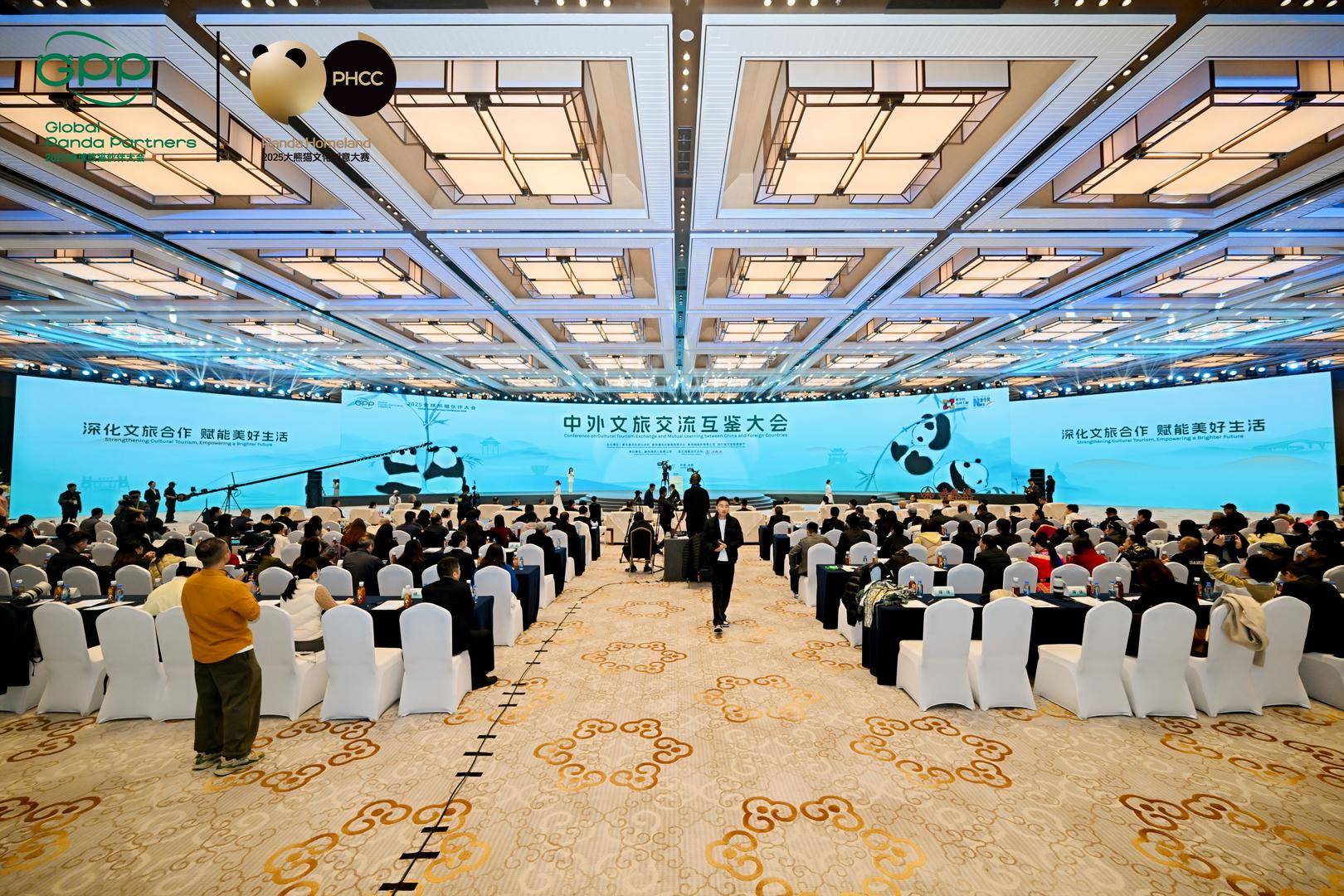
Group 1 - The "International Cultural and Tourism Exchange Conference" was held in Chengdu, focusing on the integration of cultural tourism and economic development [1] - The conference included activities such as theme promotion, keynote speeches, cooperation signing, salon dialogues, and the release of reports and brands [3] - A strategic plan for global partnerships in cultural and creative industries was officially launched, involving Beijing New Cultural Era Coin Cultural Communication Co., Ltd., Xinhua News Sichuan Co., Ltd., and Red Star Media (Chengdu) Co., Ltd. [3] Group 2 - China Gold Coin Group Co., Ltd., established in 1987, is the only industry company in China that operates precious metal commemorative coins, having issued over 510 projects and 2,700 varieties by the end of 2024, totaling over 450 tons of gold and 4,300 tons of silver [5] - Beijing New Cultural Era Coin Cultural Communication Co., Ltd., a subsidiary of China Gold Coin Group, was established in March 2003 and focuses on coin culture dissemination and direct sales platform operations [5] - The cooperation aims to leverage the Panda IP as a core link, utilizing the Panda Home platform and the authority of China Gold Coin Group in the commemorative coin sector to create a dual-track model of "special exhibitions + co-branded development" [7]
大熊猫:一个超级IP与成都的“共生”
Mei Ri Jing Ji Xin Wen· 2025-11-21 07:06
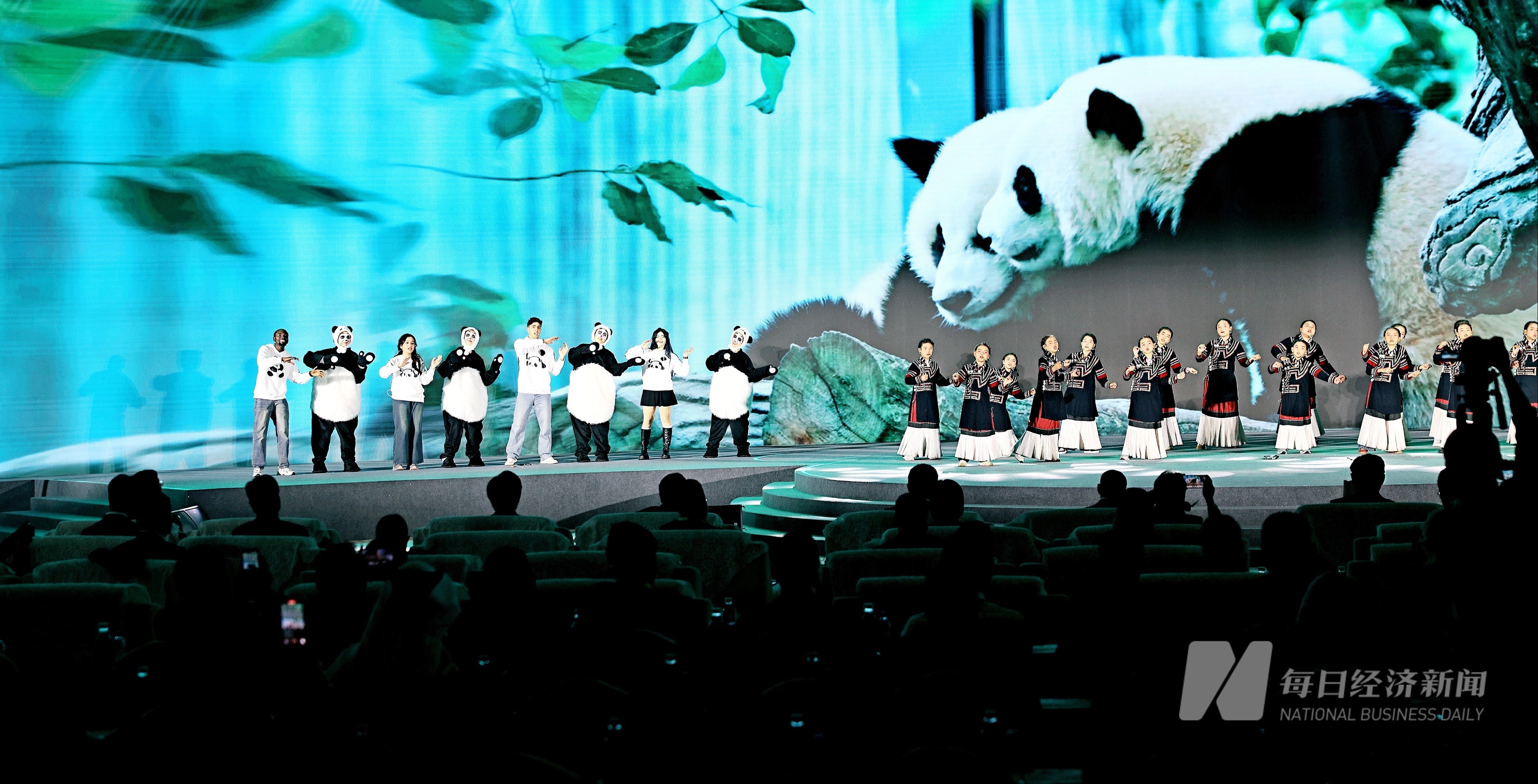
Core Insights - The 2025 Global Panda Partners Conference, themed "Co-protecting Panda Habitat, Building a Beautiful World, and Sharing Open Opportunities," opened in Chengdu on November 21, highlighting the panda as a "super IP" that transcends biological significance and serves as a cultural and economic driver [1][19] - Chengdu is leveraging the panda as a medium to explore a transformation path from natural endowments to modern industries, emphasizing the deep symbiosis between super IPs and urban development [1][10] Group 1: Panda IP and Cultural Innovation - The commercial value of the panda IP is expanding beyond traditional merchandise to a comprehensive industrial value chain, similar to established IPs like Disney [3] - The "Panda Home Cultural Creative Competition" aims to build a sustainable IP matrix, encouraging participants to innovate beyond traditional panda elements [3] - The first competition collected over 13,000 original works, with 8,417 registered copyrights, and has signed 137 designers, resulting in a total production value of approximately 500 million yuan [3] Group 2: Urban Integration and Economic Development - Chengdu is transforming the abstract panda symbol into independent IP assets through legal rights and commercial incubation, creating a full-cycle ecosystem from creative design to commercialization [8] - The Chengdu Panda International Tourism Resort is evolving from "single-point activation" to "full-region retention," integrating various commercial projects with the panda IP to enhance tourism and economic development [12] - The panda serves as a "super interface" that connects diverse business sectors and enhances the city's cultural narrative, as seen in public art installations and urban branding [10][11] Group 3: Global Engagement and Cultural Exchange - The panda is facilitating a two-way flow of information, capital, and culture, allowing the world to understand Chengdu while promoting Chinese culture globally [19] - The recent relocation of pandas to Malaysia exemplifies how the panda can enhance cultural tourism and engagement, making it a key element in international cultural exchange [16]
宜春千姿文化创意有限公司成立 注册资本10万人民币
Sou Hu Cai Jing· 2025-11-18 04:25
Group 1 - Yichun Qianzi Cultural Creative Co., Ltd. has been established with a registered capital of 100,000 RMB [1] - The legal representative of the company is Chen Shengguan [1] - The business scope includes professional design services, sales of toys, animation and gaming products, industrial design services, clothing manufacturing, and sales of beauty accessories [1] Group 2 - The company is also involved in the sales of arts and crafts products and ceremonial supplies, excluding ivory and its products [1] - It engages in internet sales (excluding goods that require licensing) and import-export of goods and technology (excluding projects that require approval) [1]