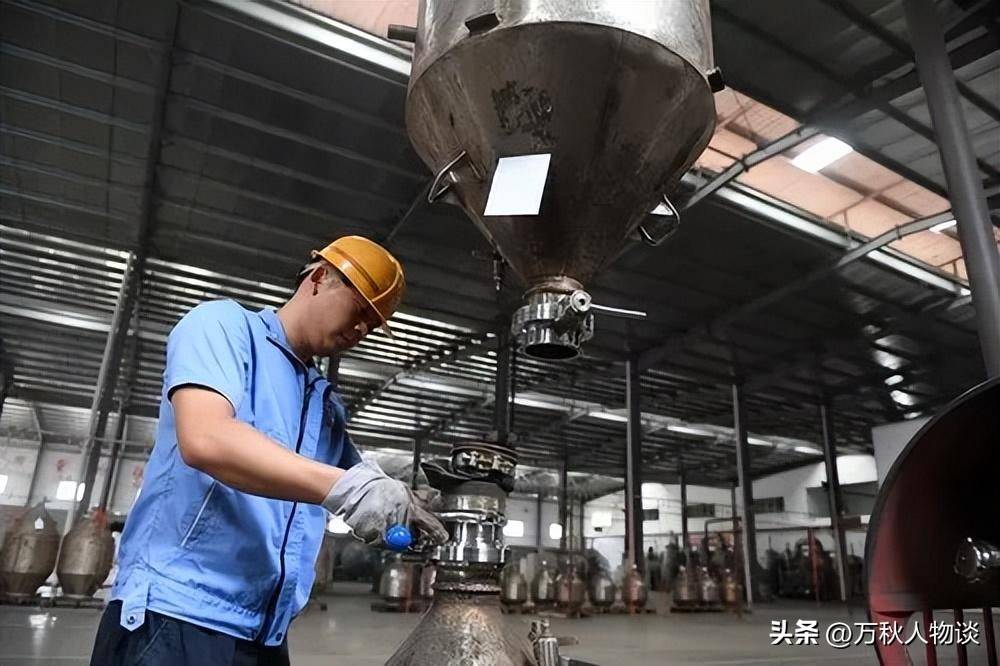
稀土矿

Search documents
D.A. Davidson上调MP Materials目标价至82美元
Ge Long Hui· 2025-09-02 13:45
Group 1 - D.A. Davidson raised the target price for rare earth miner MP Materials from $32 to $82, maintaining a "buy" rating [1]

Ark Mines(ASX:AHK)获QIC旗下基金投资股价飙升 锑矿公司(ASX:LKY) 牵手莱斯大学探索锑基材料研发
Sou Hu Cai Jing· 2025-08-26 12:04
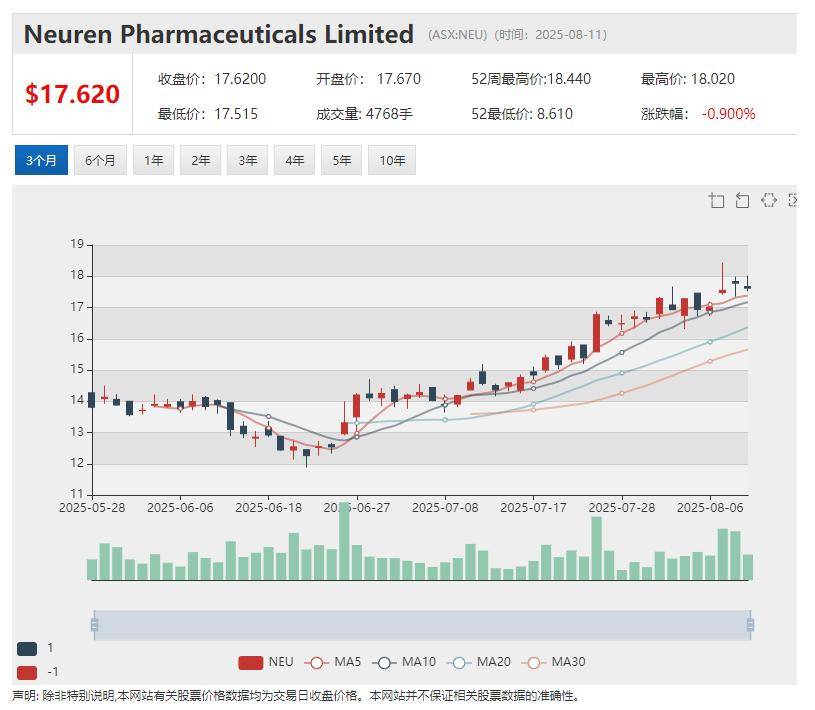
Group 1: Ark Mines Investment and Project Development - Ark Mines Limited (ASX: AHK) has secured an investment of AUD 4.5 million from QIC's Critical Minerals and Battery Technology Fund (QCMBTF) to accelerate the development of the Sandy Mitchell rare earth and heavy mineral project in Northern Queensland [1][3] - The investment consists of AUD 4 million in upfront funding as a royalty against future product sales and AUD 500,000 in equity investment, pending shareholder approval [1][2] - The project aims to commence production by the end of 2027, potentially creating around 80 local jobs [3] Group 2: Sandy Mitchell Project Details - The Sandy Mitchell project, located approximately 230 kilometers northwest of Cairns, has a measured resource of 71.8 million tons with an average grade of 1,732.7 ppm of rare earth equivalent minerals [2] - Ark Mines is currently advancing the third phase of drilling, with results expected to be included in a pre-feasibility study (PFS) scheduled for completion in 2026 [2] Group 3: Breville Group Performance - Breville Group Ltd (ASX: BRG) reported a revenue of AUD 1.696 billion for FY25, reflecting a growth of 10.9% compared to FY24 [11] - The company achieved a gross profit of AUD 620.5 million, with a gross margin of 36.6% [11] - Breville's expansion in the Chinese market is progressing well, although profitability is expected to take several years [10] Group 4: Neuren Pharmaceuticals Clinical Trial - Neuren Pharmaceuticals (ASX: NEU) has initiated the first global Phase 3 clinical trial for its candidate drug NNZ-2591 targeting Phelan-McDermid syndrome (PMS) in the U.S. [5] - The trial will evaluate approximately 160 children aged 3 to 12 over a 13-week treatment period [5] Group 5: Locksley Resources Collaboration - Locksley Resources Ltd (ASX: LKY) has partnered with Rice University to explore antimony-based materials and green extraction methods for its Mojave antimony project [15] - The company's stock surged by 42.22% following the announcement, reflecting a year-to-date increase of 1,780% [15][17] Group 6: Decidr Ai Industries Acquisition - Decidr Ai Industries Ltd (ASX: DAI) has acquired the remaining 49% of Decidr.ai Pty Ltd, enhancing its capabilities in Agentic AI technology [21] - The acquisition led to an 18.18% increase in DAI's stock price [21] Group 7: West Coast Silver Discovery - West Coast Silver Ltd (ASX: WCE) reported a significant discovery at its Elizabeth Hill project, with a diamond drill hole revealing a 13-meter section of high-grade silver at 1,615 g/t [25] - The company expressed confidence in the exploration potential of the site [25]

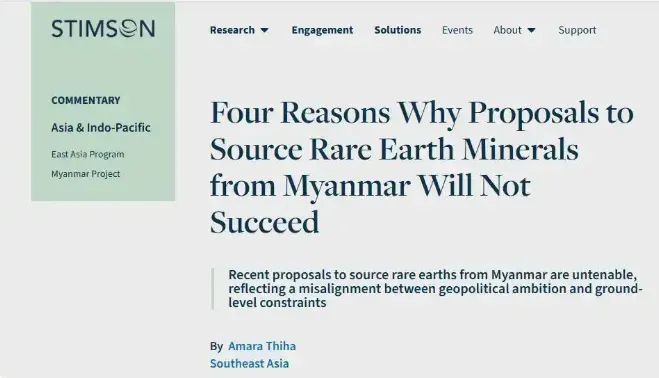
为美欧寻找可替代中国稀土方案?美国智库泼了盆冷水:这方面中国太稳了
Huan Qiu Wang· 2025-08-15 11:40
Group 1 - The exploration for alternatives to China's dominance in the rare earth supply chain by various Western media and think tanks has highlighted the challenges of finding viable substitutes [1] - The proposal to use Myanmar's rare earth resources is deemed impractical due to the lack of commercial-scale production capabilities and reliance on Chinese support for equipment and logistics [1] - Greenland's rare earth potential is also considered unrealistic, as the unique geographical and climatic conditions severely limit mining operations and increase costs, with experts suggesting it may take decades to develop [3] Group 2 - The Australian government has provided a loan of up to $1 billion to Iluka, an Australian mining company, to enhance its rare earth production capabilities [7] - Despite the financial support, there are concerns among Australian citizens regarding the project's competitiveness, as production costs in Australia are higher than in China, making it difficult to compete [10] - Previous analyses have indicated that Australia's lack of progress in becoming a major rare earth producer is largely due to China's strong market position and pricing power, which has led some companies to withdraw from Australian projects [10]

稀土,重大发现!
证券时报· 2025-07-17 15:04
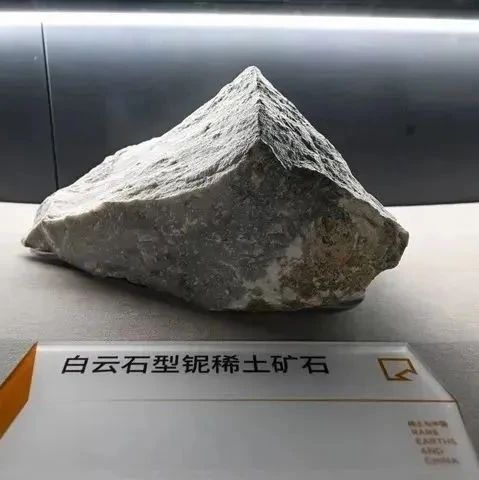
Core Viewpoint - The discovery of a new rare earth mineral named "Ned Yellow River Mineral" in the Baiyun Obo mining area highlights the complexity and resource diversity of this significant mineral resource in China [1][2]. Group 1: Discovery and Characteristics - The "Ned Yellow River Mineral" has been officially approved by the International Mineralogical Association's new mineral naming and classification committee [2]. - This mineral belongs to the rare earth carbonate mineral family and is characterized by a unique enrichment of neodymium, which is essential for high-performance permanent magnets used in various industries such as new energy vehicles, wind power generation, and electronic information [2]. Group 2: Research and Analysis - The research team conducted systematic field geological surveys and geochemical analyses to reveal the distribution patterns and occurrence laws of rare earth elements in the Baiyun Obo mining area [2]. - Based on these findings, a mineral body zoning characteristic and genesis model for the Baiyun Obo deposit has been established, guiding the discovery of the Ned Yellow River Mineral through micro-area mineral analysis [2]. - The team has previously identified two other new rare earth minerals from Baiyun Obo: fluorocarbon neodymium mineral and neodymium monazite [2].
稀土矿企MP Materials开涨超10%,此前报道称苹果将对其投资5亿美元。
news flash· 2025-07-15 13:33
Group 1 - MP Materials, a rare earth mining company, saw its stock rise over 10% following reports that Apple plans to invest $500 million in the company [1]

挑战中国稀土,美国又憋了一招
Guan Cha Zhe Wang· 2025-07-15 01:15
Core Viewpoint - The U.S. government is accelerating the establishment of an independent rare earth pricing mechanism to stimulate domestic investment and reduce China's dominance in the global rare earth market, which currently controls 90% of supply [1][4][5]. Group 1: U.S. Government Actions - The U.S. Department of Defense has agreed to set a minimum procurement price for MP Materials, the only domestic rare earth miner, at nearly double the current market price [1][4]. - The Department will subsidize the price difference for two commonly used rare earth elements, neodymium and praseodymium, at $110 per kilogram, which is above the current market price of approximately $63 [5][9]. - The Pentagon's support includes funding for the construction of a second rare earth magnet manufacturing facility by MP Materials, aiming for an annual production capacity of 10,000 tons [2][4]. Group 2: Industry Implications - Analysts warn that while the new pricing mechanism benefits producers, it may increase costs for downstream consumers, such as automotive manufacturers [6][9]. - The establishment of a higher pricing benchmark could influence other companies, like Solvay, to set similar price levels, potentially raising overall market prices [5][6]. - The current pricing strategy may not attract significant investment from commercial clients due to their diversified supply sources and uncertainty about accepting higher prices [9][10]. Group 3: Challenges and Future Outlook - Experts indicate that it may take years for Western countries to develop sufficient rare earth processing capabilities, with significant time and cost challenges ahead [10]. - The need for skilled personnel in rare earth processing and purification is highlighted as a major hurdle for the U.S. and other nations in diversifying their supply chains [10].

利好突袭!深夜,暴涨!
券商中国· 2025-07-10 14:54
Core Viewpoint - The article highlights a significant surge in the U.S. rare earth sector, driven by MP Materials' announcement of a multi-billion dollar agreement with the U.S. Department of Defense to establish a new rare earth permanent magnet factory, enhancing the domestic supply chain [2][7]. Group 1: Market Reaction - Following the announcement, MP Materials' stock skyrocketed nearly 60%, while other rare earth stocks like Energy Fuels and USA Rare Earth also saw substantial gains of over 15% and 13%, respectively [6][2]. - The broader U.S. stock market showed mixed performance, with major indices experiencing slight fluctuations, indicating a focus on specific sectors rather than a uniform market trend [5]. Group 2: Agreement Details - The agreement includes a $400 million equity investment from the U.S. Department of Defense, which will make it the largest shareholder of MP Materials, alongside warrants for future stock purchases [8]. - MP Materials plans to build a second magnet manufacturing facility, referred to as the "10X factory," expected to begin production by 2028, with an annual capacity of approximately 10,000 tons of rare earth magnets [10][9]. Group 3: Financial Support and Pricing - JPMorgan and Goldman Sachs are set to provide $1 billion in financing for the new factory, while MP Materials will also receive a $150 million loan from the Department of Defense to enhance its rare earth separation capabilities [11]. - The Department of Defense has established a minimum price of $110 per kilogram for praseodymium-neodymium products over the next ten years, which are essential for manufacturing permanent magnets [12]. Group 4: Economic Context - Analysts note that despite ongoing trade policy uncertainties, investor focus has shifted towards economic fundamentals and corporate earnings prospects, reducing the impact of tariffs on market sentiment [15][14]. - The upcoming earnings season is anticipated to be crucial, with expectations for S&P 500 earnings growth to slow to 5.8% year-over-year, down from 13.7% in the previous quarter [16][18].
普京手握“稀土王牌”,要给美国开后门?中国不得不做好打算
Sou Hu Cai Jing· 2025-06-25 05:47
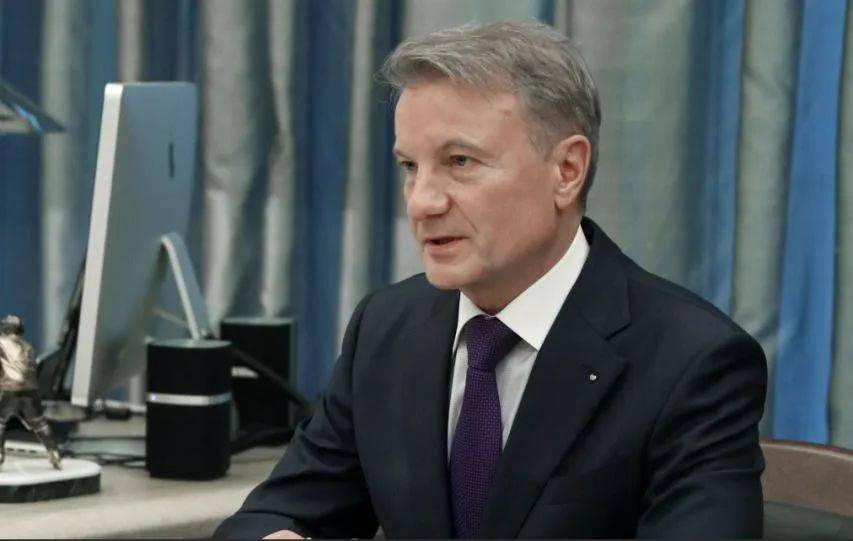
Group 1 - The CEO of Sberbank, German Gref, indicated that the bank is engaging in "exploratory contacts" with American partners amid a thaw in US-Russia relations, but there are currently no specific cooperation plans [1] - Gref stated that the overall condition of the Russian banking sector is "good" and there are no signs of a banking crisis, although annual profits are expected to decline [1] - In April 2022, the US imposed comprehensive sanctions on Sberbank, freezing its assets in the US and prohibiting American citizens from engaging in financial transactions with the bank [1] Group 2 - The head of the Russian Federal Agency for Mineral Resources, Oleg Kazanov, announced that Russia has 28.5 million tons of rare earth metal reserves, with 11 million tons concentrated in two mines: Lovozero and Tomtor [3] - Kazanov emphasized that the reported reserves do not include undistributed resource blocks and raw materials due to technical reasons, suggesting that the actual reserves could be higher [3] - Russia aims to leverage its rare earth resources to boost its economy and enhance its position in the global rare earth market [4] Group 3 - The involvement of Russia in the rare earth market adds complexity to the ongoing competition between China and the US, which has persisted for years over resource extraction, refining, and export [4] - Russia seeks to balance its interests between the US and China while avoiding unnecessary conflict, indicating a cautious approach in its actions and statements regarding rare earths [4] - Despite Russia's openness to US investment in its mineral resources, it faces significant challenges in replacing China's position in the rare earth market due to technological barriers and the need for substantial investment [6] Group 4 - The competition between the US and China over rare earths and semiconductors is fundamentally a struggle for national core interests and future development dominance [8] - The current situation reflects a delicate balance of confrontation and compromise, with both sides engaged in negotiations that are likely to continue evolving [8] - Future developments will depend on whether the US will relax technology export restrictions to China and how China will secure its strategic resource safety while promoting economic cooperation with the US [8]
拥有美国目前唯一在产稀土矿场 大摩上调MP Materials(MP.US)评级至“买入“
智通财经网· 2025-06-09 02:13
Core Viewpoint - Morgan Stanley upgraded MP Materials (MP.US) to a "Buy" rating with a target price of $34 per share, highlighting the strategic value of the company amid increasing geopolitical tensions affecting critical mineral supply chains [1] Group 1: Company Overview - MP Materials operates the only active rare earth mine in the U.S. located in Mountain Pass, California, which enhances its strategic importance [1] - The company is recognized as the most vertically integrated rare earth enterprise outside of China, according to Morgan Stanley [1] Group 2: Industry Context - China dominates the global rare earth refining and processing sector, which raises concerns about supply chain stability due to geopolitical and trade tensions [1] - In April, China imposed export controls on seven rare earth elements in response to U.S. tariffs, which remain in effect despite ongoing trade negotiations [1] Group 3: Financial Outlook - Morgan Stanley anticipates that MP Materials will experience negative free cash flow in the next two years, but expects the company to accelerate positive cash flow by 2027 due to a strong balance sheet [2] - The company is developing a fully domestic rare earth supply chain in the U.S. and plans to initiate commercial production of magnets, which are essential for electric vehicle motors and offshore wind turbines [1]
2.75亿吨稀土震惊世界,蒙古飞美报喜,网友:想出口得中国先点头
Sou Hu Cai Jing· 2025-04-24 13:20
Core Viewpoint - The United States is seeking to reduce its dependence on Chinese rare earth elements, especially in light of China's past export restrictions, but faces challenges in finding alternative sources [1][10]. Group 1: Discovery of Rare Earth Resources - A significant rare earth deposit has been discovered in Mongolia's Hothgor region, with reserves estimated at 275 million tons, containing resources urgently needed by the U.S. [3][4]. - The announcement by Australian company Palabora Resources regarding the discovery has caused a stir in the global mining industry, suggesting Mongolia could potentially surpass China as the country with the largest rare earth reserves [4]. Group 2: Geopolitical Challenges - Mongolia's geographical position between China and Russia complicates its potential as a reliable alternative supplier for the U.S., as both neighboring countries have vested interests in Mongolia's rare earth resources [6][18]. - The deepening cooperation between China and Russia in Asia adds to Mongolia's precarious position, necessitating a careful balance in its foreign relations to avoid being caught in the middle of great power competition [6][18]. Group 3: Industrial and Economic Implications - The extraction of rare earths is not straightforward; China has a complete and advanced industrial chain for rare earth processing, which Mongolia currently lacks [8][10]. - The U.S. has a growing demand for rare earths, particularly in military, medical, and renewable energy sectors, but its own mining operations are costly and yield lower purity ores, reinforcing its reliance on Chinese imports [10][12]. Group 4: Export Challenges - Even if Mongolia successfully develops its rare earth resources, it faces significant logistical challenges due to its landlocked status, relying on China and Russia for transportation [16][18]. - Recent stricter export controls by China on rare earths further complicate Mongolia's plans to export these resources to the U.S., as any agreement would still require navigating through Chinese territory [16][18]. Group 5: Future Prospects - While cooperation with the U.S. could provide Mongolia with funding and technology, the country must navigate complex geopolitical pressures and make difficult strategic choices regarding its international relationships [22].