税务

Search documents
宋永祥到财税金融部门走访慰问
Xin Lang Cai Jing· 2025-12-31 12:48
Group 1 - The core message emphasizes the importance of the financial and tax sectors in contributing to the economic development of Binzhou, highlighting the achievements made in 2025 as a significant year for the city's growth [1][2] - The city has implemented the "113388" work system, focusing on investment attraction, project construction, and industrial economy, resulting in steady economic growth and improved quality of life indicators that rank among the best in the province [1] - The leadership expresses gratitude towards the efforts of the financial and tax personnel, acknowledging their role in achieving a high-quality development report for the city [1] Group 2 - Looking ahead, 2026 is identified as a crucial year for initiating the "15th Five-Year Plan," with a call for departments to embrace their responsibilities and enhance financial services [2] - The focus will be on integrating technological, industrial, and financial innovations while leveraging accumulated experiences to elevate the city's initiatives [2] - The aim is to ensure a strong start for the "15th Five-Year Plan" and contribute significantly to the modernization of Binzhou [2]
以“三大行动”扎实推进效能税务建设
Xin Hua Ri Bao· 2025-12-30 22:21
Core Viewpoint - The Jiangsu tax authority is implementing a three-year action plan aimed at enhancing tax efficiency through legal governance, digital empowerment, and quality governance, with a focus on creating a robust and efficient tax system by 2025 [1][8] Group 1: Legal Governance - The tax authority has streamlined the process for businesses relocating, allowing for nearly seamless tax matter transfers within one working day, preserving historical tax data and rights [2] - Legal governance is emphasized as a key component of the business environment, with efforts to standardize tax enforcement and optimize tax processes to facilitate the free flow of production factors [2][3] - A series of initiatives, including publicizing tax compliance cases and hosting numerous tax-enterprise interaction events, have contributed to an improved tax environment in Jiangsu [3] Group 2: Digital Empowerment - The tax authority has developed a comprehensive big data resource pool with over 1 trillion data entries and nearly 4,000 analysis dimensions to enhance tax management [4] - The introduction of intelligent pre-filling for tax declarations has significantly improved accuracy and taxpayer satisfaction, with a reported 99% accuracy rate for water resource tax self-declarations [4] - The implementation of reverse invoicing policies has streamlined processes and improved compliance, with over 600,000 invoices issued in 2025 [4] Group 3: Quality Governance - The annual social security fee declaration rate reached a historic high of 98.3%, with over 1.53 million employers and more than 20 million employees participating [7] - The tax authority has established a comprehensive risk prevention system covering compliance, enforcement, and management risks, enhancing the precision of tax supervision [7] - Initiatives to support tax officials and encourage responsible governance have been introduced, including a list of exempt responsibilities and a framework for error correction [7]
范波吴庆文走访慰问苏州市海关税务金融部门干部职工
Su Zhou Ri Bao· 2025-12-30 00:32
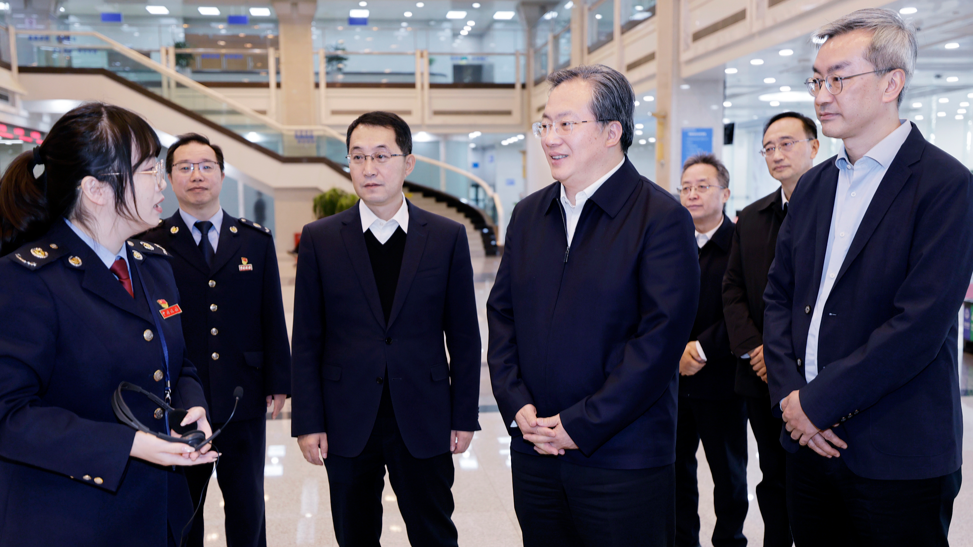
元旦将至,昨天(12月29日),市委书记范波、市长吴庆文专程走访慰问我市海关、税务、金融部门干部职工,代表市委、市政府向 大家一年来的辛勤付出表示衷心感谢,并致以新年诚挚问候。 在国家税务总局苏州市税务局办税大厅,范波、吴庆文现场察看办税服务模式,并与税务人员亲切交流,对税务系统的优良作风、服 务意识、专业精神表示肯定,希望依法依规组织税费收入,精准落实减税降费政策,优化创新税费服务,努力为企业解难题、为群众办实 事。 范波还来到中国人民银行苏州市分行、国家金融监管总局苏州监管分局,了解金融支持实体经济、防范化解金融风险等情况。他强 调,金融是国民经济的血脉。过去一年,全市金融系统在服务重大项目、普惠小微企业、支持绿色发展等方面作出了重要贡献。面对新形 势新任务,要结合苏州实际,创造性开展工作,健全金融风险防范体系,创新金融服务模式,扎实做好金融"五篇大文章",更好支撑实体 经济发展。 范波强调,明年是"十五五"开局之年。新征程上,希望大家深入学习贯彻党的二十届四中全会精神和中央经济工作会议精神,按照省 委、省政府部署要求,聚焦中心大局,深化改革创新,提振干事创业精气神,深入开展服务企业、服务项目、服务园区和 ...

西藏自治区涉税经营主体超39万户
Zhong Guo Xin Wen Wang· 2025-12-24 11:04
Group 1 - The number of tax-related business entities in Tibet Autonomous Region has exceeded 390,000, showing a year-on-year growth of 20% from January to November, with over 70,000 new entities added, reflecting a 77.1% increase [1] - Tax revenue collected by the tax authorities in Tibet reached over 80.6 billion yuan, marking an 11.1% year-on-year increase, with tax revenue (excluding export tax rebates) exceeding 42.9 billion yuan [1] - The industrial economy in Tibet saw a sales revenue growth of 17.8% year-on-year, driven by traditional and emerging industries, with significant contributions from the non-ferrous metal mining and pharmaceutical manufacturing sectors [2] Group 2 - The non-ferrous metal mining sector reported a sales revenue increase of 31.4%, while the pharmaceutical manufacturing sector saw a 14.5% rise, highlighting them as key growth drivers [2] - The textile and apparel industry, along with the food manufacturing sector, experienced a remarkable sales revenue growth of 52.3%, indicating enhanced market recognition and brand competitiveness [2] - The tax authorities in Tibet have implemented a "first violation not punished" policy for certain tax violations, benefiting over 5,900 taxpayers from January to November [2] Group 3 - The tax authorities maintained a strict stance against tax fraud, identifying 50 cases of fraudulent tax invoicing and recovering 81.94 million yuan in tax payments [3] - High-risk gas stations were also targeted, with 84 cases identified and 19.86 million yuan in tax payments recovered [3] - One individual classified as high-risk was found guilty, resulting in a recovery of 1.34 million yuan [3]
企业支出年末还未取得发票,怎么办?
蓝色柳林财税室· 2025-12-22 09:16
欢迎扫描下方二维码关注: 暂估成本一直没有取得 ิ需要调整? 如果企业在汇算清缴期结束前, 仍 然没有取得暂估成本对应的发票,则暂 估成本不能在当年度税前扣除,需要进 行企业所得税纳税调整,否则面临虚列 成本费用的风险。 中国税务报 汇算结束后取得暂估成 本的发票,如何处理? 税法规定,对企业发现以前年度实 际发生的、按照税收规定应在企业所得 税前扣除而未扣除或者少扣除的支出, 企业做出专项申报及说明后,准予追补 至该项目发生年度计算扣除,但追补确 认期限不得超过5年。 因此,企业在汇算清缴结束后取得 暂估成本的发票,应做专项申报及说明 后,追补至该项目发生年度计算扣除。 由于上述原因多缴的企业所得税税款, 可以在追补确认年度企业所得税应纳税 款中抵扣,不足抵扣的,可以向以后年 度递延抵扣或申请退税。 @中国税务报 来源:中国税务报 制图:刘耘 责任编辑:杨梦茹 李嘉萱 (010)61930016 来源 中国税务报 欢迎扫描下方二维码关注: 温馨提醒:蓝色柳林财税室为非官方平台,是由编者以学习笔记形式建立的平台,所有笔记写作记录的文章及转发的法律法规仅供读者学习 参考之用,并非实际办税费的标准,欢迎交流学习, ...

“双引擎”驱动党建业务深度融合
Xin Lang Cai Jing· 2025-12-21 23:49
Core Viewpoint - The article emphasizes the integration of party building and tax business operations within the local tax authority, aiming for effective collaboration and enhanced operational efficiency through detailed improvements and innovative mechanisms [1][3]. Group 1: Standardization and Foundation Building - The organization has developed a standardized operational guide for various administrative processes to enhance efficiency [2]. - A comprehensive task list has been established, detailing 137 tasks across 8 responsibility categories to ensure standardized operations [2]. - A monthly feedback and quarterly progress tracking mechanism has been implemented to monitor the execution of foundational tasks [2]. Group 2: Project-Based Innovation - The leadership is actively involved in addressing development challenges through three key innovative projects aimed at enhancing tax management [3]. - A dual leadership initiative has been launched, encouraging both party leaders and young cadres to spearhead projects, resulting in 40 initiatives led by party secretaries and 19 by youth leaders [3]. - A new mechanism has been introduced to engage senior civil servants in policy research and reform efforts [3]. Group 3: Resource Integration and Reform - A dedicated evaluation team has been established to assess reform projects and allocate resources effectively [4]. - Collaborative mechanisms have been formed with various departments to support high-quality development in emerging sectors [4]. Group 4: Brand Development and Demonstration - A branding matrix has been created to showcase the integration of party building and tax operations, including the establishment of a cultural practice center [5]. - Initiatives to cultivate exemplary models and promote a culture of accountability among party members have been implemented [5]. - A youth empowerment program has been launched to foster innovative ideas and enhance the integration of party and business operations [5].
安永:安永大中华区2025财年环境、社会和治理报告
Sou Hu Cai Jing· 2025-12-19 03:56
Core Insights - The report emphasizes the theme "Intelligent Start, Green Future," showcasing Ernst & Young's (EY) practices and achievements in economic prosperity, green future, social good, and governance paradigms [1][2]. Economic Prosperity - EY has executed over 100,000 overseas service projects in the past three years, covering 90% of the Belt and Road countries, supporting Chinese enterprises in internationalization [26]. - The company actively participates in regional development strategies, receiving certifications such as "Regional Headquarters of Multinational Corporations" [1][2]. Green Future - EY aims to achieve net-zero emissions by 2050 or earlier, with a near-term goal of carbon neutrality in operations by FY2025 through purchasing carbon credits and green power certificates [2][28]. - The company has reduced carbon emissions by over 30 tons in the fiscal year and has implemented green operational measures, including promoting LEED-certified workplaces [2][31]. Social Good - EY focuses on talent development, with female employees making up 65% of the workforce and 53% in leadership roles. The company invested 55.53 million yuan in employee training, with over 90,000 hours dedicated to ESG-related training [2][30]. - Through the EY Ripples program, 7,089 volunteers contributed a total of 11,000 hours of service, positively impacting approximately 2.83 million people [2][29]. Governance Paradigm - EY has established a comprehensive ESG governance structure and risk management framework, achieving a 100% completion rate for ethics and compliance training [2][33]. - The company actively participates in industry standard-setting, contributing to ESG disclosure and green finance discussions [2][33]. Future Directions - EY plans to deepen its "All in" strategy, leveraging AI for business innovation and enhancing green transformation practices [2][30].

手偶剧里学税法!宜兴税务“东坡讲学”惠千家
Sou Hu Cai Jing· 2025-12-17 13:47
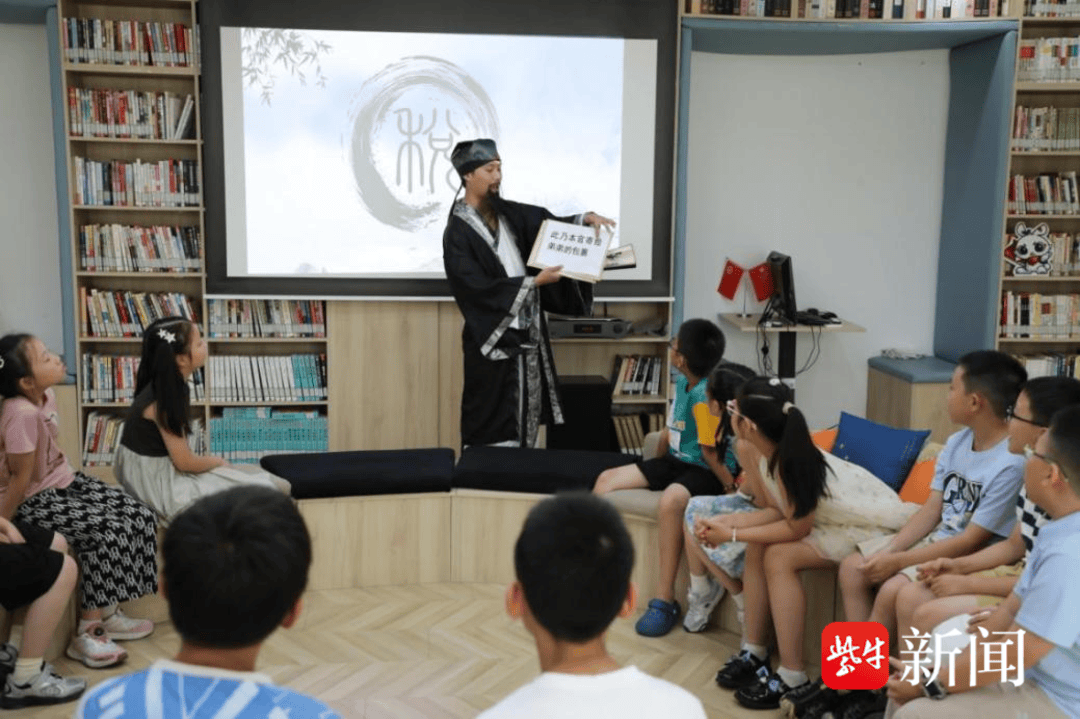
"'税'字从何而来?陶陶一家人经历了哪些有趣的税收故事……"近日,宜兴市税务局"青蓝税月·童行筑梦"税务夏令营在该局新时代文明实践基地开营,20 余名青少年参与了一场别开生面的税收知识体验。 "我们'青税'团队精心设计了基地参观、税收历史微课堂、手偶剧等内容,在轻松愉快的氛围中播撒税收种子,为青少年成长注入'税'力量。"宜兴市税务 局办公室主任嵇玉明介绍。未来,宜兴市税务局将进一步丰富"东坡讲学"税收普法讲堂的内涵,做深、做实、做出延续性。特别值得期待的是,"手偶剧 移动课堂"将作为重要载体,在未来三年内走进乡村、社区等场所开展百场演出。通过寓教于乐的形式,以孩子们喜闻乐见的方式普及税收知识,培养青 少年的税收法治意识,进而带动家庭、影响社会,形成"教育一个孩子,带动一个家庭,影响整个社会"的良性循环,共同筑牢未来税收法治社会的根基。 周丽娟 陈怡伶 校对 陶善工 税务人员身着古装化身"苏东坡",以"买田阳羡"历史典故为引,生动讲解税收的起源和发展历程,沉浸式的教学让参与者耳目一新。活动还通过手偶剧 《陶陶一家人的税收故事》,结合日常生活,将个人所得税专项附加扣除、新能源汽车减免税政策、发票开具等专业知识进行 ...
齐心协力抓好广西“十五五”规划落地落实
Guang Xi Ri Bao· 2025-11-30 02:07
Group 1: Economic Development Strategy - The "15th Five-Year Plan" aims to achieve significant progress in modernizing Guangxi alongside the nation, focusing on high-quality development [1] - The plan emphasizes the importance of political responsibility and innovation to ensure effective implementation [1][2] - The strategy includes enhancing economic reforms to drive high-quality development and address new challenges [2][3] Group 2: Industrial and Technological Advancement - Guangxi plans to leverage its unique geographical and resource advantages to develop advanced manufacturing and become a key industrial base [3] - The region will focus on integrating artificial intelligence and modernizing ten key industries to boost economic growth [3] - The contribution of high-tech manufacturing to tax revenue has been increasing, indicating a positive trend in economic vitality [3] Group 3: Taxation and Financial Management - The tax system will focus on compliance and risk management to ensure stable revenue generation while fostering new tax sources [4] - Policies will be tailored to support industries like artificial intelligence and green development, enhancing the precision of tax incentives [4] - The tax authority aims to improve the business environment and support local enterprises in enhancing international competitiveness [4] Group 4: Cultural and Tourism Development - The plan aims to stimulate cultural innovation and create a strong cultural tourism sector, enhancing Guangxi's global appeal [5] - The region's forestry industry is projected to exceed 1.069 trillion yuan in output value by 2024, showcasing its growth potential [5] Group 5: Health and Social Welfare - The strategy includes improving the social security system and promoting health initiatives to enhance the quality of life for residents [7] - The healthcare system will focus on reforming medical services and integrating technology to improve accessibility and efficiency [8] - Emergency management will prioritize safety and stability, enhancing the region's resilience to risks and disasters [8]
财政部 税务总局关于明确资源税有关政策执行口径的公告财政部 税务总局公告2025年第12号
蓝色柳林财税室· 2025-11-24 11:32
Core Viewpoint - The announcement by the Ministry of Finance and the State Taxation Administration clarifies the execution standards for resource tax policies, effective from December 1, 2025, addressing various issues in tax management and compliance [2][3][4]. Group 1: Tax Exemption and Taxable Products - The announcement specifies situations where resource tax is not applicable, such as products confiscated by administrative bodies and certain construction materials used for backfilling [5][6]. - It details the taxable categories for products like condensate oil and mixed light hydrocarbons extracted from crude oil and natural gas, aligning them with existing tax categories [3][5]. Group 2: Taxable Objects and Definitions - The announcement further clarifies the definitions of taxable objects, including coal, rare earth minerals, and salt products, to reduce disputes between taxpayers and tax authorities [3][6][7]. - It emphasizes the importance of precise definitions for strategic resources to ensure consistent tax application across regions [4][6]. Group 3: Transfer Pricing and Compliance - The announcement outlines acceptable justifications for significantly low transfer prices in related transactions, providing four specific scenarios [3][8]. - Tax authorities are empowered to adjust taxable sales amounts if no valid justification is provided for low pricing in related transactions [8][9]. Group 4: Tax Calculation and Management - The announcement introduces detailed methods for calculating tax exemptions and reductions, including formulas based on production ratios and average sales prices [9][10]. - It mandates that taxpayers maintain proper documentation to support claims for tax exemptions or reductions [10][11]. Group 5: Tax Obligation Timing - The announcement specifies the timing for tax obligations based on various sales methods, ensuring clarity on when tax liabilities arise [12][12]. - It outlines the conditions under which tax obligations are triggered, such as direct payments or credit sales [12][12]. Group 6: Implementation Timeline - The new policies will be implemented starting December 1, 2025, with prior unresolved matters to be handled according to the new guidelines [12].