乡村旅游

Search documents
新业态、慢生活、特色IP绘就“诗与远方”丹徒区农文体旅融合“热力满格”
Xin Hua Ri Bao· 2025-10-20 23:14
Group 1: Tourism Growth and Development - The Changshan International Aviation Flying Camp in Zhenjiang received 13,000 visitors during the National Day and Mid-Autumn Festival holidays, highlighting the area's growing tourism appeal [1] - The average daily consumer spending in tourist attractions and key rural tourism villages in the district increased by 14.58% year-on-year during the holiday period [1] - The district is focusing on enhancing the "all-area tourism" theme, promoting rural tourism, and improving the quality of tourism products and services [1] Group 2: New Projects and Experiences - The "Changshan Shili" café, converted from a 1970s coal mine power distribution room, has become a popular spot for visitors seeking relaxation and unique experiences [2] - An investment of 350 million yuan is being made in the Xigu Li Ecological Agricultural Tourism Project, which aims to attract 200,000 visitors annually by offering rural cultural displays and eco-agricultural experiences [2] - The district is committed to developing a diverse tourism experience, including themed activities and unique local brands to transform beautiful landscapes into economic benefits [2] Group 3: Rural Tourism and Local Culture - The "Shanshuijian·Youjian Fuyu" national-level B&B has become a sought-after destination, fully booked during the holiday period, showcasing the integration of Eastern aesthetics into rural life [3] - The district promotes a "one village, one feature" approach to enhance rural tourism, with various ecological projects and themed activities attracting visitors [3] - The introduction of a smart tourism map aims to provide convenient services throughout the travel experience [3] Group 4: Culinary Tourism and Local Delicacies - The Baoyan Town's Dou Guojian Noodle Shop sold nearly 5,000 bowls of dry mixed noodles during the holiday, attracting visitors from nearby cities [4] - The integration of local cuisine with historical and cultural experiences is being emphasized to enhance the overall tourist experience [4] - The district is leveraging local food as a key attraction to connect historical narratives and rural ecology [4] Group 5: Event-Driven Tourism Strategies - The district utilized the "Su Super" event to promote local cuisine and integrate it with tourism, creating a synergistic effect between events, food, and cultural tourism [5] - Local authorities are encouraging the development of unique agricultural and cultural tourism projects to create attractive travel routes [5] - The "Yigou Dantu" autumn consumption promotion event was held to enhance visitor engagement and stimulate local economic activity [5]
成都都市圈“农家乐乐万家”活动进京 86亿项目与20条旅游线激活乡村振兴新动能
Zhong Guo Jing Ji Wang· 2025-10-20 15:35
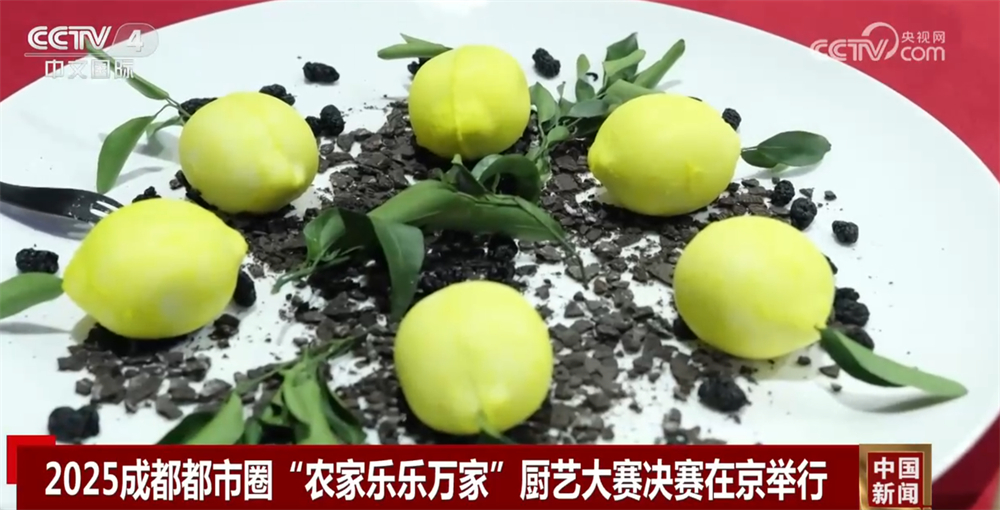
Core Insights - The event "Farmhouse Fun for All" aims to promote rural revitalization and urban-rural integration in the Chengdu metropolitan area by showcasing quality rural projects and tourism routes [1][2] Group 1: Event Overview - The event was organized by the Sichuan Provincial Office for Promoting the Chengdu-Deyang-Meishan-Ziyang Urban Integration Development and took place in Beijing [1] - It featured rural property transactions, culinary competitions, and cultural tourism promotions, presenting 676 quality rural projects and 20 boutique tourism routes [1][2] Group 2: Economic Impact - The event highlighted 388 key rural projects in the Chengdu metropolitan area with a transaction scale of 49.84 billion, while the national rural property project opportunity list included 676 projects totaling 86.08 billion [3] - The projects cover various sectors, including rural tourism, ecological agriculture, and diverse asset resources [3] Group 3: Culinary and Cultural Exchange - The culinary competition showcased the essence of Sichuan cuisine, with 12 teams competing in three rounds, emphasizing the cultural integration aspect of the event [4] - The competition not only highlighted culinary skills but also served as a platform for cultural exchange, allowing attendees to experience local customs [4] Group 4: Tourism Development - The release of 20 seasonal tourism routes connected 132 attractions and 258 farmhouses, catering to diverse seasonal travel needs [5] - The initiative aims to boost consumption and support rural revitalization through coordinated development of regional cultural tourism [5] Group 5: Product Showcase - The event featured a display of local agricultural products and wines from the Chengdu metropolitan area, showcasing geographical indicators and intangible cultural heritage items [6] - This initiative aims to enhance the visibility of local products and create a bridge for rural products to reach broader markets [6] Group 6: Future Prospects - The event is seen as a step towards deepening urban integration and attracting talent, capital, and technology to rural areas, promoting sustainable rural revitalization [6]
浙江义乌:“农创兴农”赋能“大李祖”乡村共富
Zhong Guo Xin Wen Wang· 2025-10-20 13:43
Core Insights - The article highlights the transformation of Li Zu Village in Yiwu, Zhejiang, into a vibrant hub for young entrepreneurs, driven by the "Agricultural Innovation and Prosperity" initiative, which aims to boost rural economies and attract tourism [1][2]. Group 1: Village Transformation - Li Zu Village has attracted 271 agricultural entrepreneurs and developed 73 innovative rural business models, with projected sales exceeding 70 million yuan in 2024 and annual tourist numbers surpassing one million [1]. - The village's environment has improved significantly, transitioning from a neglected area to a desirable destination for urban dwellers, thanks to initiatives like the "Thousand Villages Demonstration, Ten Thousand Villages Rectification" project initiated in 2003 [2]. Group 2: Support for Entrepreneurs - The establishment of a "one-stop" service platform for young entrepreneurs has facilitated networking and team-building, addressing their specific needs such as funding, policy understanding, and skills training [4]. - The Yiwu New Social Class Alliance has provided over 1,000 consultations and facilitated 400 million yuan in credit for agricultural entrepreneurs, while also conducting more than 50 policy interpretation sessions [4]. Group 3: Community Engagement and Events - Various educational and promotional events have been organized, including 26 political education sessions and over 150 live-streaming sales events, engaging more than 500 agricultural entrepreneurs [7]. - The village has seen a rise in local entrepreneurship, with residents starting businesses and generating income without leaving the village, supported by the Yiwu New Social Class Alliance [5]. Group 4: Regional Development - The "Big Li Zu" Prosperity Alliance has been formed to promote regional collaboration among Li Zu Village and eight surrounding villages, expanding the area from 0.9 square kilometers to 18.76 square kilometers [8]. - The establishment of the Big Li Zu Cultural Development Company has led to successful product launches, including a 30 million yuan sales figure for local pears, marking an 80% increase year-on-year [8]. Group 5: Innovation and Competitions - Since 2022, the village has hosted three agricultural entrepreneur innovation competitions, resulting in the incubation of 23 quality projects and generating over 30 million yuan in collective income for the village [10]. - The Yiwu New Social Class Alliance has grown from 68 to over 170 members, with the Agricultural Entrepreneur Alliance now comprising more than 300 members, indicating a robust growth in community engagement [10].

青春华章 | 为“城市伤疤”敷上“生态绿绷”,徐州二十年疗愈记
Nan Jing Ri Bao· 2025-10-20 11:12
Core Viewpoint - Xuzhou is actively implementing the concept of "Lucid waters and lush mountains are invaluable assets," achieving significant improvements in ecological protection and urban development, marking the 20th anniversary of this philosophy [1][4]. Environmental Improvement - As of the end of 2024, 97.8% of Xuzhou's 45 national and provincial monitoring sections will meet Grade III water quality standards, exceeding the "14th Five-Year Plan" target by 11.4 percentage points [4]. - The city has achieved a 100% Grade III water quality standard for centralized drinking water sources at the county level and above [4]. - Xuzhou has enhanced its environmental infrastructure, with 22 industrial wastewater treatment plants having a daily processing capacity of 352,500 tons [5]. Water Management Initiatives - The city has implemented a comprehensive water management strategy, including the construction of 858.2 kilometers of sewage pipelines and an increase in urban sewage treatment capacity by 181,650 tons per day [5]. - Xuzhou has achieved a 53.9% rural sewage treatment rate, with over 90% of facilities operating normally [5]. Ecological Restoration and Tourism Development - Xuzhou is transforming its industrial legacy into ecological wealth, creating a landscape characterized by mountains and lakes, which enhances its tourism potential [7]. - The city has integrated cultural heritage protection with ecological improvement along the Grand Canal, fostering new industries and development opportunities [8]. Technological Innovation in Environmental Protection - Xuzhou employs advanced monitoring technologies, including drones and real-time water quality monitoring stations, to enhance environmental governance [12][13]. - The city is transitioning from experience-driven to technology-driven environmental management, improving resource utilization efficiency [13][14]. Economic Impact of Ecological Initiatives - The integration of ecological restoration with tourism has led to the emergence of unique agricultural and tourism villages, promoting a "cultural tourism + agriculture" model [9][10]. - The successful creation of national AAAA-level tourist attractions, such as the Dasha River National Wetland Park, highlights the economic benefits of ecological initiatives [9].
四川这座村落何以吸引全球目光?打卡“最佳旅游乡村”
Sou Hu Cai Jing· 2025-10-20 10:46
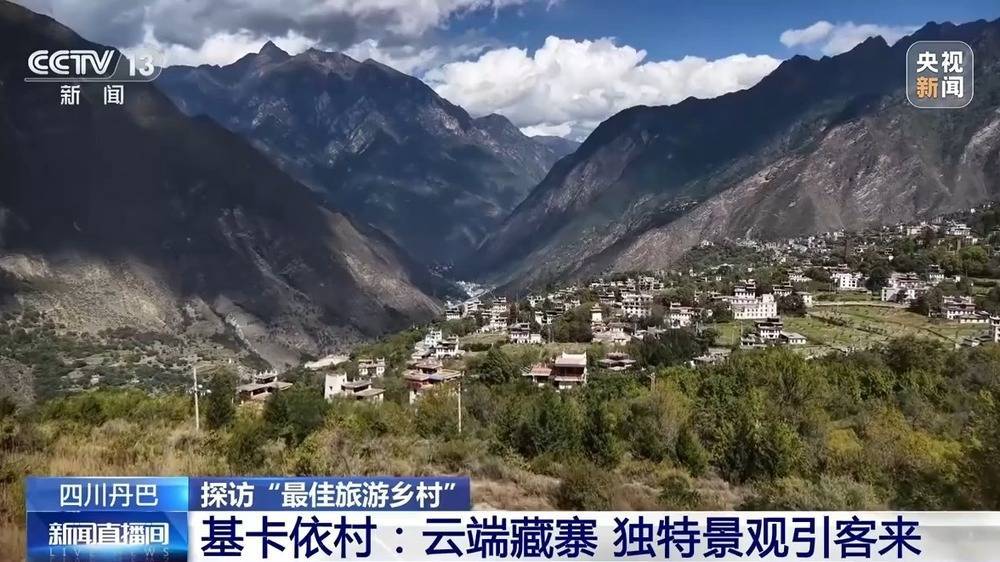
Core Points - The United Nations World Tourism Organization announced the selection of the "Best Tourism Villages" for 2025, with Jikayi Village in Sichuan's Ganzi Prefecture being one of the four selected villages in China [1] - Jikayi Village is located at an average altitude of 2300 meters and is known as the "Cloud-end Tibetan Village," highlighting its unique geographical and cultural significance [1][3] Summary by Sections Location and Cultural Significance - Jikayi Village is situated in the Danba County of Ganzi Prefecture, an important cultural hub for the Jiarong Tibetan culture, blending ethnic culture with ecological tourism [1] - The village features traditional Tibetan architecture harmoniously integrated into the natural landscape, creating a picturesque rural scene [5] Historical and Architectural Features - The area is known for its ancient stone watchtowers, which were historically used for defense but now serve as a window for tourists to experience history [7] Tourism Development - The majority of the residents in Jikayi Village are from the Jiarong Tibetan ethnic group, and the village has actively developed its tourism industry by creating local-themed accommodations and various cultural experiences [9] - In the first half of this year, Jikayi Village received over 136,000 visitors, generating a total tourism revenue of 140 million yuan, representing a year-on-year growth of 22% [11]
以“农家乐”为载体、跟着赛事去旅行、“桥旅融合”……万千气象点亮乡村振兴
Yang Shi Wang· 2025-10-20 04:16
Group 1: Agricultural Harvest Progress - The national autumn grain harvest has reached nearly 70% completion, with specific crop progress showing over 70% for mid-season rice, over 60% for corn, and over 80% for soybeans [1] - Regional harvest progress indicates over 80% completion in the Southwest, over 70% in the Northwest and Huang-Huai-Hai regions, and around 65% in Northeast and Yangtze River middle and lower reaches, with South China at nearly 30% [1] - Hebei province has surpassed 85% in its autumn harvest progress [1] Group 2: Chengdu Urban Circle Culinary Competition - The "Farmhouse Fun for Everyone" culinary competition was held in Beijing, showcasing the Chengdu urban circle, which includes Chengdu, Deyang, Meishan, and Ziyang [2] - The competition featured 12 teams presenting traditional and innovative dishes, highlighting the culinary heritage and local specialties of the region [2][4] - A total of 20 premium tourism routes were launched to attract national tourists to experience the rural beauty and cultural charm of the Chengdu urban circle [4] Group 3: Rural Development and Tourism Initiatives - The event also included the release of 676 rural property project opportunities, with a total transaction scale of 8.608 billion yuan, covering rural cultural tourism and ecological agriculture [6] - The integration of cultural and sports events, such as the 10-kilometer elite race in Guangdong, has led to increased tourism, with a reported 3.7 million visitors in the first three quarters of the year, marking an 11.77% increase [11] - The opening of the world's highest bridge in Guizhou has initiated a new "bridge-tourism integration" experience, enhancing local tourism and economic development [12][16]
兴化东罗蝶变:昔日“锅底洼”如今“全球最佳”
Ren Min Wang· 2025-10-19 10:00
Core Insights - Dongluo Village has been recognized as a "Best Tourism Village" by the United Nations World Tourism Organization, highlighting its unique agricultural heritage and waterway landscape [1][2] Group 1: Development and Transformation - The geographical challenges of Dongluo Village, such as low-lying terrain leading to crop flooding, were addressed through new rural construction initiatives starting in 2007, improving roads and village environments [2] - A collaboration in 2017 between the local government, Vanke Real Estate, and Dongluo Village aimed to redesign and improve the village's overall appearance, marking a significant step in rural development [2][4] - The village has seen a shift from traditional agricultural practices to tourism and hospitality, with local residents participating in the development of homestays and cafes, thus transforming from observers to active contributors [4][6] Group 2: Economic Impact - The tourism season has significantly boosted local incomes, with one resident reporting earnings of over 100,000 yuan during the rapeseed flower tourism season [1][6] - In 2024, Dongluo Village is projected to achieve a collective economic disposable income of 2.85 million yuan, reflecting a 5% increase, while per capita disposable income for villagers is expected to reach 34,066 yuan, an 8.1% increase [6][8] - The introduction of unique agricultural products and tourism experiences has led to a projected sales revenue of 23 million yuan for local specialties in 2024 [6] Group 3: Tourism and Cultural Heritage - The village's transformation is part of a broader tourism strategy in Xinhua, integrating various attractions to create a comprehensive tourism experience [8] - The local government emphasizes the importance of preserving biodiversity and traditional knowledge through tourism, aiming for innovative utilization of cultural landscapes [8] - Dongluo Village's development reflects a successful model of rural revitalization, showcasing how historical agricultural practices can be transformed into modern tourism opportunities [8]
边生活、边创业、边致富!千年水乡焕发蓬勃生机 古老智慧释放发展新活力
Yang Shi Wang· 2025-10-19 03:35
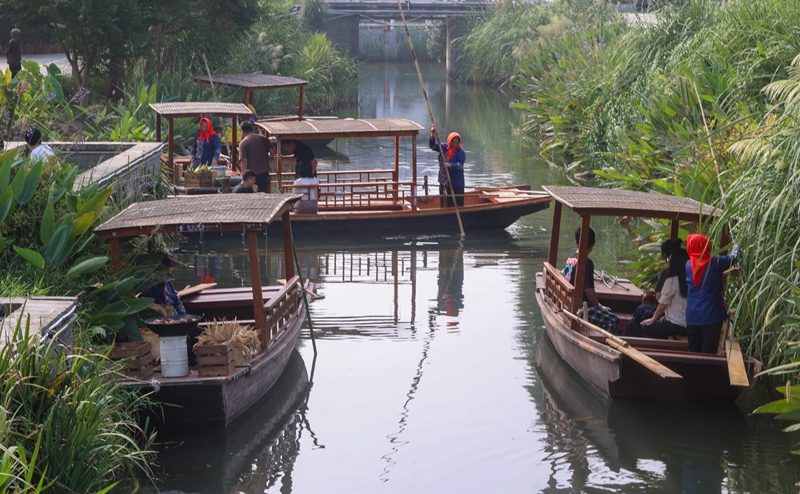
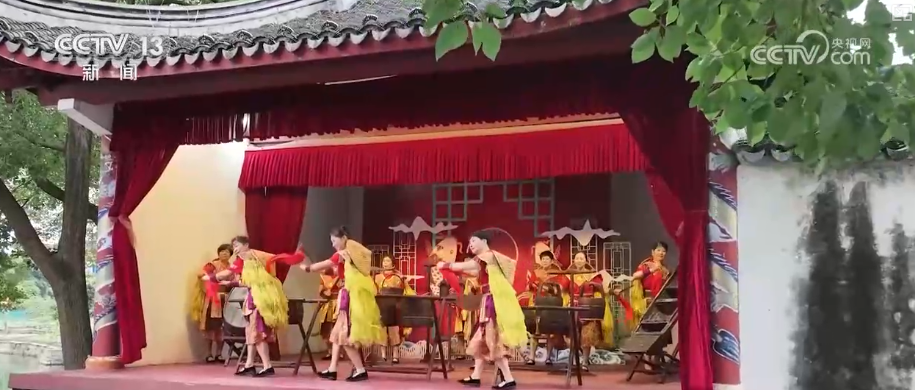
Core Viewpoint - The United Nations World Tourism Organization announced the "Best Tourism Villages" list for 2025, with four villages from China, including Huzhou's Digan Village in Zhejiang, recognized for its unique "Sang-ji Fish Pond System" that benefits local residents and creates a distinctive landscape [1] Group 1: Cultural and Economic Aspects - Digan Village features a unique performance called "Fishing Family," showcasing the joy of fishermen during harvest, using traditional wooden instruments [4] - The village has developed over 100 educational courses related to local culture, including fishing experiences and traditional crafts, allowing visitors to engage with the community while supporting local entrepreneurship [13] - In 2024, Digan Village's total tourism revenue is expected to exceed 100 million yuan, demonstrating the successful integration of ecological protection and rural development [15] Group 2: Agricultural Practices - The "Sang-ji Fish Pond System" is a sustainable agricultural model that has been preserved for centuries, involving the cultivation of mulberry trees and fish farming in a cyclical manner [7] - Local specialties, such as mulberry leaf cake and fish balls, are made from ingredients sourced from the "Sang-ji Fish Pond System," highlighting the village's culinary heritage [10]

四川这座千年村落何以吸引世界目光?
Si Chuan Ri Bao· 2025-10-19 01:26
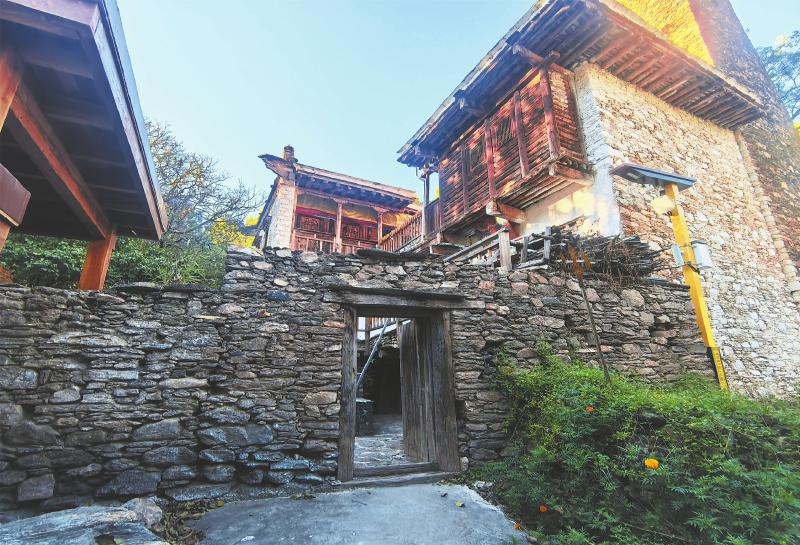
Core Viewpoint - The village of Jikayi in Danba County, Garze Tibetan Autonomous Prefecture, Sichuan, has been selected as one of the "Best Tourism Villages" by the United Nations World Tourism Organization for 2025, marking it as the first village in Garze and the second in Sichuan to receive this honor [3][4]. Cultural Heritage - Jikayi village is located in the core area of the cultural corridor of the Tibetan, Qiang, and Yi ethnic groups, rich in historical significance with human habitation dating back 5,000 years [3][5]. - The village features numerous ancient watchtowers, known as "Qiang towers," which are built using a unique construction technique that enhances their seismic resistance and thermal insulation [3][4]. Tourism Development - The ancient towers serve not only as cultural symbols but also as a significant attraction for tourists, with a growing number of visitors drawn to the village for its scenic beauty and cultural heritage [4][5]. - The local government has implemented measures to promote sustainable tourism, encouraging local residents to operate homestays rather than allowing external investors to build modern structures that could compromise the village's traditional architecture [6][7]. Local Entrepreneurship - Since the village's recognition, the number of homestays has increased from about 20 to over 60, with 95% of these businesses operated by local residents [6][7]. - Local initiatives include training programs for e-commerce, hospitality management, and culinary skills, as well as financial support for villagers looking to start their own businesses [6][7]. Preservation Efforts - The local government has established regulations to protect the traditional architecture and cultural heritage of the village, ensuring that any new constructions adhere to the traditional aesthetic [7].
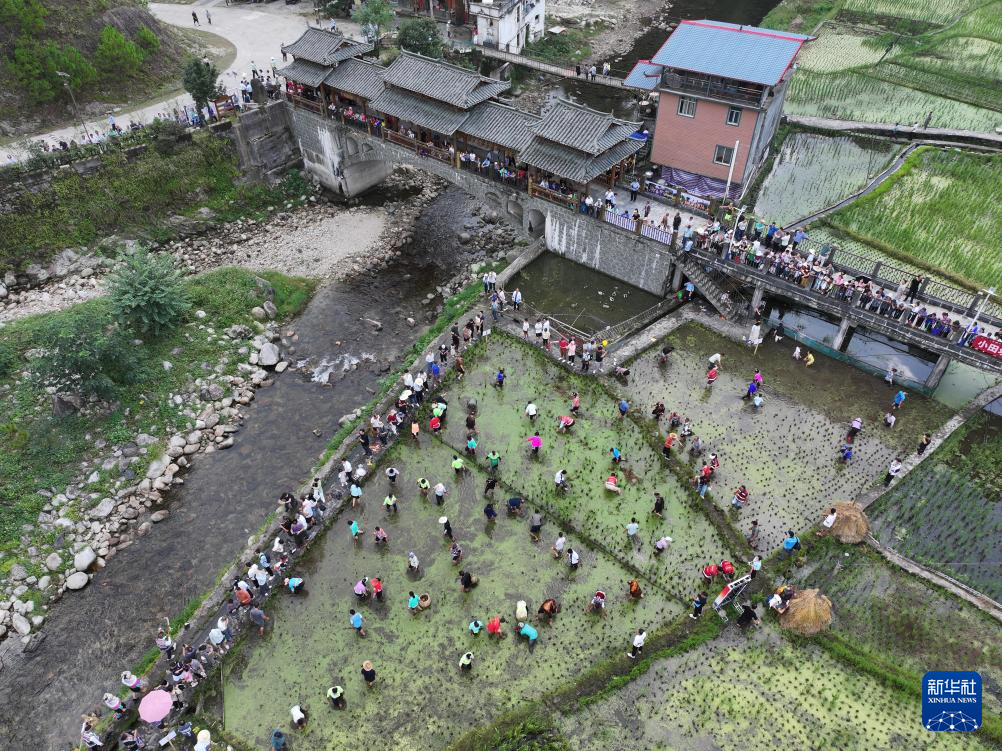
粤桂协作助力苗乡渔旅融合发展
Ren Min Wang· 2025-10-18 14:59
Core Viewpoint - The collaboration between Liuzhou's Rongshui Miao Autonomous County in Guangxi and Lianjiang City in Guangdong has effectively utilized local freshwater resources and cooperative funding to promote integrated rice-fish farming, infrastructure development, and tourism initiatives, thereby enhancing rural income and tourism economy, contributing to rural revitalization [2][4][7]. Group 1: Collaboration and Initiatives - The partnership between Guangdong's Lianjiang City and Guangxi's Rongshui Miao Autonomous County was formalized through a cooperation framework agreement signed in September 2017 [2][4][11]. - The two regions have leveraged their respective advantages in various sectors including tea, culture and tourism, e-commerce, and agriculture and forestry to foster ongoing collaboration [2][4][11]. Group 2: Economic Impact - The initiatives have led to the development of integrated rice-fish farming, which has been a key driver in increasing villagers' income and stimulating the rural tourism economy [2][4][9]. - The promotion of tourism through events such as fishing competitions and culinary contests has further enhanced local economic activity and community engagement [11][13][17].